The immune supplement market has exploded into a multi-billion dollar industry — and sorting science-backed products from overhyped formulas has never been harder. With thousands of options claiming to "boost" immunity, most people end up overwhelmed or taking supplements that don’t deliver meaningful benefits.
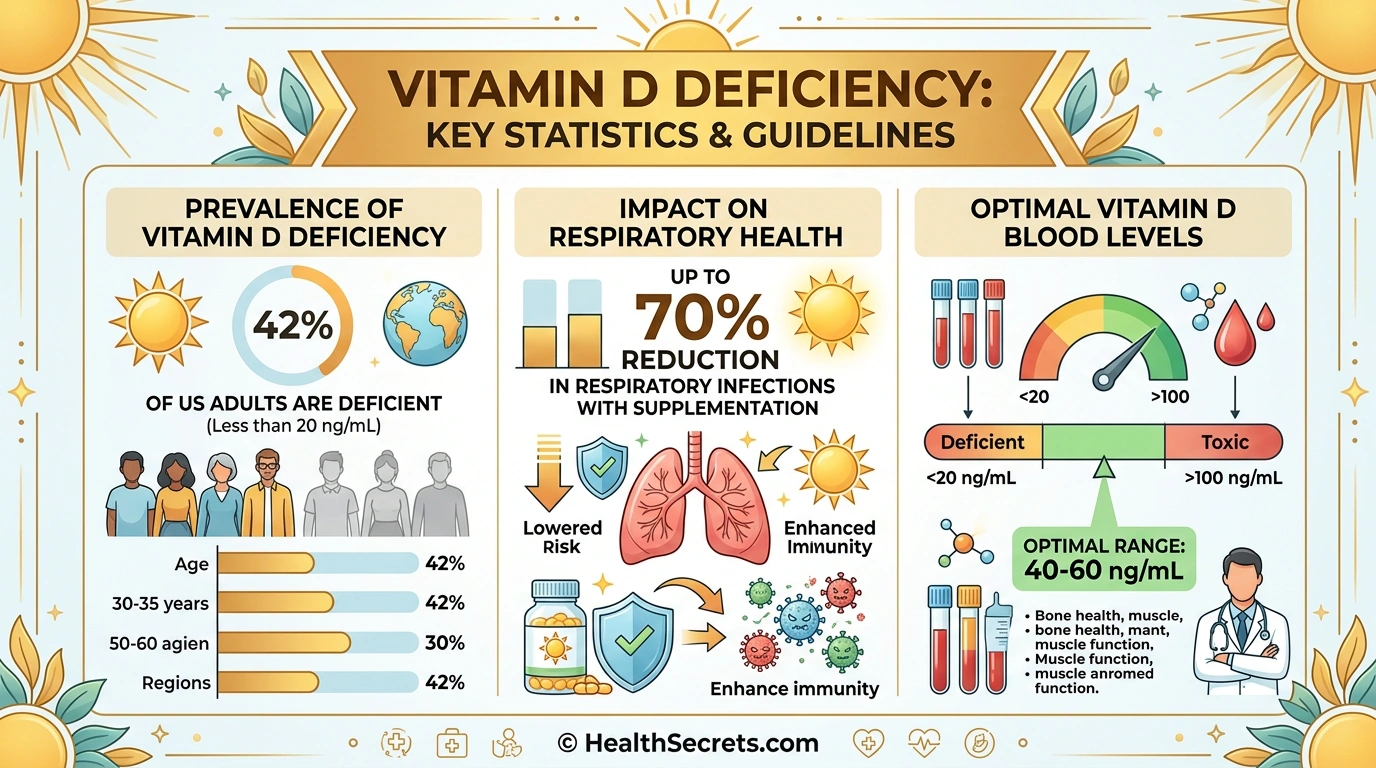
Here’s what the science tells us: your immune system requires specific nutrients to function optimally. Research shows that a significant portion of adults are deficient in key immune nutrients like vitamin D, zinc, and vitamin C — and targeted supplementation can genuinely help fill those gaps [1][2].
But "boosting" immunity isn’t quite the right framing. Quality supplements support optimal immune function by ensuring your body has the raw materials for a balanced, effective immune response. Overactivating the immune system can be just as problematic as an underperforming one — especially for people with autoimmune conditions [3].
We spent over 40 hours researching clinical evidence, analyzing ingredient quality, verifying third-party testing, and comparing prices to identify the 10 best immune boosting supplements that genuinely deliver. Every product on this list contains research-backed ingredients at clinically meaningful doses.
What Should You Look for in the Best Immune Boosting Supplements?
The best immune boosting supplements combine clinically validated ingredients at research-backed doses, transparent labeling, third-party quality testing, and bioavailable forms your body can absorb. Avoiding proprietary blends, inflated claims, and under-dosed formulas is just as important as choosing the right ingredients [8].
Which Ingredients Have the Strongest Evidence for Immune Support?
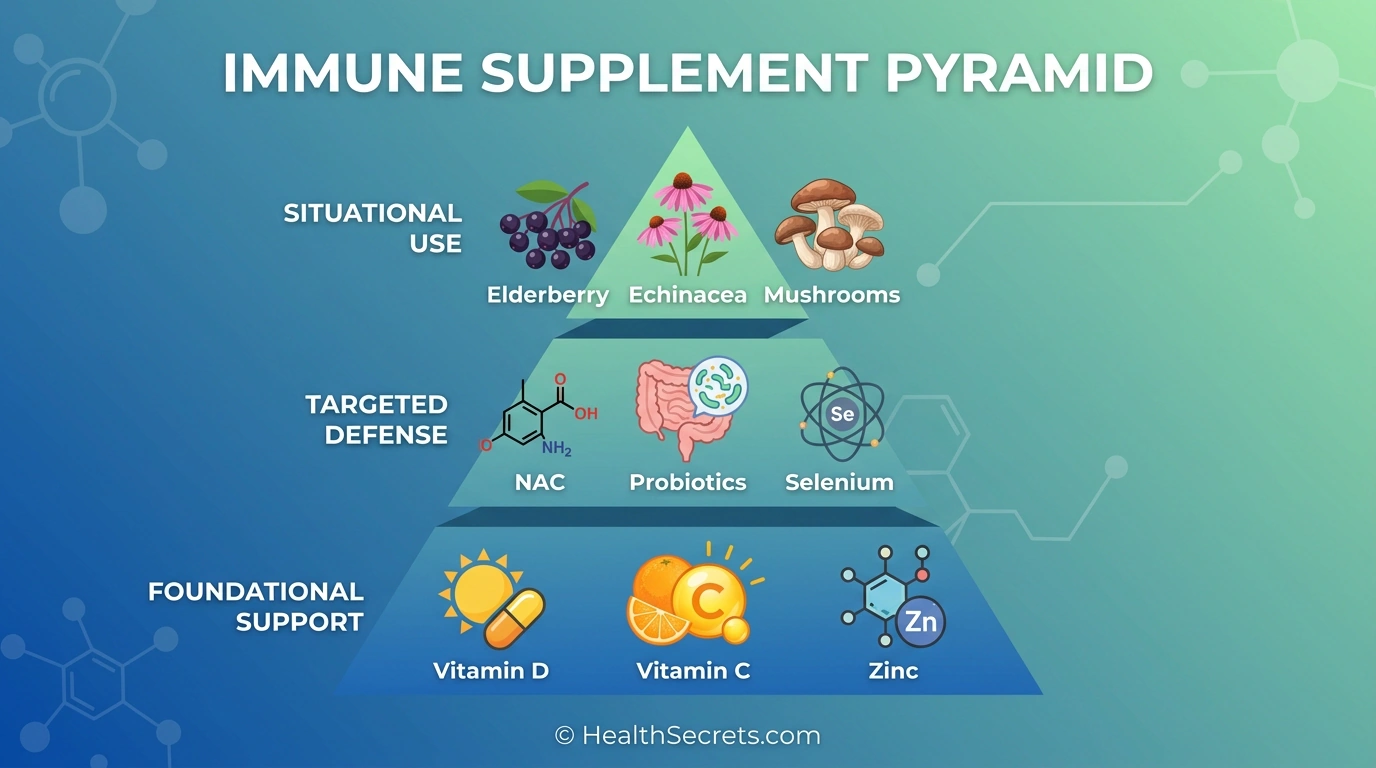
The nutrients with the most robust evidence are vitamin C (200–1,000 mg/day), vitamin D3 (1,000–5,000 IU/day), and zinc (15–30 mg/day). These three form the foundation of evidence-based immune supplementation. Beyond the basics, elderberry, NAC, probiotics (specific strains), and medicinal mushrooms have growing clinical support [1][2][9].
What Quality Markers Should You Check Before Buying?
- Third-party testing: USP Verified, NSF Certified, or ConsumerLab Approved seals
- Clinically meaningful doses: Compare label amounts to clinical study doses
- Bioavailable forms: Zinc picolinate over oxide, D3 over D2, methylated B vitamins
- No proprietary blends: Exact amounts of every ingredient visible
- GMP certification: Ensures manufacturing quality standards
- Transparent sourcing: Reputable brands disclose ingredient origins [8]
How Did We Evaluate These Immune Support Products?
We evaluated over 40 immune supplement products using systematic criteria prioritizing clinical evidence, ingredient quality, and real-world value. Our process ensures every recommendation is backed by science, not marketing [8].
Our evaluation criteria:
- Clinical evidence (30%): Ingredients supported by peer-reviewed research from PubMed and Cochrane databases
- Dosing accuracy (25%): Clinically meaningful doses verified against research-backed amounts
- Bioavailability (15%): Ingredients in forms the body efficiently absorbs
- Third-party testing (15%): Independent verification by USP, NSF, or ConsumerLab
- Value (10%): Cost per daily serving relative to quality
- Transparency (5%): Full ingredient and manufacturing disclosure

Viva Naturals Elderberry 5-in-1 Immune Support
Editor's Choice — Best OverallViva Naturals · Comprehensive daily immune support in a single product

NOW Foods Vitamin C-1000 with Rose Hips
Best Value Vitamin CNOW Foods · Affordable daily vitamin C at a clinical dose

Sports Research Vitamin D3 + K2
Best Vitamin DSports Research · Correcting vitamin D deficiency with proper K2 co-factor

Thorne Zinc Picolinate 30mg
Best ZincThorne Zinc · Highly absorbable zinc for immune cell function

Host Defense MyCommunity Mushroom Capsules
Best Medicinal MushroomHost Defense · Daily immune modulation with comprehensive mushroom support
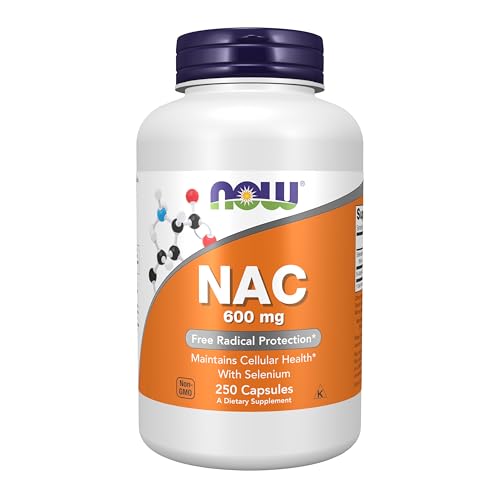
NOW Foods NAC 600mg
Best Value NACNOW Foods · Glutathione support and antioxidant defense on a budget
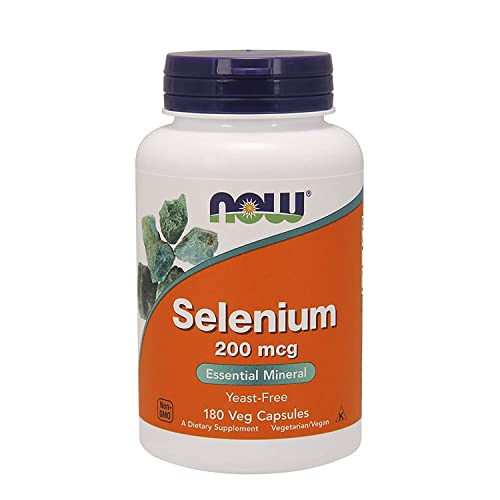
NOW Foods Selenium 200mcg
Best Trace MineralNOW Foods · Affordable selenium for thyroid and immune function
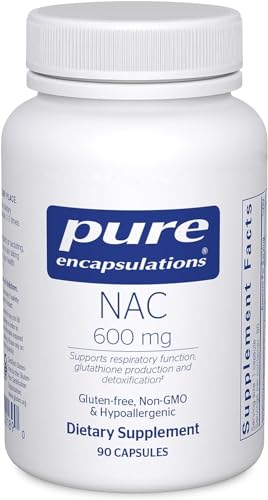
Pure Encapsulations NAC 600mg
Best Premium NACPure Encapsulations · Hypoallergenic, clinical-grade NAC for sensitive individuals

Renew Life Ultimate Flora Extra Care 50 Billion
Best Probiotic for ImmunityRenew Life · Gut-immune connection support with high-potency probiotics
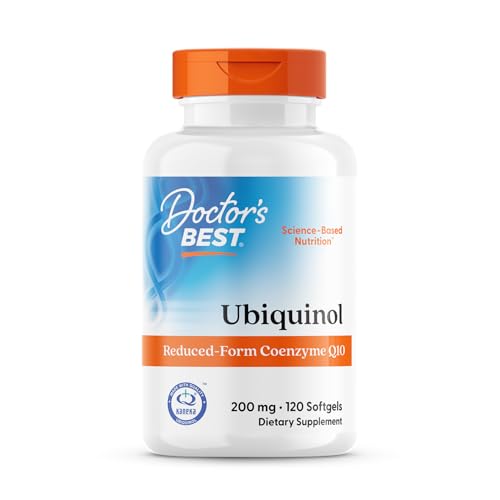
Doctor's Best Ubiquinol 200mg (Kaneka)
Best Antioxidant ComplementDoctor's Best · Cellular energy and antioxidant support alongside immune supplements
Read the detailed review cards below before opening any retailer link
Top Recommended Products
Viva Naturals
Viva Naturals Elderberry 5-in-1 Immune Support
Combines five evidence-backed immune nutrients at a price point that beats buying each separately. The D3 dose alone justifies the purchase.
优点
- + Five immune nutrients in one product
- + clinical D3 dose
- + excellent value
- + convenient 2-capsule serving
缺点
- - Zinc dose below optimal 15–30 mg range
- - capsule form only
- - elderberry not standardized
入选理由: Combines five evidence-backed immune nutrients at a price point that beats buying each separately. The D3 dose alone justifies the purchase.
零售商链接将在查看上述评论详情后跳转至 Amazon
NOW Foods
NOW Foods Vitamin C-1000 with Rose Hips
At under $0.08/day for a full clinical dose, this is the gold standard for reliable, affordable vitamin C supplementation.
优点
- + Outstanding value at pennies per day
- + clinical dose
- + includes bioflavonoids
- + trusted brand
缺点
- - Large tablet
- - standard ascorbic acid form
- - no additional immune ingredients
入选理由: At under $0.08/day for a full clinical dose, this is the gold standard for reliable, affordable vitamin C supplementation.
零售商链接将在查看上述评论详情后跳转至 Amazon
Sports Research
Sports Research Vitamin D3 + K2
USP verification guarantees label accuracy, the D3+K2 combination is the gold standard, and the coconut oil carrier maximizes absorption of this critical immune nutrient.
优点
- + USP Verified
- + includes K2 for calcium direction
- + coconut oil enhances absorption
- + plant-based softgel
缺点
- - 5
- - 000 IU may be too high for some without testing
- - no additional immune ingredients
入选理由: USP verification guarantees label accuracy, the D3+K2 combination is the gold standard, and the coconut oil carrier maximizes absorption of this critical immune nutrient.
零售商链接将在查看上述评论详情后跳转至 Amazon
Thorne Zinc
Thorne Zinc Picolinate 30mg
Thorne’s NSF certification and picolinate form make this the most reliable zinc supplement for immune support — absorption matters more than dose with zinc.
优点
- + NSF Certified for Sport
- + picolinate is the most absorbable form
- + Thorne’s clinical-grade reputation
- + clean formula
缺点
- - Single-ingredient (no added immune support)
- - slightly higher price than budget zinc options
入选理由: Thorne’s NSF certification and picolinate form make this the most reliable zinc supplement for immune support — absorption matters more than dose with zinc.
零售商链接将在查看上述评论详情后跳转至 Amazon
Host Defense
Host Defense MyCommunity Mushroom Capsules
The most comprehensive mushroom immune formula available, backed by Paul Stamets’ decades of mycological research and third-party studies on mycelium + substrate synergy.
优点
- + 17-species blend for broad-spectrum support
- + founded by renowned mycologist Paul Stamets
- + certified organic
- + USA grown
缺点
- - Uses mycelium (not fruiting body — debated in mushroom community)
- - rice substrate included
- - premium price
入选理由: The most comprehensive mushroom immune formula available, backed by Paul Stamets’ decades of mycological research and third-party studies on mycelium + substrate synergy.
零售商链接将在查看上述评论详情后跳转至 Amazon
NOW Foods
NOW Foods NAC 600mg
NAC is the most effective oral way to boost glutathione levels, and NOW Foods delivers a clinical dose at an unbeatable price from a GMP-certified facility.
优点
- + Exceptional value
- + clinical dose
- + NAC boosts glutathione (master antioxidant)
- + 100-day supply
- + trusted brand
缺点
- - Single-ingredient
- - standard release (not sustained)
- - some GI sensitivity possible
入选理由: NAC is the most effective oral way to boost glutathione levels, and NOW Foods delivers a clinical dose at an unbeatable price from a GMP-certified facility.
零售商链接将在查看上述评论详情后跳转至 Amazon
NOW Foods
NOW Foods Selenium 200mcg
Selenium is essential for immune cell function and antioxidant enzymes (glutathione peroxidase), and this 6-month supply costs less than a single coffee.
优点
- + 6-month supply
- + highly bioavailable form
- + essential for immune enzymes and thyroid
- + incredibly affordable
缺点
- - Single mineral only
- - high doses of selenium can be toxic (don’t exceed 400 mcg/day)
- - not for everyone
入选理由: Selenium is essential for immune cell function and antioxidant enzymes (glutathione peroxidase), and this 6-month supply costs less than a single coffee.
零售商链接将在查看上述评论详情后跳转至 Amazon
Pure Encapsulations
Pure Encapsulations NAC 600mg
For people with food sensitivities, allergies, or who want the cleanest possible formula, Pure Encapsulations is the gold standard in hypoallergenic supplementation.
优点
- + Hypoallergenic (no gluten
- + wheat
- + dairy
- + soy
- + eggs
- + nuts)
- + Pure Encapsulations clinical reputation
- + clean formula with minimal excipients
缺点
- - Premium price compared to NOW Foods NAC
- - single-ingredient
- - 90-day vs 100-day supply
入选理由: For people with food sensitivities, allergies, or who want the cleanest possible formula, Pure Encapsulations is the gold standard in hypoallergenic supplementation.
零售商链接将在查看上述评论详情后跳转至 Amazon
Renew Life
Renew Life Ultimate Flora Extra Care 50 Billion
Since 70–80% of immune cells reside in the gut, high-potency probiotics with delayed-release technology offer meaningful immune support through the gut-immune axis.
优点
- + 50 billion CFU potency
- + 12 diverse strains including immune-relevant Lactobacillus and Bifidobacterium
- + delayed-release technology
- + no refrigeration needed
缺点
- - Higher price per day
- - single-month supply
- - may cause initial bloating as gut adjusts
入选理由: Since 70–80% of immune cells reside in the gut, high-potency probiotics with delayed-release technology offer meaningful immune support through the gut-immune axis.
零售商链接将在查看上述评论详情后跳转至 Amazon
Doctor's Best
Doctor's Best Ubiquinol 200mg (Kaneka)
Immune cells are energy-intensive, and CoQ10 in its active ubiquinol form supports the mitochondrial function that powers immune responses — especially valuable for adults over 40.
优点
- + Active ubiquinol form (8x better absorbed than ubiquinone)
- + Kaneka QH is the gold standard
- + supports mitochondrial energy for immune cell activity
缺点
- - Premium price
- - primarily an energy/antioxidant supplement
- - 30-day supply only
入选理由: Immune cells are energy-intensive, and CoQ10 in its active ubiquinol form supports the mitochondrial function that powers immune responses — especially valuable for adults over 40.
零售商链接将在查看上述评论详情后跳转至 Amazon
How Do You Use Immune Supplements Effectively for Best Results?
For optimal results, take immune supplements consistently as part of a daily routine rather than only when sick. Fat-soluble vitamins (D3, K2) should be taken with a meal containing fat, while vitamin C and zinc are best taken with food to minimize stomach upset [2][10].
Should You Take Immune Supplements Daily or Only When Sick?
Daily (preventive) use is recommended for foundational nutrients like vitamin D, vitamin C, and zinc — these work best when tissue levels are maintained consistently.
Acute use (at first sign of symptoms) is the better strategy for elderberry, echinacea, and high-dose zinc lozenges [5][11].

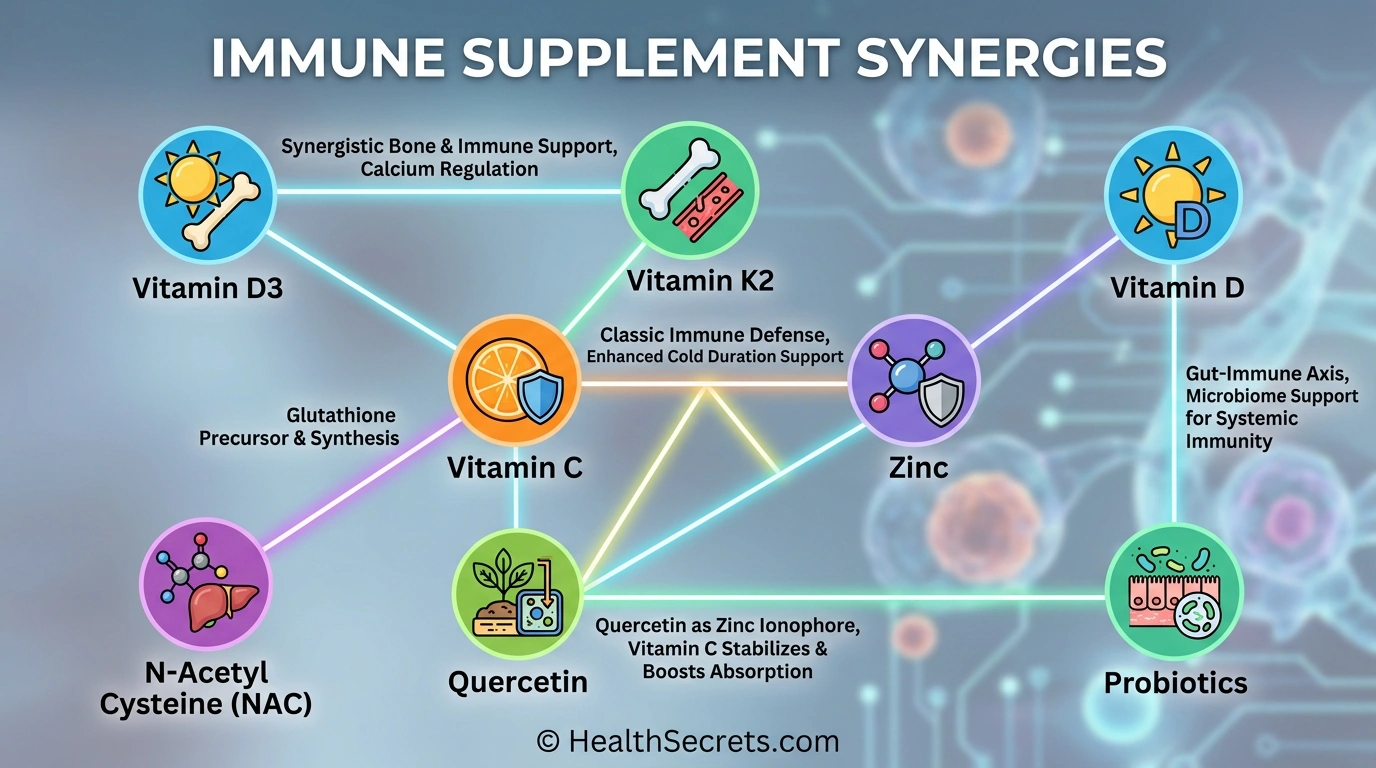
What Immune Supplement Combinations Work Well Together?
- Vitamin D3 + K2: K2 directs calcium properly when D3 increases absorption
- Vitamin C + Zinc: Complementary mechanisms — C supports neutrophils, zinc supports T-cells
- NAC** + Vitamin C:** Both support glutathione and antioxidant defense
- Vitamin D + Probiotics: D supports gut barrier where most immune cells reside
- Quercetin** + Vitamin C:** Quercetin acts as a zinc ionophore; C recycles quercetin [12]
Who Should NOT Take Certain Immune Supplements?
People with autoimmune conditions (lupus, RA, MS, Hashimoto’s) should avoid immune-stimulating supplements like elderberry, echinacea, and astragalus. Immune-modulating options (vitamin D, probiotics, medicinal mushrooms) are generally safer but still require medical consultation [3].
Are There Any Safety Concerns with Immune Boosting Supplements?
Most immune supplements are safe for healthy adults at recommended doses, but several carry interaction risks. Zinc above 40 mg/day long-term can cause copper deficiency, vitamin D toxicity is possible above 10,000 IU/day without monitoring, and elderberry may interact with immunosuppressants [2][13].
What Are the Most Common Side Effects?
- Zinc: Nausea and metallic taste at higher doses; copper depletion above 40 mg/day long-term [13]
- Vitamin C: GI distress above 2,000 mg/day; may increase kidney stone risk in susceptible people [14]
- Elderberry: Mild GI symptoms; raw berries are toxic — only use commercially prepared extracts [5]
- Echinacea: Allergic reactions possible in ragweed-allergic people; limit to 8–10 weeks [11]
- NAC: GI side effects at higher doses; may interact with nitroglycerin and blood thinners [6]
Which Medications Interact with Immune Supplements?
- Immunosuppressants: Elderberry, echinacea, astragalus may counteract these
- Blood thinners: High-dose vitamin C and NAC may affect clotting
- Antibiotics: Zinc can reduce absorption (take 2+ hours apart)
- Thyroid medications: Take supplements 4+ hours apart from levothyroxine [13][14]
Action Plan
What Should You Do First to Build an Immune Supplement Routine?
Follow the sequence below, work through each phase in order, and use the checklist as your practical implementation guide.
Start with three foundational nutrients — vitamin D3, vitamin C, and zinc — since these address the most common deficiencies and have the strongest evidence. Then add targeted supplements based on individual needs after 2–4 weeks [1][2].
Phase 1 — Foundation (Weeks 1–2):
- Get vitamin D levels tested (25-hydroxyvitamin D blood test)
- Start vitamin D3 (2,000–5,000 IU/day with a fat-containing meal)
- Add vitamin C (500–1,000 mg/day with food)
- Add zinc picolinate (15–30 mg/day; don’t exceed 40 mg/day long-term)
Phase 2 — Targeted Additions (Weeks 3–4):
- For antioxidant support: add NAC (600 mg 1–2x/day)
- For daily immune modulation: add a medicinal mushroom blend
- For gut-immune support: add a probiotic with immune-specific strains
- Keep elderberry on hand for acute cold/flu use
Phase 3 — Optimize (Month 2+):
- Retest vitamin D after 3 months; target 40–60 ng/mL
- Support supplements with anti-inflammatory diet and exercise
- Reassess seasonally (increase D3 in winter; elderberry for cold/flu season)
- Combine with lifestyle strategies to boost immunity