Skip to content
Dried astragalus root slices used in Traditional Chinese Medicine for immune support Pin It
🛡️ Immune System Supplement Guide
11 min

Astragalus for Immune Support: Ancient Remedy Review

DD
Dr. David Kim
| Dr. Sarah Chen | words | 20 citations
Updated this month Last reviewed: May 27, 2026 Medically reviewed by Dr. Sarah Chen

Who This Is For

Best for readers comparing immune system options and trying to avoid hype.

Who Should Be Careful

Not for replacing clinician guidance when symptoms, medications, or lab issues are involved.

Affiliate Disclaimer | This article may contain affiliate links to products we trust. If you choose to buy through them, we may earn a small commission at no extra cost to you. Full disclosure

Medical Disclaimer | For informational purposes only. Not a substitute for professional medical advice. Read full disclaimer

M

Key Takeaways

Astragalus (Huang Qi) has been used for over 2,000 years in Traditional Chinese Medicine as a premier immune tonic and Qi-building herb.
Astragalus polysaccharides (APS) are the most studied active compounds, enhancing T cell, NK cell, and macrophage function through TLR4-mediated signaling pathways.
Clinical evidence suggests astragalus supplementation can reduce upper respiratory infection incidence by up to 44% in vulnerable populations.
Astragalus works best as a preventive, long-term tonic — not during acute infections with fever, which is consistent with traditional TCM principles.
People with autoimmune conditions (lupus, RA, MS) should avoid astragalus, as it may overstimulate the immune system and worsen symptoms.
Standard supplement dosing ranges from 500–2,000 mg of standardized extract daily, while traditional decoctions use 9–30 g of dried root.
Selenomethionine is the preferred supplemental form; always choose products standardized to polysaccharides and third-party tested for heavy metals.
Astragalus combines well with other immune herbs like elderberry, echinacea, and reishi mushroom for comprehensive seasonal immune support.

Top Recommended Products

Comparison shortlist to review before leaving the guide

6 Items
01

Nature's Way Astragalus Root 1,410 mg

Nature's Way · Daily immune tonic with trusted brand quality

Compare
02

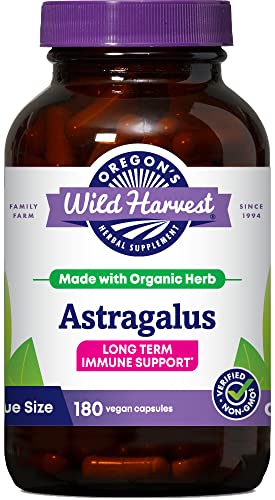
Oregon's Wild Harvest Organic Astragalus

Oregon's Wild · Organic-focused consumers seeking certified purity

Compare
03

Nutricost Astragalus Capsules 550 mg

Nutricost Astragalus · Budget-conscious daily immune support

Compare
04

Amazing Formulas Astragalus 2,000 mg

Amazing Formulas · Therapeutic-level immune support in fewer capsules

Compare
05

Nutricost Organic Astragalus Root Powder

Nutricost Organic · Traditional preparation, flexible dosing, smoothies and teas

Compare
06

Herb Lore Organic Astragalus Tincture

Herb Lore · Fast absorption, liquid form preference

Compare

Read the detailed review cards below before opening any retailer link

If you've ever explored the world of herbal immune support, chances are you've come across astragalus — though you may not have realized just how significant this root really is. Known as Huang Qi (黄芪) in Traditional Chinese Medicine, astragalus has been a cornerstone of immune tonics for over two millennia. And unlike many ancient remedies that crumble under scientific scrutiny, astragalus is actually holding up remarkably well.

Modern research confirms what TCM practitioners have long observed: astragalus root enhances multiple arms of the immune system, from T cell proliferation to natural killer cell activity. Its polysaccharides bind to immune cell receptors and activate critical signaling pathways, while its saponins and flavonoids provide potent antioxidant and anti-inflammatory protection.

But astragalus isn't for everyone — and it's definitely not for every situation. If you have an autoimmune condition, or you're in the middle of an acute infection with fever, this herb may do more harm than good. Understanding when to use astragalus (and when to avoid it) is just as important as understanding its benefits.

For a broader overview of immune-supporting supplements, see our complete guide to boosting your immune system naturally. You can also explore our best immune supplements roundup and our comprehensive supplements guide for additional context.

What Is Astragalus and What Does It Do for Your Immune System?

Astragalus membranaceus is a flowering legume native to northern China and Mongolia whose root contains polysaccharides, saponins (astragalosides), and flavonoids that work together to modulate and strengthen immune function. In Traditional Chinese Medicine, it's classified as a superior Qi tonic that strengthens Wei Qi — the body's defensive energy — making it one of the most important herbs for long-term immune resilience.

The root is the medicinal part, typically harvested from plants aged 4–7 years for maximum potency. Astragalus contains three primary classes of bioactive compounds:

What Are Astragalus Polysaccharides and Why Do They Matter?

  • Astragalus polysaccharides (APS) are the most extensively researched immune-active compounds. They bind to Toll-like receptors (TLR4) on immune cells, activating the NF-κB and MAPK signaling pathways that trigger immune cell proliferation, cytokine production, and pathogen clearance. A 2020 study confirmed that APS enhanced macrophage immune function specifically through NF-κB p65/MAPK signaling ([1]Exp Ther Med [1]).
  • Saponins (astragalosides) provide adaptogenic, anti-inflammatory, and cardioprotective effects. Astragaloside IV, the most studied saponin, has shown potential telomerase-activating properties in vitro.
  • Flavonoids deliver antioxidant and anti-inflammatory support, protecting immune cells from oxidative damage during their pathogen-fighting activities.
Botanical illustration of Astragalus membranaceus plant showing flowers leaves and medicinal root

How Does Astragalus Work in the Body to Strengthen Immunity?

Astragalus enhances immunity through multiple interconnected mechanisms: it activates macrophages and dendritic cells via TLR4 receptor binding, promotes T cell and NK cell proliferation through cytokine signaling, and provides antioxidant protection that shields immune cells from self-inflicted oxidative damage during pathogen clearance. These effects are primarily driven by astragalus polysaccharides.

How Does Astragalus Enhance T Cell and NK Cell Function?

Astragalus polysaccharides directly promote T cell proliferation and activity. A 2026 study published in Frontiers in Immunology demonstrated that APS acts as a precise immune modulator — not merely a booster — reprogramming the immune microenvironment by activating macrophages, dendritic cells, and other immune cells through surface receptor binding ([4]Front Immunol [4]). Research also shows APS enhances CD8+ T cell cytotoxicity by downregulating the Tim-3 immune checkpoint, increasing expression of activation markers like CD69 and granzyme B ([3]J Ethnopharmacol [3]).

For NK cells, APS significantly increases cytotoxicity and the expression of IFN-γ, granzyme B, and perforin — critical molecules for killing infected and abnormal cells ([5]Pharmaceuticals [5]).

How Does Astragalus Activate Macrophages?

APS stimulates macrophages through TLR4-mediated MyD88-dependent signaling, increasing the production of nitric oxide, TNF-α, IL-1β, and IL-6. When TLR4 or MyD88 was inhibited in studies, these immune-activating effects were significantly reduced, confirming the specific mechanism ([2]Sci Rep [2]).

Infographic showing how astragalus polysaccharides activate macrophages T cells and NK cells through TLR4 signaling

What Are the Adaptogenic Properties of Astragalus?

As a classified adaptogen, astragalus helps the body maintain immune homeostasis during physical and emotional stress. Chronic stress suppresses immune function through HPA axis dysregulation; astragalus normalizes this response. A randomized controlled trial in rowers found that standardized astragalus extract attenuated exercise-induced immunosuppression, helping maintain immune cell counts after strenuous exertion ([7]J Int Soc Sports Nutr [7]).

How Well Is Astragalus Absorbed by the Body?

Astragalus polysaccharides are primarily absorbed through the gastrointestinal tract, where they interact with gut-associated lymphoid tissue (GALT) and Toll-like receptors on intestinal immune cells. Bioavailability varies significantly by form — traditional decoctions extract compounds through prolonged simmering, while standardized extracts offer more consistent and concentrated delivery of active polysaccharides.

The polysaccharides don't need to be fully absorbed systemically to exert immune effects — much of their activity occurs through direct interaction with gut immune cells, which house approximately 70% of the body's immune tissue. However, astragalosides (saponins) do enter systemic circulation and distribute to organs including the liver, kidneys, and thyroid.

Absorption enhancers:

  • Traditional decoction (simmering 30–60 minutes): Extracts compounds more thoroughly than simple infusion
  • Standardized extracts: Concentrated and consistent polysaccharide content
  • Taking with food: Generally well-tolerated either way; food may improve GI comfort

Forms ranked by bioavailability:

  • Standardized extract capsules (most consistent)
  • Liquid tinctures (fast absorption)
  • Root powder (traditional, flexible dosing)
  • Dried root tea/decoction (most traditional, requires preparation)

How Much Astragalus Should You Take for Immune Support?

For general immune support, most clinical research and supplement manufacturers recommend 1,000–2,000 mg of standardized astragalus root extract daily, split into 2–3 doses. Traditional Chinese Medicine uses higher amounts of raw dried root — typically 9–30 g daily in decoction form — but the concentration of active compounds differs significantly between raw root and standardized extracts.

Form Dose Frequency Duration
Standardized Extract 500–1,000 mg 2–3x daily Months (tonic)
Root Powder 3–9 g 1–2x daily Months (tonic)
Tincture 2–4 mL 2–3x daily Months (tonic)
Dried Root Decoction 9–30 g 1x daily Months (tonic)
Timing: Astragalus is a tonic herb, meaning it builds effects over weeks to months. Start 4–6 weeks before cold and flu season for preventive use. Some practitioners recommend cycling — 3 months on, 1 month off — though continuous use is also considered safe at recommended doses.

The NCCIH notes that taking up to 60 grams per day for as long as 4 months does not appear to cause adverse effects, though a thorough safety evaluation has not been completed (NCCIH, Astragalus Fact Sheet [10]).

Can You Get Enough Astragalus from Food Alone?

Unlike vitamins or minerals, astragalus is not a nutrient found in everyday foods — it's a medicinal herb consumed intentionally as a supplement or prepared as a traditional decoction. While astragalus root slices can be simmered into soups, broths, and teas (a common practice in Chinese cuisine), achieving consistent therapeutic doses through dietary preparation alone is difficult without standardized measurement.

Safety infographic showing who can and cannot safely use astragalus for immune support

In Traditional Chinese Medicine, astragalus root is commonly added to chicken soup or congee (rice porridge) for nourishing, immune-supportive meals. However, the polysaccharide content varies significantly based on root quality, age, growing conditions, and preparation method.

Practical food-based approaches:

  • Astragalus chicken broth: Simmer 15–30 g dried root slices in broth for 1–2 hours
  • Astragalus tea: Decoct 3–6 g dried root per cup for 30–60 minutes
  • Astragalus congee: Add root slices to rice porridge during cooking

For consistent, therapeutic-level immune support, standardized supplements are more practical and reliable than food preparation alone.

Traditional Chinese astragalus chicken broth with root slices and goji berries for immune support

Is Astragalus Safe to Take Long-Term?

Astragalus is generally considered safe and well-tolerated at recommended doses, with thousands of years of traditional use and a low side-effect profile in clinical studies. However, it carries important contraindications for people with autoimmune conditions, those taking immunosuppressant medications, and potentially during pregnancy — making it essential to understand who should avoid this herb entirely.

Common side effects (rare): Mild digestive upset (bloating, gas), allergic reactions (rash, itching) — generally manageable by reducing dose or taking with food.

Contraindications (CRITICAL):

  • Autoimmune conditions: Astragalus stimulates immune activity and may worsen symptoms of rheumatoid arthritis, lupus, multiple sclerosis, Crohn's disease, and psoriasis. The NCCIH explicitly warns that people with autoimmune diseases should avoid astragalus (NCCIH [10]).
  • Immunosuppressant medications: May counteract cyclosporine, tacrolimus, azathioprine, and corticosteroids used for transplant or autoimmune management (WebMD [11]).
  • Lithium: Astragalus may decrease lithium elimination, potentially increasing levels and side effects.
  • Pregnancy and breastfeeding: Insufficient safety data; animal studies suggest potential fetal toxicity (MSD Manual).
  • Surgery: Stop 2 weeks before scheduled surgery due to theoretical bleeding and immune effects.
  • Acute infection with fever: Traditional TCM principle advises against using tonics during active infection (may "trap the pathogen").
Astragalus dosing comparison chart showing recommended amounts for capsules powder tincture and decoction forms

What Can Astragalus Actually Do for Your Immune Health?

Astragalus is best understood as a long-term immune tonic that strengthens resilience over weeks to months — not a quick-fix remedy for acute illness. Clinical evidence shows it can meaningfully reduce respiratory infection frequency in vulnerable populations, and laboratory research confirms robust immune cell activation, but it won't replace vaccines, proper hygiene, or medical treatment for serious infections.

What astragalus CAN do:

  • Reduce frequency of upper respiratory infections when taken preventively (clinical evidence showed a 44% reduction in children with nephrotic syndrome — [8]Evid Based Complement Alternat Med [8])
  • Enhance T cell, NK cell, and macrophage activity (consistent laboratory and some clinical evidence)
  • Support immune recovery after illness or intense physical stress
  • Provide adaptogenic stress resilience that indirectly supports immune function

What astragalus CANNOT do:

  • Cure or prevent specific diseases
  • Replace medical treatment for serious infections
  • Work immediately — effects build over weeks of consistent use
  • Safely enhance immunity in people with autoimmune conditions

Realistic timeline: Expect 4–8 weeks of consistent daily use before noticing meaningful differences in infection frequency or overall resilience.

What Should You Do First to Start Using Astragalus for Immune Support?

Begin by assessing whether astragalus is appropriate for you — confirming you don't have autoimmune conditions or take immunosuppressant medications — then select a quality supplement standardized to polysaccharides from Astragalus membranaceus root, and start with a moderate dose of 500–1,000 mg daily, ideally 4–6 weeks before cold and flu season.

Phase 1 — Assess (Week 1):

  • Confirm no autoimmune conditions (RA, lupus, MS, Crohn's, psoriasis)
  • Review current medications for interactions (immunosuppressants, lithium, blood thinners)
  • Consult healthcare provider if you have chronic health conditions

Phase 2 — Select and Start (Weeks 1–2):

  • Choose a quality astragalus supplement (A. membranaceus root, standardized to polysaccharides, third-party tested)
  • Start with 500 mg twice daily with meals
  • Monitor for any digestive discomfort or allergic reactions

Phase 3 — Optimize (Weeks 3–8):

  • Increase to 1,000 mg twice daily if well-tolerated and seeking therapeutic support
  • Consider combining with zinc (15–30 mg), vitamin C, and vitamin D for comprehensive immune support
  • Add elderberry at the first sign of illness for acute support

Phase 4 — Maintain (Ongoing):

  • Continue throughout cold/flu season (3–6 months)
  • Consider cycling: 3 months on, 1 month off (optional)
  • Stop during acute fever/infection and resume after recovery
  • Evaluate overall infection frequency after one full season
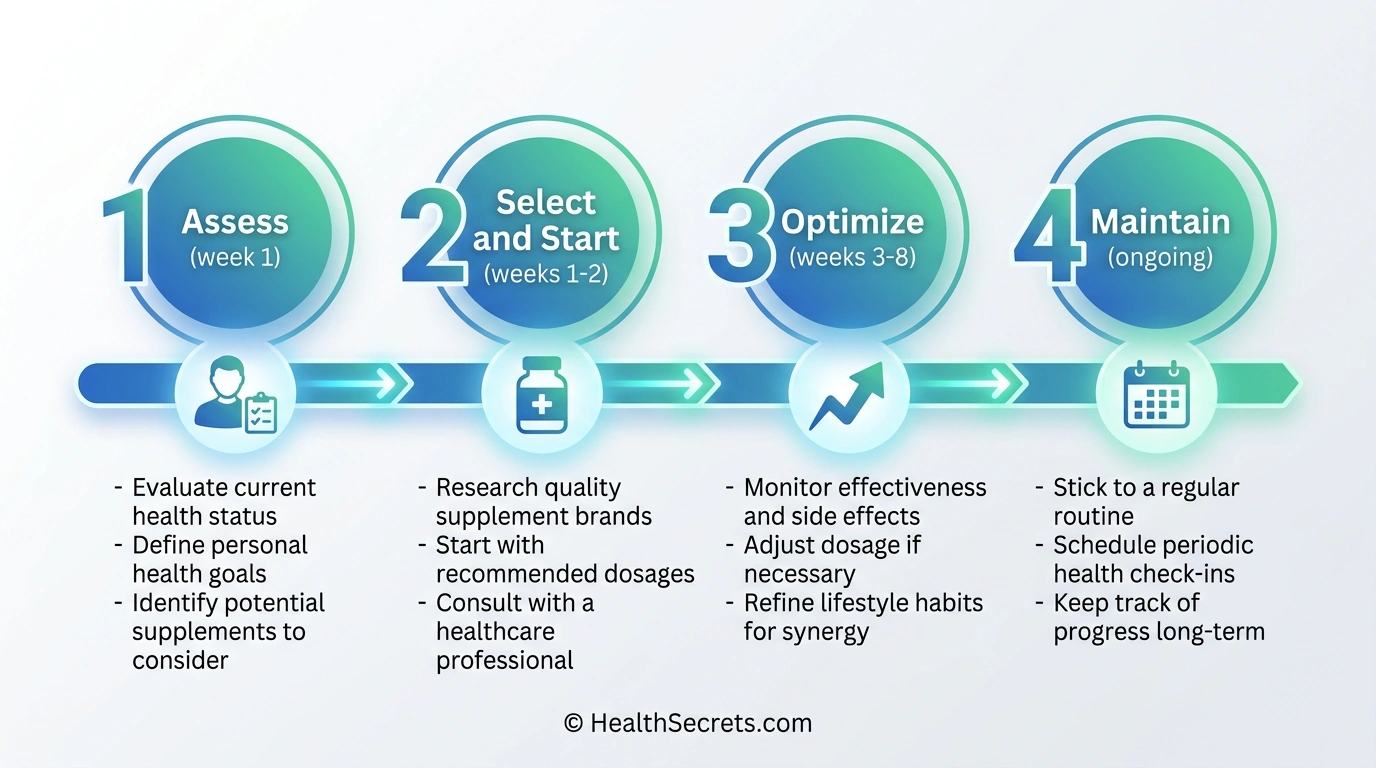
Four-phase astragalus immune support action plan from assessment through long-term maintenance
Various astragalus supplement forms including capsules powder tincture and dried root slices

Top Recommended Products

Best Overall

Nature's Way

Nature's Way Astragalus Root 1,410 mg

4.5/5 $
01

Nature's Way is one of the most established herbal supplement brands, and their TRU-ID certification verifies you're getting authentic Astragalus membranaceus root — an important quality marker given the thousands of Astragalus species that exist.

Pros

  • + Trusted heritage brand
  • + Non-GMO Project Verified
  • + TRU-ID authenticated species
  • + affordable per serving

Cons

  • - Requires 3 capsules per serving

Why we included it: Nature's Way is one of the most established herbal supplement brands, and their TRU-ID certification verifies you're getting authentic Astragalus membranaceus root — an important quality marker given the thousands of Astragalus species that exist.

Best for: Daily immune tonic with trusted brand quality Dosage: 1,410 mg per 3-capsule serving
View current price on Amazon

Retailer link opens on Amazon after the review details above

Best Organic

Oregon's Wild

Oregon's Wild Harvest Organic Astragalus

4.5/5 $
02

Oregon's Wild Harvest provides certified organic astragalus processed in small batches, which appeals to consumers who prioritize organic certification and minimal processing for their herbal supplements.

Pros

  • + USDA Certified Organic
  • + responsibly sourced
  • + small-batch processed for quality
  • + Non-GMO

Cons

  • - Smaller count means fewer servings per bottle
  • - higher cost per serving

Why we included it: Oregon's Wild Harvest provides certified organic astragalus processed in small batches, which appeals to consumers who prioritize organic certification and minimal processing for their herbal supplements.

Best for: Organic-focused consumers seeking certified purity Dosage: 1,125 mg per 3-capsule serving
View current price on Amazon

Retailer link opens on Amazon after the review details above

Best Value

Nutricost Astragalus

Nutricost Astragalus Capsules 550 mg

4.5/5 $
03

At roughly $0.05 per capsule with 240 servings per bottle, Nutricost delivers outstanding value for long-term daily use — ideal since astragalus works best as a tonic taken for months.

Pros

  • + Excellent value at 240 servings
  • + one capsule per serving
  • + Non-GMO and allergen-friendly
  • + third-party tested

Cons

  • - Lower dose per capsule requires multiple capsules for therapeutic range

Why we included it: At roughly $0.05 per capsule with 240 servings per bottle, Nutricost delivers outstanding value for long-term daily use — ideal since astragalus works best as a tonic taken for months.

Best for: Budget-conscious daily immune support Dosage: 550 mg per capsule
View current price on Amazon

Retailer link opens on Amazon after the review details above

Best High-Potency

Amazing Formulas

Amazing Formulas Astragalus 2,000 mg

4.5/5 $
04

For those seeking therapeutic-level dosing without swallowing multiple pills, Amazing Formulas delivers 2,000 mg per 2-capsule serving — close to the upper range of modern supplement recommendations.

Pros

  • + High potency 2
  • + 000 mg per serving
  • + only 2 capsules needed
  • + vegetarian
  • + made in USA

Cons

  • - Higher per-capsule dose may not suit those starting with lower doses

Why we included it: For those seeking therapeutic-level dosing without swallowing multiple pills, Amazing Formulas delivers 2,000 mg per 2-capsule serving — close to the upper range of modern supplement recommendations.

Best for: Therapeutic-level immune support in fewer capsules Dosage: 2,000 mg per 2-capsule serving
View current price on Amazon

Retailer link opens on Amazon after the review details above

Best Powder

Nutricost Organic

Nutricost Organic Astragalus Root Powder

4.5/5 $
05

Organic astragalus powder offers the most flexible and traditional way to supplement — ideal for adding to decoctions, smoothies, or cooking, and allows you to adjust dosing precisely.

Pros

  • + USDA Organic
  • + flexible dosing
  • + closest to traditional TCM use
  • + mixes into teas and smoothies
  • + excellent value per gram

Cons

  • - Requires measuring
  • - earthy taste may not appeal to everyone

Why we included it: Organic astragalus powder offers the most flexible and traditional way to supplement — ideal for adding to decoctions, smoothies, or cooking, and allows you to adjust dosing precisely.

Best for: Traditional preparation, flexible dosing, smoothies and teas Dosage: Flexible (typically 3–9 g)
View current price on Amazon

Retailer link opens on Amazon after the review details above

Best Tincture

Herb Lore

Herb Lore Organic Astragalus Tincture

4.5/5 $
06

Liquid tinctures offer faster absorption than capsules and provide flexibility for those who prefer not to swallow pills — the alcohol extraction method also efficiently draws out astragalus's bioactive compounds.

Pros

  • + Fast absorption
  • + convenient liquid form
  • + all-natural extraction
  • + made in USA
  • + caffeine-free

Cons

  • - Contains alcohol base (not suitable for those avoiding alcohol)
  • - smaller supply per bottle

Why we included it: Liquid tinctures offer faster absorption than capsules and provide flexibility for those who prefer not to swallow pills — the alcohol extraction method also efficiently draws out astragalus's bioactive compounds.

Best for: Fast absorption, liquid form preference Dosage: 1–2 dropperfuls (approximately 2–4 mL)
View current price on Amazon

Retailer link opens on Amazon after the review details above

Further Reading

Further Reading

"Adaptogens: Herbs for Strength, Stamina and Stress Relief"

by David Winston and Steven Maimes

Detailed profiles of 24+ adaptogens including astragalus; clinical dosing guidance; traditional and modern research synthesis; practical formulation strategies

Why it adds value here

David Winston is one of the most respected clinical herbalists in North America, and this updated edition provides the definitive guide to adaptogens — with extensive coverage of astragalus's immune-modulating and stress-resilience properties.

Best for: Anyone wanting comprehensive, clinical-level adaptogen education including astragalus

View book details

Further Reading

"The Complete Guide to Adaptogens"

by Agatha Noveille

Profiles of 24 popular adaptogens; practical recipes and formulas; clear explanations of traditional and modern uses; accessible for non-practitioners

Why it adds value here

This beginner-friendly guide covers astragalus alongside other key immune-supporting adaptogens, providing practical recipes and clear explanations that make herbal immune support approachable for everyday use.

Best for: Beginners looking for an accessible introduction to adaptogenic herbs and immune tonics

View book details

AEO FAQ

Frequently Asked Questions

10 common questions answered

Yes, astragalus is traditionally used as a daily tonic for long-term immune support. Standard supplement doses of 1,000–2,000 mg daily are considered safe for extended use. The NCCIH reports doses up to 60 g daily for 4 months showed no adverse effects. Some practitioners recommend cycling (3 months on, 1 month off), though continuous use is also considered safe.

Traditional Chinese Medicine advises against using astragalus during acute infections with fever, as tonic herbs may "trap the pathogen." The conservative approach is to stop astragalus when you have active fever or infection and resume after recovery. For acute support, echinacea or elderberry may be more appropriate.

No — astragalus stimulates immune activity and may worsen symptoms of autoimmune diseases like lupus, rheumatoid arthritis, multiple sclerosis, and Crohn's disease. The NCCIH explicitly warns people with autoimmune diseases to avoid astragalus. Some TCM practitioners may use it in carefully formulated combinations, but this requires expert supervision.

Astragalus is a tonic herb that builds effects gradually over weeks to months. Most people need 4–8 weeks of consistent daily use before noticing meaningful improvements in infection frequency or overall resilience. For seasonal prevention, start 4–6 weeks before cold and flu season.

Yes, astragalus can interact with immunosuppressant medications (cyclosporine, tacrolimus, corticosteroids), lithium, and theoretically with blood thinners. It may reduce the effectiveness of immunosuppressants and alter lithium elimination. Always consult your healthcare provider before combining astragalus with any medications.

Extracts are concentrated forms standardized to specific levels of polysaccharides (often 10–70%), delivering more active compounds per capsule. Root powder is the whole ground root with all naturally occurring compounds in their original ratios, closer to traditional TCM use. Extracts offer more consistent potency; powders offer a more holistic, traditional experience.

Yes, astragalus combines well with many immune-supporting supplements. Traditional formulas pair it with ginseng for energy and immunity. Modern combinations include astragalus with elderberry for viral support, reishi mushroom for dual adaptogenic-immune benefits, and vitamin D and zinc for comprehensive immune defense. Avoid combining with echinacea long-term — use echinacea for short-term acute support and astragalus for long-term prevention.

Look for supplements that specify Astragalus membranaceus (the medicinal species), use the root (not leaf or aerial parts), are standardized to polysaccharide content, and carry third-party testing certification for heavy metals and purity. Organic certification and Non-GMO verification are additional quality indicators. Avoid products that don't specify the species or plant part.

Yes, Huang Qi (黄芪) is the Chinese name for astragalus root. It translates roughly to "Yellow Leader," referring to the yellow color of the root and its status as a leading Qi tonic in TCM. The root has been used in Chinese medicine for over 2,000 years for building defensive energy (Wei Qi), fighting fatigue, and supporting recovery.

While astragalus has demonstrated antiviral and immune-enhancing properties in laboratory studies, there is no clinical proof that it prevents or treats COVID-19 specifically. Some observational research showed improved immune markers, but rigorous randomized controlled trials are still needed. Astragalus should complement — not replace — vaccination, hygiene, and medical care for viral infections.

Was this article helpful?

Written & Reviewed By Experts

DD

Author

Dr. David Kim

DS

Medical Reviewer

Dr. Sarah Chen

All content is evidence-based, peer-reviewed by qualified professionals, and updated regularly. Our editorial team follows strict guidelines for accuracy and transparency.

References & Citations

20 sources cited

1
Wu, J. et al. (2020). Astragalus polysaccharide enhances the immune function of RAW264.7 macrophages via the NF-κB p65/MAPK signaling pathway. Experimental and Therapeutic Medicine, 21(1). View
2
Li, Y. et al. (2017). Astragalus polysaccharides exerts immunomodulatory effects via TLR4-mediated MyD88-dependent signaling pathway in vitro and in vivo. Scientific Reports, 7, 44822. View
3
Wang, X. et al. (2025). Astragalus polysaccharide promotes CD8+ T cell activity by downregulating Tim-3 to potentiate antitumor immunity. Journal of Ethnopharmacology. View
4
Li, M. et al. (2025). Astragalus polysaccharides: structure-immunomodulation relationships, multi-target pharmacological activities, and cutting-edge applications in immune modulation. Frontiers in Immunology, 16:1714898. View
5
Zhang, Y. et al. (2024). Anticancer Mechanism of Astragalus Polysaccharide and Its Application in Cancer Immunotherapy. Pharmaceuticals, 17(5), 636. View

Medical Disclaimer

This article is for informational purposes only and does not constitute medical advice. Read the full medical disclaimer. Always consult with a qualified healthcare provider before starting any new supplement, treatment, or major dietary change.