
If you have ever browsed the supplement aisle during cold and flu season, you have almost certainly seen elderberry products lining the shelves. Syrups, gummies, capsules, lozenges — elderberry is everywhere, and for good reason. This deep-purple berry has been used in folk medicine for centuries, and modern research is starting to confirm what traditional healers have long known: elderberry genuinely supports immune function.
But not all elderberry products are created equal, and understanding how this berry actually works in your body makes a real difference in choosing the right form, dose, and timing. Whether you are looking to prevent seasonal illness or shorten the duration of a cold you have already caught, this guide breaks down everything you need to know about elderberry for immune health.
For a broader look at immune-supporting strategies, see our complete guide to boosting your immune system naturally. If you are already exploring supplements, our best immune-boosting supplements guide covers the full landscape.
What Is Elderberry and Why Is It Used for Immune Support?
Elderberry refers to the dark purple berries of the Sambucus nigra (European black elderberry) plant, a flowering shrub native to Europe that has been used medicinally for over 2,000 years. Modern research has identified its key bioactive compounds — anthocyanins, flavonoids, phenolic acids, and vitamins A, B, and C — as the drivers behind its immune-supporting properties.
The most commercially important species is Sambucus nigra, also known as European black elderberry. Its berries contain some of the highest anthocyanin concentrations found in any fruit, giving them their characteristic deep purple-black color. These anthocyanins — particularly cyanidin-3-glucoside and cyanidin-3-sambubioside — are potent antioxidants that also demonstrate direct antiviral activity.
Historically, elderberry preparations were used across European folk medicine traditions to treat colds, flu, fever, and respiratory infections. Hippocrates reportedly referred to the elder tree as his "medicine chest." Today, elderberry is one of the most popular herbal supplements in the United States, with sales surging significantly in recent years as consumers seek natural immune support options.
Elderberry supplements are available in multiple forms including syrups, gummies, capsules, lozenges, tinctures, teas, and powders. The most well-studied commercial preparation is Sambucol, a standardized elderberry syrup extract used in several clinical trials. For guidance on evaluating supplement quality, see our evidence-based supplements guide.

How Does Elderberry Support Your Immune System?
Elderberry supports immune function through multiple complementary mechanisms, including direct antiviral activity, immune cell modulation, anti-inflammatory effects, and antioxidant protection. These combined actions make it one of the more versatile herbal immune supplements available today.
Does Elderberry Have Direct Antiviral Properties?
Yes — elderberry has demonstrated direct antiviral activity in laboratory studies. Research published in the Journal of Functional Foods showed that elderberry extract inhibits influenza virus infection by blocking viral entry into host cells and preventing viral replication. The berry's flavonoids bind to the surface proteins of influenza virions, competitively inhibiting the virus from attaching to and penetrating cell membranes. Additional in vitro research has shown activity against influenza A and B strains, and emerging studies suggest potential activity against SARS-CoV-2, though human clinical data for COVID-19 remains limited.
How Does Elderberry Modulate Immune Cell Activity?
Elderberry enhances the function of several key immune cells. Studies indicate that elderberry extracts increase the production and activity of inflammatory cytokines including IL-1β, TNF-α, IL-6, and IL-8, which help coordinate the immune response during early infection. At the same time, elderberry modulates the immune response by supporting macrophage activation and enhancing natural killer cell activity. This immunomodulatory balance — stimulating when needed and regulating to prevent overactivation — distinguishes elderberry from simple immune stimulants.
Does Elderberry Reduce Inflammation?
Elderberry's anthocyanins and phenolic compounds exhibit significant anti-inflammatory activity. Research shows they modulate the NF-κB and PPARγ inflammatory pathways, helping to reduce excessive inflammation that can damage tissues during infection. This anti-inflammatory action is particularly relevant for respiratory infections, where excessive airway inflammation contributes to symptom severity.
How Well Is Elderberry Absorbed by the Body?
The bioavailability of elderberry's active compounds — particularly anthocyanins — is considered relatively poor when consumed in raw or unstandardized forms, which is why standardized extracts and proper preparation methods matter significantly for therapeutic effectiveness.

Anthocyanins have notoriously low oral bioavailability, with estimates suggesting only 1–2% of ingested anthocyanins reach systemic circulation. However, elderberry's therapeutic effects may not depend entirely on systemic absorption. Research suggests that anthocyanins and their metabolites exert significant biological activity in the gut, where they interact with gut-associated lymphoid tissue (GALT) — a critical component of the immune system.
Standardized elderberry extracts, such as those used in clinical trials, concentrate the active compounds to levels far beyond what raw berries provide. Commercial preparations are typically standardized to contain specific percentages of anthocyanins (often 12–17%), ensuring consistent potency. Syrup forms that combine elderberry extract with honey or other carriers may also improve stability and palatability.
For maximum effectiveness, choose elderberry products standardized to anthocyanin content, and take them with food to improve tolerance. Liquid forms (syrups, tinctures) may offer faster absorption than capsules or gummies, though all forms have demonstrated benefits in research settings.
How Much Elderberry Should You Take for Immune Support?
Elderberry dosing depends on whether you are using it for daily prevention or acute illness treatment. Clinical trials have used a range of doses, but the most well-supported protocols use standardized extracts at specific intervals during active infection.
| Use Case | Syrup Dose | Extract Dose | Duration |
|---|---|---|---|
| Daily prevention | 1 tbsp (15 mL) once daily | 150–300 mg once daily | Ongoing (seasonal) |
| Acute illness (adults) | 1 tbsp (15 mL) 4x daily | 300–600 mg 2–3x daily | 5 days |
| Children (2–12 years) | 1 tsp (5 mL) 2–3x daily | 150 mg 1–2x daily | 5 days |
| Timing matters. Research consistently shows elderberry is most effective when started within the first 24–48 hours of symptom onset. The landmark Zakay-Rones 2004 study used 15 mL of Sambucol syrup four times daily for 5 days and found flu symptoms resolved an average of 4 days earlier than placebo. The Tiralongo 2016 air-traveler trial used 600–900 mg of elderberry extract (providing 90–135 mg anthocyanins) daily and found significant reductions in cold duration and symptom severity. |
For prevention during cold and flu season, a lower daily maintenance dose is appropriate. Take elderberry with food to minimize any potential GI discomfort. Elderberry works synergistically with vitamin C, zinc, and vitamin D — combining these nutrients creates a comprehensive immune support stack.

Sambucol Black Elderberry Original Syrup
Editor's ChoiceSambucol Black · Clinically studied elderberry syrup with proven results
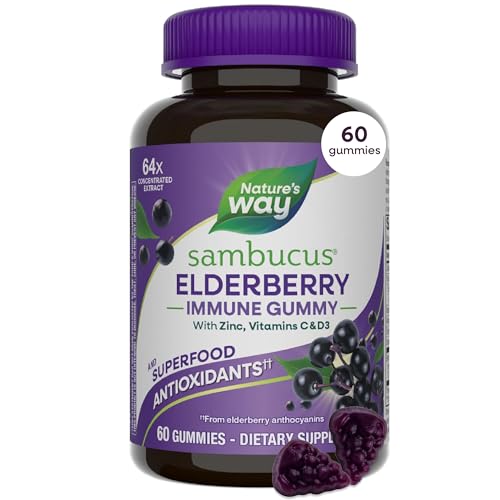
Nature's Way Sambucus Elderberry Gummies
Best GummiesNature's Way · Convenient daily immune support with great taste
Gaia Herbs Black Elderberry Syrup
Best OrganicGaia Herbs · Premium organic elderberry syrup with added immune herbs
Nature Made Elderberry with Vitamin C and Zinc Capsules
Best Immune StackNature Made · All-in-one elderberry, vitamin C, and zinc in capsule form
MaryRuth's Organic Elderberry Liquid Drops
Best LiquidMaryRuth's Organic · Organic liquid elderberry for adults and children
Viva Naturals Elderberry with Vitamin C, Zinc, and Vitamin D3
Best Value ComboViva Naturals · Comprehensive 5-in-1 immune support at a great price
Nature's Way Black Elderberry Capsules
Best CapsulesNature's Way · Straightforward elderberry supplementation in capsule form
Herbion Naturals Elderberry Syrup
Best for KidsHerbion Naturals · Family-friendly elderberry syrup with natural raspberry flavor
Read the detailed review cards below before opening any retailer link
Top Recommended Products
Sambucol Black
Sambucol Black Elderberry Original Syrup
Sambucol is the original standardized elderberry extract used in the landmark Zakay-Rones clinical trials that demonstrated a 4-day reduction in flu duration. No other brand has this level of clinical validation.
Pros
- + Most clinically studied brand
- + used in multiple trials
- + pleasant taste
- + suitable for adults and children 2+
Cons
- - Contains sugar
- - shorter shelf life once opened
Why we included it: Sambucol is the original standardized elderberry extract used in the landmark Zakay-Rones clinical trials that demonstrated a 4-day reduction in flu duration. No other brand has this level of clinical validation.
Retailer link opens on Amazon after the review details above
Nature's Way
Nature's Way Sambucus Elderberry Gummies
Nature's Way is one of the most trusted names in herbal supplements, and their Sambucus gummies combine elderberry with vitamin C and zinc for comprehensive immune support in a format people actually enjoy taking.
Pros
- + Great taste
- + convenient
- + includes vitamin C and zinc
- + suitable for adults and children 4+
- + top-selling brand
Cons
- - Lower elderberry dose per serving than syrups
- - contains added sugar
Why we included it: Nature's Way is one of the most trusted names in herbal supplements, and their Sambucus gummies combine elderberry with vitamin C and zinc for comprehensive immune support in a format people actually enjoy taking.
Retailer link opens on Amazon after the review details above
Gaia Herbs
Gaia Herbs Black Elderberry Syrup
Gaia Herbs delivers a premium, USDA Organic elderberry syrup with the added benefit of acerola fruit (natural vitamin C) and ginger for a multi-action immune formula with transparent sourcing.
Pros
- + USDA Organic certified
- + concentrated formula
- + includes acerola vitamin C
- + no artificial sweeteners
- + purity tested
Cons
- - Higher price point
- - smaller bottle
Why we included it: Gaia Herbs delivers a premium, USDA Organic elderberry syrup with the added benefit of acerola fruit (natural vitamin C) and ginger for a multi-action immune formula with transparent sourcing.
Retailer link opens on Amazon after the review details above
Nature Made
Nature Made Elderberry with Vitamin C and Zinc Capsules
Nature Made's USP verification is the gold standard in supplement quality testing, and this formula combines elderberry with two of the most evidence-backed immune nutrients — vitamin C and zinc — at an excellent price.
Pros
- + USP verified for purity and potency
- + includes vitamin C and zinc
- + affordable
- + 60-day supply
- + trusted pharmacy brand
Cons
- - Capsule form less appealing than gummies for some
- - no added herbal synergists
Why we included it: Nature Made's USP verification is the gold standard in supplement quality testing, and this formula combines elderberry with two of the most evidence-backed immune nutrients — vitamin C and zinc — at an excellent price.
Retailer link opens on Amazon after the review details above
MaryRuth's Organic
MaryRuth's Organic Elderberry Liquid Drops
MaryRuth's delivers a clean, organic liquid elderberry that is sugar-free and suitable for the whole family, making it an excellent option for parents who want to avoid gummy sugars.
Pros
- + USDA Organic
- + sugar-free
- + suitable for ages 1+
- + liquid form for easy dosing
- + no artificial ingredients
Cons
- - Smaller bottle requires more frequent repurchasing
- - taste may be strong for children
Why we included it: MaryRuth's delivers a clean, organic liquid elderberry that is sugar-free and suitable for the whole family, making it an excellent option for parents who want to avoid gummy sugars.
Retailer link opens on Amazon after the review details above
Viva Naturals
Viva Naturals Elderberry with Vitamin C, Zinc, and Vitamin D3
Viva Naturals packs five immune-supporting ingredients into one affordable formula, making it ideal for anyone who wants a complete immune stack without buying multiple separate supplements.
Pros
- + 5 immune ingredients in one capsule
- + 600 mg elderberry per serving
- + 60-day supply
- + excellent value
Cons
- - Multiple capsules per serving
- - no organic certification
Why we included it: Viva Naturals packs five immune-supporting ingredients into one affordable formula, making it ideal for anyone who wants a complete immune stack without buying multiple separate supplements.
Retailer link opens on Amazon after the review details above
Nature's Way
Nature's Way Black Elderberry Capsules
For those who prefer a no-frills, affordable elderberry capsule from a trusted herbal brand, Nature's Way delivers reliable quality with a generous 100-capsule count.
Pros
- + Affordable
- + 100-capsule count
- + includes elderflower
- + trusted brand
- + simple formula
Cons
- - Not standardized to anthocyanin content
- - no added immune nutrients
Why we included it: For those who prefer a no-frills, affordable elderberry capsule from a trusted herbal brand, Nature's Way delivers reliable quality with a generous 100-capsule count.
Retailer link opens on Amazon after the review details above
Herbion Naturals
Herbion Naturals Elderberry Syrup
Herbion delivers a family-friendly elderberry syrup that kids actually enjoy taking, with honey sweetening that provides its own mild antimicrobial benefits.
Pros
- + Great taste for kids
- + honey-sweetened
- + natural raspberry flavor
- + suitable for ages 1+
- + affordable
Cons
- - Contains honey (not for infants under 1)
- - lower concentration than clinical-grade syrups
Why we included it: Herbion delivers a family-friendly elderberry syrup that kids actually enjoy taking, with honey sweetening that provides its own mild antimicrobial benefits.
Retailer link opens on Amazon after the review details above
Can You Get Enough Elderberry from Food Alone?
While elderberries are technically a food, getting therapeutic doses from dietary sources alone is impractical and potentially dangerous without proper preparation. Raw elderberries contain cyanogenic glycosides that can cause nausea, vomiting, and diarrhea — they must always be cooked before consumption.

Traditional elderberry preparations include:
- Elderberry syrup (homemade): Simmered dried elderberries with water, honey, and spices (cinnamon, ginger, cloves). Yields approximately 10–15 mg anthocyanins per tablespoon — far less than standardized supplements.
- Elderberry tea: Steeped dried elderberries or elderflowers. Provides antioxidants but at lower concentrations than extracts.
- Elderberry jam or wine: Traditional preparations with lower bioactive content due to processing and sugar content.
The practical reality is that food-based elderberry preparations provide general antioxidant and health benefits, but achieving the therapeutic doses used in clinical trials (600–900 mg standardized extract daily) requires supplementation. A balanced approach combines enjoying elderberry foods and beverages for general wellness while using standardized supplements during periods of increased immune challenge.
DIY Elderberry Syrup Recipe:
- 1 cup dried organic elderberries
- 3 cups water
- 1 cinnamon stick
- 1 tablespoon fresh ginger (grated)
- 5 whole cloves
- 1 cup raw honey (added after cooling)
Simmer berries, water, and spices for 45 minutes. Strain, cool to lukewarm, then stir in honey. Store refrigerated for up to 2–3 months.

Is Elderberry Safe to Take Regularly?
Elderberry is generally considered safe for most healthy adults and children over 2 years of age when used in commercially prepared, properly processed forms. Clinical trials have reported minimal side effects, and a 2021 systematic review found no evidence that elderberry overstimulates the immune system.
Common side effects (rare):
- Mild GI discomfort (nausea, stomach cramps) — usually from high doses on an empty stomach
- Allergic reactions — rare, but possible in individuals sensitive to plants in the Adoxaceae family
Critical safety warnings:
- Raw elderberries are toxic. Uncooked berries, bark, leaves, and seeds contain cyanogenic glycosides that can cause severe nausea, vomiting, and diarrhea. Only use commercially prepared or properly cooked elderberry products.
- Autoimmune conditions: Elderberry's immune-stimulating properties may worsen autoimmune diseases such as lupus, rheumatoid arthritis, multiple sclerosis, or inflammatory bowel disease. A case report linked elderberry use to autoimmune hepatitis in a genetically predisposed individual. Consult your healthcare provider before use.
- Immunosuppressant medications: Elderberry may reduce the effectiveness of immunosuppressant drugs (cyclosporine, tacrolimus, corticosteroids). Do not combine without medical supervision.
- Pregnancy and breastfeeding: Insufficient safety data. Most practitioners recommend avoiding elderberry supplements during pregnancy, though culinary amounts of cooked elderberry are generally considered safe.
- Surgery: Discontinue elderberry at least 2 weeks before scheduled surgery due to potential immune-modulating effects.
The cytokine storm concern: Early in the COVID-19 pandemic, concerns circulated that elderberry might trigger dangerous cytokine storms. A 2021 systematic review in BMC Complementary Medicine and Therapies found no evidence supporting this claim, concluding that elderberry may be a safe option for treating viral respiratory illness without evidence of immune overstimulation. However, for individuals already hospitalized with severe infections, elderberry is not recommended as a treatment.
What Can Elderberry Actually Do for Your Immune System?
Elderberry is a well-researched herbal supplement with genuine immune-supporting properties, but it is not a cure-all. Setting realistic expectations based on the available clinical evidence helps you get the most value from supplementation.

What elderberry can do:
- Reduce the duration of cold and flu symptoms when started early (within 24–48 hours of onset)
- Decrease the severity of upper respiratory symptoms (congestion, cough, body aches)
- Provide antioxidant protection that supports overall immune cell function
- Serve as a safe, natural complement to other immune-supporting strategies
What elderberry cannot do:
- Prevent you from catching colds or flu entirely (it reduces severity and duration, not incidence)
- Replace medical treatment for serious infections or chronic conditions
- Work as a standalone treatment for COVID-19 or other severe viral illnesses
- Substitute for foundational health habits (sleep, nutrition, exercise, stress management)
Realistic timeline:
- During acute illness: Noticeable symptom reduction within 2–3 days when started early
- Prevention use: Benefits accumulate over weeks of consistent daily use during cold/flu season
- Individual variation: Some people respond strongly; others notice modest effects. Genetics, baseline immune health, sleep quality, and stress levels all influence outcomes.
The strongest evidence supports elderberry for shortening illness duration, particularly for influenza. The 2019 Hawkins meta-analysis found a large effect size (SMD = 1.717) for elderberry supplementation in reducing upper respiratory symptoms, with greater effects for flu (SMD = 2.074) than common cold (SMD = 0.662).
What Should You Do First to Start Using Elderberry for Immune Support?
The most effective approach is to keep a quality elderberry supplement on hand before you need it, since elderberry works best when started at the very first sign of symptoms. Here is a phased action plan to integrate elderberry into your immune support routine.
Phase 1 — Prepare (Week 1):
- Choose a standardized elderberry supplement (syrup, capsules, or gummies — see product recommendations below)
- Verify the product uses Sambucus nigra and lists anthocyanin or flavonoid standardization
- Check for contraindications (autoimmune conditions, immunosuppressant medications, pregnancy)
- Stock up before cold and flu season begins
Phase 2 — Daily Prevention (Ongoing During Season):
- Take 1 tablespoon elderberry syrup or 150–300 mg standardized extract daily
- Combine with vitamin C, zinc, and vitamin D for a full immune stack
- Maintain foundational health habits: 7–9 hours sleep, balanced nutrition, regular exercise
Phase 3 — Acute Illness Protocol (At First Symptoms):
- Increase to 1 tablespoon syrup 4 times daily or 300–600 mg extract 2–3 times daily
- Start within 24–48 hours of symptom onset for maximum benefit
- Continue for 5 days or until symptoms resolve
- Stay hydrated, rest, and monitor symptoms
Phase 4 — Evaluate and Adjust:
- Track how you respond to elderberry over 1–2 illness episodes
- Adjust form or dose based on tolerance and results
- Consult a healthcare provider if symptoms worsen or persist beyond 7 days

