The global dietary supplement industry is projected to exceed $300 billion by 2028, yet studies consistently show that nearly 50% of Americans take at least one supplement without fully understanding its benefits, risks, or interactions [1]. From multivitamins to specialty formulas, the sheer volume of options — combined with aggressive marketing and conflicting advice — makes it difficult to separate evidence-based supplementation from expensive guesswork.
This comprehensive supplements guide was created to cut through the noise. Whether you're new to supplementation or looking to refine an existing routine, you'll find science-backed guidance on choosing quality products, understanding bioavailability, avoiding dangerous interactions, and building a personalized protocol that supports your unique health goals. Every recommendation in this guide is grounded in peer-reviewed research from sources like PubMed, the National Institutes of Health (NIH), and major clinical journals.
- Over 50% of American adults take dietary supplements, but quality varies dramatically between brands and products [1]
- Third-party testing (USP, NSF, ConsumerLab) is the single most reliable indicator of supplement quality and purity [2]
- Bioavailability — how well your body absorbs a nutrient — matters more than the dose listed on the label [3]
- Certain supplements can interact dangerously with prescription medications, making pharmacist consultation essential [4]
- A "food-first" approach is recommended by most nutrition experts; supplements should fill gaps, not replace whole foods [5]
- Vitamin D, magnesium, and omega-3 fatty acids are among the most commonly deficient nutrients in Western diets [6]
- Megadosing fat-soluble vitamins (A, D, E, K) can cause toxicity — more is not always better [7]
- Store supplements in cool, dry environments away from sunlight to preserve potency and shelf life [8]
- Building an effective supplement stack requires understanding your individual health status through lab testing [9]
- Cycling certain supplements (like adaptogens) may improve long-term efficacy and reduce tolerance buildup [10]
What Are Dietary Supplements and Why Do So Many People Take Them?
Dietary supplements are products containing vitamins, minerals, herbs, amino acids, enzymes, or other ingredients intended to supplement the diet. Over 77% of American adults report taking at least one supplement regularly, driven by goals ranging from filling nutritional gaps to optimizing athletic performance, immune function, and longevity [1].
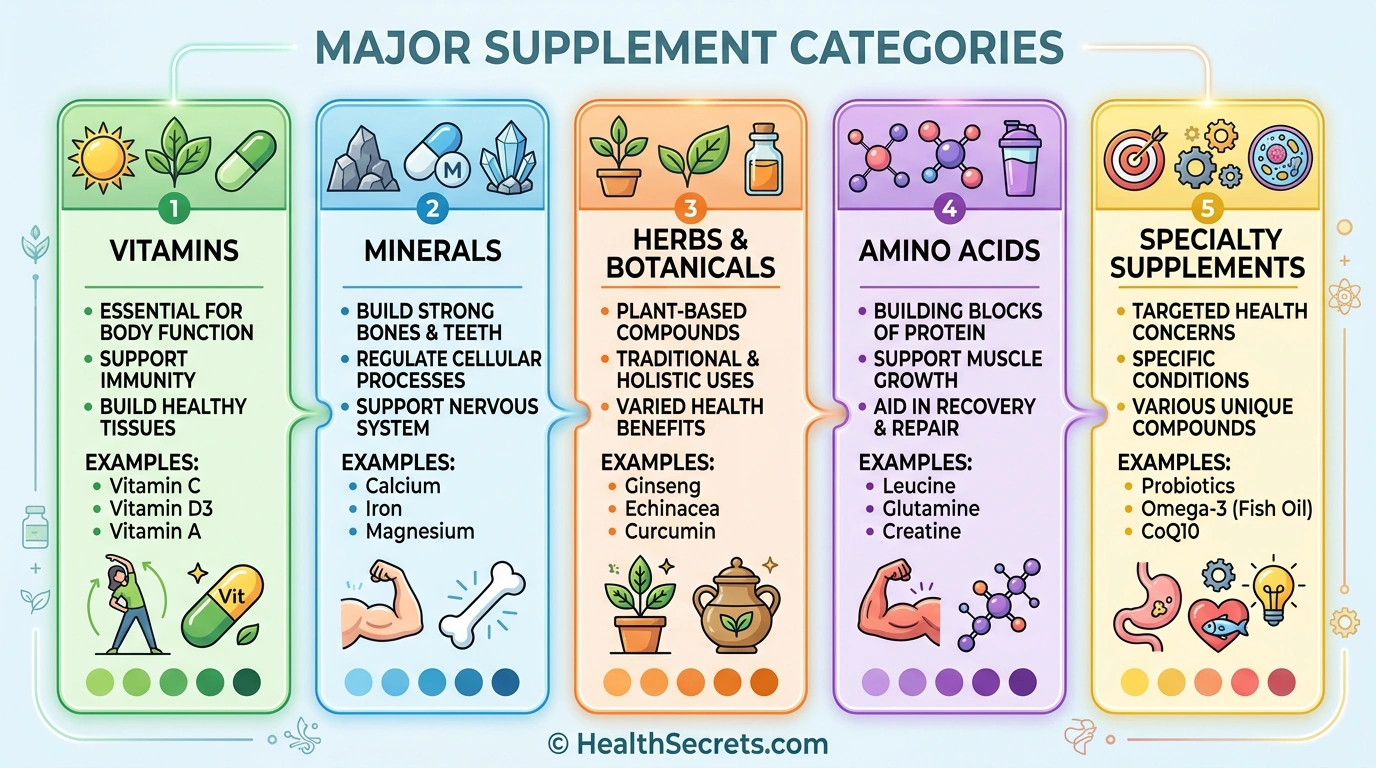
The supplement category encompasses a vast range of products:
- Vitamins — Essential organic compounds (A, B-complex, C, D, E, K) required for metabolic processes
- Minerals — Inorganic elements (calcium, magnesium, zinc, iron, selenium) critical for structural and enzymatic functions
- Herbal/Botanical supplements — Plant-derived extracts (turmeric, ashwagandha, milk thistle) with therapeutic applications
- Amino acids and proteins — Building blocks like L-glutamine, collagen peptides, and branched-chain amino acids (BCAAs)
- Specialty supplements — Probiotics, omega-3 fatty acids, CoQ10, and other compounds targeting specific health systems
The U.S. Food and Drug Administration (FDA) regulates supplements under the Dietary Supplement Health and Education Act (DSHEA) of 1994, but importantly, supplements do not require pre-market approval for safety or efficacy [2]. This regulatory gap means the burden of choosing safe, effective products falls largely on the consumer — making education and third-party verification essential.
How Does Your Body Actually Absorb and Use Supplements?
Supplement absorption depends on bioavailability — the proportion of a nutrient that enters systemic circulation and becomes available for use. Factors including the supplement form, timing of ingestion, co-nutrients, gut health, and individual genetics all influence how effectively your body processes what you take [3].
What Is Bioavailability and Why Does It Determine Supplement Effectiveness?
Bioavailability is the percentage of an ingested nutrient that reaches the bloodstream in an active form. For example, magnesium oxide has roughly 4% bioavailability, while magnesium glycinate achieves approximately 80% — meaning the form you choose can be more important than the dose [11].
Key bioavailability factors include:
- Chelation and binding — Minerals bound to amino acids (glycinate, picolinate) absorb significantly better than oxide or carbonate forms [11]
- Fat-solubility — Vitamins A, D, E, and K require dietary fat for absorption; taking them with meals increases uptake by 30–50% [12]
- Nutrient synergies — Vitamin C enhances iron absorption by up to 67%; vitamin D improves calcium uptake; vitamin K2 directs calcium to bones rather than arteries [13]
- Nutrient antagonisms — Calcium competes with iron, zinc, and magnesium for absorption; these should be taken at separate times [14]
- Gut health — Intestinal permeability, microbiome composition, and digestive enzyme production all affect nutrient absorption [15]
How Do Different Supplement Forms Compare for Absorption?
Not all supplement forms are created equal. Here's how common forms compare:
| Nutrient | Best Forms | Avoid | Notes |
|---|---|---|---|
| Magnesium | Glycinate, Threonate, Taurate | Oxide (poor absorption) | Glycinate ~80% bioavailable [11] |
| Zinc | Picolinate, Glycinate, Acetate | Oxide | Picolinate best studied [16] |
| Iron | Bisglycinate, Ferrous fumarate | Ferrous sulfate (GI upset) | Take with vitamin C [13] |
| B12 | Methylcobalamin, Adenosylcobalamin | Cyanocobalamin | Active forms preferred [17] |
| Folate | Methylfolate (5-MTHF) | Folic acid (synthetic) | ~40% have MTHFR variants [18] |
Why Are Nutrient Deficiencies So Common in Modern Diets?
Despite access to abundant food, widespread nutrient deficiencies persist due to soil depletion, processed food consumption, chronic stress, medication use, and lifestyle factors. Research estimates that over 90% of Americans fail to meet recommended intakes for at least one essential vitamin or mineral from diet alone [5].
Major drivers of nutrient deficiency:
- Soil depletion — Industrial farming has reduced mineral content in crops by 20–40% over the past 70 years [19]
- Processed food dominance — Ultra-processed foods now comprise 60% of caloric intake in Western diets, displacing nutrient-dense whole foods [20]
- Chronic stress — Elevated cortisol accelerates depletion of magnesium, B vitamins, vitamin C, and zinc [21]
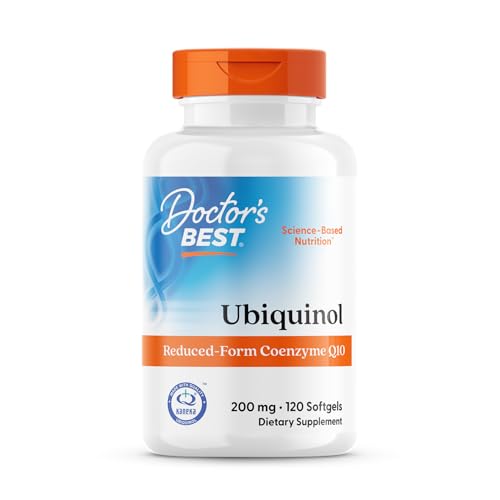
- Medication-induced depletion — Statins deplete CoQ10; PPIs reduce B12, magnesium, and calcium absorption; metformin depletes B12; oral contraceptives deplete folate, B6, and zinc [22]
- Age-related decline — Stomach acid production decreases with age, reducing absorption of B12, iron, calcium, and other nutrients [23]
- Gut dysfunction — Conditions like celiac disease, Crohn's, IBS, and leaky gut syndrome impair nutrient absorption across the board [15]
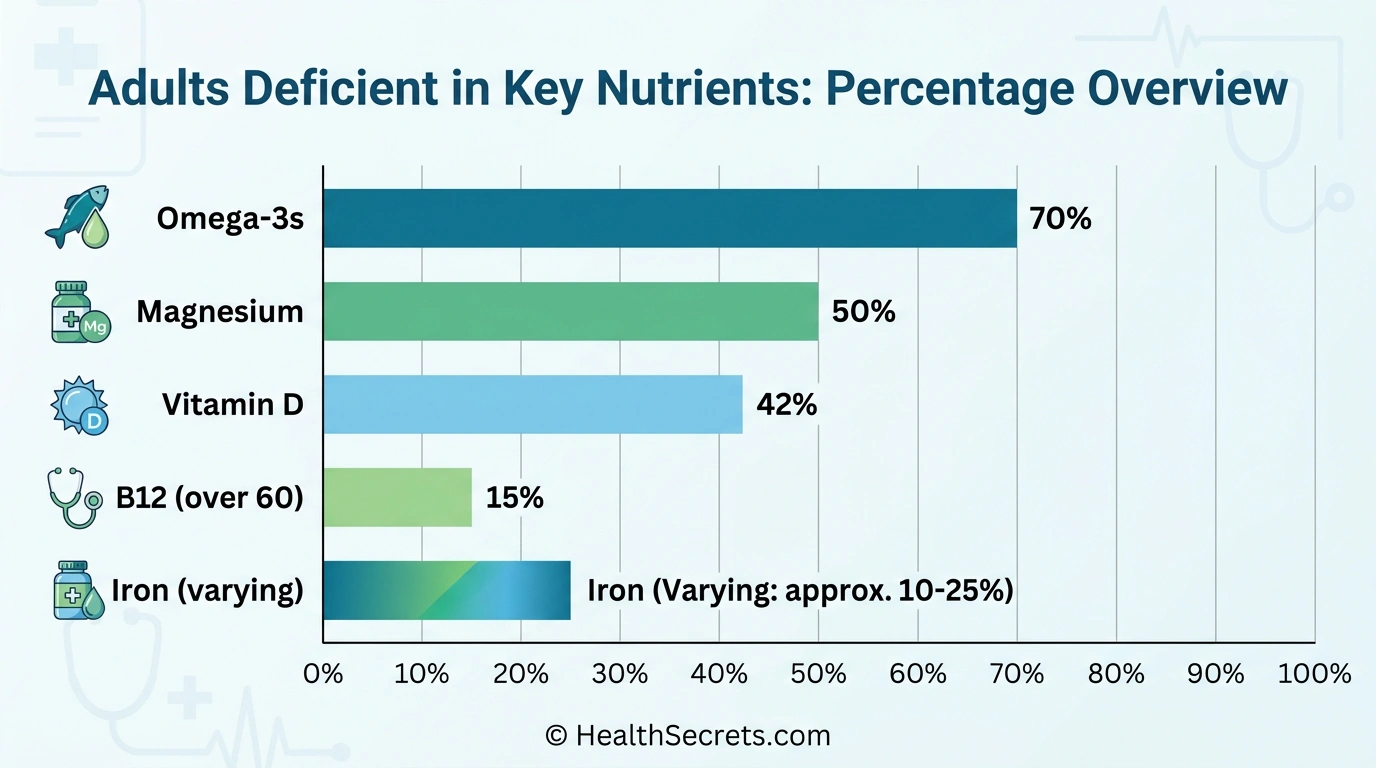
The most common deficiencies in Western populations include vitamin D (affecting ~42% of adults), magnesium (~50%), omega-3 fatty acids (~70%), vitamin B12 (~15% of those over 60), and iron (especially in menstruating women) [6].
What Are the Warning Signs That You May Need Supplements?
Your body often signals nutrient deficiencies through persistent symptoms like fatigue, brain fog, muscle cramps, poor wound healing, hair loss, and weakened immunity. Recognizing these signs early — and confirming with lab testing — allows you to address gaps before they progress to serious health issues [6].
Common deficiency signals by nutrient:
- Vitamin D deficiency — Fatigue, bone pain, frequent illness, depression, slow wound healing [24]
- Magnesium deficiency — Muscle cramps, insomnia, anxiety, headaches, constipation, heart palpitations [25]
- Iron deficiency — Extreme fatigue, pale skin, brittle nails, cold hands/feet, restless legs [26]
- B12 deficiency — Numbness/tingling in hands and feet, memory problems, balance issues, mood changes [17]
- Omega-3 deficiency — Dry skin, brittle hair, joint stiffness, poor concentration, mood instability [27]
- Zinc deficiency — Frequent colds, slow wound healing, loss of taste/smell, white spots on nails [16]
When Should You Get Blood Work to Check Nutrient Levels?
Annual comprehensive blood panels are the gold standard for identifying deficiencies before symptoms appear. Request testing for 25-hydroxyvitamin D, RBC magnesium (not serum), ferritin, vitamin B12, folate, zinc, and omega-3 index at minimum [9]. Functional medicine practitioners often run more extensive panels that include intracellular nutrient testing for greater accuracy.
How Should You Build an Evidence-Based Supplement Routine?
Start with a "food-first" foundation, identify your specific deficiencies through lab testing, choose high-bioavailability forms from third-party tested brands, and introduce supplements one at a time to monitor effects. A targeted approach based on individual needs consistently outperforms generic multivitamin protocols [9].
Step-by-step strategy:
- Optimize diet first — Prioritize nutrient-dense whole foods; supplements fill gaps, not replace meals [5]
- Test, don't guess — Get comprehensive blood work to identify actual deficiencies [9]
- Prioritize foundational nutrients — Vitamin D3, magnesium, omega-3s, and a quality B-complex address the most common gaps [6]
- Choose bioavailable forms — Select chelated minerals, methylated B vitamins, and active-form nutrients [11]
- Verify quality — Only purchase supplements with USP, NSF International, or ConsumerLab verification [2]
- Time strategically — Fat-soluble vitamins with meals; magnesium at bedtime; iron away from calcium; probiotics on an empty stomach [12]
- Start low, go slow — Introduce one supplement at a time, starting at lower doses to assess tolerance [28]
- Reassess regularly — Retest blood levels every 3–6 months and adjust protocols accordingly [9]
How Do You Choose a High-Quality Supplement Brand?
Look for third-party certifications (USP, NSF, ConsumerLab, BSCG), GMP-compliant manufacturing, transparent labeling with no proprietary blends, bioavailable nutrient forms, and minimal fillers or artificial additives [2]. Brands like Thorne, NOW Foods, Jarrow Formulas, Pure Encapsulations, and Life Extension consistently meet these criteria.
Which Foods Provide the Highest Natural Nutrient Density?
Nutrient-dense whole foods should form the foundation of any supplement strategy. Organ meats, wild-caught fish, dark leafy greens, fermented foods, nuts, seeds, and colorful fruits and vegetables deliver vitamins, minerals, and cofactors in their most bioavailable natural forms [5].
Top nutrient-dense foods by category:
- Vitamin D — Wild salmon, sardines, egg yolks, mushrooms (UV-exposed) [24]
- Magnesium — Pumpkin seeds, dark chocolate, spinach, almonds, avocado [25]
- Omega-3s — Wild salmon, mackerel, sardines, walnuts, flaxseeds, chia seeds [27]
- Zinc — Oysters, grass-fed beef, pumpkin seeds, lentils, chickpeas [16]
- B vitamins — Grass-fed liver, wild salmon, eggs, legumes, leafy greens [17]
- Iron — Grass-fed red meat, organ meats, lentils, spinach (pair with vitamin C) [26]
- Vitamin C — Bell peppers, citrus fruits, kiwi, broccoli, strawberries [13]
- Probiotics — Yogurt, kefir, sauerkraut, kimchi, kombucha, miso [15]
For individuals following specific diets (vegan, keto, paleo), supplementation becomes more critical for nutrients difficult to obtain from restricted food groups — vegans particularly need B12, DHA/EPA omega-3s, iron, zinc, and vitamin D3 [29].

What Lifestyle Habits Maximize Your Supplement Benefits?
Consistent timing, proper storage, stress management, quality sleep, regular exercise, and adequate hydration all significantly impact how well your body absorbs and utilizes supplements. Even the best supplement protocol underperforms when lifestyle foundations are neglected [28].
Key lifestyle factors:
- Consistent timing — Take supplements at the same time daily to establish routine and optimize absorption windows [12]
- Proper storage — Store in cool, dry, dark locations; refrigerate probiotics and fish oil; never store in bathrooms (humidity degrades potency) [8]
- Gut health maintenance — A healthy microbiome enhances nutrient absorption; consider digestive enzymes if you have low stomach acid [15]
- Sleep optimization — Poor sleep increases cortisol, accelerating nutrient depletion; magnesium glycinate and melatonin taken before bed support both sleep and recovery [30]
- Exercise — Regular physical activity improves circulation and nutrient delivery to tissues, but intense training increases demand for electrolytes, antioxidants, and protein [31]
- Stress management — Chronic stress depletes magnesium, B vitamins, and vitamin C; adaptogens can support the stress response alongside supplementation [21]
- Hydration — Water-soluble vitamins (B-complex, C) require adequate hydration for proper metabolism and elimination [28]
Which Supplements Have the Strongest Scientific Evidence?
Vitamin D3, magnesium glycinate, omega-3 fatty acids (EPA/DHA), probiotics, and vitamin B12 have the most robust clinical evidence supporting supplementation for common deficiencies. Additional evidence supports NAC, CoQ10, curcumin, and zinc for targeted health goals [6].
What Are the Essential "Foundational Five" Supplements Most People Need?
- Vitamin D3 (2,000–5,000 IU/day) — Supports immune function, bone health, mood regulation; pair with K2 for optimal calcium metabolism. Deficiency affects ~42% of adults [24]
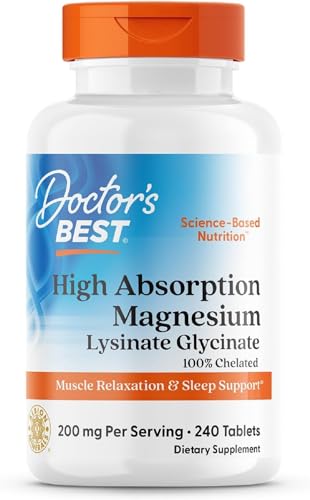
- Magnesium Glycinate (200–400 mg/day) — Supports 600+ enzymatic reactions including sleep, muscle relaxation, stress response, and cardiovascular health. ~50% of Americans are deficient [25]
- Omega-3 Fish Oil (2,000–3,000 mg EPA+DHA/day) — Anti-inflammatory, supports brain health, cardiovascular function, and joint mobility. Most Westerners consume far below recommended levels [27]
- Probiotics (10–50 billion CFU/day) — Supports gut health, immune function, nutrient absorption, and mental wellness through the gut-brain axis [15]
- B-Complex (methylated forms) — Supports energy production, nervous system function, methylation, and stress resilience. Critical for MTHFR variant carriers [17]
Which Targeted Supplements Address Specific Health Goals?
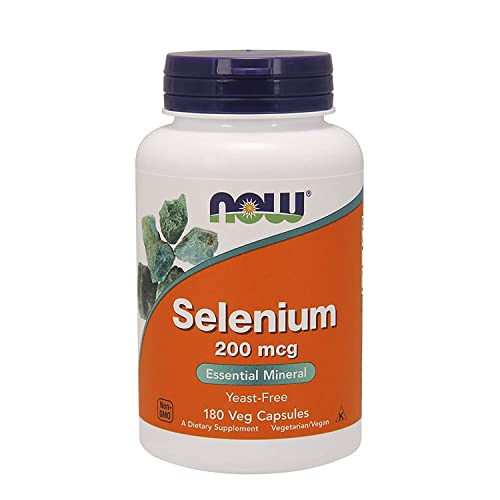
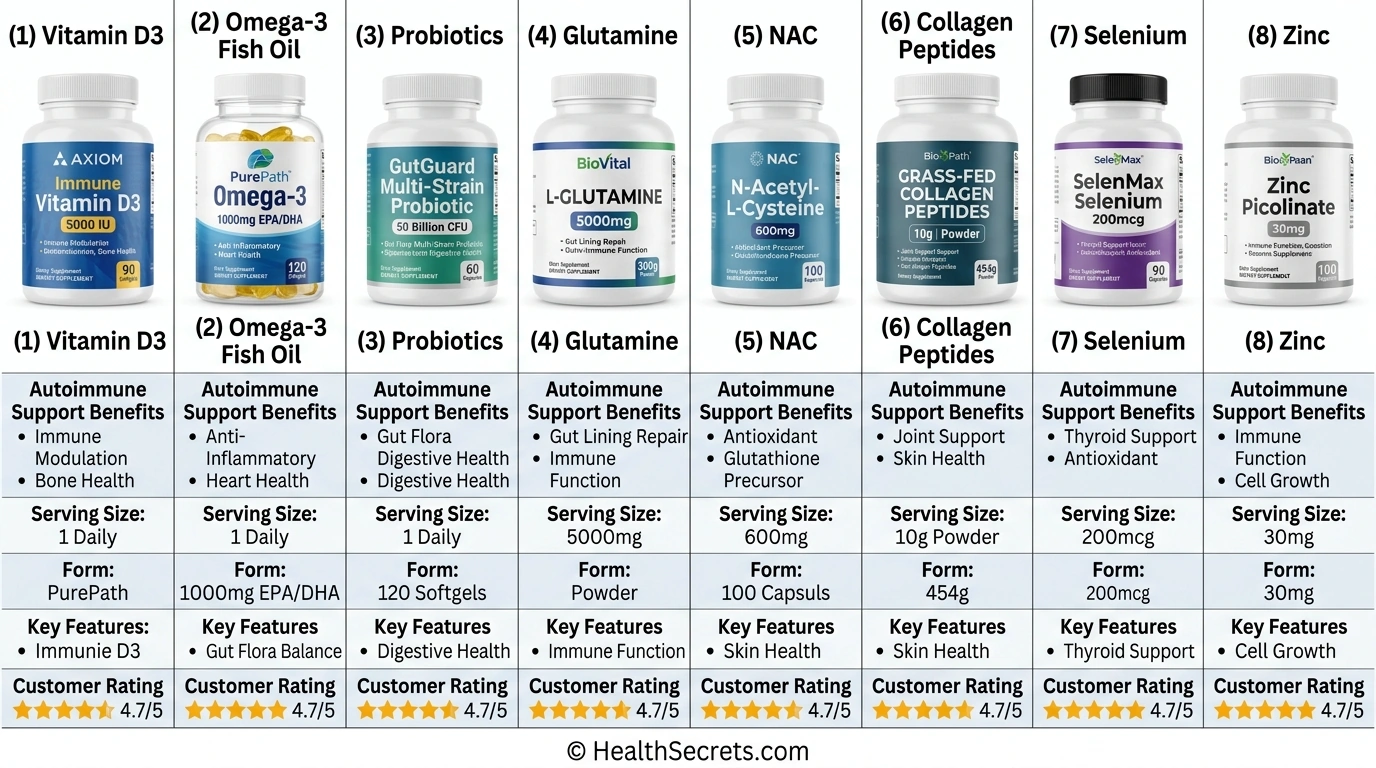
- Immune support — Vitamin C, zinc, elderberry, NAC, selenium [32]
- Joint and inflammation — Curcumin/turmeric, anti-inflammatory supplements, omega-3s, collagen [33]
- Brain and cognitive health — Ginkgo biloba, lion's mane, phosphatidylserine, omega-3 DHA [34]
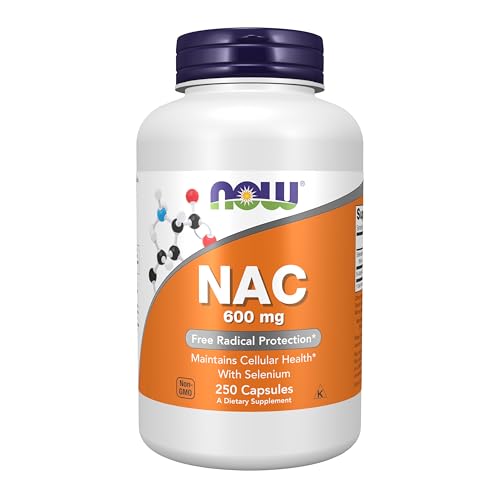
- Liver and detox support — Milk thistle, glutathione, NAC, alpha-lipoic acid [35]
- Stress and anxiety — Ashwagandha, rhodiola, L-theanine, magnesium [36]
- Gut health — Probiotics, L-glutamine, digestive enzymes, prebiotic fiber [15]
How Do You Create a Personalized Supplement Protocol Step by Step?
Creating an effective supplement protocol requires systematic assessment, prioritization, and gradual implementation. Follow this structured approach to build a routine tailored to your unique biochemistry, health goals, and lifestyle rather than following generic recommendations [9].
Phase 1: Assessment (Weeks 1–2)
- Schedule comprehensive blood work (vitamin D, RBC magnesium, B12, ferritin, omega-3 index, zinc, folate)
- Document current symptoms, energy patterns, sleep quality, and health goals
- Review current medications for nutrient-depleting interactions [22]
- Evaluate dietary intake — track 3 days of meals to identify nutritional gaps
Phase 2: Foundation Building (Weeks 3–6)
- Start with the single most deficient nutrient based on lab results
- Add one supplement per week to isolate effects and monitor tolerance
- Begin with foundational nutrients (D3, magnesium, omega-3) before specialty supplements
- Establish consistent daily timing: fat-soluble vitamins with breakfast/lunch, magnesium at bedtime
Phase 3: Optimization (Weeks 7–12)
- Add targeted supplements based on specific health goals (immune, gut, brain, joint support)
- Fine-tune doses based on symptom response and energy levels
- Introduce cycling protocols for adaptogens (6 weeks on, 2 weeks off) [36]
- Consider complementary pairs: D3+K2, iron+vitamin C, calcium+magnesium (separate timing) [13]
Phase 4: Maintenance and Reassessment (Ongoing)
- Retest blood levels at 3 months, then every 6 months
- Adjust doses seasonally (increase D3 in winter months)
- Remove supplements that show no measurable benefit
- Stay current with emerging research and product quality reports
What Is the Best Action Plan to Start Supplementing Safely?
Begin with lab testing and dietary optimization, then systematically add evidence-based supplements one at a time while monitoring your response. This phased approach minimizes risk, maximizes absorption, and ensures every supplement in your routine earns its place through measurable results [9].
Week 1–2: Foundation
- Schedule comprehensive blood work with your healthcare provider
- Audit your current diet for nutrient gaps (track meals for 3 days)
- Review all current medications for nutrient-depleting side effects
- Research third-party tested brands (USP, NSF, ConsumerLab verified)
Week 3–4: Core Supplements
- Start vitamin D3 (2,000–5,000 IU) with K2 — take with a fat-containing meal
- Add magnesium glycinate (200 mg) at bedtime
- Begin omega-3 fish oil (2,000 mg EPA+DHA) with meals
Week 5–6: Expand
- Add a methylated B-complex in the morning
- Introduce a quality probiotic (10–50 billion CFU) on an empty stomach
- Set up a daily supplement organizer for consistency
Week 7–8: Personalize
- Add targeted supplements based on your specific health goals and lab results
- Establish a supplement journal to track effects and symptoms
- Schedule 3-month follow-up blood work to measure progress
Month 3+: Optimize
- Review lab results and adjust doses or remove ineffective supplements
- Implement cycling protocols for adaptogens and herbs
- Set calendar reminders for 6-month retesting