
Of all the natural anxiety remedies available, magnesium may be the most underrated — and the most impactful for the largest number of people. Why? Because up to 50% of Americans are deficient, and magnesium deficiency directly impairs your brain's primary calming system (GABA). You could be doing everything else right — therapy, meditation, exercise — and still feel anxious because your brain literally lacks the mineral needed to calm down.
This comprehensive Supplement Guide covers the science of magnesium and anxiety, compares every form of magnesium for anxiolytic effect, provides optimal dosing protocols, and recommends the best products based on clinical evidence.
Related reading: Does Magnesium Help Anxiety? · Natural Anxiety Relief · Does Magnesium Help Sleep?
What Is Magnesium and Why Is It So Important for Anxiety?
Magnesium is an essential mineral involved in over 300 enzymatic reactions in your body, including neurotransmitter synthesis, nerve signal transmission, muscle relaxation, and stress hormone regulation. For anxiety specifically, magnesium is a cofactor for GABA receptor function, a natural NMDA glutamate receptor blocker, and a modulator of the HPA (stress) axis. When magnesium is deficient, all three of these systems malfunction — creating the neurochemical conditions for anxiety.
The widespread deficiency (affecting ~50% of Americans) is caused by modern farming practices (depleted soil minerals), processed food diets (refined grains have 80–97% less magnesium), chronic stress (which burns through magnesium rapidly), caffeine and alcohol (increase urinary excretion), and medications (PPIs, diuretics, antibiotics).
How Does Magnesium Work as an Anxiolytic in the Brain?
Magnesium reduces anxiety through three synergistic neurochemical mechanisms. First, it enhances GABA receptor function — GABA is the brain's primary inhibitory (calming) neurotransmitter. Second, it physically blocks NMDA glutamate receptors — glutamate is the brain's primary excitatory neurotransmitter, and excess glutamate drives racing thoughts and hypervigilance. Third, it modulates the HPA axis — helping regulate cortisol production and prevent the chronic stress response that fuels anxiety.
Mechanism 1: GABA Enhancement
Magnesium is a required cofactor for GABA-A receptors. Without adequate magnesium, these receptors become less responsive to GABA's calming signal. This is the exact same receptor system that benzodiazepines (Xanax, Valium, Ativan) target — but magnesium supports it naturally without the addiction, tolerance, and withdrawal risks.
Mechanism 2: Glutamate Blocking
Magnesium ions sit in the NMDA glutamate receptor channel, acting as a voltage-dependent blocker. When magnesium is deficient, these receptors become overactive, allowing excess calcium influx that drives neuronal excitability — the "can't turn off my brain" sensation common in anxiety.

Mechanism 3: HPA Axis Modulation
Magnesium helps regulate the hypothalamic-pituitary-adrenal (HPA) axis — your central stress response system. Animal studies show magnesium deficiency induces anxiety-like behavior and HPA axis dysregulation, while supplementation normalizes both.
How Well Is Magnesium Absorbed and Which Form Is Best for Anxiety?
Magnesium absorption varies dramatically by form — from 4% (oxide) to over 80% (glycinate). For anxiety, the form matters because it determines both how much magnesium reaches your brain AND whether the bonded compound (glycine, threonate, taurine) provides additional anxiolytic effects.

Complete Form Comparison for Anxiety
Magnesium Glycinate — ⭐ BEST FOR ANXIETY
- Absorption: ~80% (among the highest)
- Anxiolytic bonus: Glycine is itself an inhibitory neurotransmitter with calming and sleep-promoting effects
- GI tolerance: Excellent (no laxative effect)
- Best for: Anxiety, insomnia, muscle tension, general calming
Magnesium Threonate (Magtein)
- Absorption: High, with unique ability to cross the blood-brain barrier
- Anxiolytic bonus: May directly increase brain magnesium levels more effectively than other forms
- GI tolerance: Excellent
- Best for: Cognitive anxiety, brain fog, racing thoughts
- Limitation: More expensive; lower elemental magnesium per dose
Magnesium Taurate
- Absorption: Good
- Anxiolytic bonus: Taurine has mild anxiolytic and cardioprotective properties
- GI tolerance: Good
- Best for: Anxiety with heart palpitations or cardiovascular concerns
Magnesium Citrate
- Absorption: ~30% (moderate)
- Anxiolytic bonus: None from citrate
- GI tolerance: Poor at anxiolytic doses (laxative effect)
- Best for: Constipation, not anxiety
Magnesium Oxide
- Absorption: ~4% (very poor)
- Anxiolytic bonus: None
- GI tolerance: Poor (strong laxative)
- Best for: Nothing — the worst form for any therapeutic purpose
How Much Magnesium Should You Take for Anxiety?
The effective dose for anxiety is 200–400 mg of elemental magnesium daily as magnesium glycinate. Start with 200 mg before bed for the first week, then increase to 400 mg if needed. Taking it before bed provides dual benefit: anxiety reduction AND sleep improvement, since both rely on the same GABA mechanism.
Dosing Protocol for Anxiety
- Week 1: 200 mg magnesium glycinate, 1–2 hours before bed
- Week 2–4: Increase to 400 mg if anxiety hasn't improved sufficiently
- Ongoing: Continue at the effective dose long-term (no tolerance develops)
- Split dosing option: 200 mg with dinner + 200 mg before bed (may provide more sustained daytime anxiety relief)

How Long Until Magnesium Reduces Anxiety?
- Sleep improvement: 1–2 weeks
- Muscle tension reduction: 1–2 weeks
- Anxiety symptom reduction: 2–6 weeks
- Full effect: 4–8 weeks (as magnesium stores replenish)
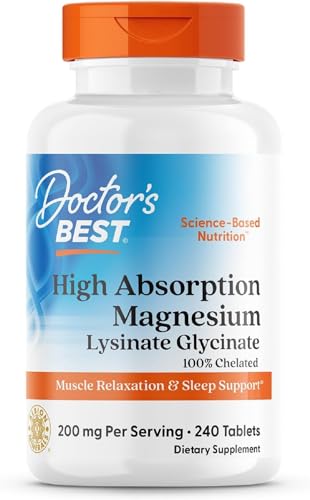
Doctor's Best Magnesium Glycinate 200mg
Editor's ChoiceDoctor's Best · The #1 magnesium form for anxiety — dual mechanism of GABA enhancement + glycine calming
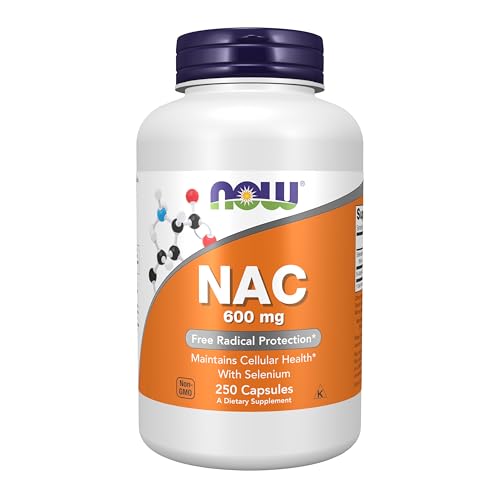
NOW Foods NAC 600mg
Best for Racing ThoughtsNOW Foods · Modulating excess glutamate that drives anxious racing thoughts and rumination
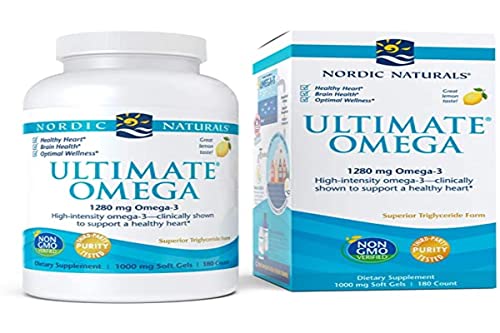
Nordic Naturals Ultimate Omega
Best for Anxiety + InflammationNordic Naturals · Reducing neuroinflammation that contributes to anxiety and mood disorders

Thorne Zinc Picolinate 30mg
Best for Neurotransmitter SupportThorne Zinc · Supporting the GABA and serotonin synthesis that magnesium enhances

Renew Life Ultimate Flora Extra Care 50 Billion
Best for Gut-Anxiety AxisRenew Life · Supporting gut serotonin production that influences anxiety through the gut-brain axis
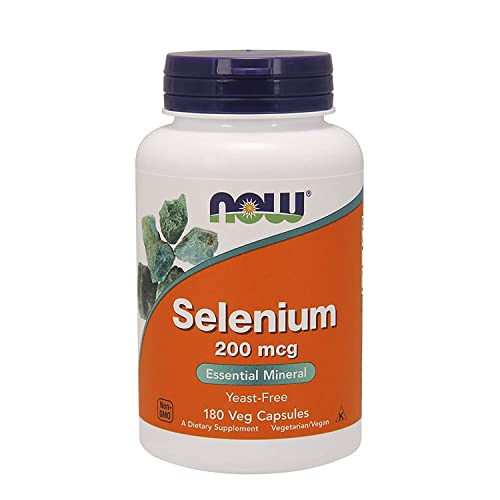
NOW Foods Selenium 200mcg
Best for Thyroid-Related AnxietyNOW Foods · Supporting thyroid function that directly influences anxiety levels and nervous system regulation

Quicksilver Scientific Liposomal Glutathione
Premium ChoiceQuicksilver Scientific · Advanced neuroprotection and reducing the oxidative stress that worsens anxiety
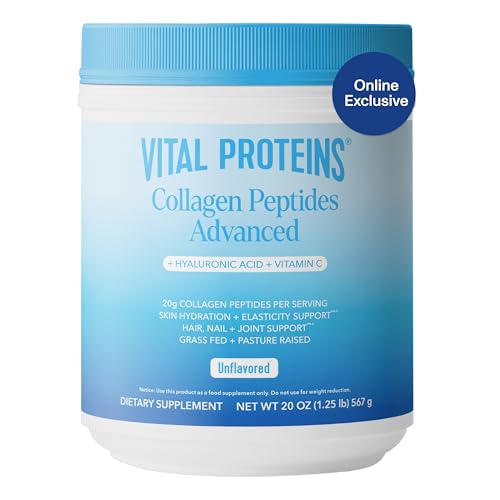
Vital Proteins Collagen Peptides 20oz
Best for Glycine + Gut SupportVital Proteins · Providing additional glycine (calming amino acid) plus gut lining support for the gut-brain axis
Read the detailed review cards below before opening any retailer link
Top Recommended Products
Doctor's Best
Doctor's Best Magnesium Glycinate 200mg
Magnesium glycinate is the undisputed best form for anxiety. The glycinate bond provides magnesium's GABA-enhancing effect PLUS glycine's own inhibitory neurotransmitter properties — no other form offers this dual mechanism.
Pros
- + Best-absorbed form
- + glycine adds independent calming effect
- + improves sleep
- + no GI distress
- + affordable
Cons
- - Requires 2 tablets per serving
Why we included it: Magnesium glycinate is the undisputed best form for anxiety. The glycinate bond provides magnesium's GABA-enhancing effect PLUS glycine's own inhibitory neurotransmitter properties — no other form offers this dual mechanism.
Retailer link opens on Amazon after the review details above
NOW Foods
NOW Foods NAC 600mg
While magnesium blocks glutamate receptors, NAC modulates the glutamate system through a different mechanism — making them powerfully complementary for anxiety driven by racing thoughts.
Pros
- + Directly modulates glutamate (the neurotransmitter behind racing thoughts)
- + boosts glutathione
- + studied for psychiatric applications
- + excellent value
Cons
- - Large capsule size
Why we included it: While magnesium blocks glutamate receptors, NAC modulates the glutamate system through a different mechanism — making them powerfully complementary for anxiety driven by racing thoughts.
Retailer link opens on Amazon after the review details above
Nordic Naturals
Nordic Naturals Ultimate Omega
Neuroinflammation is increasingly recognized as a driver of anxiety. Omega-3s address this root cause while supporting serotonin receptor sensitivity.
Pros
- + Reduces neuroinflammation driving anxiety
- + supports serotonin receptor function
- + third-party tested
Cons
- - Requires 2 softgels
Why we included it: Neuroinflammation is increasingly recognized as a driver of anxiety. Omega-3s address this root cause while supporting serotonin receptor sensitivity.
Retailer link opens on Amazon after the review details above
Thorne Zinc
Thorne Zinc Picolinate 30mg
Zinc is required for the enzymatic synthesis of both GABA and serotonin — the two neurotransmitters most critical for anxiety regulation. Pairing zinc with magnesium provides more complete neurochemical support.
Pros
- + Required for GABA and serotonin synthesis
- + complements magnesium's mechanism
- + NSF certified
Cons
- - Must be taken with food
Why we included it: Zinc is required for the enzymatic synthesis of both GABA and serotonin — the two neurotransmitters most critical for anxiety regulation. Pairing zinc with magnesium provides more complete neurochemical support.
Retailer link opens on Amazon after the review details above
Renew Life
Renew Life Ultimate Flora Extra Care 50 Billion
Your gut produces 90% of serotonin and communicates with the brain via the vagus nerve. Gut dysbiosis is consistently found in people with anxiety.
Pros
- + 90% of serotonin produced in gut
- + supports GABA-producing bacteria
- + delayed-release delivery
Cons
- - Requires refrigeration
Why we included it: Your gut produces 90% of serotonin and communicates with the brain via the vagus nerve. Gut dysbiosis is consistently found in people with anxiety.
Retailer link opens on Amazon after the review details above
NOW Foods
NOW Foods Selenium 200mcg
Undiagnosed thyroid dysfunction is a common hidden cause of anxiety symptoms. Selenium ensures proper thyroid function that regulates nervous system activity.
Pros
- + Thyroid dysfunction is an underdiagnosed cause of anxiety
- + supports T4-to-T3 conversion
- + affordable
Cons
- - Not a direct anxiolytic
Why we included it: Undiagnosed thyroid dysfunction is a common hidden cause of anxiety symptoms. Selenium ensures proper thyroid function that regulates nervous system activity.
Retailer link opens on Amazon after the review details above
Quicksilver Scientific
Quicksilver Scientific Liposomal Glutathione
Oxidative stress damages neurons and disrupts neurotransmitter function, contributing to anxiety. Glutathione provides direct neuroprotection.
Pros
- + Directly provides the brain's master antioxidant
- + reduces neuronal oxidative stress
- + liposomal absorption
Cons
- - Higher cost
- - strong taste
Why we included it: Oxidative stress damages neurons and disrupts neurotransmitter function, contributing to anxiety. Glutathione provides direct neuroprotection.
Retailer link opens on Amazon after the review details above
Vital Proteins
Vital Proteins Collagen Peptides 20oz
Glycine is an inhibitory neurotransmitter with calming properties — the same amino acid bonded to magnesium in magnesium glycinate. Collagen provides additional glycine while supporting gut health.
Pros
- + Rich in glycine (inhibitory neurotransmitter with calming properties)
- + supports gut lining for gut-brain axis
- + dissolves in coffee
Cons
- - Bovine-sourced
Why we included it: Glycine is an inhibitory neurotransmitter with calming properties — the same amino acid bonded to magnesium in magnesium glycinate. Collagen provides additional glycine while supporting gut health.
Retailer link opens on Amazon after the review details above
Can You Get Enough Magnesium from Food to Reduce Anxiety?
While dietary magnesium supports overall intake, it's difficult to reach therapeutic levels for anxiety through food alone — especially if you're already deficient.
The RDA is 310–420 mg daily, but therapeutic doses for anxiety are at the higher end. The best strategy combines magnesium-rich foods with supplementation.
Top Magnesium-Rich Foods
- Pumpkin seeds: 156 mg per oz (37% RDA)
- Dark chocolate 70%+: 65 mg per oz
- Spinach (cooked): 157 mg per cup
- Swiss chard (cooked): 150 mg per cup
- Almonds: 80 mg per oz
- Black beans: 120 mg per cup
- Avocado: 58 mg per fruit
- Cashews: 74 mg per oz
What Depletes Magnesium?
- Chronic stress (#1 depleter)
- Caffeine excess
- Alcohol
- Processed foods
- Medications (PPIs, diuretics)
- Intense exercise
- Poor sleep
Is Magnesium Safe for Anxiety? Side Effects and Interactions
Magnesium glycinate is one of the safest supplements available. Side effects are rare and mild — occasional drowsiness (beneficial at bedtime) or mild GI discomfort at very high doses. The only significant concern is kidney disease (kidneys regulate magnesium excretion; impaired kidneys can cause dangerous accumulation).

Drug Interactions to Be Aware Of
- Benzodiazepines — May enhance sedating effect (use cautiously, inform doctor)
- Fluoroquinolone antibiotics — Magnesium reduces absorption (separate by 2+ hours)
- Tetracycline antibiotics — Same interaction (separate by 2+ hours)
- Bisphosphonates (osteoporosis drugs) — Separate by 2+ hours
- Levodopa (Parkinson's) — May reduce absorption
Who Should NOT Take Magnesium?
- People with severe kidney disease (GFR < 30)
- People with myasthenia gravis
- Always inform your doctor about all supplements
What Can Magnesium Actually Do for Your Anxiety?
Magnesium is highly effective for chronic background anxiety (persistent worry, tension, difficulty relaxing), stress reactivity (overreacting to normal stressors), physical anxiety symptoms (muscle tension, jaw clenching, restless legs, insomnia), and anxiety driven by magnesium deficiency (which affects ~50% of people). It's less effective as a standalone treatment for severe panic disorder, PTSD, or OCD — though it can be a valuable complement.
Realistic Timeline
- Days 1–7: Improved sleep quality, reduced muscle tension
- Weeks 2–4: Noticeable reduction in background anxiety, improved stress tolerance
- Weeks 4–8: Full anxiolytic effect as magnesium stores replenish
- Ongoing: Sustained benefit with continued supplementation (no tolerance)
What Magnesium Won't Do
- Replace therapy (CBT) for severe anxiety disorders
- Eliminate panic attacks instantly (it reduces frequency over time)
- Replace prescribed medications for severe anxiety (but may reduce the dose needed)
- Work if your anxiety isn't related to GABA/glutamate/cortisol pathways
Action Plan
What Should You Do First?
Follow the sequence below, work through each phase in order, and use the checklist as your practical implementation guide.
Buy magnesium glycinate today and take 200 mg before bed tonight. Track your anxiety, sleep, and muscle tension daily for 4 weeks. This is the single simplest, safest, and most affordable first step for anyone with anxiety.
Tonight:
- Take 200 mg magnesium glycinate 1–2 hours before bed
- Rate anxiety (1–10), sleep quality, and muscle tension as baseline
This Month:
- Continue nightly magnesium; increase to 400 mg at week 2 if needed
- Add magnesium-rich foods to every meal
- Reduce caffeine, alcohol, and processed food (all deplete magnesium)
- Begin stress management practice (breathwork, meditation)
- Assess improvement at 4 weeks
Month 2+:
- If improved, continue magnesium long-term
- Consider adding L-theanine (200 mg) for additional calm focus
- If no improvement, explore other causes (thyroid, gut, ashwagandha)
- Consider requesting RBC magnesium blood test

