Skip to content
Magnesium supplements on a bedside table in a peaceful bedroom setting illustrating magnesium for sleep support Pin It
🧠 Mental Wellness Supplement Guide
12 min

Magnesium for Sleep: Complete Guide

DN
Dr. Nina Patel
| Dr. Sarah Chen | words | 20 citations
Updated this month Last reviewed: May 27, 2026 Medically reviewed by Dr. Sarah Chen

Who This Is For

Best for readers comparing mental wellness options and trying to avoid hype.

Who Should Be Careful

Not for replacing clinician guidance when symptoms, medications, or lab issues are involved.

Affiliate Disclaimer | This article may contain affiliate links to products we trust. If you choose to buy through them, we may earn a small commission at no extra cost to you. Full disclosure

Medical Disclaimer | For informational purposes only. Not a substitute for professional medical advice. Read full disclaimer

M

Key Takeaways

Magnesium glycinate is the gold standard form for sleep support due to its high absorption, calming glycine component, and gentle digestive profile
A 2024 RCT found that magnesium L-threonate significantly improved deep sleep and REM sleep scores within just three weeks of supplementation
Magnesium bisglycinate supplementation modestly but significantly reduced insomnia severity compared to placebo, with greater benefits in those with lower baseline dietary magnesium intake
The optimal dose for sleep is 200–400 mg of elemental magnesium taken 30–60 minutes before bedtime, starting at the lower end
Approximately 50% of Americans consume less than the recommended daily amount of magnesium, making subclinical deficiency a widespread and underrecognized issue
Magnesium supports sleep through multiple mechanisms: GABA receptor activation, melatonin synthesis, cortisol regulation, and muscle relaxation
Food sources like pumpkin seeds (150 mg per ounce), almonds, spinach, and dark chocolate can meaningfully contribute to your daily magnesium intake
Magnesium oxide, despite being inexpensive and widely available, has the poorest absorption and is not recommended as a primary sleep supplement
Most people notice gradual sleep improvements within 1–4 weeks of consistent supplementation, not overnight

Top Recommended Products

Comparison shortlist to review before leaving the guide

6 Items
01

Doctor's Best High Absorption Magnesium Glycinate 200mg

Doctor's Best · Overall sleep support and relaxation

Compare
02

Double Wood Magnesium Glycinate 400mg

Double Wood · Those needing a higher elemental magnesium dose in fewer capsules

Compare
03

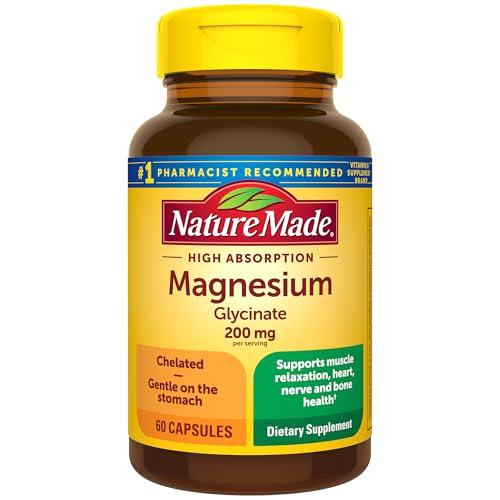
Nature Made Magnesium Glycinate 200mg

Nature Made · Budget-conscious shoppers wanting a trusted pharmacy brand

Compare
04

Double Wood Magnesium L-Threonate (Magtein)

Double Wood · Those with racing thoughts, cognitive overactivity, or combined sleep and brain health goals

Compare
05

Life Extension Neuro-Mag Magnesium L-Threonate

Life Extension · Those wanting a premium L-threonate supplement from an established longevity brand

Compare
06

Pure Encapsulations Magnesium Citrate

Pure Encapsulations · Those who prefer citrate form or need combined sleep and digestive support

Compare

Read the detailed review cards below before opening any retailer link

You've tried the sleep hygiene tips. You've limited screen time, kept your bedroom cool, and even experimented with white noise. Yet you still find yourself staring at the ceiling at 2 AM, wondering why sleep feels so elusive. Here's something your doctor may not have mentioned: you could be among the nearly 50% of Americans not getting enough magnesium — and that mineral gap could be the hidden driver behind your restless nights.

Magnesium is involved in over 300 enzymatic reactions in your body, including several that directly regulate your sleep-wake cycle. From boosting melatonin production to calming your nervous system through GABA receptor activation, this essential mineral plays a foundational role in helping your brain transition from wakefulness to restful sleep. The challenge? Modern diets, stress, and soil depletion have made magnesium deficiency surprisingly common.

If you're exploring natural approaches to better sleep, you may also find our guides on sleep optimization strategies and mental wellness approaches helpful companions to this article.

What Is Magnesium and Why Is It Essential for Sleep?

Magnesium is an essential mineral that serves as a cofactor in over 300 enzymatic reactions throughout the body, including critical processes that regulate your sleep-wake cycle. Despite being the fourth most abundant mineral in the human body, subclinical magnesium deficiency affects an estimated 50% of Americans due to declining dietary intake and soil mineral depletion.

Your body cannot produce magnesium on its own — it must come from food or supplements. Magnesium is stored primarily in bones (about 60%), muscles (about 27%), and soft tissues, with less than 1% circulating in the blood. This makes standard blood tests unreliable for detecting deficiency, since your body will pull magnesium from bones and tissues to maintain stable serum levels long before a blood test shows anything abnormal.

For sleep specifically, magnesium influences several key neurotransmitter systems. It acts as a natural calcium channel blocker, helps regulate the hypothalamic-pituitary-adrenal (HPA) axis that controls your stress response, and directly supports the production of melatonin — your body's primary sleep hormone. When magnesium levels are low, these systems can become dysregulated, leading to difficulty falling asleep, frequent nighttime awakenings, and reduced time in restorative deep sleep stages.

How Does Magnesium Help You Fall Asleep and Stay Asleep?

Magnesium promotes sleep through four interconnected mechanisms: it activates GABA receptors to quiet neural activity, stimulates melatonin production for circadian rhythm regulation, reduces cortisol levels to ease the stress response, and relaxes skeletal muscles to relieve physical tension. Together, these pathways help your brain and body transition smoothly into restful sleep.

Infographic comparing magnesium forms for sleep including glycinate, L-threonate, citrate, and oxide with absorption rates and best uses

How Does Magnesium Activate GABA Receptors for Sleep?

Magnesium binds to gamma-aminobutyric acid (GABA) receptors in the brain, enhancing the activity of this inhibitory neurotransmitter. GABA is your brain's primary "calm down" signal — it reduces neuronal excitability and helps shift your nervous system from sympathetic (fight-or-flight) to parasympathetic (rest-and-digest) mode. When magnesium levels are adequate, GABA signaling is more efficient, helping you feel calm and drowsy at bedtime.

How Does Magnesium Boost Melatonin Production?

Magnesium stimulates the enzyme serotonin N-acetyltransferase, which is a critical step in converting serotonin into melatonin. A 2012 clinical trial in elderly adults with insomnia found that magnesium supplementation significantly increased serum melatonin levels while decreasing cortisol concentrations. This dual effect — more melatonin, less cortisol — creates an ideal hormonal environment for sleep onset.

How Does Magnesium Regulate Your Stress Response?

Magnesium modulates the HPA axis, which controls cortisol release. Elevated nighttime cortisol is one of the most common causes of 3 AM wake-ups and difficulty returning to sleep. Adequate magnesium helps keep cortisol rhythms healthy, with levels naturally declining in the evening to allow sleep initiation. Chronic stress depletes magnesium stores, creating a vicious cycle: stress reduces magnesium, and low magnesium amplifies the stress response.

Which Forms of Magnesium Are Best Absorbed for Sleep?

Not all magnesium supplements are created equal. Organic forms like magnesium glycinate, L-threonate, and citrate are significantly better absorbed than inorganic forms like magnesium oxide. The form you choose determines how much magnesium actually reaches your cells and, critically for sleep, how much reaches your brain.
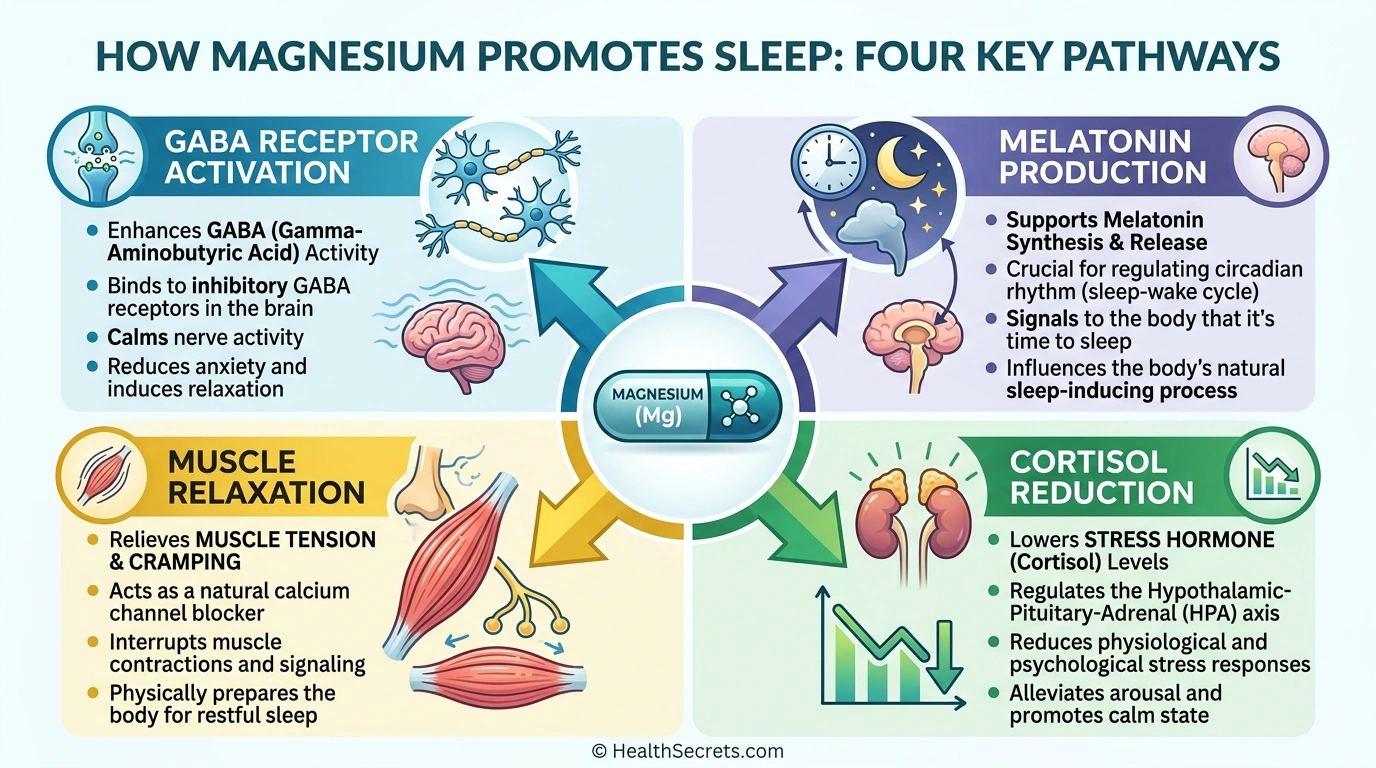
Diagram showing four mechanisms by which magnesium promotes sleep including GABA activation, melatonin production, cortisol reduction, and muscle relaxation

Why Is Magnesium Glycinate the Gold Standard for Sleep?

Magnesium glycinate (also called bisglycinate) combines magnesium with the amino acid glycine, which itself has calming and sleep-promoting properties. A 2026 randomized, placebo-controlled trial found that magnesium bisglycinate significantly reduced insomnia severity scores compared to placebo, with greater improvements seen in participants with lower baseline dietary magnesium intake. This form is also exceptionally gentle on the stomach, making it ideal for nightly use.

What Makes Magnesium L-Threonate Unique for Sleep?

Magnesium L-threonate (branded as Magtein) is the only form clinically shown to cross the blood-brain barrier and increase brain magnesium concentrations. A landmark 2024 RCT published in Sleep Medicine: X found that just three weeks of supplementation significantly improved deep sleep scores, REM sleep scores, mood, energy, and daytime alertness compared to placebo, as measured by Oura ring data and subjective questionnaires. This form is particularly promising for those whose sleep issues stem from cognitive overactivity or mental fatigue.

Should You Avoid Magnesium Oxide for Sleep?

Magnesium oxide contains the highest percentage of elemental magnesium by weight but has the poorest absorption — studies show bioavailability as low as 4%. While it's inexpensive and widely available, most of an oral dose passes through your digestive tract unabsorbed, which is why it's primarily used as a laxative or antacid rather than a therapeutic sleep supplement.

Form Absorption Best For GI Tolerance
Glycinate High Sleep + relaxation Excellent
L-Threonate High (brain) Sleep + cognition Good
Citrate Moderate-High General + budget May cause looseness
Oxide Low (~4%) Laxative/antacid Poor

How Much Magnesium Should You Take for Better Sleep?

The optimal dose for sleep support is 200–400 mg of elemental magnesium taken 30–60 minutes before bedtime. Start at the lower end (200 mg) and increase gradually over 1–2 weeks. The recommended daily allowance is 310–320 mg for adult women and 400–420 mg for adult men, but therapeutic doses for sleep may require supplementation beyond dietary intake.

Important dosing notes:

  • Elemental magnesium is what matters — a "400 mg magnesium glycinate" capsule may contain only 50–80 mg of elemental magnesium. Always check the Supplement Facts panel for elemental magnesium content.
  • Timing: Take your dose 30–60 minutes before your target bedtime for optimal effect.
  • Start low: Begin with 200 mg elemental magnesium and increase to 400 mg if needed after 1–2 weeks.
  • Split doses if taking more than 300 mg to improve absorption and reduce GI side effects.
  • Consistency matters: Magnesium builds up in tissues over time — daily use for 2–4 weeks is typically needed before significant sleep improvements become apparent.

For magnesium L-threonate specifically, the clinically studied dose is 2,000 mg of magnesium L-threonate (providing approximately 144 mg of elemental magnesium), typically divided into a morning and evening dose.

What Foods Are Highest in Magnesium for Sleep Support?

Dark leafy greens, nuts, seeds, legumes, and whole grains are the richest dietary sources of magnesium. Pumpkin seeds lead the pack at 150 mg per ounce, followed by chia seeds at 111 mg per ounce and almonds at 80 mg per ounce. Prioritizing these foods can meaningfully boost your magnesium intake alongside supplementation.

Flat-lay photograph of magnesium-rich foods for sleep support including pumpkin seeds, almonds, dark chocolate, spinach, and avocado

Top magnesium-rich foods for sleep:

  • Pumpkin seeds (hulled, roasted): 150 mg per ounce
  • Chia seeds: 111 mg per ounce
  • Almonds (roasted): 80 mg per ounce
  • Cashews (roasted): 72 mg per ounce
  • Spinach (cooked): 78 mg per ½ cup
  • Black beans (cooked): 60 mg per ½ cup
  • Edamame (shelled): 50 mg per ½ cup
  • Dark chocolate (70–85%): 65 mg per ounce
  • Avocado: 58 mg per medium fruit
  • Banana: 32 mg per medium fruit

A strategic evening snack combining magnesium-rich foods with sleep-promoting nutrients — such as a handful of pumpkin seeds with tart cherry juice — can complement your supplement routine. However, reaching therapeutic doses through diet alone is difficult for most people, which is why targeted supplementation remains the most practical approach.

Is Magnesium Safe to Take Every Night for Sleep?

Magnesium is generally very safe for nightly use in recommended doses (200–400 mg elemental) for adults with healthy kidney function. The most common side effect is loose stools or diarrhea, particularly with magnesium citrate or oxide forms. Serious adverse effects are rare and typically associated with excessive doses or impaired kidney function.

Timeline infographic showing expected improvements from magnesium supplementation for sleep from week 1 through month 2 and beyond

Safety considerations:

  • Kidney disease: Impaired kidneys cannot efficiently excrete excess magnesium. Consult your doctor before supplementing if you have any degree of kidney dysfunction.
  • Medication interactions: Magnesium can interfere with absorption of antibiotics (tetracyclines, fluoroquinolones), bisphosphonates, and certain blood pressure medications. Take magnesium at least 2 hours apart from these medications.
  • Tolerable Upper Intake Level: The NIH sets the UL for supplemental magnesium at 350 mg/day for adults. This applies to supplements only, not dietary magnesium.
  • Pregnancy: Magnesium needs increase during pregnancy (350–360 mg/day), but supplementation should be guided by a healthcare provider.
  • GI side effects: If loose stools occur, switch to magnesium glycinate (the gentlest form) or reduce your dose.

What Results Can You Realistically Expect from Magnesium for Sleep?

Most people notice gradual improvements in sleep quality within 1–4 weeks of consistent daily supplementation, not overnight. Clinical trials show modest but meaningful benefits including reduced time to fall asleep, improved sleep efficiency, and increased deep sleep duration. Magnesium is not a sedative — it works by correcting underlying deficiency and supporting your body's natural sleep mechanisms.

Various magnesium supplement bottles representing different forms including glycinate, L-threonate, and citrate for sleep support

Realistic timeline:

  • Week 1: You may notice subtle muscle relaxation and reduced physical tension at bedtime. Some people feel calmer within the first few days.
  • Weeks 2–3: Sleep onset latency often begins to improve. You may fall asleep faster and experience fewer nighttime awakenings.
  • Weeks 4–8: Full benefits typically emerge, including improved sleep efficiency, longer time in deep sleep, and better morning energy. A 2024 RCT found significant improvements in deep sleep and REM sleep scores after just three weeks of magnesium L-threonate.
  • Ongoing: Benefits are maintained with continued use. Magnesium is not habit-forming and does not cause tolerance or withdrawal.

Who benefits most: Research consistently shows that people with lower baseline magnesium intake or more severe sleep issues tend to experience the greatest improvements. If your diet is already rich in magnesium and your sleep issues are primarily driven by factors like sleep apnea, chronic pain, or shift work, magnesium alone may not be sufficient.

What Is the Best Step-by-Step Plan to Start Using Magnesium for Sleep?

Start with 200 mg of elemental magnesium glycinate taken 30–60 minutes before bedtime, increase to 400 mg after two weeks if needed, and combine with magnesium-rich evening foods for maximum benefit. Track your sleep quality using a journal or wearable device to objectively measure improvements over the first month.

Phase 1 — Foundation (Weeks 1–2):

  • Choose magnesium glycinate as your starting form
  • Begin with 200 mg elemental magnesium 30–60 minutes before bed
  • Start a simple sleep journal tracking: time to fall asleep, nighttime awakenings, morning energy (1–10 scale)
  • Add 1–2 magnesium-rich foods to your evening routine (pumpkin seeds, dark chocolate, spinach)

Phase 2 — Optimization (Weeks 3–4):

  • If sleep improvements are minimal, increase to 300–400 mg elemental magnesium
  • Consider adding magnesium L-threonate (2,000 mg) if cognitive overactivity is a primary issue
  • Review your sleep journal for trends — look for patterns in sleep onset time and morning energy
  • Ensure you're taking magnesium at least 2 hours apart from any interacting medications

Phase 3 — Maintenance (Month 2+):

  • Continue your optimal dose consistently
  • Incorporate 3–4 magnesium-rich meals per week to reduce supplement dependence
  • Reassess every 3 months with your healthcare provider
  • Combine with complementary sleep practices: consistent sleep schedule, cool bedroom (65–68°F), limited evening screens
Top Recommended Products

Editor's Choice

Doctor's Best

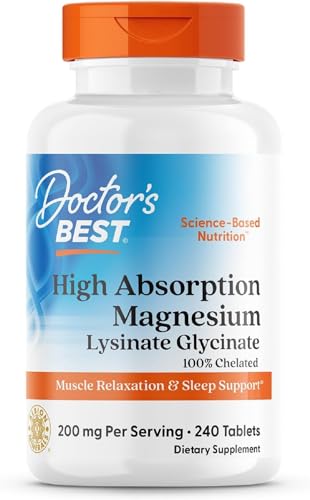
Doctor's Best High Absorption Magnesium Glycinate 200mg

4.5/5 $
01

Doctor's Best uses Albion's patented TRAACS chelation technology, which binds magnesium to glycine and lysine for superior absorption. This is the most-recommended magnesium glycinate on Amazon for good reason — it delivers reliable sleep support at an excellent price point, backed by thousands of positive reviews for sleep improvement.

Pros

  • + Highly absorbed chelated form
  • + Gentle on stomach
  • + Affordable per serving
  • + Well-established brand with consistent quality

Cons

  • - Requires 2 tablets per serving

Why we included it: Doctor's Best uses Albion's patented TRAACS chelation technology, which binds magnesium to glycine and lysine for superior absorption. This is the most-recommended magnesium glycinate on Amazon for good reason — it delivers reliable sleep support at an excellent price point, backed by thousands of positive reviews for sleep improvement.

Best for: Overall sleep support and relaxation Dosage: 200 mg elemental magnesium per serving (2 tablets)
View current price on Amazon

Retailer link opens on Amazon after the review details above

Best Higher Dose

Double Wood

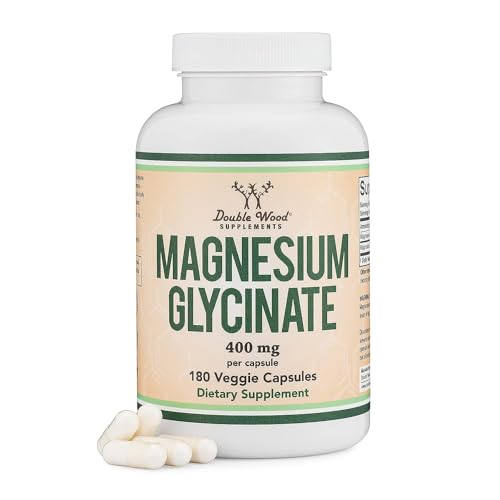
Double Wood Magnesium Glycinate 400mg

4.5/5 $
02

Double Wood provides a convenient higher-dose option for those who need more magnesium support. Their transparent third-party testing and consistent quality make this a solid choice for people who haven't seen results with lower-dose glycinate products.

Pros

  • + Higher dose per serving
  • + Third-party tested
  • + Good value for the dose
  • + Made in USA

Cons

  • - Elemental magnesium per serving may be lower than label suggests — check Supplement Facts carefully

Why we included it: Double Wood provides a convenient higher-dose option for those who need more magnesium support. Their transparent third-party testing and consistent quality make this a solid choice for people who haven't seen results with lower-dose glycinate products.

Best for: Those needing a higher elemental magnesium dose in fewer capsules Dosage: 400 mg magnesium glycinate per serving (2 capsules)
View current price on Amazon

Retailer link opens on Amazon after the review details above

Best Budget

Nature Made

Nature Made Magnesium Glycinate 200mg

4.5/5 $
03

Nature Made is one of the few supplement brands that carries the USP Verified mark, meaning an independent organization has verified that the product contains what it claims and is free from harmful contaminants. For those new to magnesium supplementation, this is a low-risk, high-trust starting point.

Pros

  • + USP verified for purity and potency
  • + Widely available in stores
  • + Affordable entry point
  • + Trusted household brand

Cons

  • - Only 30-day supply per bottle

Why we included it: Nature Made is one of the few supplement brands that carries the USP Verified mark, meaning an independent organization has verified that the product contains what it claims and is free from harmful contaminants. For those new to magnesium supplementation, this is a low-risk, high-trust starting point.

Best for: Budget-conscious shoppers wanting a trusted pharmacy brand Dosage: 200 mg per serving (2 capsules)
View current price on Amazon

Retailer link opens on Amazon after the review details above

Best for Brain + Sleep

Double Wood

Double Wood Magnesium L-Threonate (Magtein)

4.5/5 $
04

This is the form backed by the strongest brain-specific evidence. The 2024 Hausenblas et al. RCT demonstrated significant improvements in deep sleep and REM sleep scores with Magtein supplementation. If your sleep issues are driven by an overactive mind rather than physical tension, this is the form to try.

Pros

  • + Uses patented Magtein ingredient
  • + Only form proven to cross blood-brain barrier
  • + Supported by 2024 RCT showing deep sleep improvements
  • + Third-party tested

Cons

  • - Lower elemental magnesium per serving than glycinate options

Why we included it: This is the form backed by the strongest brain-specific evidence. The 2024 Hausenblas et al. RCT demonstrated significant improvements in deep sleep and REM sleep scores with Magtein supplementation. If your sleep issues are driven by an overactive mind rather than physical tension, this is the form to try.

Best for: Those with racing thoughts, cognitive overactivity, or combined sleep and brain health goals Dosage: 2,000 mg magnesium L-threonate per serving (3 capsules, ~144 mg elemental Mg)
View current price on Amazon

Retailer link opens on Amazon after the review details above

Premium Pick

Life Extension

Life Extension Neuro-Mag Magnesium L-Threonate

4.5/5 $$
05

Life Extension has been a leader in evidence-based supplementation for over 40 years. Their Neuro-Mag formula uses the same patented Magtein ingredient as Double Wood but comes from a brand with a longer track record of quality control and scientific rigor. Worth the premium for those who prioritize brand trust.

Pros

  • + Trusted longevity-focused brand
  • + Uses patented Magtein ingredient
  • + Extensively researched formulation
  • + Good customer service

Cons

  • - Higher price point than Double Wood alternative

Why we included it: Life Extension has been a leader in evidence-based supplementation for over 40 years. Their Neuro-Mag formula uses the same patented Magtein ingredient as Double Wood but comes from a brand with a longer track record of quality control and scientific rigor. Worth the premium for those who prioritize brand trust.

Best for: Those wanting a premium L-threonate supplement from an established longevity brand Dosage: 2,000 mg magnesium L-threonate per serving (3 capsules, ~144 mg elemental Mg)
View current price on Amazon

Retailer link opens on Amazon after the review details above

Best Citrate

Pure Encapsulations

Pure Encapsulations Magnesium Citrate

4.5/5 $
06

Pure Encapsulations is the most-prescribed professional supplement brand, trusted by integrative medicine practitioners. Their magnesium citrate is ideal for people who want sleep support combined with gentle digestive motility, or for those who cannot tolerate glycinate for any reason.

Pros

  • + Hypoallergenic formula free of common allergens
  • + High purity and quality control
  • + Good absorption
  • + Can help with constipation

Cons

  • - May cause loose stools in some individuals

Why we included it: Pure Encapsulations is the most-prescribed professional supplement brand, trusted by integrative medicine practitioners. Their magnesium citrate is ideal for people who want sleep support combined with gentle digestive motility, or for those who cannot tolerate glycinate for any reason.

Best for: Those who prefer citrate form or need combined sleep and digestive support Dosage: 150 mg elemental magnesium per capsule
View current price on Amazon

Retailer link opens on Amazon after the review details above

Further Reading

Further Reading

"The Magnesium Miracle (Revised Edition)"

by Carolyn Dean, MD, ND

Detailed explanation of magnesium's 300+ functions in the body; Comprehensive guide to magnesium forms and dosing; Sleep-specific protocols; Coverage of magnesium's role in anxiety, heart health, and diabetes; Practical dietary and supplementation strategies

Why it adds value here

This is the definitive consumer guide to magnesium supplementation. Dr. Dean has spent decades compiling research on magnesium deficiency and its wide-ranging health effects. The revised edition includes updated clinical evidence and practical protocols that complement the sleep-specific guidance in this article.

Best for: Anyone wanting a comprehensive understanding of magnesium's role in health, sleep, and chronic disease prevention

View book details

Further Reading

"Why We Sleep: Unlocking the Power of Sleep and Dreams"

by Matthew Walker, PhD

Groundbreaking research on sleep stages and their functions; Evidence linking sleep deprivation to chronic disease; Practical sleep optimization strategies; Understanding of how nutrition and supplements interact with sleep architecture

Why it adds value here

While not magnesium-specific, Walker's book provides the essential scientific context for why sleep quality matters so deeply and why addressing nutrient deficiencies like magnesium is a foundational intervention. Understanding sleep science empowers you to make better supplement and lifestyle decisions.

Best for: Readers who want to understand the science of sleep and why optimizing it — including with magnesium — matters so profoundly for health

View book details

AEO FAQ

Frequently Asked Questions

10 common questions answered

Magnesium glycinate (bisglycinate) is the best overall form for sleep due to its high absorption, calming glycine component, and excellent stomach tolerance. A 2026 RCT confirmed that magnesium bisglycinate significantly improved insomnia severity compared to placebo. For those with racing thoughts or cognitive sleep issues, magnesium L-threonate is an excellent alternative, as it is the only form clinically proven to cross the blood-brain barrier and improve deep sleep scores.

Most people notice initial improvements in sleep quality within 1–2 weeks, with full benefits typically emerging by weeks 3–4. Magnesium works by correcting underlying tissue deficiency and supporting natural sleep mechanisms — it is not a fast-acting sedative. A 2024 clinical trial showed significant sleep improvements with magnesium L-threonate after just three weeks of consistent use.

Yes, magnesium is safe for nightly use at recommended doses (200–400 mg elemental) for adults with healthy kidney function. Unlike prescription sleep medications, magnesium does not cause tolerance, dependence, or withdrawal effects. It is a nutrient your body needs daily, and consistent use is actually necessary for optimal sleep benefits.

Take magnesium 30–60 minutes before your target bedtime for best results. This timing allows absorption to begin before you need to fall asleep. For magnesium L-threonate specifically, some clinicians recommend splitting the dose — one portion in the afternoon and one before bed — since the brain-specific benefits accumulate throughout the day.

Yes, magnesium can help with anxiety-related sleep difficulties through its effects on GABA receptors and cortisol regulation. A 2024 systematic review found that supplemental magnesium is likely useful in the treatment of mild anxiety and insomnia, particularly in those with low magnesium status at baseline. Magnesium glycinate is the preferred form for anxiety-related sleep issues because glycine itself has calming neurotransmitter properties.

While magnesium toxicity from oral supplements is rare in people with healthy kidneys, exceeding the Tolerable Upper Intake Level of 350 mg/day from supplements can cause diarrhea, nausea, and abdominal cramping. Severe hypermagnesemia is almost exclusively seen in people with kidney disease or those receiving intravenous magnesium. Always start with the lowest effective dose and increase gradually.

Both forms are effective for sleep, but they work differently. Magnesium glycinate is better for general relaxation, muscle tension, and stress-related sleep issues — it is the go-to recommendation for most people. Magnesium L-threonate is better for those whose sleep problems stem from cognitive overactivity, as it uniquely crosses the blood-brain barrier. Some people benefit from combining both forms.

Magnesium can be taken with or without food, though a small snack may reduce the chance of stomach discomfort. Magnesium glycinate is well-tolerated on an empty stomach, while citrate forms are better taken with food. Avoid taking magnesium at the same time as calcium supplements, high-fiber meals, or medications that may interfere with absorption.

Magnesium may help relieve restless legs syndrome (RLS) symptoms, particularly when RLS is associated with magnesium deficiency. Magnesium's muscle-relaxing properties and effects on nerve function can reduce nighttime cramping and restlessness. While evidence from large RCTs is limited, clinical experience and smaller studies support magnesium supplementation as a reasonable first-line natural approach for mild to moderate RLS.

Magnesium and melatonin work through different mechanisms and are not direct replacements for each other. Magnesium supports your body's natural melatonin production while also calming the nervous system and relaxing muscles. Melatonin supplements directly introduce the sleep hormone. Many sleep experts recommend trying magnesium first because it addresses a potential root cause (nutrient deficiency) rather than simply supplementing a hormone.

Was this article helpful?

Written & Reviewed By Experts

DN

Author

Dr. Nina Patel

DS

Medical Reviewer

Dr. Sarah Chen

All content is evidence-based, peer-reviewed by qualified professionals, and updated regularly. Our editorial team follows strict guidelines for accuracy and transparency.

References & Citations

20 sources cited

1
Abbasi, B., et al. (2012). "The effect of magnesium supplementation on primary insomnia in elderly: A double-blind placebo-controlled clinical trial." Journal of Research in Medical Sciences, 17(12), 1161–1169. View
2
Araújo, C.A.L., et al. (2022). "The Role of Magnesium in Sleep Health: a Systematic Review of Available Literature." Biological Trace Element Research. View
3
Hausenblas, H.A., et al. (2024). "Magnesium-L-threonate improves sleep quality and daytime functioning in adults with self-reported sleep problems: A randomized controlled trial." Sleep Medicine: X, 8, 100121. View
4
Cao, Y., et al. (2018). "Association of magnesium intake with sleep duration and sleep quality: findings from the CARDIA study." Sleep, 41(suppl_1). View
5
Effectiveness of Magnesium Supplementation on Sleep Quality and Mood for Adults with Poor Sleep Quality: A Randomized Double-Blind Placebo-Controlled Crossover Pilot Trial. (2024). Medical Research Archives. View

Medical Disclaimer

This article is for informational purposes only and does not constitute medical advice. Read the full medical disclaimer. Always consult with a qualified healthcare provider before starting any new supplement, treatment, or major dietary change.