
Every year, Americans suffer through an estimated one billion colds and tens of millions of influenza infections. You stock up on tissues, cancel plans, and lose precious days to congestion, fever, and fatigue. But here's the good news: the best science we have in 2026 says you can cut your risk of getting sick by 20–50% — and shorten the misery if you do catch something — with a handful of straightforward, natural strategies.
This isn't about miracle cures. It's about stacking evidence-based habits — proper hand washing, optimized vitamin D levels, zinc lozenges at the first sniffle, elderberry extract, quality sleep, and moderate exercise — so your immune system has every advantage when viruses come knocking.
For a comprehensive look at immune support, see our complete immune system guide and our roundup of the best immune-boosting supplements.
What Do You Need to Know Before Preventing Colds and Flu Naturally?
Before diving into specific steps, it helps to understand what you're up against. The common cold is caused by over 200 virus strains — rhinovirus accounts for 30–50% of cases — and produces mild upper respiratory symptoms lasting 7–10 days. Influenza is more severe, caused by influenza A and B viruses, and brings sudden-onset fever (100–104°F), body aches, and fatigue lasting one to two weeks, with potential complications like pneumonia.
Both spread primarily through respiratory droplets (coughing, sneezing, talking within six feet) and surface contact (viruses survive on doorknobs and phones for 24–48 hours). Peak season runs October through March in the Northern Hemisphere, driven by indoor crowding, low humidity that helps viruses survive, and widespread vitamin D deficiency from reduced sun exposure [1].
This guide is designed for generally healthy adults looking to reduce infection risk naturally. If you are immunocompromised, elderly, pregnant, or have chronic conditions, discuss these strategies with your healthcare provider. The steps below are ordered by strength of evidence, starting with the most impactful.

How Do You Wash Your Hands to Prevent Colds and Flu?
Proper hand washing is the single most effective cold and flu prevention measure, reducing respiratory infections by approximately 16–24% according to systematic reviews. It breaks the primary transmission chain: contaminated surface → hands → face → infection.
The technique matters more than most people realize. Wet your hands with clean water, apply any soap (antibacterial is unnecessary for viruses), and scrub for a full 20 seconds — backs of hands, between fingers, under nails, and wrists. Rinse thoroughly and dry with a clean towel. Wash before eating, before touching your face, and after using the bathroom, blowing your nose, or touching public surfaces [3].
When soap and water aren't available, use hand sanitizer with at least 60% alcohol. It's not quite as effective as soap — it doesn't remove all germs and struggles with greasy or visibly dirty hands — but it's a solid backup CDC Handwashing Facts [2].
How Often Should You Wash Your Hands During Cold Season?
Aim for frequent washing throughout the day, especially at key moments: before meals, after returning home from public places, after handling shared items like shopping carts or gym equipment, and after contact with anyone who's sick. A meta-analysis found that increasing hand washing frequency from baseline to 6–8 times daily significantly reduced acute respiratory infection incidence [4].
Also work on reducing face-touching — studies show people touch their faces an average of 23 times per hour. Keep your hands occupied, use tissues when needed, and build awareness of the habit.
How Do You Optimize Vitamin D to Prevent Respiratory Infections?
Vitamin D supplementation is one of the most impactful cold and flu prevention strategies, reducing acute respiratory infections by 12% overall and up to 50% in individuals who are deficient (below 20 ng/mL). Vitamin D enhances innate immunity by boosting antimicrobial peptides like cathelicidin and defensins, and it modulates adaptive immune responses through T cell and B cell function.
Winter deficiency is widespread — at latitudes above 37°N, skin produces little to no vitamin D from November through February. Even in sunny climates, indoor lifestyles and dark skin tones increase deficiency risk. The landmark Martineau et al. meta-analysis of 25 randomized controlled trials involving over 11,000 participants confirmed the protective effect, with the strongest benefits for those with the lowest baseline levels [6].
What Dose of Vitamin D Should You Take for Immune Protection?
For general prevention, take 1,000–2,000 IU daily. If you're at higher risk — winter months, limited sun exposure, dark skin, elderly, or known deficiency — increase to 2,000–4,000 IU daily. Aim for blood levels of 40–60 ng/mL, confirmed by a 25-hydroxyvitamin D blood test. Consider pairing with vitamin K2 (100–200 mcg MK-7) if taking higher doses to support proper calcium metabolism.
Dietary sources are limited: fatty fish provides 400–1,000 IU per serving, egg yolks about 40 IU each, and fortified foods 100–150 IU per serving. For most people, supplementation is necessary to reach optimal levels during winter [7].
See our complete vitamin D guide for detailed dosing protocols.

How Do You Use Zinc Lozenges to Shorten a Cold?
Zinc lozenges can reduce cold duration by approximately 33% when started within 24 hours of the first symptoms. Zinc works locally in the throat and nasal passages by inhibiting viral RNA polymerase (blocking replication) and reducing viral attachment to nasal epithelial cells. This local mechanism is why lozenges outperform zinc pills for cold treatment.
The key is timing and form. At the first sign of symptoms — that telltale throat tickle, initial sneezing, or unusual fatigue — begin taking 13–23 mg elemental zinc lozenges every two to three hours while awake, totaling 75–100 mg daily. Continue for five to seven days or until symptoms resolve [8].
Which Form of Zinc Works Best for Colds?
Choose zinc acetate or zinc gluconate lozenges — these forms release ionic zinc effectively in the oral cavity. Avoid zinc citrate, and avoid lozenges containing citric acid or tartaric acid, which bind zinc and reduce its antiviral effect. Also avoid intranasal zinc sprays, which have been linked to loss of smell (anosmia) [9].
Common side effects include nausea and an unpleasant taste. Taking lozenges with a small amount of food can help, though absorption may be slightly reduced. Do not exceed 100 mg daily for more than a week, as prolonged high-dose zinc can cause copper deficiency.
For more on zinc supplementation, see our zinc complete guide.

How Does Elderberry Help Prevent and Treat the Flu?
Elderberry extract can reduce flu duration by two to four days and significantly lower symptom severity. The berries of Sambucus nigra contain anthocyanins and other bioactive compounds that inhibit viral entry by blocking hemagglutinin (a surface protein influenza uses to infect cells) and modulate immune response by increasing cytokine production.
For seasonal prevention, take 300–600 mg of standardized elderberry extract daily (or one to two tablespoons of elderberry syrup) starting in October and continuing through March. At the first sign of flu symptoms, increase to 600–900 mg daily (or two to four tablespoons of syrup) divided into three to four doses. Continue until symptoms resolve, typically five to seven days [10].
Is Elderberry Safe for Everyone?
Commercial elderberry products (syrups, capsules, gummies) are generally safe. Raw or unripe elderberries are toxic and must be cooked before consumption. If you have an autoimmune condition, consult your doctor before use — elderberry stimulates the immune system, which could theoretically exacerbate autoimmune activity. The CDC notes that elderberry may help with cold and flu symptoms, though the quality of evidence remains limited due to small study sizes [11].

How Does Sleep Protect You from Getting Sick?
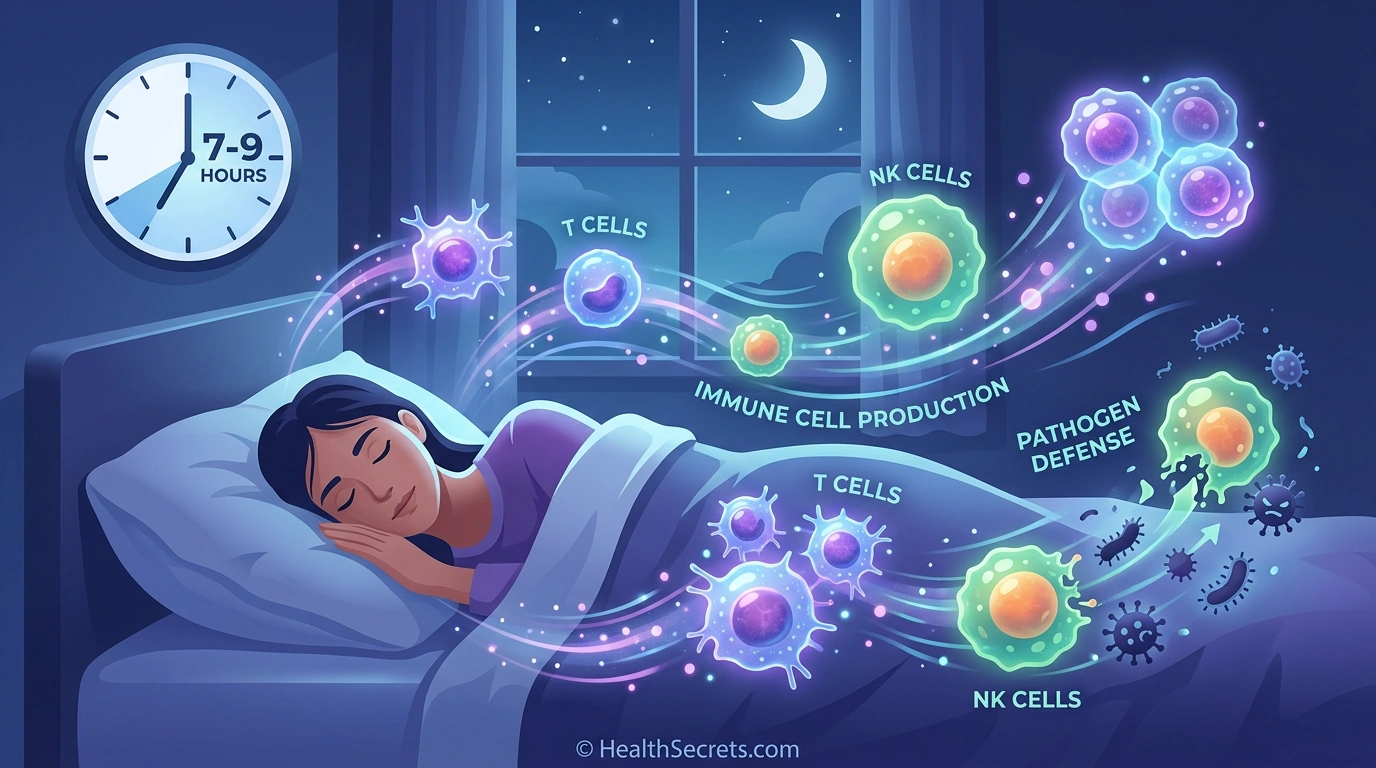
Sleep is a non-negotiable pillar of immune defense. People who sleep fewer than seven hours per night are up to four times more likely to develop a cold after viral exposure compared to those sleeping eight or more hours. During sleep, your immune system produces cytokines — signaling proteins that coordinate immune responses — and generates antibodies and infection-fighting cells.
Aim for seven to nine hours of quality sleep every night during cold and flu season. Maintain a consistent sleep-wake schedule, keep your bedroom dark and cool (65–68°F), limit screens two to three hours before bed, and establish a calming pre-sleep routine like reading or a warm bath [12].
Chronic sleep restriction doesn't just temporarily weaken immunity — research from Mount Sinai shows it can alter the DNA structure inside immune stem cells, creating lasting inflammatory changes that aren't reversed by "catching up" on sleep. Prioritize consistent, adequate sleep as a year-round habit, not just during illness [13].
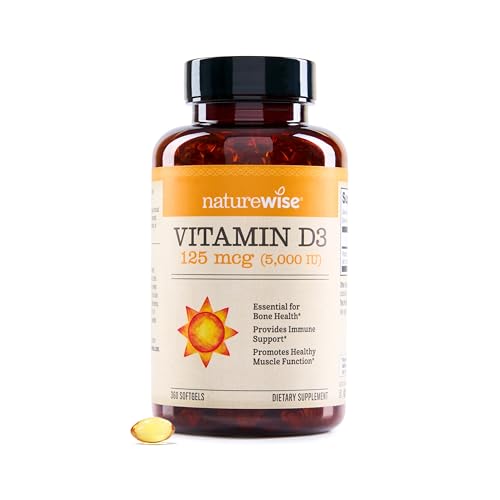
NatureWise Vitamin D3 5000 IU
Editor's ChoiceNatureWise Vitamin · Winter immune support and correcting vitamin D deficiency

Life Extension Enhanced Zinc Lozenges
Best for Cold OnsetLife Extension · Reducing cold duration when taken within 24 hours of symptoms

Sambucol Black Elderberry Syrup
Most Studied BrandSambucol Black · Flu prevention and reducing flu severity and duration

Renew Life Ultimate Flora Extra Care 50 Billion
Best Probiotic for ImmunityRenew Life · Gut-immune support during cold and flu season
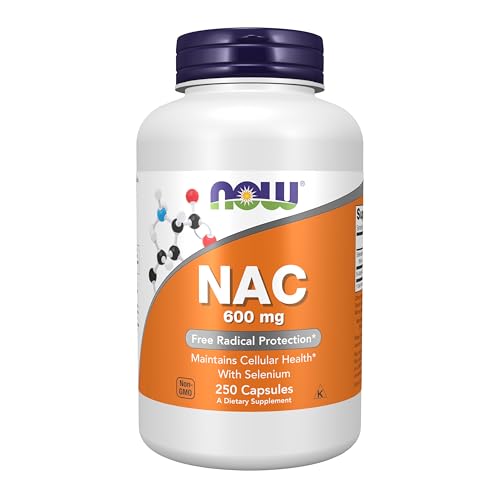
NOW Foods NAC 600mg
Best Respiratory SupportNOW Foods · Glutathione production and respiratory immune defense
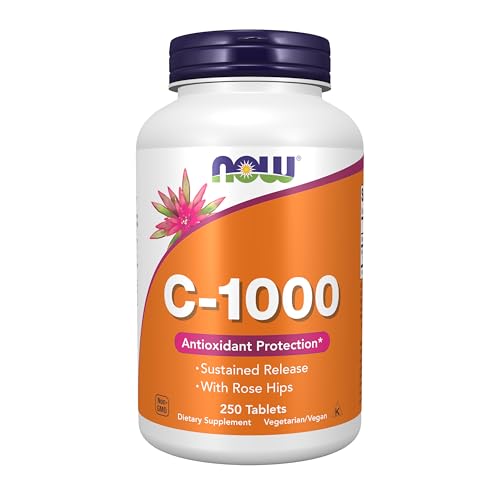
NOW Foods Vitamin C-1000 with Rose Hips
Best Value Vitamin CNOW Foods · Preventive immune support and therapeutic use at symptom onset
Read the detailed review cards below before opening any retailer link
Top Recommended Products
NatureWise Vitamin
NatureWise Vitamin D3 5000 IU
NatureWise delivers a clinically relevant dose in a well-absorbed form with third-party testing and an unbeatable year-long supply.
Pros
- + High potency per softgel
- + 360-count bottle lasts a full year
- + organic olive oil carrier enhances absorption
- + affordable price per serving
Cons
- - 5
- - 000 IU may be too high for some without blood testing
Why we included it: NatureWise delivers a clinically relevant dose in a well-absorbed form with third-party testing and an unbeatable year-long supply.
Retailer link opens on Amazon after the review details above
Life Extension
Life Extension Enhanced Zinc Lozenges
Life Extension uses zinc acetate — the form shown in clinical trials to effectively release ionic zinc in the oral cavity for antiviral action.
Pros
- + Uses clinically validated zinc acetate form
- + appropriate dose per lozenge
- + pleasant flavor
- + no citric acid that would bind zinc
Cons
- - 30-count may not last a full cold episode at recommended frequency
Why we included it: Life Extension uses zinc acetate — the form shown in clinical trials to effectively release ionic zinc in the oral cavity for antiviral action.
Retailer link opens on Amazon after the review details above
Sambucol Black
Sambucol Black Elderberry Syrup
Sambucol is the brand used in the majority of elderberry clinical trials, providing confidence in the formulation and dosing.
Pros
- + Most clinically studied elderberry brand
- + pleasant taste
- + suitable for adults and children over 4
- + standardized extract
Cons
- - Contains sugar
- - liquid form less convenient for travel
Why we included it: Sambucol is the brand used in the majority of elderberry clinical trials, providing confidence in the formulation and dosing.
Retailer link opens on Amazon after the review details above
Renew Life
Renew Life Ultimate Flora Extra Care 50 Billion
Renew Life combines clinically relevant strain diversity with delayed-release technology to deliver live cultures where they matter most — the gut.
Pros
- + 12 scientifically studied strains including key Lactobacillus and Bifidobacterium
- + delayed-release technology
- + 50 billion CFU therapeutic dose
- + no refrigeration required
Cons
- - Higher price point than basic probiotics
Why we included it: Renew Life combines clinically relevant strain diversity with delayed-release technology to deliver live cultures where they matter most — the gut.
Retailer link opens on Amazon after the review details above
NOW Foods
NOW Foods NAC 600mg
NOW Foods NAC provides the exact dose used in the landmark study showing 25% reduction in flu-like illness, at an exceptional value per capsule.
Pros
- + Pharmaceutical-grade NAC
- + 250-count value size
- + well-studied 600 mg dose
- + versatile — take one or two daily based on needs
Cons
- - Sulfur smell is normal but off-putting to some
Why we included it: NOW Foods NAC provides the exact dose used in the landmark study showing 25% reduction in flu-like illness, at an exceptional value per capsule.
Retailer link opens on Amazon after the review details above
NOW Foods
NOW Foods Vitamin C-1000 with Rose Hips
An affordable, high-quality vitamin C that makes it easy to maintain daily prevention and ramp up dosing at the first sign of illness.
Pros
- + 250-count excellent value
- + includes rose hips for added bioflavonoids
- + easy-to-dose 1
- + 000 mg tablets
- + well-tolerated by most
Cons
- - Tablet size may be large for some
- - high doses may cause digestive discomfort
Why we included it: An affordable, high-quality vitamin C that makes it easy to maintain daily prevention and ramp up dosing at the first sign of illness.
Retailer link opens on Amazon after the review details above
How Does Exercise Reduce Your Risk of Colds and Flu?
Regular moderate exercise enhances immune surveillance by increasing the circulation of immune cells, reduces chronic inflammation, and lowers stress hormones — all of which contribute to a 40–50% reduction in upper respiratory infection risk. Each bout of moderate physical activity promotes improved but transient immunosurveillance, and when repeated consistently, the cumulative effect is substantial.
Target 150 minutes of moderate-intensity exercise per week — brisk walking, cycling, swimming, or light jogging — spread across five or more days. This is the sweet spot supported by the evidence. A critical caveat: overtraining suppresses immunity. Intense, prolonged exercise without adequate recovery (marathon training, multiple high-intensity sessions daily) can create an "open window" of increased vulnerability to infection [14].
If you're already sick, rest. Exercising through an illness — especially one with fever or systemic symptoms — worsens outcomes and prolongs recovery. Resume activity gradually after symptoms resolve.
How Do Probiotics and Other Supplements Support Cold and Flu Prevention?
Probiotics containing Lactobacillus and Bifidobacterium strains can reduce the incidence of respiratory infections by up to 47% and shorten episode duration. The gut houses approximately 70% of your immune system (gut-associated lymphoid tissue), and probiotics modulate this immune response by enhancing immune cell function and strengthening the gut barrier [15].
Take 10–50 billion CFU daily of a multi-strain probiotic during cold and flu season or year-round. Look for strains with clinical evidence: Lactobacillus rhamnosus GG, L. casei, L. acidophilus, and Bifidobacterium lactis. Fermented foods — yogurt, kefir, sauerkraut, kimchi — also provide beneficial bacteria.
What About Vitamin C, Echinacea, and Other Immune Supplements?
- Vitamin C (200–1,000 mg daily) has modest preventive benefits, reducing cold duration by 8–14%, primarily in physically stressed individuals like athletes. At the first sign of symptoms, increase to 1,000 mg three times daily for a few days. It won't prevent most colds but may shorten them slightly [16].
- N-acetylcysteine (NAC) (600 mg twice daily) is a glutathione precursor with mucolytic properties. A landmark study found it reduced influenza-like illness incidence by 25% in elderly adults. See our NAC guide for full details.
- Echinacea has mixed evidence — some studies show a 10–20% reduction in cold duration, but the quality is low to moderate.
- Garlic (allicin) shows antimicrobial promise but limited clinical data.
- Quercetin (500–1,000 mg daily) is an antiviral flavonoid with promising in vitro results.
For our full guide to vitamin C, see vitamin C complete guide.
What Are the Most Common Mistakes in Cold and Flu Prevention?
The most common mistake is waiting until you're already sick to take action. Prevention strategies work best when established weeks before peak season — start vitamin D, probiotics, and elderberry in September or October, not after your first sniffle. Building immune resilience takes time, and reactive approaches are far less effective than proactive ones.
- Ignoring humidity: Indoor air below 40% humidity dries mucous membranes (your first-line defense) and helps viruses survive longer. Use a cool-mist humidifier to maintain 40–60% humidity at home and in your office. Clean it regularly to prevent mold.
- Relying on supplements alone: No supplement replaces hygiene and lifestyle fundamentals. Hand washing, adequate sleep, and moderate exercise consistently outperform any single supplement in the research.
- Taking zinc too late: Zinc lozenges lose effectiveness after the first 24 hours of symptoms. Keep them stocked at home, in your bag, and at your desk so you can start immediately.
- Overtraining during flu season: High-intensity exercise without recovery suppresses immunity. Dial back volume and intensity if you feel run-down.
- Skipping hydration: Drink 8–10 cups of water daily. Adequate hydration maintains mucous membrane integrity and supports lymphatic circulation — both critical for immune defense.
- Touching your face without awareness: The average person touches their face 23 times per hour. Building conscious awareness of this habit and keeping hands clean dramatically reduces transmission risk.
Is Natural Cold and Flu Prevention Safe? When Should You See a Doctor?
The strategies in this guide are safe for most healthy adults when followed at the recommended doses. However, there are important situations that require medical attention rather than self-care. Stop home management and seek medical care immediately if you experience any of the following warning signs.
When Should You See a Doctor for Cold or Flu Symptoms?
- High fever above 103°F (39.4°C) or any fever lasting more than three days
- Difficulty breathing, shortness of breath, wheezing, or chest tightness
- Chest pain, especially with breathing or coughing
- Severe headache with stiff neck, confusion, or sensitivity to light
- Persistent vomiting or inability to keep fluids down
- Symptoms worsening after initial improvement (suggests secondary bacterial infection)
- Symptoms lasting more than 10 days without improvement
High-risk populations should seek medical care sooner: adults 65 and older, immunocompromised individuals, people with chronic conditions (asthma, COPD, heart disease, diabetes), pregnant individuals, and children under two years.
Regarding the flu vaccine: it reduces flu risk by 40–60% (varying by year and age group) and is recommended for high-risk groups. Natural prevention strategies complement — not replace — vaccination for those at elevated risk. Discuss the right approach with your healthcare provider.
Action Plan
What Should You Do First to Prevent Colds and Flu This Season?
Follow the sequence below, work through each phase in order, and use the checklist as your practical implementation guide.
The most effective approach combines immediate hygiene improvements with a phased supplement and lifestyle protocol. Start with the highest-impact, lowest-effort changes first, then layer in additional strategies. Here is your phased action plan for cold and flu season.
Phase 1 — Immediate (Start Today):
- Upgrade hand washing: 20 seconds with soap, at every key touchpoint (before eating, after public exposure)
- Reduce face-touching: build conscious awareness of the habit
- Ensure 7–9 hours of sleep nightly with a consistent schedule
- Stock up on zinc lozenges (zinc acetate or gluconate) so they're ready at the first symptom
Phase 2 — This Week (Build Your Supplement Protocol):
- Start vitamin D: 2,000–4,000 IU daily (get blood levels tested if possible, target 40–60 ng/mL)
- Start a multi-strain probiotic: 10–50 billion CFU daily
- Begin elderberry extract: 300–600 mg daily for seasonal prevention
- Set up a humidifier in your bedroom: maintain 40–60% humidity
Phase 3 — Ongoing Through Season (Lifestyle Optimization):
- Exercise 150 minutes per week at moderate intensity (brisk walking, cycling, swimming)
- Practice daily stress management: 10–20 minutes of meditation, deep breathing, or yoga
- Eat 5–9 servings of fruits and vegetables daily for vitamins, antioxidants, and fiber
- Stay hydrated: 8–10 cups of water or herbal tea daily
- Disinfect high-touch surfaces daily (doorknobs, phones, keyboards)
At First Symptoms (Act Within 24 Hours):
- Zinc lozenges: 13–23 mg every 2–3 hours (75–100 mg daily total)
- Increase elderberry to 600–900 mg daily
- Increase vitamin C to 1,000 mg three times daily
- Prioritize rest: 8–10 hours of sleep, cancel non-essential plans
- Increase fluids to 10–12 cups daily (water, herbal tea, broth)
- Stay home to prevent spreading to others


