
If you catch every cold that circulates the office, feel drained despite sleeping eight hours, or notice your wounds heal slower than they used to, your vitamin D levels may be quietly sabotaging your immune defenses. Often called the "sunshine vitamin," vitamin D is actually a hormone precursor that orchestrates dozens of immune processes — from activating killer T cells to calming dangerous cytokine storms.
The problem? Modern indoor lifestyles, sunscreen use, and northern latitudes have created a global deficiency epidemic. Research published in The Lancet Diabetes & Endocrinology confirms that vitamin D supplementation reduces the risk of acute respiratory infections, while a 2026 University of Surrey study found that severe deficiency increases hospitalization risk for respiratory infections by 33%.
For a comprehensive overview of immune support strategies, see our complete immune system guide. You may also want to explore the best immune-boosting supplements and how vitamin C and zinc work synergistically with vitamin D.
What Is Vitamin D and Why Is It Critical for Immune Health?
Vitamin D is a fat-soluble secosteroid hormone precursor that regulates over 1,000 genes involved in immune function, cell growth, and inflammation control. Unlike true vitamins, your body synthesizes vitamin D when UVB radiation strikes the skin, converting 7-dehydrocholesterol into cholecalciferol (D3), which is then activated through hydroxylation in the liver and kidneys.
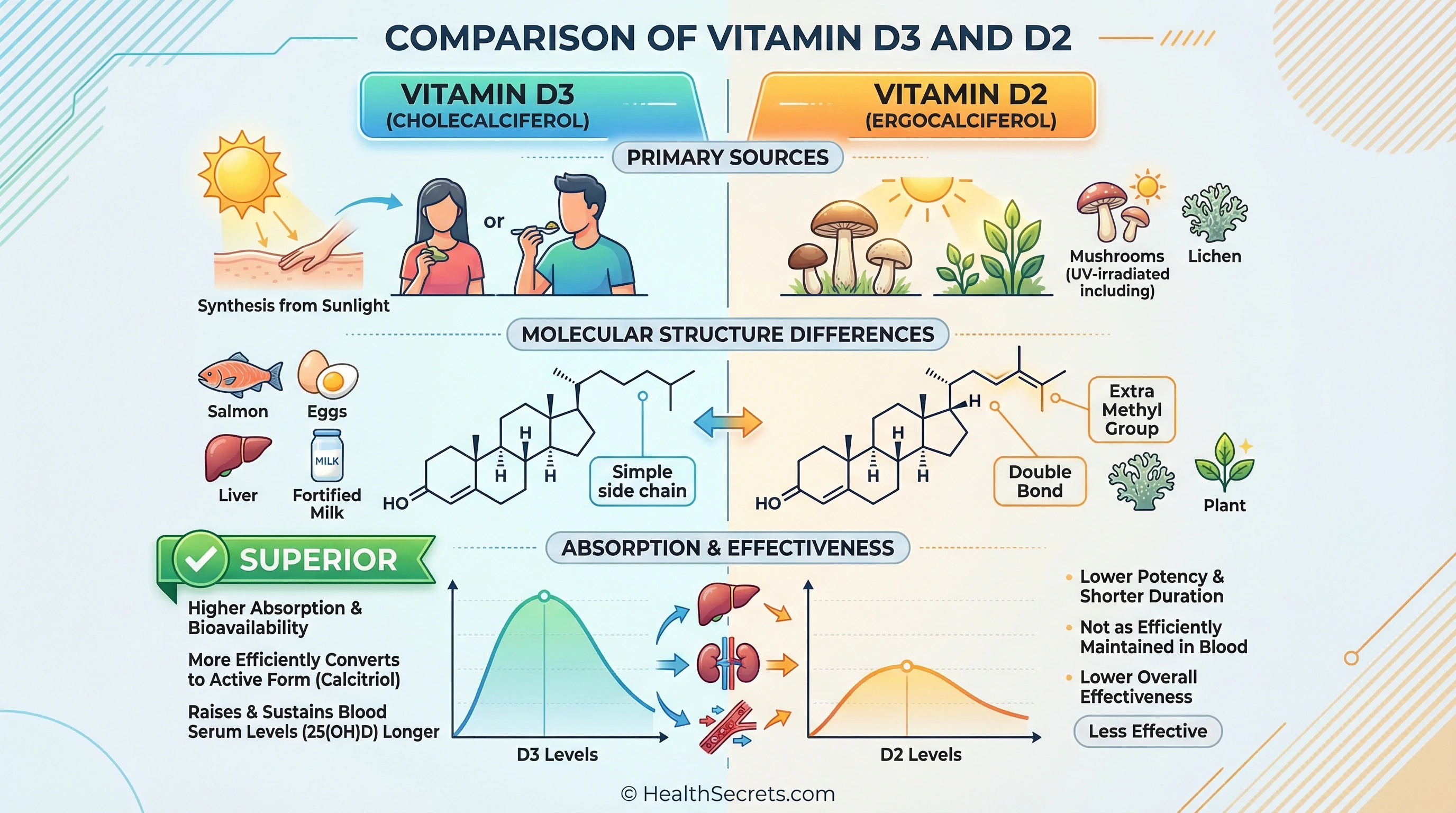
The two primary forms are vitamin D2 (ergocalciferol), derived from plants and fungi, and vitamin D3 (cholecalciferol), produced in human skin and found in animal sources. Research consistently demonstrates that D3 is 40–87% more effective than D2 at raising serum 25-hydroxyvitamin D levels, the primary biomarker of vitamin D status.
What makes vitamin D uniquely important for immunity is that virtually every immune cell — T cells, B cells, macrophages, dendritic cells, and natural killer cells — expresses the vitamin D receptor (VDR) and possesses the enzymatic machinery to convert circulating 25(OH)D into the active form, 1,25-dihydroxyvitamin D. This means immune cells can locally activate vitamin D to modulate their own responses in real time.
For a detailed comparison of these two forms, see our guide on vitamin D3 vs D2.
How Does Vitamin D Support Your Immune System?
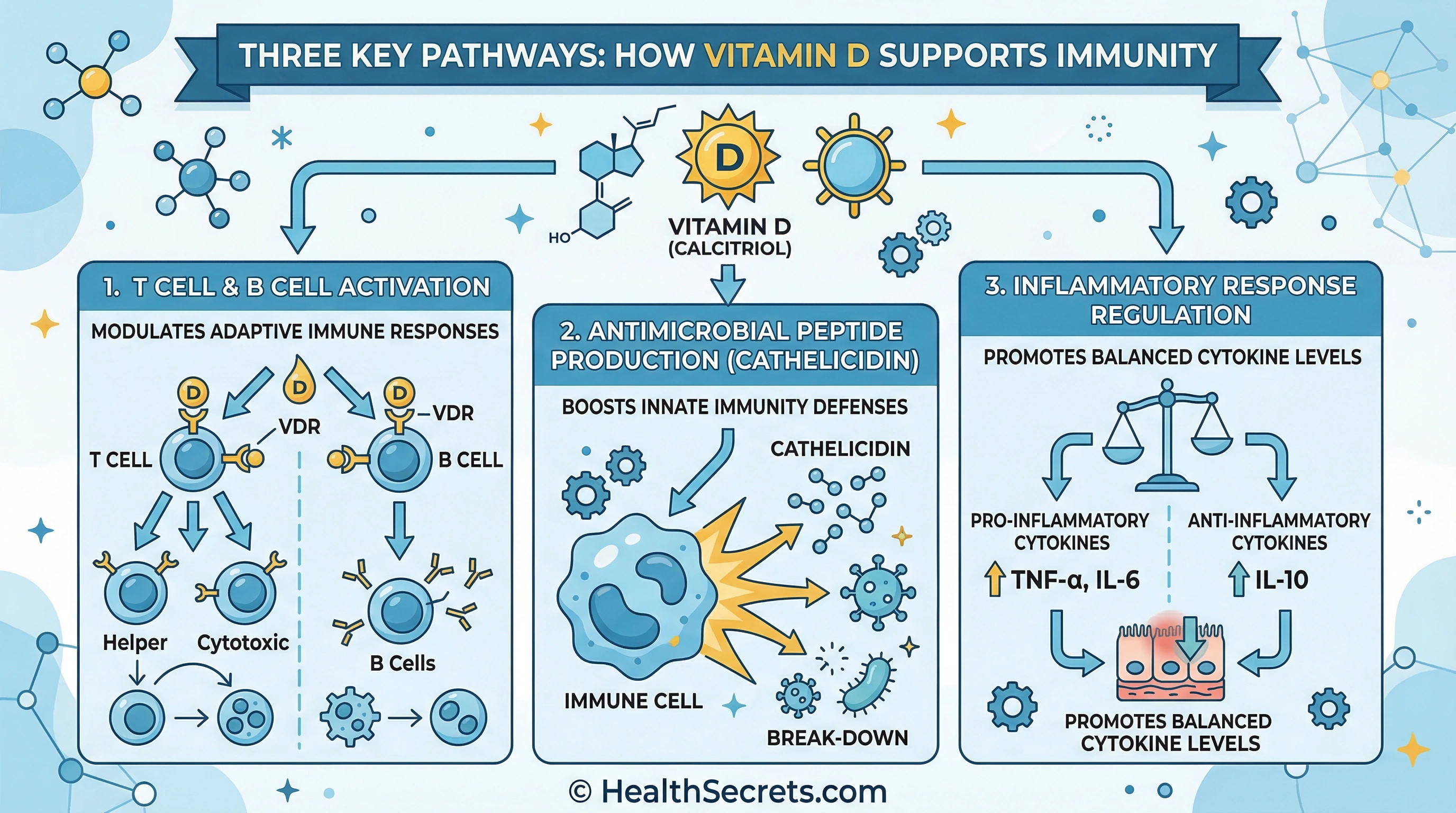
Vitamin D orchestrates immune defense through multiple interconnected pathways — it activates innate immunity to fight pathogens immediately, modulates adaptive immunity to prevent overreaction, and produces antimicrobial peptides that directly destroy bacteria and viruses. This dual role makes it essential for both fighting infections and preventing autoimmune conditions.
How Does Vitamin D Activate T Cells and B Cells?
T cells are the immune system's specialized fighters, but they remain in a dormant "naïve" state until activated. Vitamin D is required for this activation process — when T cells encounter a pathogen, they upregulate their VDR expression and must bind vitamin D to transition from naïve to active killer or helper cells. Without sufficient vitamin D, T cell activation is severely impaired. Vitamin D also modulates B cell proliferation and antibody production, shifting the immune response toward a balanced Th2 phenotype while suppressing excessive Th1/Th17 inflammatory responses.
How Does Vitamin D Enhance Antimicrobial Peptide Production?
One of vitamin D's most powerful immune mechanisms is the induction of cathelicidin (LL-37) and defensins — antimicrobial peptides that directly destroy bacteria, viruses, and fungi. When macrophages detect a pathogen, they activate vitamin D locally, which triggers cathelicidin gene expression. This innate defense pathway is one reason why vitamin D deficiency increases susceptibility to respiratory infections, tuberculosis, and other infectious diseases.
How Does Vitamin D Regulate the Inflammatory Response?
Vitamin D acts as a powerful anti-inflammatory agent by suppressing pro-inflammatory cytokines (IL-6, TNF-alpha, IL-1β) while promoting anti-inflammatory cytokines (IL-10). This modulation helps prevent the dangerous "cytokine storms" associated with severe COVID-19 and other respiratory infections. Vitamin D also promotes regulatory T cell (Treg) development, which keeps the immune system from attacking the body's own tissues — a mechanism directly relevant to autoimmune disease prevention.
Learn more about managing inflammation naturally in our inflammation and pain relief guide.
What Does the Research Say About Vitamin D and Respiratory Infections?
A landmark meta-analysis in The Lancet Diabetes & Endocrinology confirmed that vitamin D supplementation reduces the risk of acute respiratory infections, with the greatest benefit seen in individuals with baseline deficiency. A 2026 University of Surrey study found that severe vitamin D deficiency (below 15 nmol/L) increased hospitalization risk for respiratory tract infections by 33%. The Harvard VITAL trial demonstrated a 22% reduction in autoimmune disease incidence with vitamin D supplementation over five years.
How Well Is Vitamin D Absorbed by Your Body?
Vitamin D absorption varies significantly based on the form, delivery method, and co-factors present. Vitamin D3 in oil-based softgels achieves the highest bioavailability, while taking vitamin D with a fat-containing meal can increase absorption by up to 50% compared to taking it on an empty stomach.
Which Form of Vitamin D Is Best Absorbed?
Vitamin D3 (cholecalciferol) is consistently more bioavailable than D2 (ergocalciferol). A systematic review and meta-analysis found that D3 raises total 25(OH)D concentrations approximately 40% more effectively than equivalent doses of D2. Notably, D2 supplementation can actually decrease circulating 25(OH)D3 levels, potentially undermining overall vitamin D status. Oil-based softgels and liquid drops provide superior absorption over dry tablets because vitamin D is fat-soluble.
What Enhances Vitamin D Absorption?
- Dietary fat — Taking vitamin D with a meal containing healthy fats (avocado, olive oil, nuts) significantly boosts absorption
- Vitamin K2 — While K2 doesn't directly improve D3 absorption, it ensures calcium mobilized by vitamin D is deposited in bones rather than arteries
- Magnesium — Required for converting vitamin D to its active form; deficiency impairs vitamin D metabolism
- Healthy gut function — Fat malabsorption conditions (celiac disease, Crohn's, gastric bypass) significantly reduce vitamin D absorption
For more on the critical D3-K2 partnership, see our vitamin D and K2 synergy guide.
How Much Vitamin D Should You Take for Immune Support?
Most adults need 2,000–5,000 IU of vitamin D3 daily for immune maintenance, while those with documented deficiency may require 5,000–10,000 IU daily for 8–12 weeks to restore optimal levels. The ideal dose depends on your current blood levels, body weight, skin tone, sun exposure, and individual absorption capacity.
| Goal | Daily Dose | Duration | Target Level |
|---|---|---|---|
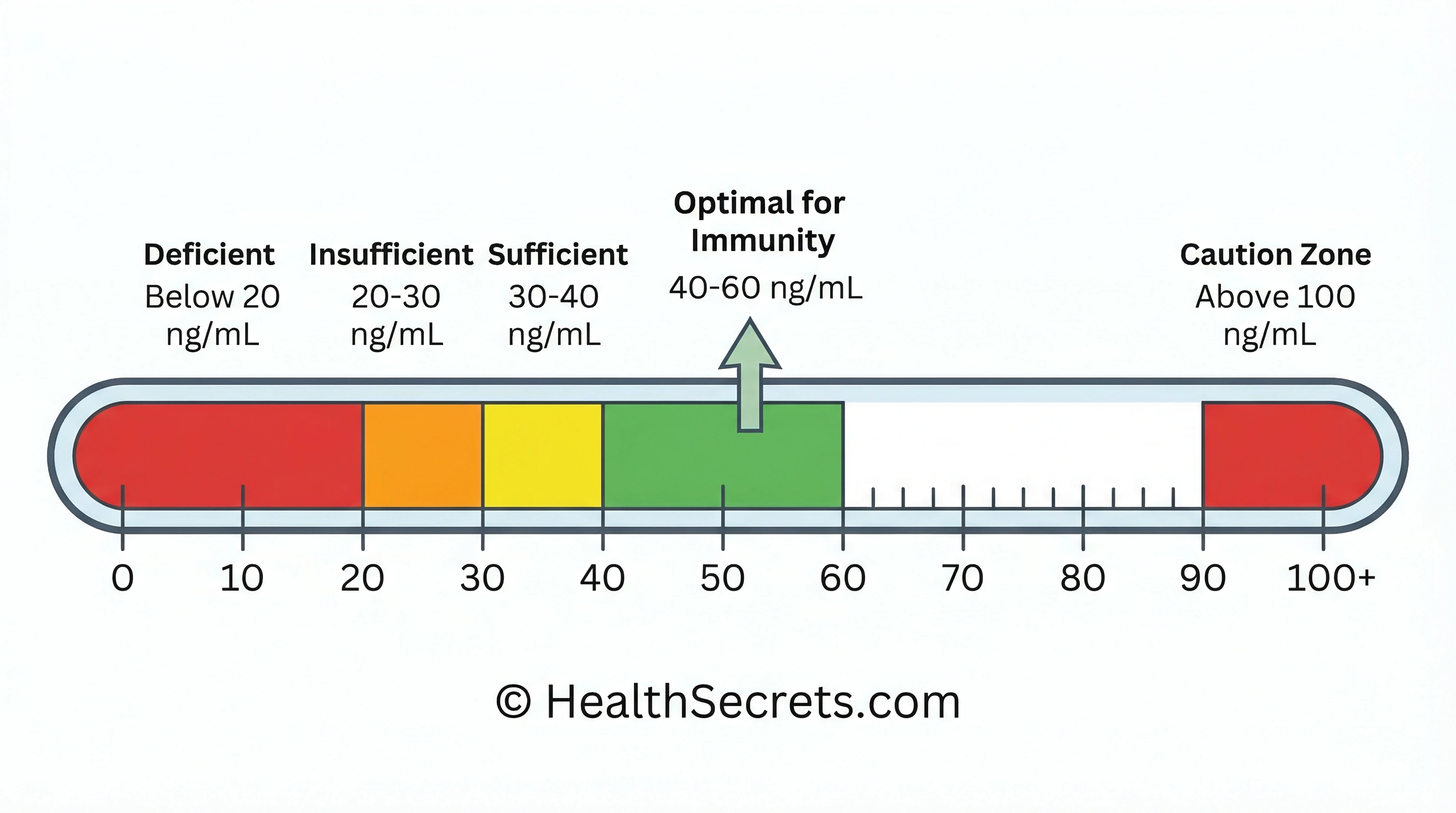
| General maintenance | 2,000–4,000 IU | Ongoing | 40–60 ng/mL |
| Deficiency correction | 5,000–10,000 IU | 8–12 weeks | 50–80 ng/mL |
| Immune support (acute) | 5,000–10,000 IU | Short-term | 50–80 ng/mL |
| Children (1–18 yrs) | 600–2,000 IU | Ongoing | 30–50 ng/mL |
| Timing and practical tips: |
- Take vitamin D3 in the morning with a fat-containing meal for optimal absorption
- Pair with vitamin K2 (100–200 mcg MK-7) to direct calcium to bones
- Ensure adequate magnesium intake (300–400 mg daily) to support vitamin D conversion
- Test every 3–6 months when adjusting dose, then annually once stable
- Seasonal adjustments: Consider higher doses during winter months (October–April) in northern latitudes
For detailed dosing protocols by blood level and health goal, see our vitamin D dosage guide.
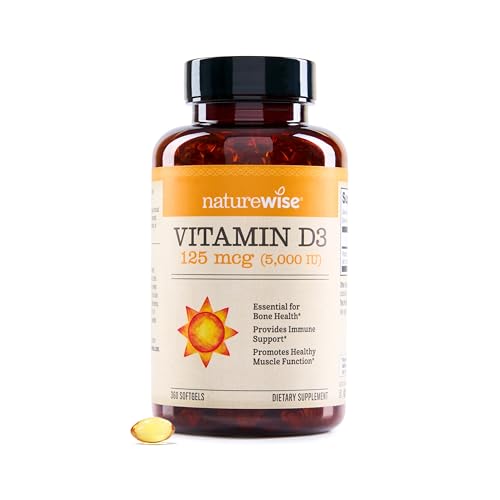
NatureWise Vitamin D3 5000 IU
Editor's ChoiceNatureWise Vitamin · Overall immune support with proven quality and value

Thorne Vitamin D3 + K2 Liquid
Best D3+K2 CombinationThorne Vitamin · Flexible dosing with synergistic K2 for bone and immune health

Sports Research Vitamin D3 5000 IU with Coconut MCT Oil
Best ValueSports Research · High-potency daily immune and bone support
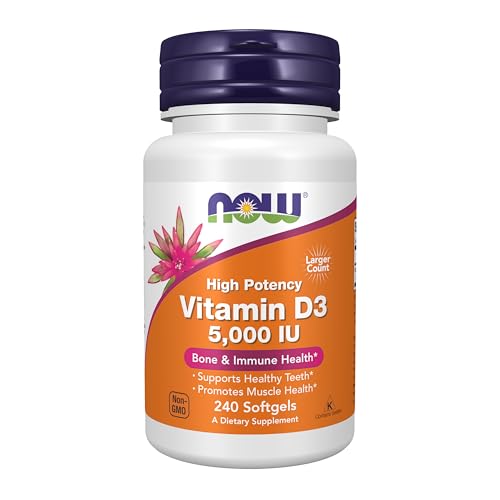
NOW Foods Vitamin D3 5000 IU
Best BudgetNOW Foods · Affordable high-potency vitamin D3 supplementation

Sports Research Vegan Vitamin D3 + K2 5000 IU
Best Vegan D3+K2Sports Research · Plant-based consumers needing D3+K2 combination
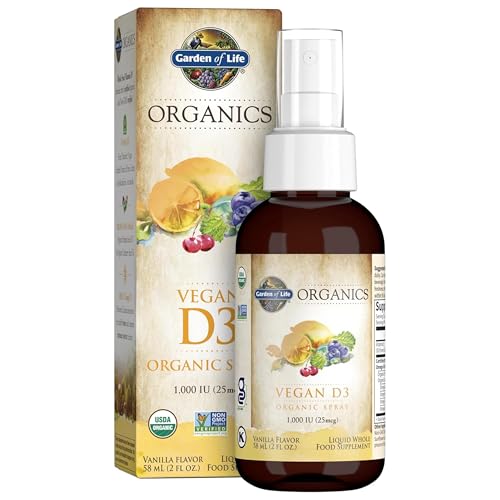
Garden of Life mykind Organics Vegan D3 Spray
Best SprayGarden of · Easy sublingual absorption for those who dislike pills
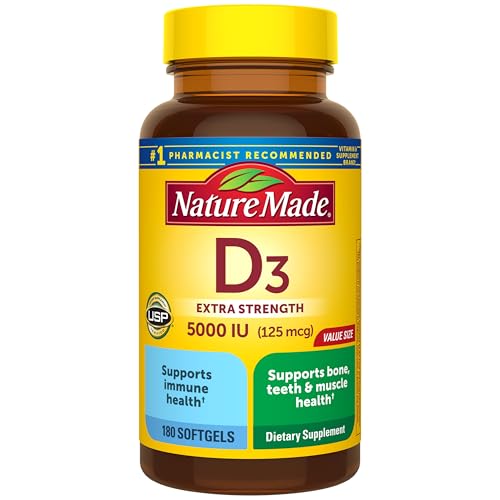
Nature Made Vitamin D3 5000 IU
Best Pharmacist RecommendedNature Made · Trusted mainstream vitamin D supplementation

Sports Research Vegan Vitamin D3 5000 IU
Best Vegan D3Sports Research · High-dose vegan vitamin D3 without K2
Nordic Naturals Vitamin D3 Gummies 1000 IU
Best GummiesNordic Naturals · Those who prefer chewable gummy format
Everlywell Vitamin D Test Kit
Best Testing KitEverlywell Vitamin · At-home vitamin D level monitoring without a doctor visit
Read the detailed review cards below before opening any retailer link
Top Recommended Products
NatureWise Vitamin
NatureWise Vitamin D3 5000 IU
NatureWise consistently ranks as the top-selling vitamin D3 on Amazon, offering pharmaceutical-grade D3 in an organic olive oil base that maximizes fat-soluble absorption at an unbeatable per-serving cost.
Pros
- + Year-long supply exceptional value
- + mini softgel easy to swallow
- + organic olive oil enhances absorption
- + NSF-certified facility
Cons
- - Does not include K2
- - only available as 5
- - 000 IU dose
Why we included it: NatureWise consistently ranks as the top-selling vitamin D3 on Amazon, offering pharmaceutical-grade D3 in an organic olive oil base that maximizes fat-soluble absorption at an unbeatable per-serving cost.
Retailer link opens on Amazon after the review details above
Thorne Vitamin
Thorne Vitamin D3 + K2 Liquid
Thorne is trusted by Mayo Clinic and professional athletes. The liquid format allows precise dose titration from 500 to 5,000+ IU daily, making it ideal for individuals who need to adjust based on blood test results.
Pros
- + Highly customizable dosing
- + NSF Certified for Sport
- + includes K2 for calcium management
- + 600 servings per bottle
Cons
- - Higher upfront cost
- - K2 form is MK-4 not MK-7
- - requires counting drops
Why we included it: Thorne is trusted by Mayo Clinic and professional athletes. The liquid format allows precise dose titration from 500 to 5,000+ IU daily, making it ideal for individuals who need to adjust based on blood test results.
Retailer link opens on Amazon after the review details above
Sports Research
Sports Research Vitamin D3 5000 IU with Coconut MCT Oil
Sports Research uses coconut MCT oil instead of soybean or safflower oil, providing a clean carrier fat that many health-conscious consumers prefer, with the same year-long value proposition.
Pros
- + Year-long supply
- + coconut MCT oil enhances absorption
- + Non-GMO verified
- + seed oil free formula
Cons
- - No K2 included
- - softgels slightly larger than NatureWise
Why we included it: Sports Research uses coconut MCT oil instead of soybean or safflower oil, providing a clean carrier fat that many health-conscious consumers prefer, with the same year-long value proposition.
Retailer link opens on Amazon after the review details above
NOW Foods
NOW Foods Vitamin D3 5000 IU
NOW Foods delivers reliable, budget-friendly vitamin D3 with Halal and Kosher certifications that make it accessible to diverse dietary needs, backed by over 55 years of supplement manufacturing experience.
Pros
- + Extremely affordable
- + Halal and Kosher certified
- + trusted brand since 1968
- + widely available
Cons
- - No K2 included
- - no third-party sport certification
Why we included it: NOW Foods delivers reliable, budget-friendly vitamin D3 with Halal and Kosher certifications that make it accessible to diverse dietary needs, backed by over 55 years of supplement manufacturing experience.
Retailer link opens on Amazon after the review details above
Sports Research
Sports Research Vegan Vitamin D3 + K2 5000 IU
This is the gold standard for vegan D3+K2, using lichen-derived cholecalciferol and natto-based MK-7 in a carrageenan-free vegan softgel — difficult to find at this quality level.
Pros
- + Vegan-certified D3 from lichen
- + includes MK-7 form of K2
- + coconut oil carrier
- + Non-GMO verified
Cons
- - Smaller count (60 vs 360)
- - higher cost per serving than non-vegan options
Why we included it: This is the gold standard for vegan D3+K2, using lichen-derived cholecalciferol and natto-based MK-7 in a carrageenan-free vegan softgel — difficult to find at this quality level.
Retailer link opens on Amazon after the review details above
Garden of
Garden of Life mykind Organics Vegan D3 Spray
Garden of Life offers the only USDA Organic certified vitamin D spray on the market, ideal for people who have difficulty swallowing pills or want a clean, whole-food-based supplement.
Pros
- + USDA Organic certified
- + easy spray delivery
- + pleasant vanilla flavor
- + vegan from lichen
Cons
- - Lower dose per spray (need 2–5 sprays for adequate dose)
- - higher cost per IU
- - shorter supply
Why we included it: Garden of Life offers the only USDA Organic certified vitamin D spray on the market, ideal for people who have difficulty swallowing pills or want a clean, whole-food-based supplement.
Retailer link opens on Amazon after the review details above
Nature Made
Nature Made Vitamin D3 5000 IU
Nature Made's USP verification means every batch is independently tested for purity, potency, and dissolution — a level of quality assurance that few supplement brands achieve, and the reason pharmacists recommend it most.
Pros
- + USP Verified for purity and potency
- + #1 pharmacist recommended brand
- + widely available at retail
Cons
- - No K2 included
- - no organic or Non-GMO certification
Why we included it: Nature Made's USP verification means every batch is independently tested for purity, potency, and dissolution — a level of quality assurance that few supplement brands achieve, and the reason pharmacists recommend it most.
Retailer link opens on Amazon after the review details above
Sports Research
Sports Research Vegan Vitamin D3 5000 IU
For vegans who already take K2 separately or want a standalone high-dose D3, this lichen-derived formula in coconut oil offers clean, effective supplementation without any animal-derived ingredients.
Pros
- + Vegan certified from lichen
- + coconut oil base
- + Non-GMO verified
- + carrageenan-free
Cons
- - Only 60-count (not a year supply)
- - no K2 included
Why we included it: For vegans who already take K2 separately or want a standalone high-dose D3, this lichen-derived formula in coconut oil offers clean, effective supplementation without any animal-derived ingredients.
Retailer link opens on Amazon after the review details above
Nordic Naturals
Nordic Naturals Vitamin D3 Gummies 1000 IU
Nordic Naturals is renowned for purity and quality. These gummies are ideal for people who struggle with pills and want a pleasant daily vitamin D habit, though multiple gummies are needed for higher doses.
Pros
- + Pleasant taste
- + easy to take
- + trusted Nordic Naturals quality
- + no artificial colors or flavors
Cons
- - Lower dose per serving (need 2–5 for therapeutic dose)
- - contains added sugar
- - higher cost per IU
Why we included it: Nordic Naturals is renowned for purity and quality. These gummies are ideal for people who struggle with pills and want a pleasant daily vitamin D habit, though multiple gummies are needed for higher doses.
Retailer link opens on Amazon after the review details above
Everlywell Vitamin
Everlywell Vitamin D Test Kit
Regular testing is essential for optimizing vitamin D supplementation. Everlywell makes it simple to check your 25(OH)D levels from home, helping you dial in the right dose without scheduling lab appointments.
Pros
- + Convenient at-home collection
- + physician-reviewed results
- + easy-to-read digital dashboard
- + no doctor visit required
Cons
- - Single-use kit
- - results take 5–7 business days
- - less precise than venous blood draw
Why we included it: Regular testing is essential for optimizing vitamin D supplementation. Everlywell makes it simple to check your 25(OH)D levels from home, helping you dial in the right dose without scheduling lab appointments.
Retailer link opens on Amazon after the review details above
Can You Get Enough Vitamin D from Food Alone?
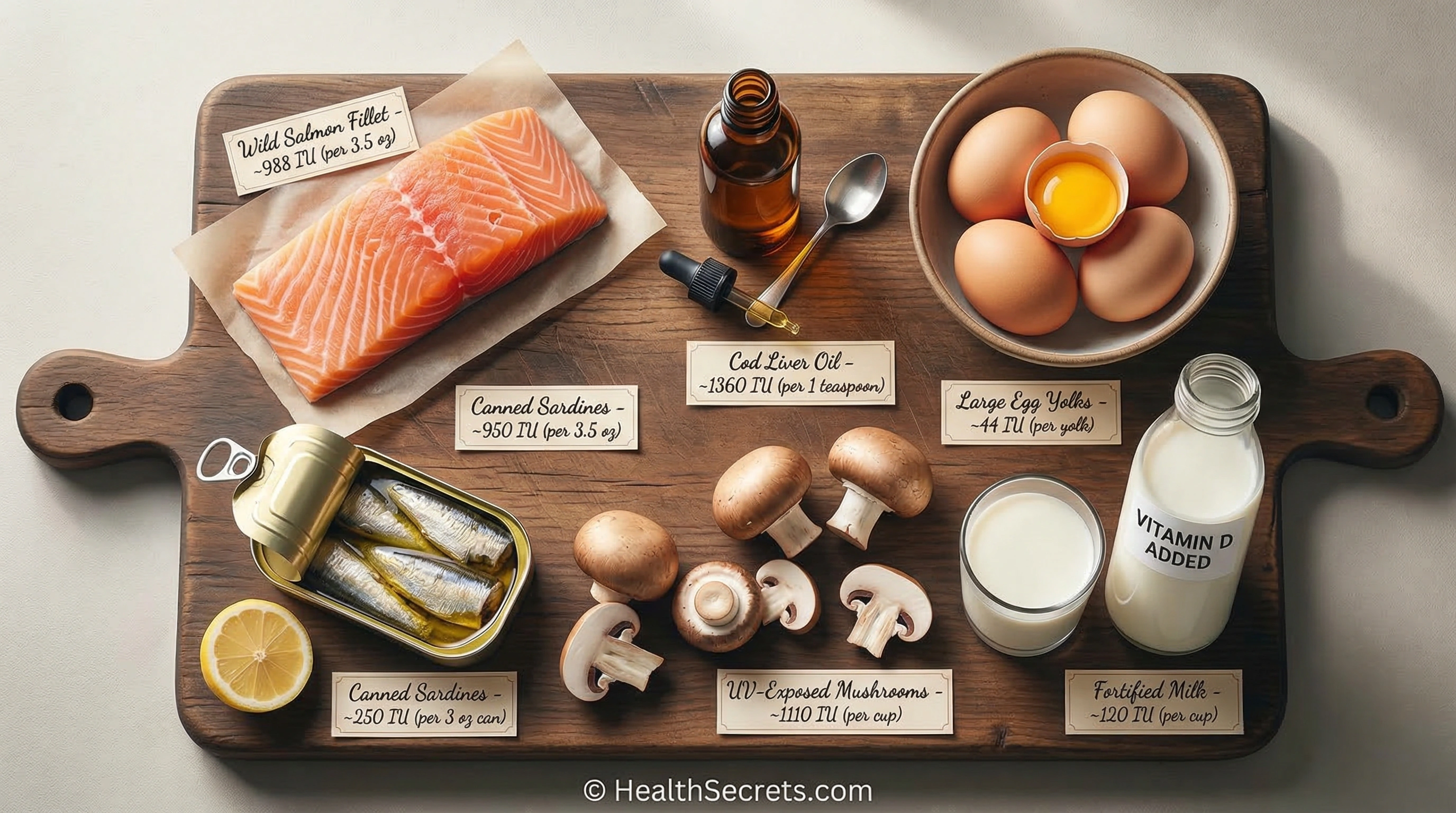
Unfortunately, food sources alone rarely provide adequate vitamin D for optimal immune function. Even the richest dietary sources deliver only a fraction of the 2,000–5,000 IU most adults need daily, making supplementation the most reliable strategy for maintaining protective blood levels.
| Food Source | Serving Size | Vitamin D (IU) | % of 2,000 IU |
|---|---|---|---|
| Wild-caught salmon | 3.5 oz (100g) | 600–1,000 | 30–50% |
| Sardines (canned) | 3.5 oz (100g) | 177 | 9% |
| Cod liver oil | 1 tablespoon | 1,360 | 68% |
| Egg yolks | 1 large | 41 | 2% |
| UV-exposed mushrooms | 1 cup | 366 | 18% |
| Sunlight remains the most natural source — 10–30 minutes of midday sun exposure on arms and legs (without sunscreen) can produce 10,000–25,000 IU. However, production depends heavily on skin tone, latitude, season, and time of day. People with darker skin may need 3–5 times more sun exposure to produce the same amount of vitamin D. |
A balanced approach combines regular sun exposure when safe, vitamin D-rich foods, and targeted supplementation to maintain optimal levels year-round.

Is Vitamin D Supplementation Safe?
Vitamin D3 supplementation at recommended doses (2,000–5,000 IU daily) has an excellent safety profile, and toxicity is rare — occurring almost exclusively at sustained intakes above 10,000 IU daily for months without monitoring. The key to safe supplementation is periodic blood testing and pairing with vitamin K2 to prevent calcium-related complications.
Safe upper limits:
- The Endocrine Society considers blood levels up to 100 ng/mL safe
- Toxicity symptoms typically appear above 150 ng/mL
- The tolerable upper intake level (UL) is 4,000 IU/day for healthy adults per the IOM, though many experts consider up to 10,000 IU/day safe based on risk assessment
Potential side effects at excessive doses:
- Hypercalcemia (elevated blood calcium) — nausea, vomiting, weakness
- Kidney stones and kidney damage
- Cardiovascular calcification (mitigated by adequate vitamin K2)
- Digestive discomfort
Drug interactions to be aware of:
- Corticosteroids — reduce calcium absorption and impair vitamin D metabolism
- Statins — may interact with high-dose vitamin D
- Thiazide diuretics — may increase calcium levels when combined with vitamin D
- Weight-loss drugs (orlistat) — reduce fat-soluble vitamin absorption
Who should exercise caution:
- People with kidney disease or hyperparathyroidism
- Those with granulomatous conditions (sarcoidosis)
- Individuals with a history of kidney stones
- Anyone taking calcium channel blockers or digoxin
Always consult your healthcare provider before starting high-dose vitamin D supplementation. For guidance on choosing quality supplements, see our supplement quality guide.
What Can Vitamin D Actually Do for Your Immune Health?
Vitamin D is one of the most evidence-backed nutrients for immune support, but it works best as a foundation builder rather than a quick fix. Correcting a deficiency can meaningfully reduce infection frequency and severity within 2–3 months, though individual responses vary based on baseline status, genetics, and overall health.
What vitamin D CAN do (with strong evidence):
- Reduce the frequency and severity of respiratory infections
- Lower the risk of autoimmune disease development (22% reduction in the VITAL trial)
- Support faster recovery from acute infections
- Modulate inflammatory responses and reduce chronic low-grade inflammation
- Enhance the effectiveness of other immune-supporting nutrients (vitamin C, zinc)
What vitamin D CANNOT do:
- Cure established autoimmune diseases (though it may slow progression)
- Replace vaccines or standard medical treatment for infections
- Compensate for poor sleep, chronic stress, or an unhealthy diet
- Provide immediate protection — it takes weeks to months to build optimal levels
Realistic timeline:
- Weeks 1–4: Blood levels begin rising; minimal noticeable immune changes
- Weeks 4–8: Immune cell function measurably improves as levels reach sufficiency
- Months 2–3: Noticeable reduction in infection frequency for those correcting deficiency
- Months 3–6: Full immune-modulating benefits with sustained optimal levels
Vitamin D works best as part of a comprehensive immune strategy that includes adequate sleep, regular exercise, stress management, and synergistic nutrients like vitamin C and zinc. Learn about using vitamin D for cold and flu season and its role in longevity.
Action Plan
What Should You Do First to Optimize Your Vitamin D for Immunity?
Follow the sequence below, work through each phase in order, and use the checklist as your practical implementation guide.
Start by testing your current 25-hydroxyvitamin D blood level, then follow a phased protocol based on your results. Most people can achieve optimal immune-supporting levels of 40–60 ng/mL within 8–12 weeks of consistent supplementation paired with lifestyle adjustments.
Phase 1 — Test and Assess (Week 1):
- Request a 25-hydroxyvitamin D blood test from your doctor or use a home testing kit
- Record your baseline level and compare to optimal range (40–60 ng/mL)
- Evaluate your sun exposure, diet, and current supplement intake
- Check for medications that may affect vitamin D metabolism
Phase 2 — Start Supplementation (Weeks 1–4):
- Choose a quality vitamin D3 supplement (oil-based softgel or liquid preferred)
- Begin with 2,000–5,000 IU daily if levels are 20–40 ng/mL, or 5,000–10,000 IU if below 20 ng/mL
- Add vitamin K2 (100–200 mcg MK-7) and ensure adequate magnesium intake
- Take with your largest fat-containing meal, ideally in the morning
Phase 3 — Optimize and Maintain (Weeks 4–12):
- Retest blood levels at 8–12 weeks to verify progress
- Adjust dose to maintain levels in the 40–60 ng/mL range
- Incorporate 10–20 minutes of midday sun exposure when possible
- Add vitamin D-rich foods (fatty fish, eggs, mushrooms) to your regular diet
Phase 4 — Long-Term Maintenance (Ongoing):
- Maintain a daily dose of 2,000–4,000 IU once optimal levels are achieved
- Test annually (or biannually if adjusting doses)
- Increase dose during winter months if you live above 37°N latitude
- Continue pairing with K2, magnesium, and a nutrient-dense diet
