
Your gut is home to roughly 70–80% of your immune cells. This is not a wellness talking point. It is a biological reality that explains why the trillions of bacteria living in your digestive tract have such a profound influence on whether you catch that cold making its way around the office or sail through flu season relatively unscathed.
Probiotics, the live beneficial bacteria you can take as supplements or get from fermented foods, tap directly into this gut-immune connection. But here is where most people go wrong: they grab whatever probiotic is on sale and hope for the best. The science is clear that different strains do very different things, and the strains that help with digestive comfort are not necessarily the same ones that reduce respiratory infections or enhance natural killer cell activity.
In this guide, you will learn which specific probiotic strains have the strongest clinical evidence for immune support, how they work at the cellular level, evidence-based dosing protocols for different populations, and which products deliver what they promise.
Related reading: Gut Health and Immunity: The Surprising Connection · How to Boost Your Immune System Naturally · Best Probiotics for Gut Health · Immune-Boosting Foods · Fermented Foods for Gut Health · Prebiotic Foods Guide · Sleep and Immune Function · Stress and Immune Function
What Are Immune-Supporting Probiotics and Why Do Strains Matter?
Probiotics are live microorganisms that confer a health benefit when consumed in adequate amounts. For immune support, the critical distinction is that different strains within the same species can have entirely different effects. The strain designation, the letters and numbers after the species name like "GG" in Lactobacillus rhamnosus GG, determines the specific immune mechanisms that probiotic activates.
The Gut-Immune Connection
The gut-associated lymphoid tissue (GALT) is the largest immune organ in the body, containing Peyer's patches, mesenteric lymph nodes, and vast populations of immune cells including T cells, B cells, macrophages, and dendritic cells. Your gut encounters more foreign antigens than any other part of your body, making it the primary training ground where your immune system learns to distinguish pathogens from harmless substances. For a deeper exploration, see our full guide on gut health and immunity.
The Top Immune-Supporting Strains
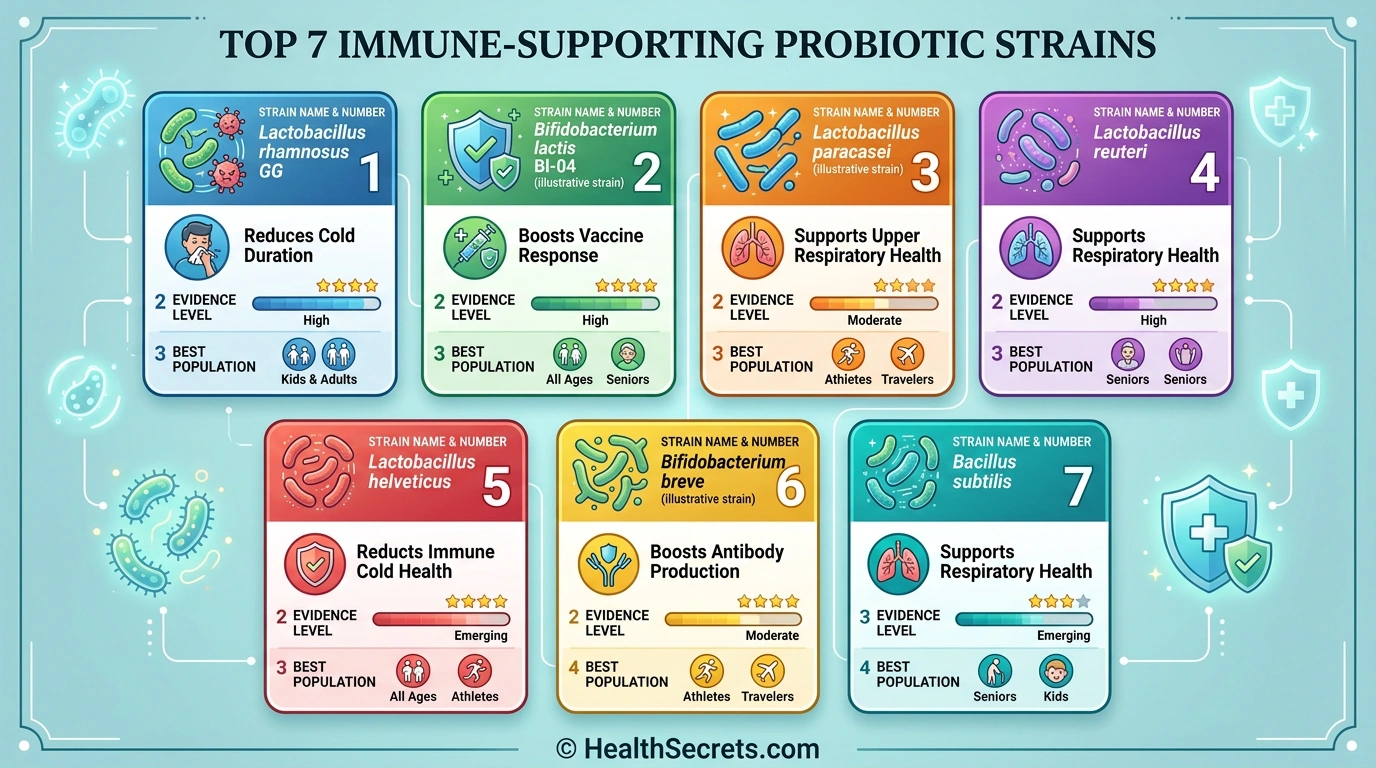
- Lactobacillus rhamnosus GG (LGG) is the most clinically studied probiotic strain with over 1,000 publications. It consistently reduces respiratory infections in children by 20–30% and enhances natural killer cell activity, IgA production, and gut barrier function.
- Lactobacillus casei Shirota is extensively researched for enhancing NK cell activity, particularly in elderly populations and healthcare workers. Studies show reduced infection rates and improved immune markers across multiple populations.
- Bifidobacterium lactis (BB-12, HN019, Bi-07) enhances phagocytosis, NK cell activity, and vaccine antibody response. It is especially effective for elderly immune support and works synergistically when combined with L. acidophilus.
- Lactobacillus acidophilus NCFM activates dendritic cells and macrophages, increases antibody production, and reduces cold incidence and duration when paired with B. lactis Bi-07.
- Lactobacillus plantarum (299v, HEAL9) reduces upper respiratory infections in athletes and stressed individuals through antimicrobial compound production and immune modulation.
- Saccharomyces boulardii CNCM I-745 is a unique probiotic yeast that is antibiotic-resistant, making it the go-to choice during antibiotic treatment. It increases IgA production, strengthens gut barrier integrity, and reduces antibiotic-associated diarrhea by 50–60%.
- Bifidobacterium bifidum is dominant in breastfed infants and critical for early immune development. It enhances mucosal IgA production and may help reduce allergy risk in early life.
How Do Probiotics Strengthen the Immune System?
Probiotics support immunity through multiple overlapping mechanisms that work at both the gut barrier level and the systemic immune level. They strengthen the intestinal barrier, compete with pathogens for resources, produce antimicrobial compounds, and directly communicate with immune cells in the GALT to modulate both innate and adaptive immune responses.
How Do Probiotics Train and Activate Immune Cells?
Probiotics interact directly with dendritic cells and macrophages in the gut lining through pattern recognition receptors. This interaction triggers a cascade of immune activation: enhanced natural killer cell cytotoxicity, increased phagocytic activity of macrophages and neutrophils, and improved T cell and B cell function. A 2021 systematic review (PMC8320399) documented that specific probiotic strains increase production of secretory IgA, the antibody that protects mucosal surfaces throughout the body.

How Do Probiotics Balance the Inflammatory Response?
Rather than simply "boosting" immunity, probiotics modulate the Th1/Th2 cytokine balance, promoting appropriate immune responses while preventing excessive inflammation. They increase anti-inflammatory IL-10 while regulating pro-inflammatory TNF-alpha, IL-6, and IL-8. This balancing effect is why probiotics can simultaneously help fight infections and reduce inflammatory conditions.
How Do Probiotics Protect the Gut Barrier?
Probiotics strengthen tight junction proteins between intestinal epithelial cells, reducing intestinal permeability (commonly called "leaky gut"). They also produce short-chain fatty acids like butyrate that nourish the gut lining, and they compete with pathogenic bacteria for adhesion sites and nutrients through competitive exclusion.
How Well Do Probiotics Survive to Reach the Gut?
Probiotic viability through the harsh stomach acid environment is a major factor in effectiveness. Survival rates vary dramatically by strain, formulation, and delivery technology. Spore-forming strains like Bacillus species and the yeast Saccharomyces boulardii are naturally acid-resistant, while many Lactobacillus and Bifidobacterium strains benefit from protective delivery systems.
- Enteric-coated capsules protect probiotics through stomach acid, releasing them in the more hospitable small intestine environment.
- Time-release pearls (used by Hyperbiotics) use a patented delivery that claims 15 times better survival than standard capsules.
- Freeze-dried formulations maintain viability during storage but may not improve gut survival.
- Taking probiotics with food generally improves survival by buffering stomach acid and providing nutrients for the bacteria.
For immune benefits specifically, the probiotics need to reach the small intestine and colon where the GALT is concentrated. Products that guarantee CFU counts through expiration (not just at manufacture) provide a more reliable dose of live organisms.

How Many Billion CFU Do You Need for Immune Support?
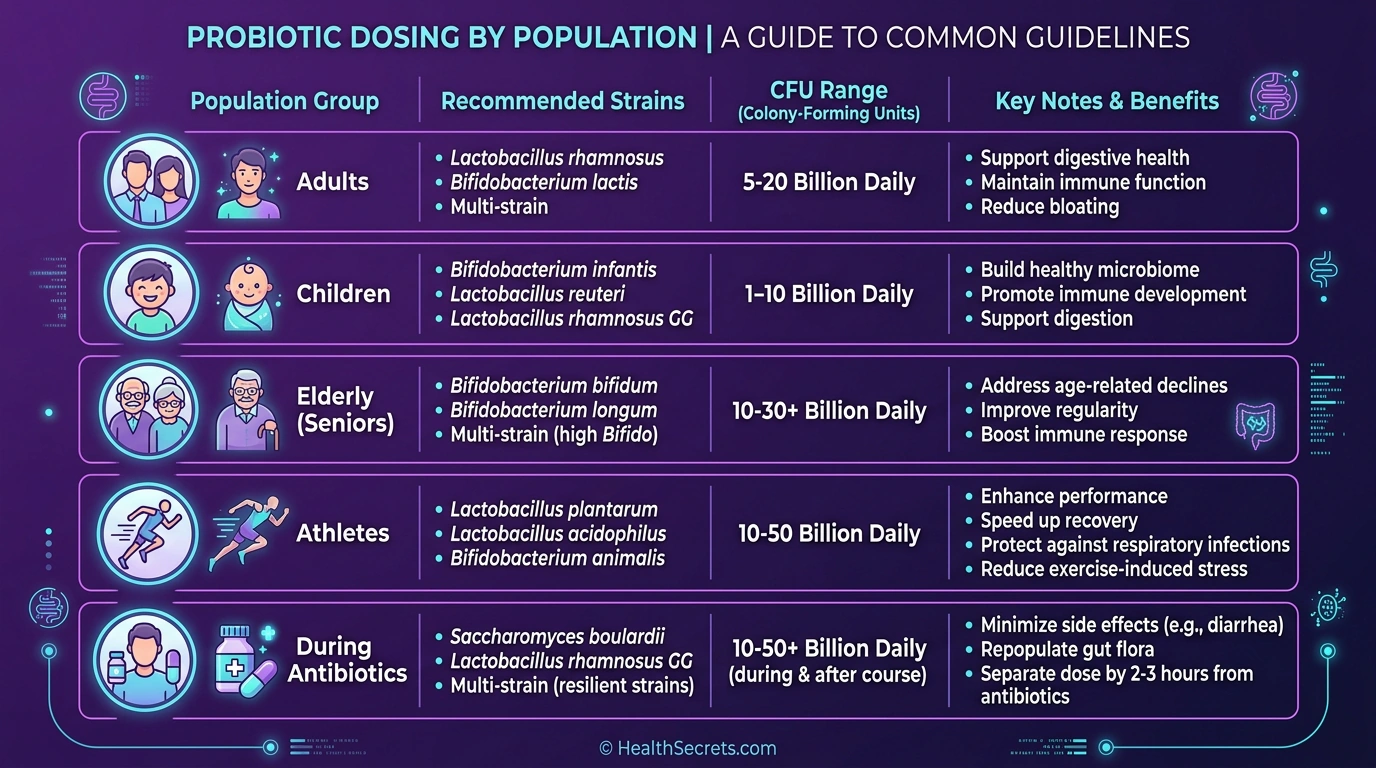
For immune support, research generally supports 10–50 billion CFU daily for adults, though effective doses are strain-specific. The minimum effective dose for most immune-studied strains is approximately 1–10 billion CFU, but higher doses within the researched range tend to produce more consistent results. Consistency of daily use matters more than any single high dose.
| Population | Recommended Strains | Daily Dose | Duration | Notes |
|---|---|---|---|---|
| Adults (prevention) | LGG, B. lactis, L. acidophilus | 10–50 billion CFU | Ongoing daily | Start before cold season |
| Children (3+) | LGG (best evidence) | 5–10 billion CFU | Ongoing daily | Powders or chewables preferred |
| Elderly | L. casei Shirota, B. lactis | 10–50 billion CFU | Ongoing daily | Counteracts immune senescence |
| During antibiotics | S. boulardii, LGG | 250–500 mg S.b. 2×/day | During + 2–4 weeks after | Take 2–3 hours apart from antibiotic |
| Athletes | L. plantarum, L. casei | 10–50 billion CFU | During heavy training | Reduces exercise-induced immunosuppression |
| Timing tips: Take probiotics with food for better survival through stomach acid. During antibiotic treatment, space probiotic doses 2–3 hours apart from the antibiotic. S. boulardii is the exception since it is naturally antibiotic-resistant and can be taken at any time. For prevention, start before cold and flu season rather than waiting until you are already sick. |
Culturelle Digestive Daily Probiotic
Editor's ChoiceCulturelle Digestive · Overall single-strain immune support backed by the most clinical research
Garden of Life Dr. Formulated Probiotics Once Daily
Best Multi-Strain FormulaGarden of · Comprehensive daily immune and digestive support with diverse strains
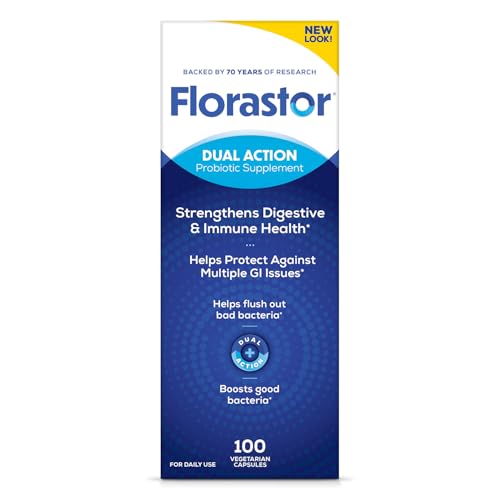
Florastor Daily Probiotic Supplement
Best for Antibiotic RecoveryFlorastor Daily · Immune and digestive support during and after antibiotic treatment

Renew Life Ultimate Flora Extra Care 50 Billion
Best High-Potency OptionRenew Life · Adults who want maximum CFU count with diverse immune-supporting strains
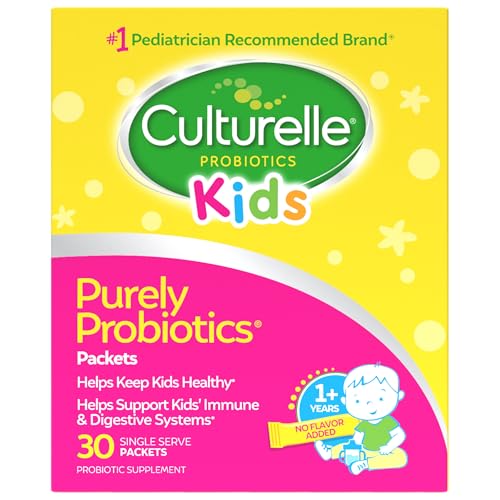
Culturelle Kids Daily Probiotic Packets
Best for ChildrenCulturelle Kids · Children ages 3+ who need immune support during daycare and school years
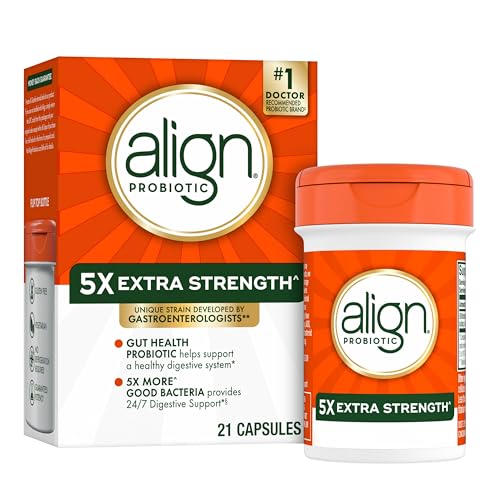
Align Probiotic Extra Strength
Best for Digestive-Immune Dual SupportAlign Probiotic · Adults seeking combined digestive comfort and immune modulation

Hyperbiotics PRO-15 Advanced Strength
Best Delivery TechnologyHyperbiotics PRO-15 · People who want maximum probiotic survival through patented time-release delivery
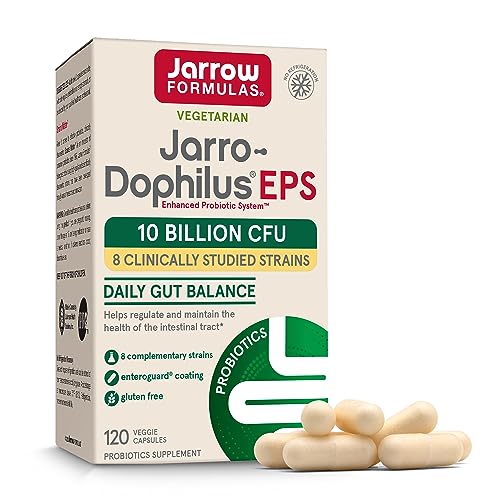
Jarrow Formulas Jarro-Dophilus EPS
Best Enteric-Coated OptionJarrow Formulas · Adults who want enteric-coated protection for reliable intestinal delivery
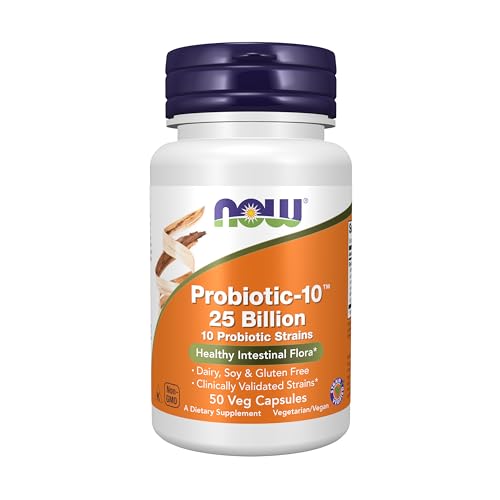
NOW Foods Probiotic-10 25 Billion
Best ValueNOW Foods · Budget-conscious adults who want a solid multi-strain probiotic at an affordable price
Read the detailed review cards below before opening any retailer link
Top Recommended Products
Culturelle Digestive
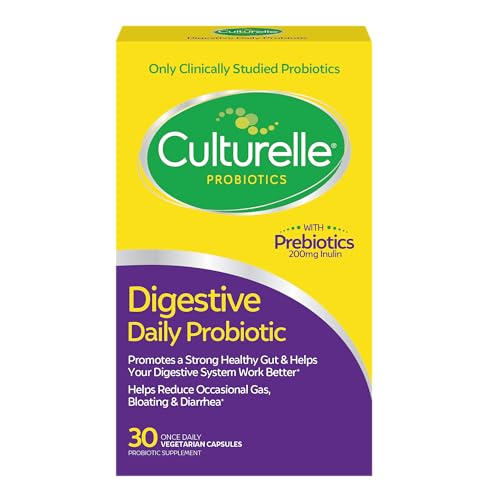
Culturelle Digestive Daily Probiotic
LGG has more published research supporting immune benefits than any other probiotic strain, including demonstrated reductions in respiratory infections in children and adults. Culturelle is the gold standard for LGG delivery.
Pros
- + Contains LGG
- + the most clinically studied probiotic strain worldwide
- + pediatrician and pharmacist recommended brand
- + excellent safety record across all ages
Cons
- - Single-strain formula may not provide multi-strain synergistic benefits
- - 10 billion CFU may be lower than some multi-strain alternatives
Why we included it: LGG has more published research supporting immune benefits than any other probiotic strain, including demonstrated reductions in respiratory infections in children and adults. Culturelle is the gold standard for LGG delivery.
Retailer link opens on Amazon after the review details above
Garden of
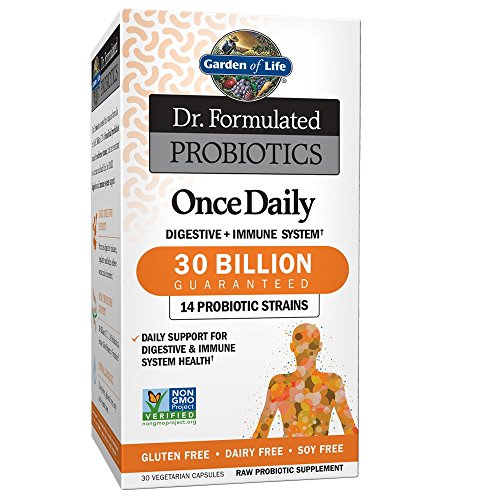
Garden of Life Dr. Formulated Probiotics Once Daily
The 14-strain diversity with 30 billion CFU provides a comprehensive approach to gut-immune support. Dr. Perlmutter's formulation includes L. acidophilus, B. lactis, and other immune-studied strains alongside prebiotics for enhanced colonization.
Pros
- + 14 diverse probiotic strains for broad-spectrum support
- + formulated by neurologist David Perlmutter
- + includes organic prebiotic fiber
- + shelf-stable with potency guarantee
Cons
- - Higher price point
- - includes some strains with less immune-specific research
Why we included it: The 14-strain diversity with 30 billion CFU provides a comprehensive approach to gut-immune support. Dr. Perlmutter's formulation includes L. acidophilus, B. lactis, and other immune-studied strains alongside prebiotics for enhanced colonization.
Retailer link opens on Amazon after the review details above
Florastor Daily
Florastor Daily Probiotic Supplement
S. boulardii CNCM I-745 is the only probiotic that can be taken alongside antibiotics without being killed. Clinical evidence shows a 50–60% reduction in antibiotic-associated diarrhea risk, making Florastor essential for anyone on antibiotic therapy.
Pros
- + Only probiotic yeast
- + naturally resistant to all antibacterial antibiotics
- + can be taken simultaneously with antibiotics
- + over 50 years of clinical research
- + strong evidence for preventing antibiotic-associated diarrhea
Cons
- - Higher price per day
- - does not permanently colonize (transient)
- - single organism rather than multi-strain
Why we included it: S. boulardii CNCM I-745 is the only probiotic that can be taken alongside antibiotics without being killed. Clinical evidence shows a 50–60% reduction in antibiotic-associated diarrhea risk, making Florastor essential for anyone on antibiotic therapy.
Retailer link opens on Amazon after the review details above
Renew Life
Renew Life Ultimate Flora Extra Care 50 Billion
Renew Life delivers one of the highest CFU counts in a mainstream probiotic with delayed-release technology that ensures the bacteria reach the intestines alive. The 12-strain formula covers multiple immune mechanisms.
Pros
- + 50 billion CFU with 12 carefully selected strains including B. lactis and L. acidophilus
- + delayed-release delivery improves gut survival
- + potency guaranteed through expiration
Cons
- - Requires refrigeration for optimal potency
- - higher CFU may cause initial digestive adjustment
Why we included it: Renew Life delivers one of the highest CFU counts in a mainstream probiotic with delayed-release technology that ensures the bacteria reach the intestines alive. The 12-strain formula covers multiple immune mechanisms.
Retailer link opens on Amazon after the review details above
Culturelle Kids
Culturelle Kids Daily Probiotic Packets
LGG has the strongest evidence of any probiotic strain for reducing respiratory infections in children. The flavorless powder format makes it easy to add to food or drinks, and multiple studies show 20–30% fewer sick days in daycare and school settings.
Pros
- + Contains LGG
- + the most studied probiotic strain in children
- + flavorless powder mixes into any food or drink
- + pediatrician-recommended brand
- + strong evidence for reducing respiratory infections in children by 20–30%
Cons
- - Single-strain formula
- - powder form may be less convenient than chewables for older children
Why we included it: LGG has the strongest evidence of any probiotic strain for reducing respiratory infections in children. The flavorless powder format makes it easy to add to food or drinks, and multiple studies show 20–30% fewer sick days in daycare and school settings.
Retailer link opens on Amazon after the review details above
Align Probiotic
Align Probiotic Extra Strength
Align's proprietary Bifidobacterium longum 35624 has extensive research for digestive health, which directly supports immune function through the gut-immune axis. It is ideal for people whose immune concerns are linked to digestive issues.
Pros
- + Unique proprietary strain with strong digestive evidence
- + number one gastroenterologist-recommended probiotic brand
- + no refrigeration needed
- + well-tolerated
Cons
- - Lower CFU count
- - primary evidence is digestive rather than immune-specific
- - shorter supply per box
- - higher per-day cost
Why we included it: Align's proprietary Bifidobacterium longum 35624 has extensive research for digestive health, which directly supports immune function through the gut-immune axis. It is ideal for people whose immune concerns are linked to digestive issues.
Retailer link opens on Amazon after the review details above
Hyperbiotics PRO-15
Hyperbiotics PRO-15 Advanced Strength
Hyperbiotics' patented time-release technology addresses the biggest challenge in probiotic supplementation: getting live bacteria past stomach acid. The 15-strain formula with 60-day supply offers excellent long-term value.
Pros
- + 15 targeted strains including L. plantarum and L. acidophilus
- + patented time-release delivery claims 15× better survival than standard capsules
- + shelf-stable
- + 60-day supply
Cons
- - Lower stated CFU count (relies on survival technology to compensate)
- - small pearl size may be difficult for some
Why we included it: Hyperbiotics' patented time-release technology addresses the biggest challenge in probiotic supplementation: getting live bacteria past stomach acid. The 15-strain formula with 60-day supply offers excellent long-term value.
Retailer link opens on Amazon after the review details above
Jarrow Formulas
Jarrow Formulas Jarro-Dophilus EPS
Jarrow's EnteroGuard coating solves the stomach acid survival problem while delivering 8 well-researched strains. The 120-count bottle provides excellent per-serving value, and the strain selection includes key immune players.
Pros
- + 8 clinically documented strains including L. rhamnosus and B. lactis
- + EnteroGuard coating ensures intestinal delivery
- + excellent value with 120-count bottle
- + Jarrow's strong quality reputation
Cons
- - Some users prefer non-enteric options
- - requires careful storage to maintain potency
Why we included it: Jarrow's EnteroGuard coating solves the stomach acid survival problem while delivering 8 well-researched strains. The 120-count bottle provides excellent per-serving value, and the strain selection includes key immune players.
Retailer link opens on Amazon after the review details above
NOW Foods
NOW Foods Probiotic-10 25 Billion
NOW Foods delivers 25 billion CFU across 10 strains at one of the lowest per-serving prices in the probiotic market. Strain verification and GMP certification ensure you are getting what the label promises.
Pros
- + 10 probiotic strains including L. acidophilus and B. lactis at 25 billion CFU
- + excellent price-to-potency ratio
- + GMP certified
- + strain-verified
- + vegan-friendly
Cons
- - Requires refrigeration
- - basic capsule without enteric coating
- - some strains have less immune-specific research
Why we included it: NOW Foods delivers 25 billion CFU across 10 strains at one of the lowest per-serving prices in the probiotic market. Strain verification and GMP certification ensure you are getting what the label promises.
Retailer link opens on Amazon after the review details above
Can You Get Enough Immune-Supporting Probiotics from Food Alone?
Fermented foods like yogurt, kefir, sauerkraut, kimchi, miso, and kombucha provide live probiotic cultures alongside valuable nutrients. However, for targeted immune support, food sources have significant limitations: the specific strains in fermented foods are rarely identified, CFU counts are variable and generally lower than supplements, and the immune-studied strains like LGG and B. lactis BB-12 are not typically found in traditional fermented foods.
The ideal approach combines both: daily fermented foods as a foundation for microbiome diversity, plus targeted supplements with evidence-based immune strains at therapeutic doses. Kefir provides the broadest spectrum of probiotic species among foods, while yogurt labeled with specific strain information (like Activia with B. lactis) offers a middle ground between food and supplement approaches. Prebiotic foods like garlic, onions, and asparagus feed your existing beneficial bacteria and complement probiotic supplementation.

Are Probiotics Safe for Long-Term Immune Support?
Probiotics have an excellent safety record with billions of doses consumed annually worldwide. Serious adverse events are extremely rare and limited almost exclusively to severely immunocompromised individuals. Most healthy adults can take probiotics indefinitely without safety concerns, and long-term use is actually preferred for sustained immune benefits since probiotics do not permanently colonize the gut.

Common initial side effects (usually temporary, resolving within 1–2 weeks): mild gas, bloating, or digestive changes as the gut microbiome adjusts. Starting with a lower dose and gradually increasing over 1–2 weeks minimizes these effects.
Who should exercise caution:
- Severely immunocompromised individuals (organ transplant recipients, advanced HIV/AIDS, active chemotherapy) face a rare but real risk of probiotic bacteremia or fungemia
- People with central venous catheters have theoretical infection risk
- Critically ill patients in intensive care should consult their medical team
- Premature infants require strain-specific safety evaluation
Drug interactions are minimal. The primary consideration is timing with antibiotics: space bacterial probiotics 2–3 hours apart from antibiotic doses, but S. boulardii can be taken concurrently since antibiotics do not affect yeast. Immunosuppressant medications warrant a conversation with your prescribing physician before starting probiotics.
What Can Probiotics Actually Do for Your Immune Health?
Probiotics provide meaningful but not miraculous immune benefits based on strong clinical evidence. Meta-analyses consistently show a 20–30% reduction in respiratory infection incidence and a 1–2 day reduction in illness duration. These effects are most pronounced in children, the elderly, athletes, and people recovering from antibiotic treatment.
- What probiotics can do: reduce the frequency of colds and upper respiratory infections, shorten illness duration when infections occur, reduce antibiotic-associated diarrhea risk by 50–60%, enhance natural killer cell and macrophage activity, improve vaccine antibody response, and support recovery after antibiotic treatment.
- What probiotics cannot do: prevent all infections, replace adequate sleep, nutrition, and stress management, cure active serious infections, or substitute for medical treatment when needed.
- Realistic timeline: Initial digestive adjustment takes 1–2 weeks. Measurable immune benefits typically emerge after 2–4 weeks of consistent daily use. Maximum benefit requires ongoing supplementation since probiotics are transient and do not permanently colonize the gut. Individual responses vary based on baseline microbiome composition, overall health, diet quality, and the specific strains used.
Action Plan
What Should You Do First to Support Your Immune System with Probiotics?
Follow the sequence below, work through each phase in order, and use the checklist as your practical implementation guide.
The most effective approach is selecting the right strain-specific product for your situation, establishing consistent daily use, and supporting probiotic effectiveness with diet and lifestyle measures. Here is a phased plan to optimize your probiotic immune strategy.
Phase 1 — Select and Start (Week 1):
- Identify your primary goal (general prevention, child health, antibiotic recovery, athletic performance, elderly support)
- Choose a product with evidence-based immune strains (see recommendations below)
- Start at half dose for 3–5 days to minimize digestive adjustment
- Take with food for optimal survival
Phase 2 — Establish Daily Protocol (Weeks 2–4):
- Increase to full dose and maintain consistent daily timing
- Add fermented foods daily (yogurt, kefir, sauerkraut) as a microbiome foundation
- Include prebiotic-rich foods to feed beneficial bacteria (garlic, onions, bananas, asparagus)
- Support with adequate sleep, stress management, and a nutrient-dense diet
Phase 3 — Optimize and Maintain (Month 2+):
- Track illness frequency and duration compared to previous seasons
- If taking antibiotics, add S. boulardii during treatment and for 2–4 weeks after
- Continue daily probiotic through cold and flu season at minimum
- Consider year-round use for sustained immune support

