Chronic inflammation is a silent driver behind heart disease, type 2 diabetes, autoimmune conditions, and even cognitive decline. The good news? Research consistently shows that what you eat is one of the most powerful tools you have to reduce inflammation naturally. A 2026 meta-analysis of 33 randomized controlled trials involving 3,476 participants found that a Mediterranean-style anti-inflammatory diet significantly reduces key inflammatory markers including hs-CRP, IL-6, and IL-17 [1].
This complete food guide walks you through every step of building an anti-inflammatory diet — from understanding the science behind food-driven inflammation to stocking your kitchen, planning meals, and optimizing your eating habits for maximum benefit. Whether you are managing a chronic inflammation condition or simply want to feel better every day, this guide gives you a clear, actionable roadmap.
What Do You Need to Know Before Starting an Anti-Inflammatory Diet?
An anti-inflammatory diet is not a short-term restriction plan but a sustainable way of eating that prioritizes whole, nutrient-dense foods while minimizing processed and pro-inflammatory ingredients. Most adults can safely adopt this eating pattern without medical supervision, though anyone on blood thinners, diabetes medications, or immunosuppressants should consult their doctor first.
The core principle is simple: increase foods rich in omega-3 fatty acids, polyphenols, antioxidants, and fiber while reducing foods high in refined sugars, trans fats, and excessive omega-6 fatty acids. Research from Harvard Health and Johns Hopkins Medicine identifies the Mediterranean diet as the gold standard anti-inflammatory eating pattern [2][4].
Who benefits most from an anti-inflammatory diet:
- People with joint pain, arthritis, or autoimmune conditions
- Anyone with elevated CRP or other inflammatory markers
- Those with digestive issues like IBS or leaky gut
- People looking to reduce cardiovascular disease risk
- Anyone experiencing chronic fatigue or brain fog
Expected timeline:
- Week 1–2: Reduced bloating, improved digestion, more stable energy
- Week 3–4: Noticeable reduction in joint stiffness and pain
- Month 2–3: Measurable improvements in inflammatory blood markers
- Month 6+: Significant long-term health improvements and disease risk reduction
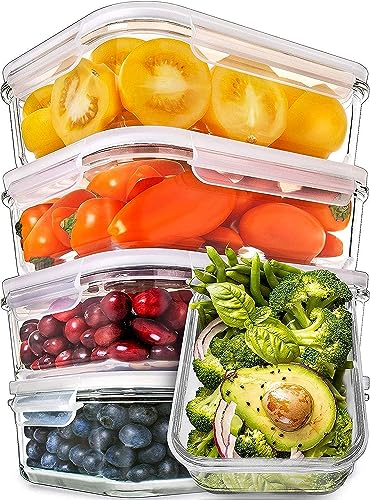
No special equipment is required to start, though a quality blender and glass meal prep containers make the process easier. The diet is budget-friendly since it emphasizes whole foods over expensive supplements.
How Do You Understand the Way Food Drives Inflammation?
Food directly influences inflammation through multiple biological pathways including blood sugar regulation, gut microbiome composition, and oxidative stress levels. Understanding these mechanisms helps you make smarter food choices rather than simply following a list of "good" and "bad" foods.
The Empirical Dietary Inflammatory Index identifies 9 anti-inflammatory food groups and 9 pro-inflammatory food groups based on their measurable effects on inflammatory biomarkers [5]. Here is how the key mechanisms work:
How Does Blood Sugar Affect Inflammation?
Rapid blood sugar spikes from refined carbohydrates trigger a cascade of inflammatory responses. When glucose floods the bloodstream, the body produces advanced glycation end products (AGEs) and reactive oxygen species that damage tissues and activate inflammatory pathways. High-fiber foods slow glucose absorption, which is why whole grains reduce inflammation while white bread increases it [3].
What Role Does the Gut Microbiome Play in Inflammation?
Approximately 70% of your immune system resides in the gut. When you eat fiber-rich plant foods, beneficial gut bacteria ferment that fiber into short-chain fatty acids (SCFAs) like butyrate, which strengthen the intestinal barrier and reduce systemic inflammation. Processed foods and artificial additives do the opposite — they disrupt the microbiome and increase intestinal permeability, allowing inflammatory compounds to enter the bloodstream [6]. Learn more about the connection between anti-inflammatory foods and gut health.
How Do Omega-3 and Omega-6 Fatty Acids Affect Inflammation?
Omega-3 fatty acids (EPA and DHA) produce anti-inflammatory compounds called resolvins and protectins. Omega-6 fatty acids, when consumed in excess, produce pro-inflammatory eicosanoids. The modern Western diet has an omega-6 to omega-3 ratio of roughly 15:1 to 20:1, while the ideal ratio for reducing inflammation is closer to 2:1 to 4:1 [7]. Rebalancing this ratio is one of the most impactful dietary changes you can make.
How Do You Stock Your Kitchen with Anti-Inflammatory Foods?
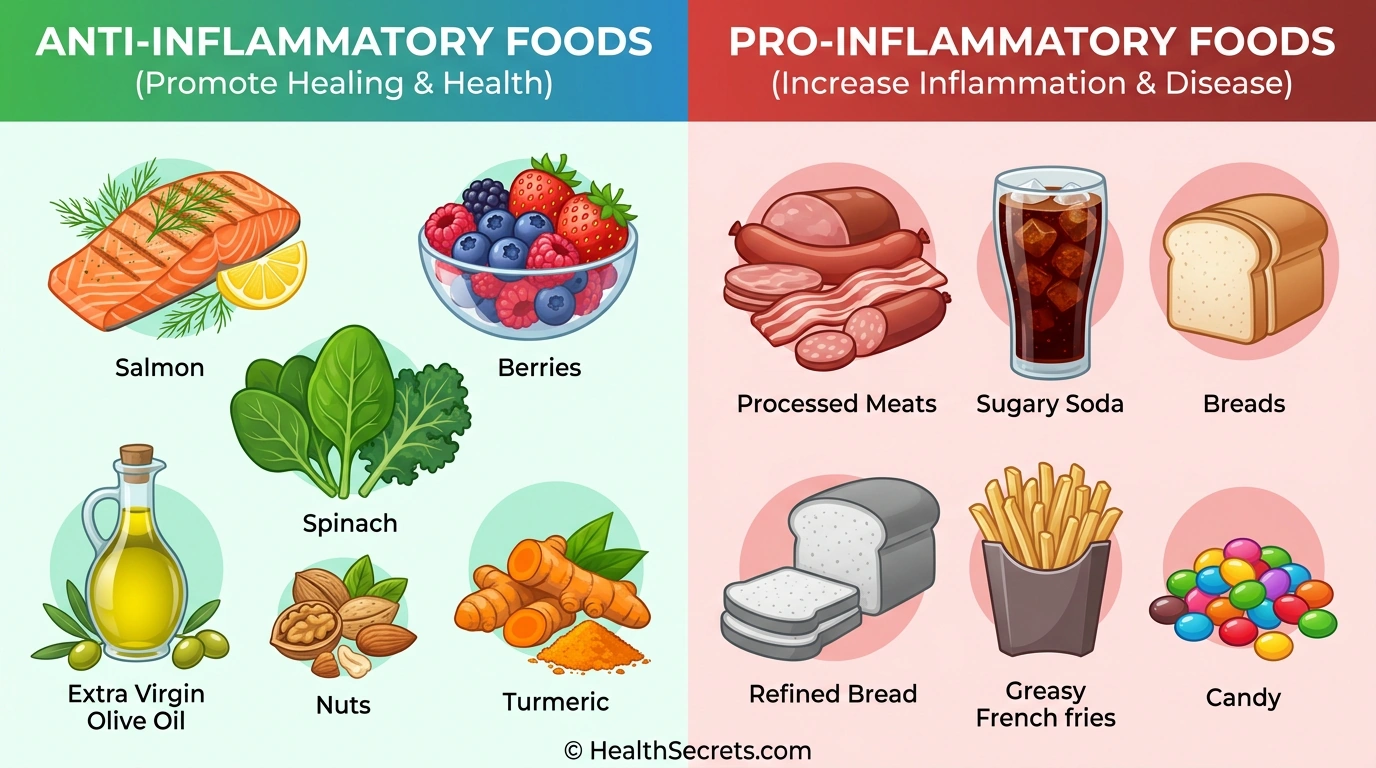
Building an anti-inflammatory kitchen starts with filling your refrigerator and pantry with foods rich in omega-3 fatty acids, polyphenols, antioxidants, and fiber. These foods form the foundation of every meal and snack in your new eating pattern.
Fatty fish (eat 2–3 servings per week):
- Wild-caught salmon, sardines, mackerel, anchovies, herring
- Rich in EPA and DHA omega-3 fatty acids that directly reduce inflammatory markers [7]
Colorful fruits (eat 2–3 servings daily):
- Blueberries, strawberries, cherries, blackberries, raspberries
- Packed with anthocyanins and polyphenols that neutralize free radicals and reduce oxidative stress [8]
Leafy greens and cruciferous vegetables (eat 3–5 servings daily):
- Spinach, kale, Swiss chard, broccoli, Brussels sprouts, cauliflower
- High in vitamins C, E, and K plus sulforaphane, a potent anti-inflammatory compound [9]
Healthy fats:
- Extra virgin olive oil (use as primary cooking oil) — contains oleocanthal, which works similarly to ibuprofen [10]
- Avocados, walnuts, almonds, flaxseeds, chia seeds
Whole grains and legumes:
- Brown rice, quinoa, oats, barley, lentils, chickpeas, black beans
- Provide fiber that feeds anti-inflammatory gut bacteria [3]
Anti-inflammatory herbs and spices:
- Turmeric, ginger, garlic, cinnamon, rosemary, oregano
- Concentrated sources of anti-inflammatory compounds [11]
Which Pro-Inflammatory Foods Should You Eliminate or Reduce First?
Removing or significantly reducing pro-inflammatory foods is just as important as adding anti-inflammatory ones. Research shows that processed foods, refined sugars, and trans fats actively increase inflammatory markers like CRP and IL-6, undermining the benefits of healthy foods you add [5].
Prioritize eliminating these foods in order of impact:
Eliminate completely:
- Trans fats and partially hydrogenated oils — found in margarine, commercial baked goods, fried fast food. These directly increase IL-6 and TNF-alpha [12]
- Processed meats — bacon, hot dogs, deli meats, sausages. Linked to higher CRP levels and increased colorectal cancer risk [13]
Reduce significantly:
- Refined sugars and high-fructose corn syrup — sodas, candy, pastries, sweetened cereals. Trigger AGE production and insulin resistance [12]
- Refined grains — white bread, white pasta, white rice. Rapidly spike blood sugar and feed pro-inflammatory gut bacteria
- Excessive omega-6 vegetable oils — soybean oil, corn oil, sunflower oil. Replace with olive oil, avocado oil, or coconut oil
Limit:
- Alcohol — more than 1 drink per day increases intestinal permeability and systemic inflammation
- Excess red meat — limit to 1–2 servings per week; choose grass-fed when possible
- Artificial sweeteners and additives — may disrupt gut microbiome balance [6]
Practical tip: Do not try to eliminate everything at once. Focus on one category per week. Week 1: cut sugary drinks. Week 2: replace processed snacks. Week 3: swap cooking oils. This gradual approach has better long-term adherence than sudden, drastic changes.
How Do You Follow the Mediterranean Diet Pattern for Inflammation?
The Mediterranean diet has the strongest evidence base of any anti-inflammatory eating pattern. A 2026 meta-analysis of 33 randomized controlled trials confirmed that it significantly reduces hs-CRP, IL-6, and IL-17 compared to control diets [1]. Following this pattern gives you a proven framework rather than guessing which foods to combine.
| Meal | Anti-Inflammatory Focus | Example |
|---|---|---|
| Breakfast | Fiber + antioxidants + healthy fat | Overnight oats with berries, walnuts, and chia seeds |
| Lunch | Leafy greens + lean protein + olive oil | Salmon salad with spinach, avocado, EVOO dressing |
| Snack | Polyphenols + healthy fat | Mixed berries with a handful of almonds |
| Dinner | Vegetables + whole grains + omega-3s | Grilled mackerel with quinoa and roasted broccoli |
- Use extra virgin olive oil as your primary fat source (2–4 tablespoons daily)
- Eat fish at least twice per week — prioritize SMASH fish (salmon, mackerel, anchovies, sardines, herring)
- Fill half your plate with vegetables at every meal
- Choose whole grains over refined grains 100% of the time
- Eat legumes at least 3 times per week for fiber and plant protein
- Include a handful of nuts daily (walnuts are highest in omega-3s)
- Use herbs and spices liberally instead of salt for flavoring
The Mediterranean diet also supports immune system function and brain health through its nutrient density and anti-inflammatory properties.

How Do You Plan and Prep Anti-Inflammatory Meals Efficiently?
Meal planning and batch preparation are essential for making the anti-inflammatory diet sustainable long-term. Without a plan, it is easy to fall back on convenience foods that drive inflammation. Dedicating 1–2 hours on a weekend to prep sets you up for a successful week.
Weekly meal prep strategy:
Sunday prep session (60–90 minutes):
- Cook a large batch of whole grains (quinoa, brown rice, or barley) — stores 4–5 days
- Roast a sheet pan of mixed vegetables (broccoli, sweet potatoes, bell peppers, Brussels sprouts)
- Prepare 2–3 servings of gut-healing bone broth or lentil soup
- Wash and chop salad greens, store in glass containers with a paper towel
- Make a batch of anti-inflammatory salad dressing (EVOO + lemon + turmeric + garlic)
- Portion out nuts, seeds, and berries for grab-and-go snacks
Wednesday refresh (30 minutes):
- Cook fresh fish for the second half of the week
- Prepare another batch of roasted vegetables
- Make overnight oats for the next 2–3 breakfasts
Smart storage tips:
- Use glass containers instead of plastic to avoid endocrine-disrupting BPA and phthalates
- Store cooked grains and roasted vegetables separately for mix-and-match meals
- Freeze individual portions of soups and stews for quick defrost meals
- Keep pre-washed greens in airtight containers with a dry paper towel to extend freshness

How Do You Use Anti-Inflammatory Herbs and Spices Daily?
Herbs and spices are concentrated sources of anti-inflammatory compounds that can amplify the benefits of your diet when used consistently. Turmeric (curcumin) and ginger are the two most researched anti-inflammatory spices, but several others offer significant benefits [11].
| Spice | Active Compound | Daily Target | Best Uses |
|---|---|---|---|
| Turmeric | Curcumin | 1–2 tsp (with black pepper) | Golden milk, curries, scrambled eggs, smoothies |
| Ginger | Gingerol | 1–2 tsp fresh or ½ tsp dried | Tea, stir-fries, dressings, soups |
| Cinnamon | Cinnamaldehyde | ½–1 tsp | Oatmeal, smoothies, baked goods, coffee |
| Garlic | Allicin | 2–3 cloves | Sautéed vegetables, dressings, marinades |
| Rosemary | Rosmarinic acid | 1 tsp fresh or ½ tsp dried | Roasted vegetables, meats, olive oil infusion |

How Do You Optimize Eating Habits for Maximum Anti-Inflammatory Benefit?
Beyond food choices, how and when you eat also influences inflammation levels. Optimizing meal timing, eating environment, and food combinations can enhance the anti-inflammatory effects of your diet by 20–30% according to emerging research [15].
Eating habit optimizations:
- Eat the rainbow daily — Aim for 5+ different colors of fruits and vegetables per day. Each color represents different polyphenols and antioxidants that target different inflammatory pathways [8]
- Practice time-restricted eating — Limiting your eating window to 10–12 hours (e.g., 8 AM to 6 PM) has been shown to reduce inflammatory markers independent of diet quality [15]
- Chew thoroughly and eat slowly — Proper chewing improves digestion and nutrient absorption while reducing the inflammatory response to meals
- Combine foods strategically — Pair vitamin C foods with iron-rich plants (lemon on spinach), fat with fat-soluble vitamins (olive oil on carrots), and turmeric with black pepper
- Stay hydrated — Drink 8–10 glasses of water daily. Add lemon, cucumber, or fresh mint for additional anti-inflammatory polyphenols
- Prioritize variety — Eating 30+ different plant foods per week has been linked to greater microbiome diversity and lower inflammation [6]
Consider incorporating anti-inflammatory longevity foods from Blue Zone populations, who have some of the lowest rates of chronic disease worldwide. Their eating patterns consistently align with anti-inflammatory principles: primarily plant-based, rich in legumes, moderate in fish, and low in processed foods.
What Are the Most Common Anti-Inflammatory Diet Mistakes to Avoid?
Many people struggle with anti-inflammatory eating not because of the foods themselves but because of common implementation mistakes. Avoiding these pitfalls dramatically improves your results and long-term adherence.
- Mistake 1: Going too extreme too fast. Overhauling your entire diet overnight leads to cravings, social isolation, and burnout. Instead, make one change per week and build momentum gradually.
- Mistake 2: Focusing only on adding "superfoods" without removing inflammatory triggers. Adding blueberries and salmon while still drinking soda and eating processed snacks yields minimal results. Removal is just as important as addition.
- Mistake 3: Ignoring cooking methods. Deep frying or charring foods at high temperatures creates inflammatory AGEs and heterocyclic amines. Use gentle cooking methods: steaming, baking (below 350°F), sautéing with olive oil at medium heat, or eating raw when possible [12].
- Mistake 4: Overlooking hidden inflammatory ingredients. Read labels carefully. Soybean oil, high-fructose corn syrup, and artificial additives hide in foods marketed as "healthy" — including many granola bars, flavored yogurts, and salad dressings.
- Mistake 5: Neglecting sleep and stress. No diet can overcome the inflammatory effects of chronic sleep deprivation and high stress. Prioritize 7–9 hours of sleep and daily stress management alongside dietary changes.
- Mistake 6: Expecting instant results. Inflammation builds over years and takes time to resolve. Commit to at least 8–12 weeks before evaluating whether the diet is working. Track CRP levels with your doctor for objective measurement.
Is an Anti-Inflammatory Diet Safe for Everyone? When Should You Be Cautious?
An anti-inflammatory diet based on whole foods is one of the safest dietary approaches and is appropriate for most adults without restriction. However, certain situations require medical guidance before making significant changes.
Consult your doctor first if you:
- Take blood thinners (warfarin, aspirin) — high omega-3 and vitamin K intake from leafy greens can affect medication efficacy
- Have diabetes — dietary changes may require insulin or medication adjustments
- Take immunosuppressants — immune-modulating foods and supplements could interact with medication
- Have kidney disease — high potassium foods (leafy greens, beans) may need to be limited
- Are pregnant or breastfeeding — some fish contain mercury; follow safe fish consumption guidelines
- Have food allergies — common anti-inflammatory foods like nuts, fish, and shellfish are common allergens
Signs to see a doctor during the transition:
- Severe digestive discomfort lasting more than 2 weeks
- Unexplained weight loss exceeding 5 pounds in the first month
- New or worsening joint pain or swelling
- Allergic reactions to new foods
The anti-inflammatory diet supports your body's natural healing processes alongside — not as a replacement for — conventional medical treatment. A complementary approach combining this diet with your doctor's recommendations typically yields the best outcomes.
Action Plan
What Should You Do First to Start an Anti-Inflammatory Diet?
Follow the sequence below, work through each phase in order, and use the checklist as your practical implementation guide.
Starting an anti-inflammatory diet is most successful when you take a phased approach rather than changing everything at once. This three-phase plan builds sustainable habits over 6 weeks.
Phase 1: Foundation (Week 1–2)
- Remove sugary drinks and replace with water, green tea, and herbal teas
- Switch cooking oils from vegetable/canola oil to extra virgin olive oil
- Add one serving of fatty fish (salmon, sardines) per week
- Add one serving of berries per day
- Start a food journal to track what you eat and how you feel
Phase 2: Expansion (Week 3–4)
- Increase fish to 2–3 servings per week
- Replace refined grains with whole grains in all meals
- Add a daily turmeric golden milk or turmeric in cooking
- Begin weekly meal prep sessions (1–2 hours on weekends)
- Eliminate processed meats and most packaged snacks
Phase 3: Optimization (Week 5–6)
- Aim for 5+ colors of fruits and vegetables daily
- Incorporate 30+ different plant foods per week
- Add anti-inflammatory herbs and spices to every meal
- Try a 7-day detox meal plan for a deeper reset
- Schedule blood work to establish baseline CRP levels for future comparison