
Here's the thing about detox diets—most of them are nonsense. Expensive juice cleanses, lemon-cayenne concoctions, weird tea blends promising to "flush toxins" in 48 hours. Your body already detoxifies itself. Your liver filters roughly 2,000 liters of blood every single day. Your kidneys, lungs, skin, and digestive tract are working around the clock.
But—and this is important—you can support those systems. Or you can burden them.
The modern Western diet, loaded with ultra-processed foods, added sugars, alcohol, and environmental pollutants, puts enormous strain on your detoxification organs. A well-designed detox diet isn't about magical cleansing. It's about giving your body the specific nutrients it needs—sulforaphane from cruciferous vegetables, glutathione precursors from quality protein, fiber that binds toxins in your gut—to do what it already does, but better.
That's exactly what this 7-day plan delivers. Evidence-based food choices. Complete meals you'll actually enjoy eating. No starvation, no gimmicks.
What you'll learn: which foods activate liver detox enzymes (and the research behind them), a full day-by-day meal plan with shopping lists, hydration strategies that genuinely support kidney function, and how to transition back to normal eating without losing your progress.
For a comprehensive overview of how your body's detoxification systems work, check out our complete detox and cleansing guide.
What Do You Need to Know Before Starting a 7-Day Detox Diet?
Before starting a detox diet, you should understand that your body already has sophisticated detoxification systems—the liver, kidneys, lungs, skin, and digestive tract—and this plan is designed to support those systems with targeted nutrition, not replace them with a gimmick. Expect to spend about 2 hours on Day 0 prepping ingredients.
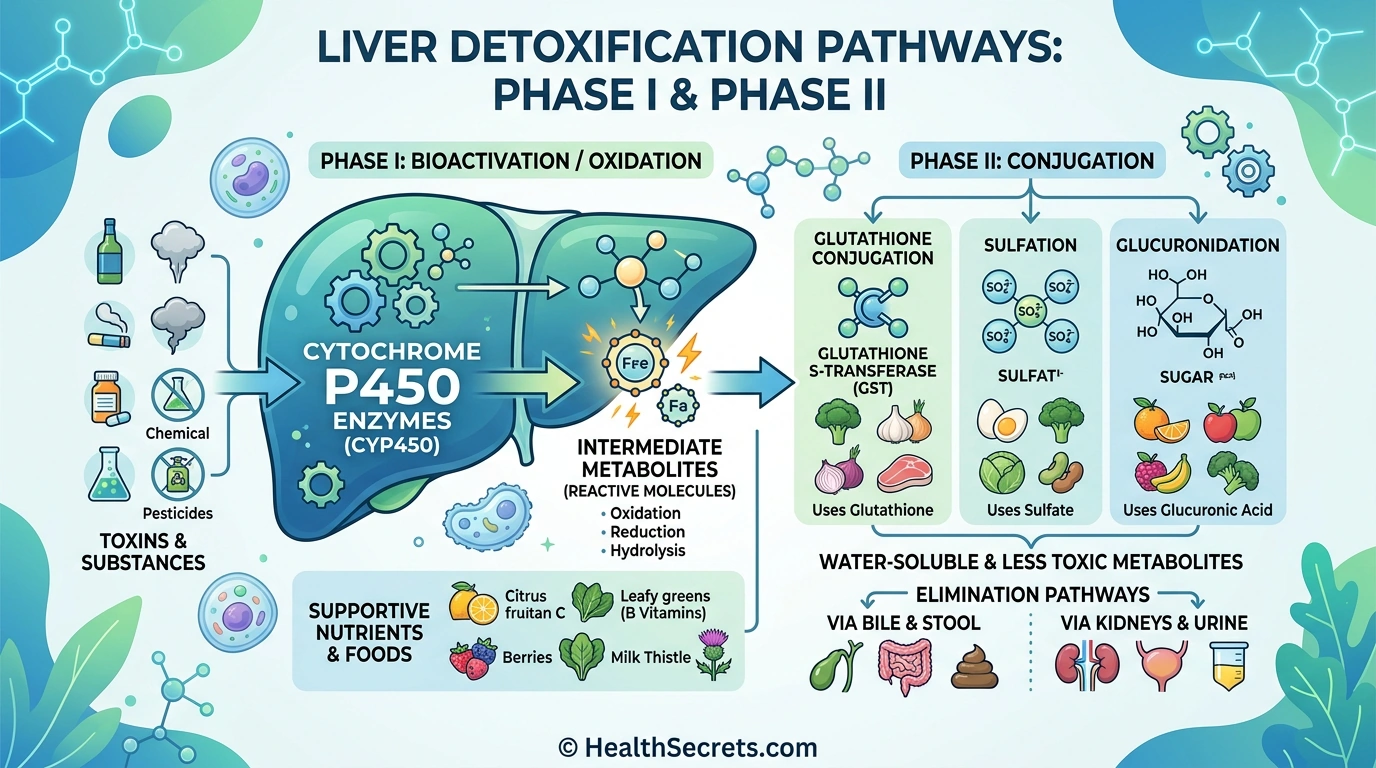
Here's what actually happens when you eat detox-supporting foods. Your liver runs two phases of detoxification. Phase I enzymes (cytochrome P450 family) break down toxins into intermediate compounds. Phase II enzymes—glutathione S-transferase, UDP-glucuronosyltransferase, and others—conjugate those intermediates so they can be safely excreted. Research published in the Journal of Nutritional Biochemistry confirms that cruciferous vegetable consumption increases production of these Phase II enzymes, including glutathione S-transferase.
The nutrients that power these pathways include sulfur compounds (from garlic, onions, cruciferous vegetables), B vitamins, magnesium, amino acids like glycine and cysteine (from quality protein), and antioxidants like vitamin C that support glutathione production. Without adequate intake of these nutrients, your detox pathways slow down.
Meanwhile, fiber plays a different but equally critical role. Dietary fiber binds toxins, heavy metals, and excess hormones in the digestive tract and escorts them out through elimination. A 2016 review in Advances in Nutrition found that fiber intake directly supports intestinal, liver, and kidney detoxification functions by modulating the gut microbiome and reducing the recirculation of harmful compounds.
Who this plan is for:
- Generally healthy adults wanting to reset eating habits
- Anyone feeling sluggish, bloated, or recovering from a period of poor eating
- People interested in a seasonal cleanse (spring or fall)
Who should NOT do this plan (or should modify it):
- Pregnant or breastfeeding individuals
- Children and adolescents
- Anyone with a history of eating disorders
- People with diabetes (blood sugar management requires medical guidance)
- Anyone on medications—check with your doctor first
What you'll need:
- 2 hours for meal prep on Day 0
- A blender (for smoothies)
- Glass meal prep containers
- A water bottle you'll actually use
- A well-stocked kitchen (shopping list provided in Step 2)
How Do You Choose the Right Detox-Supporting Foods?
The foundation of an effective detox diet is selecting foods rich in sulforaphane, fiber, antioxidants, and sulfur compounds that directly fuel your liver's Phase I and Phase II detoxification enzymes. Focus on cruciferous vegetables, leafy greens, berries, citrus, garlic, and clean protein sources.
Research from multiple clinical trials confirms that specific food compounds activate detoxification pathways. A comprehensive review in the Journal of Human Nutrition and Dietetics found that foods containing glucosinolates (cruciferous vegetables), allyl sulfides (garlic and onions), and flavonoids (berries and citrus) all modulate Phase II enzyme activity.
| Food Group | Key Foods | Active Compounds | Detox Mechanism | Daily Target |
|---|---|---|---|---|
| Cruciferous | Broccoli, Brussels sprouts, kale, cauliflower, cabbage | Sulforaphane, indole-3-carbinol, glucosinolates | Activate Phase II liver enzymes | 1–2 cups |
| Leafy greens | Spinach, arugula, dandelion greens, Swiss chard | Chlorophyll, magnesium, folate | Bind toxins, support methylation | 2–3 cups |
| Berries | Blueberries, strawberries, raspberries | Anthocyanins, ellagic acid, vitamin C | Antioxidant protection, liver cell defense | 1 cup |
| Citrus | Lemons, limes, grapefruit, oranges | Vitamin C, d-limonene, flavonoids | Boost glutathione production, activate enzymes | 1–2 servings |
| Alliums | Garlic, onions, leeks | Allicin, sulfur compounds | Phase II conjugation, antimicrobial | 1–2 cloves garlic |
| Category | Examples | Why Eliminate | Healthier Alternative |
|---|---|---|---|
| Processed foods | Packaged snacks, fast food, frozen meals | Additives burden liver, inflammatory | Whole food snacks (nuts, fruit, veggies) |
| Added sugars | Soda, candy, baked goods, sweetened drinks | Promote inflammation, fatty liver | Berries, fruit, cinnamon for sweetness |
| Alcohol | All types | Directly burdens liver detox capacity | Herbal teas, sparkling water with lemon |
| Refined grains | White bread, white rice, regular pasta | Low fiber, spike blood sugar | Quinoa, brown rice, oats |
| Fried foods | Deep-fried anything, trans fats | Oxidized oils create free radicals | Roasted, steamed, or sautéed in olive oil |

How Do You Prepare and Shop for a 7-Day Detox Cleanse?
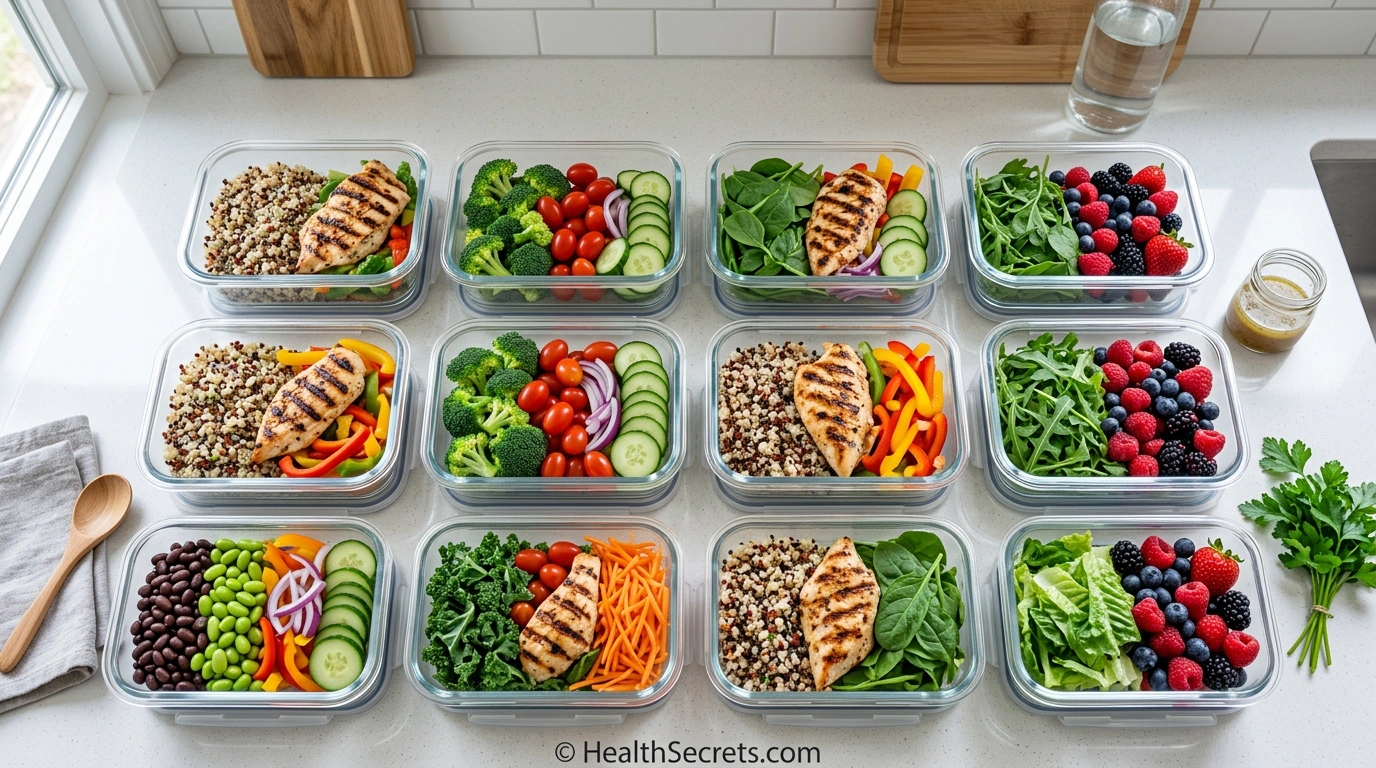
Preparation is the single biggest predictor of success. Dedicate 1–2 hours the day before (Day 0) to shopping and meal prepping—washing and chopping vegetables, cooking grains in batches, and assembling smoothie packs. Without prep, you'll reach for convenient processed food by Day 3.
Shopping List (Organized by Category):
- Produce: broccoli (2 heads), Brussels sprouts (1 lb), kale (2 bunches), spinach (2 large bags), arugula (1 bag), cauliflower (1 head), beets (4), carrots (1 lb), sweet potatoes (3), bell peppers (4), cucumber (3), celery (1 bunch), avocados (5), garlic (2 heads), onions (3), ginger root, fresh turmeric root, lemons (8), limes (4), bananas (6), mixed berries (3 lbs fresh/frozen), apples (5), pineapple (1)
- Proteins: wild-caught salmon (1 lb), organic chicken breast (1.5 lbs), cod fillets (1 lb), canned chickpeas (4 cans), dried lentils (1 lb), black beans (2 cans), eggs (1 dozen)
- Grains: quinoa (2 lbs), brown rice (1 lb), rolled oats (1 lb), gluten-free crackers
- Nuts/Seeds: almonds, walnuts, cashews, chia seeds, flax seeds, pumpkin seeds, sunflower seeds, almond butter, sunflower seed butter, tahini
- Pantry: extra virgin olive oil, coconut milk (2 cans), almond milk (unsweetened), apple cider vinegar, hummus, sauerkraut, kimchi, curry powder, cinnamon, cayenne pepper, black pepper, sea salt, honey (small amount)
- Beverages: herbal teas (dandelion root, peppermint, ginger), green tea, coconut water
Day 0 Meal Prep Checklist:
- Wash and chop all vegetables (store in glass containers)
- Cook 2 cups quinoa and 2 cups brown rice
- Prepare 4 smoothie packs (portion spinach, banana, berries into freezer bags)
- Make a large batch of lemon-olive oil dressing
- Prepare detox water (pitcher with lemon, cucumber, mint)
- Roast a sheet pan of Brussels sprouts and sweet potatoes for Days 1–2
- Cook chicken breasts for Days 1–3
How Do You Follow the 7-Day Detox Meal Plan Day by Day?
Follow this structured meal plan, which provides approximately 1,500–1,800 calories daily from whole, nutrient-dense foods. Each day has a specific nutritional theme, progressing from gentle introduction through deep liver support to antioxidant boosting and fiber focus, before transitioning back gently on Day 7.
Daily non-negotiables:
- Upon waking: warm lemon water (16 oz)
- Throughout the day: 8–10 glasses filtered water + herbal teas
- Dinner: eat early, at least 3 hours before bed
| Day | Breakfast | Lunch | Dinner | Detox Water |
|---|---|---|---|---|
| 1 – Ease In | Green smoothie (spinach, banana, berries, flax, almond milk) + almonds | Large salad: mixed greens, cucumber, avocado, chickpeas, lemon-olive oil dressing + steamed broccoli | Baked wild salmon (4 oz) + roasted Brussels sprouts with garlic + quinoa (½ cup) | Lemon, cucumber, mint |
| 2 – Increase Greens | Oatmeal with berries, walnuts, cinnamon + green tea | Lentil soup with kale and carrots + side salad with beets + GF crackers | Stir-fried vegetables (broccoli, peppers, onions, garlic) + chicken breast (4 oz) + cauliflower rice | Ginger, lemon, cayenne |
| 3 – Cruciferous Focus | Smoothie bowl (berries, spinach) topped with chia seeds + sliced almonds | Quinoa bowl: roasted cauliflower, chickpeas, tahini dressing, arugula + sauerkraut | Baked cod with lemon and herbs + steamed broccoli and carrots + sweet potato (small) | Cucumber, mint, lime |
| 4 – Liver Support | Chia pudding (chia seeds, almond milk, berries, turmeric) + dandelion tea | Beet and arugula salad with walnuts + grilled chicken + ACV dressing | Vegetable curry (cauliflower, spinach, chickpeas, turmeric, coconut milk) + brown rice (½ cup) | Lemon, turmeric, black pepper |
| 5 – Antioxidant Boost | Berry smoothie (mixed berries, spinach, flax, almond butter) + green tea | Rainbow salad: red cabbage, carrots, beets, greens, sunflower seeds, lemon-tahini dressing + lentils | Grilled wild salmon with garlic and herbs + roasted asparagus + quinoa with parsley | Strawberry, basil, lemon |
| Day | Breakfast | Lunch | Dinner | Detox Water |
| 6 – Fiber Focus | Overnight oats (oats, chia, berries, cinnamon, almond milk) + herbal tea | Black bean and vegetable soup + large green salad + avocado slices | Stuffed bell peppers (quinoa, black beans, vegetables, salsa) + steamed kale | Cucumber, lemon, mint |
| 7 – Gentle Transition | Green smoothie (kale, pineapple, banana, ginger, coconut water) + walnuts | Buddha bowl: brown rice, roasted vegetables, chickpeas, tahini, sprouts + kimchi | Baked chicken with rosemary and lemon + roasted root vegetables (carrots, parsnips, beets) + arugula salad | Lemon, ginger, cucumber |
| Snack options (1–2 daily as needed): apple slices with almond butter, celery with hummus, carrot sticks with guacamole, blueberries with raw cashews, pumpkin seeds |

How Do You Optimize Hydration for Detoxification?
Proper hydration is essential because your kidneys require adequate water intake to efficiently filter waste products and toxins from the blood. Aim for a minimum of 64–80 ounces (8–10 glasses) of filtered water daily, plus herbal teas and detox waters that provide additional liver- and kidney-supporting compounds.

Research in Nutrients confirms that adequate hydration supports kidney filtration and reduces the accumulation of uremic toxins. Your kidneys process approximately 200 quarts of blood daily—they need water to do this efficiently.
Hydration protocol:
- Upon waking: 16 oz warm water with juice of ½ lemon (vitamin C, d-limonene)
- Throughout morning: 2–3 glasses filtered water
- Mid-morning: 1 cup herbal tea (dandelion root or green tea)
- With lunch: 1–2 glasses water
- Afternoon: Detox water (infused—rotate flavors daily)
- With dinner: 1 glass water
- Evening: 1 cup herbal tea (peppermint or ginger—aids digestion)
Detox water recipes (rotate daily):
- Lemon + cucumber + fresh mint
- Ginger + lemon + pinch cayenne
- Strawberry + basil + lemon
- Cucumber + lime + mint
- Turmeric + lemon + black pepper (shake well)
Herbal teas for detox support:
- Dandelion root: Traditionally used for liver and bile support
- Milk thistle tea: Contains silymarin, which supports liver cell regeneration—learn more in our milk thistle guide
- Green tea: EGCG catechins support liver detoxification enzymes
- Ginger tea: Supports digestion and has anti-inflammatory properties
- Peppermint tea: Soothes the digestive tract, reduces bloating

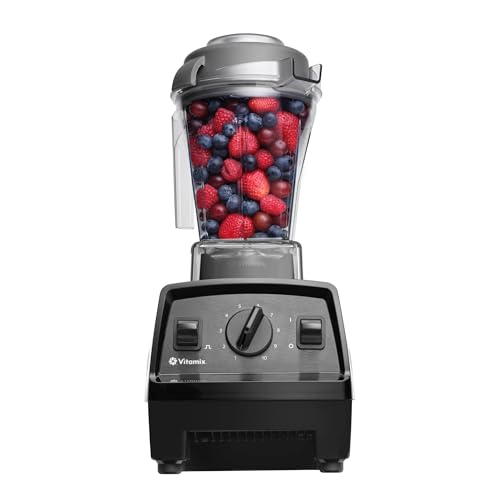
Vitamix E310 Explorian Blender
Best for SmoothiesVitamix E310 · Daily green smoothies, soups, and detox beverages
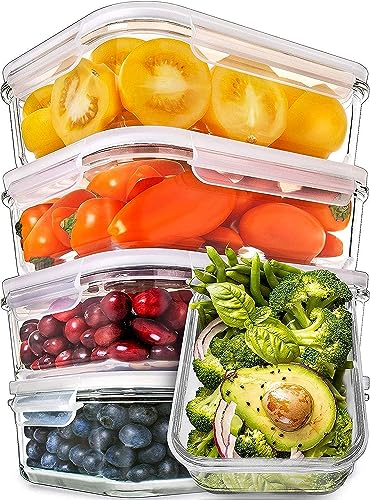
PrepNaturals Glass Meal Prep Containers (30 oz, 5-Pack)
Best for Meal PrepPrepNaturals Glass · Chemical-free food storage during detox week and beyond
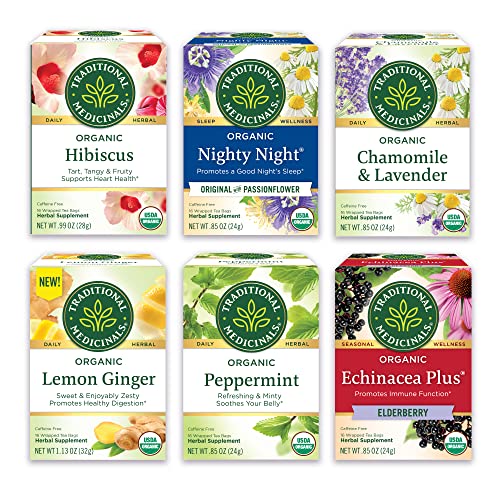
Traditional Medicinals Herbal Tea Variety Pack
Best Herbal TeasTraditional Medicinals · Liver, digestive, and detox support throughout the day
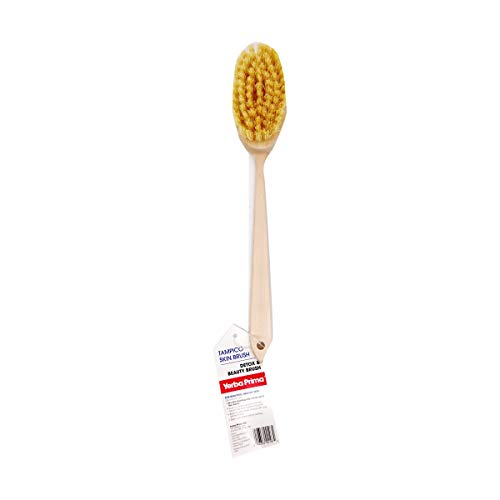
Yerba Prima Tampico Skin Brush
Best for Dry BrushingYerba Prima · Pre-shower lymphatic drainage and skin stimulation
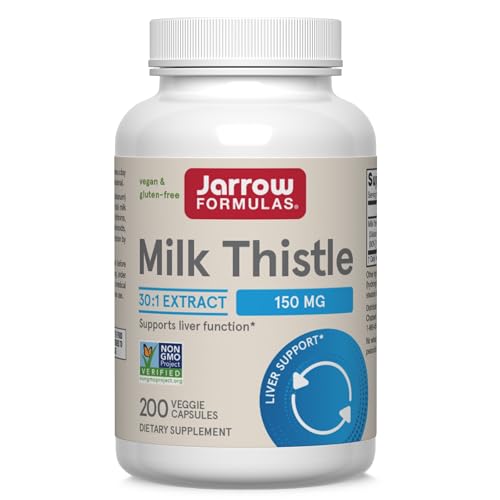
Jarrow Formulas Milk Thistle 150 mg (Standardized 80% Silymarin)
Best Liver SupplementJarrow Formulas · Optional liver support during and after the detox week
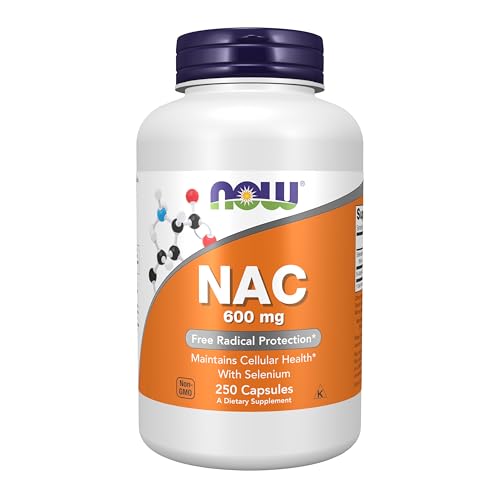
NOW Foods NAC (N-Acetyl Cysteine) 600 mg
Best Glutathione SupportNOW Foods · Boosting glutathione production—your body's master detox antioxidant
Read the detailed review cards below before opening any retailer link
Top Recommended Products
Vitamix E310
Vitamix E310 Explorian Blender
A high-powered blender is essential for daily detox smoothies—the Vitamix E310 pulverizes kale, spinach, and frozen berries into silky-smooth drinks without leaving chunks, making it far easier to hit your daily green vegetable targets.
Pros
- + Breaks down tough greens completely
- + variable speed for smoothies to soups
- + 5-year full warranty
- + self-cleaning
Cons
- - Premium price point
- - loud operation
- - large footprint on counter
Why we included it: A high-powered blender is essential for daily detox smoothies—the Vitamix E310 pulverizes kale, spinach, and frozen berries into silky-smooth drinks without leaving chunks, making it far easier to hit your daily green vegetable targets.
Retailer link opens on Amazon after the review details above
PrepNaturals Glass
PrepNaturals Glass Meal Prep Containers (30 oz, 5-Pack)
Storing prepped detox meals in glass eliminates exposure to BPA and phthalates from plastic containers—which would defeat the purpose of a detox diet. These hold a full meal portion at 30 oz.
Pros
- + No chemical leaching unlike plastic
- + clear glass for easy identification
- + leak-proof lids
- + stackable
Cons
- - Heavier than plastic
- - glass can break if dropped
- - lids may wear over time
Why we included it: Storing prepped detox meals in glass eliminates exposure to BPA and phthalates from plastic containers—which would defeat the purpose of a detox diet. These hold a full meal portion at 30 oz.
Retailer link opens on Amazon after the review details above
Traditional Medicinals
Traditional Medicinals Herbal Tea Variety Pack
Traditional Medicinals uses pharmacopoeial-grade herbs—the same quality standard used in clinical research—making their teas genuinely therapeutic rather than just flavored hot water.
Pros
- + Organic and pharmacopoeial quality
- + variety includes dandelion
- + peppermint
- + ginger
- + convenient tea bags
- + trusted brand since 1974
Cons
- - Some flavors may be bitter for sensitive palates
- - limited quantity per flavor in variety pack
Why we included it: Traditional Medicinals uses pharmacopoeial-grade herbs—the same quality standard used in clinical research—making their teas genuinely therapeutic rather than just flavored hot water.
Retailer link opens on Amazon after the review details above
Yerba Prima
Yerba Prima Tampico Skin Brush
Dry brushing before your shower stimulates lymphatic circulation, which helps move toxins toward elimination. The Yerba Prima brush is the most recommended natural-fiber option at an unbeatable price.
Pros
- + Affordable
- + natural fibers (no synthetic bristles)
- + firm enough for effective stimulation
- + compact size for travel
Cons
- - No long handle (can't reach full back)
- - bristles stiffen over time
- - may feel rough for very sensitive skin
Why we included it: Dry brushing before your shower stimulates lymphatic circulation, which helps move toxins toward elimination. The Yerba Prima brush is the most recommended natural-fiber option at an unbeatable price.
Retailer link opens on Amazon after the review details above
Jarrow Formulas
Jarrow Formulas Milk Thistle 150 mg (Standardized 80% Silymarin)
Milk thistle is the most researched liver-supporting herb, and Jarrow's standardized 80% silymarin extract provides a clinically relevant dose at an outstanding price per capsule. For a deep dive, read our milk thistle guide.
Pros
- + High silymarin standardization (80%)
- + excellent value (200 capsules)
- + well-researched liver protectant
- + vegan-friendly
Cons
- - Supplement not necessary for everyone
- - may interact with certain medications
- - consult doctor if on liver-metabolized drugs
Why we included it: Milk thistle is the most researched liver-supporting herb, and Jarrow's standardized 80% silymarin extract provides a clinically relevant dose at an outstanding price per capsule. For a deep dive, read our milk thistle guide.
Retailer link opens on Amazon after the review details above
NOW Foods
NOW Foods NAC (N-Acetyl Cysteine) 600 mg
NAC is the most effective way to raise glutathione levels—your body's master detoxification antioxidant. At 600 mg per capsule with 250 capsules per bottle, this is outstanding value. Learn more in our glutathione guide.
Pros
- + Direct glutathione precursor
- + excellent value (250 capsules)
- + well-researched for liver and respiratory support
- + GMP certified
Cons
- - Sulfur smell (mild)
- - may cause GI upset on empty stomach
- - consult doctor if on blood thinners or asthma medications
Why we included it: NAC is the most effective way to raise glutathione levels—your body's master detoxification antioxidant. At 600 mg per capsule with 250 capsules per bottle, this is outstanding value. Learn more in our glutathione guide.
Retailer link opens on Amazon after the review details above
How Do You Support Detoxification Beyond Diet?
Diet is the foundation, but lifestyle factors like sleep quality, gentle movement, and stress management significantly enhance your body's ability to detoxify. Your liver performs most of its repair and detoxification work during deep sleep, and your lymphatic system depends on physical movement to circulate lymph fluid.
Lifestyle support checklist for the 7 days:
- Sleep 7–9 hours nightly — Your liver's detox activity peaks during sleep. Prioritize consistent bedtime.
- Move daily (gently) — 30 minutes of walking, yoga, or stretching. Avoid intense exercise during Days 1–3 when energy may dip.
- Try dry brushing — Before your shower, brush skin in long strokes toward the heart. Supports lymphatic drainage. For more on lymphatic support, see our gut detox protocol.
- Practice deep breathing — 5 minutes, 2x daily. Oxygenates cells and supports lung-based toxin elimination.
- Reduce chemical exposure — Switch to natural cleaning and personal care products during the 7 days.
- Manage stress — Chronic stress increases cortisol, which impairs liver function. Try 10 minutes of meditation or journaling daily.
- Sauna or steam (optional) — 2–3 sessions during the week if accessible. Supports elimination through sweat.
What to expect (this is normal):
- Days 1–2: Mild fatigue, headaches (especially if cutting caffeine), increased urination
- Days 3–4: Energy may dip further, cravings for sugar and processed food peak
- Days 5–7: Energy increases noticeably, mental clarity improves, sleep quality improves, bloating decreases
- Throughout: More frequent bowel movements (fiber is doing its job)
If headaches are severe, keep one cup of green tea daily rather than cutting caffeine cold turkey.

What Are the Most Common Detox Diet Mistakes to Avoid?
The biggest mistakes people make on a detox diet are eating too few calories, not getting enough protein, and treating it as a one-time fix rather than a gateway to sustainable eating habits. Avoiding these pitfalls ensures you actually feel good during the 7 days—and keep the benefits afterward.
- Mistake 1: Starving yourself. This plan provides 1,500–1,800 calories daily. If you're hungry, increase portions of vegetables and healthy fats. Your liver needs calories and nutrients to run its detox enzymes.
- Mistake 2: Skipping protein. Amino acids—especially glycine, cysteine, and glutamine—are essential for glutathione production and Phase II conjugation. Include clean protein at every meal.
- Mistake 3: Not enough fiber. Target 30–40 g daily. Without adequate fiber, toxins processed by your liver get reabsorbed in the gut instead of being eliminated. Add flax seeds, chia seeds, or legumes if you're falling short.
- Mistake 4: Ignoring hydration. Dehydration slows kidney filtration. If your urine isn't pale yellow, you need more water.
- Mistake 5: Going back to old habits on Day 8. Transition slowly. Reintroduce eliminated foods one at a time over Days 8–14 and note how each makes you feel. Many people discover they're sensitive to dairy, gluten, or sugar once they've been off them for a week.
- Mistake 6: Expecting miracles. This is a nutritional reset, not a cure. You won't lose 10 pounds of "toxins." You'll gain better energy, reduced bloating, and clarity about which foods serve you well.
Post-detox transition plan (Days 8–14):
- Day 8–9: Reintroduce caffeine (if eliminated) — one cup coffee
- Day 10: Reintroduce dairy — note any bloating, congestion, or digestive changes
- Day 11: Reintroduce gluten — note energy and digestion
- Day 12–14: Gradually return to your normal diet, keeping 80% of detox-supporting foods
Long-term maintenance:
- Continue eating 80% whole, detox-supporting foods
- Weekly "mini-detox" day (one day of clean eating)
- Monthly 3-day reset
- Quarterly 7-day detox
- Keep daily lemon water as a permanent habit
Is a 7-Day Detox Diet Safe? When Should You Stop?
A whole-food-based detox diet like this one is generally very safe for healthy adults because it doesn't restrict calories severely or eliminate entire macronutrient groups. However, certain symptoms warrant stopping the plan and consulting a healthcare provider.
The NIH's National Center for Complementary and Integrative Health (NCCIH) notes that while there's limited clinical research on "detox" diets specifically, whole-food-based dietary patterns rich in vegetables, fruits, fiber, and lean protein are consistently associated with improved health markers.
Stop the plan and consult a doctor if you experience:
- Severe headaches that don't improve by Day 4
- Dizziness or fainting
- Heart palpitations
- Severe diarrhea lasting more than 2 days
- Signs of low blood sugar (shakiness, confusion, extreme weakness)
- Any allergic reaction to new foods
| Symptom | Likely Cause | Solution |
|---|---|---|
| Headaches (Days 1–3) | Caffeine withdrawal | Keep 1 cup green tea; drink more water |
| Constant hunger | Insufficient calories or fat | Increase portions of healthy fats and protein |
| Constipation | Sudden fiber increase without enough water | Increase water intake; add flax seeds or prunes |
| Fatigue (Days 1–3) | Body adjusting; possible calorie deficit | Ensure adequate calories; get extra sleep; reduce exercise intensity |
| Bloating | Rapid increase in fiber and raw vegetables | Lightly cook vegetables instead of eating raw; increase fiber gradually |
What Should You Do First to Start Your 7-Day Detox Diet?
Start by choosing your start date (pick a low-stress week), then shop and prep on Day 0. Following a phased approach ensures success without overwhelm.
Phase 1 — Prepare (Days -2 to 0):
- Choose your start date (low-stress week, clear social calendar)
- Print or save the shopping list and meal plan
- Shop for all ingredients (budget: approximately $80–$120 for the week)
- Clear kitchen of tempting processed foods
- Meal prep on Day 0: chop vegetables, cook grains, make smoothie packs
- Stock herbal teas and prepare first batch of detox water
Phase 2 — Execute (Days 1–7):
- Start each morning with warm lemon water
- Follow the daily meal plan (adjust portions to your hunger)
- Track water intake (minimum 8 glasses daily)
- Move gently for 30 minutes daily
- Sleep 7–9 hours nightly
- Journal how you feel each day (energy, digestion, mood, cravings)
Phase 3 — Transition (Days 8–14):
- Reintroduce eliminated foods one at a time, every 2 days
- Note any reactions (bloating, fatigue, digestive changes)
- Keep 80% of your detox-supporting food habits
- Maintain daily lemon water and herbal teas
- Schedule your next quarterly detox

