
You cannot stop time, but you can absolutely influence how your body ages at the cellular level. The foods you eat every day either accelerate or slow the biological processes that drive aging — from oxidative stress and chronic inflammation to telomere shortening and mitochondrial decline. Research published in Nature Medicine (2026) confirms that dietary patterns rich in plant-based foods, vegetables, whole grains, nuts, and healthy fats are strongly associated with healthy aging and reduced risk of chronic disease.
The Mediterranean diet — rich in many of the foods on this list — has been linked to a 23% lower risk of all-cause mortality in a 25-year study of over 25,000 women. Whether you want to support your gut health, reduce inflammation, or optimize your immune system, the right foods form the foundation. Here are 30 foods that science says can help you age more slowly and live better.
How Were These 30 Anti-Aging Foods Selected?
Each food on this list was chosen based on three criteria: strength of published research linking it to anti-aging mechanisms (antioxidant activity, anti-inflammatory effects, telomere protection, or mitochondrial support), nutrient density per serving, and practical accessibility for daily consumption. We prioritized foods with evidence from peer-reviewed studies published between 2020 and 2026, favoring PubMed-indexed research and large cohort studies.
What mechanisms drive food-based anti-aging benefits?
The primary anti-aging mechanisms include: neutralizing reactive oxygen species (ROS), reducing NF-κB-mediated inflammation, activating the Nrf2 antioxidant response pathway, supporting telomerase activity, improving mitochondrial function, and promoting healthy gut microbiome diversity. Foods rich in polyphenols, omega-3 fatty acids, carotenoids, and fiber consistently target multiple pathways simultaneously.
1. Blueberries: Why Are They the Top Anti-Aging Berry?
Blueberries contain one of the highest concentrations of anthocyanins among common fruits, delivering powerful antioxidant and anti-inflammatory protection that slows cellular aging. Studies show regular blueberry consumption improves cognitive function, reduces DNA damage, and supports cardiovascular health in aging adults.
Anthocyanins in blueberries cross the blood-brain barrier, making them uniquely effective for neuroprotection. A 2023 study found that consuming one cup of blueberries daily for 12 weeks improved memory and executive function in older adults. Blueberries also contain pterostilbene, a compound that activates sirtuin longevity genes similar to resveratrol but with better bioavailability [1].
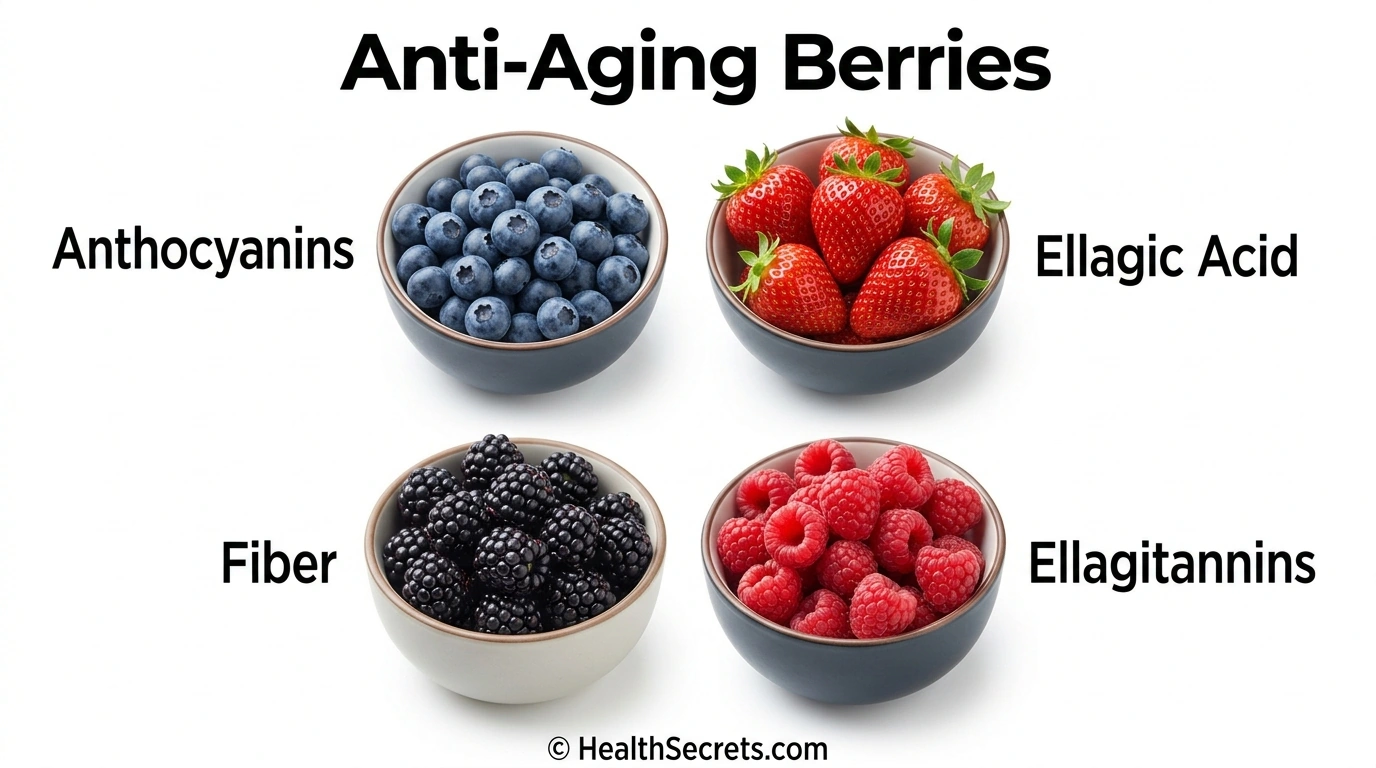
Also include: Strawberries (rich in ellagic acid), blackberries (highest fiber among berries), and raspberries (ellagitannins for anti-inflammatory support).
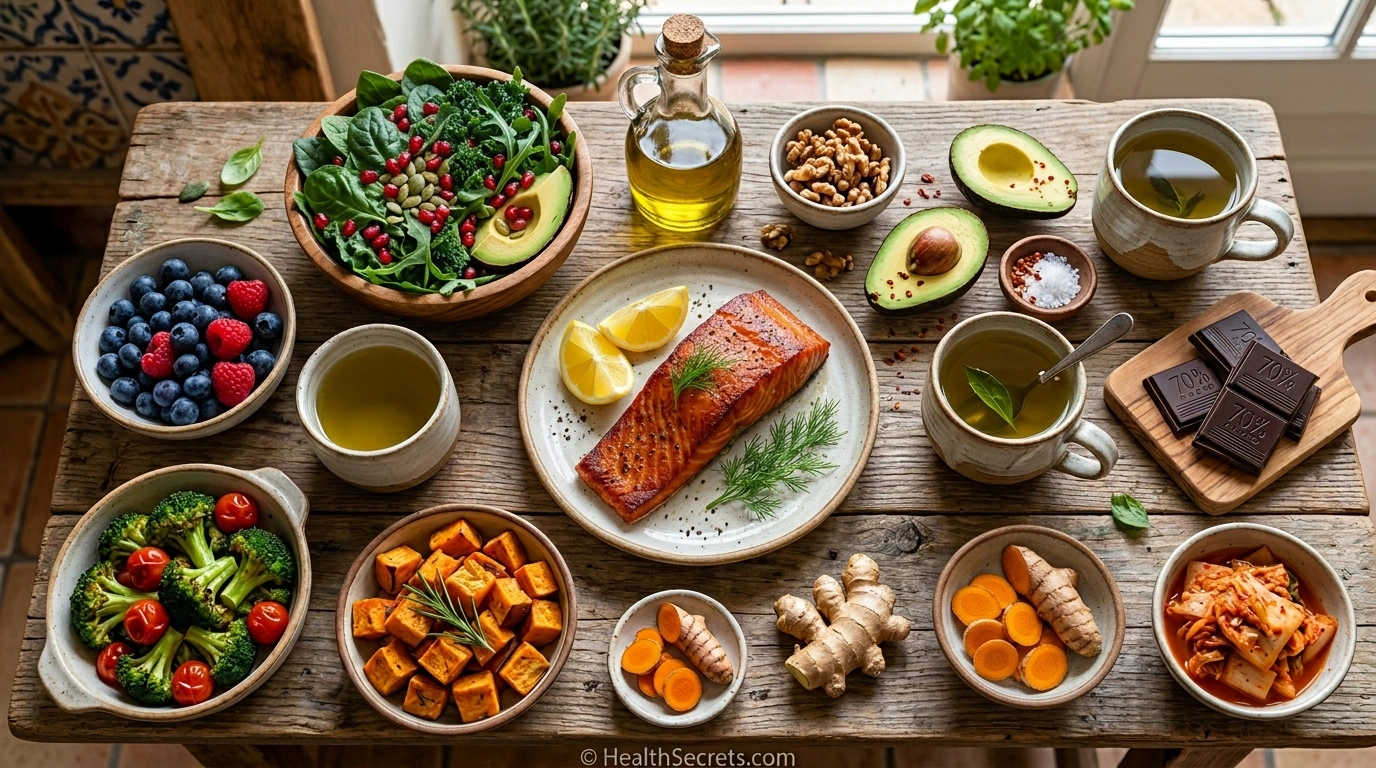
2. Wild Salmon: How Do Omega-3 Fatty Acids Slow Aging?
Wild salmon provides the richest dietary source of EPA and DHA omega-3 fatty acids, which reduce chronic inflammation, protect telomere length, and support cardiovascular and brain health — three pillars of healthy aging. A single 4-ounce serving delivers over 1,500mg of omega-3s.
Omega-3 fatty acids suppress pro-inflammatory cytokines (IL-6, TNF-α) and resolve inflammation through specialized pro-resolving mediators (SPMs). Research from The Lancet demonstrates that higher omega-3 blood levels correlate with slower telomere shortening over five years. The astaxanthin in wild salmon adds additional antioxidant protection 6,000 times more potent than vitamin C [2][3].
Also include: Sardines (high calcium + omega-3s) and mackerel (rich in CoQ10 and selenium).
3. Extra Virgin Olive Oil: What Makes It the Mediterranean Diet's Anti-Aging Star?
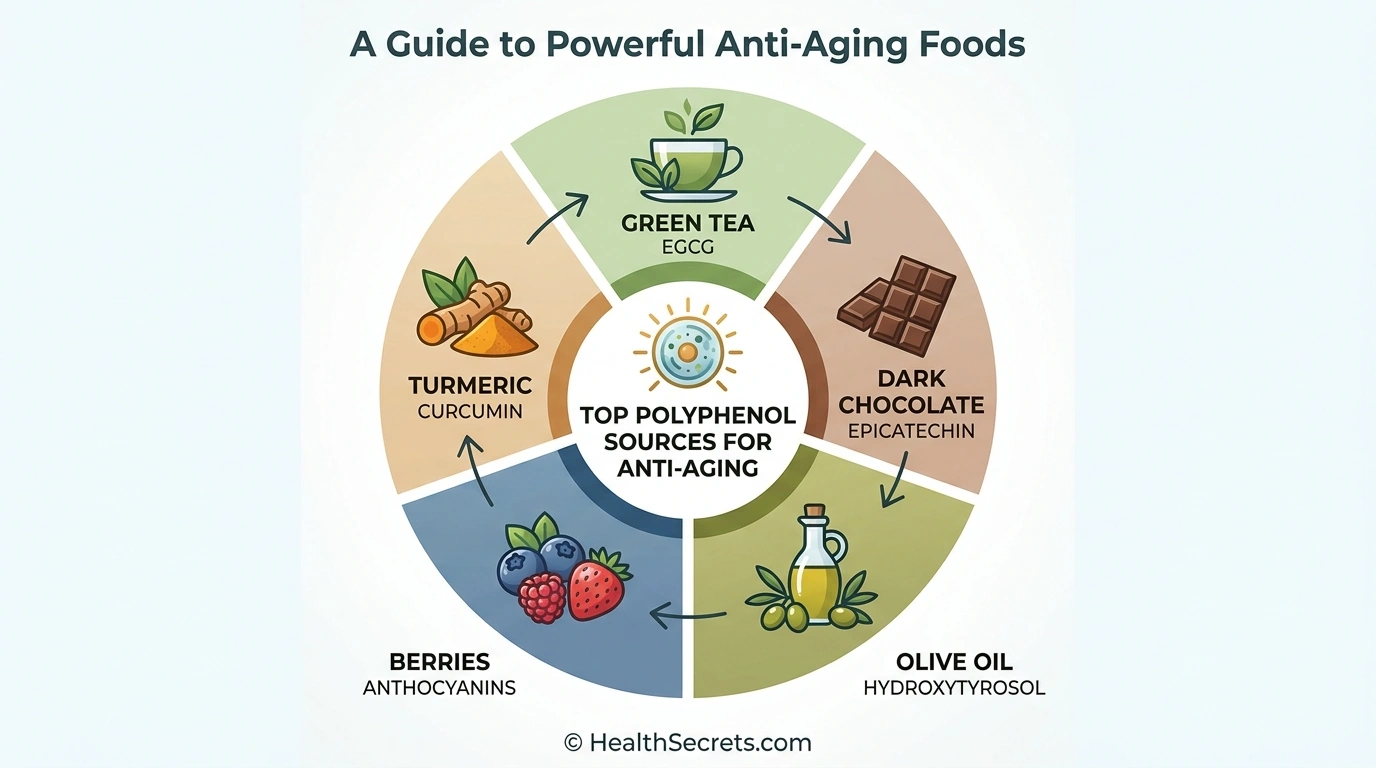
Extra virgin olive oil (EVOO) is the cornerstone of the Mediterranean diet's longevity benefits, delivering oleocanthal (a natural anti-inflammatory comparable to ibuprofen), hydroxytyrosol (a potent polyphenol), and monounsaturated oleic acid that protects cell membranes from oxidative damage.
Hydroxytyrosol activates the AMPK and sirtuin pathways — the same mechanisms triggered by caloric restriction. A 2024 Harvard study found that consuming more than half a tablespoon of olive oil daily was associated with 19% lower cardiovascular mortality and 29% lower neurodegenerative disease mortality. Choose cold-pressed, unfiltered EVOO for maximum polyphenol content [4][5].
4. Spinach and Leafy Greens: How Do They Protect Against Age-Related Decline?
Spinach, kale, and Swiss chard are among the most nutrient-dense anti-aging foods, packed with lutein, zeaxanthin, folate, vitamin K, and nitrates that protect vision, brain function, bone density, and cardiovascular health as you age.
Research shows that consuming one serving of leafy greens daily slows cognitive decline by the equivalent of 11 years. The nitrates in spinach improve mitochondrial efficiency and blood flow, while lutein accumulates in the brain and retina to protect against macular degeneration and cognitive impairment. Kale adds sulforaphane precursors for additional Nrf2 activation [6].
Also include: Swiss chard (magnesium-rich), arugula (high nitrate), and romaine (folate source).
5. Walnuts: Why Are They the Best Nut for Longevity?
Walnuts are the only tree nut with significant alpha-linolenic acid (ALA) omega-3 content, combined with ellagitannins, gamma-tocopherol, and polyphenols that reduce oxidative stress, lower LDL cholesterol, and support gut microbiome diversity — all critical for slowing biological aging.
The PREDIMED trial demonstrated that adding walnuts to a Mediterranean diet reduced cardiovascular events by 30%. Walnuts also increase beneficial gut bacteria (Roseburia and Faecalibacterium) that produce anti-inflammatory short-chain fatty acids [7].
Also include: Almonds (vitamin E powerhouse), pecans (highest antioxidant capacity among nuts), and flaxseeds (richest plant source of ALA omega-3s).
6. Avocado: How Does It Support Skin and Cellular Aging?
Avocados deliver a unique combination of monounsaturated fats, glutathione (the body's master antioxidant), vitamin E, and carotenoids that protect skin from photoaging, reduce visceral fat, and support mitochondrial membrane integrity — making them one of the most versatile anti-aging foods.
The monounsaturated oleic acid in avocados improves the absorption of fat-soluble antioxidants (lycopene, beta-carotene, lutein) from other foods by up to 400%. Avocados are also one of the richest dietary sources of glutathione, which declines significantly with age and is essential for detoxification and immune function [8].
7. Green Tea and Matcha: What Anti-Aging Compounds Do They Contain?
Green tea and matcha contain epigallocatechin gallate (EGCG), one of the most studied anti-aging polyphenols, which activates autophagy (cellular cleanup), inhibits telomere shortening, reduces oxidative DNA damage, and supports metabolic health through improved insulin sensitivity.
Matcha contains 137 times more EGCG than regular green tea because you consume the whole leaf. Japanese populations with the highest green tea consumption (5+ cups daily) show significantly lower rates of cardiovascular disease, cancer, and all-cause mortality. L-theanine in green tea also promotes alpha brain waves for calm focus and neuroprotection [9][10].
8. Dark Chocolate: Can Cocoa Flavanols Really Slow Aging?
High-quality dark chocolate (70%+ cacao) delivers concentrated cocoa flavanols — particularly epicatechin — that improve endothelial function, increase blood flow to the brain and skin, reduce blood pressure, and protect LDL cholesterol from oxidation, all of which slow vascular aging.
The COSMOS trial (2022) involving over 21,000 participants found that daily cocoa flavanol supplementation reduced cardiovascular deaths by 27%. Epicatechin also activates mitochondrial biogenesis through the same SIRT1 pathway as exercise. Limit intake to 1–2 ounces of dark chocolate daily to avoid excess sugar and calories [11].
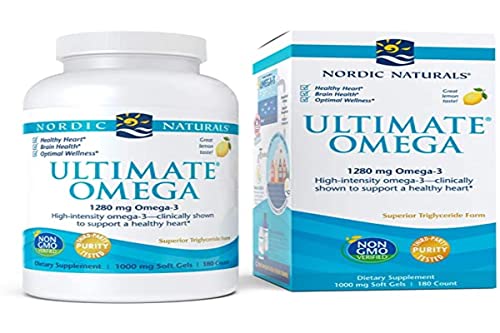
Nordic Naturals Ultimate Omega
Editor's ChoiceNordic Naturals · Overall anti-aging omega-3 support

Nutricost Turmeric Curcumin with BioPerine
Best ValueNutricost Turmeric · Anti-inflammatory support on a budget
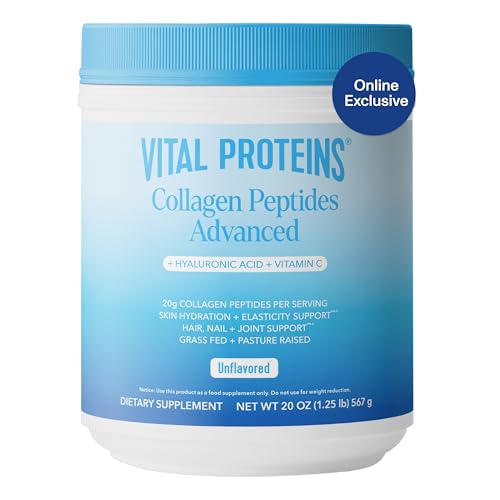
Vital Proteins Collagen Peptides
Best for SkinVital Proteins · Skin elasticity, joint health, and hair strength

Jade Leaf Organic Culinary Matcha
Best Antioxidant BoostJade Leaf · Daily EGCG polyphenol intake
Read the detailed review cards below before opening any retailer link
Top Recommended Products
Nordic Naturals
Nordic Naturals Ultimate Omega
Nordic Naturals consistently ranks highest in third-party purity testing and delivers omega-3s in the bioavailable triglyceride form that research shows is most effective for reducing inflammation and protecting telomere length.
Fördelar
- + Industry-leading purity
- + triglyceride form for 70% better absorption than ethyl ester
- + pleasant lemon flavor
- + 90 servings per bottle
Nackdelar
- - Premium price compared to store brands
Varför vi inkluderade den: Nordic Naturals consistently ranks highest in third-party purity testing and delivers omega-3s in the bioavailable triglyceride form that research shows is most effective for reducing inflammation and protecting telomere length.
Återförsäljarlänk öppnas på Amazon efter recensionsdetaljerna ovan
Nutricost Turmeric
Nutricost Turmeric Curcumin with BioPerine
Delivers clinical-grade curcuminoid concentration with BioPerine for enhanced bioavailability at a fraction of premium brand pricing — ideal for daily anti-inflammatory support.
Fördelar
- + Excellent price per serving
- + 95% curcuminoid standardization
- + BioPerine included
- + 40 servings per bottle
Nackdelar
- - Requires 3 capsules per serving
Varför vi inkluderade den: Delivers clinical-grade curcuminoid concentration with BioPerine for enhanced bioavailability at a fraction of premium brand pricing — ideal for daily anti-inflammatory support.
Återförsäljarlänk öppnas på Amazon efter recensionsdetaljerna ovan
Vital Proteins
Vital Proteins Collagen Peptides
The most popular and well-tested collagen supplement on the market, with clinical evidence supporting skin hydration improvement within 8 weeks of daily use.
Fördelar
- + Flavorless and dissolves in hot or cold liquids
- + NSF certified for sport
- + 20g protein per serving
- + versatile mixing
Nackdelar
- - Bovine-sourced only (not suitable for pescatarians)
Varför vi inkluderade den: The most popular and well-tested collagen supplement on the market, with clinical evidence supporting skin hydration improvement within 8 weeks of daily use.
Återförsäljarlänk öppnas på Amazon efter recensionsdetaljerna ovan
Jade Leaf
Jade Leaf Organic Culinary Matcha
An accessible, affordable way to get concentrated EGCG polyphenols daily. Japanese-sourced matcha delivers the full spectrum of green tea's anti-aging catechins in whole-leaf form.
Fördelar
- + USDA organic certified
- + 137x more EGCG than brewed green tea
- + versatile for lattes
- + smoothies
- + and baking
- + affordable entry point
Nackdelar
- - Culinary grade is slightly more bitter than ceremonial grade
Varför vi inkluderade den: An accessible, affordable way to get concentrated EGCG polyphenols daily. Japanese-sourced matcha delivers the full spectrum of green tea's anti-aging catechins in whole-leaf form.
Återförsäljarlänk öppnas på Amazon efter recensionsdetaljerna ovan
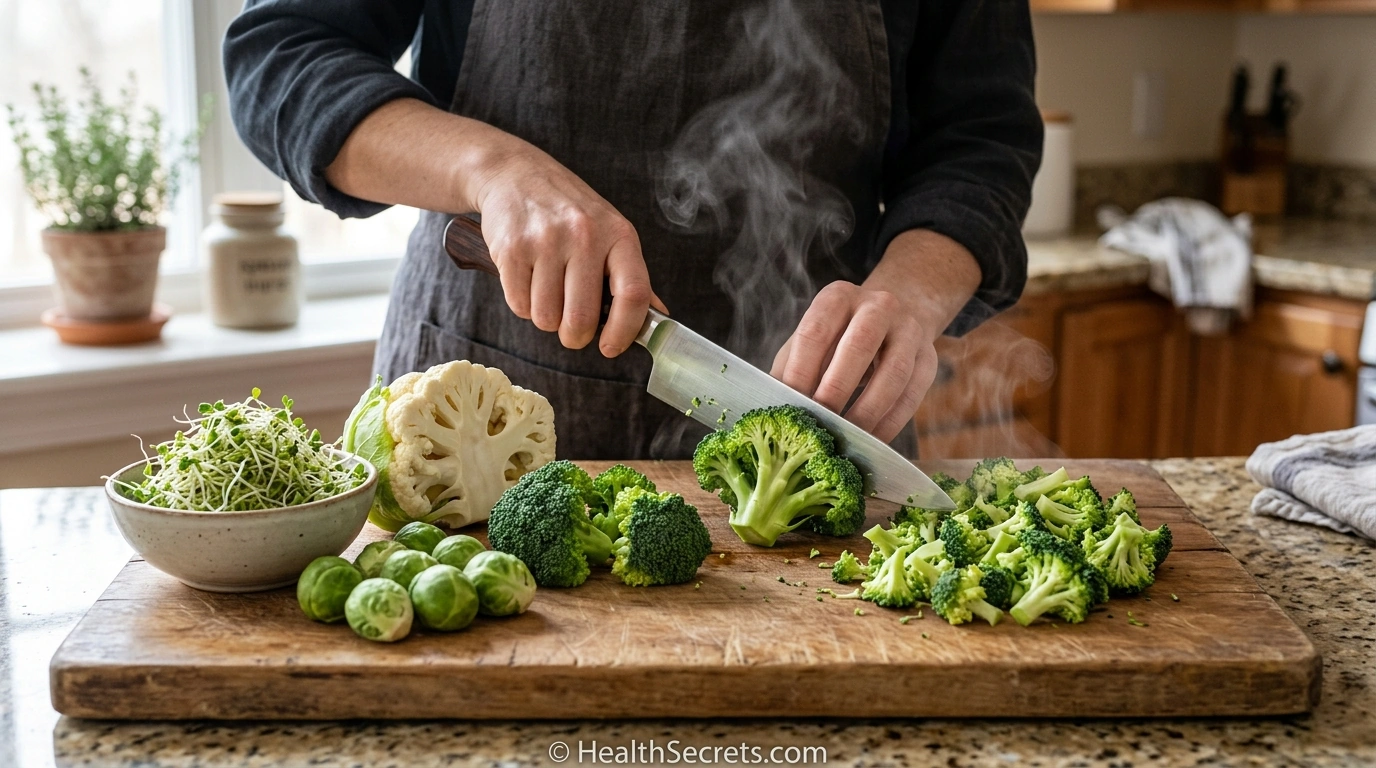
9. Broccoli and Cruciferous Vegetables: How Do They Activate Anti-Aging Pathways?
Broccoli, cauliflower, and Brussels sprouts contain sulforaphane, the most potent natural activator of the Nrf2 antioxidant pathway, which upregulates over 200 protective genes involved in detoxification, inflammation control, and cellular defense against aging.
Sulforaphane is released when cruciferous vegetables are chopped or chewed, activating myrosinase enzymes. Research shows sulforaphane reduces NF-κB inflammation, supports phase II liver detoxification, and may protect against age-related cancers. Broccoli sprouts contain 20–100 times more sulforaphane than mature broccoli [12].
Also include: Cauliflower (choline for brain health) and Brussels sprouts (kaempferol for anti-inflammatory support).
10. Tomatoes: Why Is Lycopene Essential for Anti-Aging?
Tomatoes are the richest dietary source of lycopene, a carotenoid that protects skin from UV-induced photoaging, reduces LDL oxidation, and lowers cardiovascular disease risk — with cooked tomatoes delivering up to 4 times more bioavailable lycopene than raw.
Lycopene accumulates in skin tissue where it neutralizes singlet oxygen generated by UV radiation, reducing wrinkle formation and improving skin texture. A 2023 meta-analysis found that higher lycopene intake was associated with 17% lower stroke risk and 14% lower cardiovascular mortality. Pair tomatoes with olive oil to maximize lycopene absorption [13].
11. Sweet Potatoes: How Do Beta-Carotene-Rich Foods Fight Aging?
Sweet potatoes deliver exceptional amounts of beta-carotene, which the body converts to vitamin A for skin cell turnover, immune function, and vision protection — three systems that decline most noticeably with aging. One medium sweet potato provides over 400% of daily vitamin A needs.
Beta-carotene is a potent quencher of singlet oxygen and protects cell membranes from lipid peroxidation. The purple sweet potato variety offers additional anthocyanins comparable to blueberries. Sweet potatoes also provide resistant starch that feeds beneficial gut bacteria when cooled after cooking [14].
Also include: Carrots (alpha and beta-carotene) and butternut squash (high beta-cryptoxanthin).
12. Turmeric: Is Curcumin the Most Powerful Anti-Aging Spice?
Turmeric's active compound curcumin is one of the most extensively researched natural anti-inflammatory and antioxidant molecules, shown to inhibit NF-κB, activate Nrf2, reduce amyloid plaque formation, and protect telomeres — addressing multiple hallmarks of aging simultaneously.
Curcumin's bioavailability is naturally low but increases 2,000% when combined with piperine (black pepper). Clinical trials show curcumin supplementation reduces inflammatory markers (CRP, IL-6) comparably to some NSAIDs, without gastrointestinal side effects. Indian populations with high turmeric consumption have among the lowest rates of Alzheimer's disease globally [15][16].
13. Pomegranate: How Does It Promote Cellular Renewal?
Pomegranate contains ellagitannins that gut bacteria convert to urolithin A — a unique compound shown to trigger mitophagy (removal of damaged mitochondria), improve muscle endurance, and reverse age-related mitochondrial decline in clinical trials.
A 2022 randomized controlled trial published in JAMA Network Open found that urolithin A supplementation improved muscle endurance by 12% in older adults. Pomegranate juice also reduces arterial plaque thickness and lowers systolic blood pressure. The fruit's punicalagins are more potent antioxidants than red wine or green tea per serving [17].
14. Bone Broth: Does Collagen-Rich Food Really Support Anti-Aging?
Bone broth provides bioavailable collagen peptides, glycine, proline, and hyaluronic acid that support skin elasticity, joint health, and gut lining integrity — three areas where age-related collagen decline becomes visible and symptomatic after age 30.
Collagen production decreases approximately 1–1.5% per year starting in your mid-20s. Clinical studies show that collagen peptide supplementation improves skin hydration by 28% and reduces wrinkle depth by 20% after 8 weeks. Glycine from bone broth also supports sleep quality and glutathione production [18].
15. Fermented Foods: How Does Gut Health Connect to Aging?
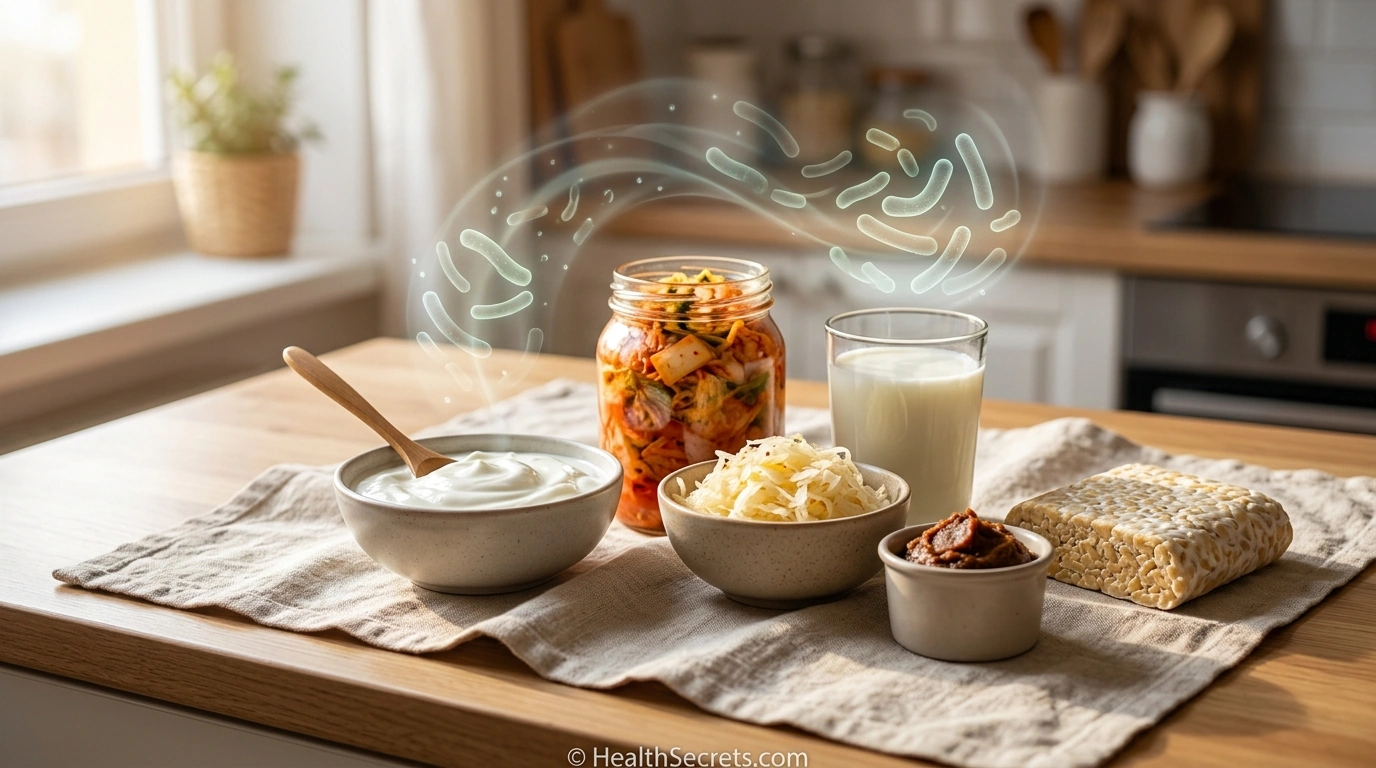
Fermented foods like yogurt, kimchi, sauerkraut, and kefir introduce beneficial probiotic bacteria and postbiotic compounds that improve gut microbiome diversity — a key biomarker of biological age that directly influences inflammation, immune function, and even cognitive health.
A landmark Stanford study found that consuming six servings of fermented foods daily for 10 weeks significantly increased microbiome diversity and reduced 19 inflammatory markers, including IL-6 and CRP. Gut microbiome diversity naturally declines with age, and restoring it through fermented foods may slow immunosenescence (immune aging) [19][20].
Also include: Miso (isoflavones for hormonal health) and tempeh (complete plant protein with probiotics).
What Is the Best Way to Start Eating Anti-Aging Foods Daily?
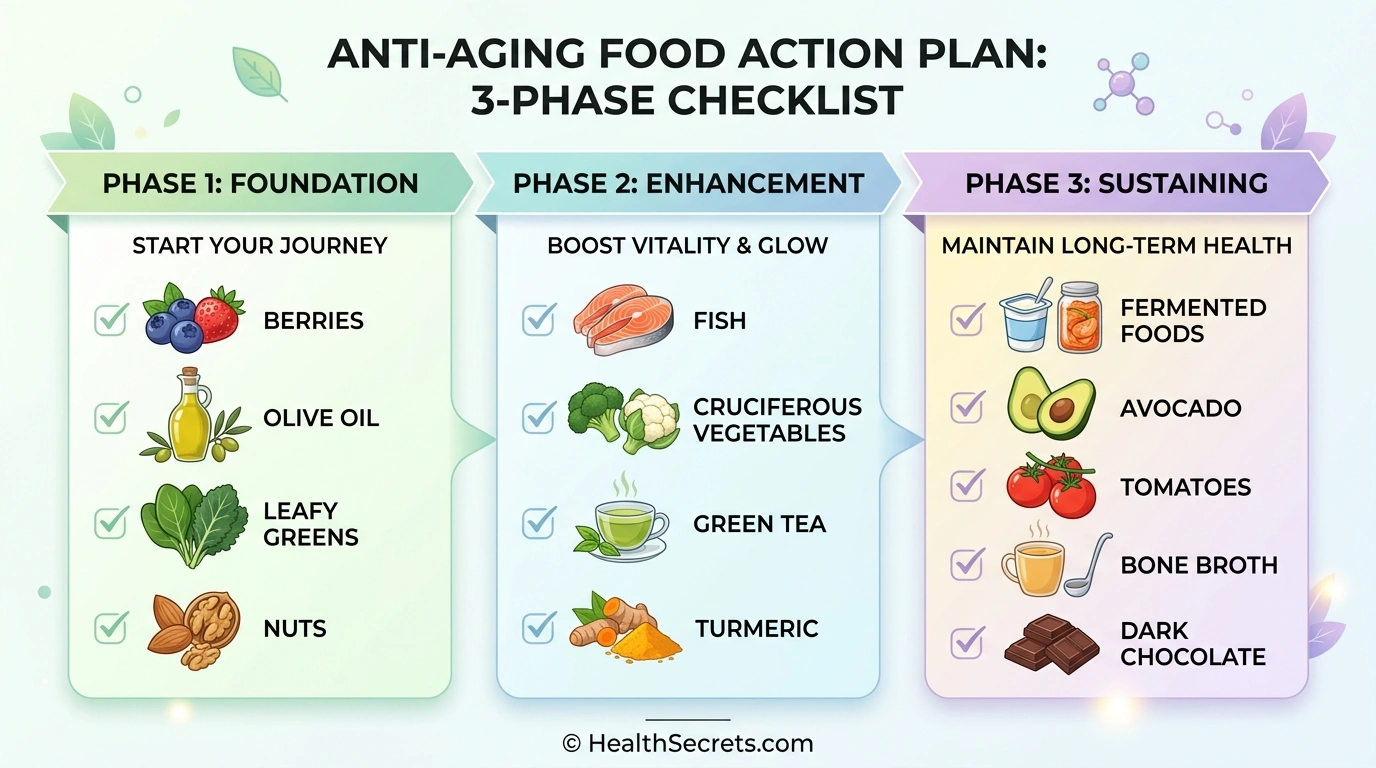
The most effective approach is gradual integration rather than overhauling your entire diet at once. Start with the highest-impact, easiest-to-add foods and build from there over 4–6 weeks. Consistency matters more than perfection — eating a variety of these foods daily provides cumulative anti-aging benefits.
Phase 1: Week 1–2 (Foundation)
- Add one cup of mixed berries daily (breakfast or snack)
- Switch cooking oil to extra virgin olive oil
- Include one serving of leafy greens at lunch or dinner
- Replace one snack with a handful of walnuts or almonds
Phase 2: Week 3–4 (Expansion)
- Add fatty fish (salmon, sardines) 2–3 times per week
- Include one cruciferous vegetable daily
- Start drinking green tea (2–3 cups) or matcha daily
- Add turmeric with black pepper to meals
Phase 3: Week 5–6 (Optimization)
- Incorporate fermented foods daily (yogurt, kimchi, sauerkraut)
- Add avocado 3–4 times per week
- Include tomato-based dishes 3–4 times per week
- Try bone broth 2–3 times per week
- Enjoy 1–2 ounces of dark chocolate (70%+) as a daily treat

