
Bone broth has been a healing staple across cultures for thousands of years — from Chinese medicine to European grandmothers' kitchens. Now modern research is confirming what traditional healers long understood: the amino acids, minerals, and collagen in slow-simmered bones can genuinely support gut barrier integrity, reduce intestinal inflammation, and promote digestive recovery.
Whether you're healing from leaky gut, managing IBS symptoms, recovering from antibiotics, or simply looking to strengthen your digestive system, bone broth is one of the most accessible and effective tools available. This guide teaches you exactly how to make it at home, what to look for when buying it, and how to use it as part of a gut-healing protocol.
For a comprehensive overview of digestive wellness, see our complete guide to gut health and explore gut-healing foods that work alongside bone broth.
What Do You Need to Know Before Making Bone Broth for Gut Health?
Bone broth is made by slow-simmering animal bones and connective tissue in water with a splash of acid (like apple cider vinegar) for 12 to 48 hours, extracting collagen, minerals, and amino acids into a nutrient-dense liquid. Understanding the difference between broth, stock, and bone broth — and why cooking time matters — is essential before you start.
Bone Broth vs. Stock vs. Regular Broth
| Type | Ingredients | Simmer Time | Gels When Cold |
|---|---|---|---|
| Regular broth | Meat, some bones | 1–2 hours | Rarely |
| Stock | Bones, vegetables | 4–6 hours | Sometimes |
| Bone broth | Bones, joints, connective tissue | 12–48 hours | Yes (if made well) |
| The extended cooking time is what makes bone broth special — it breaks down collagen into gelatin and extracts minerals that shorter cooking methods miss. |
Why Bone Broth Heals the Gut
A comprehensive 2026 review published in the Journal of Nutrients analyzed the nutritional components of bone broth and their impact on intestinal barrier integrity. The researchers found that bone broth's amino acids — particularly glutamine, glycine, proline, histidine, and arginine — along with minerals including calcium, phosphorus, potassium, magnesium, and zinc, have demonstrable effects on the intestinal barrier and may support remission maintenance in inflammatory bowel conditions [1].
Key gut-healing compounds in bone broth:
- Collagen and gelatin — form a protective coating on the gut lining and support tight junction integrity
- L-Glutamine — the primary fuel source for intestinal epithelial cells (enterocytes), supporting gut lining regeneration [2]
- Glycine — anti-inflammatory amino acid that supports bile acid production and detoxification pathways [3]
- Proline — essential building block for collagen synthesis and tissue repair
- Glucosamine and chondroitin — reduce intestinal inflammation and support mucosal health
- Minerals — calcium, magnesium, phosphorus, and zinc in bioavailable forms
A 2021 study using a murine model of ulcerative colitis found that bone broth reduced the expression of pro-inflammatory cytokines IL-1β (61%), IL-6 (95%), and TNF-α (69%), while increasing anti-inflammatory IL-10 by over 500% [4]. For more on reducing inflammation naturally, see our complete guide.
Who Should Drink Bone Broth?
Bone broth benefits virtually anyone, but is especially valuable for people with:
- Leaky gut syndrome or increased intestinal permeability
- IBS or other functional digestive disorders
- Inflammatory bowel disease (IBD) — Crohn's or ulcerative colitis
- Post-antibiotic gut recovery
- Food sensitivities and elimination diet protocols
- Athletes seeking joint and gut recovery support
- Anyone following paleo, keto, or Whole30 diets
How Do You Choose the Best Bones for Gut-Healing Broth?
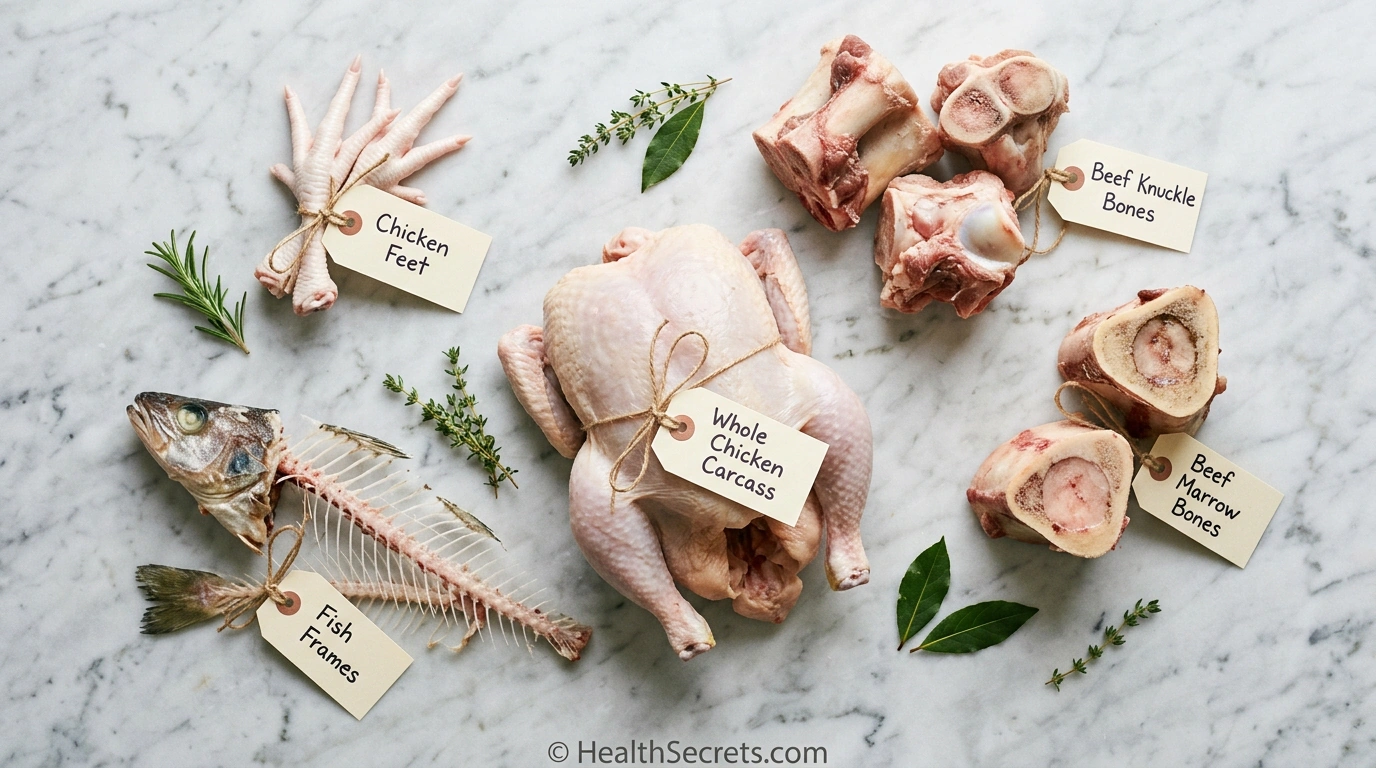
The best bones for gut-healing broth are collagen-rich joint bones, knuckle bones, and chicken feet — these contain the most connective tissue and produce the richest gelatin. Combine them with marrow bones for flavor and nutrient diversity, and always choose bones from grass-fed, pasture-raised, or organic animals when possible.
| Bone Type | Cook Time | Collagen Level | Best For |
|---|---|---|---|
| Chicken feet and necks | 12–24 hours | Very high | Maximum gelatin |
| Beef knuckles and joints | 24–48 hours | Very high | Rich gelatin + minerals |
| Beef marrow bones | 24–48 hours | Moderate | Flavor + healthy fats |
| Whole chicken carcass | 12–24 hours | High | Everyday broth |
| Fish heads and frames | 4–8 hours | High (marine) | Quick broth + iodine |
- Local butcher shops (ask for soup bones, knuckle bones, or chicken feet)
- Farmers' markets (direct from pasture-raised farms)
- Online: US Wellness Meats, ButcherBox, or local co-ops
- Save bones from roasted chicken or other meals in the freezer until you have 2–3 pounds
How Do You Prepare and Simmer Bone Broth Properly?
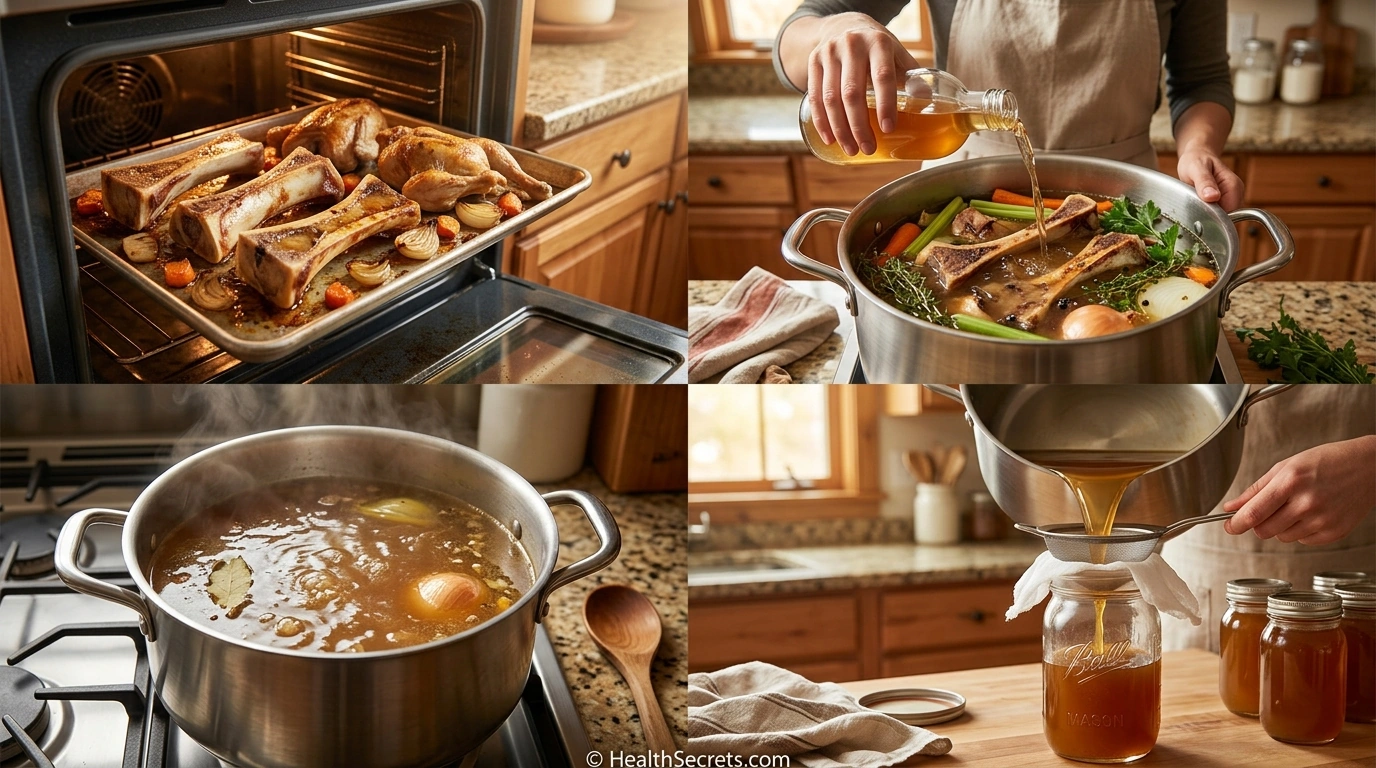
Proper preparation involves roasting the bones first for deeper flavor, adding apple cider vinegar to extract minerals from the bone matrix, then maintaining a gentle simmer (never a rolling boil) for 12–48 hours depending on bone type. The vinegar is the key step most beginners skip — it creates an acidic environment that pulls calcium, magnesium, and phosphorus into the liquid.
Complete Bone Broth Recipe
Ingredients:
- 2–3 pounds bones (mix of joint/knuckle and marrow bones)
- 2 tablespoons raw apple cider vinegar
- 1 onion, roughly chopped
- 2 carrots, roughly chopped
- 2 celery stalks, roughly chopped
- 2–3 garlic cloves, smashed
- Fresh herbs (parsley, thyme, 2 bay leaves)
- 1 teaspoon sea salt
- ½ teaspoon black peppercorns
- Filtered water to cover (about 12–16 cups)
Instructions:
- Roast the bones (optional but recommended) — Spread bones on a baking sheet and roast at 400°F (200°C) for 25–30 minutes until golden brown. This develops rich, deep flavor.
- Transfer to pot — Place roasted bones in a large stockpot, slow cooker, or Instant Pot.
- Add vinegar and cold water — Pour apple cider vinegar over the bones, add cold filtered water to cover by 1–2 inches. Let sit for 30 minutes before heating — this allows the acid to begin mineral extraction.
- Bring to a boil, then reduce heat — Bring to a boil over high heat, then immediately reduce to a bare simmer (small bubbles rising gently).
- Skim the foam — In the first 30–60 minutes, skim off any foam or impurities that rise to the surface.
- Add vegetables and herbs — Add vegetables in the last 2–4 hours of cooking (adding them too early makes them bitter). Add herbs in the last hour.
- Simmer for the correct time:
- Chicken/poultry: 12–24 hours
- Beef/lamb: 24–48 hours
- Fish: 4–8 hours
- Strain — Pour through a fine-mesh strainer lined with cheesecloth into glass jars or containers.
- Cool and refrigerate — Let cool to room temperature, then refrigerate. A layer of fat will solidify on top — this seals and preserves the broth. Remove it before reheating or leave it for added nutrition.

Cooking Method Comparison
- Slow Cooker (Easiest): Set to LOW for 24–48 hours. Most hands-off method. No risk of scorching.
- Instant Pot (Fastest): Pressure cook on HIGH for 120 minutes (chicken) or 180 minutes (beef). Quick-release or natural release. Results in 2–3 hours instead of 24+.
- Stovetop (Most Traditional): Maintain the gentlest simmer possible on the lowest burner setting. Check water level every few hours and add more if needed.
How Do You Know If Your Bone Broth Is High Quality?
The single best indicator of quality bone broth is the gel test — when properly made bone broth is refrigerated, it should set into a firm, jiggly gelatin within a few hours. This confirms that sufficient collagen was extracted from the bones, which is the primary source of gut-healing amino acids.
Signs of excellent bone broth:
- Gels firmly when cold (like gelatin or jello)
- Rich golden or amber color
- Full, savory flavor without being greasy
- Layer of clean fat on top when chilled
| Problem | Cause | Solution |
|---|---|---|
| Doesn't gel | Too much water or not enough collagen-rich bones | Use more joints, feet, and knuckle bones; reduce water |
| Too greasy | Excess marrow fat | Chill and remove fat layer; use fewer marrow bones |
| Bland taste | Not enough bones or too much water | Roast bones first; increase bone-to-water ratio |
| Cloudy | Boiled too hard | Keep at a bare simmer; skim foam early |
How Should You Use Bone Broth for Gut Healing?
For gut healing, drink 1–2 cups of warm bone broth daily — ideally on an empty stomach first thing in the morning or 30 minutes before meals, as this allows the glutamine and gelatin to directly contact and nourish the intestinal lining before food arrives. For more intensive healing, follow a 3-day bone broth protocol.
Daily Maintenance Protocol
- Morning ritual: 1 cup warm bone broth with a pinch of sea salt, 20–30 minutes before breakfast
- Evening: 1 cup as a light dinner substitute or bedtime drink (the glycine supports sleep quality)
- Cooking base: Use bone broth as the liquid for cooking rice, quinoa, soups, and stews
3-Day Bone Broth Intensive Protocol
For more aggressive gut healing (ideal for leaky gut recovery or post-antibiotic repair):
- Day 1–3: Consume 5–6 cups of bone broth throughout the day
- Add: Steamed vegetables, small amounts of protein, and healthy fats
- Avoid: Sugar, grains, dairy, processed foods, caffeine, alcohol
- Hydrate: Drink plenty of filtered water between broth servings
- After day 3: Transition to 2 cups daily and gradually reintroduce whole foods
This protocol pairs well with the 7-day gut reset protocol for extended healing.
Combining Bone Broth with Other Gut-Healing Strategies
- Pair with L-glutamine supplementation for enhanced gut lining repair
- Include alongside anti-inflammatory foods for comprehensive healing
- Use as the foundation of an elimination diet when identifying food sensitivities

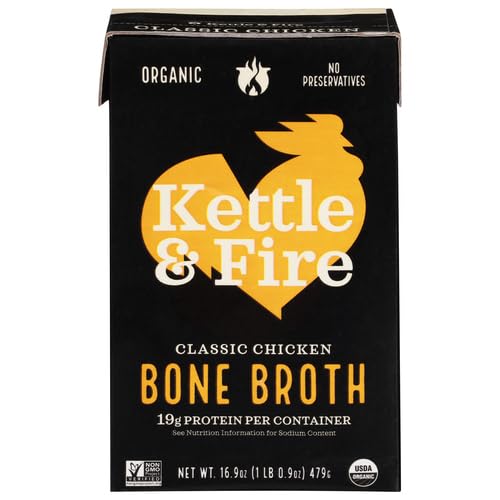
Kettle & Fire Chicken Bone Broth – 16.9 oz (Pack of 6)
Editor's ChoiceKettle & · Convenient, high-quality ready-to-drink bone broth for daily gut health support

Bonafide Provisions Fresh Organic Beef Bone Broth – 16.9 oz (6-Pack)
Best Fresh OrganicBonafide Provisions · Fresh, frozen bone broth with maximum nutrient preservation and clean ingredients
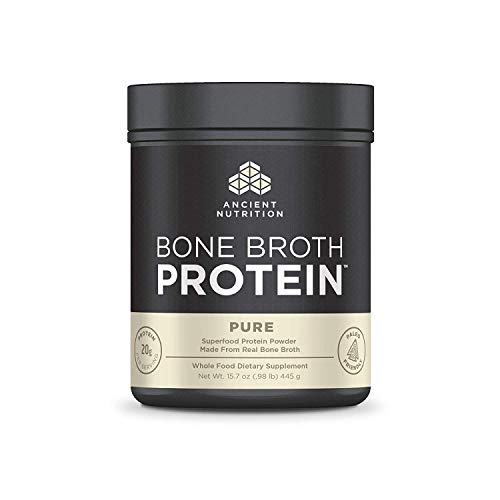
Ancient Nutrition Bone Broth Protein Powder, Pure – 20 Servings
Best Bone Broth PowderAncient Nutrition · Convenient bone broth nutrition in powder form for smoothies, travel, and daily supplementation
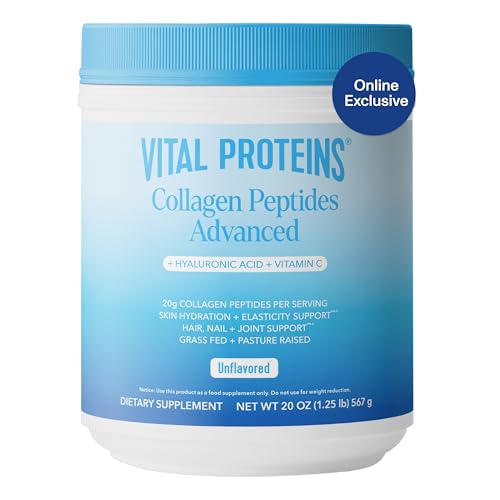
Vital Proteins Collagen Peptides – 20 oz
Best Collagen SupplementVital Proteins · Daily collagen supplementation to complement bone broth for gut lining and joint support
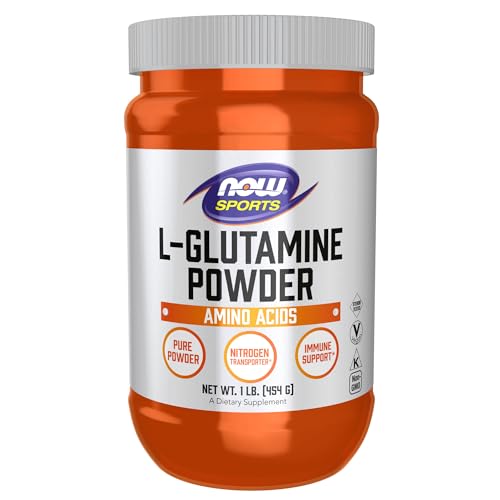
NOW Foods L-Glutamine Powder – 1 lb
Best Gut-Lining SupportNOW Foods · Targeted L-glutamine supplementation to enhance bone broth's gut-healing benefits
Read the detailed review cards below before opening any retailer link
Top Recommended Products
Kettle &
Kettle & Fire Chicken Bone Broth – 16.9 oz (Pack of 6)
Kettle & Fire consistently produces the highest-quality shelf-stable bone broth available, using organic bones slow-simmered with apple cider vinegar for maximum collagen extraction. It gels when chilled — the gold standard sign of quality bone broth.
Pros
- + High protein (17g per carton)
- + organic pasture-raised bones
- + clean ingredients
- + shelf-stable for easy storage
- + gels when refrigerated
Cons
- - Premium price compared to homemade
- - some may prefer fresh over shelf-stable
Why we included it: Kettle & Fire consistently produces the highest-quality shelf-stable bone broth available, using organic bones slow-simmered with apple cider vinegar for maximum collagen extraction. It gels when chilled — the gold standard sign of quality bone broth.
Retailer link opens on Amazon after the review details above
Bonafide Provisions
Bonafide Provisions Fresh Organic Beef Bone Broth – 16.9 oz (6-Pack)
Bonafide Provisions is the gold standard for fresh bone broth — flash-frozen immediately after cooking to preserve heat-sensitive nutrients. The ingredient list is exemplary: just organic bones, water, organic vegetables, and apple cider vinegar.
Pros
- + Fresh frozen preserves maximum nutrients
- + minimal ingredients (no additives)
- + grass-fed organic beef bones
- + rich
- + deep flavor
Cons
- - Requires freezer storage
- - higher price point
- - limited availability in some areas
Why we included it: Bonafide Provisions is the gold standard for fresh bone broth — flash-frozen immediately after cooking to preserve heat-sensitive nutrients. The ingredient list is exemplary: just organic bones, water, organic vegetables, and apple cider vinegar.
Retailer link opens on Amazon after the review details above
Ancient Nutrition
Ancient Nutrition Bone Broth Protein Powder, Pure – 20 Servings
When making liquid bone broth isn't practical, Ancient Nutrition's powder delivers the key amino acids — glycine, proline, glutamine — in a convenient scoop. Ideal for travel, busy mornings, or adding to smoothies.
Pros
- + 20g protein per serving
- + includes collagen types I
- + II
- + III
- + contains glucosamine and chondroitin
- + mixes easily
- + travel-friendly
Cons
- - Does not replicate the full mineral and gelatin profile of liquid broth
- - unflavored version has a mild savory taste
Why we included it: When making liquid bone broth isn't practical, Ancient Nutrition's powder delivers the key amino acids — glycine, proline, glutamine — in a convenient scoop. Ideal for travel, busy mornings, or adding to smoothies.
Retailer link opens on Amazon after the review details above
Vital Proteins
Vital Proteins Collagen Peptides – 20 oz
Vital Proteins offers the most versatile collagen supplement on the market. Use it alongside bone broth for enhanced collagen support for gut health — the hydrolyzed peptides are quickly absorbed and complement the gelatin in whole bone broth.
Pros
- + Dissolves completely in any liquid
- + flavorless and odorless
- + grass-fed sourced
- + Whole30 approved
- + well-researched brand
Cons
- - Pure collagen only — lacks the mineral and amino acid diversity of whole bone broth
Why we included it: Vital Proteins offers the most versatile collagen supplement on the market. Use it alongside bone broth for enhanced collagen support for gut health — the hydrolyzed peptides are quickly absorbed and complement the gelatin in whole bone broth.
Retailer link opens on Amazon after the review details above
NOW Foods
NOW Foods L-Glutamine Powder – 1 lb
L-glutamine is the primary fuel for intestinal epithelial cells, and adding it directly to your daily bone broth amplifies the gut-healing effect. NOW's pure powder is the most cost-effective way to get therapeutic doses. Learn more in our L-glutamine guide.
Pros
- + Pure
- + free-form amino acid
- + dissolves easily into bone broth
- + excellent value per serving
- + vegan-sourced
Cons
- - Unflavored
- - should be kept away from moisture
Why we included it: L-glutamine is the primary fuel for intestinal epithelial cells, and adding it directly to your daily bone broth amplifies the gut-healing effect. NOW's pure powder is the most cost-effective way to get therapeutic doses. Learn more in our L-glutamine guide.
Retailer link opens on Amazon after the review details above
How Do You Store Bone Broth Safely?
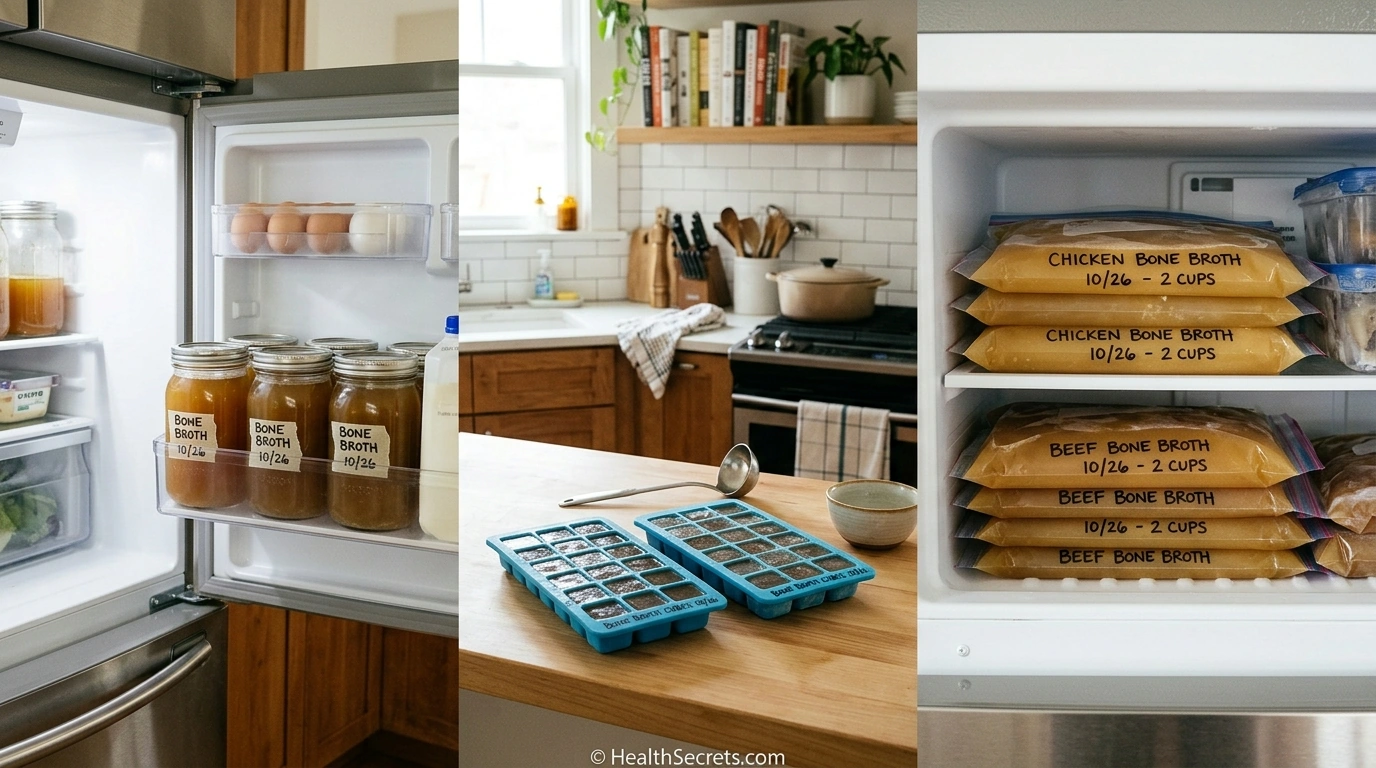
Bone broth stores safely in the refrigerator for 5–7 days and in the freezer for up to 12 months. Always use glass containers (not plastic) for storage, and leave 1–2 inches of headspace when freezing to allow for expansion. The fat layer that solidifies on top acts as a natural seal that extends refrigerator shelf life.
| Method | Duration | Best Practice |
|---|---|---|
| Refrigerator | 5–7 days | Keep fat layer intact until ready to use |
| Freezer (jars) | 6–12 months | Leave 1–2" headspace; freeze with lids slightly loose until solid |
| Freezer (ice cube trays) | 6–12 months | Freeze in trays, then transfer cubes to freezer bags |
| Freezer (silicone molds) | 6–12 months | 1-cup portions for easy thawing |
- Sour or off smell (fresh broth smells savory and clean)
- Mold on the surface
- Cloudy appearance after reheating (distinct from normal gelatin cloudiness)
- Slimy texture
What Are the Most Common Mistakes When Making Bone Broth?
The most common mistakes are using too much water relative to bones, boiling instead of simmering, not using enough collagen-rich joints and connective tissue, and skipping the apple cider vinegar that helps extract minerals. Avoiding these errors is the difference between watery broth and rich, gelled, gut-healing bone broth.
Expert tips for the best results:
- Use a 2:1 water-to-bone ratio — Just enough water to cover the bones by 1–2 inches. More water dilutes the collagen concentration.
- Always add apple cider vinegar — The acid draws calcium, magnesium, and phosphorus from the bone matrix into the liquid.
- Include chicken feet or pig's feet — These are the richest sources of collagen and virtually guarantee your broth will gel.
- Never let it boil — A rolling boil emulsifies the fat and creates a cloudy, greasy broth. Keep it at a bare simmer.
- Cook long enough — Beef bones need at least 24 hours; chicken at least 12. Longer extraction means more nutrients.
- Add vegetables late — Add them in the last 2–4 hours. Earlier addition makes them mushy and bitter.
- Skim foam early — The first hour produces the most impurities. After that, minimal skimming is needed.
- Save bones in the freezer — Collect bones from roasted chicken, steak bones, and other meals. When you have 2–3 pounds, make broth.
Is Bone Broth Safe for Everyone? When Should You Be Cautious?
Bone broth is safe for most people, but individuals with histamine intolerance should start cautiously since long-simmered broths can be high in histamine. People with glutamate sensitivity should also introduce bone broth gradually, as it naturally contains glutamic acid. Always use bones from quality sources to minimize heavy metal exposure.
Precautions and considerations:
- Histamine sensitivity — Long cooking times increase histamine levels. Try shorter-simmered chicken broth (8–12 hours) first and monitor for reactions (headaches, flushing, digestive distress). Pressure cooker methods may produce lower-histamine broth.
- Lead concerns — A 2013 study found that bone broth can contain small amounts of lead leached from bones [5]. While levels were low, use bones from organic, grass-fed animals raised on clean pastures to minimize exposure.
- Glutamate sensitivity — Bone broth naturally contains glutamic acid. If you're sensitive to MSG, start with small portions.
- Not suitable for vegetarians or vegans — Plant-based alternatives include mineral-rich seaweed broths, mushroom broths, and collagen-boosting foods with vitamin C, proline, and glycine from plant sources.
- Sodium content — If monitoring sodium intake, make broth without added salt and season individually per serving.
For additional evidence-based healing approaches, see our natural remedies guide.
Action Plan
What Should You Do First to Start Using Bone Broth for Gut Health?
Follow the sequence below, work through each phase in order, and use the checklist as your practical implementation guide.
Start by making one batch of chicken bone broth this week using the recipe above — chicken broth is the easiest for beginners, requires the shortest simmer time, and produces reliable results. Commit to drinking one cup daily for two weeks before assessing how your digestion responds.
Week 1: Getting Started
- Source 2–3 pounds of chicken bones (whole carcass + feet if available) from a local butcher or save from a roasted chicken
- Purchase apple cider vinegar, sea salt, and basic vegetables (onion, carrot, celery)
- Make your first batch using the slow cooker method (easiest for beginners)
- Store in glass jars in the refrigerator
- Begin drinking 1 cup warm bone broth each morning on an empty stomach
Week 2–4: Building the Habit
- Increase to 2 cups daily (morning + evening)
- Start using bone broth as cooking liquid for grains and soups
- Make a second batch — try beef knuckle bones for variety
- Freeze extra portions in 1-cup servings for convenience
Month 2+: Advanced Gut Healing
- Try the 3-day bone broth intensive protocol for deeper healing
- Experiment with different bone types and cooking methods
- Combine with other gut-healing strategies: L-glutamine, probiotics, and anti-inflammatory foods
- Track digestive symptoms to monitor improvement

