Your gut lining replaces itself every three to five days — and every single one of those new cells relies on glutamine as its preferred fuel source. When your body is under stress, recovering from illness, or dealing with chronic digestive issues, glutamine demand can outstrip supply. That's when supplementation becomes a real consideration.
L-glutamine has moved from the fringes of sports nutrition into mainstream gut health conversations, and for good reason. A growing body of clinical research supports its role in reducing intestinal permeability, supporting IBS symptom relief, and maintaining the tight junctions that keep your gut barrier intact. But not all forms, doses, or products are created equal.
In this guide, you'll learn exactly how L-glutamine works at the cellular level, which doses are backed by research for specific conditions, how to choose the right supplement form, and what realistic results to expect. Whether you're managing leaky gut, recovering from post-infectious IBS, or simply looking to support your digestive health, this is the evidence-based resource you need.
If you're looking for a broader understanding of digestive wellness, start with our complete guide to gut health. For information on complementary supplements, explore our guides on probiotics for gut health and digestive enzymes.
What Is L-Glutamine and What Does It Do for Your Gut?
L-glutamine is a conditionally essential amino acid — the most abundant free amino acid in the human body — that serves as the primary energy source for the cells lining your intestinal tract. Under normal conditions your body produces sufficient glutamine, but during periods of physical stress, illness, intense exercise, or chronic digestive conditions, demand can exceed production, making supplementation beneficial.
Your skeletal muscles store approximately 60% of the body's free glutamine. The "conditionally essential" designation means that while healthy individuals typically produce enough, people under metabolic stress may need external supplementation. L-glutamine is the biologically active form (as opposed to D-glutamine), and it plays roles far beyond muscle recovery — it's the most important nutrient for maintaining the integrity of your intestinal barrier.
How Is L-Glutamine Different from Glutamic Acid?
L-glutamine and glutamic acid are distinct amino acids with different biological roles — a common source of confusion. L-glutamine is the primary fuel for intestinal cells, while glutamic acid is a precursor to glutamate, an excitatory neurotransmitter in the brain. Importantly, supplemental L-glutamine does not significantly raise brain glutamate levels, which addresses a common safety concern that has discouraged some people from trying it.
How Does L-Glutamine Work in the Body?
L-glutamine supports gut health through four interconnected mechanisms: fueling intestinal cell renewal, maintaining tight junction integrity, supporting gut-based immune function, and promoting tissue repair. These pathways work together to preserve the gut barrier that protects your bloodstream from toxins, bacteria, and undigested food particles.
Does L-Glutamine Fuel Intestinal Cell Renewal?
Enterocytes — the epithelial cells lining your intestine — preferentially use glutamine over glucose as their primary energy source. Because the intestinal lining replaces itself every 3–5 days, a constant glutamine supply is essential for maintaining this rapid cell turnover and mucosal integrity. When glutamine is depleted, enterocyte function declines and the gut barrier weakens.
How Does L-Glutamine Support Tight Junction Proteins?
L-glutamine helps regulate tight junction proteins including claudins, occludin, and zonula occludens, which form the seals between intestinal cells. Research published in the Journal of Epithelial Biology and Pharmacology confirms that glutamine deprivation leads to tight junction breakdown and increased intestinal permeability — the hallmark of "leaky gut." Maintaining adequate glutamine levels keeps these protein seals intact.
Does L-Glutamine Support Gut Immune Function?
Approximately 70% of your immune system resides in the gut-associated lymphoid tissue (GALT). Glutamine serves as a critical fuel source for immune cells including lymphocytes and macrophages, supporting both innate and adaptive immune responses. A 2019 narrative review confirmed that glutamine positively modulates the gut microbiota and supports immune function through multiple pathways, including increasing secretory IgA production.
Can L-Glutamine Repair Damaged Gut Tissue?
Glutamine stimulates intestinal cell proliferation, reduces inflammatory cytokines, and promotes healing of damaged mucosal tissue. A 2024 systematic review and meta-analysis of clinical trials confirmed that glutamine supplementation significantly reduces intestinal permeability in adults, providing the strongest pooled evidence to date for its gut-healing properties.

How Well Is L-Glutamine Absorbed?
Free-form L-glutamine powder is rapidly absorbed in the upper small intestine, with peak plasma levels occurring within 30–60 minutes of ingestion. Taking it on an empty stomach enhances absorption, though taking it with meals is also effective and may reduce mild gastrointestinal upset in sensitive individuals.

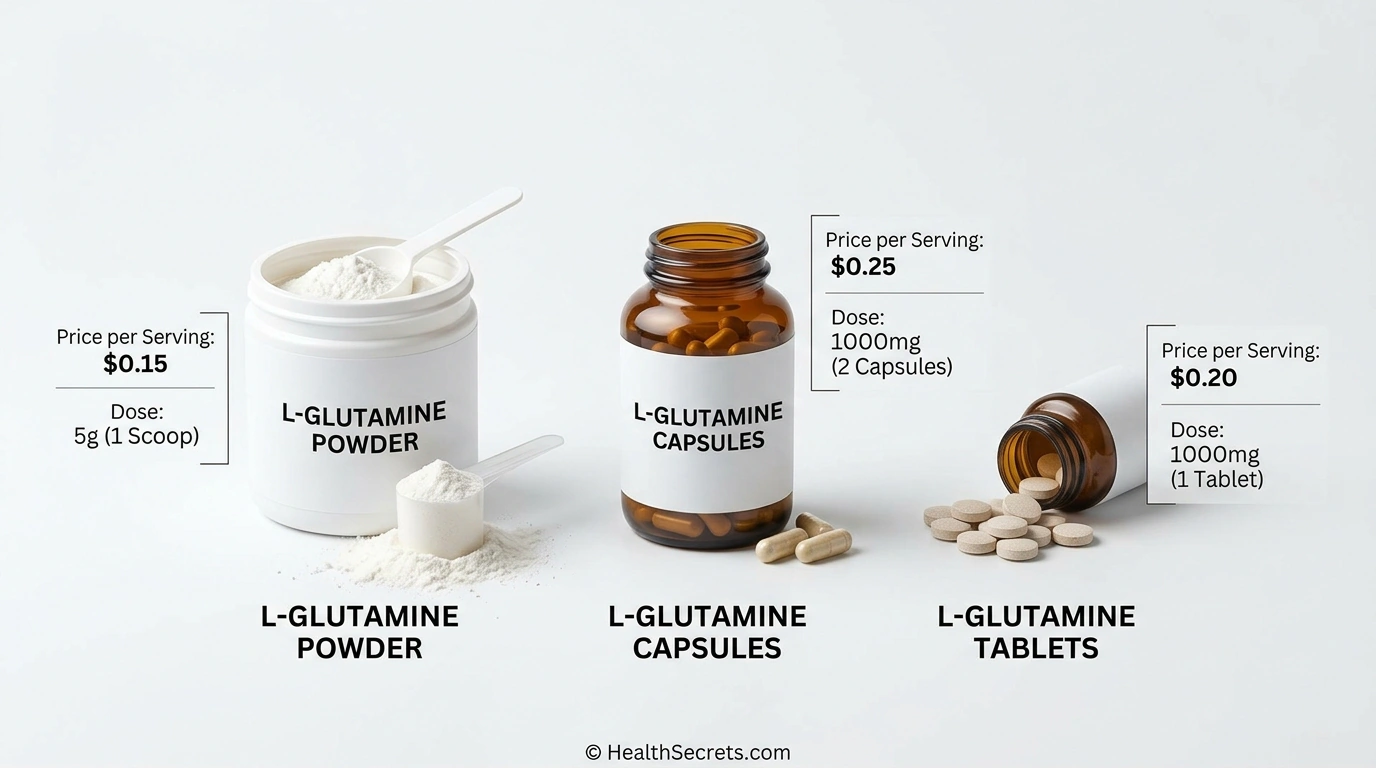
Two primary supplemental forms exist: free-form L-glutamine (pure, single amino acid) and peptide-bound glutamine (bonded to other amino acids within a protein matrix). Free-form is more common and extensively studied for gut health, while peptide-bound forms may offer slightly greater stability during digestion. Both are effective, but free-form remains the standard recommendation for therapeutic gut protocols.
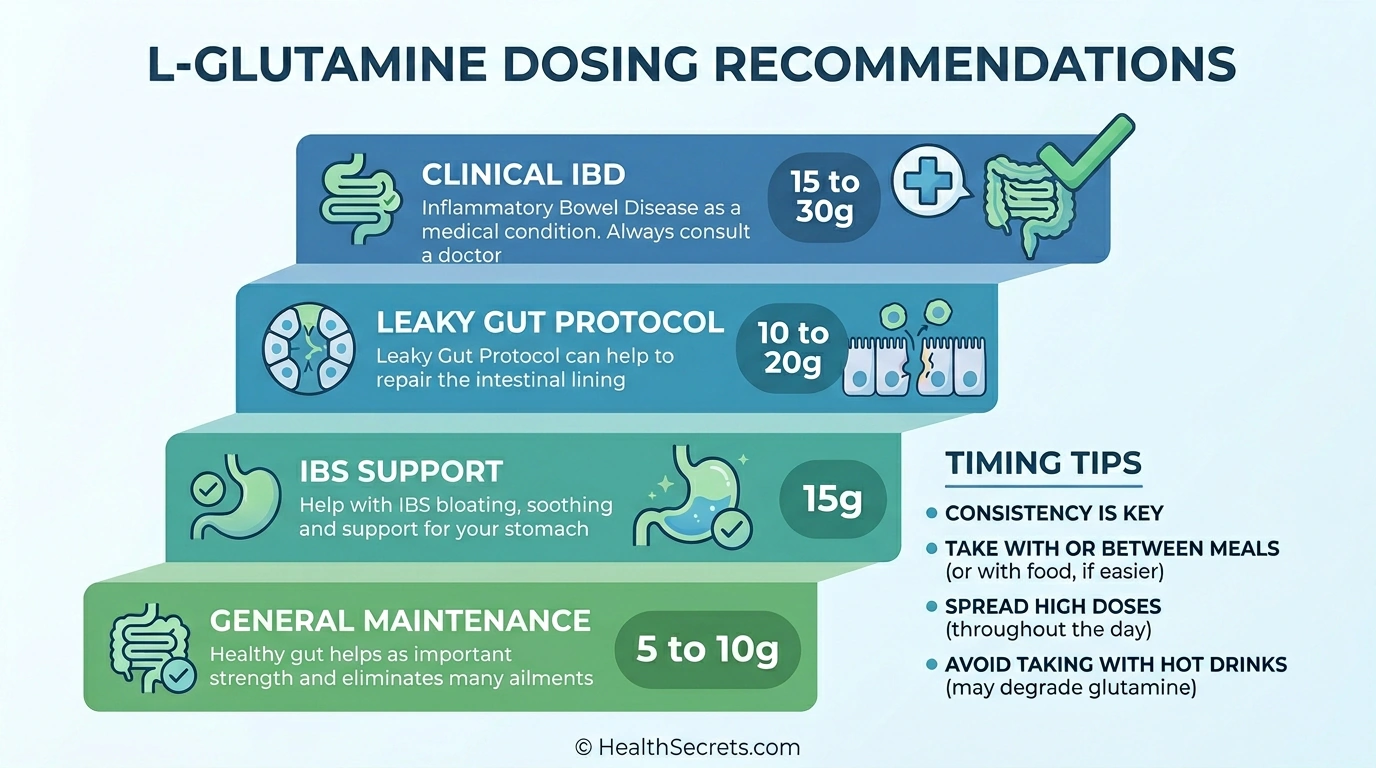
Heat degrades glutamine, so it should always be mixed with room temperature or cold liquids — never hot coffee or tea. Bioavailability is enhanced by dividing larger daily doses into 2–4 smaller servings throughout the day, which maintains more consistent plasma levels and provides a steadier supply to enterocytes.
How Much L-Glutamine Should You Take?
For general gut health maintenance, 5–10g per day divided into two doses is well-supported by clinical research. Therapeutic protocols for leaky gut or IBS typically use 10–20g daily for 8–12 weeks, while clinical studies have safely used doses up to 40g per day under medical supervision.
| Condition | Daily Dose | Duration | Timing |
|---|---|---|---|
| General Gut Maintenance | 5–10g | Ongoing | Twice daily |
| Leaky Gut / Permeability | 10–20g | 8–12 weeks | 3–4x daily |
| IBS (Post-Infectious) | 15g (5g x 3) | 6–8 weeks | Three times daily |
| Athletic Recovery | 10–20g | Ongoing | Post-workout + bedtime |
| IBD Support | 15–30g | Per clinician | 3–4x daily |
| Starting protocol: Begin with 5g daily for one week, increase to 10g (split into two doses) in week two, then adjust to your therapeutic target by week three. Always take with plenty of water. Consistency matters more than perfect timing — pick a routine you can maintain for the long haul. |
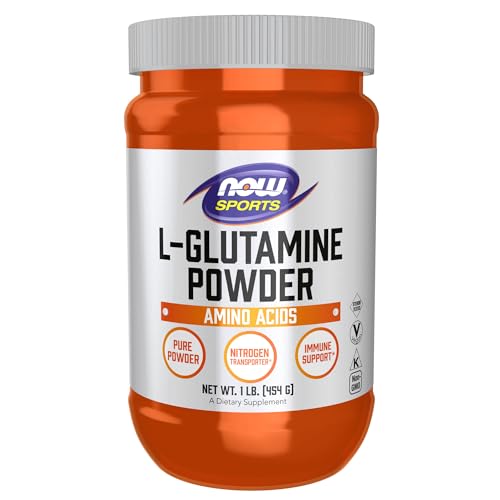
NOW Foods L-Glutamine Powder (1 lb)
Editor's ChoiceNOW Foods · Overall gut health supplementation at therapeutic doses

Thorne L-Glutamine Powder
Best PremiumThorne L-Glutamine · Those who want NSF-certified, practitioner-grade quality
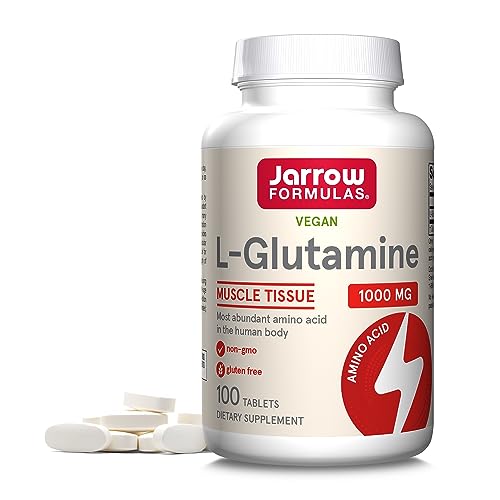
Jarrow Formulas L-Glutamine Tablets (1000mg)
Best TabletsJarrow Formulas · People who prefer tablets over powder and need moderate doses

Pure Encapsulations L-Glutamine 850mg Capsules
Best HypoallergenicPure Encapsulations · Individuals with multiple food sensitivities or allergies

BulkSupplements L-Glutamine Powder (500g)
Best ValueBulkSupplements L-Glutamine · Budget-conscious users needing high-dose supplementation
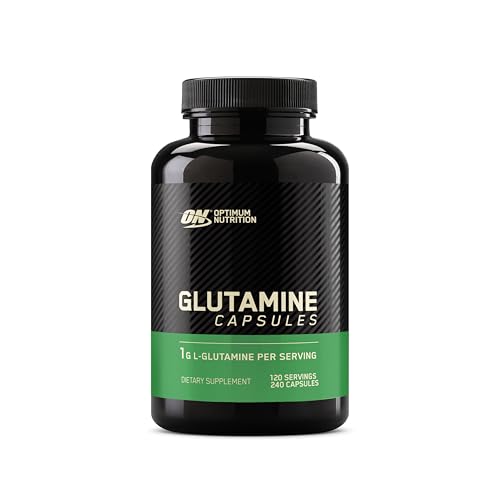
Optimum Nutrition L-Glutamine Capsules (240 count)
Best for AthletesOptimum Nutrition · Athletes wanting convenient capsule-form glutamine for recovery

Pure Encapsulations L-Glutamine Powder
Best Clean PowderPure Encapsulations · Sensitive individuals who need flexible powder dosing
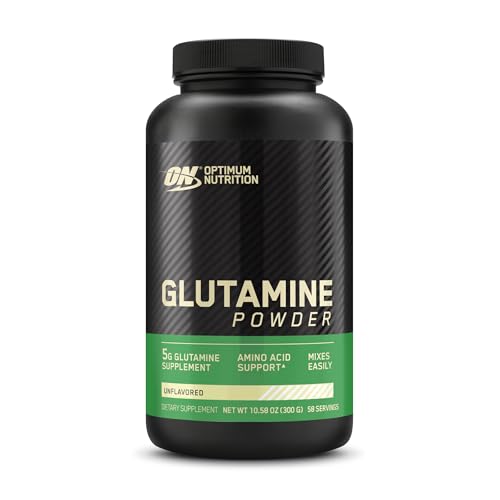
Optimum Nutrition L-Glutamine Powder (300g)
Best Budget PowderOptimum Nutrition · Cost-conscious athletes and general wellness users
Read the detailed review cards below before opening any retailer link
Top Recommended Products
NOW Foods
NOW Foods L-Glutamine Powder (1 lb)
NOW Foods has been a trusted supplement brand for decades, and this L-glutamine powder delivers pharmaceutical-grade purity at the best price per gram on the market — ideal for the higher doses gut health protocols require.
Pros
- + Exceptional value per serving
- + pure single-ingredient formula
- + flexible dosing for therapeutic protocols
- + widely available and well-reviewed
Cons
- - Requires measuring scoop
- - unflavored taste may not appeal to all users
Why we included it: NOW Foods has been a trusted supplement brand for decades, and this L-glutamine powder delivers pharmaceutical-grade purity at the best price per gram on the market — ideal for the higher doses gut health protocols require.
Retailer link opens on Amazon after the review details above
Thorne L-Glutamine
Thorne L-Glutamine Powder
Thorne is one of the most respected names in professional-grade supplements, and NSF Certified for Sport verification means every batch is independently tested for purity, potency, and banned substances.
Pros
- + NSF Certified for Sport (highest third-party testing standard)
- + trusted by healthcare practitioners
- + clean formula with no additives
Cons
- - Higher price point than comparable powders
Why we included it: Thorne is one of the most respected names in professional-grade supplements, and NSF Certified for Sport verification means every batch is independently tested for purity, potency, and banned substances.
Retailer link opens on Amazon after the review details above
Jarrow Formulas
Jarrow Formulas L-Glutamine Tablets (1000mg)
Jarrow Formulas uses microbiological fermentation to produce 100% pure L-glutamine, and the Easy-Solv tablet format makes it a solid choice for maintenance dosing or those who dislike powders.
Pros
- + Convenient tablet form
- + pharmaceutical-grade fermentation-derived glutamine
- + affordable entry point
Cons
- - Need multiple tablets for therapeutic doses (10+ tablets for 10g)
- - less cost-effective at higher doses
Why we included it: Jarrow Formulas uses microbiological fermentation to produce 100% pure L-glutamine, and the Easy-Solv tablet format makes it a solid choice for maintenance dosing or those who dislike powders.
Retailer link opens on Amazon after the review details above
Pure Encapsulations
Pure Encapsulations L-Glutamine 850mg Capsules
Pure Encapsulations is the go-to brand for people with sensitivities — their hypoallergenic formulation excludes wheat, soy, dairy, eggs, tree nuts, peanuts, artificial additives, and magnesium stearate.
Pros
- + Free from all major allergens
- + trusted by functional medicine practitioners
- + no unnecessary fillers or additives
Cons
- - Low dose per capsule requires many capsules for therapeutic dosing
- - premium pricing
Why we included it: Pure Encapsulations is the go-to brand for people with sensitivities — their hypoallergenic formulation excludes wheat, soy, dairy, eggs, tree nuts, peanuts, artificial additives, and magnesium stearate.
Retailer link opens on Amazon after the review details above
BulkSupplements L-Glutamine
BulkSupplements L-Glutamine Powder (500g)
For those committed to long-term therapeutic dosing, BulkSupplements offers the most cost-effective option without sacrificing purity — ideal for 3–6 month gut healing protocols.
Pros
- + Lowest cost per gram
- + clean single-ingredient formula
- + resealable packaging
- + lab-verified for purity
Cons
- - No measuring scoop included
- - basic packaging without detailed usage instructions
Why we included it: For those committed to long-term therapeutic dosing, BulkSupplements offers the most cost-effective option without sacrificing purity — ideal for 3–6 month gut healing protocols.
Retailer link opens on Amazon after the review details above
Optimum Nutrition
Optimum Nutrition L-Glutamine Capsules (240 count)
Optimum Nutrition is a household name in sports nutrition, and these capsules are ideal for athletes who want the gut-protective and recovery benefits of glutamine in a grab-and-go format.
Pros
- + Trusted sports nutrition brand
- + convenient for gym bags and travel
- + 120-serving supply
Cons
- - Low per-capsule dose makes high-dose protocols impractical
- - more expensive per gram than powder
Why we included it: Optimum Nutrition is a household name in sports nutrition, and these capsules are ideal for athletes who want the gut-protective and recovery benefits of glutamine in a grab-and-go format.
Retailer link opens on Amazon after the review details above
Pure Encapsulations
Pure Encapsulations L-Glutamine Powder
This powder combines Pure Encapsulations' allergen-free standards with the dosing flexibility that gut-healing protocols demand — particularly valuable for people working with functional medicine practitioners.
Pros
- + Hypoallergenic formula free from all major allergens
- + flexible dosing
- + high purity standards
Cons
- - Smaller serving size requires multiple scoops for therapeutic doses
- - higher cost per gram
Why we included it: This powder combines Pure Encapsulations' allergen-free standards with the dosing flexibility that gut-healing protocols demand — particularly valuable for people working with functional medicine practitioners.
Retailer link opens on Amazon after the review details above
Optimum Nutrition
Optimum Nutrition L-Glutamine Powder (300g)
ON delivers reliable quality at a competitive price point, and the micronized formula mixes more smoothly than many competitors — a solid entry-level option for those new to L-glutamine supplementation.
Pros
- + Affordable from a trusted brand
- + micronized for better mixing
- + unflavored and versatile
Cons
- - Fewer third-party certifications than premium options
- - smaller container size
Why we included it: ON delivers reliable quality at a competitive price point, and the micronized formula mixes more smoothly than many competitors — a solid entry-level option for those new to L-glutamine supplementation.
Retailer link opens on Amazon after the review details above
Can You Get Enough L-Glutamine from Food?
A typical diet provides 3–6g of L-glutamine per day from foods like bone broth, beef, chicken, fish, eggs, dairy, cabbage, and legumes. This is generally sufficient for healthy individuals, but therapeutic doses of 10–40g per day for active gut healing are nearly impossible to achieve through food alone.
Top animal sources: Bone broth (especially slow-cooked 24+ hours), beef, chicken, pork, fish, eggs, and dairy products provide the highest glutamine concentrations.
Top plant sources: Cabbage (particularly fermented as sauerkraut), asparagus, broccoli, spinach, beans, and beets offer moderate amounts.
One important caveat: cooking reduces glutamine content because the amino acid is heat-sensitive. Raw or minimally cooked food sources retain more glutamine than heavily processed or high-heat preparations. For most people with active gut issues, a food-first approach combined with targeted supplementation offers the best of both worlds. Check out our guide on gut-healing foods for more dietary strategies, and explore prebiotic foods that work synergistically with glutamine to support your microbiome.

Is L-Glutamine Safe?
L-glutamine is one of the most extensively studied amino acid supplements, with clinical trials confirming safety at doses up to 40g per day in adults. Most people experience no side effects, and the supplement has a long track record of use in clinical and hospital settings for critically ill patients.

Possible mild side effects (uncommon): mild digestive upset, nausea at very high doses, occasional headache. These typically resolve by reducing the dose or taking it with food.
Contraindications — use caution or avoid if you have:
- Liver disease (cirrhosis): May worsen hepatic encephalopathy due to ammonia metabolism concerns
- Kidney disease: Consult your doctor regarding protein metabolism and nitrogen handling
- Seizure disorders: Theoretical concern based on glutamine-glutamate conversion; limited evidence but caution advised
- Active cancer: Some tumor types may utilize glutamine for growth; always consult your oncologist
- Pregnancy/breastfeeding: Insufficient research to confirm safety; consult your healthcare provider
Drug interactions are minimal, but people taking anticonvulsants or undergoing chemotherapy should consult their medical team before supplementing. According to a 2013 review in JPEN, long-term high-dose glutamine supplementation may warrant monitoring, while standard doses appear to have no serious toxicity in healthy adults.
What Can L-Glutamine Actually Do for You?
L-glutamine can meaningfully support gut barrier repair, reduce IBS symptoms, and help maintain intestinal integrity during periods of stress — but it is not a standalone cure for chronic digestive diseases. Setting realistic expectations and committing to consistent use are essential for seeing meaningful results.
What you can realistically expect:
- Weeks 1–2: Some people notice reduced bloating or improved stool consistency
- Weeks 2–4: Noticeable symptom improvement for many users
- Weeks 8–12: Significant gut lining repair and measurable reduction in intestinal permeability
- 3–6 months: Full protocol completion for leaky gut
What L-glutamine won't do: It won't cure IBD, replace medical treatment for serious conditions, or produce overnight results. Individual responses vary based on the severity of gut damage, overall diet quality, stress levels, and whether you address root causes alongside supplementation.
The strongest clinical evidence supports L-glutamine for post-infectious IBS with intestinal hyperpermeability, where a randomized controlled trial showed a 14-fold improvement in primary endpoint scores compared to placebo. Results for other conditions are promising but less definitive. Combining L-glutamine with zinc carnosine, collagen peptides, probiotics, and vitamin D creates a synergistic gut-healing approach that addresses multiple repair pathways simultaneously.
Action Plan
What Should You Do First to Start L-Glutamine for Gut Health?
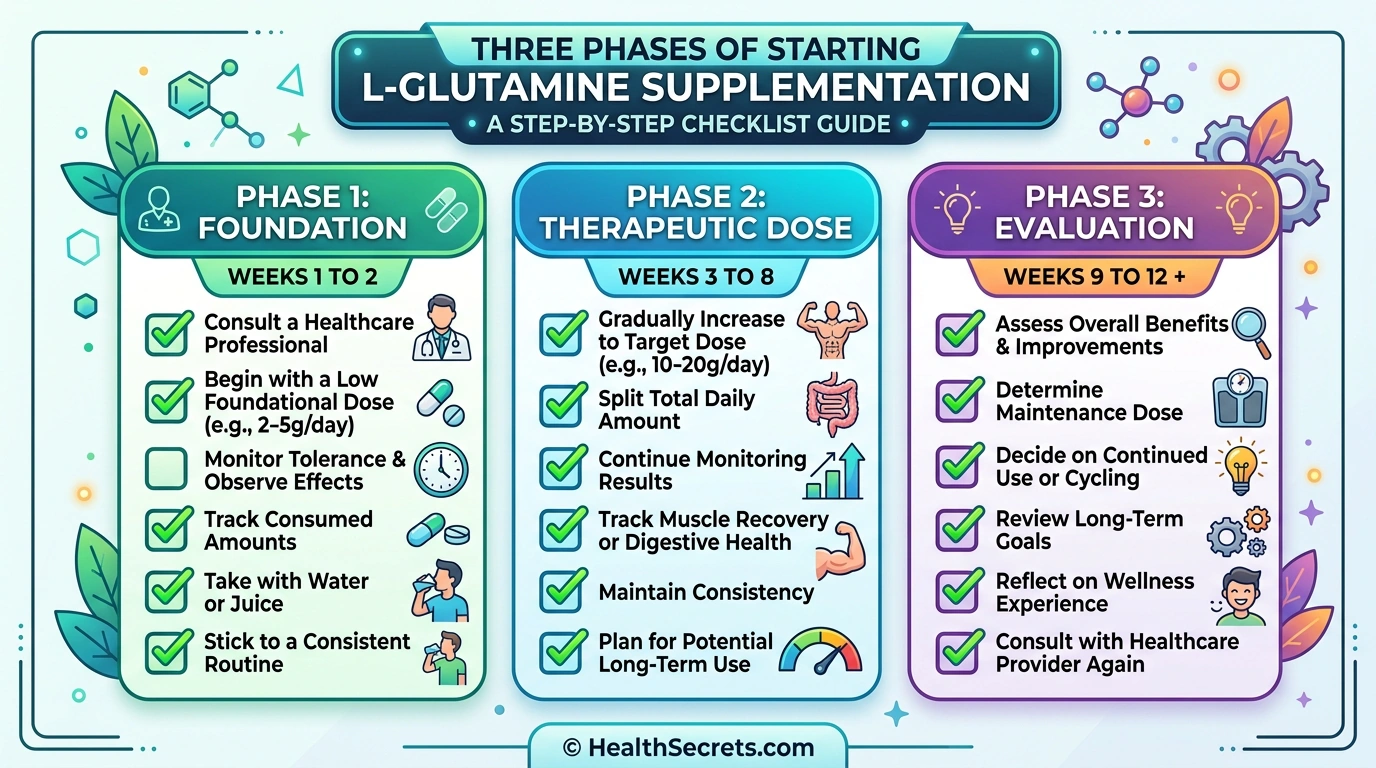
Follow the sequence below, work through each phase in order, and use the checklist as your practical implementation guide.
Start with a two-week ramp-up protocol, choose a quality powder form for cost-effectiveness, and commit to at least 8–12 weeks of consistent daily use before evaluating results. Combine with dietary improvements and complementary supplements for the best outcomes.
Phase 1 — Foundation (Weeks 1–2):
- Choose a quality L-glutamine powder (see product recommendations below)
- Start with 5g once daily mixed in room temperature water
- Take on an empty stomach, 30 minutes before a meal
- Track symptoms in a journal (bloating, stool quality, energy)
Phase 2 — Therapeutic Dose (Weeks 3–8):
- Increase to 10g daily (5g twice daily)
- Add complementary supplements: zinc carnosine, probiotics
- Focus on gut-healing foods in your diet
- Continue symptom tracking weekly
Phase 3 — Evaluation and Maintenance (Weeks 9–12+):
- Assess symptom improvement against baseline
- If significant improvement, maintain dose for 3–6 months total
- Gradually reduce to maintenance dose (5g daily) after full protocol
- Consult a healthcare provider if symptoms haven't improved