Skip to content
← All Tools

Body Fat Calculator

Estimate your body fat percentage using the US Navy circumference method — no calipers required. Just a tape measure.

Measure at navel level

Measure below the larynx

Understanding Body Fat Percentage

Body fat percentage is a more meaningful health metric than body weight or BMI because it distinguishes between fat mass and lean mass (muscle, bone, organs, water). Two people at the same weight can have vastly different body compositions — one may be lean and muscular while another carries excess visceral fat. Essential fat (needed for organ function) is 2-5% for men and 10-13% for women; athletic ranges are 6-13% and 14-20% respectively.

Key Facts

  • BMI misclassifies up to 30% of people — muscular individuals register as "overweight"
  • Visceral fat (around organs) is far more dangerous than subcutaneous fat (under skin)
  • Women naturally carry 6-11% more body fat than men due to reproductive hormones
  • Body fat below essential levels (men <5%, women <12%) impairs hormone production
  • Losing 1% body fat equals roughly 1-2 pounds of pure fat loss depending on body size
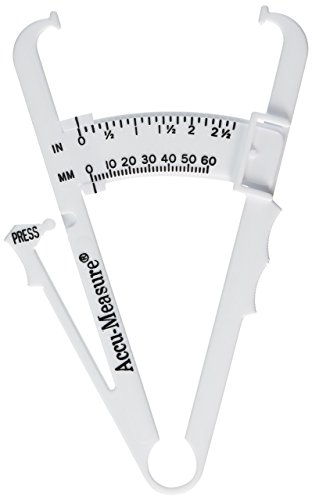
  • DEXA scans are the gold standard for body composition but skinfold calipers are 95% as accurate when used correctly

Why Body Fat Distribution Matters More Than Total Percentage

Research distinguishes between metabolically healthy and unhealthy obesity based on fat distribution. Visceral adipose tissue (VAT) around the liver and intestines produces inflammatory cytokines (IL-6, TNF-alpha) and is strongly correlated with insulin resistance, cardiovascular disease, and type 2 diabetes. Subcutaneous fat — especially in the gluteal-femoral region — is metabolically neutral or even protective. Waist-to-hip ratio and waist circumference are therefore better predictors of metabolic risk than body fat percentage alone. A waist circumference above 40 inches (men) or 35 inches (women) indicates elevated visceral fat regardless of total body fat.
Frequently Asked Questions

What is a healthy body fat percentage? +

For health (not aesthetics): men 10-20%, women 18-28%. Athletic ranges: men 6-13%, women 14-20%. Below essential fat levels (men <5%, women <12%) causes hormonal dysfunction, bone loss, and immune suppression.

How accurate are body fat scales? +

Bioelectrical impedance scales (BIA) have a margin of error of ±3-5% and are heavily influenced by hydration status. They are useful for tracking trends over time (same conditions, same time of day) but not for accurate absolute measurement. DEXA and underwater weighing are within ±1-2%.

Can you lose fat and gain muscle at the same time? +

Yes, called "body recomposition." It works best for beginners, those returning from a break, and people with higher body fat (>20% men, >28% women). The keys are adequate protein (1g/lb), progressive resistance training, and a mild deficit or maintenance calories.

Why is my weight the same but I look different? +

Muscle is denser than fat — it takes up less space per pound. If you are gaining muscle while losing fat at the same rate, the scale stays flat but your measurements, how clothes fit, and visual appearance all improve. This is why tracking body fat and measurements matters more than weight alone.

Recommended Reading

Deepen your understanding with these evidence-based guides:

Supplements Guide: Complete Evidence-Based Reference

Supplements Guide: Complete Evidence-Based Reference

With thousands of dietary supplements on the market, choosing the right ones can feel overwhelming. This evidence-based supplements guide breaks down the science behind vitamins, minerals, and popular supplements — helping you make informed decisions about what actually works, what to avoid, and how to build a safe, effective supplement routine.

Read article →

Zinc Complete Guide: Immune and Hormone Support

Zinc Complete Guide: Immune and Hormone Support

Zinc is an essential trace mineral involved in over 300 enzymatic reactions, critical for immune defense, wound healing, hormone production, and cognitive function. This evidence-based guide covers the best zinc forms, optimal dosing protocols, the critical zinc-copper balance, and how to choose the right supplement for your needs.

Read article →

Magnesium Complete Guide: The Relaxation Mineral

Magnesium Complete Guide: The Relaxation Mineral

Magnesium is the fourth most abundant mineral in the human body and a critical cofactor in over 300 enzymatic reactions — yet up to 50–70% of people don't get enough from diet alone. This complete guide covers magnesium's essential functions, the key differences between supplement forms (glycinate, threonate, citrate, and more), evidence-based dosing, food sources, and how to choose the right type for your health goals.

Read article →

Calcium and Bone Health: Complete Supplement Guide

Calcium and Bone Health: Complete Supplement Guide

Calcium is the most abundant mineral in your body and the primary building block for strong bones and teeth. But supplementing calcium alone is not enough — optimal bone health requires a synergistic approach combining calcium with vitamin D, K2, magnesium, and weight-bearing exercise to truly protect against osteoporosis.

Read article →

Vitamin C Complete Guide: Immune and Antioxidant Support

Vitamin C Complete Guide: Immune and Antioxidant Support

Vitamin C is an essential water-soluble vitamin that supports immune defense, collagen synthesis, and antioxidant protection throughout your body. Because humans cannot produce it internally, daily intake through diet or supplementation is critical for optimal health — and choosing the right form and dose can make a significant difference in how much your body actually absorbs.

Read article →

Milk Thistle for Liver Health: Silymarin Guide

Milk Thistle for Liver Health: Silymarin Guide

Milk thistle (silymarin) is one of the most evidence-backed herbal supplements for liver health. This comprehensive guide covers how silymarin protects liver cells, clinical evidence for fatty liver and hepatitis, dosing by condition, bioavailability solutions, and how to choose a quality supplement.

Read article →

Get Evidence-Based Health Tips

Join 5,000+ readers. One weekly email with actionable health insights — no spam.

Body Composition Tools

Measure and track your body composition progress with these popular products.

As an Amazon Associate, Health Secrets earns from qualifying purchases. Prices and availability are subject to change.