You probably walk past dandelions every day without a second thought. That bright yellow "weed" poking through sidewalk cracks might be one of the most underappreciated medicinal plants in the world. For thousands of years, traditional healers across Europe, Asia, and the Americas have turned to dandelion — both the root and the leaf — to help the body cleanse, detoxify, and restore itself.
Today, researchers are catching up with what herbalists have long observed. Studies published in journals like Molecules, Food and Chemical Toxicology, and The Journal of Alternative and Complementary Medicine show that dandelion contains a remarkable array of bioactive compounds that protect the liver, support kidney filtration, and promote healthy digestion. Whether you prefer a soothing cup of dandelion root tea, a standardized capsule, or a liquid extract, this humble plant offers gentle yet effective detox support.
If you are new to detox support, start with our Complete Guide to Detox and Cleansing for a full overview. For liver-specific support, see our guides on Milk Thistle for Liver Health and NAC for Detox and Liver Support. And for kidney-focused strategies, explore our Kidney Detox Support guide.
What Is Dandelion and Why Is It Used for Detox Support?
Dandelion (Taraxacum officinale) is a perennial flowering plant in the Asteraceae family that has been used for centuries in traditional Chinese, Ayurvedic, and European herbal medicine for liver, kidney, and digestive support. Every part of the plant — root, leaf, and flower — contains bioactive compounds, though the root and leaf are most commonly used in supplement form.
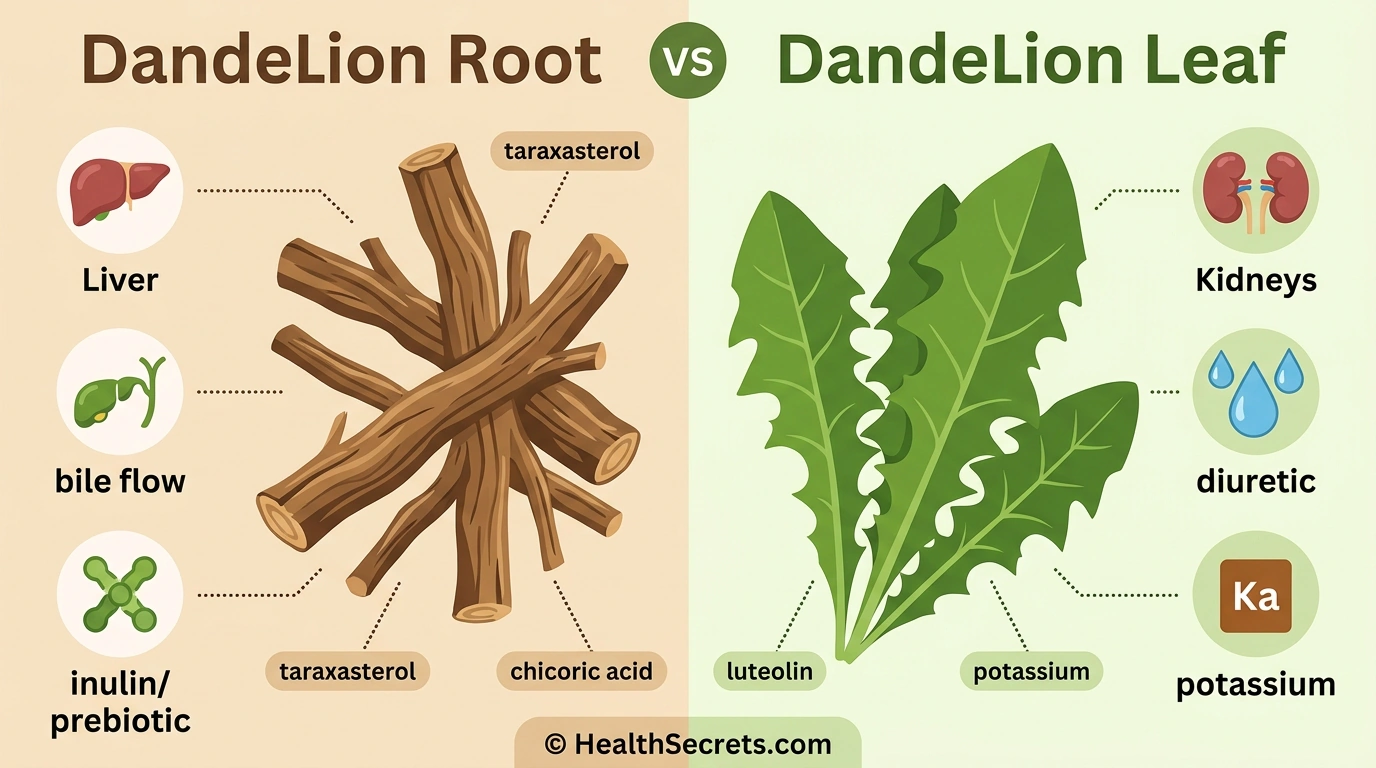
The root and leaf serve different but complementary functions.
Dandelion root is rich in taraxasterol, taraxacin (bitter sesquiterpene lactones), inulin (a prebiotic fiber comprising 2–40% of dry weight depending on harvest season), and phenolic compounds like chicoric acid and chlorogenic acid. These compounds primarily target the liver by stimulating bile production, protecting hepatocytes from oxidative damage, and supporting Phase I and Phase II detoxification enzymes.
Dandelion leaf is loaded with flavonoids like luteolin and apigenin, potassium, and additional chicoric acid. The leaf acts primarily on the kidneys, functioning as a natural aquaretic (water-excreting) agent that increases urine output without depleting potassium — a significant advantage over pharmaceutical diuretics.
How Does Dandelion Differ from Other Liver Herbs Like Milk Thistle?
While milk thistle works primarily through silymarin's direct antioxidant protection of liver cell membranes, dandelion takes a broader approach. It stimulates bile flow (choleretic effect), provides prebiotic support through inulin, and simultaneously supports kidney filtration. Think of milk thistle as a liver bodyguard and dandelion as a whole-body cleansing assistant that gently encourages multiple elimination pathways.
Traditionally, dandelion was called "pissenlits" in French (literally "wet the bed") due to its well-known diuretic effects, while its common English name derives from the French "dent de lion" (lion's tooth) describing the jagged leaf shape.
How Does Dandelion Support Liver and Kidney Detoxification?
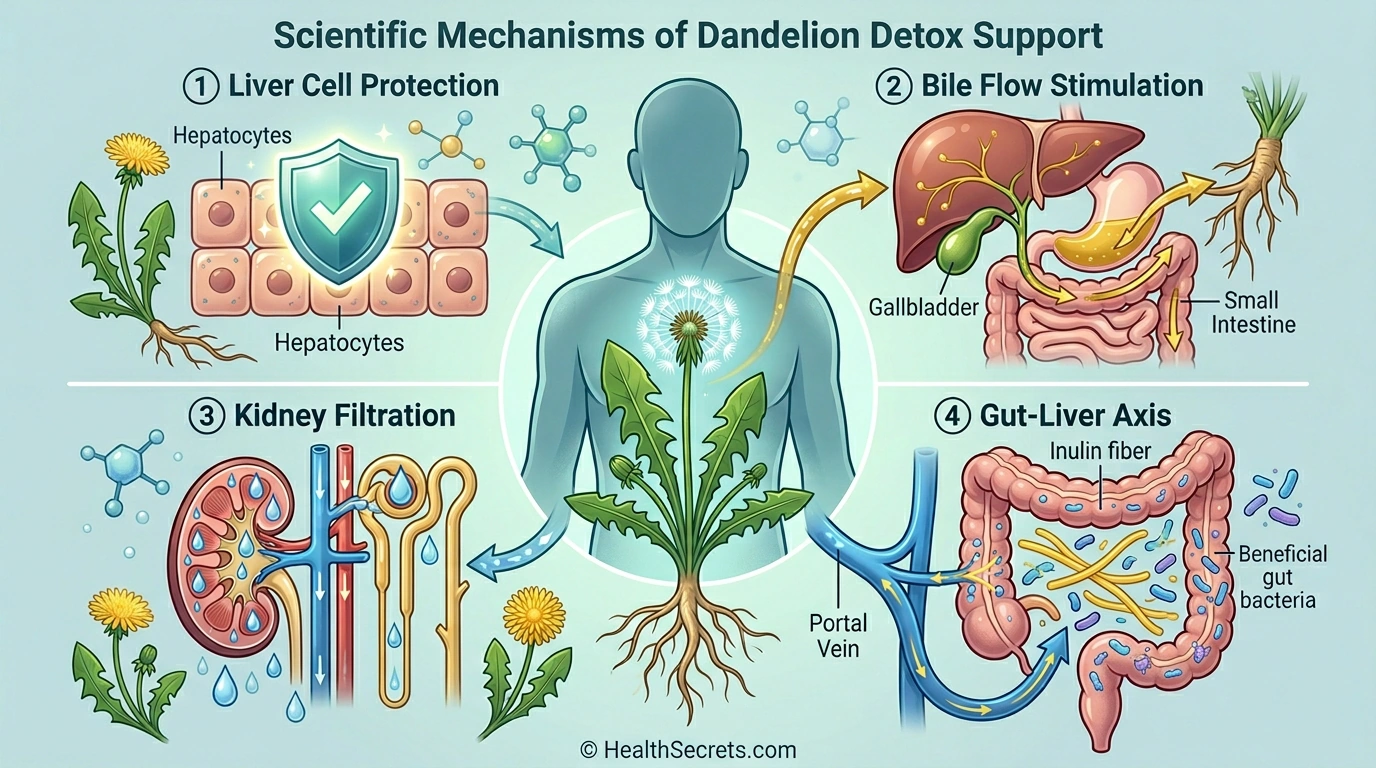
Dandelion supports detoxification through multiple complementary mechanisms targeting the liver, kidneys, and digestive system. A 2026 review published in Molecules confirmed that dandelion root extract demonstrates hepatoprotective effects through antioxidant, anti-inflammatory, and anti-fibrotic pathways, making it one of the most well-studied botanical liver protectants.
How Does Dandelion Protect and Regenerate Liver Cells?
Dandelion root extract protects liver cells (hepatocytes) from damage caused by toxins, alcohol, and oxidative stress. Taraxasterol, the primary triterpene in dandelion, inhibits the NF-κB inflammatory pathway and reduces levels of pro-inflammatory cytokines including TNF-α and IL-6. Research in Food and Chemical Toxicology demonstrated that dandelion root extract significantly reduced liver damage markers (ALT and AST) in models of acetaminophen-induced liver injury. Additionally, chicoric acid activates the Nrf2 antioxidant pathway, boosting production of glutathione and other protective enzymes.
How Does Dandelion Stimulate Bile Flow and Fat Digestion?
The bitter compounds in dandelion root — particularly taraxacin and other sesquiterpene lactones — stimulate bile production and release from the gallbladder (choleretic and cholagogue effects). Increased bile flow is essential for Phase III detoxification, where conjugated toxins are excreted through the digestive tract. This also improves fat digestion and absorption of fat-soluble vitamins (A, D, E, K). The bitter taste itself triggers the vagus nerve, promoting healthy digestive secretions throughout the gastrointestinal tract.
How Does Dandelion Leaf Support Kidney Filtration?
A pilot study published in The Journal of Alternative and Complementary Medicine found that dandelion leaf extract significantly increased urinary frequency and volume in human subjects within just 5 hours of ingestion. Unlike loop diuretics and thiazides, dandelion leaf is naturally high in potassium (approximately 4.5% of dry weight), which helps offset urinary potassium losses. Recent research also suggests dandelion leaf may support uric acid metabolism, potentially benefiting individuals with hyperuricemia.
How Does Dandelion Root's Prebiotic Fiber Support the Gut-Liver Axis?
Dandelion root contains 2–40% inulin by dry weight (highest in autumn-harvested roots), making it a significant source of prebiotic fiber. Inulin feeds beneficial Bifidobacterium and Lactobacillus species in the colon, producing short-chain fatty acids (SCFAs) that strengthen gut barrier integrity. A healthy gut barrier is critical for preventing endotoxins from reaching the liver through the portal vein — a process known as the gut-liver axis. For more on prebiotic support, see our Probiotics and Prebiotics Supplement Guide.
How Well Does Your Body Absorb Dandelion's Active Compounds?
Dandelion's bioavailability varies significantly depending on the form consumed and the specific active compound. Liquid extracts and teas generally offer faster absorption of water-soluble compounds like chicoric acid and flavonoids, while capsules provide more standardized dosing of fat-soluble triterpenes like taraxasterol.
Which Dandelion Form Offers the Best Absorption?
Liquid tinctures and standardized extracts typically provide the fastest absorption because the active compounds are already dissolved. Chicoric acid and other phenolic compounds are water-soluble and absorb readily from tea preparations. However, taraxasterol and other triterpenes are fat-soluble, meaning they absorb better when taken with a meal containing dietary fat. Dried root capsules provide consistent dosing but may have slower dissolution compared to liquid forms.
What Enhances or Reduces Dandelion Absorption?
Enhancers:
- Taking with food (especially containing healthy fats) improves fat-soluble compound absorption
- Black pepper or piperine may enhance bioavailability of phenolic compounds
- Warm water (tea form) improves extraction of water-soluble actives
Reducers:
- High-fiber meals may slow absorption of some compounds
- Concurrent use of antacids may reduce extraction of bitter compounds
- Heavy processing or excessive heat can degrade sensitive phenolic compounds
For optimal benefits, consider using both root (liver support) and leaf (kidney support) forms, either as a combined supplement or alternating between dandelion root tea and leaf tea throughout the day.
How Much Dandelion Should You Take for Detox Support?
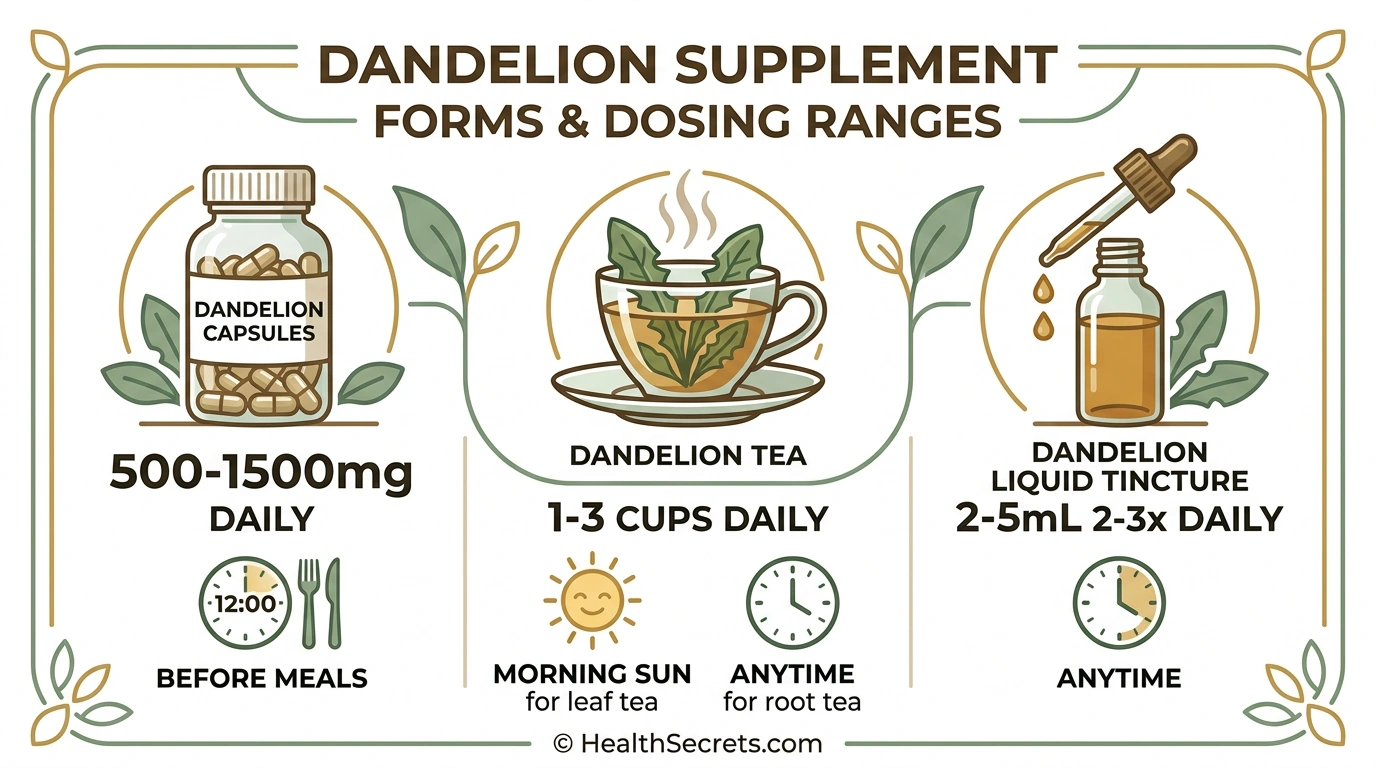
Dandelion dosing depends on the form and your health goals. For general liver and kidney support, most clinical studies and traditional herbalists recommend moderate daily doses taken consistently over several weeks. Start at the lower end and increase gradually to assess tolerance.
| Protocol | Dried Root Capsule | Tea (Root or Leaf) | Liquid Tincture |
|---|---|---|---|
| Maintenance | 500 mg, 1–2x daily | 1 cup daily | 1–2 mL, 2x daily |
| Therapeutic | 500–1,500 mg, 2–3x daily | 2–3 cups daily | 2–4 mL, 3x daily |
| Short-Term Intensive | 1,500 mg, 3x daily (max 2 weeks) | 3–4 cups daily | 4–5 mL, 3x daily |
| Timing tips: |
- Root capsules/tincture: Take 15–30 minutes before meals to stimulate bile flow and digestive secretions
- Leaf tea: Drink earlier in the day to avoid nighttime urination
- Root tea: Can be taken anytime; roasted dandelion root tea makes an excellent caffeine-free coffee alternative
Important: These are general guidelines based on traditional use and limited clinical data. Individual needs vary. Consult your healthcare provider for personalized dosing, especially if taking medications.
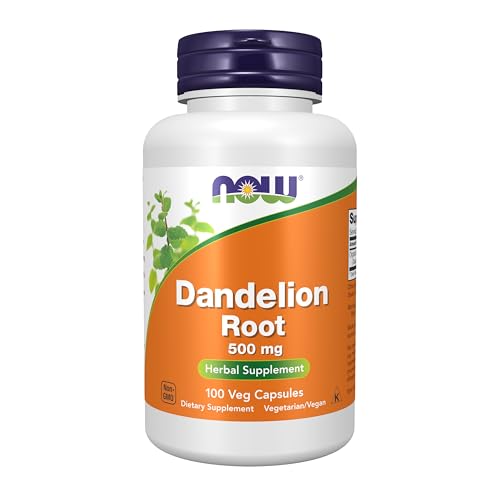
NOW Foods Dandelion Root 500mg
Budget PickNOW Foods · Affordable daily dandelion root supplementation for general liver and digestive support
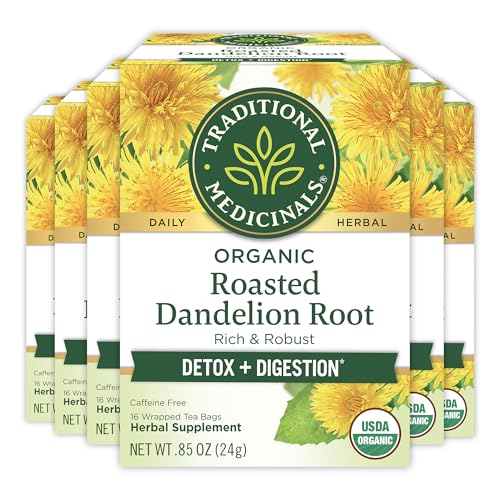
Traditional Medicinals Organic Roasted Dandelion Root Tea
Best TeaTraditional Medicinals · Tea drinkers seeking a delicious caffeine-free coffee alternative with liver support benefits
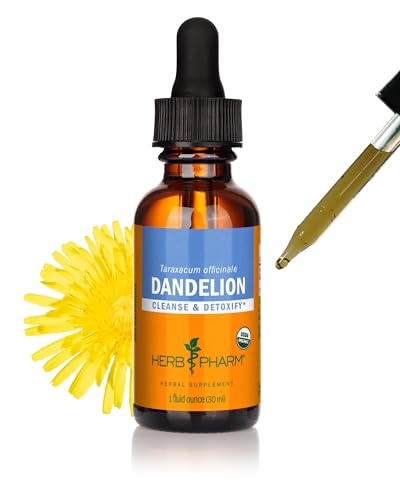
Herb Pharm Certified Organic Dandelion Liquid Extract
Best Liquid ExtractHerb Pharm · Those who prefer fast-absorbing liquid supplements and want maximum bioavailability
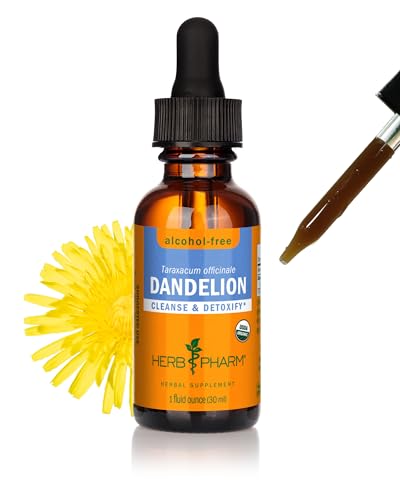
Herb Pharm Dandelion Alcohol-Free Liquid Extract
Best Alcohol-FreeHerb Pharm · Individuals who want liquid extract benefits without alcohol, including those in recovery or with alcohol sensitivity

Gaia Herbs Liver Cleanse
Best Liver ComboGaia Herbs · Those seeking a comprehensive multi-herb liver support formula with dandelion as a key ingredient
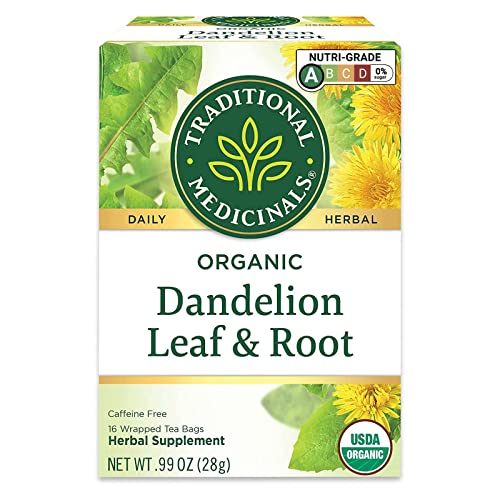
Traditional Medicinals Organic Dandelion Leaf & Root Tea
Best Dual SupportTraditional Medicinals · Those wanting both liver and kidney support from a single tea combining dandelion root and leaf
Solaray Dandelion Root 520mg
Trusted BrandSolaray Dandelion · Experienced supplement users who prefer a well-established brand with organically grown dandelion root
Nature's Answer Dandelion Root Extract
Best StandardizedNature's Answer · Those who want a standardized, alcohol-free liquid extract with precise dosing control
Read the detailed review cards below before opening any retailer link
Top Recommended Products
NOW Foods
NOW Foods Dandelion Root 500mg
NOW Foods delivers a straightforward, affordable dandelion root supplement that provides a clinically relevant 500 mg dose in an easy-to-swallow veg capsule. The whole root powder preserves the full spectrum of dandelion's active compounds including taraxasterol, inulin, and bitter sesquiterpenes, making it an ideal choice for daily maintenance support.
Pros
- + Excellent price-per-serving
- + trusted NOW Foods quality
- + simple single-ingredient formula
- + vegan-friendly capsules
- + widely available
Cons
- - Not standardized for specific active compound levels
Why we included it: NOW Foods delivers a straightforward, affordable dandelion root supplement that provides a clinically relevant 500 mg dose in an easy-to-swallow veg capsule. The whole root powder preserves the full spectrum of dandelion's active compounds including taraxasterol, inulin, and bitter sesquiterpenes, making it an ideal choice for daily maintenance support.
Retailer link opens on Amazon after the review details above
Traditional Medicinals
Traditional Medicinals Organic Roasted Dandelion Root Tea
Traditional Medicinals is the gold standard in herbal teas, using pharmacopoeial-grade herbs with rigorous quality testing. The roasting process gives this tea a rich, nutty flavor that makes it an enjoyable daily ritual — many people use it as a caffeine-free coffee replacement while getting gentle liver and digestive support.
Pros
- + Rich coffee-like flavor
- + pharmacopoeial-grade herbs
- + organic and fair trade certified
- + pleasant taste without bitterness
- + no caffeine
Cons
- - Lower concentration than capsules or tinctures
Why we included it: Traditional Medicinals is the gold standard in herbal teas, using pharmacopoeial-grade herbs with rigorous quality testing. The roasting process gives this tea a rich, nutty flavor that makes it an enjoyable daily ritual — many people use it as a caffeine-free coffee replacement while getting gentle liver and digestive support.
Retailer link opens on Amazon after the review details above
Herb Pharm
Herb Pharm Certified Organic Dandelion Liquid Extract
Herb Pharm's liquid extract delivers dandelion's active compounds in their most bioavailable form. The dual root-and-leaf extraction means you get both liver-supportive and kidney-supportive compounds in a single product. Herb Pharm grows their dandelion on their own certified organic farm in southern Oregon, ensuring exceptional quality control from seed to bottle.
Pros
- + Rapid absorption
- + certified organic
- + uses both root and leaf
- + easy to add to water or juice
- + precise dropper dosing
Cons
- - Contains alcohol
- - slight bitter taste
Why we included it: Herb Pharm's liquid extract delivers dandelion's active compounds in their most bioavailable form. The dual root-and-leaf extraction means you get both liver-supportive and kidney-supportive compounds in a single product. Herb Pharm grows their dandelion on their own certified organic farm in southern Oregon, ensuring exceptional quality control from seed to bottle.
Retailer link opens on Amazon after the review details above
Herb Pharm
Herb Pharm Dandelion Alcohol-Free Liquid Extract
This alcohol-free version delivers the same farm-grown organic dandelion as Herb Pharm's standard tincture, but uses vegetable glycerin as the extraction medium instead of alcohol. The resulting glycerite has a mildly sweet taste that is much easier to take directly or mix into beverages. An excellent option for anyone who avoids alcohol for health, religious, or personal reasons.
Pros
- + No alcohol
- + pleasant slightly sweet taste
- + certified organic
- + suitable for children (with practitioner guidance)
- + easy to take directly
Cons
- - Slightly lower extraction efficiency than alcohol-based tinctures
Why we included it: This alcohol-free version delivers the same farm-grown organic dandelion as Herb Pharm's standard tincture, but uses vegetable glycerin as the extraction medium instead of alcohol. The resulting glycerite has a mildly sweet taste that is much easier to take directly or mix into beverages. An excellent option for anyone who avoids alcohol for health, religious, or personal reasons.
Retailer link opens on Amazon after the review details above
Gaia Herbs
Gaia Herbs Liver Cleanse
Gaia Herbs Liver Cleanse combines dandelion root with complementary hepatoprotective herbs including milk thistle, turmeric, burdock root, and artichoke leaf in their proprietary Liquid Phyto-Cap format. This is the ideal choice for anyone who wants an all-in-one liver support formula rather than taking multiple individual supplements. Every batch is traceable through Gaia's MeetYourHerbs platform.
Pros
- + Synergistic multi-herb formula
- + includes milk thistle and turmeric
- + Gaia's Liquid Phyto-Cap technology
- + full traceability via [MeetYourHerbs.com](http://meetyourherbs.com/)
- + comprehensive liver support
Cons
- - Higher price point
- - not dandelion-only (contains multiple herbs)
Why we included it: Gaia Herbs Liver Cleanse combines dandelion root with complementary hepatoprotective herbs including milk thistle, turmeric, burdock root, and artichoke leaf in their proprietary Liquid Phyto-Cap format. This is the ideal choice for anyone who wants an all-in-one liver support formula rather than taking multiple individual supplements. Every batch is traceable through Gaia's MeetYourHerbs platform.
Retailer link opens on Amazon after the review details above
Traditional Medicinals
Traditional Medicinals Organic Dandelion Leaf & Root Tea
This blend uniquely combines both dandelion leaf and dandelion root, giving you liver-supportive and kidney-supportive compounds in a single cup of tea. If you want the simplicity of one product that addresses both detox pathways, this is your best bet in tea form. Traditional Medicinals' rigorous sourcing and testing standards ensure consistent quality.
Pros
- + Combines both root (liver) and leaf (kidney) in one tea
- + pharmacopoeial-grade herbs
- + organic
- + pleasant herbal flavor
- + supports healthy digestion
Cons
- - Milder flavor than roasted version
- - lower concentration than extracts
Why we included it: This blend uniquely combines both dandelion leaf and dandelion root, giving you liver-supportive and kidney-supportive compounds in a single cup of tea. If you want the simplicity of one product that addresses both detox pathways, this is your best bet in tea form. Traditional Medicinals' rigorous sourcing and testing standards ensure consistent quality.
Retailer link opens on Amazon after the review details above
Solaray Dandelion
Solaray Dandelion Root 520mg
Solaray has been a trusted name in herbal supplements since 1973, and their dandelion root capsule delivers a solid 520 mg dose of organically grown whole root. For those who value brand heritage and consistent quality, Solaray is a reliable choice that has stood the test of time.
Pros
- + Established heritage brand since 1973
- + organically grown dandelion
- + simple formula
- + competitive pricing
- + vegan capsules
Cons
- - Not third-party certified organic
- - ASIN may vary
Why we included it: Solaray has been a trusted name in herbal supplements since 1973, and their dandelion root capsule delivers a solid 520 mg dose of organically grown whole root. For those who value brand heritage and consistent quality, Solaray is a reliable choice that has stood the test of time.
Retailer link opens on Amazon after the review details above
Nature's Answer
Nature's Answer Dandelion Root Extract
Nature's Answer uses their proprietary Bio-Chelated cold extraction process to preserve the full spectrum of dandelion root's active compounds without using alcohol. The resulting extract delivers a potent 2,000 mg equivalent per serving, making it one of the most concentrated dandelion liquid extracts available. An excellent choice for those who want high potency in a gentle, alcohol-free format.
Pros
- + Alcohol-free
- + Bio-Chelated extraction process
- + high potency 2
- + 000 mg equivalent
- + kosher certified
- + holistically balanced
Cons
- - Smaller bottle size
- - may need to purchase more frequently
Why we included it: Nature's Answer uses their proprietary Bio-Chelated cold extraction process to preserve the full spectrum of dandelion root's active compounds without using alcohol. The resulting extract delivers a potent 2,000 mg equivalent per serving, making it one of the most concentrated dandelion liquid extracts available. An excellent choice for those who want high potency in a gentle, alcohol-free format.
Retailer link opens on Amazon after the review details above
Can You Get Dandelion's Detox Benefits from Food?
Yes, dandelion is entirely edible and incorporating it into your diet provides additional nutritional benefits beyond what supplements alone offer. Fresh dandelion greens are rich in vitamins A, C, and K, along with iron, calcium, and potassium. However, therapeutic doses typically require supplementation.
Dietary sources of dandelion:
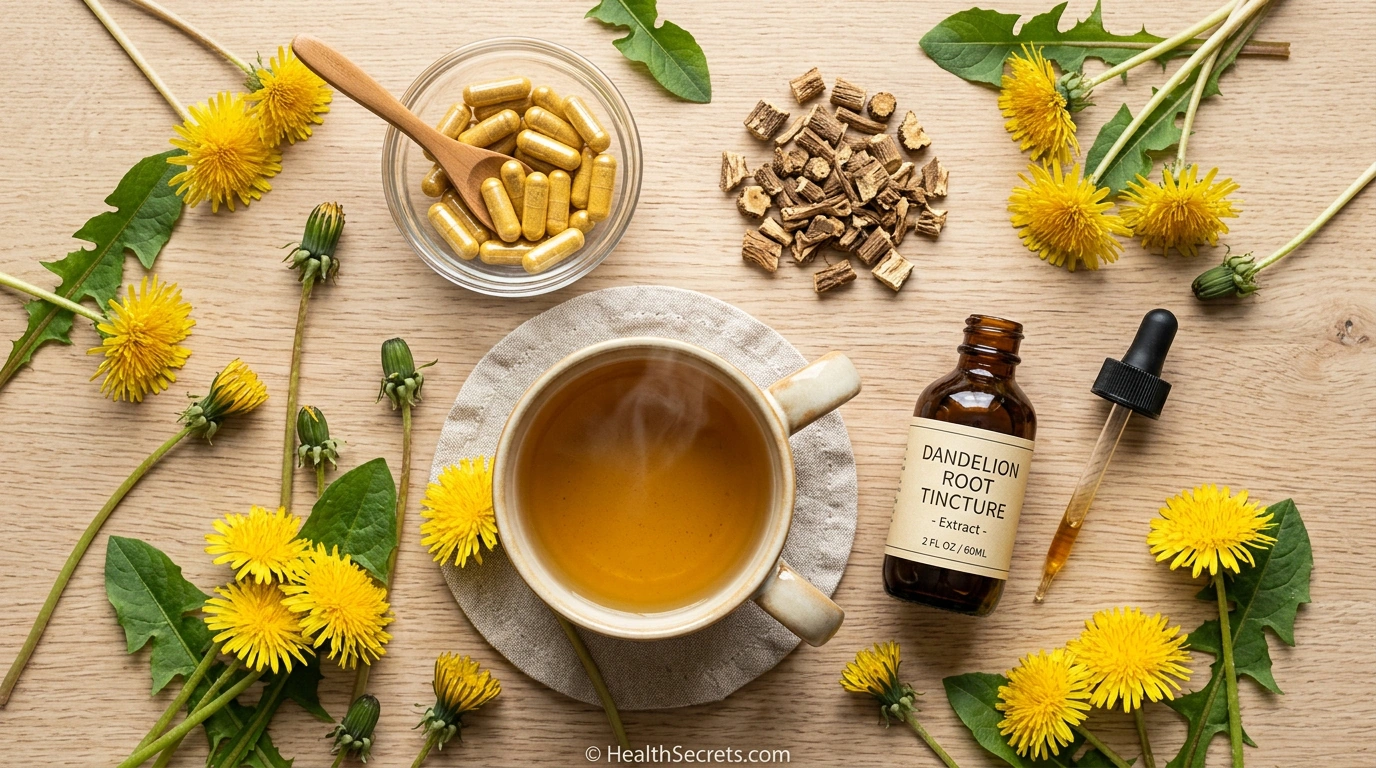
- Fresh dandelion greens — Add young leaves to salads, smoothies, or sauté like spinach. Younger leaves are less bitter.
- Roasted dandelion root — Brew as a coffee substitute; provides inulin and bitter compounds
- Dandelion flower fritters — Battered and lightly fried flowers are a traditional springtime treat
- Dandelion pesto — Blend fresh leaves with garlic, nuts, olive oil, and parmesan
- Dandelion vinegar or honey — Infuse flowers in apple cider vinegar or make dandelion flower syrup
Food vs. supplement comparison: A typical serving of dandelion greens (1 cup, ~55g) provides modest amounts of active compounds, but you would need to consume very large quantities to match the concentrated levels in a standardized supplement. A balanced approach works best: eat dandelion greens as part of a diverse diet while using supplements for targeted liver and kidney support.
Foraging caution: Only harvest dandelions from areas free of pesticides, herbicides, and heavy metals. Avoid roadsides, treated lawns, and industrial areas. When in doubt, purchase organic dandelion products from reputable sources.
Is Dandelion Safe and What Are the Side Effects?
Dandelion is generally recognized as safe (GRAS) by the FDA and is well-tolerated by most adults at standard doses. However, like all botanicals, it carries potential side effects and important drug interactions that require attention before use.
What Are the Common Side Effects of Dandelion?
Most side effects are mild and digestive in nature. They include increased bowel movements, mild bloating (especially when starting, due to inulin content), heartburn from increased bile and acid production, and allergic reactions in individuals sensitive to plants in the Asteraceae family (ragweed, chamomile, chrysanthemum). Contact dermatitis from handling fresh plants is also possible.
What Medications Interact with Dandelion?
Dandelion has clinically significant interactions with several medication classes:
- Lithium — Dandelion's diuretic effect may increase lithium concentration to dangerous levels
- Potassium-sparing diuretics (spironolactone, amiloride) — Risk of hyperkalemia due to dandelion's high potassium content
- Blood thinners (warfarin, aspirin) — Dandelion contains vitamin K and may alter clotting
- Diabetes medications (insulin, metformin) — May enhance blood sugar-lowering effects
- Quinolone antibiotics (ciprofloxacin) — Dandelion may reduce antibiotic absorption
- Medications metabolized by CYP enzymes — Dandelion may alter metabolism of certain drugs
Who Should Avoid Dandelion Supplements?
- Individuals with bile duct obstruction or active gallstones (dandelion stimulates bile flow)
- Those with known Asteraceae/Compositae plant allergies
- People with kidney disease (consult nephrologist before using diuretic herbs)
- Pregnant or breastfeeding women (insufficient safety data)
- Anyone scheduled for surgery within 2 weeks (bleeding risk)
What Results Can You Realistically Expect from Dandelion Supplementation?
Dandelion is a gentle, supportive herb — not a dramatic intervention. Most people notice subtle but meaningful improvements in digestive comfort, urinary regularity, and overall energy within the first few weeks of consistent use. Setting realistic expectations helps you stay committed long enough to experience genuine benefits.
Expected timeline:
- Days 1–7: Increased urination (especially with leaf), possible mild bloating as gut adjusts to inulin
- Weeks 1–2: Improved digestion, reduced bloating, more regular bowel movements
- Weeks 2–4: Better appetite regulation, reduced water retention, improved energy levels
- Weeks 4–8: Potential improvements in liver enzyme markers (ALT, AST) with consistent use at therapeutic doses
- Months 2–3+: Cumulative benefits for liver and kidney health when combined with dietary and lifestyle improvements
What dandelion will NOT do:
- It will not "flush" or "cure" your liver overnight
- It will not reverse advanced liver disease or replace medical treatment
- It will not produce dramatic weight loss (though reduced water retention may cause modest scale changes)
- It will not replace a healthy diet — dandelion supports detox pathways that still require proper nutrition to function
Individual variation matters. Responses depend on baseline liver health, overall diet quality, toxin exposure, concurrent supplements, and genetic factors affecting detoxification enzyme expression. People with higher toxic burden or poorer baseline liver function may notice more pronounced benefits.
For comprehensive detox support, combine dandelion with complementary strategies from our Environmental Toxins Reduction Guide and Gut Detox Protocol.
What Is the Best Step-by-Step Action Plan for Starting Dandelion Detox Support?
Starting dandelion supplementation works best when approached in phases, allowing your body to adapt and enabling you to identify which form and dose works best for your needs. This phased approach minimizes side effects and maximizes long-term compliance.
Phase 1 — Foundation (Weeks 1–2):
- Consult your healthcare provider, especially if taking any medications listed in the safety section
- Start with dandelion root tea, 1 cup daily with breakfast to assess tolerance
- Add fresh dandelion greens to 2–3 meals per week
- Begin a simple symptom journal tracking digestion, energy, and urination
Phase 2 — Build Up (Weeks 3–4):
- Increase to 2 cups of dandelion tea daily, or switch to 500 mg dried root capsule with meals
- Add dandelion leaf tea in the morning for kidney support if desired
- Continue tracking symptoms and note any improvements or side effects
- Ensure adequate water intake (dandelion increases fluid output)
Phase 3 — Optimize (Weeks 5–8):
- Adjust to therapeutic dose: 500–1,500 mg root extract daily or 2–3 cups tea plus capsules
- Consider adding complementary liver support like NAC or glutathione
- Request liver enzyme panel (ALT, AST, GGT) from your doctor to track objective progress
- Evaluate which form (tea, capsule, liquid) you prefer for long-term use
Phase 4 — Maintain (Ongoing):
- Continue at your optimal dose as part of your daily supplement routine
- Cycle off for 1–2 weeks every 3 months (optional but recommended by many herbalists)
- Recheck liver enzymes every 6–12 months
- Adjust protocol as needed based on seasonal changes and health goals