
You probably don't think about environmental toxins when you pour your morning coffee, squeeze lotion onto your hands, or fill a glass of water from the tap. But here's the uncomfortable truth: the average person carries over 700 synthetic chemicals in their body at any given time, according to CDC biomonitoring data [1].
Environmental toxins — from BPA in plastics to pesticides on produce to PFAS in your cookware — are so deeply woven into modern life that complete avoidance is impossible.
That sounds bleak. It isn't.
The science is actually encouraging: research shows that switching to cleaner products, filtering your water, and choosing organic for the most contaminated foods can reduce your body's toxic burden by 30–50% within just a few months [2]Environmental Health Perspectives [2]. You don't need a radical overhaul. Small, targeted changes — starting with the biggest exposure sources — make a measurable difference.
This guide breaks down the most common environmental toxins you're exposed to daily, what the research says about their health effects, and the practical, evidence-based steps you can take to protect yourself and your family. Whether you're a parent worried about your children's developing bodies, pregnant or planning to conceive, or simply someone who wants to make informed choices, this is your roadmap to cleaner living.
What Are Environmental Toxins and Why Should You Care?
Environmental toxins are synthetic chemicals and pollutants present in air, water, soil, food, and everyday consumer products that can harm human health. Unlike naturally occurring substances your body evolved to handle, these man-made compounds — many of which didn't exist before the 20th century — can accumulate in body tissues over time through a process called bioaccumulation, storing in fat tissue, organs, and even bone [3][3].
A significant subset of these chemicals are endocrine disruptors — compounds that mimic, block, or interfere with your hormones. Even at extremely low doses, endocrine disruptors can throw off the delicate hormonal signaling that regulates reproduction, metabolism, brain development, and immune function [4]Endocrine Reviews [4].
How Big Is the Problem?
The scale of chemical exposure is staggering:
- Over 80,000 synthetic chemicals are registered for commercial use in the United States, and the vast majority have never been tested for long-term health effects
- CDC biomonitoring studies detect measurable levels of BPA, phthalates, pesticides, heavy metals, flame retardants, and PFAS in most Americans tested
- Children carry higher body burdens relative to their size due to hand-to-mouth behavior, faster breathing rates, and developing detoxification systems
- A 2026 umbrella review in Ecotoxicology and Environmental Safety confirmed that endocrine-disrupting chemical exposure is "generally more harmful than beneficial for health" and is associated with tumors, cardiovascular disease, and metabolic disorders [5]Ecotoxicology and Environmental Safety [5]
What Does "Body Burden" Mean?
Your body burden (also called toxic load) is the total amount of synthetic chemicals present in your body at any given time. Think of it like a bucket slowly filling with water from multiple faucets — each individual source might seem small, but together they add up. When the bucket overflows, health problems emerge.
The good news: turn off even a few of those faucets, and the bucket level drops. Your liver, kidneys, and other elimination systems are constantly working to clear toxins — the key is reducing what's coming in so your body can keep up.
For a comprehensive look at how your body's detoxification systems work, see our complete detox guide.
How Do Environmental Toxins Accumulate in Your Body?
Environmental toxins enter your body through four primary routes and then follow predictable patterns that determine how much damage they do. Understanding these pathways helps you prioritize which exposure sources to address first.
How Do Toxins Enter Your Body?
- Ingestion is the most common route. You swallow toxins through contaminated food (pesticide residues, heavy metals in fish, BPA leaching from can linings), drinking water (PFAS, lead, chlorine byproducts), and even dust particles that settle on food surfaces.
- Inhalation delivers toxins directly to your bloodstream through your lungs. Indoor air pollution — volatile organic compounds (VOCs) off-gassing from furniture, carpets, and cleaning products — is often 2–5 times higher than outdoor levels, according to EPA estimates. Outdoor PM2.5 particulate matter from traffic and industry also penetrates deep into lung tissue.
- Dermal absorption occurs when chemicals in personal care products, fragrances, and cleaning supplies pass through your skin. Phthalates hidden under the label term "fragrance" are absorbed this way, as is BPA from thermal receipt paper [6]JAMA [6].
- Transplacental transfer is especially concerning: many toxins cross the placenta during pregnancy, exposing the developing fetus during the most vulnerable window of brain and organ formation.

Why Do Some Chemicals Persist Longer Than Others?
Not all chemicals are created equal when it comes to persistence:
- Fat-soluble toxins (like PCBs, dioxins, and some pesticides) dissolve in body fat and can remain stored for years or decades
- PFAS ("forever chemicals") resist breakdown by virtually all biological and environmental processes — your body has no efficient mechanism to eliminate them
- Heavy metals (lead, mercury, cadmium) bind to proteins and can deposit in bones, kidneys, and brain tissue with very long half-lives
- Water-soluble chemicals (like BPA and phthalates) are cleared more quickly — typically within hours to days — but constant re-exposure keeps levels elevated
Your liver processes these toxins through Phase I, Phase II, and Phase III detoxification pathways. When the incoming chemical load exceeds your liver's processing capacity — or when nutritional deficiencies impair enzyme function — toxins accumulate faster than they're eliminated. For details on supporting liver detoxification, see our guide on how to support your body's detox organ.
What Are the Key Benefits of Reducing Your Toxin Exposure?
Reducing your environmental toxin exposure isn't just about avoiding future disease — research shows measurable health improvements within weeks to months of making targeted changes.
Can Reducing Toxin Exposure Improve Your Hormonal Health?
Yes. Endocrine disruptors like BPA, phthalates, and PFAS interfere with estrogen, testosterone, thyroid, and insulin signaling. Eliminating major exposure sources has been shown to significantly reduce urinary levels of these compounds within days to weeks [7]Environmental Health Perspectives [7]. When circulating levels drop, your hormonal system can rebalance — which may improve menstrual regularity, fertility markers, thyroid function, and metabolic health.
Does Cleaner Living Lower Cancer Risk?
The evidence is compelling. The International Agency for Research on Cancer (IARC) classifies several common environmental toxins as known or probable carcinogens — including formaldehyde, certain pesticides, PM2.5 air pollution, and some PFAS compounds. A 2024 study in Journal of Exposure Science & Environmental Epidemiology linked PFAS in drinking water to increased incidence of endocrine, digestive, and respiratory cancers across U.S. counties [8]J Exposure Science & Environmental Epidemiology [8]. Reducing exposure logically reduces lifetime risk.
Can Children's Development Improve With Lower Toxin Exposure?
Children are disproportionately affected by environmental toxins. A 2024 review in Pediatrics in Review confirmed links between endocrine-disrupting chemical exposure and neurodevelopmental delays, ADHD, altered puberty timing, and metabolic changes in children [21][21]. Studies show that switching to organic diets rapidly reduces pesticide metabolites in children's urine, often within 3–5 days.
Does Reducing Exposure Support Cardiovascular Health?
PM2.5 air pollution increases heart attack and stroke risk by 10–20%, and a 2026 eBioMedicine study estimated significant global cardiovascular mortality attributable to phthalate (DEHP) exposure from plastics [10]. Using HEPA air filtration and reducing plastic use directly addresses these risks.
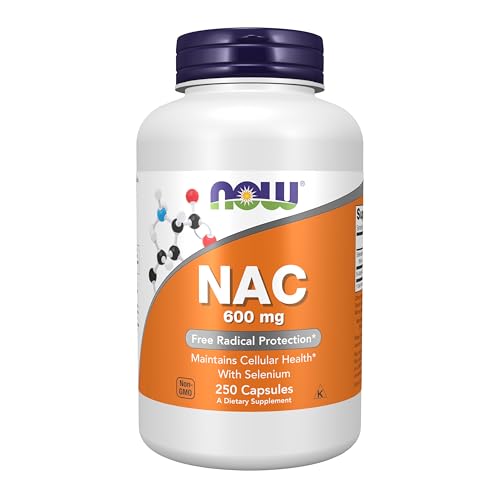
NOW Foods NAC (N-Acetyl Cysteine) 600mg
Editor's ChoiceNOW Foods · Supporting liver Phase II detoxification and glutathione production
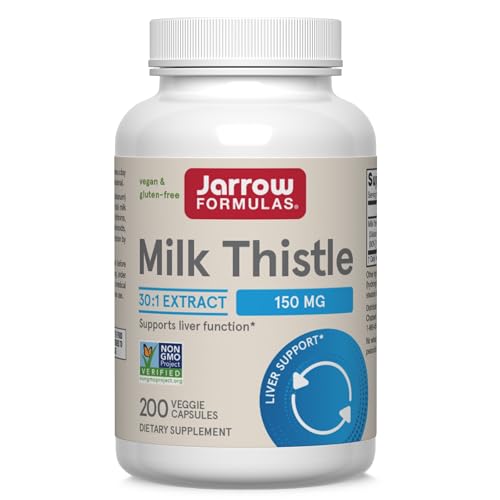
Jarrow Formulas Milk Thistle 150mg
Best ValueJarrow Formulas · Liver protection and regeneration during detoxification

Quicksilver Scientific Liposomal Glutathione
Best For AbsorptionQuicksilver Scientific · Direct glutathione supplementation with superior absorption
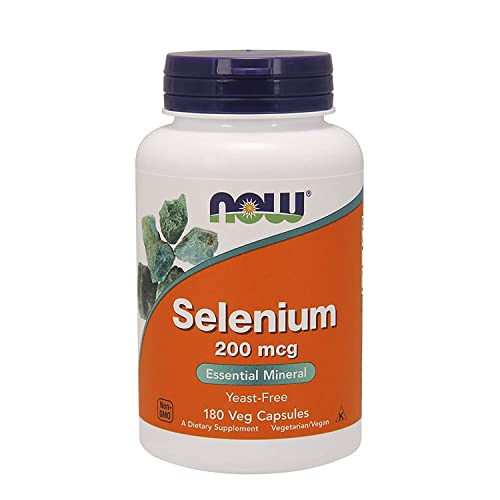
NOW Foods Selenium 200mcg
Best Budget PickNOW Foods · Glutathione enzyme activation and heavy metal protection
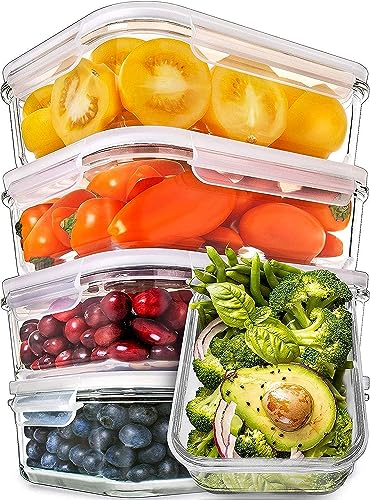
PrepNaturals Glass Food Storage Containers 30oz
Best Kitchen SwapPrepNaturals Glass · Replacing plastic food storage to eliminate BPA and phthalate leaching
Read the detailed review cards below before opening any retailer link
Top Recommended Products
NOW Foods
NOW Foods NAC (N-Acetyl Cysteine) 600mg
NAC is the most effective oral precursor to glutathione — your body's master antioxidant and the key molecule for Phase II liver conjugation. Clinical research supports NAC for protecting against acetaminophen toxicity, supporting lung health, and enhancing heavy metal chelation.
Pros
- + Most effective oral glutathione precursor
- + GMP-certified with third-party testing
- + Affordable for long-term use
Cons
- - Requires consistent daily dosing for results
- - May cause GI upset at higher doses
Why we included it: NAC is the most effective oral precursor to glutathione — your body's master antioxidant and the key molecule for Phase II liver conjugation. Clinical research supports NAC for protecting against acetaminophen toxicity, supporting lung health, and enhancing heavy metal chelation.
Retailer link opens on Amazon after the review details above
Jarrow Formulas
Jarrow Formulas Milk Thistle 150mg
Milk thistle's active compound silymarin is one of the most studied hepatoprotective agents in the world. It protects liver cells from toxin-induced damage, promotes liver cell regeneration, and acts as a potent antioxidant.
Pros
- + Most studied hepatoprotective agent
- + Standardized to 80% silymarin for consistency
- + Excellent value per serving
Cons
- - Multiple capsules needed for therapeutic dose
- - Effects take weeks to notice
Why we included it: Milk thistle's active compound silymarin is one of the most studied hepatoprotective agents in the world. It protects liver cells from toxin-induced damage, promotes liver cell regeneration, and acts as a potent antioxidant.
Retailer link opens on Amazon after the review details above
Quicksilver Scientific
Quicksilver Scientific Liposomal Glutathione
Oral glutathione is notoriously difficult to absorb — stomach acid destroys most of it. Quicksilver Scientific's patented liposomal delivery system wraps glutathione in phospholipid nanoparticles that bypass digestion and deliver directly to cells.
Pros
- + Superior absorption via liposomal delivery
- + Bypasses stomach acid degradation
- + Gold standard for direct glutathione
Cons
- - Premium price point
- - Requires refrigeration
- - Small container size
Why we included it: Oral glutathione is notoriously difficult to absorb — stomach acid destroys most of it. Quicksilver Scientific's patented liposomal delivery system wraps glutathione in phospholipid nanoparticles that bypass digestion and deliver directly to cells.
Retailer link opens on Amazon after the review details above
NOW Foods
NOW Foods Selenium 200mcg
Selenium is essential for glutathione peroxidase — the enzyme that activates glutathione's antioxidant power. It also binds directly to mercury, forming inert selenium-mercury complexes that your body can safely excrete.
Pros
- + Essential for glutathione peroxidase activation
- + Binds mercury directly
- + Extremely affordable
Cons
- - Should not exceed 400mcg daily
- - Effects not noticeable without lab testing
Why we included it: Selenium is essential for glutathione peroxidase — the enzyme that activates glutathione's antioxidant power. It also binds directly to mercury, forming inert selenium-mercury complexes that your body can safely excrete.
Retailer link opens on Amazon after the review details above
PrepNaturals Glass
PrepNaturals Glass Food Storage Containers 30oz
The single most impactful kitchen swap you can make. These borosilicate glass containers eliminate the need for plastic food storage entirely. Snap-lock lids seal tightly without BPA.
Pros
- + Oven
- + microwave
- + freezer
- + and dishwasher safe
- + Eliminates plastic food contact entirely
- + Durable borosilicate glass
Cons
- - Heavier than plastic
- - Glass can break if dropped
- - Lids still contain some plastic
Why we included it: The single most impactful kitchen swap you can make. These borosilicate glass containers eliminate the need for plastic food storage entirely. Snap-lock lids seal tightly without BPA.
Retailer link opens on Amazon after the review details above
What Health Risks Do Environmental Toxins Pose?
The health effects of chronic, low-level exposure to environmental toxins are wide-ranging and affect virtually every organ system. This isn't speculation — decades of epidemiological and toxicological research document these associations.
Endocrine Disruption
BPA mimics estrogen. Phthalates block testosterone. PFAS disrupts thyroid hormones. The result: reproductive issues (infertility, PCOS, endometriosis, early puberty in girls, delayed puberty and reduced sperm quality in boys), metabolic disorders (obesity, insulin resistance, Type 2 diabetes), and thyroid dysfunction [11]Healthcare [11].
Developmental and Neurological Effects
Children exposed prenatally or in early childhood face higher risks of ADHD, autism spectrum behaviors, lower IQ, learning disabilities, and behavioral problems. Heavy metals (lead and mercury) are potent neurotoxins — there is no safe level of lead exposure for children. Pesticide exposure is linked to Parkinson's disease and cognitive decline in adults [12].

Cancer
Hormone-related cancers (breast, prostate, testicular) are linked to endocrine disruptors. Lung cancer is associated with PM2.5 and formaldehyde. Kidney and testicular cancers are linked to PFAS exposure. Blood cancers (leukemia, lymphoma) are associated with pesticide and benzene exposure [13].
Immune Dysfunction
PFAS exposure reduces vaccine antibody response — a finding confirmed across multiple studies, including reduced effectiveness of childhood immunizations. Environmental toxins also contribute to autoimmune conditions, allergies, and asthma Massachusetts Medical Society. PFAS Impacts on Health.
Cardiovascular and Metabolic Disease
PM2.5 air pollution increases cardiovascular mortality. Lead and cadmium raise blood pressure and accelerate atherosclerosis. BPA and phthalates promote insulin resistance and obesity — sometimes called "obesogens" because they reprogram fat cell development [15][15].
| Toxin Category | Primary Sources | Key Health Effects | Most Vulnerable |
|---|---|---|---|
| BPA / Bisphenol A | Plastics, canned foods, receipts | Hormone disruption, reproductive issues, metabolic disorders | Pregnant individuals, children |
| Phthalates | Fragrances, plastics, personal care | Anti-androgen effects, reproductive harm, asthma | Boys, pregnant individuals |
| Pesticides | Conventional produce, lawn care, water | Neurotoxicity, cancer, hormone disruption | Children, farmworkers |
| Heavy Metals | Old paint, pipes, fish, contaminated soil | Neurotoxicity, developmental delays, kidney damage | Children, pregnant individuals |
| PFAS ("Forever Chemicals") | Nonstick cookware, water, food packaging | Cancer, immune dysfunction, thyroid disruption | Everyone (extremely persistent) |
Who Faces the Greatest Risk From Environmental Toxins?
While everyone is affected, certain groups face disproportionately higher risks due to biological vulnerability, developmental stage, or elevated exposure.
- Children and Infants are uniquely vulnerable because they eat, drink, and breathe more per pound of body weight, have immature detoxification systems, and developing brains and organs more susceptible during critical growth windows. The American Academy of Pediatrics has issued policy statements urging reduced pesticide and endocrine disruptor exposure in children. Priority actions include using organic produce for the Dirty Dozen, filtering drinking water, avoiding plastic food containers, choosing fragrance-free products, wet-mopping floors regularly, and washing children's hands before eating.
- Pregnant and Breastfeeding Individuals face special risks because many toxins cross the placenta and are present in breast milk. Prenatal exposure during the first trimester carries the highest risk for developmental effects — heavy metals, PFAS, and pesticides have all been detected in cord blood and amniotic fluid. Priority actions include avoiding renovation during pregnancy, switching to glass food storage, choosing low-mercury fish 2–3 times per week, filtering tap water, and avoiding new furniture that off-gases VOCs.
- Occupational Exposure Groups — including farmworkers, factory workers, nail salon technicians, firefighters (PFAS in gear), and construction workers — face higher-than-average exposure levels. Use appropriate personal protective equipment and shower and change clothes before going home to reduce take-home contamination.
How Do You Reduce Your Environmental Toxin Exposure?
The most effective strategy is reducing what comes in — not trying to detox after the fact. Here are the highest-impact changes, organized by exposure source, starting with the easiest wins.
Clean Your Water (Highest Priority)
Drinking water is your biggest single exposure source for heavy metals, PFAS, chlorine byproducts, and pesticide runoff.
- Activated carbon filters (pitcher or faucet-mounted) remove chlorine, many pesticides, and VOCs. Look for NSF/ANSI 53 certification
- Reverse osmosis systems (under-sink) remove heavy metals, fluoride, PFAS, and virtually all contaminants — the most comprehensive option
- Check your local water quality at EWG's Tap Water Database to know which contaminants to prioritize
Switch to Cleaner Personal Care Products
Your skin absorbs what you put on it. Phthalates, parabens, and other endocrine disruptors hide in products you use daily.
- Avoid "fragrance" or "parfum" on labels — this is where phthalates hide, unregulated and undisclosed
- Choose paraben-free products (look for methylparaben, propylparaben, butylparaben on ingredient lists)
- Use the EWG Skin Deep database (ewg.org/skindeep) to rate product safety on a 1–10 scale
- Prioritize products you use most frequently — daily lotion, shampoo, deodorant, and sunscreen make the biggest difference
A 2024 study found that children who recently used hair oils, lotions, and other personal care products had significantly higher phthalate levels [20].
Choose Safer Food
- Buy organic for the EWG Dirty Dozen (highest pesticide residues): strawberries, spinach, kale, apples, grapes, peaches, cherries, pears, tomatoes, celery, potatoes, bell peppers
- Save money with the Clean Fifteen (lowest residues — conventional is fine): avocados, sweet corn, pineapple, onions, papaya, frozen peas, asparagus, honeydew, kiwi, cabbage, mushrooms, cantaloupe, mangoes, watermelon, sweet potatoes
- Choose low-mercury fish: salmon, sardines, anchovies, trout (avoid tuna, swordfish, shark, king mackerel)
- Minimize canned foods or choose BPA-free cans; prefer fresh or frozen alternatives
Eliminate Plastic From Food Contact
- Never microwave plastic — heat accelerates BPA and phthalate leaching, even from "BPA-free" containers
- Switch to glass, stainless steel, or silicone for food storage and water bottles
- Avoid plastic water bottles left in heat (cars, direct sunlight)
- Decline thermal receipts or wash hands after handling — don't use hand sanitizer first (alcohol increases BPA absorption through skin)
Improve Indoor Air Quality
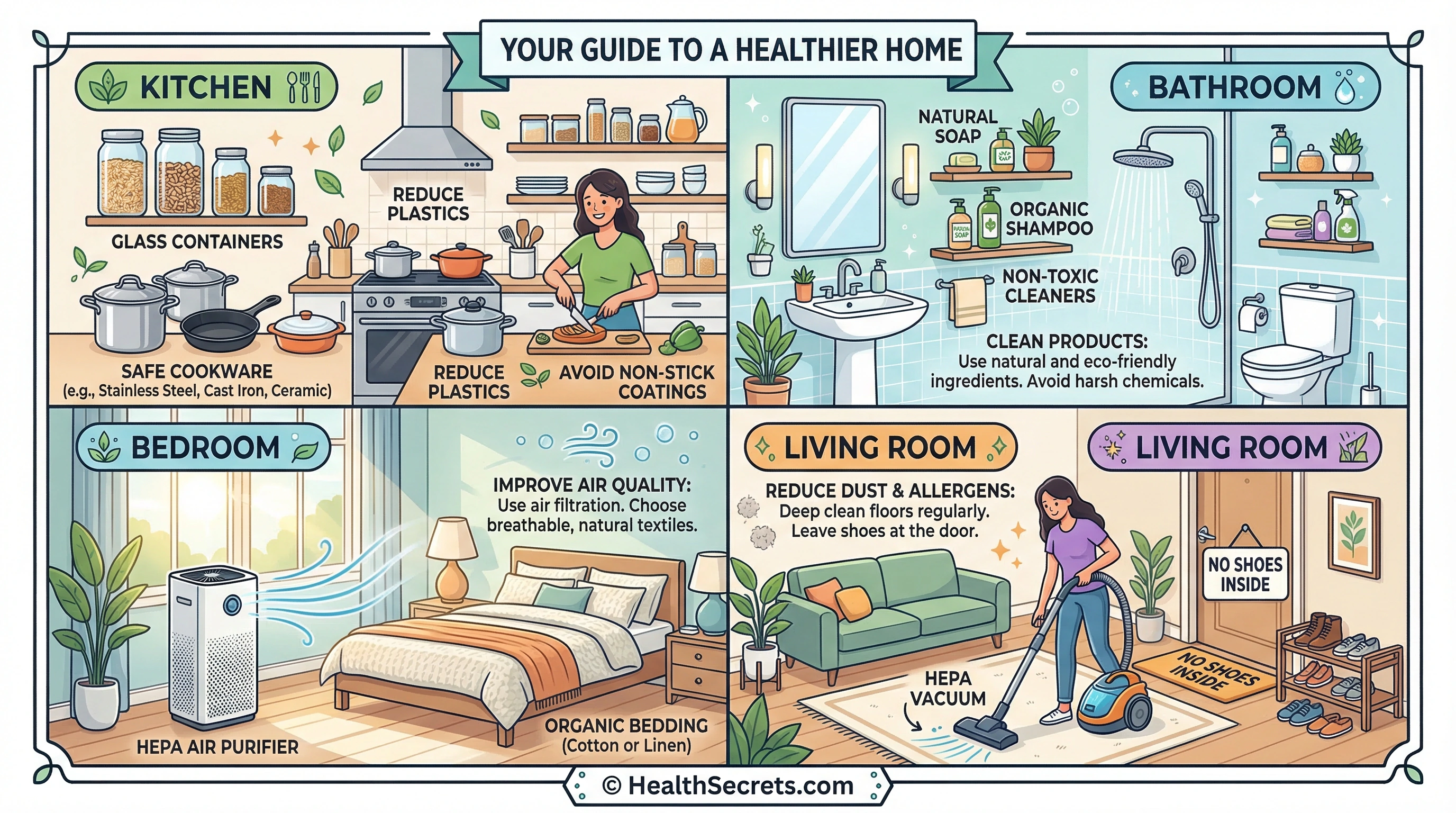
- Use a HEPA + activated carbon air purifier in bedrooms and living areas — HEPA removes 99.97% of PM2.5 particles; activated carbon adsorbs VOCs
- Ventilate your home by opening windows when outdoor air quality is good (check local AQI)
- Avoid synthetic air fresheners and scented candles — these release VOCs and phthalates. Use essential oil diffusers or beeswax candles instead
- Let new furniture off-gas by ventilating rooms well for the first few weeks
Choose Safe Cookware
- Use stainless steel (18/10), cast iron, or ceramic cookware
- Avoid nonstick (Teflon) — traditional PTFE coatings release PFAS, and newer alternatives aren't fully studied
- Avoid aluminum cookware for acidic foods (tomato sauce, citrus) which can cause leaching
Reduce Household Toxin Exposure
- Vacuum with a HEPA filter 2–3 times per week — flame retardants, pesticides, and heavy metals accumulate in household dust
- Remove shoes at the door to prevent tracking in pesticides and heavy metals
- Clean with simple ingredients: vinegar and water, baking soda, castile soap. The EWG Guide to Healthy Cleaning rates products A through F
- Choose natural fabrics (organic cotton, linen, wool) over synthetic materials treated with flame retardants
- Test your home for lead paint (pre-1978 homes), radon, and mold — remediate if found
How Can You Support Your Body's Natural Detoxification?
While reducing incoming toxins is the priority, you can also optimize your body's built-in detoxification systems to more efficiently eliminate what you're already carrying.
Liver Support
Your liver is the primary detoxification organ, running Phase I (activation), Phase II (conjugation), and Phase III (elimination) pathways around the clock.
- Cruciferous vegetables (broccoli, cauliflower, Brussels sprouts, kale) contain sulforaphane and indole-3-carbinol, which upregulate Phase II detoxification enzymes
- N-Acetyl Cysteine (NAC) is the precursor to glutathione — your body's master antioxidant and a critical Phase II conjugation molecule. Learn more about glutathione's role in detoxification
- Milk thistle (silymarin) has hepatoprotective properties supported by clinical research. See our comprehensive milk thistle guide for dosing and evidence
- Adequate protein provides the amino acids (glycine, taurine, glutamine, methionine) needed for Phase II conjugation reactions
Gut Elimination
Once your liver processes toxins, they're excreted through bile into the intestines. If transit is slow, toxins can be reabsorbed.
- Fiber (25–35g daily) binds toxin-laden bile acids and ensures regular elimination. Modified citrus pectin is especially effective at binding heavy metals
- Hydration (minimum 2L daily) supports kidney filtration and bowel regularity
- Probiotic-rich foods (sauerkraut, kimchi, yogurt, kefir) support the gut microbiome, which plays a direct role in toxin metabolism
- Gut health optimization is foundational to effective detoxification — see our gut detox protocol for a step-by-step approach
Sweat and Movement
- Regular exercise increases circulation, supports lymphatic drainage, and promotes toxin elimination through sweat
- Sauna use (infrared or traditional) has been shown to increase excretion of heavy metals, BPA, and phthalates through sweat
- Dry brushing before showering stimulates lymphatic flow — use a natural bristle brush with gentle upward strokes toward the heart
Key Nutrients for Detoxification
| Nutrient | Role in Detox | Food Sources | Supplement Option |
|---|---|---|---|
| Glutathione / NAC | Master antioxidant, Phase II conjugation | Asparagus, avocado, spinach | NOW Foods NAC 600mg |
| Selenium | Glutathione production, heavy metal binding | Brazil nuts, sardines, eggs | NOW Foods Selenium 200mcg |
| Zinc | Metallothionein production, immune support | Pumpkin seeds, oysters, beef | Thorne Zinc Picolinate 30mg |
| Magnesium | 300+ enzyme reactions, bowel regularity | Dark leafy greens, almonds, dark chocolate | Doctor's Best Magnesium Glycinate 200mg |
| For a deeper dive into supporting your liver's detox pathways, visit our guide on natural liver detox strategies. |
Action Plan
What Is Your Step-by-Step Action Plan to Reduce Toxin Exposure?
Follow the sequence below, work through each phase in order, and use the checklist as your practical implementation guide.
You don't need to overhaul your life overnight. This phased approach prioritizes the highest-impact changes first, then builds gradually.
Phase 1: Quick Wins (Week 1–2)
- Install a water filter (at minimum, an activated carbon pitcher filter like Brita or PUR — NSF/ANSI 53 certified)
- Stop microwaving food in plastic containers — switch to glass or ceramic
- Replace your most-used personal care product (daily lotion or shampoo) with a fragrance-free, paraben-free alternative
- Start buying organic for the top 5 Dirty Dozen items you eat most
- Remove shoes at the door

Phase 2: Kitchen & Food (Week 3–4)
- Replace plastic food storage containers with glass (try PrepNaturals Glass Containers)
- Switch to a stainless steel or glass water bottle
- Replace nonstick cookware with stainless steel, cast iron, or ceramic
- Choose BPA-free cans or switch to fresh/frozen alternatives
- Add cruciferous vegetables to your diet 4–5 times per week
Phase 3: Home Environment (Month 2)
- Get a HEPA air purifier for your bedroom
- Switch to natural cleaning products (or DIY with vinegar, baking soda, castile soap)
- Replace synthetic air fresheners with essential oils or beeswax candles
- Vacuum with a HEPA filter vacuum 2–3 times per week
- Test home for radon and check for lead paint (pre-1978 homes)
Phase 4: Deep Clean & Optimize (Month 3+)
- Upgrade to a reverse osmosis water system for comprehensive filtration
- Audit all personal care products using EWG Skin Deep database
- Replace synthetic bedding with organic cotton or wool
- Consider adding NAC, selenium, or milk thistle supplementation (consult healthcare provider)
- Establish regular sauna or exercise routine for sweat-based elimination
- Schedule any needed home remediation (lead, radon, mold)
💡 Pro Tip: Don't throw everything away at once — that's wasteful and overwhelming. Instead, replace items as they run out or wear out. Each swap is a permanent upgrade in your daily toxic load reduction.

