Skip to content
Person enjoying morning sunlight exposure outdoors for immune health and vitamin D production Pin It
🛡️ Immune System Educational Guide
11 min

Sunlight and Immunity: Beyond Vitamin D

DL
Dr. Lisa Nakamura
| Dr. Sarah Chen | words | 15 citations
Updated this month Last reviewed: May 27, 2026 Medically reviewed by Dr. Sarah Chen

Who This Is For

Best for readers who want a grounded introduction to immune system.

Who Should Be Careful

Not for emergency decisions or personalized treatment planning.

Affiliate Disclaimer | This article may contain affiliate links to products we trust. If you choose to buy through them, we may earn a small commission at no extra cost to you. Full disclosure

Medical Disclaimer | For informational purposes only. Not a substitute for professional medical advice. Read full disclaimer

M

Key Takeaways

Sunlight supports immunity through at least four distinct pathways: vitamin D production, direct UV immune cell modulation, nitric oxide release, and circadian rhythm regulation
Just 10–30 minutes of midday sun on 25% of your body produces 10,000–25,000 IU of vitamin D — but production varies dramatically by latitude, season, skin tone, and age
UV light directly energizes T cells and increases regulatory T cells (Tregs), which may explain lower autoimmune disease rates in sunnier climates
UVA rays trigger nitric oxide release from skin, providing antimicrobial and anti-inflammatory benefits independent of vitamin D
Morning sunlight exposure synchronizes your circadian clock, which controls immune cell trafficking and function throughout the day
Circadian disruption from shift work, jet lag, or artificial light at night measurably impairs immune responses and increases infection susceptibility
Flu season coincides with the period of lowest sunlight and lowest vitamin D levels — the connection is likely causal, not coincidental
Vitamin D supplementation is necessary in winter at higher latitudes, but it cannot replicate all of sunlight's immune benefits

Top Recommended Products

Comparison shortlist to review before leaving the guide

5 Items
01

NatureWise Vitamin D3 5000 IU

NatureWise Vitamin · Affordable winter vitamin D supplementation

Compare
02

Verilux HappyLight Lumi

Verilux HappyLight · Morning circadian rhythm support and winter mood enhancement

Compare
03

Sports Research Vitamin D3 + K2

Sports Research · Comprehensive vitamin D and K2 synergistic support

Compare
04

Carex Day-Light Classic Plus

Carex Day-Light · Serious light therapy for SAD and circadian regulation

Compare
05

Swanson Blue Light Blocking Glasses

Swanson Blue · Reducing blue light exposure in evening to protect circadian rhythm

Compare

Read the detailed review cards below before opening any retailer link

We've been taught to think of sunlight primarily as a vitamin D delivery system. And sure, that part is real — 10 to 30 minutes of midday sun exposure can trigger the production of 10,000 to 25,000 IU of vitamin D, dwarfing what most supplements provide. But here's what most people miss: sunlight's immune benefits extend well beyond vitamin D.

Researchers at Georgetown University Medical Center discovered that sunlight directly energizes infection-fighting T cells through a mechanism completely separate from vitamin D production. UV light modulates immune cells in the skin, triggers nitric oxide release from skin stores, and synchronizes circadian rhythms that govern when your immune cells patrol your body. These pathways explain something epidemiologists have puzzled over for years — people with higher sun exposure have lower rates of autoimmune disease, cardiovascular disease, and certain cancers, even after accounting for vitamin D levels.

This guide covers what happens when sunlight hits your skin, why modern indoor lifestyles are quietly undermining your immune system, and how to get the right amount of sun without increasing skin cancer risk.

For a deeper dive into vitamin D supplementation, see our vitamin D complete guide. If you're building a broader immune support strategy, our guide to boosting your immune system naturally and best immune supplements are good starting points.

How Does Sunlight Actually Affect Your Immune System?

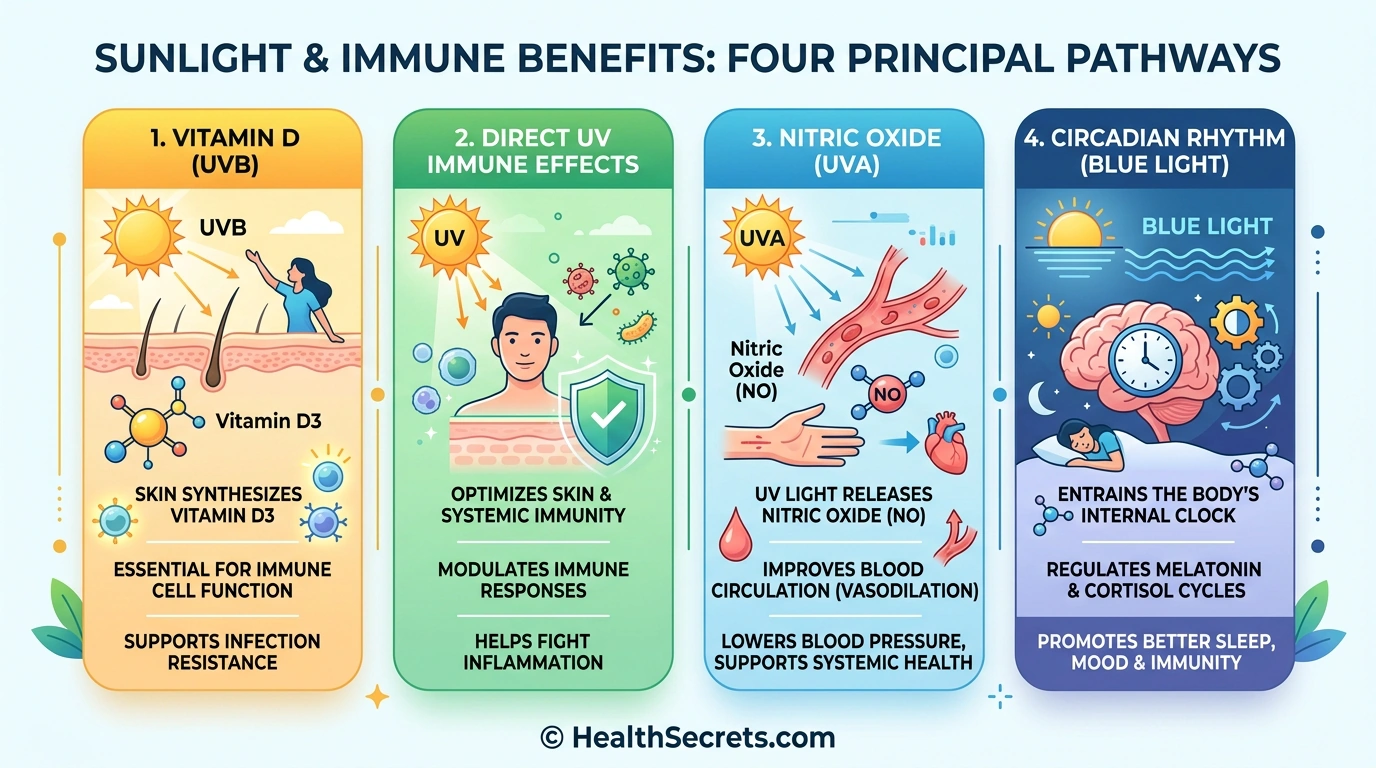
Sunlight influences immunity through at least four separate biological mechanisms: vitamin D synthesis via UVB radiation, direct modulation of skin-resident immune cells by UV light, nitric oxide release triggered by UVA rays, and circadian rhythm entrainment through blue-spectrum light entering the eyes. Each pathway contributes independently to immune function.

The idea that sunlight matters for health isn't new. What is relatively new is the scientific understanding that vitamin D is only part of the story. A 2024 review published in the Journal of Investigative Dermatology noted that epidemiological studies from the UK and Sweden link sun exposure to reduced all-cause mortality, cardiovascular mortality, and cancer mortality — yet multiple trials of oral vitamin D supplementation alone show limited benefit. Something else about sunlight is driving these health effects.

That "something else" includes direct immune effects of UV radiation on skin cells, the release of nitric oxide (a vasodilator and antimicrobial molecule), the regulation of circadian biology, and mood enhancement through endorphin and serotonin pathways.

Mechanism How It Works Immune Benefit Evidence Level
Vitamin D (UVB) UVB converts 7-dehydrocholesterol to vitamin D3 T cell activation, antimicrobial peptides, immune modulation Strong
Direct UV immune effects UV modulates Langerhans cells, T cells, mast cells in skin Increased Tregs, reduced autoimmune activity Moderate-Strong
Nitric oxide (UVA) UVA releases NO from skin stores Antimicrobial, anti-inflammatory, improved blood flow Moderate
Circadian rhythm (blue light) Morning light entrains SCN master clock Optimized immune cell trafficking and timing Strong
Infographic showing four immune-supporting mechanisms of sunlight beyond vitamin D including UV effects nitric oxide and circadian rhythm

How Does Sunlight Drive Vitamin D Production and Immune Function?

When UVB rays (290–315 nm) hit your skin, they convert 7-dehydrocholesterol into pre-vitamin D3, which is then transformed into the active hormone calcitriol — a powerful immune modulator that activates T cells, stimulates antimicrobial peptide production, and balances inflammatory responses. This process makes sunlight the body's primary and most efficient source of vitamin D.

The Vitamin D Production Process

  1. UVB rays hit exposed skin
  2. 7-dehydrocholesterol converts to pre-vitamin D3
  3. Body heat converts it to vitamin D3 (cholecalciferol)
  4. Liver converts D3 to 25(OH)D (storage form — what blood tests measure)
  5. Kidneys and immune cells convert to 1,25(OH)2D (active form, calcitriol)

A key study published in Environmental Health Perspectives found that 10–15 minutes of midday sun exposure on arms and legs produced approximately 10,000 IU of vitamin D in light-skinned individuals — more than 10x the typical supplement dose. But production varies enormously by latitude, season, skin tone, age, and body surface area exposed.

Vitamin D and Immune Defense

Vitamin D isn't just a bone nutrient. Immune cells (T cells, B cells, macrophages) all have vitamin D receptors, and vitamin D is required for T cell activation. Research published in Nature Immunology demonstrated that without adequate vitamin D, T cells remain in a dormant state and fail to mount effective responses to pathogens.

Vitamin D also induces cathelicidin and defensins — antimicrobial peptides that directly kill bacteria, viruses, and fungi. This mechanism likely explains why vitamin D deficiency (below 20 ng/mL) is consistently associated with increased respiratory infections. A landmark meta-analysis in The BMJ found that vitamin D supplementation reduced acute respiratory infections by 12–70%, with the largest benefits in people who were most deficient.

Beyond Vitamin D: UV Effects on Skin Immune Cells

Georgetown University researchers discovered that low-level blue light in sunlight directly energizes T cells in the skin — making them move faster toward infection sites. This mechanism is entirely independent of vitamin D.

Additionally, UV exposure increases regulatory T cells (Tregs) in the skin. Tregs suppress excessive immune responses and prevent autoimmunity. This may explain why autoimmune diseases like multiple sclerosis, type 1 diabetes, and rheumatoid arthritis are more common at higher latitudes with less sun exposure. A 2024 PNAS review confirmed that UVA and UVB regulate central and peripheral immune-endocrine responses through pathways that are "independent or only partially dependent" on vitamin D.
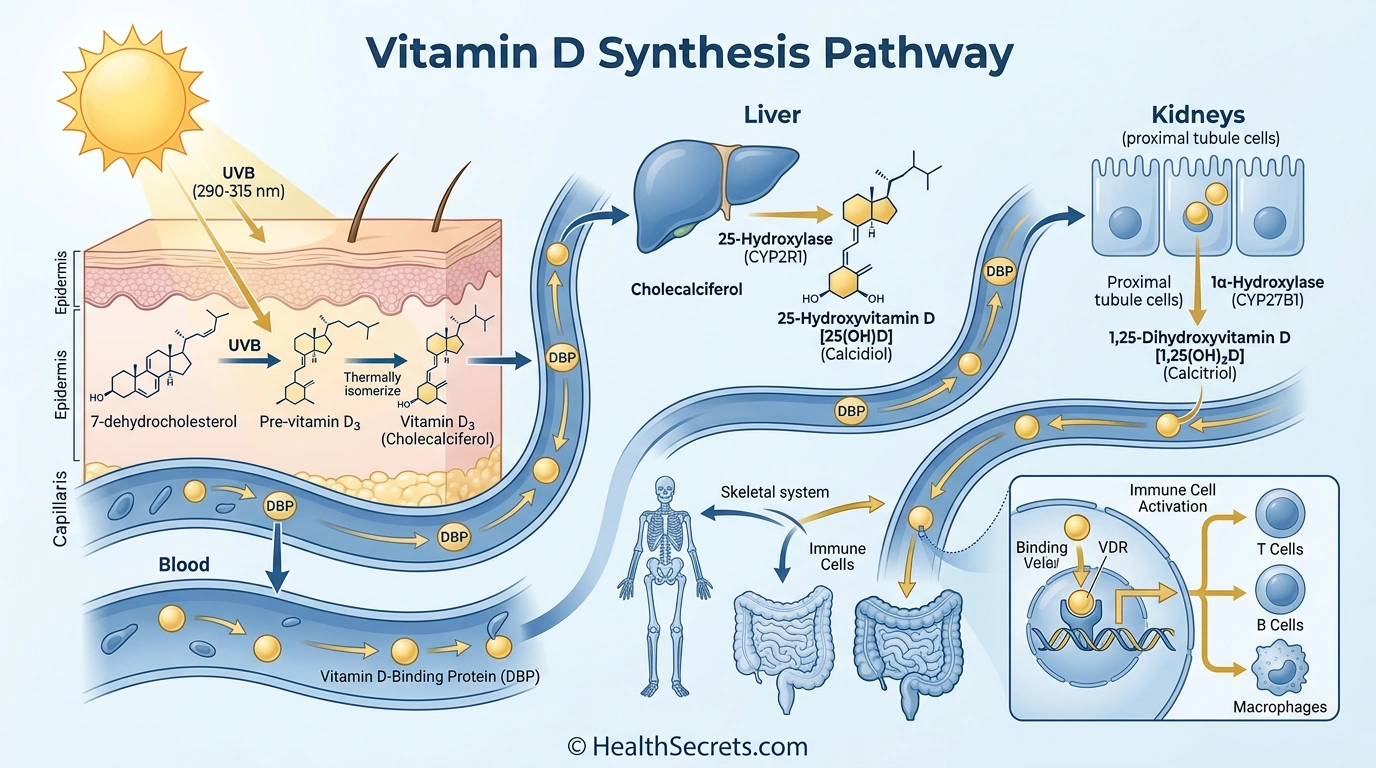
Diagram of vitamin D synthesis pathway from UVB sunlight exposure through skin conversion to active immune-modulating calcitriol

Nitric Oxide: The Overlooked Pathway

UVA rays (315–400 nm) release stored nitric oxide (NO) from skin cells. A 2023 study in Cell Death Discovery confirmed that even low-dose daylight exposure induces significant NO release in skin cells with negligible DNA damage. Nitric oxide provides antimicrobial effects, reduces inflammation, and improves blood flow — helping immune cells reach infection sites faster.

What Are the Key Immune Benefits of Regular Sunlight Exposure?

Regular sunlight exposure provides a constellation of immune benefits: vitamin D–dependent T cell activation and antimicrobial peptide production, UV-driven immune modulation that reduces autoimmune risk, nitric oxide–mediated antimicrobial activity, and circadian rhythm synchronization that optimizes immune cell function throughout the 24-hour cycle.
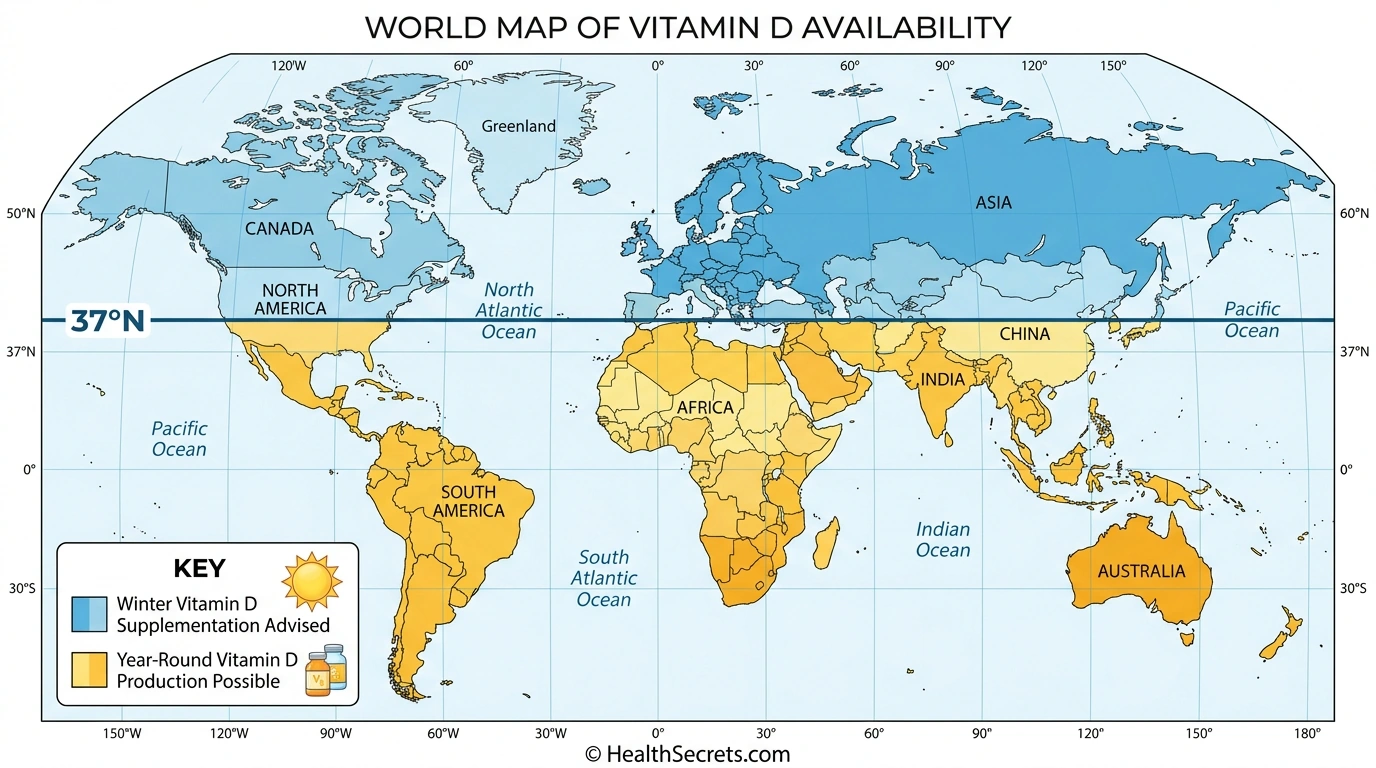
World map showing latitude zones for year-round vitamin D production versus winter supplementation needs based on UVB availability

Does Morning Sunlight Improve Immune Function Through Circadian Rhythm?

Your immune system runs on a clock. A 2020 NIH workshop review published in Journal of Immunity documented that immune cell numbers, trafficking patterns, and cytokine production all fluctuate on a 24-hour rhythm controlled by the circadian clock. T cells peak in lymph nodes at night during sleep, while neutrophils are most active during daytime. Morning sunlight — specifically the blue-spectrum light entering your eyes — sets this entire system by entraining the suprachiasmatic nucleus (SCN), the brain's master clock.

Disrupt this rhythm (through shift work, jet lag, or chronic artificial light at night), and immunity suffers measurably. Research shows shift workers have higher infection rates and impaired vaccine responses. A 2026 review in Frontiers in Immunology confirmed that vaccination timing aligned with circadian rhythms enhances T cell activation and cytokine production.
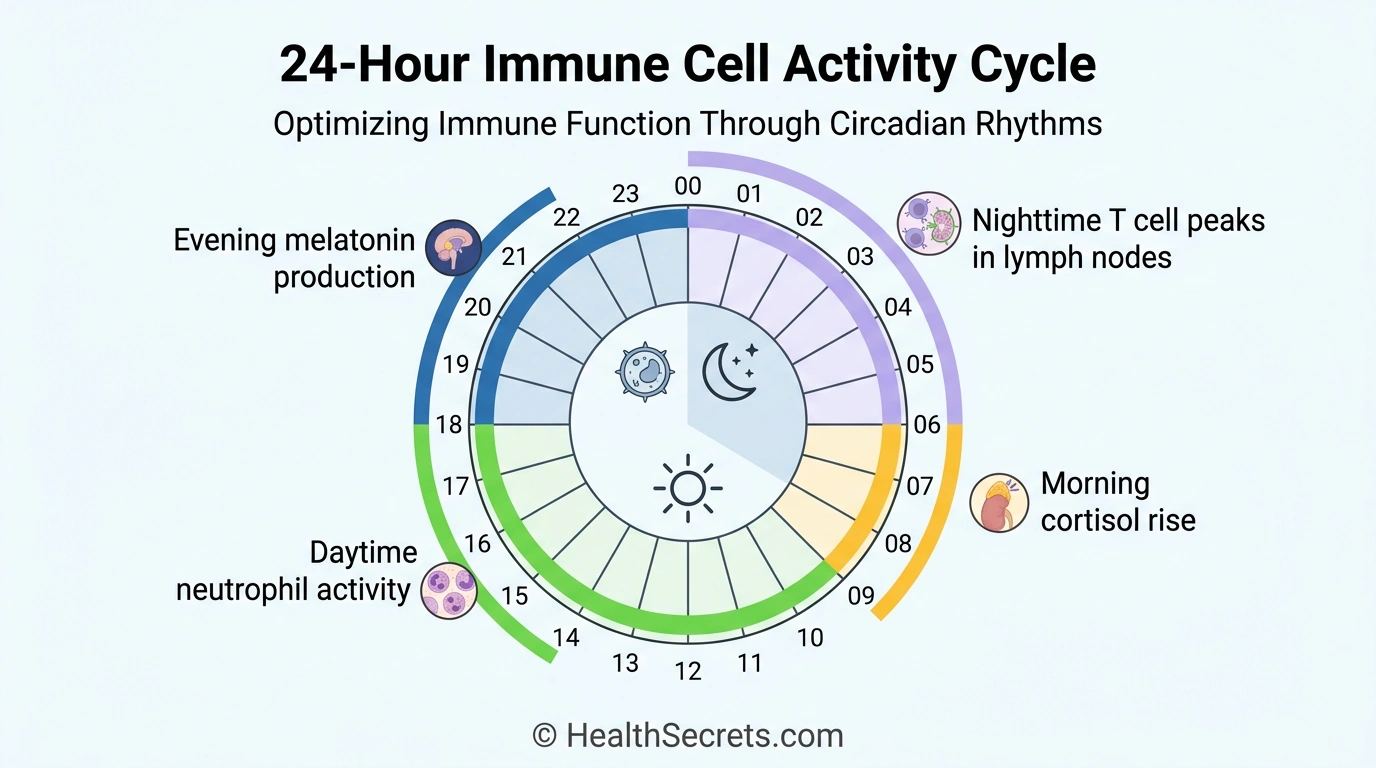
Circadian rhythm clock showing how immune cell activity varies throughout the 24-hour day-night cycle

Why Is Flu Season in Winter?

Flu season coincides precisely with the period of lowest sunlight and lowest vitamin D levels. At latitudes above 37° (New York, Chicago, Seattle, most of Europe), UVB radiation is insufficient for vitamin D production from November through February. Combined with more time indoors (close contact, poor ventilation) and dry winter air (which keeps viral particles airborne longer), the seasonal immune disadvantage is substantial.

Can Sunlight Reduce Autoimmune Disease Risk?

Epidemiological data consistently shows lower rates of MS, type 1 diabetes, and other autoimmune diseases closer to the equator. UV-induced increases in regulatory T cells, combined with vitamin D's immune-modulating effects, likely contribute to this pattern. A Scientific American analysis of recent clinical trials highlighted UV therapy's "surprising ability to calm an immune system that has bolted out of control."

Are There Risks to Sun Exposure for Immune Health?

Excessive sun exposure causes sunburn, which actually suppresses immune function and increases skin cancer risk. The goal is moderate, regular exposure — enough to activate immune-supporting pathways without triggering UV-induced immune suppression or skin damage. There's a clear dose-response curve where moderate sun helps and excessive sun harms.

Key risk considerations:

  • Sunburn actively suppresses immunity and damages DNA — always avoid sunburn
  • Skin cancer risk increases with cumulative UV exposure, especially for fair-skinned individuals
  • Photosensitizing medications (some antibiotics, blood pressure drugs, NSAIDs) increase burn risk
  • Individual variation means exposure guidelines must account for skin tone, age, latitude, and season

The balanced approach: get brief, regular sun exposure (10–30 minutes depending on your skin tone), then apply sunscreen or cover up if staying outdoors longer. Never use sun exposure as an excuse to burn.
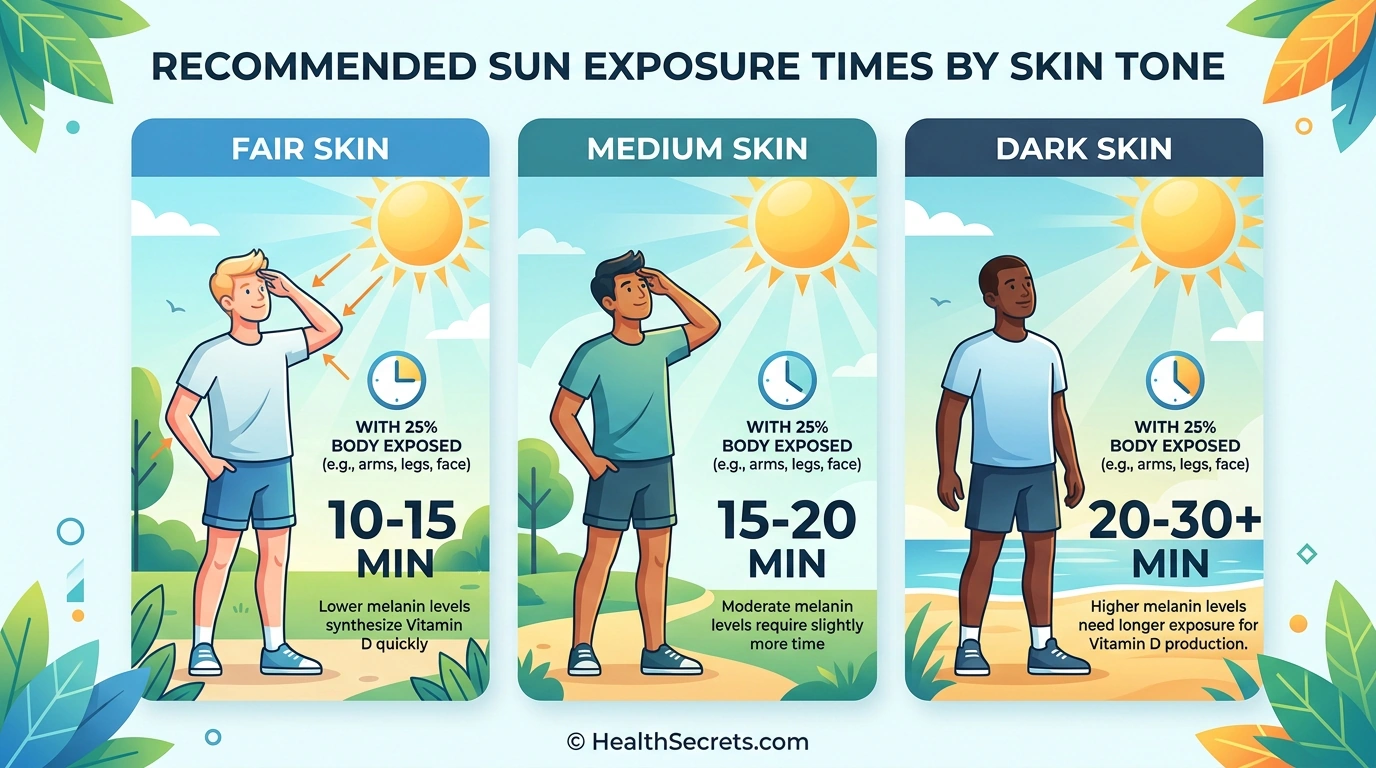
Visual guide to optimal sun exposure duration by skin tone for vitamin D production and immune health

How Do You Optimize Sun Exposure for Immune Health?

The optimal strategy combines daily morning sunlight for circadian rhythm (10–30 minutes within two hours of waking) with midday sun exposure two to three times weekly for vitamin D production (10–30 minutes on 25% of body area without sunscreen). Supplement vitamin D in winter if you live above 37° latitude.

Morning sunlight routine examples including outdoor coffee and morning walks for circadian rhythm optimization

Daily Sunlight Routine

Morning (within 1–2 hours of waking):

  • 10–30 minutes of outdoor light — no sunglasses needed at this intensity

  • Works even on cloudy days (outdoor light intensity exceeds indoor lighting)

Midday (2–3x weekly):

  • 10–30 minutes with 25% of body exposed (arms, legs, or back)

  • No sunscreen during this window; apply afterward if staying out longer

  • Adjust duration by skin tone: lighter skin 10–15 min, darker skin 20–30+ min

Winter Strategies (Above 37° Latitude)

  • Still get morning sunlight — circadian benefits persist even without vitamin D production
  • Supplement vitamin D: 1,000–2,000 IU daily (test levels; aim for 40–60 ng/mL)
  • Consider a light therapy lamp (10,000 lux) for 20–30 minutes each morning if natural light is insufficient
  • Sleep and circadian optimization becomes especially important in winter months

What Diet and Lifestyle Changes Support Sunlight's Immune Benefits?

A diet rich in vitamin D–containing foods (fatty fish, egg yolks, fortified foods), combined with regular outdoor physical activity, adequate sleep, and stress management, amplifies sunlight's immune-supporting effects. Pairing sun exposure with these lifestyle factors creates a synergistic immune advantage that no supplement alone can replicate.

Vitamin D–rich foods (to complement sun exposure):

  • Fatty fish (salmon, mackerel, sardines) — 400–1,000 IU per serving
  • Egg yolks — approximately 40 IU each
  • Fortified milk and orange juice
  • Cod liver oil — up to 1,360 IU per tablespoon

Outdoor exercise provides the dual benefit of sunlight exposure and physical activity, both of which independently boost immune function. Forest bathing (shinrin-yoku) research shows that outdoor time increases natural killer cell activity through phytoncides released by trees.

Circadian hygiene:

  • Consistent sleep-wake times (supports immune rhythm)
  • Dim lights 2–3 hours before bed
  • Limit screen blue light in the evening
  • Dark, cool bedroom for optimal sleep quality

What Should You Do First to Use Sunlight for Better Immunity?

Start with morning sunlight exposure tomorrow — just 10–15 minutes outdoors within two hours of waking. This single habit synchronizes your circadian clock and begins optimizing immune timing immediately. Then gradually add midday sun sessions and test your vitamin D levels to personalize your approach.

Week 1–2: Morning light habit

  • 10–15 minutes outdoor morning light daily
  • Note sleep quality and energy changes

Week 3–4: Add midday exposure

  • 10–30 minutes midday sun 2–3x weekly (25% body exposed)
  • Order a vitamin D blood test (25(OH)D)

Month 2: Optimize

  • Review vitamin D results (target 40–60 ng/mL)
  • Add supplementation if needed (1,000–5,000 IU depending on levels)
  • Implement evening circadian hygiene (dim lights, reduce screens)

Ongoing: Seasonal adjustments

  • Summer: shorter exposure, sun protection after vitamin D window
  • Winter: maintain morning light, supplement vitamin D, consider light therapy
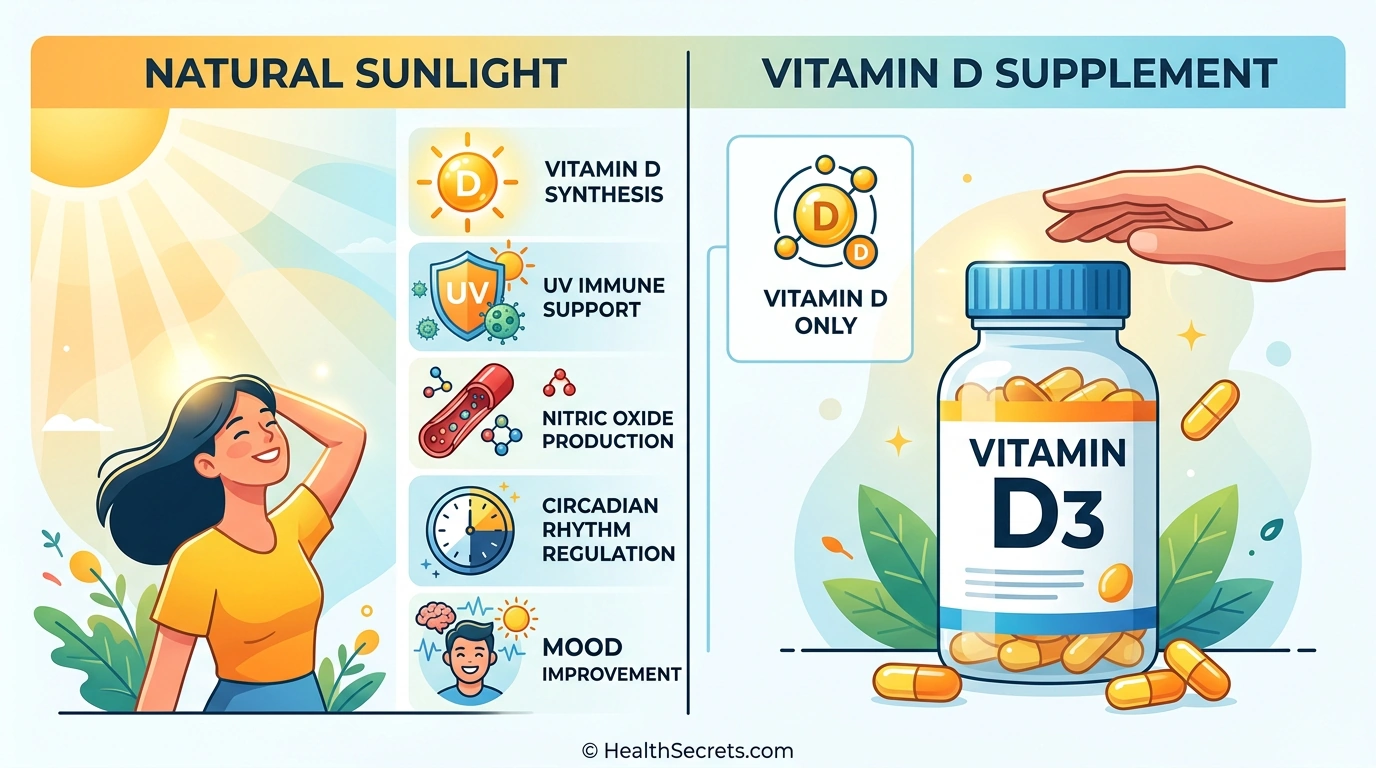
Comparison of sunlight benefits versus vitamin D supplementation showing sunlight provides multiple immune pathways while supplements provide only vitamin D

Top Recommended Products

Best Value D3

NatureWise Vitamin

NatureWise Vitamin D3 5000 IU

4.5/5 $
01

NatureWise provides one of the best value vitamin D3 supplements available. The olive oil base improves absorption, and the 360-count bottle lasts a full year at one softgel daily.

Pros

  • + Excellent value (1-year supply)
  • + olive oil base enhances absorption
  • + clean formula
  • + widely trusted brand

Cons

  • - No K2 included (consider adding separately)
  • - 5
  • - 000 IU may be too high for some individuals

Why we included it: NatureWise provides one of the best value vitamin D3 supplements available. The olive oil base improves absorption, and the 360-count bottle lasts a full year at one softgel daily.

Best for: Affordable winter vitamin D supplementation Dosage: 5,000 IU per softgel (1 daily)
View current price on Amazon

Retailer link opens on Amazon after the review details above

Best Budget Light Therapy

Verilux HappyLight

Verilux HappyLight Lumi

4.5/5 $$
02

The HappyLight Lumi delivers clinical-strength 10,000 lux light therapy at a fraction of premium lamp prices. Perfect for morning use to set circadian rhythm when outdoor sunlight isn't available.

Pros

  • + Affordable entry to light therapy
  • + UV-free
  • + compact and portable
  • + effective 10
  • + 000 lux output
  • + simple to use

Cons

  • - Smaller surface area than clinical-grade lamps
  • - must sit close for full lux
  • - basic controls

Why we included it: The HappyLight Lumi delivers clinical-strength 10,000 lux light therapy at a fraction of premium lamp prices. Perfect for morning use to set circadian rhythm when outdoor sunlight isn't available.

Best for: Morning circadian rhythm support and winter mood enhancement Dosage: 10,000 lux at recommended distance
View current price on Amazon

Retailer link opens on Amazon after the review details above

Best D3/K2 Combo

Sports Research

Sports Research Vitamin D3 + K2

4.5/5 $
03

The D3/K2 combination is important because vitamin K2 directs calcium to bones rather than arteries. Sports Research's USP verification ensures what's on the label is actually in the softgel.

Pros

  • + Combines D3 and K2 in one capsule
  • + USP verified (gold standard)
  • + coconut oil base
  • + well-dosed

Cons

  • - Smaller count (2-month supply)
  • - slightly higher per-serving cost

Why we included it: The D3/K2 combination is important because vitamin K2 directs calcium to bones rather than arteries. Sports Research's USP verification ensures what's on the label is actually in the softgel.

Best for: Comprehensive vitamin D and K2 synergistic support Dosage: 5,000 IU D3 + 100 mcg K2 (MK-7) per softgel
View current price on Amazon

Retailer link opens on Amazon after the review details above

Best Clinical-Grade Lamp

Carex Day-Light

Carex Day-Light Classic Plus

4.5/5 $$$
04

If you're serious about light therapy for winter immune and circadian support, the Carex Day-Light delivers hospital-grade performance with a large surface area that lets you sit at a comfortable distance while still receiving full 10,000 lux exposure.

Pros

  • + Clinical-grade large panel design
  • + effective at comfortable distance
  • + adjustable angle and height
  • + UV-free
  • + widely recommended by healthcare providers for SAD

Cons

  • - Premium price
  • - larger footprint
  • - not portable

Why we included it: If you're serious about light therapy for winter immune and circadian support, the Carex Day-Light delivers hospital-grade performance with a large surface area that lets you sit at a comfortable distance while still receiving full 10,000 lux exposure.

Best for: Serious light therapy for SAD and circadian regulation Dosage: 10,000 lux at 12 inches
View current price on Amazon

Retailer link opens on Amazon after the review details above

Best Evening Circadian Protection

Swanson Blue

Swanson Blue Light Blocking Glasses

4.5/5 $
05

Protecting your circadian rhythm in the evening is the other half of the sunlight-immunity equation. Blue light blocking glasses help preserve melatonin production and sleep quality, which directly supports immune function.

Pros

  • + Affordable
  • + effectively blocks blue light
  • + protects evening melatonin production
  • + comfortable for extended wear

Cons

  • - Amber tint alters color perception
  • - style may not suit everyone
  • - effectiveness varies by lens quality

Why we included it: Protecting your circadian rhythm in the evening is the other half of the sunlight-immunity equation. Blue light blocking glasses help preserve melatonin production and sleep quality, which directly supports immune function.

Best for: Reducing blue light exposure in evening to protect circadian rhythm Dosage: N/A
View current price on Amazon

Retailer link opens on Amazon after the review details above

Further Reading

Further Reading

"The Circadian Code: Lose Weight, Supercharge Your Energy, and Transform Your Health from Morning to Midnight"

by Satchin Panda

Deep understanding of circadian biology and health; practical timing strategies for light exposure, eating, and sleep; research-backed protocols for optimizing daily rhythms; connection between circadian disruption and disease

Why it adds value here

Dr. Panda is one of the world's leading circadian biologists. This book directly addresses how morning light exposure, eating timing, and sleep schedules affect immune function and long-term health.

Best for: Anyone wanting to understand how light, timing, and daily rhythms affect immunity, sleep, and overall health

View book details

Further Reading

"The Vitamin D Solution: A 3-Step Strategy to Cure Our Most Common Health Problems"

by Michael F. Holick

Comprehensive vitamin D science from the leading researcher; safe sun exposure guidelines by skin type and latitude; connection between vitamin D deficiency and disease; practical strategies for optimal vitamin D levels

Why it adds value here

Dr. Holick is arguably the most published vitamin D researcher in the world. This book provides the foundational science behind sun exposure, vitamin D production, and immune health in an accessible format.

Best for: Readers who want the definitive guide to vitamin D science, sun exposure, and health

View book details

AEO FAQ

Frequently Asked Questions

10 common questions answered

About 10–30 minutes of midday sun (10 am–3 pm) on 25% of your body without sunscreen, 2–3 times per week. Duration depends on skin tone (lighter skin needs less), latitude, season, and age. This produces roughly 10,000–25,000 IU of vitamin D.

At latitudes above 37° (New York, Chicago, London, most of Europe), UVB radiation is insufficient for vitamin D production from November through February. You'll need supplementation (1,000–2,000 IU daily) during these months, though morning sunlight still provides circadian and mood benefits.

Yes. SPF 30 blocks 95–99% of UVB rays needed for vitamin D synthesis. The practical approach is to get 10–30 minutes of unprotected sun exposure first for vitamin D, then apply sunscreen if staying outdoors longer.

UV light directly energizes T cells and increases regulatory T cells in skin. UVA rays release antimicrobial nitric oxide from skin stores. Morning light synchronizes circadian rhythms that control immune cell trafficking. Sunlight also boosts mood through endorphins and serotonin, indirectly supporting immunity by reducing stress.

Yes. Morning sunlight sets your circadian clock, which directly regulates when immune cells are most active. Research shows circadian disruption (from shift work, jet lag, or artificial light at night) impairs immune cell function and increases infection susceptibility.

Winter brings the lowest sunlight exposure and vitamin D levels of the year. Combined with more indoor crowding (close contact, poor ventilation), drier air (viral particles stay airborne longer), and circadian disruption from shorter days, the immune disadvantage is substantial.

Partially. A 10,000-lux light therapy lamp can provide circadian rhythm and mood benefits similar to morning sunlight. However, it does not produce UV light (by design), so it won't trigger vitamin D production or UV-mediated immune effects. It's a valuable supplement, not a complete replacement.

Yes. Melanin in darker skin acts as a natural sunscreen, blocking UVB rays. People with darker skin may need 3–6 times longer sun exposure to produce the same amount of vitamin D as lighter-skinned individuals. Supplementation is especially important for darker-skinned people living at higher latitudes.

Both, ideally. Sunlight provides vitamin D plus additional immune benefits (UV immune effects, nitric oxide, circadian regulation) that supplements cannot replicate. But supplementation is necessary when sunlight is insufficient — in winter, at higher latitudes, for indoor workers, and for elderly individuals who produce less vitamin D from sun exposure.

Yes. Sunburn actively suppresses immune function by damaging skin cells and triggering inflammatory cascades. The key is moderate, regular exposure — enough to trigger beneficial pathways without causing sunburn. If your skin turns pink, you've had too much.

Was this article helpful?

Written & Reviewed By Experts

DL

Author

Dr. Lisa Nakamura

DS

Medical Reviewer

Dr. Sarah Chen

All content is evidence-based, peer-reviewed by qualified professionals, and updated regularly. Our editorial team follows strict guidelines for accuracy and transparency.

References & Citations

15 sources cited

1
Phan, T.X., et al. (2016). Intrinsic Photosensitivity Enhances Motility of T Lymphocytes. Scientific Reports, 6, 39479. View
2
Weller, R.B. (2024). Sunlight: Time for a Rethink? Journal of Investigative Dermatology, 144(8), 1724–1732. View
3
Slominski, A.T., et al. (2024). Photo-neuro-immuno-endocrinology: How the ultraviolet radiation regulates the body, brain, and immune system. PNAS, 121(8), e2308374121. View
4
Holick, M.F. (2007). Vitamin D Deficiency. New England Journal of Medicine, 357(3), 266–281. View
5
Martineau, A.R., et al. (2017). Vitamin D supplementation to prevent acute respiratory tract infections. BMJ, 356, i6583. View

Medical Disclaimer

This article is for informational purposes only and does not constitute medical advice. Read the full medical disclaimer. Always consult with a qualified healthcare provider before starting any new supplement, treatment, or major dietary change.