The Biology of Fasting
Intermittent fasting (IF) is not a diet but a meal timing pattern that cycles between periods of eating and fasting. Its benefits extend far beyond calorie restriction — fasting triggers a cascade of cellular repair mechanisms including autophagy (cellular recycling), improved insulin sensitivity, increased growth hormone secretion, and metabolic flexibility (the ability to efficiently switch between burning glucose and fat for fuel).
Key Facts
- Autophagy (cellular cleanup) begins significantly after 16-18 hours of fasting
- Growth hormone increases by 300-500% during a 24-hour fast
- Insulin sensitivity improves measurably after just 3 days of time-restricted eating
- The 16:8 protocol (16h fast, 8h eating window) is the most studied and sustainable method
- Fasting does NOT cause muscle loss if protein intake is adequate during eating windows
- Metabolic switching (glucose to ketone fuel) typically occurs at 12-16 hours of fasting
Autophagy: Why Cellular Recycling Matters
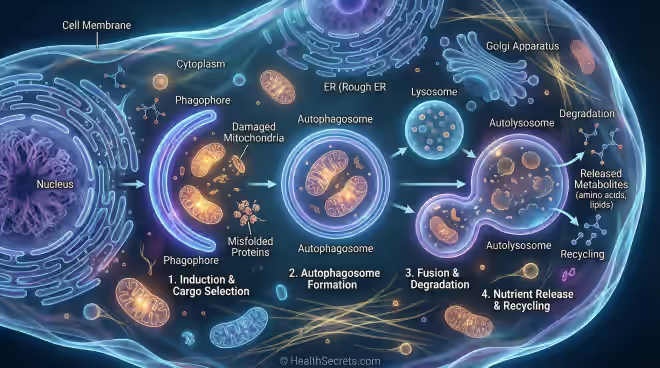
Autophagy, from the Greek "self-eating," is the process by which cells digest and recycle damaged organelles, misfolded proteins, and intracellular pathogens. It is suppressed by mTOR (activated by eating, especially protein and carbs) and activated by AMPK (triggered by energy depletion during fasting). Yoshinori Ohsumi won the 2016 Nobel Prize for elucidating autophagy's mechanisms. Impaired autophagy is linked to neurodegeneration (Alzheimer's, Parkinson's), cancer, accelerated aging, and metabolic disease. Regular fasting windows of 16+ hours are one of the most practical ways to activate this repair system.