Skip to content
CoQ10 coenzyme Q10 supplements supporting mitochondrial energy production for longevity Pin It
Longevity Supplement Guide
12 min

CoQ10 for Longevity: Mitochondrial Support

DP
Dr. Priya Sharma
| Dr. Sarah Chen | words | 18 citations
Updated this month Last reviewed: May 27, 2026 Medically reviewed by Dr. Sarah Chen

Who This Is For

Best for readers comparing longevity options and trying to avoid hype.

Who Should Be Careful

Not for replacing clinician guidance when symptoms, medications, or lab issues are involved.

Affiliate Disclaimer | This article may contain affiliate links to products we trust. If you choose to buy through them, we may earn a small commission at no extra cost to you. Full disclosure

Medical Disclaimer | For informational purposes only. Not a substitute for professional medical advice. Read full disclaimer

M

Key Takeaways

CoQ10 is essential for mitochondrial ATP production and serves as a lipid-soluble antioxidant protecting cell membranes from oxidative damage
Your body's CoQ10 production peaks in your 20s and declines approximately 50% by age 40 and 65% by age 80
Statin drugs deplete CoQ10 by 30–40% by blocking HMG-CoA reductase, the shared biosynthesis pathway for cholesterol and CoQ10
Heart failure patients show significantly lower CoQ10 levels, and supplementation improves ejection fraction and reduces hospitalizations in multiple clinical trials
Most studies find minimal bioavailability difference between ubiquinone and ubiquinol — ubiquinone is cheaper and equally effective for most people
Standard dosing is 100–200 mg daily for general health and statin users, 200–300 mg for cardiovascular conditions, always taken with a fat-containing meal
CoQ10 is very safe with decades of research showing no serious adverse events even at doses up to 1,200 mg daily
Benefits are gradual, not immediate — expect 4–8 weeks minimum before noticing effects, with maximum benefits at 3–6 months of consistent use

Top Recommended Products

Comparison shortlist to review before leaving the guide

5 Items
01

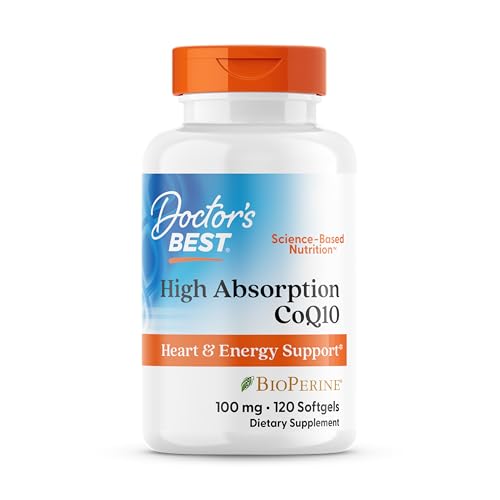
Doctor's Best High Absorption CoQ10 with BioPerine 100mg

Doctor's Best · Overall best value CoQ10 with enhanced absorption

Compare
02

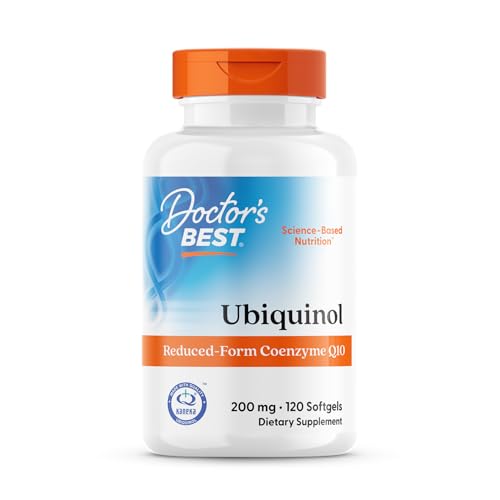
Doctor's Best Ubiquinol with Kaneka 200mg

Doctor's Best · Older adults with multiple health conditions or severe oxidative stress

Compare
03

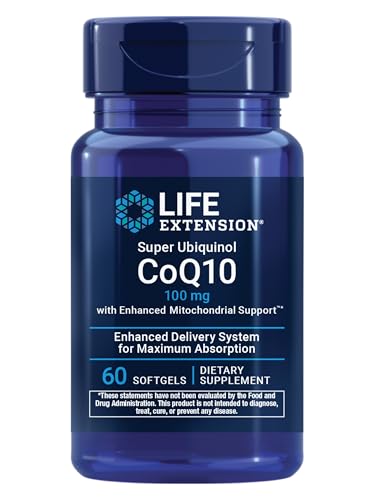
Life Extension Super Ubiquinol CoQ10 with Enhanced Mitochondrial Support 100mg

Life Extension · Longevity-focused individuals optimizing mitochondrial health

Compare
04

Qunol Ultra CoQ10 100mg

Qunol Ultra · People with known absorption challenges or digestive issues

Compare
05

NOW Foods CoQ10 100mg

NOW Foods · Cost-conscious supplementers who want straightforward CoQ10

Compare

Read the detailed review cards below before opening any retailer link

You sleep eight hours, eat reasonably well, drag yourself to the gym — and still feel like your battery never fully charges. Before you blame it on "just getting older," consider this: your cells might literally be running low on fuel. The molecule responsible for producing roughly 95% of your body's energy — CoQ10 — declines significantly with age, and that decline starts earlier than most people realize.

CoQ10 longevity research has exploded over the past decade, and for good reason. Coenzyme Q10 sits at the heart of your mitochondria's electron transport chain, shuttling electrons that ultimately produce ATP — the energy currency every cell depends on. It also doubles as a potent lipid-soluble antioxidant, protecting the very organelles it powers from oxidative damage.

Here's what makes this personal: by the time you hit 40, your body produces about half the CoQ10 it made in your twenties. By 80, that number drops to roughly 35% of peak levels. And if you take a statin for cholesterol? Those drugs block the same pathway your body uses to manufacture CoQ10, depleting levels another 30–40% on top of natural decline.

In this guide, you'll learn what CoQ10 actually does inside your cells, why levels plummet with age, the real evidence for cardiovascular and longevity benefits, how ubiquinone compares to ubiquinol (spoiler: probably not worth the premium), and exactly how to dose and absorb it effectively. We'll also cover who genuinely benefits from supplementation — and who can probably skip it. If you're exploring a broader detox and cleansing protocol or optimizing your gut health, CoQ10 plays a supporting role there too.

What Is CoQ10 and What Does It Do for Longevity?

CoQ10 — formally called coenzyme Q10 and also known as ubiquinone — is a fat-soluble compound found in virtually every cell membrane in your body. It plays two critical roles: powering mitochondrial energy production and functioning as a potent antioxidant. The name "ubiquinone" comes from "ubiquitous" because it's present everywhere in human tissue, though concentrations are highest in energy-hungry organs like the heart, brain, kidneys, and liver.

Your body synthesizes CoQ10 endogenously through the mevalonate pathway — the same biochemical pathway that produces cholesterol. Production peaks during your twenties and then gradually declines. You also obtain small amounts from foods like organ meats, fatty fish, and whole grains, but dietary intake rarely exceeds 5–10 mg daily — far below therapeutic supplementation levels. CoQ10 is crucial for efficiently transferring electrons within the mitochondrial oxidative respiratory chain and producing adenosine triphosphate (ATP) [1].

Two forms exist in your body simultaneously: ubiquinone (the oxidized form) and ubiquinol (the reduced, active form). Your cells constantly convert between these two states depending on metabolic needs. This interconversion is normal biochemistry — not a deficiency that requires a specific supplement form, despite what some marketing claims suggest.

First identified in 1957 by Dr. Frederick Crane at the University of Wisconsin, CoQ10's role in cellular bioenergetics was later connected to Peter Mitchell's Nobel Prize-winning chemiosmotic theory of ATP synthesis. Decades of subsequent research have confirmed its fundamental importance in both energy metabolism and antioxidant defense.

Graph showing CoQ10 production decline with age from peak at age 20 to 50 percent by age 40

How Does CoQ10 Work in the Body?

CoQ10 operates through two interconnected mechanisms — energy production and antioxidant protection — that together form a positive feedback loop supporting mitochondrial health and, by extension, cellular longevity.

How Does CoQ10 Power Your Mitochondria?

Mitochondria are your cellular power plants, and CoQ10 is an indispensable component of their electron transport chain. Specifically, CoQ10 shuttles electrons from Complex I and Complex II to Complex III within the inner mitochondrial membrane, enabling the proton gradient that drives ATP synthase. Without adequate CoQ10, this chain stalls and ATP production drops. Research demonstrates that CoQ10 supplementation rescues age-related reductions in mitochondrial respiration parameters and ATP production [2], with estimates suggesting roughly a 10% reduction in mitochondrial respiration capacity every decade.

High-energy organs suffer most from CoQ10 depletion. Your heart beats approximately 100,000 times daily and never rests. Your brain consumes 20% of total body energy despite representing only 2% of body weight. Skeletal muscles, kidneys, and liver all depend heavily on mitochondrial output.

Diagram of mitochondrial electron transport chain showing CoQ10 role in ATP energy production

How Does CoQ10 Protect Against Oxidative Damage?

CoQ10 is one of the few lipid-soluble antioxidants your body produces internally. It protects cell membranes, lipoproteins (including LDL cholesterol), and mitochondrial DNA from reactive oxygen species generated as natural byproducts of energy production. CoQ10 lowers lipid peroxidation levels by diminishing pro-oxidative compounds and can improve blood flow by preserving nitric oxide [1]. It also regenerates vitamin E, extending that antioxidant's protective lifespan.

These dual functions create a virtuous cycle: better energy production supports healthier mitochondria, while antioxidant protection reduces the oxidative damage that degrades mitochondrial function over time. When CoQ10 levels are adequate, this cycle reinforces itself. When levels drop — as they do with aging — the cycle reverses.

Why Does the Statin–CoQ10 Connection Matter?

Statins lower cholesterol by inhibiting HMG-CoA reductase, but that same enzyme is required for CoQ10 biosynthesis. The result? Statin use depletes CoQ10 levels by an estimated 30–40% [6], compounding age-related decline. This depletion is widely considered a major contributor to statin-associated muscle pain (myalgia), the most common reason patients discontinue these otherwise life-saving medications. A 2014 randomized clinical study found that CoQ10 supplementation (50 mg twice daily) effectively reduced statin-related mild-to-moderate muscular symptoms [7], though a separate meta-analysis found mixed overall results across studies [8], reflecting genuine individual variation in response.

How Well Is CoQ10 Absorbed?

CoQ10 is a large, fat-soluble molecule with notoriously poor absorption — standard powder-in-capsule formulations deliver only about 2–5% of the ingested dose into your bloodstream. However, formulation technology significantly improves this picture, and taking CoQ10 with dietary fat is arguably more important than the specific form you choose.

Does Ubiquinol Absorb Better Than Ubiquinone?

This is the million-dollar marketing question, and the answer is: probably not enough to justify the price difference. Several clinical studies have reported no significant difference in the relative bioavailability of ubiquinone and ubiquinol supplements [10]. A crossover study in healthy volunteers found significant inter-subject variation in plasma CoQ10 levels regardless of form administered — individual variation matters far more than ubiquinone versus ubiquinol. A comparative bioavailability study in healthy elderly adults [11] — arguably the population that would benefit most from ubiquinol's supposed advantages — confirmed that both forms raise blood levels effectively.

One review even found that CoQ10 (ubiquinone) reduced cardiovascular death in heart failure patients, while this has not been reported for ubiquinol [16], and that positive long-term cardiovascular effects were observed only in ubiquinone studies.

Ubiquinol typically costs 2–3 times more than ubiquinone. For most people — including older adults — that premium isn't supported by the clinical evidence. Save your money and invest in a quality ubiquinone formulation with enhanced absorption technology instead.

Comparison of ubiquinone vs ubiquinol CoQ10 forms showing similar bioavailability

What Improves CoQ10 Absorption?

Formulation matters more than form. Oil-based softgels, liposomal delivery systems, and nanoparticle formulations can increase bioavailability 2–3 times compared to standard powder capsules. Products containing BioPerine (black pepper extract) also enhance absorption. Additionally, dividing your daily dose (100 mg twice daily rather than 200 mg once) may improve total absorption by avoiding saturation of uptake pathways. Always take CoQ10 with a meal containing fat — olive oil, avocado, nuts, or fatty fish all work.

Four tips for maximizing CoQ10 supplement absorption including taking with fat and splitting doses

How Much CoQ10 Should You Take?

Dosing depends on your goals, but the general principle is straightforward: start moderate, take it consistently with fat, and give it time. Typical dosages range from 100 to 200 mg daily, with toxicity unlikely up to 1,200 mg daily [1].

Goal Daily Dose Timing
General health / prevention 100–200 mg With fat-containing meal
Statin users 100–200 mg With breakfast or dinner
Heart failure support 200–300 mg Divided doses with meals
Athletic performance 200–300 mg With pre-workout meal
Start with 100 mg daily and increase after 4–8 weeks if needed. Split doses above 200 mg for better absorption. Take in the morning or with lunch — evening dosing occasionally causes insomnia in sensitive individuals. CoQ10 builds up in tissues gradually; expect 4–8 weeks before noticing effects, with maximum benefit at 3–6 months.
CoQ10 dosing guide showing recommended daily amounts for different health goals

Can You Get Enough CoQ10 from Food?

Technically, CoQ10 exists in several foods — but practically, dietary intake falls far short of supplementation doses. Organ meats (heart, liver, kidney) contain the highest concentrations, followed by beef, pork, chicken, fatty fish (sardines, mackerel, trout), and smaller amounts in spinach, broccoli, and whole grains.

Illustration showing how statin drugs deplete CoQ10 by blocking HMG-CoA reductase pathway

The problem? Even the richest dietary sources provide only 3–5 mg per serving. You'd need to eat several pounds of organ meats daily to reach a 100 mg therapeutic dose. For context, the average Western diet supplies roughly 3–6 mg of CoQ10 per day — nowhere near enough to offset age-related production decline.

A balanced diet rich in these foods supports baseline CoQ10 status, but supplementation is the only practical way to achieve therapeutic levels, particularly for anyone over 40 or taking statins. Think of dietary CoQ10 as a foundation, not a solution.

Foods containing CoQ10 including organ meats sardines mackerel beef spinach and broccoli

Is CoQ10 Safe?

CoQ10 has one of the strongest safety profiles of any supplement on the market. Decades of clinical research and widespread use have revealed no serious adverse events, even at high doses. [17].

Mild side effects are rare and typically include gastrointestinal upset (nausea, diarrhea, upper stomach pain), insomnia when taken late in the day, and very occasionally headache or skin rash.

Drug interactions to know about:

  • Warfarin: CoQ10 shares structural similarity with vitamin K and may reduce warfarin's effectiveness. If you take warfarin, have your INR monitored closely when starting CoQ10.
  • Blood pressure medications: CoQ10 may have additive blood pressure–lowering effects. Monitor BP and discuss with your doctor.
  • Chemotherapy: Some oncologists advise caution with antioxidants during active treatment due to theoretical concerns about protecting cancer cells. Always consult your oncologist.
  • Statins: Actually a beneficial combination — CoQ10 helps replenish what statins deplete.

Pregnant or breastfeeding individuals should avoid supplementation due to insufficient safety data. Stop CoQ10 two weeks before planned surgery due to potential blood pressure effects.

What Can CoQ10 Actually Do for You?

Let's separate proven benefits from wishful thinking, because CoQ10 marketing often oversells what the evidence actually supports.

What CoQ10 reliably does:

  • Supports mitochondrial ATP production (fundamental, well-proven biochemistry)
  • Reduces statin-associated muscle symptoms in many patients (good evidence, though not universal)
  • Improves heart function metrics in heart failure patients (meta-analyses show improved ejection fraction [9])
  • Provides lipid-soluble antioxidant protection (proven mechanism)
  • Supplementation improves mitochondrial function and confers antioxidant protection in various pathophysiological conditions [3]

What CoQ10 probably won't do:

  • Dramatically boost energy in healthy young people (effects are subtle)
  • Extend human lifespan (animal data is mixed, human longevity data doesn't exist yet)
  • Replace cardiovascular medications (it's complementary, not a substitute)
  • Work overnight (4–8 weeks minimum for noticeable effects)

The honest bottom line? CoQ10 is a solid, evidence-based supplement for mitochondrial and cardiovascular support — especially for people over 40, statin users, and those with heart conditions. It won't make you feel twenty again, but it supports the cellular machinery that keeps you functioning.

What Should You Do First to Start CoQ10 Supplementation?

If you're over 40, take a statin, or have cardiovascular concerns, starting CoQ10 is straightforward. Begin with quality-sourced ubiquinone at a moderate dose, taken consistently with fat, and give it adequate time to build tissue levels before assessing results.

Phase 1 — Weeks 1–2: Start Simple

  • Choose an absorption-enhanced CoQ10 supplement (oil-based softgel or BioPerine formula)
  • Begin with 100 mg daily, taken with your largest fat-containing meal
  • Inform your doctor, especially if you take warfarin, blood pressure meds, or chemotherapy

Phase 2 — Weeks 3–8: Build and Assess

  • Maintain consistent daily dosing (don't skip days)
  • If on a statin with muscle pain, consider increasing to 200 mg daily (split doses)
  • Track energy levels and any symptom changes in a simple journal

Phase 3 — Months 3–6: Optimize

  • Assess whether benefits justify continued use
  • Consider blood CoQ10 testing if you want objective confirmation (target >2.5 mcg/mL)
  • Adjust dose based on response and health goals
Top Recommended Products

Editor's Choice

Doctor's Best

Doctor's Best High Absorption CoQ10 with BioPerine 100mg

4.5/5 $
01

Doctor's Best combines quality ubiquinone with BioPerine absorption enhancement at a price point that makes long-term supplementation sustainable. This is the formulation we'd recommend to most people starting CoQ10.

Pros

  • + Excellent absorption via BioPerine
  • + naturally fermented CoQ10
  • + affordable price per serving
  • + well-researched formulation

Cons

  • - Ubiquinone form only (though clinically equivalent for most people)

Why we included it: Doctor's Best combines quality ubiquinone with BioPerine absorption enhancement at a price point that makes long-term supplementation sustainable. This is the formulation we'd recommend to most people starting CoQ10.

Best for: Overall best value CoQ10 with enhanced absorption Dosage: 100 mg per softgel
View current price on Amazon

Retailer link opens on Amazon after the review details above

Best Ubiquinol

Doctor's Best

Doctor's Best Ubiquinol with Kaneka 200mg

4.5/5 $$
02

If you have a specific reason to choose ubiquinol — severe illness, advanced age with multiple comorbidities, or poor response to ubiquinone — Kaneka is the gold-standard ubiquinol supplier.

Pros

  • + High-dose ubiquinol
  • + Kaneka quality assurance
  • + convenient one-per-day dosing at 200 mg

Cons

  • - Higher price per serving than ubiquinone
  • - limited evidence of superiority over ubiquinone for most people

Why we included it: If you have a specific reason to choose ubiquinol — severe illness, advanced age with multiple comorbidities, or poor response to ubiquinone — Kaneka is the gold-standard ubiquinol supplier.

Best for: Older adults with multiple health conditions or severe oxidative stress Dosage: 200 mg per softgel
View current price on Amazon

Retailer link opens on Amazon after the review details above

Best for Longevity

Life Extension

Life Extension Super Ubiquinol CoQ10 with Enhanced Mitochondrial Support 100mg

4.5/5 $$
03

Life Extension's formulation uniquely combines ubiquinol with PrimaVie shilajit, which preliminary research suggests may enhance mitochondrial ATP output beyond CoQ10 alone. A solid choice for dedicated longevity optimization.

Pros

  • + Combines ubiquinol with PrimaVie shilajit for synergistic mitochondrial support
  • + well-respected longevity brand
  • + good third-party testing

Cons

  • - Premium price
  • - shilajit benefits still emerging

Why we included it: Life Extension's formulation uniquely combines ubiquinol with PrimaVie shilajit, which preliminary research suggests may enhance mitochondrial ATP output beyond CoQ10 alone. A solid choice for dedicated longevity optimization.

Best for: Longevity-focused individuals optimizing mitochondrial health Dosage: 100 mg per softgel
View current price on Amazon

Retailer link opens on Amazon after the review details above

Best Absorption Technology

Qunol Ultra

Qunol Ultra CoQ10 100mg

4.5/5 $
04

Qunol's patented formulation addresses CoQ10's biggest limitation — poor absorption — through a dual water and fat-soluble technology. A strong option if standard formulations haven't worked for you.

Pros

  • + Unique water and fat-soluble formula
  • + widely available
  • + good absorption in clinical testing
  • + competitive pricing

Cons

  • - Proprietary absorption claims difficult to independently verify

Why we included it: Qunol's patented formulation addresses CoQ10's biggest limitation — poor absorption — through a dual water and fat-soluble technology. A strong option if standard formulations haven't worked for you.

Best for: People with known absorption challenges or digestive issues Dosage: 100 mg per softgel
View current price on Amazon

Retailer link opens on Amazon after the review details above

Best Budget

NOW Foods

NOW Foods CoQ10 100mg

4.5/5 $
05

NOW Foods delivers reliable quality at the lowest cost per serving. If budget is your primary concern and you'll take it consistently with fat-containing meals, this gets the job done.

Pros

  • + Excellent price per serving
  • + trusted brand with decades of history
  • + GMP certified
  • + oil-based for better absorption than powder

Cons

  • - No enhanced absorption technology
  • - basic formulation

Why we included it: NOW Foods delivers reliable quality at the lowest cost per serving. If budget is your primary concern and you'll take it consistently with fat-containing meals, this gets the job done.

Best for: Cost-conscious supplementers who want straightforward CoQ10 Dosage: 100 mg per softgel
View current price on Amazon

Retailer link opens on Amazon after the review details above

Further Reading

Further Reading

"Coenzyme Q in Aging (Springer)"

by Guillermo López-Lluch (Editor)

Comprehensive exploration of CoQ10 and aging research; mitochondrial bioenergetics; clinical evidence for supplementation; age-related decline mechanisms

Why it adds value here

This is the most thorough academic resource connecting CoQ10 to aging biology. It synthesizes decades of research into a single reference, making it invaluable for anyone who wants to understand the science behind their supplementation.

Best for: Readers who want deep scientific understanding of CoQ10 and the aging process

View book details

Further Reading

"Mitochondria and the Future of Medicine"

by Lee Know

Accessible explanation of mitochondrial function; CoQ10's role in energy production; practical supplement protocols; connection between mitochondrial health and chronic disease

Why it adds value here

Lee Know bridges the gap between dense biochemistry and practical application. If you want one book that explains why mitochondrial support matters and what to do about it, this is the most reader-friendly option available.

Best for: General readers seeking an accessible overview of mitochondrial health and practical supplementation guidance

View book details

AEO FAQ

Frequently Asked Questions

10 common questions answered

CoQ10 (coenzyme Q10) is a naturally produced compound essential for mitochondrial ATP energy production and antioxidant protection in every cell. It becomes increasingly important with age because your body's production declines roughly 50% by age 40 and 65% by age 80, contributing to reduced cellular energy, increased oxidative damage, and accelerated aging of high-energy organs like the heart and brain.

For most people, ubiquinone is sufficient and more cost-effective. Multiple clinical studies have found no significant bioavailability difference between the two forms. Your body naturally converts between ubiquinone and ubiquinol as needed. Ubiquinol may be worth considering only for individuals with severe illness, advanced age with multiple health conditions, or known CoQ10 metabolism issues.

CoQ10 effects are gradual, not immediate. Most people need 4–8 weeks of consistent daily supplementation before noticing changes in energy or symptom reduction. For statin-related muscle pain, relief typically begins within 4–8 weeks. Cardiovascular benefits may take 2–3 months, with maximum effects at 3–6 months of consistent use.

Yes, CoQ10 may reduce warfarin's effectiveness because it shares structural similarity with vitamin K. If you take warfarin, consult your doctor before starting CoQ10 and have your INR monitored more frequently. CoQ10 does not appear to have clinically significant interactions with newer anticoagulants (DOACs) like apixaban or rivaroxaban, though you should still inform your healthcare provider.

This is debated among experts. If you take a statin and experience muscle pain, fatigue, or weakness, CoQ10 supplementation (100–200 mg daily) is worth trying and has reasonable evidence supporting it. Even without symptoms, some clinicians recommend preventive supplementation to offset the 30–40% CoQ10 depletion statins cause. The supplement is safe alongside statins.

There is no proven evidence that CoQ10 extends human lifespan. Animal studies show mixed results, and human longevity data simply doesn't exist yet. What CoQ10 can do is support healthspan — the quality of your years — by maintaining mitochondrial function, supporting cardiovascular health, and reducing age-related cellular energy decline.

Take CoQ10 with your largest fat-containing meal, typically breakfast or lunch. Morning or midday dosing is preferred because some people report mild insomnia when taking CoQ10 in the evening. If you're taking more than 200 mg daily, split the dose between two meals for better absorption.

Yes. CoQ10 has an excellent long-term safety profile based on decades of research. No serious adverse events have been reported even at doses up to 1,200 mg daily. No tolerance or dependence develops with extended use. The most common side effects are mild GI upset, which typically resolves with dose adjustment or taking with food.

Pregnant and breastfeeding individuals should avoid CoQ10 due to insufficient safety data. People taking warfarin should only use it under medical supervision with INR monitoring. Those on chemotherapy should consult their oncologist first. Anyone with scheduled surgery should stop CoQ10 two weeks beforehand due to potential blood pressure effects.

CoQ10 may help with fatigue, particularly if mitochondrial dysfunction or CoQ10 deficiency is an underlying factor. Benefits are most pronounced in people who are genuinely deficient — statin users, older adults, and those with cardiovascular conditions. Healthy young individuals with fatigue are less likely to notice significant improvement from CoQ10 alone.

Was this article helpful?

Written & Reviewed By Experts

DP

Author

Dr. Priya Sharma

DS

Medical Reviewer

Dr. Sarah Chen

All content is evidence-based, peer-reviewed by qualified professionals, and updated regularly. Our editorial team follows strict guidelines for accuracy and transparency.

References & Citations

18 sources cited

1
Coenzyme Q10 — StatPearls, NCBI Bookshelf (2024) View
2
Hernández-Camacho, J.D., et al. CoQ10 and Aging. PMC (2018) View
3
Garrido-Maraver, J., et al. Coenzyme Q10 Supplementation in Aging and Disease. Frontiers in Physiology (2018) View
4
Mantle, D., et al. Coenzyme Q10 supplementation – In ageing and disease. Mechanisms of Ageing and Development (2021) View
5
Díaz-Casado, M.E., et al. The Paradox of Coenzyme Q10 in Aging. Antioxidants (2019) View

Medical Disclaimer

This article is for informational purposes only and does not constitute medical advice. Read the full medical disclaimer. Always consult with a qualified healthcare provider before starting any new supplement, treatment, or major dietary change.