Understanding Biological vs. Chronological Age
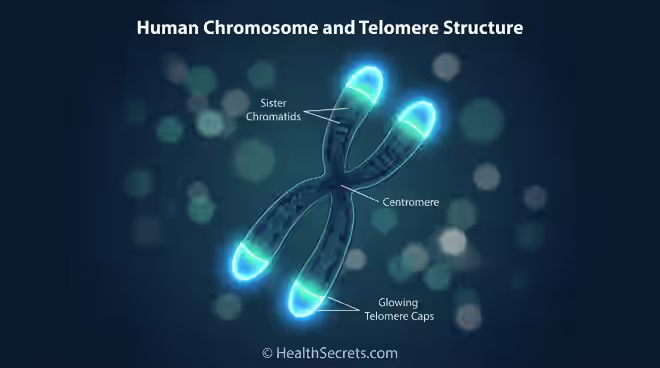
Your chronological age counts calendar years, but your biological age reflects how well your body is actually aging at the cellular level. Two people born the same year can have biological ages that differ by 10-20 years depending on lifestyle, genetics, and environmental exposures. Biological age is measurable through biomarkers like telomere length, DNA methylation patterns, inflammatory markers, and metabolic health indicators.
Key Facts
- DNA methylation clocks (like the Horvath clock) can predict biological age within 3-5 years
- Regular exercise can reduce biological age by 3-9 years compared to sedentary individuals
- Chronic stress accelerates biological aging by 2-4 years on average
- Mediterranean diet adherence is associated with longer telomeres and younger biological age
- Sleep deprivation accelerates epigenetic aging markers measurably within weeks
- Social isolation has an aging effect comparable to smoking 15 cigarettes per day
The Hallmarks of Aging You Can Influence
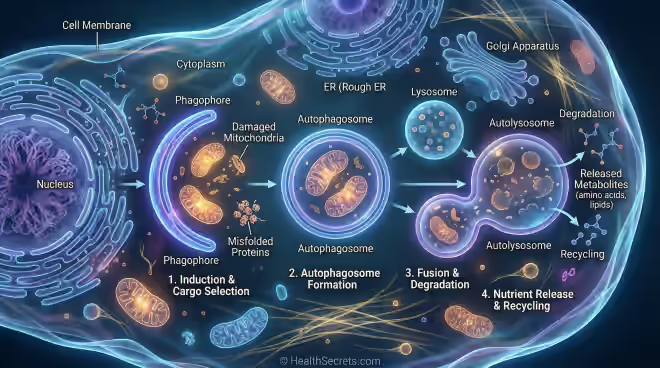
The nine hallmarks of aging — genomic instability, telomere attrition, epigenetic alterations, loss of proteostasis, deregulated nutrient sensing, mitochondrial dysfunction, cellular senescence, stem cell exhaustion, and altered intercellular communication — are all influenced by modifiable factors. Caloric restriction activates AMPK and sirtuins (longevity pathways), exercise triggers autophagy (cellular cleanup), and polyphenol-rich diets reduce oxidative DNA damage. NAD+ precursors like NMN may support mitochondrial function, while managing inflammation (CRP, IL-6) slows the accumulation of senescent cells.