
You probably don't think much about selenium. It's one of those trace minerals that flies under the radar — until you realize it's quietly running some of your body's most critical immune defenses. Every antibody your immune system produces, every free radical your cells neutralize during an infection, every viral mutation your body prevents — selenium is involved in all of it.
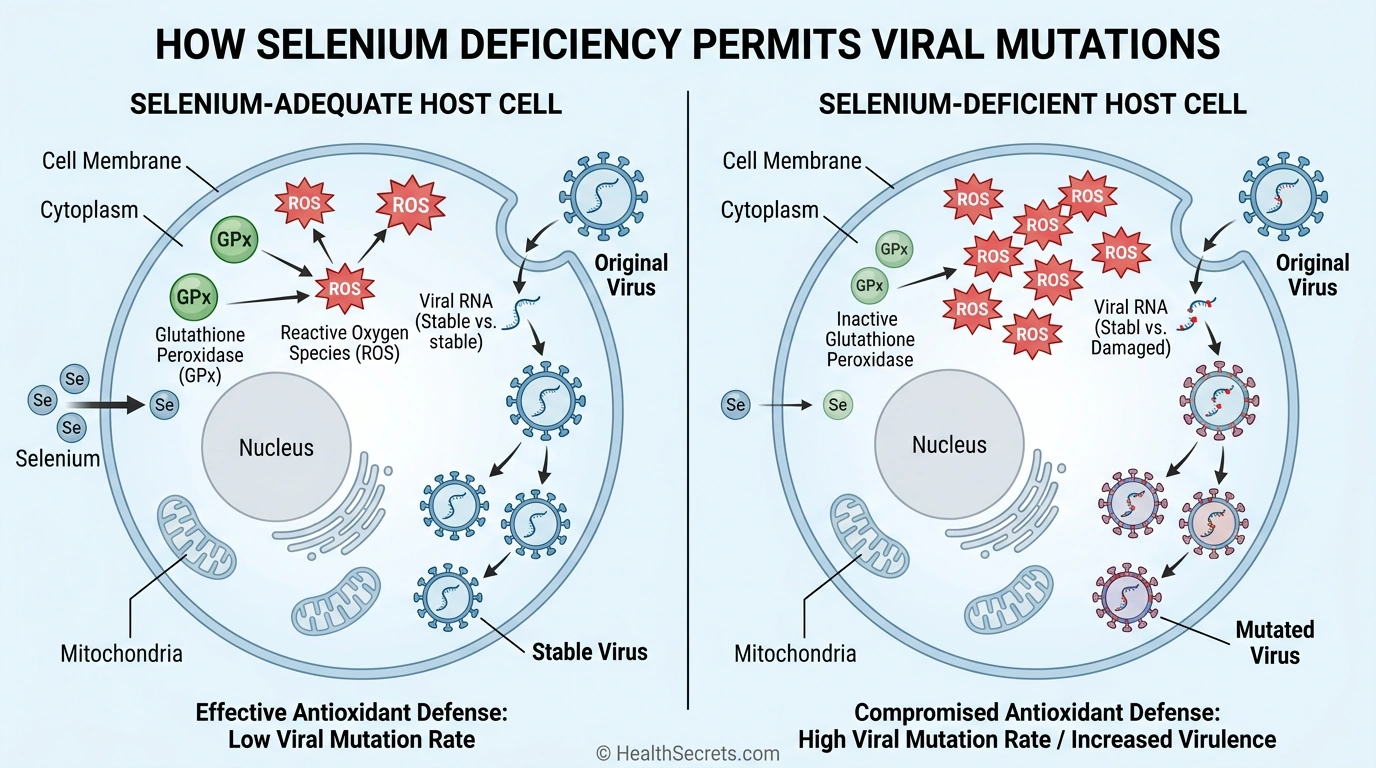
Here's the thing: selenium operates within an unusually narrow window. Too little, and your immune system falters — viruses can even mutate into more dangerous strains inside a selenium-deficient host. Too much, and you're looking at toxicity symptoms like hair loss and nerve damage. Getting it right matters more than with almost any other nutrient.
Whether you're considering boosting your immune system naturally or evaluating the best immune supplements, understanding selenium's unique role is essential. This guide covers everything you need to know — from mechanisms and dosing to food sources and the supplements worth your money.
What Is Selenium and Why Is It Essential for Immune Health?
Selenium is an essential trace mineral required in microgram quantities that serves as a critical building block for over 25 selenoproteins — specialized proteins that regulate antioxidant defense, thyroid metabolism, and immune function. Without adequate selenium, your body cannot produce the enzymes that protect immune cells from the very oxidative damage they generate while fighting infections.
Unlike minerals you need in milligram doses (like zinc or magnesium), selenium works in microgram amounts. Your entire body contains only 13–20 mg total, concentrated primarily in the thyroid, kidneys, and liver. But don't let the tiny quantities fool you — the impact is enormous.
What Are the Key Selenoproteins That Support Immunity?
The most important selenoproteins for immune function include glutathione peroxidases (GPx), which neutralize hydrogen peroxide and lipid peroxides to protect immune cells, and thioredoxin reductases (TrxR), which maintain cellular redox balance and support immune signaling. Selenoprotein P handles selenium transport throughout the body, while iodothyronine deiodinases convert thyroid hormone T4 to active T3.
One critical detail most people miss: soil selenium content varies dramatically by geography. Parts of China, Africa, and Europe have selenium-depleted soils, which means food grown there contains far less selenium. Finland actually addressed this by adding selenium to animal feed nationwide. In the U.S., the Great Plains region has selenium-rich soil, but other areas may be lower [1].
How Does Selenium Support Your Immune System?
Selenium supports immunity through four interconnected mechanisms: powering antioxidant enzymes that protect immune cells, enhancing T cell and NK cell function, preventing dangerous viral mutations in selenium-deficient hosts, and modulating inflammatory responses to prevent immune overreaction. These functions make it one of the most critical micronutrients for immune resilience.

How Does Selenium Protect Immune Cells From Oxidative Damage?
When your immune cells attack pathogens, they generate massive amounts of reactive oxygen species (ROS) — essentially chemical weapons. The problem is these same ROS can damage the immune cells themselves. Selenium-dependent glutathione peroxidase (GPx) neutralizes this oxidative damage, allowing immune cells to fight infections without destroying themselves in the process [2].
How Does Selenium Enhance T Cell and NK Cell Activity?
Selenium is required for proper T cell proliferation and differentiation. Research shows that selenium deficiency directly impairs T cell response to antigens, weakening your cell-mediated immunity against viruses and abnormal cells. NK (Natural Killer) cells — your body's frontline defense against virally infected cells and tumors — also depend on adequate selenium for optimal cytotoxic activity [3].
Selenium supplementation has also been shown to enhance antibody production by B cells, improving humoral immunity and vaccine response.
Can Selenium Prevent Viral Mutations?
This is perhaps selenium's most remarkable immune function. In selenium-deficient hosts, normally benign viruses can mutate into virulent, pathogenic strains. This was dramatically demonstrated in the Keshan disease outbreak in China, where Coxsackievirus mutated into a cardiotoxic strain in selenium-depleted populations. Mouse studies confirmed that selenium deficiency allowed influenza virus to undergo mutations that increased virulence — and these mutations persisted even when the virus was transferred to selenium-adequate hosts [4].
The mechanism? Low GPx activity creates oxidative stress that damages viral RNA during replication, causing random mutations — some of which make the virus more dangerous. Observational studies during the COVID-19 pandemic found that patients in high-selenium regions had better outcomes, though causation hasn't been definitively established [8].
Does Selenium Help Regulate Inflammation?
Selenium modulates the inflammatory response by influencing NF-κB signaling and cytokine production. Adequate selenium helps prevent excessive inflammation — the kind that leads to tissue damage during severe infections. Research shows selenium supplementation can reduce inflammatory markers including IL-6 and TNF-alpha, potentially helping prevent the dangerous cytokine storms associated with severe viral infections [2].
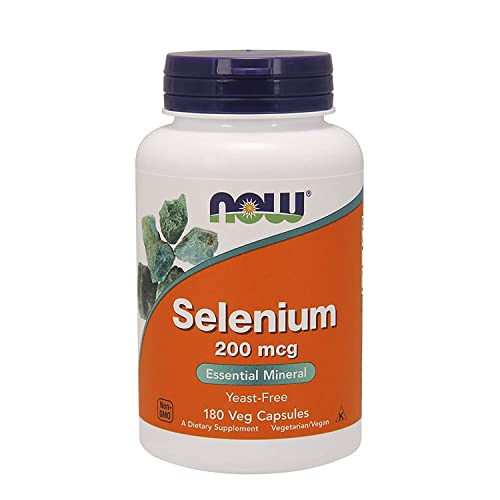
NOW Foods Selenium 200 mcg
Editor's ChoiceNOW Foods · Overall immune support and antioxidant defense
Thorne Research Selenomethionine
Premium PickThorne Research · Those wanting clinical-grade purity and third-party verification
Pure Encapsulations Selenium (Selenomethionine)
Best HypoallergenicPure Encapsulations · Sensitive individuals needing a clean, allergen-free formula
Life Extension Super Selenium Complex
Best Advanced FormulaLife Extension · Those wanting multiple selenium forms plus vitamin E synergy
Nature's Way Selenium 200 mcg
Best ValueNature's Way · Budget-conscious daily selenium supplementation
Nutricost Selenium 200 mcg
Best Budget BulkNutricost Selenium · Long-term supplementation at the lowest cost
Happy Belly Whole Brazil Nuts (Amazon Brand)
Best Natural SourceHappy Belly · Those who prefer getting selenium from whole foods
NOW Foods Selenium 100 mcg
Best Lower DoseNOW Foods · Those wanting maintenance dosing or already getting some selenium from food
Read the detailed review cards below before opening any retailer link
Top Recommended Products
NOW Foods
NOW Foods Selenium 200 mcg
NOW Foods delivers pharmaceutical-grade selenomethionine at an unbeatable price point, with 180 capsules providing a 6-month supply. The organic form ensures maximum absorption and storage in body proteins.
ప్రయోజనాలు
- + Excellent value per serving
- + organic selenomethionine form with 90%+ absorption
- + vegan and yeast-free
- + trusted brand with decades of quality history
లోపాలు
- - 200 mcg may be more than needed if already eating selenium-rich foods
దీనిని మేము ఎందుకు చేర్చాము: NOW Foods delivers pharmaceutical-grade selenomethionine at an unbeatable price point, with 180 capsules providing a 6-month supply. The organic form ensures maximum absorption and storage in body proteins.
రిటైలర్ లింక్ పైన ఉన్న రివ్యూ వివరాల తర్వాత Amazonలో తెరుచుకుంటుంది
Thorne Research
Thorne Research Selenomethionine
Thorne's NSF certification means every batch is tested for purity and label accuracy — ideal for those who want clinical-grade quality and are willing to pay a premium for it.
ప్రయోజనాలు
- + NSF Certified for Sport (highest purity standard)
- + no unnecessary fillers or additives
- + trusted by healthcare practitioners
- + hypoallergenic formulation
లోపాలు
- - Higher cost per serving
- - smaller bottle (60 count)
దీనిని మేము ఎందుకు చేర్చాము: Thorne's NSF certification means every batch is tested for purity and label accuracy — ideal for those who want clinical-grade quality and are willing to pay a premium for it.
రిటైలర్ లింక్ పైన ఉన్న రివ్యూ వివరాల తర్వాత Amazonలో తెరుచుకుంటుంది
Pure Encapsulations
Pure Encapsulations Selenium (Selenomethionine)
Pure Encapsulations is the gold standard for people with sensitivities — every ingredient is carefully vetted and the hypoallergenic formulation minimizes any risk of adverse reactions.
ప్రయోజనాలు
- + Free from all major allergens
- + no artificial colors
- + flavors
- + or preservatives
- + pharmaceutical-grade ingredients
- + large bottle size
లోపాలు
- - Premium pricing
- - only available through certain retailers
దీనిని మేము ఎందుకు చేర్చాము: Pure Encapsulations is the gold standard for people with sensitivities — every ingredient is carefully vetted and the hypoallergenic formulation minimizes any risk of adverse reactions.
రిటైలర్ లింక్ పైన ఉన్న రివ్యూ వివరాల తర్వాత Amazonలో తెరుచుకుంటుంది
Life Extension
Life Extension Super Selenium Complex
Life Extension's multi-form approach provides both immediate selenoprotein synthesis (from selenite) and long-term selenium storage (from selenomethionine), plus vitamin E enhances the antioxidant benefits.
ప్రయోజనాలు
- + Three selenium forms for comprehensive coverage
- + includes vitamin E for synergistic antioxidant protection
- + well-researched formulation
- + good value
లోపాలు
- - Contains multiple forms which some prefer to avoid
- - includes vitamin E which some may already supplement separately
దీనిని మేము ఎందుకు చేర్చాము: Life Extension's multi-form approach provides both immediate selenoprotein synthesis (from selenite) and long-term selenium storage (from selenomethionine), plus vitamin E enhances the antioxidant benefits.
రిటైలర్ లింక్ పైన ఉన్న రివ్యూ వివరాల తర్వాత Amazonలో తెరుచుకుంటుంది
Nature's Way
Nature's Way Selenium 200 mcg
Nature's Way delivers quality selenomethionine at one of the lowest price points available — a solid choice for those starting selenium supplementation without a big investment.
ప్రయోజనాలు
- + Very affordable per serving
- + yeast-free selenomethionine
- + trusted heritage brand
- + clean formula
లోపాలు
- - Fewer capsules per bottle than some competitors
- - not as many third-party certifications
దీనిని మేము ఎందుకు చేర్చాము: Nature's Way delivers quality selenomethionine at one of the lowest price points available — a solid choice for those starting selenium supplementation without a big investment.
రిటైలర్ లింక్ పైన ఉన్న రివ్యూ వివరాల తర్వాత Amazonలో తెరుచుకుంటుంది
Nutricost Selenium
Nutricost Selenium 200 mcg
Nutricost provides the most capsules per dollar while still using quality selenomethionine — ideal for those committed to long-term daily supplementation.
ప్రయోజనాలు
- + 240 capsules per bottle (8-month supply)
- + very low cost per serving
- + organic selenium form
- + third-party tested
లోపాలు
- - Less established brand than NOW or Thorne
- - minimal additional features
దీనిని మేము ఎందుకు చేర్చాము: Nutricost provides the most capsules per dollar while still using quality selenomethionine — ideal for those committed to long-term daily supplementation.
రిటైలర్ లింక్ పైన ఉన్న రివ్యూ వివరాల తర్వాత Amazonలో తెరుచుకుంటుంది
Happy Belly
Happy Belly Whole Brazil Nuts (Amazon Brand)
For selenium specifically, Brazil nuts are unmatched — just 1–2 nuts daily meets your needs naturally. The whole food matrix may provide additional absorption benefits compared to isolated supplements.
ప్రయోజనాలు
- + Whole food source with additional healthy fats and minerals
- + no pill fatigue
- + enjoyable to eat
- + contains fiber
- + magnesium
- + and phosphorus
లోపాలు
- - Selenium content varies significantly by growing region
- - easy to overeat and exceed safe limits
- - requires portion control
దీనిని మేము ఎందుకు చేర్చాము: For selenium specifically, Brazil nuts are unmatched — just 1–2 nuts daily meets your needs naturally. The whole food matrix may provide additional absorption benefits compared to isolated supplements.
రిటైలర్ లింక్ పైన ఉన్న రివ్యూ వివరాల తర్వాత Amazonలో తెరుచుకుంటుంది
NOW Foods
NOW Foods Selenium 100 mcg
The 100 mcg dose hits the immune-support sweet spot without the risk of overshooting, especially if you're also eating selenium-containing foods or taking a multivitamin.
ప్రయోజనాలు
- + Lower dose reduces toxicity risk
- + large bottle provides excellent value
- + organic form
- + ideal alongside a selenium-containing multivitamin
లోపాలు
- - Tablet form (some prefer capsules)
- - may need 2 tablets for therapeutic dosing
దీనిని మేము ఎందుకు చేర్చాము: The 100 mcg dose hits the immune-support sweet spot without the risk of overshooting, especially if you're also eating selenium-containing foods or taking a multivitamin.
రిటైలర్ లింక్ పైన ఉన్న రివ్యూ వివరాల తర్వాత Amazonలో తెరుచుకుంటుంది
How Much Selenium Should You Take for Immune Support?
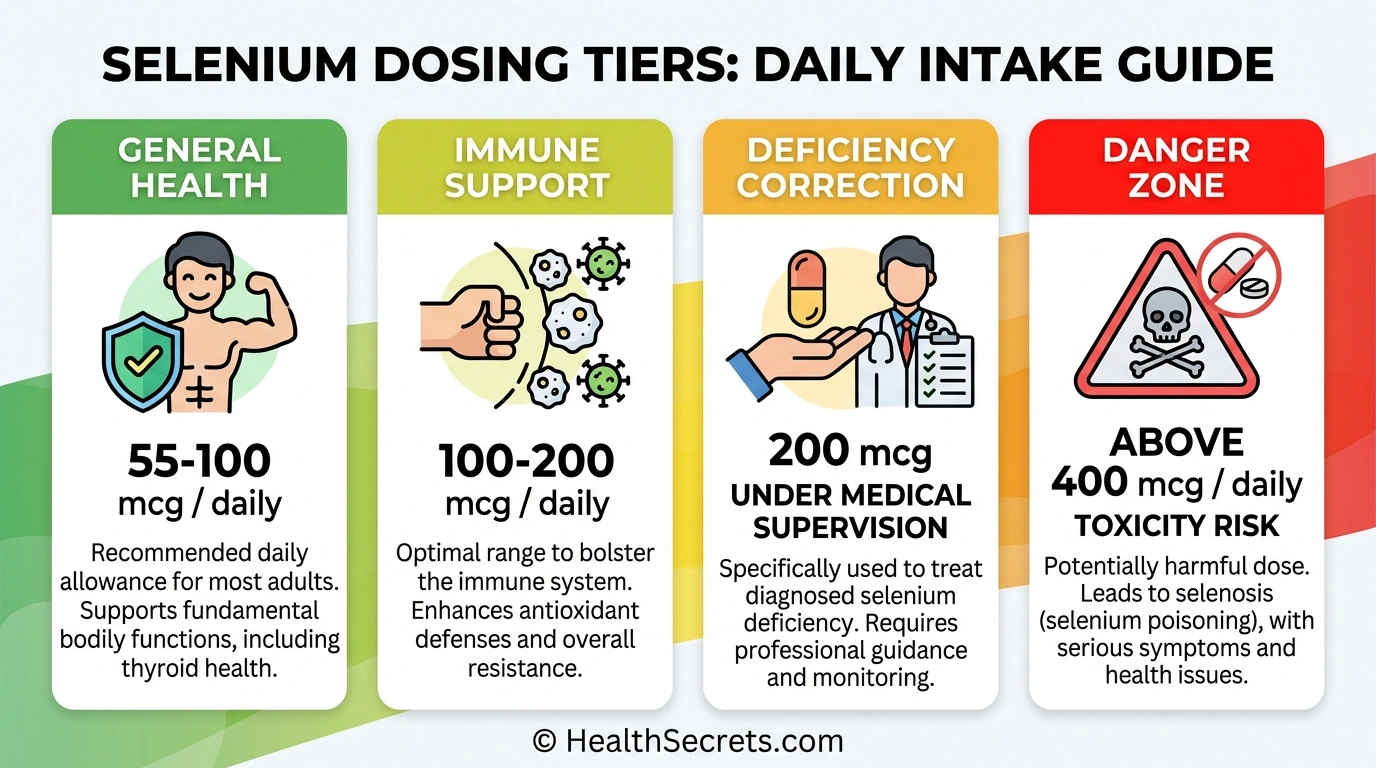
For general health, the RDA of 55 mcg/day prevents deficiency, but research on immune optimization suggests 100–200 mcg/day may provide enhanced immune function, including improved T cell response and better antiviral protection. The critical safety threshold is 400 mcg/day from all sources — never exceed this without medical supervision.

| Population | Daily Dose | Rationale |
|---|---|---|
| Adults (maintenance) | 55–100 mcg | Meets RDA, supports basic selenoprotein function |
| Immune support | 100–200 mcg | Enhanced T cell, NK cell, and antibody function |
| Deficiency correction | 200 mcg | Under medical supervision, retest after 3 months |
| Pregnancy | 60 mcg | Increased RDA for fetal development |
| Lactation | 70 mcg | Increased RDA for milk production |
| Timing: Daily, with or without food — consistency matters more than timing. Selenomethionine is preferred for its superior absorption and storage. If you're already taking a multivitamin with 55–70 mcg selenium, account for that in your total daily intake. |
Critical warning: Calculate your total selenium from food + multivitamin + standalone supplement. It's easier than you'd think to exceed 400 mcg, especially if you're eating Brazil nuts AND taking a selenium supplement.

Can You Get Enough Selenium From Food Alone?
Yes — if you eat seafood, meat, or eggs regularly, or consume just 1–2 Brazil nuts daily, you can meet and even exceed your selenium needs from food. However, plant-based eaters in low-selenium soil regions may struggle to reach optimal immune-supporting levels without supplementation or strategic Brazil nut consumption.
| Food | Serving | Selenium (mcg) | % RDA |
|---|---|---|---|
| Brazil nuts | 1 nut (~4g) | 68–91 | 124–165% |
| Yellowfin tuna | 3 oz | 92 | 167% |
| Halibut | 3 oz | 47 | 85% |
| Sardines | 3 oz | 45 | 82% |
| Beef | 3 oz | 33 | 60% |
| Chicken | 3 oz | 22 | 40% |
| Eggs | 1 large | 15 | 27% |
The Brazil Nut Advantage (and Caution)
Brazil nuts are nature's most concentrated selenium source — a single nut delivers more than your entire daily requirement. Research from the American Journal of Clinical Nutrition found that just 2 Brazil nuts daily raised selenium status as effectively as a 100 mcg selenomethionine supplement [6].
But here's the catch: 6 Brazil nuts could push you to 400–550 mcg — at or above the toxicity threshold.
Stick to 1–2 nuts daily, maximum. And if you're also taking a selenium supplement, you may want to skip the Brazil nuts entirely.

Is Selenium Safe? What Are the Side Effects and Risks?
Selenium is safe at recommended doses (55–200 mcg/day), but it has one of the narrowest therapeutic windows of any essential nutrient. Chronic intake above 400 mcg/day causes selenosis — a toxicity syndrome characterized by hair loss, nail brittleness and loss, garlic-scented breath, fatigue, and in severe cases, peripheral neuropathy.
Selenosis Warning Signs
The earliest signs of selenium toxicity include a metallic taste in the mouth, garlic-like breath odor (from dimethyl selenide), and GI symptoms like nausea. If you notice unusual hair loss or nail changes while supplementing selenium, stop immediately and consult your doctor [9].
Drug Interactions
- Cholesterol-lowering drugs (statins + niacin): Selenium may reduce the effectiveness of this combination
- Chemotherapy: Selenium's antioxidant effects could theoretically interfere — consult your oncologist
- Immunosuppressants: Selenium enhances immune function, which may counteract these medications
Who Should Avoid Supplementation?
- Anyone already consuming high-selenium foods regularly (test first)
- People in high-selenium soil regions (parts of the U.S.
Great Plains)
- Those taking multiple supplements that contain selenium (check labels)
What Can Selenium Actually Do for Your Immune System?
Selenium supplementation can meaningfully support immune function — particularly for people who are deficient or suboptimal — by enhancing T cell activity, improving vaccine response, and reducing the risk of viral mutations. However, it's not a standalone immune solution, benefits are most pronounced in those who are actually deficient, and it takes consistent daily intake over weeks to fully optimize selenoprotein levels.
What Selenium Won't Do
- It won't prevent you from getting sick if you're already selenium-adequate
- It won't cure infections or replace medical treatment
- Megadosing doesn't provide extra benefits — and it can harm you
- Effects are subtle and cumulative, not dramatic or immediate
Realistic Timeline
- Week 1–2: Selenium levels begin to rise in blood
- Week 4–8: Selenoprotein activity reaches optimal levels
- Month 3+: Full immune benefits realized (improved T cell function, enhanced antioxidant defense)
For the best results, combine selenium with other immune-supporting nutrients: vitamin C (regenerates antioxidants), vitamin E (synergistic antioxidant partner), and zinc (complementary immune mineral). This comprehensive approach — alongside adequate sleep, regular exercise, and a nutrient-dense diet — creates the foundation for robust immunity.
Action Plan
What Should You Do First to Optimize Your Selenium Intake?
Follow the sequence below, work through each phase in order, and use the checklist as your practical implementation guide.
Start by assessing your current selenium intake from food, then decide whether supplementation is necessary based on your diet, geography, and health status. Most people can meet their needs with 1–2 Brazil nuts daily or a 100–200 mcg selenomethionine supplement, but calculating your total intake from all sources is essential to stay safely below 400 mcg.
Phase 1 — Assess (Week 1):
- Evaluate your current diet for selenium-rich foods (seafood, meat, eggs, Brazil nuts)
- Check if your multivitamin contains selenium (most have 55–70 mcg)
- Consider blood selenium testing if you're in a risk group (vegan, malabsorption, low-selenium region)
Phase 2 — Optimize (Week 2–4):
- Choose your selenium source: 1–2 Brazil nuts daily OR selenomethionine supplement (100–200 mcg)
- Calculate total daily intake from all sources (food + multivitamin + supplement)
- Ensure total stays below 400 mcg/day
Phase 3 — Maintain and Monitor (Month 2+):
- Take selenium consistently daily for full selenoprotein optimization
- Watch for any toxicity signs (hair changes, nail brittleness, metallic taste)
- Combine with vitamin D (1,000–2,000 IU), zinc (15–30 mg), and vitamin C (500–1,000 mg) for comprehensive immune support
- Retest selenium levels after 3 months if correcting a deficiency

