Here's something that caught me off guard when I first started digging into supplement safety research: more than half of American adults take at least one dietary supplement. That's well over 150 million people swallowing capsules, powders, and tinctures every single day—often with zero guidance from a healthcare provider.
And look, I'm not here to scare you away from supplements entirely. Many of them genuinely help. But the assumption that "natural" equals "safe" has sent more people to emergency rooms than you'd probably expect. The FDA receives thousands of adverse event reports annually related to dietary supplements, and researchers consistently find that 20–50% of products don't match their label claims [7].
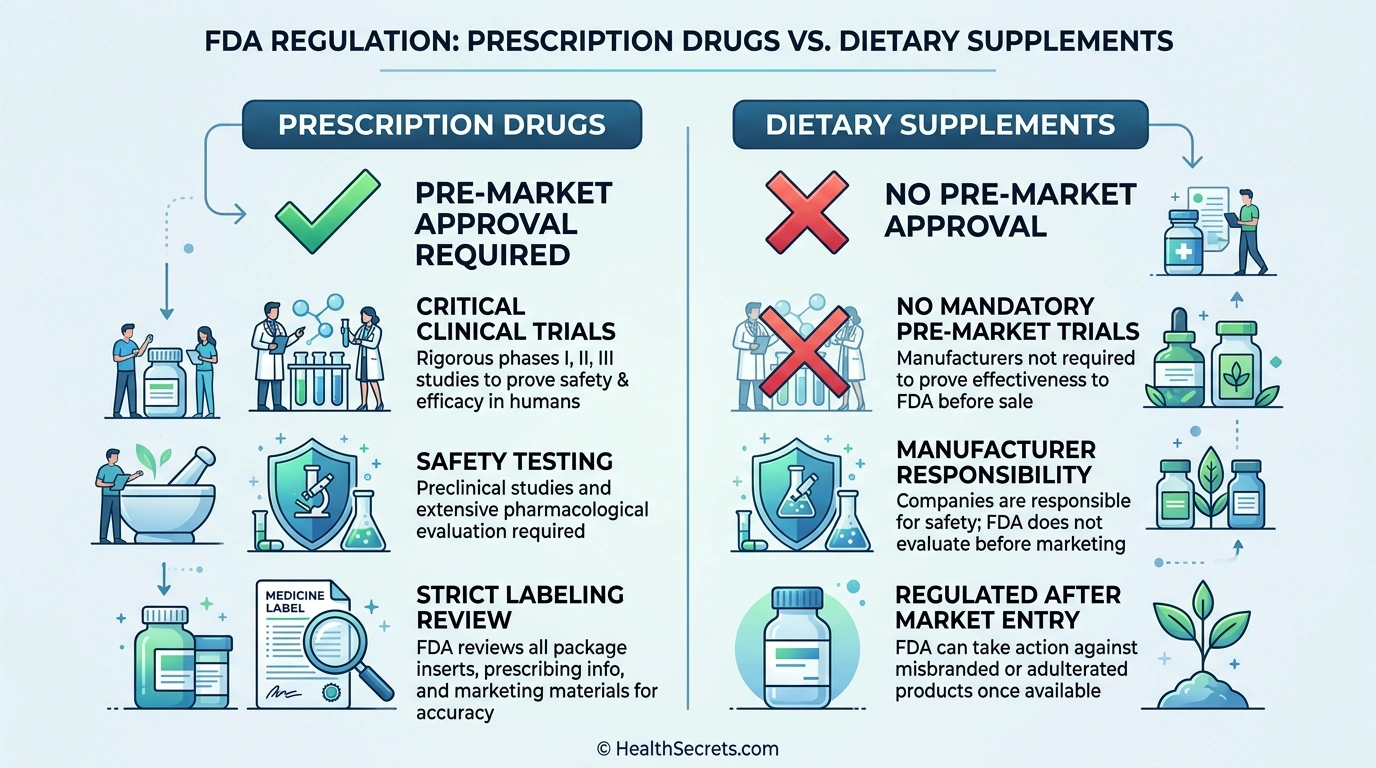
The core issue? Unlike prescription drugs, supplements don't require FDA approval before hitting the market. Under the [2], manufacturers are responsible for their own product safety—and enforcement happens reactively, not proactively.
That doesn't mean you should toss your supplements in the trash. It means you need to be informed. And that's exactly what we're covering in this guide—from contamination and drug interactions to megadosing risks, vulnerable populations, and how to actually verify what you're taking.
If you're already taking supplements, you may also want to read our complete supplements guide for dosing recommendations, our guide to supplement interactions for drug-supplement safety, and our detox and cleansing guide for evidence-based protocols.
What Is Supplement Safety and Why Should You Care About It?
Supplement safety refers to the evidence-based practices that minimize your risk of harm from dietary supplements—including choosing quality products, avoiding dangerous interactions, and recognizing when something goes wrong. It matters because supplements are not regulated like prescription drugs, quality varies enormously between brands, and certain products can cause serious side effects ranging from liver damage to fatal toxicity.
The Scale of the Problem
Over 50% of American adults use dietary supplements regularly, and many take multiple products simultaneously. The U.S. supplement market exceeds $60 billion annually, with more than 80,000 products available. Yet the FDA openly acknowledges [2] that it "does not have the authority to approve dietary supplements before they are marketed."
That gap between widespread use and limited oversight creates real risks. A [7] found deliberate adulteration in both legal and illegal supplements, including pharmacologically active substances that are prohibited in this product category.
What This Guide Covers
This guide walks you through the six pillars of supplement safety: understanding FDA regulation and its limitations, identifying quality and contamination issues, recognizing dangerous interactions, knowing the risks of megadosing, understanding who should exercise extra caution, and learning practical steps to protect yourself.
How Does the FDA Actually Regulate Dietary Supplements?
Under the Dietary Supplement Health and Education Act of 1994, the FDA regulates supplements under a completely different framework than conventional drugs. Manufacturers—not the FDA—are responsible for evaluating the safety and labeling of their products before selling them.
The FDA can only take action after a product reaches the market if it proves to be unsafe or mislabeled, through recalls, warning letters, or seizures.
The DSHEA Framework
Here's what most people don't understand about supplement regulation: when a pharmaceutical company wants to sell a new drug, it must prove to the FDA that the drug is both safe and effective through rigorous clinical trials. Supplements face no such requirement. Under DSHEA [1], a manufacturer can introduce a new supplement without notifying the FDA at all—unless it contains a genuinely novel dietary ingredient.
Since 2007, manufacturers are required to follow Good Manufacturing Practices (GMP) [16] and must report serious adverse events to the FDA. But GMP ensures quality control processes are in place—it doesn't guarantee that any given product is safe or effective.
Key Limitations
The burden of proof falls on the FDA to demonstrate that a product is unsafe—a reactive rather than proactive approach. The agency has limited resources [18] to monitor tens of thousands of supplement products, many adverse events go unreported by consumers, and enforcement actions often take years. The FDA issued 231 GMP-related observations in 2024 alone, highlighting persistent quality control failures across the industry.
What this means for you: never assume a supplement is safe simply because it's available for sale. Do your own research and choose products with independent third-party verification.
What Are the Key Areas of Supplement Safety You Need to Know?
Understanding supplement safety requires awareness of four critical risk areas: product quality and contamination, drug-supplement interactions, toxicity from excessive doses, and heightened vulnerability in certain populations. Each area carries its own set of evidence-based precautions that can prevent the vast majority of supplement-related adverse events.
How Can You Spot Contaminated or Adulterated Supplements?
Quality problems in the supplement industry are far more common than most consumers realize. Research consistently finds that 20–50% of supplements don't match their label claims. [7] identified 32 contaminants across 30 dietary supplements examined, including intentional adulteration with prohibited pharmacologically active substances.
Common quality issues include wrong ingredient amounts, heavy metal contamination (lead, arsenic, mercury, cadmium), undeclared pharmaceutical drugs, and ingredient substitution. Weight loss supplements frequently contain undeclared stimulants like sibutramine; sexual enhancement products often harbor sildenafil or tadalafil; and bodybuilding supplements may contain undeclared anabolic steroids.
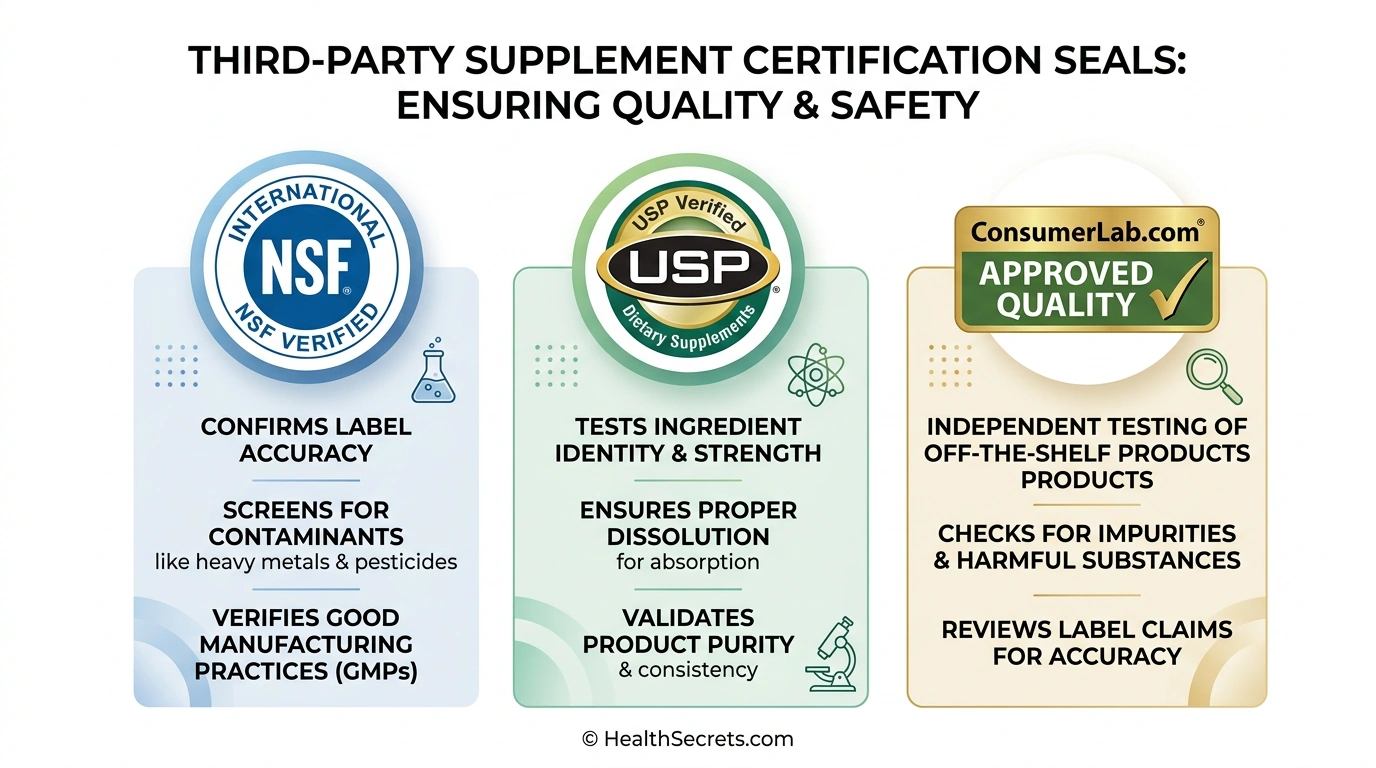
Your best defense? Third-party testing. NSF International conducts independent laboratory testing and annual audits—they don't simply review manufacturer-submitted data. USP's Dietary Supplement Verification Program verifies purity, potency, and quality. ConsumerLab.com [22] provides independent testing results and reviews for consumers and healthcare providers.
Look for the NSF, USP, or ConsumerLab seal on any supplement you purchase.
Why Are Drug-Supplement Interactions So Dangerous?
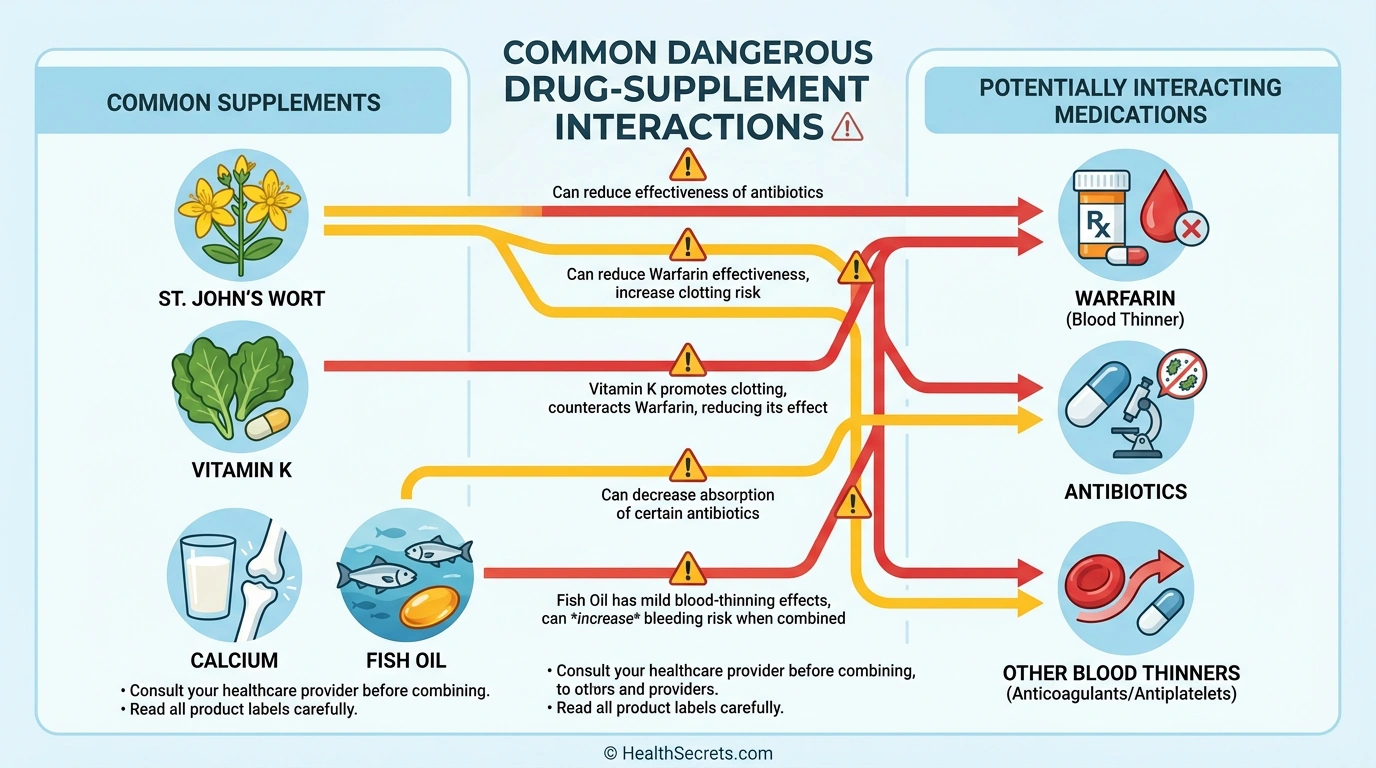
Drug-supplement interactions represent one of the most underrecognized safety risks. St. John's wort is perhaps the most notorious example—it induces CYP450 liver enzymes that metabolize numerous medications, reducing the effectiveness of blood thinners (warfarin), oral contraceptives, antidepressants, HIV medications, and immunosuppressants [17]. A prospective study [11] found that St. John's wort significantly increased warfarin clearance, reducing its anticoagulant effect—potentially increasing blood clot risk.
Other dangerous interactions include vitamin K counteracting warfarin, calcium and iron reducing absorption of antibiotics and thyroid medication, and fish oil, vitamin E, garlic, and ginkgo biloba increasing bleeding risk when combined with blood thinners. Research shows [10] that multiple herb-warfarin interactions exist through various mechanisms including CYP enzyme induction, interference with vitamin K cycles, and direct anticoagulant effects.
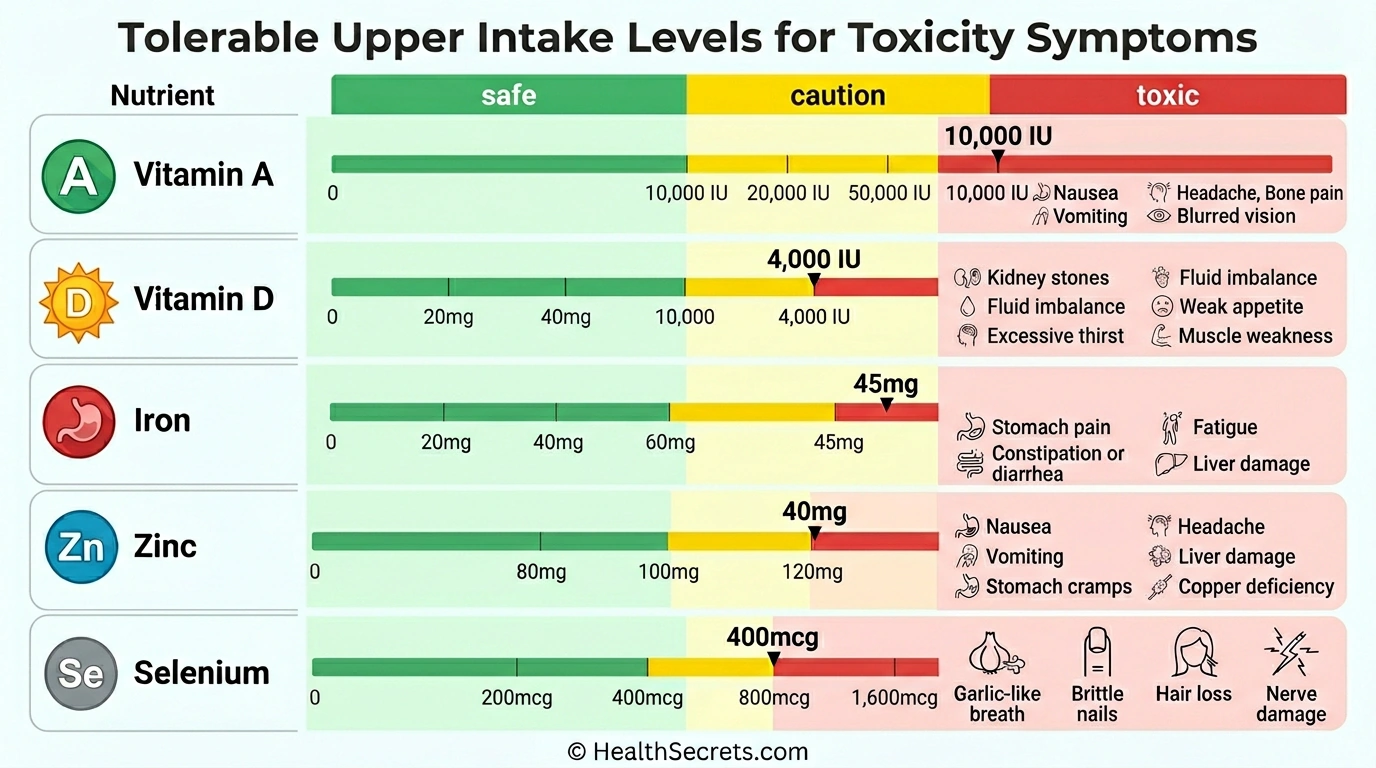
Supplement-supplement interactions also matter. Calcium reduces iron absorption by 30–50%. High-dose zinc (above 40mg daily long-term) causes copper deficiency. Always tell your doctor and pharmacist about every supplement you take.
What Happens When You Take Too Much of a Vitamin or Mineral?
Megadosing—taking supplements well above recommended levels—carries real toxicity risks, especially with fat-soluble vitamins that accumulate in the body. [9], high doses of certain vitamins taken regularly can be toxic, even though the same vitamins are essential at proper levels.
Fat-soluble vitamin risks include: vitamin A above 10,000 IU daily long-term causing liver damage, bone loss, and birth defects; vitamin D above 10,000 IU daily leading to hypercalcemia with kidney damage [12]; and vitamin E above 1,000 IU daily increasing bleeding risk.
Water-soluble vitamins aren't entirely safe either. Vitamin B6 above 100mg daily long-term can cause peripheral neuropathy. Niacin (B3) above 500mg daily may cause flushing and liver damage. Vitamin C above 2,000mg daily can trigger diarrhea and kidney stones in susceptible individuals.
Mineral toxicity is equally concerning: iron overdose can be fatal in children, zinc above 40mg daily causes copper deficiency, and selenium above 400mcg daily leads to hair loss and nerve damage. Among herbs, kava has been linked to severe liver damage, and ephedra was banned by the FDA in 2004 after being linked to heart attacks, strokes, and deaths.
Who Should Be Extra Cautious with Supplements?
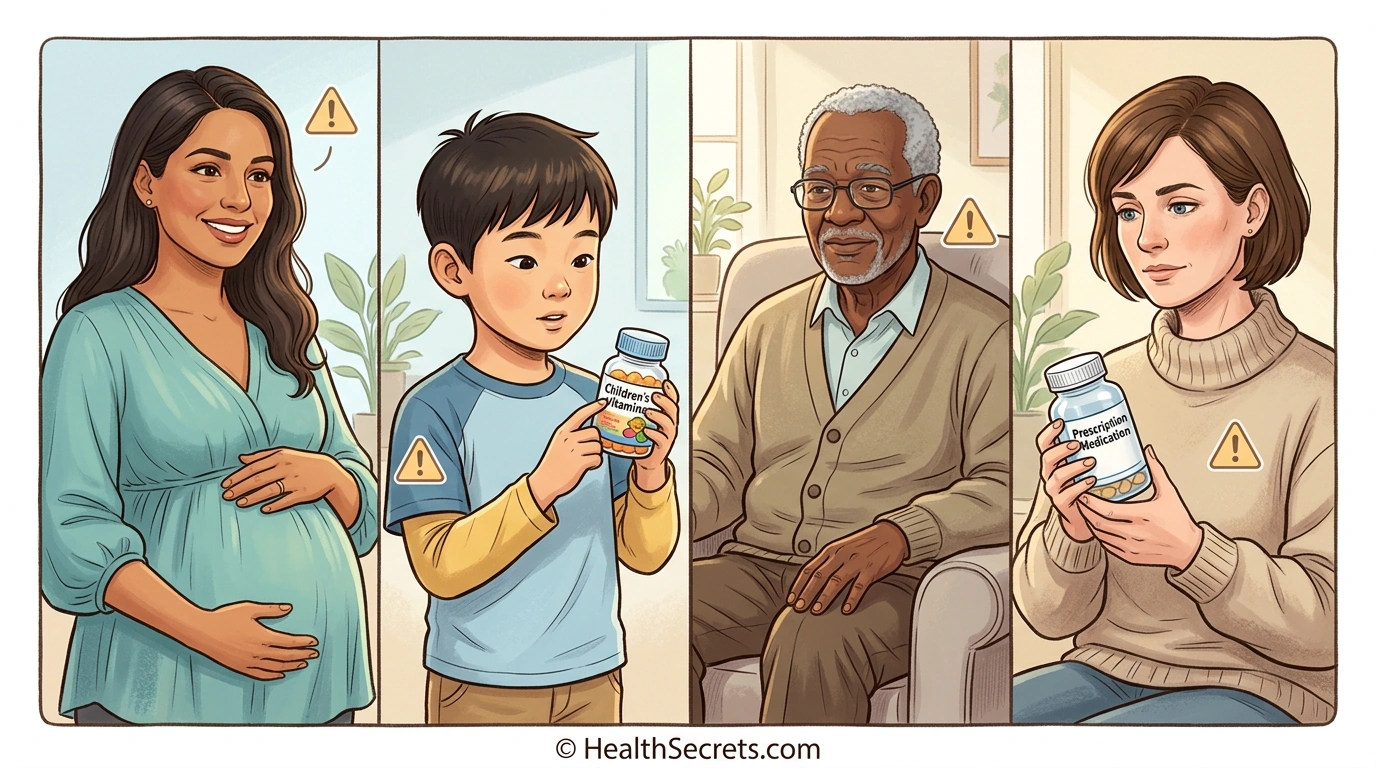
Certain populations face heightened risks from supplements. Research confirms [8] that like all medicines, supplements can cause adverse reactions, drug interactions, and additional harms in vulnerable groups.
- Pregnant and breastfeeding women should know that many supplements haven't been tested for safety during pregnancy. High-dose vitamin A can cause birth defects, while herbs like ashwagandha and black cohosh may trigger miscarriage. Safe options include prenatal vitamins, folic acid, iron (if deficient), vitamin D, and DHA—but always under medical supervision.
- Children need lower weight-based doses and face greater toxicity risk, particularly from iron, vitamin A, and vitamin D. Use liquid or chewable forms and keep all supplements in child-resistant containers.
- Elderly adults are more vulnerable due to multiple medication use (interaction risk), reduced kidney and liver function (slower clearance), and greater sensitivity to side effects. They commonly benefit from vitamin D, B12, and calcium supplementation, but should consult a doctor before starting.
- People with medical conditions need specific caution: kidney disease patients should avoid high-dose vitamin C, magnesium, and potassium; those with liver disease should avoid kava and high-dose green tea extract; and people with bleeding disorders should avoid fish oil, vitamin E, garlic, and ginkgo.
- Before surgery: stop supplements that increase bleeding risk (fish oil, vitamin E, garlic, ginkgo, ginger) 1–2 weeks beforehand, and stop supplements that may affect anesthesia (kava, valerian, St. John's wort). Tell your surgeon and anesthesiologist about every supplement you take.
Thorne Basic Nutrients 2/Day
Editor's ChoiceThorne Basic · Consumers who want verified quality and third-party tested multivitamin
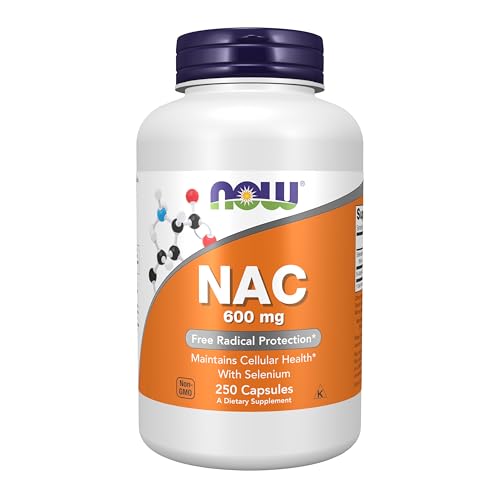
NOW Foods NAC 600mg
Best ValueNOW Foods · Budget-conscious consumers who want GMP-certified supplement quality
MEDca Weekly Pill Organizer with Locking Lid
Best Safety ToolMEDca Weekly · Families with children who need safe supplement storage and organization
Supplement and Medication Tracking Journal
Best For MonitoringSupplement and · People taking multiple supplements who want to track side effects and efficacy
Read the detailed review cards below before opening any retailer link
Top Recommended Products
Thorne Basic
Thorne Basic Nutrients 2/Day
Thorne undergoes NSF Certified for Sport testing—one of the most rigorous third-party verification programs available—ensuring every batch meets label claims with no contaminants or banned substances.
Pros
- + NSF Certified for Sport (highest standard)
- + bioavailable methylated B vitamins
- + no unnecessary fillers or artificial colors
- + trusted by Olympic athletes and healthcare practitioners
Cons
- - Higher price point than non-certified alternatives
Why we included it: Thorne undergoes NSF Certified for Sport testing—one of the most rigorous third-party verification programs available—ensuring every batch meets label claims with no contaminants or banned substances.
Retailer link opens on Amazon after the review details above
NOW Foods
NOW Foods NAC 600mg
NOW Foods is one of the most transparent supplement brands in the industry with GMP-certified facilities and decades of consistent quality, making it an excellent choice for budget-conscious consumers.
Pros
- + Affordable and widely available
- + GMP-certified manufacturing facility
- + consistent third-party testing
- + well-established brand with decades of quality history
Cons
- - Not NSF or USP certified (though GMP and NPA A-rated)
Why we included it: NOW Foods is one of the most transparent supplement brands in the industry with GMP-certified facilities and decades of consistent quality, making it an excellent choice for budget-conscious consumers.
Retailer link opens on Amazon after the review details above
MEDca Weekly
MEDca Weekly Pill Organizer with Locking Lid
A locking pill organizer addresses one of the most important but overlooked aspects of supplement safety—preventing accidental ingestion by children, which causes thousands of emergency room visits annually.
Pros
- + Child-resistant locking lid prevents accidental access
- + clear daily compartments for AM/PM doses
- + compact for travel
- + helps maintain consistent supplement routine
Cons
- - Limited compartment size may not fit large capsules
Why we included it: A locking pill organizer addresses one of the most important but overlooked aspects of supplement safety—preventing accidental ingestion by children, which causes thousands of emergency room visits annually.
Retailer link opens on Amazon after the review details above
Supplement and
Supplement and Medication Tracking Journal
Tracking your supplement intake and how you feel is one of the most effective safety practices recommended by healthcare providers—this journal makes it simple and consistent.
Pros
- + Daily tracking of supplements doses and side effects
- + helps identify interactions or adverse reactions
- + valuable documentation for doctor appointments
- + creates accountability for supplement routine
Cons
- - Requires consistent daily use to be effective
Why we included it: Tracking your supplement intake and how you feel is one of the most effective safety practices recommended by healthcare providers—this journal makes it simple and consistent.
Retailer link opens on Amazon after the review details above
What Are the Warning Signs That a Supplement Is Causing Harm?
The most common supplement side effects include digestive issues (nausea, diarrhea, constipation), headaches, insomnia from stimulating supplements taken too late, and drowsiness from sedating supplements like valerian or magnesium. Most mild side effects resolve by reducing the dose, taking the supplement with food, or adjusting timing. However, certain symptoms require immediate medical attention.
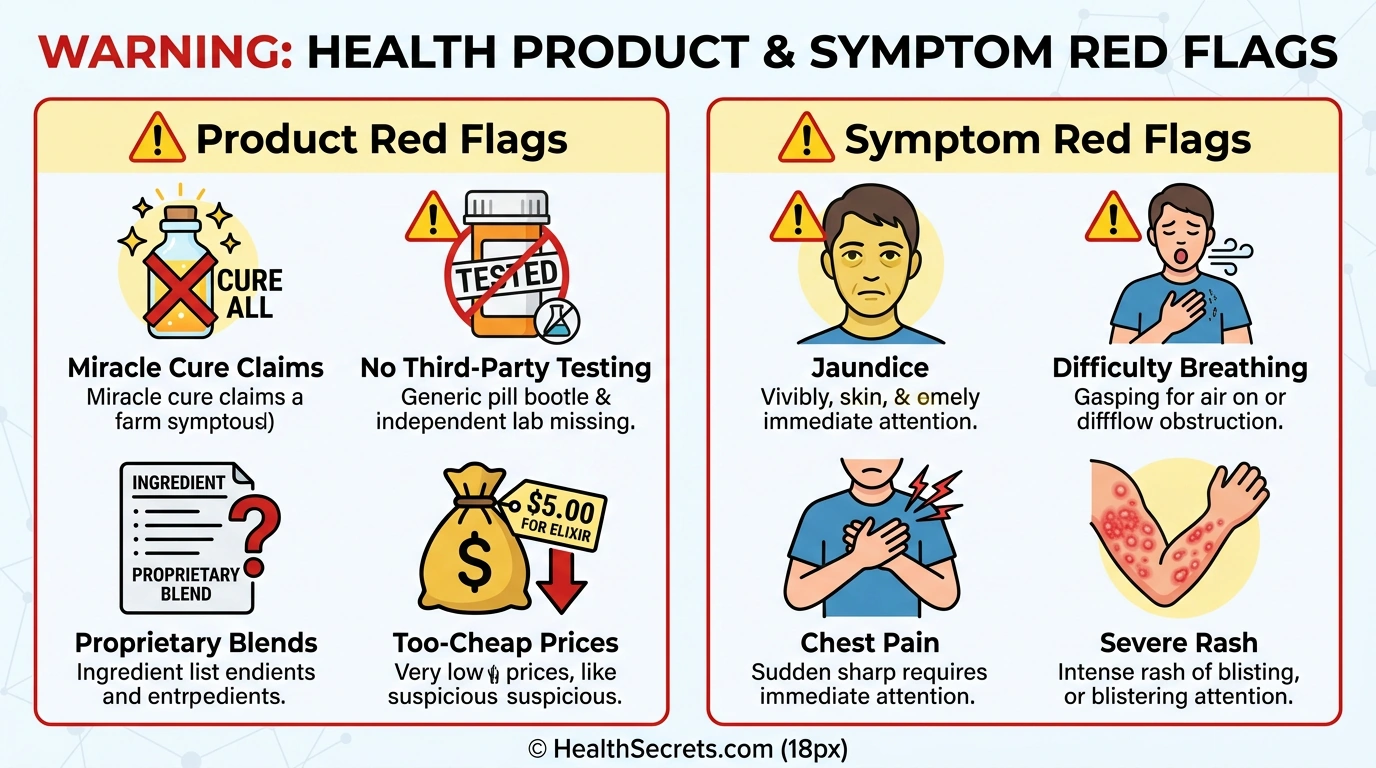
Product Red Flags to Watch For
Before you even open a bottle, certain warning signs suggest a product may be unsafe: exaggerated claims like "miracle cure" or "FDA approved" (supplements cannot be FDA approved), proprietary blends that hide individual ingredient amounts, products sold only online or through MLM channels with no verifiable company address, and prices dramatically lower than competitors.
The absence of third-party testing seals (NSF, USP, ConsumerLab) is another red flag. Reputable brands invest in independent verification precisely because they want consumers to trust their quality.
Symptom Red Flags—Seek Medical Attention Immediately
Stop taking any supplement and seek medical help if you experience: difficulty breathing or facial swelling (severe allergic reaction), yellowing skin or eyes with dark urine (liver damage), decreased urination or blood in urine (kidney damage), chest pain or irregular heartbeat, severe headache with vision changes, or any severe or persistent symptoms after starting a new supplement.
Report serious adverse events to the FDA MedWatch program [4] online, by phone at 1-800-FDA-1088, or by mail. Your report helps the FDA identify dangerous products and protect other consumers.
How Do You Actually Choose and Use Supplements Safely?
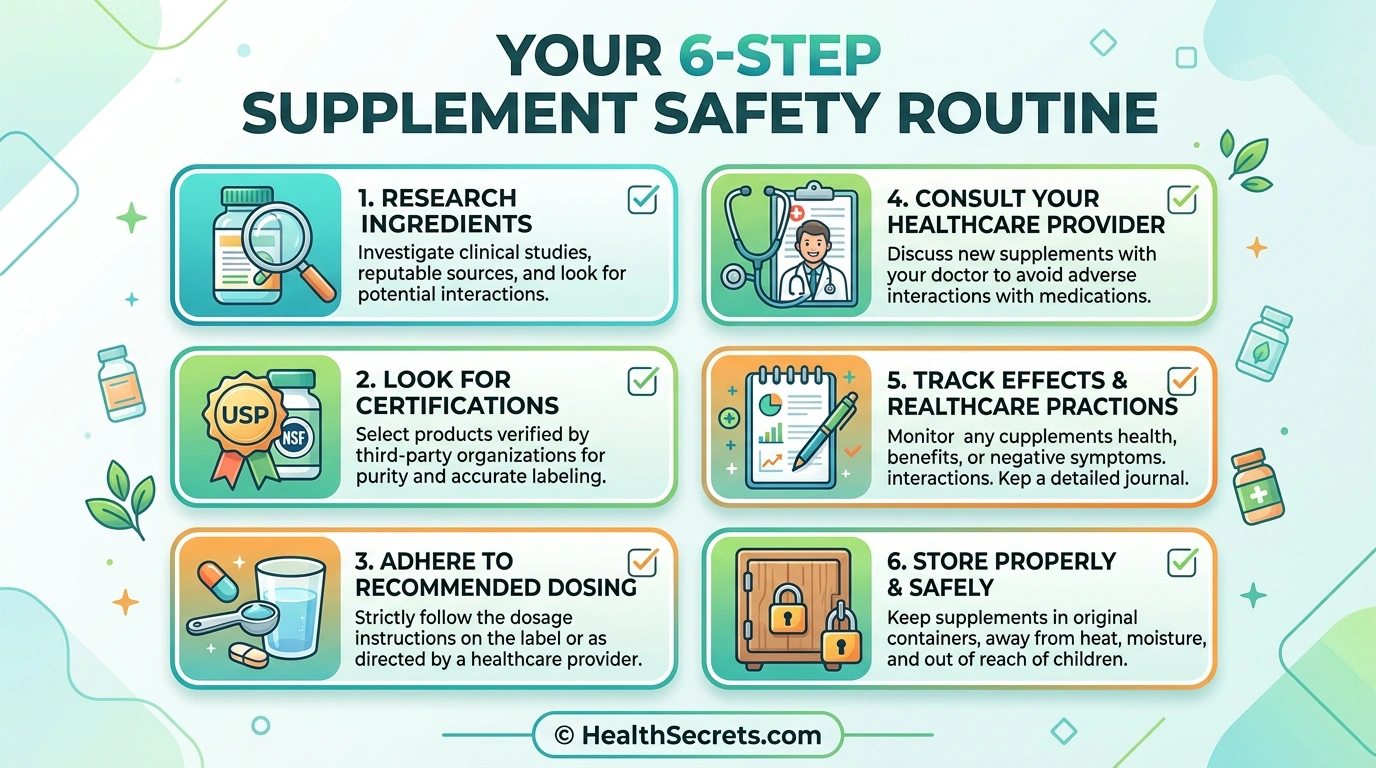
Using supplements safely comes down to six practical habits: researching before buying, choosing verified products, following proper dosing, informing your healthcare providers, monitoring your body's response, and storing products securely. These evidence-based practices prevent the overwhelming majority of supplement-related adverse events.
- Do your homework first. Before taking any supplement, learn about its benefits, risks, interactions, and proper dosage. Use reliable sources: the [21], MedlinePlus, ConsumerLab, and Examine.com [20]. Check for FDA warnings and recalls [18].
- Choose quality products. Look for NSF, USP, or ConsumerLab certification seals. Choose established brands with transparent sourcing and testing. Avoid products making exaggerated health claims.
- Follow dosing instructions. Don't exceed recommended doses without medical supervision. Start with the lowest effective dose and increase gradually. Follow timing instructions—some supplements work better with food, others on an empty stomach.
- Tell every healthcare provider. Your doctor, pharmacist, and surgeon all need to know about every supplement you take—including herbs. Bring your bottles to appointments. Check for interactions before starting any new supplement or medication.
- Monitor yourself. Pay close attention to how you feel after starting a new supplement. Keep a brief journal if taking multiple products. Stop immediately and consult your doctor if you notice concerning symptoms.
- Store safely. Keep supplements out of children's reach in child-resistant containers. Store in a cool, dry place away from light and moisture. Check expiration dates regularly.
What Role Do Diet and Lifestyle Play in Safe Supplement Use?
A nutrient-rich whole-foods diet is the foundation of any safe supplement strategy. Supplements work best when filling specific gaps—not replacing meals, masking poor habits, or compensating for underlying conditions that need medical treatment. The safest approach combines a balanced diet, regular exercise, adequate sleep, and stress management with targeted supplementation based on documented deficiencies or specific health needs.
When You Should Talk to a Doctor First
Consult a healthcare provider before starting supplements if you are pregnant, breastfeeding, or trying to conceive; taking any medications (especially blood thinners, blood pressure drugs, diabetes medications, antidepressants, or immunosuppressants); managing medical conditions such as kidney disease, liver disease, bleeding disorders, autoimmune conditions, or hormone-sensitive cancers; scheduled for surgery within two weeks; or considering supplements for a child.
Also see your doctor if you experience persistent or severe side effects after starting a supplement, symptoms of toxicity (nausea, vision changes, unusual fatigue), allergic reactions, or any unexpected health changes.
Why Reporting Adverse Events Matters
Because the FDA cannot review supplements before they're sold, your adverse event reports are critical. The FDA states [14] that adverse event information "helps FDA evaluate the safety of marketed products, identify potentially dangerous products, and possibly remove them from the market." Even a single report can trigger an investigation.
Report to FDA MedWatch [3] online at fda.gov/medwatch [19], by phone at 1-800-FDA-1088, or by mail. Report any serious adverse events (hospitalization, life-threatening conditions, disability, birth defects) or product quality problems (contamination, wrong ingredients, incorrect amounts).
What Should You Do First to Improve Your Supplement Safety?
Start with an honest audit of every supplement you currently take—checking for third-party testing verification, potential interactions with your medications, and whether you actually need each product based on documented deficiencies or specific health goals. Then build a systematic safety routine using the phased checklist below.
Phase 1: Audit (This Week)
- List every supplement you currently take (including herbs, vitamins, minerals)
- Check each product for NSF, USP, or ConsumerLab certification
- Review expiration dates and storage conditions
- Research potential interactions using NIH ODS or Examine.com [20]
Phase 2: Consult (Weeks 1–2)
- Schedule an appointment with your doctor to review your full supplement list
- Request relevant blood work (vitamin D, B12, iron/ferritin, thyroid) to verify actual needs
- Ask your pharmacist to run an interaction check against all your medications
- Bring supplement bottles to your appointment for review
Phase 3: Optimize (Weeks 2–4)
- Replace any unverified products with third-party tested alternatives
- Eliminate supplements you don't actually need based on test results
- Adjust dosing per your doctor's recommendations
- Set up a simple tracking system to monitor how you feel
Phase 4: Maintain (Ongoing)
- Recheck blood work every 6–12 months for supplements you continue
- Update your doctor whenever you add or change supplements
- Stop supplements 1–2 weeks before any scheduled surgery
- Report any adverse reactions to FDA MedWatch