You eat well, exercise regularly, and take a daily multivitamin — yet you still feel exhausted by 3 PM, catch every cold that goes around, or notice your hair thinning for no apparent reason. Sound familiar? The missing piece might be hiding in plain sight: undetected nutrient deficiencies that silently undermine your health from the inside out.
The truth is, most standard annual physicals only scratch the surface of your nutritional status. Your doctor may check a basic metabolic panel and a complete blood count, but these tests rarely reveal whether your vitamin D, B12, magnesium, or zinc levels are truly optimal — not just "within range." And that distinction between "normal" and "optimal" can mean the difference between merely surviving and genuinely thriving.
Nutrient deficiency testing goes beyond conventional bloodwork to measure the specific vitamins and minerals your body needs to function at its best. Whether you are dealing with chronic fatigue, brain fog, weakened immunity, or unexplained symptoms, the right tests can pinpoint exactly what is missing and guide you toward evidence-based solutions.
If you are new to the world of supplementation, our Supplements Guide provides a solid foundation. For understanding how nutrients interact with each other, check out our Supplement Interactions Guide. And if you want to optimize when you take your supplements for maximum absorption, our Supplement Timing and Absorption Guide is an essential read.
What Is Nutrient Deficiency Testing and Why Does It Matter?
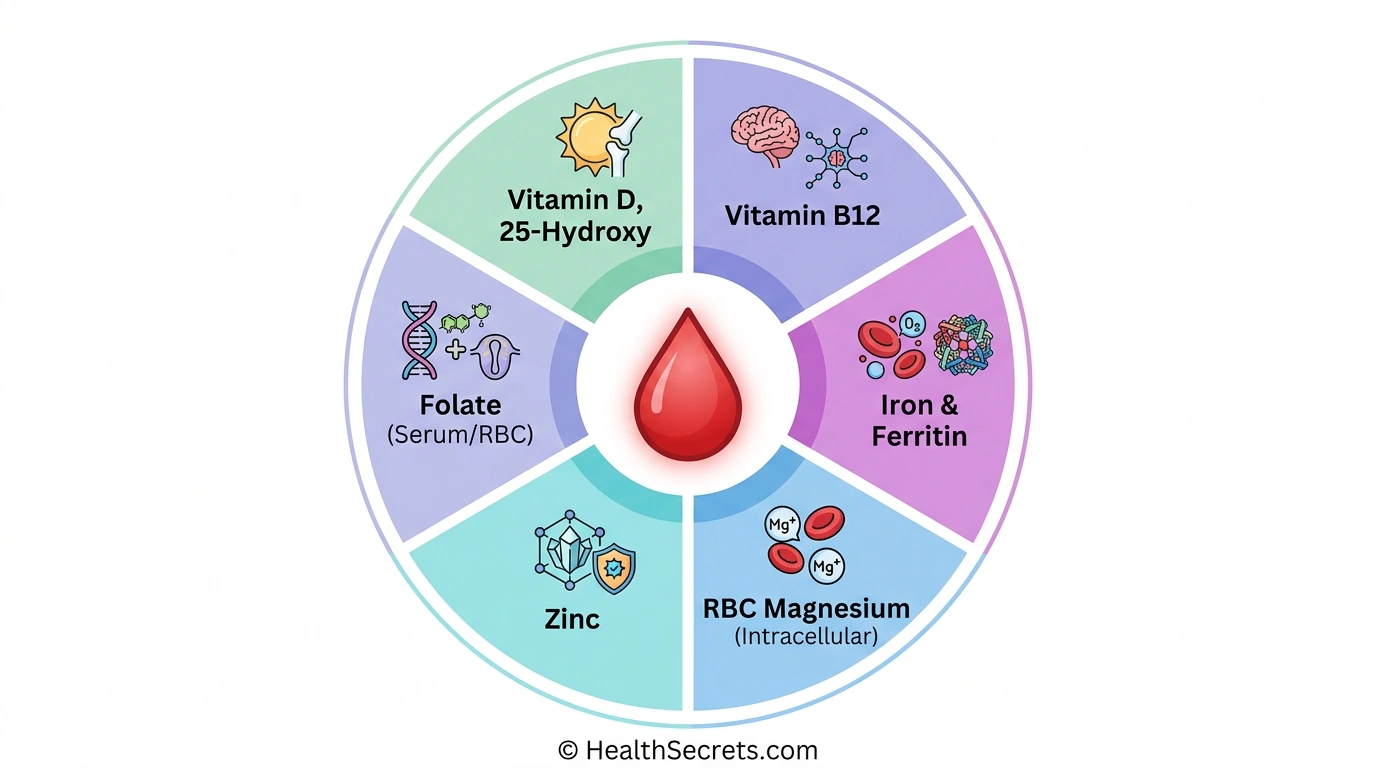
Nutrient deficiency testing is a collection of blood, urine, or specialized laboratory analyses that measure levels of specific vitamins, minerals, and related biomarkers in your body. These tests go beyond standard bloodwork to reveal subclinical deficiencies that may cause symptoms long before they trigger abnormal results on conventional lab panels. Testing typically covers essential nutrients like vitamin D, B12, iron, magnesium, zinc, and folate — nutrients that play critical roles in energy production, immune function, brain health, and hundreds of enzymatic reactions.
The concept of nutrient testing has evolved significantly over the past two decades. Traditional medicine focused on identifying severe deficiencies — scurvy from lack of vitamin C, rickets from vitamin D deficiency, or pernicious anemia from B12 deficiency. Today, the field of functional and integrative medicine recognizes that suboptimal nutrient levels — technically "within range" but far from ideal — can contribute to a wide spectrum of chronic symptoms including fatigue, mood disorders, poor immunity, hair loss, muscle weakness, and cognitive decline.
Why Do Standard Lab Tests Miss So Many Deficiencies?
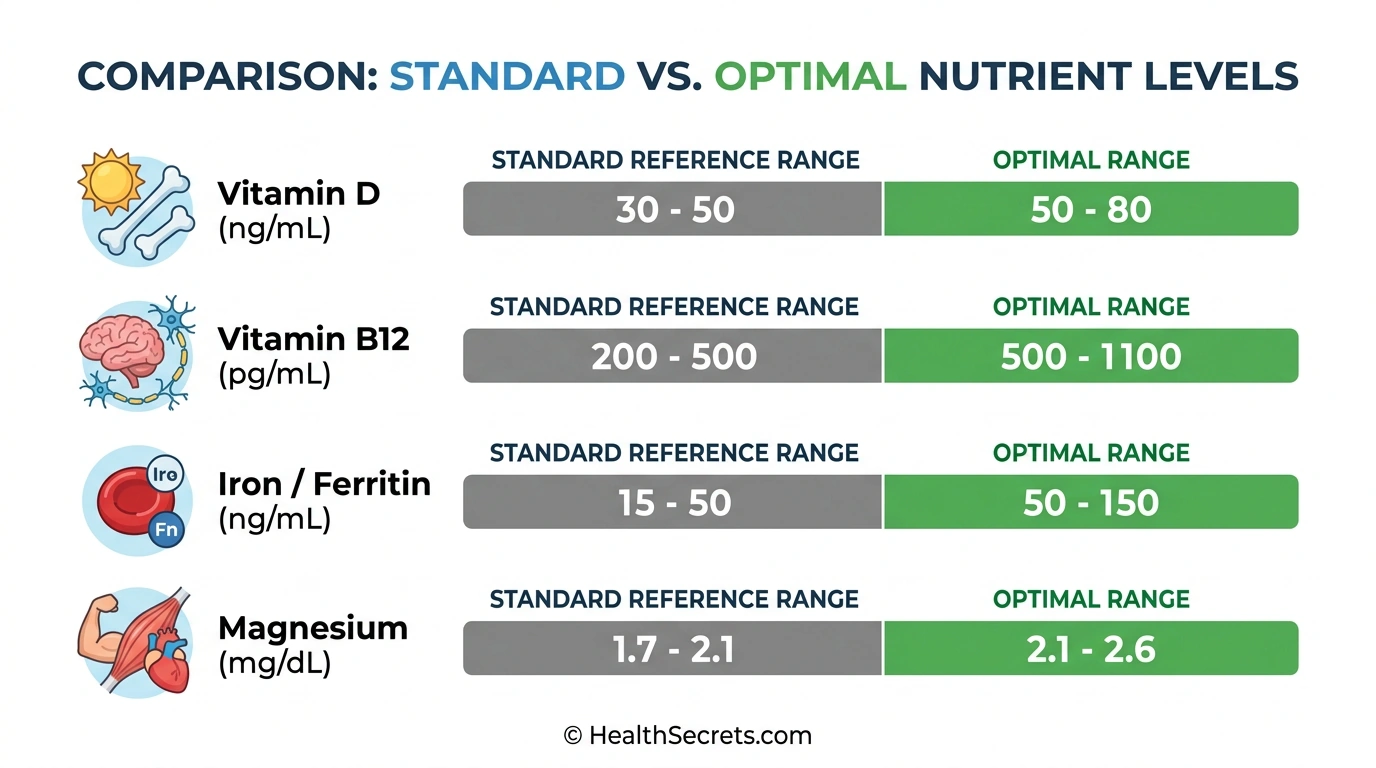
Standard reference ranges are derived from population averages, meaning they represent the statistical middle 95% of the general population — including many people who are themselves suboptimally nourished. A result that falls "within normal limits" simply means you are not an extreme outlier, not that your levels support peak health. For example, the standard reference range for vitamin B12 is 180–914 pg/mL, but many functional medicine practitioners consider levels below 500 pg/mL to be suboptimal and associated with neurological symptoms [1].
What Is the Difference Between Reference Ranges and Optimal Ranges?
Reference ranges tell you whether your levels are statistically normal compared to the general population, while optimal ranges indicate the levels associated with the best health outcomes in clinical research. For instance, the Institute of Medicine considers vitamin D levels above 20 ng/mL as "sufficient," but the Endocrine Society recommends 30–50 ng/mL, and many integrative practitioners target 40–60 ng/mL based on research linking higher levels to improved immune function, bone density, and reduced cancer risk [2]. Understanding this distinction is the first step toward using lab work as a proactive health tool rather than just a disease screening measure.
How Does Nutrient Deficiency Testing Work in Your Body?
Nutrient deficiency testing works by measuring biomarkers in blood, serum, red blood cells, or urine that reflect your body's stores and functional use of specific vitamins and minerals. Different tests capture different aspects of nutrient status — some measure circulating levels in blood serum, while others assess intracellular stores or functional metabolites that reveal how well your body is actually using a nutrient. Understanding which test to use for each nutrient is essential because the wrong test can give misleadingly "normal" results.
How Does Your Body Store and Use Different Nutrients?
Your body handles each nutrient differently, which is why no single test captures your full nutritional picture. Fat-soluble vitamins like D are stored in adipose tissue and the liver, so serum levels reflect long-term status. Water-soluble vitamins like B12 and folate circulate in blood but also accumulate in tissues — serum levels can appear normal even when cellular stores are depleted. Minerals like magnesium present an even greater challenge: roughly 99% of your body's magnesium is stored in bones and soft tissues, with only 0.3% circulating in serum [3]. This means a standard serum magnesium test can read "normal" while your intracellular levels are dangerously low.
What Are the Key Testing Methods?
- Serum testing measures the concentration of a nutrient in the liquid portion of blood. It is the most common and widely available method, used for vitamin D (25-hydroxyvitamin D), B12, folate, and basic iron panels. Serum tests are convenient and affordable but may not reflect tissue-level status for all nutrients.
- Red blood cell (RBC) testing measures nutrient concentrations inside red blood cells, providing a more accurate picture of intracellular levels. RBC magnesium and RBC zinc are considered superior to serum testing for these minerals because they reflect what is actually available inside your cells over the 120-day lifespan of red blood cells [4].
- Functional biomarker testing measures metabolites that accumulate when a nutrient is deficient. Methylmalonic acid (MMA) rises when B12 is insufficient for proper metabolic function, making it an early detection marker for B12 deficiency — often catching problems before serum B12 drops below the standard cutoff [5]. Similarly, homocysteine levels rise with deficiencies in B12, folate, and B6, serving as a functional marker for methylation status.
- Comprehensive nutrient panels — offered by specialty labs like Spectracell, Genova, and Vibrant Wellness — combine multiple testing methods to assess a broad range of vitamins, minerals, amino acids, and antioxidants in a single draw. These panels can be particularly valuable for individuals with complex health issues or those who want a thorough baseline assessment.
What Are the Key Benefits of Nutrient Deficiency Testing?
Nutrient deficiency testing offers a powerful set of benefits that extend far beyond simple diagnosis. Regular testing enables you to catch deficiencies before symptoms become severe, personalize your supplement protocol based on actual data rather than guesswork, and track your progress over time to ensure your interventions are working. For anyone serious about optimizing health, targeted nutrient testing is one of the highest-return investments you can make.
How Does Early Detection Prevent Serious Health Problems?
Early detection through nutrient testing can prevent irreversible damage that occurs when deficiencies go unrecognized for months or years. Vitamin B12 deficiency, for example, causes progressive neurological damage — including peripheral neuropathy, balance problems, and cognitive decline — that may become permanent if not caught and corrected in time [6]. Iron deficiency progresses through stages from depleted stores (low ferritin) to iron-deficient erythropoiesis to full-blown anemia, and catching it at the ferritin stage is far easier to correct than waiting until hemoglobin drops. Vitamin D deficiency contributes to bone loss, weakened immunity, and increased risk of autoimmune conditions, all of which compound over time. A global study found that 15.7% of the world population has vitamin D levels below 30 nmol/L (12 ng/mL), representing severe deficiency with significant health consequences [7].
How Does Testing Help You Personalize Your Supplement Protocol?
Generic multivitamins and one-size-fits-all supplement stacks often miss the mark because they do not account for your individual absorption capacity, dietary intake, genetic variations, medications, or health conditions. Testing reveals exactly which nutrients you need more of and which you already have adequate levels of, preventing both under-supplementation and unnecessary over-supplementation. For instance, someone with a serum vitamin D of 18 ng/mL needs aggressive repletion (often 5,000–10,000 IU daily for 8–12 weeks), while someone at 45 ng/mL may only need a maintenance dose of 1,000–2,000 IU daily [8].
Can Nutrient Testing Improve Your Energy and Mental Clarity?
Fatigue and brain fog are among the most common complaints in primary care, and nutrient deficiencies are frequently an underlying — and correctable — cause. Iron deficiency reduces oxygen delivery to tissues and the brain. B12 deficiency impairs nerve signaling and energy metabolism. Magnesium deficiency disrupts ATP production, the fundamental energy currency of every cell. Zinc deficiency compromises neurotransmitter function and immune regulation. By identifying and correcting these specific deficiencies, many people experience dramatic improvements in energy, mental clarity, and overall vitality that they had attributed to aging or stress [9].
How Does Testing Help You Monitor Treatment Effectiveness?
Without follow-up testing, you have no way to confirm that your supplements are actually being absorbed and raising your levels. Certain conditions — including celiac disease, inflammatory bowel disease, low stomach acid, and gastric bypass surgery — impair nutrient absorption significantly. Testing 3–6 months after starting supplementation verifies that your protocol is working and allows you to adjust dosages based on objective data rather than subjective feelings. This feedback loop is especially important for nutrients like iron and B12, where the form, dose, and timing of supplementation dramatically affect absorption rates.

Thorne Vitamin D-5000
Best Overall for Vitamin D RepletionThorne Vitamin · Adults with vitamin D levels below 40 ng/mL needing efficient repletion
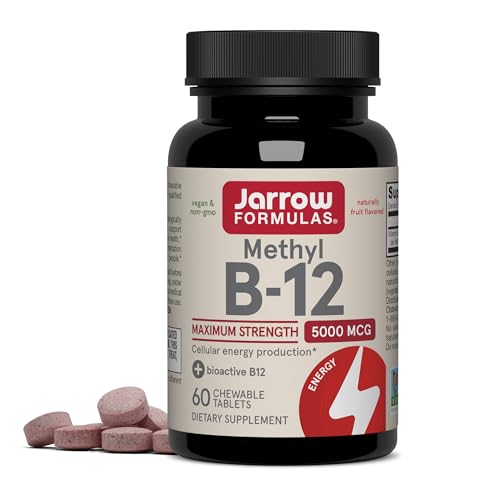
Jarrow Formulas Methyl B-12 5000mcg
Best for B12 Deficiency RepletionJarrow Formulas · Adults with B12 levels below 500 pg/mL, vegetarians, vegans, and those over 50

Thorne Iron Bisglycinate 25mg
Best for Gentle Iron RepletionThorne Iron · Adults with ferritin below 50 ng/mL who experience GI side effects from standard iron supplements
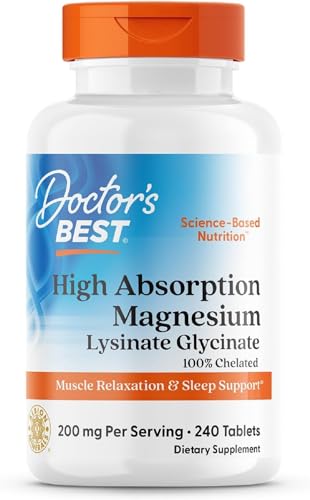
Doctor's Best High Absorption Magnesium Glycinate 200mg
Best for Magnesium RepletionDoctor's Best · Adults with RBC magnesium below 5.5 mg/dL or symptoms of magnesium deficiency (cramps, poor sleep, anxiety)

Thorne Zinc Picolinate 30mg
Best for Zinc Deficiency SupportThorne Zinc · Adults with zinc levels below 80 mcg/dL or symptoms of zinc deficiency (poor immunity, hair loss, slow healing)
Read the detailed review cards below before opening any retailer link
Top Recommended Products
Thorne Vitamin
Thorne Vitamin D-5000
Thorne is one of the most trusted supplement brands among healthcare practitioners, and their Vitamin D-5000 provides a clinically effective repletion dose in a clean, single-ingredient formula. The NSF Certified for Sport designation means every batch is independently tested for purity and label accuracy, giving you confidence that what is on the label is actually in the bottle.
Pros
- + NSF Certified for Sport purity verification
- + single-ingredient simplicity for targeted dosing
- + well-absorbed D3 form
- + established brand with practitioner trust
- + soy-free
- + gluten-free
- + dairy-free
Cons
- - Does not include vitamin K2 for optimal calcium metabolism synergy
Why we included it: Thorne is one of the most trusted supplement brands among healthcare practitioners, and their Vitamin D-5000 provides a clinically effective repletion dose in a clean, single-ingredient formula. The NSF Certified for Sport designation means every batch is independently tested for purity and label accuracy, giving you confidence that what is on the label is actually in the bottle.
Retailer link opens on Amazon after the review details above
Jarrow Formulas
Jarrow Formulas Methyl B-12 5000mcg
Jarrow's Methyl B-12 uses methylcobalamin rather than the cheaper cyanocobalamin found in most supplements. The chewable format allows sublingual absorption, bypassing potential gut absorption issues that contribute to B12 deficiency in the first place — particularly important for individuals with low stomach acid or pernicious anemia.
Pros
- + Active methylcobalamin form requires no conversion
- + pleasant cherry flavor chewable format for sublingual absorption
- + vegan and gluten-free
- + high therapeutic dose for repletion
- + affordable
Cons
- - 5
- - 000 mcg dose may be excessive for maintenance once levels are restored
Why we included it: Jarrow's Methyl B-12 uses methylcobalamin rather than the cheaper cyanocobalamin found in most supplements. The chewable format allows sublingual absorption, bypassing potential gut absorption issues that contribute to B12 deficiency in the first place — particularly important for individuals with low stomach acid or pernicious anemia.
Retailer link opens on Amazon after the review details above
Thorne Iron
Thorne Iron Bisglycinate 25mg
Iron bisglycinate is the gold standard for supplemental iron because it absorbs efficiently without the constipation, nausea, and stomach upset that make ferrous sulfate and ferrous fumarate intolerable for many people. Thorne's NSF certification adds an extra layer of quality assurance, and the 25 mg dose provides a therapeutic amount without excessive intake.
Pros
- + Bisglycinate form dramatically reduces constipation and nausea compared to ferrous sulfate
- + NSF Certified for Sport
- + well-absorbed even on an empty stomach
- + non-constipating formula
- + clean single-ingredient design
Cons
- - 25 mg dose may require two capsules daily for severe deficiency under practitioner guidance
Why we included it: Iron bisglycinate is the gold standard for supplemental iron because it absorbs efficiently without the constipation, nausea, and stomach upset that make ferrous sulfate and ferrous fumarate intolerable for many people. Thorne's NSF certification adds an extra layer of quality assurance, and the 25 mg dose provides a therapeutic amount without excessive intake.
Retailer link opens on Amazon after the review details above
Doctor's Best
Doctor's Best High Absorption Magnesium Glycinate 200mg
When testing reveals low RBC magnesium, Doctor's Best Magnesium Glycinate is our top choice for repletion because the bisglycinate chelate form is both highly bioavailable and exceptionally well-tolerated. Unlike magnesium oxide (only 4% absorption) or citrate (which can cause loose stools), glycinate delivers magnesium efficiently while the glycine component provides additional calming benefits for sleep and stress management.
Pros
- + Glycinate form is highly bioavailable and gentle on the stomach
- + glycine itself supports sleep and relaxation
- + no laxative effect unlike magnesium citrate or oxide
- + large count provides excellent value
- + vegan-friendly
Cons
- - Requires 2 tablets per serving which increases pill burden
Why we included it: When testing reveals low RBC magnesium, Doctor's Best Magnesium Glycinate is our top choice for repletion because the bisglycinate chelate form is both highly bioavailable and exceptionally well-tolerated. Unlike magnesium oxide (only 4% absorption) or citrate (which can cause loose stools), glycinate delivers magnesium efficiently while the glycine component provides additional calming benefits for sleep and stress management.
Retailer link opens on Amazon after the review details above
Thorne Zinc
Thorne Zinc Picolinate 30mg
Thorne's Zinc Picolinate delivers a clinically effective 30 mg dose in one of the most bioavailable forms of supplemental zinc. The picolinate chelation facilitates absorption across the intestinal wall more efficiently than cheaper zinc oxide or gluconate. At 30 mg per capsule, it provides a therapeutic dose that is effective for repletion while staying below the 40 mg tolerable upper intake level when taken once daily.
Pros
- + Picolinate form offers superior bioavailability
- + well-established clinical dose of 30 mg
- + small capsule size
- + clean formula without unnecessary fillers
- + trusted practitioner-grade brand
Cons
- - Should be taken with food to prevent nausea
- - long-term use above 40 mg daily requires copper monitoring
Why we included it: Thorne's Zinc Picolinate delivers a clinically effective 30 mg dose in one of the most bioavailable forms of supplemental zinc. The picolinate chelation facilitates absorption across the intestinal wall more efficiently than cheaper zinc oxide or gluconate. At 30 mg per capsule, it provides a therapeutic dose that is effective for repletion while staying below the 40 mg tolerable upper intake level when taken once daily.
Retailer link opens on Amazon after the review details above
Are There Any Risks or Side Effects of Nutrient Deficiency Testing?
Nutrient deficiency testing is generally very safe, with the primary risk being a minor blood draw — temporary bruising, slight discomfort, or rare infection at the needle site. However, the real risks lie in misinterpreting results, over-supplementing based on a single test, or relying on unvalidated testing methods. Working with a knowledgeable healthcare provider minimizes these risks and ensures your results are interpreted within proper clinical context.
Can You Over-Supplement Based on Test Results?
One of the most significant risks of nutrient testing is the temptation to aggressively supplement every nutrient that falls below "optimal" without considering the full picture. Fat-soluble vitamins (A, D, E, K) accumulate in the body and can reach toxic levels with excessive supplementation. Iron overload (hemochromatosis) affects approximately 1 in 200 people of Northern European descent and can be worsened by unnecessary iron supplementation [10]. Zinc supplementation above 40 mg daily can deplete copper stores over time. Always work with a practitioner to determine appropriate doses and monitor levels during repletion.
What Are the Limitations of Current Testing Methods?
No single test captures the complete picture of your nutritional status. Serum levels fluctuate based on recent meals, hydration status, time of day, and acute inflammation. Some nutrients lack reliable, widely available testing methods — intracellular magnesium and tissue-level zinc remain challenging to measure accurately in clinical practice. Plasma zinc, for example, is influenced by acute infection, stress, and even the time of day the blood is drawn, which can lead to false normal or false low readings [11]. Additionally, reference ranges vary between laboratories, making it difficult to compare results from different testing facilities.
Are Direct-to-Consumer Testing Kits Reliable?
The growing market of at-home testing kits offers convenience but comes with important caveats. Some direct-to-consumer tests use finger-prick blood samples, which may be less accurate than venipuncture draws for certain biomarkers. The quality of laboratory processing varies, and not all at-home testing companies use CLIA-certified labs. Additionally, results delivered without professional interpretation can lead to unnecessary anxiety or inappropriate self-treatment. If you choose direct-to-consumer testing, look for companies that use certified laboratories and offer access to healthcare professionals for result interpretation.
How Do You Get Started with Nutrient Deficiency Testing?
The most effective approach to nutrient deficiency testing involves selecting the right tests based on your symptoms and risk factors, choosing a reliable testing method, and working with a practitioner who can interpret results within the context of your individual health profile. Start with the six core nutrients most commonly deficient, then expand testing based on your specific concerns and initial findings.

Which Six Nutrients Should Everyone Test First?
:::info[1. Vitamin D (25-Hydroxyvitamin D)] The gold standard test for vitamin D status. Standard reference range is 30–100 ng/mL, but optimal range is 40–60 ng/mL. Deficiency is defined as below 20 ng/mL by the Institute of Medicine. Request this test annually, or every 3 months during repletion [2]. :::
2. Vitamin B12 (Serum B12 + Methylmalonic Acid)
Serum B12 alone can miss early deficiency. Standard range is 180–914 pg/mL, but optimal is 500–800 pg/mL. Add methylmalonic acid (MMA) — if MMA is elevated, you have functional B12 deficiency even with "normal" serum B12. Essential for anyone over 50, vegetarians, vegans, or those on metformin or acid-blocking medications [5].
:::info[3. Iron Panel (Ferritin + Serum Iron + TIBC + Transferrin Saturation)] Ferritin is the most important marker, reflecting your body's iron stores. Standard range for women is 13–150 ng/mL and for men 30–400 ng/mL, but newer research suggests ferritin below 50 ng/mL may indicate depletion, especially in women with fatigue or hair loss [12]. Always test the full iron panel, not just ferritin alone, to differentiate between iron deficiency, iron overload, and anemia of chronic disease. :::
4. RBC Magnesium (Not Serum Magnesium)
This is critical: always request RBC magnesium, not serum magnesium. Serum magnesium reflects only 0.3% of total body magnesium and can read normal while intracellular levels are depleted. Optimal RBC magnesium is above 5.5 mg/dL. Standard serum magnesium range of 1.7–2.2 mg/dL is nearly useless for detecting subclinical deficiency [3].
:::info[5. Zinc (Serum or Plasma Zinc)] Normal range is 60–120 mcg/dL for adults. Zinc is essential for immune function (T-cells, NK cells), wound healing, skin health, and hormone production. Deficiency causes hair loss, weakened immunity, slow wound healing, and impaired taste and smell. Test fasting in the morning for most accurate results [11]. :::
:::info[6. Folate (Serum Folate or RBC Folate)] Serum folate reflects recent intake, while RBC folate reflects longer-term status. Deficiency causes megaloblastic anemia similar to B12 deficiency and is particularly critical for women of childbearing age due to its role in preventing neural tube defects. Optimal levels are above 20 ng/mL for serum folate. :::
How Should You Prepare for Nutrient Testing?
For the most accurate results, follow these preparation guidelines:
- Fast for 8–12 hours before testing (water is fine) — this is especially important for iron and zinc
- Test in the morning (before 10 AM) when possible, as some biomarkers fluctuate throughout the day
- Avoid supplements for 24–48 hours before testing (discuss with your provider first)
- Note your current medications — PPIs, metformin, oral contraceptives, and other drugs affect nutrient levels
- Stay hydrated — dehydration can falsely concentrate serum levels
- Avoid intense exercise for 24 hours before testing, as it can transiently affect mineral levels
How Do You Interpret Your Results Using Optimal vs. Reference Ranges?
When you receive your results, compare each value against both the laboratory reference range and the functional/optimal range:
| Nutrient | Standard Range | Optimal Range | Key Notes |
|---|---|---|---|
| Vitamin D (25-OH) | 30–100 ng/mL | 40–60 ng/mL | Below 20 = deficient |
| Vitamin B12 | 180–914 pg/mL | 500–800 pg/mL | Add MMA for early detection |
| Ferritin | 13–150 ng/mL (F) / 30–400 (M) | 50–150 ng/mL | Below 50 = possible depletion |
| RBC Magnesium | 4.2–6.8 mg/dL | Above 5.5 mg/dL | Serum Mg is unreliable |
What Diet and Lifestyle Changes Support Healthy Nutrient Levels?
While targeted supplementation corrects deficiencies faster, a nutrient-dense diet and supportive lifestyle habits form the foundation for maintaining optimal levels long-term. Combining food-first strategies with smart supplementation and lifestyle modifications creates a sustainable approach that reduces your risk of future deficiencies and supports overall metabolic health.
Which Foods Are Richest in Commonly Deficient Nutrients?
- Vitamin D: Fatty fish (salmon, mackerel, sardines), cod liver oil, egg yolks, fortified dairy and plant milks, and mushrooms exposed to UV light. However, food sources alone rarely provide sufficient vitamin D — most people living above the 37th parallel need supplementation, especially during winter months [8].
- Vitamin B12: Animal proteins are the primary natural source — liver, clams, sardines, beef, eggs, and dairy. Vegetarians and vegans have no reliable food source and must supplement. Nutritional yeast and fortified plant milks provide some B12 but often in insufficient amounts for optimal levels.
- Iron: Heme iron (from animal sources) is absorbed 2–3 times more efficiently than non-heme iron (from plant sources). Best sources include organ meats (especially liver), red meat, oysters, and dark poultry meat. Plant sources include lentils, spinach, pumpkin seeds, and fortified cereals — pair these with vitamin C–rich foods to enhance absorption by up to 6-fold [13].
- Magnesium: Pumpkin seeds, dark chocolate (70%+ cacao), almonds, spinach, black beans, avocado, and Swiss chard. Modern agricultural practices have depleted soil magnesium levels, and food processing further reduces magnesium content — estimates suggest that up to 50% of the U.S. population does not meet the RDA for magnesium from food alone [14].
- Zinc: Oysters (by far the richest source), red meat, crab, lobster, pumpkin seeds, chickpeas, and cashews. Phytates in grains and legumes reduce zinc absorption, so vegetarians may need up to 50% more zinc than omnivores.
- Folate: Dark leafy greens (spinach, kale, romaine), asparagus, Brussels sprouts, broccoli, lentils, avocado, and citrus fruits.
What Lifestyle Factors Affect Your Nutrient Status?
- Sun exposure: 15–20 minutes of midday sun on arms and legs (without sunscreen) produces 10,000–20,000 IU of vitamin D in fair-skinned individuals. Darker skin tones require 3–5 times longer exposure
- Gut health: A healthy gut microbiome supports nutrient absorption. Conditions like leaky gut, SIBO, celiac disease, and inflammatory bowel disease significantly impair absorption of B12, iron, magnesium, and zinc. Prioritize gut health as a foundation
- Stress management: Chronic stress depletes magnesium, zinc, and B vitamins through increased urinary excretion and higher metabolic demand
- Sleep quality: Poor sleep disrupts hormonal pathways that regulate nutrient metabolism and absorption. Optimizing your sleep supports overall nutrient balance
- Alcohol consumption: Regular alcohol use depletes B vitamins (especially folate and B12), magnesium, and zinc while impairing liver function needed for nutrient metabolism
- Medications: PPIs reduce B12 and magnesium absorption; metformin depletes B12; oral contraceptives lower B6, B12, folate, magnesium, and zinc; statins may reduce CoQ10
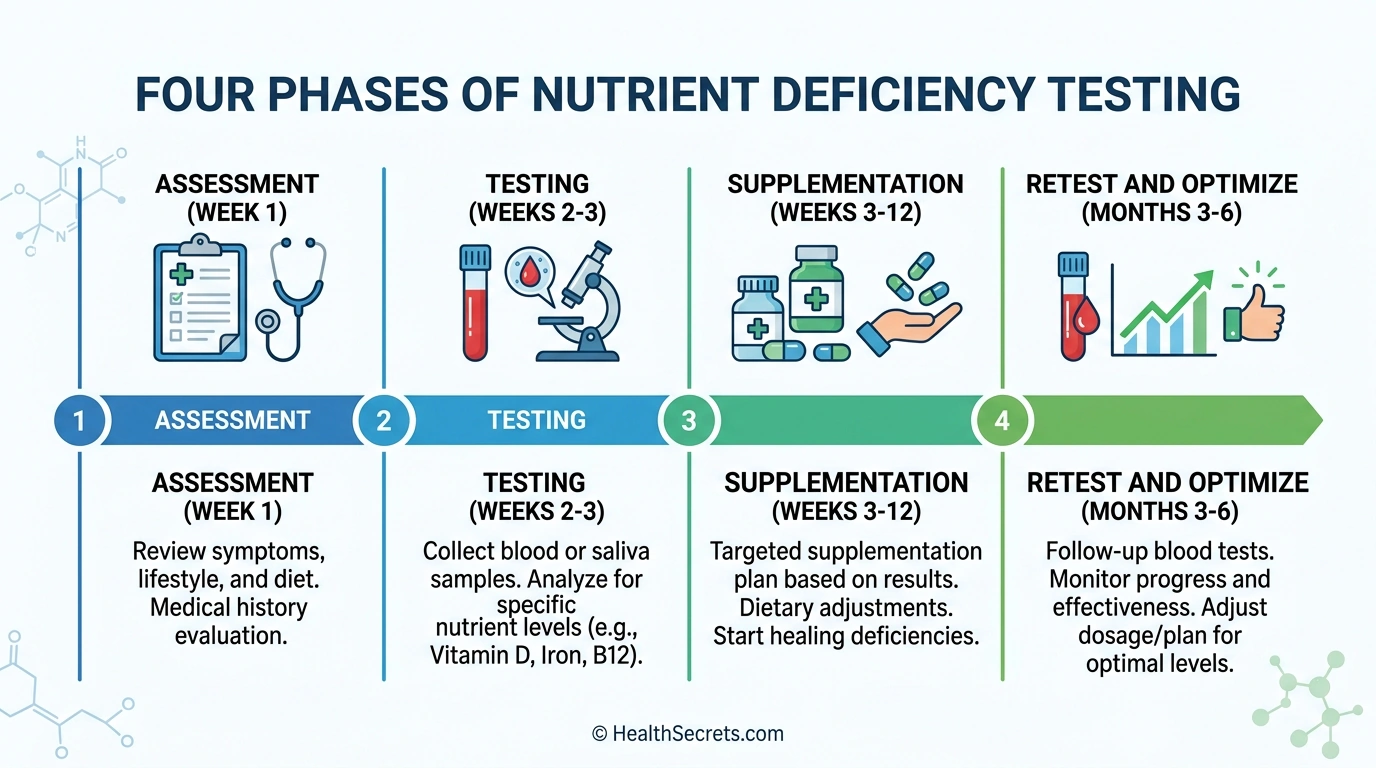
What Is the Best Step-by-Step Action Plan for Nutrient Deficiency Testing?
The most effective approach is a phased plan that starts with identifying your risk factors and core tests, moves through testing and interpretation, and establishes an ongoing monitoring schedule. Following this structured approach ensures you get the right tests at the right time and make informed decisions based on reliable data.
Phase 1: Assessment and Test Selection (Week 1)
- Review your current symptoms: fatigue, brain fog, hair loss, frequent illness, muscle cramps, mood changes, poor wound healing
- Identify your risk factors: vegetarian/vegan diet, age over 50, digestive conditions, medication use, pregnancy, heavy menstrual periods
- Select your core panel: vitamin D, B12 + MMA, full iron panel (ferritin, serum iron, TIBC, transferrin saturation), RBC magnesium, zinc, folate
- Add optional tests based on risk factors: homocysteine, copper, iodine, omega-3 index, vitamin A, selenium
- Find a practitioner: functional medicine doctor, integrative dietitian, or naturopathic doctor experienced in nutrient optimization
Phase 2: Testing and Interpretation (Weeks 2–3)
- Schedule a morning blood draw (fasting, before 10 AM)
- Pause supplements 24–48 hours before testing (as advised by your provider)
- Request results with both reference ranges and actual values
- Compare each result against optimal ranges (see the table in the practical guide section above)
- Identify nutrients in the suboptimal or deficient range
- Discuss results with your practitioner to create a targeted repletion plan
Phase 3: Targeted Supplementation and Diet (Weeks 3–12)
- Begin targeted supplementation for identified deficiencies (practitioner-guided dosing)
- Increase dietary intake of foods rich in your deficient nutrients
- Address underlying absorption issues: gut health, stomach acid, medication interactions
- Track symptoms weekly — note changes in energy, mood, sleep, immunity, and cognition
- Avoid starting multiple new supplements simultaneously so you can identify what is working
Phase 4: Retest and Optimize (Months 3–6)
- Retest deficient nutrients at 3 months (or 6 months for vitamin D if starting from severe deficiency)
- Adjust supplement doses based on new results
- Transition from repletion doses to maintenance doses once optimal levels are achieved
- Establish annual testing schedule for ongoing monitoring
- Consider expanding your panel to include additional biomarkers based on initial findings