You've probably heard that turmeric is the king of anti-inflammatory herbs — and it deserves that reputation. But there's another ancient remedy that works through an entirely different mechanism, one that many researchers consider equally impressive. Boswellia serrata, the resin behind frankincense, has been used in Ayurvedic medicine for over 3,000 years. And modern science is finally catching up.
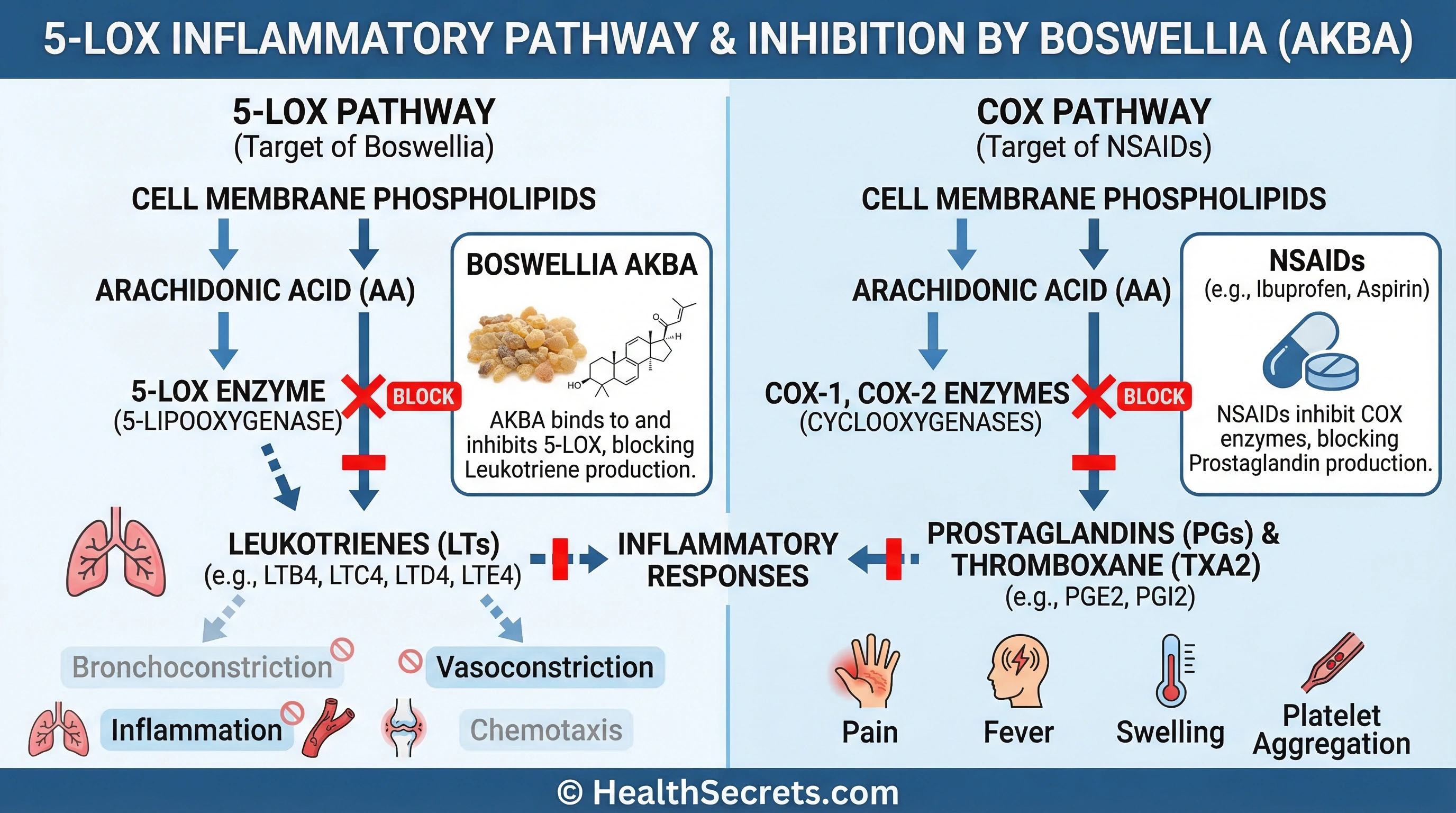
What makes boswellia fascinating isn't just that it reduces inflammation. It's how it does it. While NSAIDs block the COX pathway and turmeric modulates NF-κB, boswellia targets the 5-lipoxygenase (5-LOX) enzyme — a completely different arm of the inflammatory cascade. That means it can complement other anti-inflammatory strategies rather than duplicate them.
With over 22,000 monthly searches, boswellia has become one of the most researched herbal anti-inflammatories. But not all boswellia supplements are created equal. The key compound — AKBA (acetyl-11-keto-beta-boswellic acid) — varies dramatically between products, and choosing the wrong one could mean wasting your money on something that doesn't deliver therapeutic benefits.
If you're dealing with chronic inflammation, you may also want to explore our chronic inflammation guide for a broader look at inflammatory pathways, our anti-inflammatory diet guide for dietary strategies, and our omega-3 inflammation guide for another powerful anti-inflammatory supplement that works through complementary mechanisms.
What Is Boswellia Serrata and Why Should You Care About AKBA?
Boswellia serrata is a tree native to India, North Africa, and the Middle East that produces an oleo-gum resin commonly known as Indian frankincense. This resin contains a family of compounds called boswellic acids, with AKBA (acetyl-11-keto-beta-boswellic acid) being the most pharmacologically potent. Standardized extracts typically contain 30–65% total boswellic acids and 10–30% AKBA, making them significantly more effective than raw resin.
What Are the Key Active Compounds in Boswellia?
The resin from Boswellia serrata belongs to the Burseraceae family and has been a cornerstone of Ayurvedic medicine for over 3,000 years, traditionally used for arthritis, respiratory conditions, and digestive issues [1]. Modern analysis has identified four primary boswellic acids:
- AKBA (Acetyl-11-keto-beta-boswellic acid): The most potent anti-inflammatory compound and the primary 5-LOX inhibitor
- KBA (11-keto-beta-boswellic acid): Anti-inflammatory but less potent than AKBA
- Beta-boswellic acid: Contributes to overall anti-inflammatory activity
- Alpha-boswellic acid: Minor component with limited individual activity
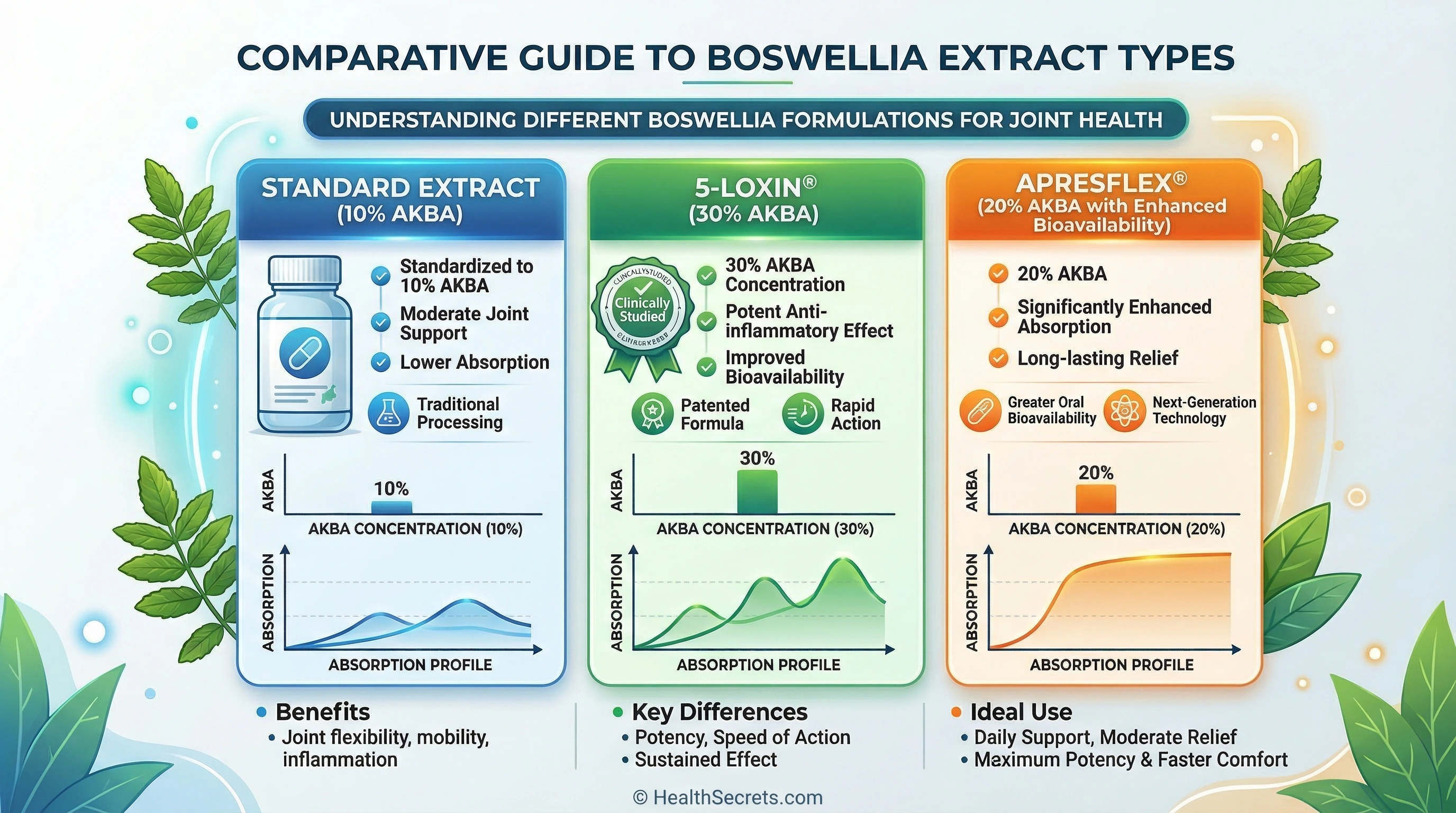
Standardized extracts ensure consistent potency. Patented formulations include 5-Loxin (30% AKBA) and AprèsFlex (20% AKBA with enhanced bioavailability), both validated in clinical trials [2].
How Does Boswellia Reduce Inflammation in Your Body?
Boswellia works primarily by inhibiting the 5-lipoxygenase (5-LOX) enzyme, which reduces the production of pro-inflammatory leukotrienes by 50–70%. Unlike NSAIDs that block COX enzymes, boswellia targets a completely different inflammatory pathway, making it a valuable complementary anti-inflammatory agent that can be used alongside conventional approaches.
How Does AKBA Inhibit the 5-LOX Enzyme?
AKBA acts as a non-competitive inhibitor of 5-lipoxygenase, binding directly to the enzyme at a site distinct from the arachidonic acid substrate binding site [3]. This blocks the conversion of arachidonic acid into leukotrienes, particularly leukotriene B4 (LTB4), a powerful pro-inflammatory mediator. The pentacyclic triterpene ring structure of AKBA is crucial for enzyme binding, while the 11-keto function provides the inhibitory activity.
This mechanism is fundamentally different from NSAIDs (which inhibit COX-1 and COX-2) — meaning boswellia and NSAIDs target complementary arms of the inflammatory cascade [1].
Does Boswellia Reduce Inflammatory Cytokines Beyond 5-LOX?
Beyond 5-LOX inhibition, boswellia reduces pro-inflammatory cytokines including IL-6, TNF-alpha, and IL-1beta by approximately 30–50% [4]. It also inhibits NF-κB, a transcription factor that regulates inflammatory gene expression, and suppresses matrix metalloproteinases (MMPs) — enzymes responsible for cartilage degradation in osteoarthritis [5]. Additionally, boswellia improves blood flow to joints, increasing oxygen and nutrient delivery to support tissue repair.
How Is Boswellia Different From NSAIDs and Turmeric?
Each anti-inflammatory agent targets a different molecular pathway. NSAIDs inhibit COX enzymes (reducing prostaglandins), turmeric (curcumin) modulates NF-κB signaling, and boswellia inhibits 5-LOX (reducing leukotrienes). This makes boswellia an excellent complement to — not a replacement for — other anti-inflammatory strategies. Combining boswellia with omega-3 fatty acids or turmeric targets multiple inflammatory pathways simultaneously for broader coverage.
How Well Is Boswellia Absorbed by Your Body?
Standard boswellia extracts have relatively low oral bioavailability due to poor water solubility and limited absorption in the gastrointestinal tract. However, newer formulations like AprèsFlex and phospholipid-based delivery systems significantly improve absorption. Taking boswellia with a fat-containing meal enhances bioavailability because boswellic acids are fat-soluble compounds.

Patented formulations have addressed these bioavailability challenges:
- AprèsFlex (20% AKBA): Uses a proprietary extraction process that improves bioavailability compared to standard extracts, allowing lower effective doses of 100–200 mg daily [6]
- 5-Loxin (30% AKBA): Higher AKBA concentration compensates for standard absorption; effective at 100–250 mg daily [2]
- Casperome (Boswellia Phytosome): Phospholipid delivery system that significantly increases bioavailability [7]
- Standard extracts: Require higher doses (300–500 mg three times daily) to achieve therapeutic levels
Taking boswellia with meals that include dietary fats — such as avocado, olive oil, or nuts — improves absorption of the fat-soluble boswellic acids. A 10% AKBA extract has shown increased bioavailability in pharmacokinetic studies [8].
How Much Boswellia Should You Take for Inflammation?
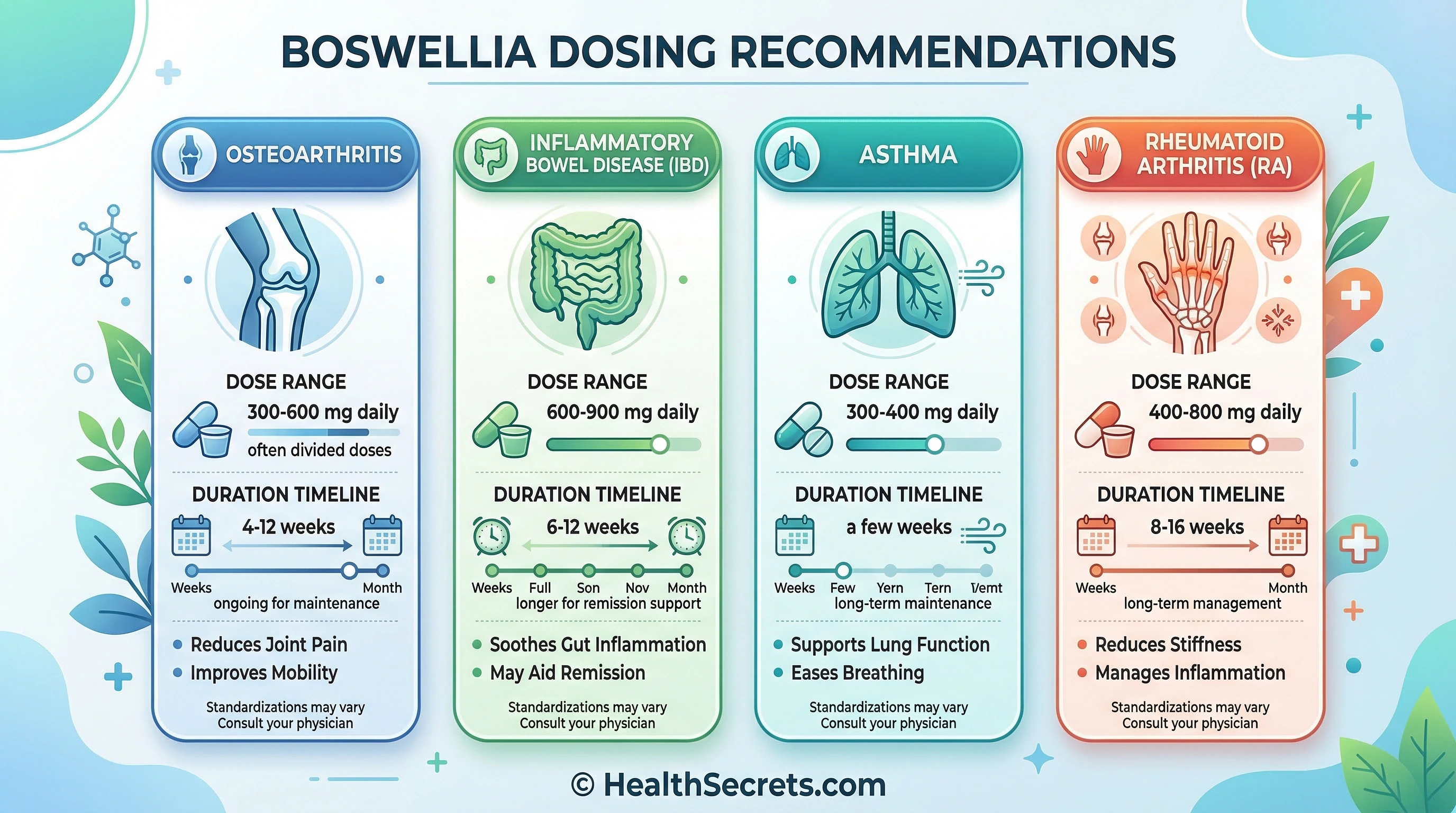
For general anti-inflammatory support, the standard dose is 300–500 mg of standardized extract (containing 30–65% boswellic acids and 10–30% AKBA) taken three times daily with meals. Effects typically begin within 4–8 weeks of consistent use, with maximum benefits at 8–12 weeks. Boswellia can be taken long-term if tolerated.
| Condition | Daily Dose | Duration | Notes |
|---|---|---|---|
| Osteoarthritis | 300–500 mg 3x daily | 8–12 weeks min | 30–65% boswellic acids, 10–30% AKBA |
| Rheumatoid Arthritis | 300–500 mg 3x daily | 12 weeks min | Adjunct to conventional treatment |
| IBD (Crohn's/UC) | 900–1,200 mg daily | 6–12 weeks | Divided doses; can continue for maintenance |
| Asthma | 300–400 mg 3x daily | 6–8 weeks | Adjunct to standard treatment |
| 5-Loxin (30% AKBA) | 100–250 mg daily | 4–12 weeks | Lower dose due to high AKBA |
| Timing: Always take with meals to reduce GI upset and improve absorption of fat-soluble boswellic acids. Split doses evenly throughout the day for sustained anti-inflammatory effects. |
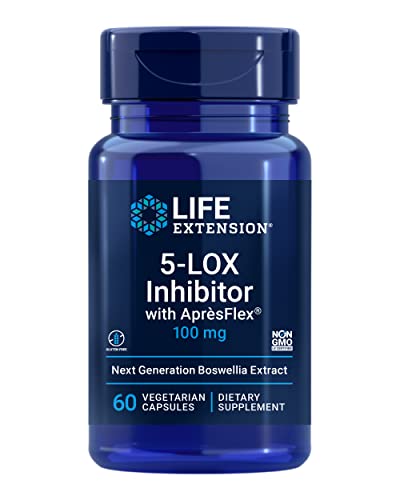
Life Extension 5-LOX Inhibitor with AprèsFlex
Editor's ChoiceLife Extension · Overall anti-inflammatory support with clinically studied extract

Pure Encapsulations Boswellia AKBA
Best High-AKBAPure Encapsulations · Maximum AKBA potency with 5-LOXIN patented extract

Vitacost Synergy 5-Loxin AKBA Boswellia Extract
Best Value 5-LoxinVitacost Synergy · Budget-conscious users wanting the 5-LOXIN patented extract

STAY ALIVE Boswellia Serrata Extract 1000mg
Best High-DoseSTAY ALIVE · Users needing higher doses for IBD or severe inflammation
NOW Foods Boswellia Extract 500mg
Best BudgetNOW Foods · Affordable daily anti-inflammatory support with standardized boswellic acids
Doctor's Best Boswellia with AprèsFlex
Best StandardizedDoctor's Best · Clinically studied AprèsFlex at higher dose per capsule
Jarrow Formulas Boswellia + Curcumin
Best CombinationJarrow Formulas · Synergistic anti-inflammatory support combining two proven herbs
Organic India Boswellia
Best OrganicOrganic India · Users preferring organic, sustainably sourced boswellia
Read the detailed review cards below before opening any retailer link
Top Recommended Products
Life Extension
Life Extension 5-LOX Inhibitor with AprèsFlex
Life Extension uses the clinically validated AprèsFlex extract with improved bioavailability, backed by multiple clinical trials showing joint comfort improvements within 5–7 days.
Pros
- + Clinically studied AprèsFlex extract
- + enhanced bioavailability requires lower doses
- + trusted brand with rigorous testing
- + affordable per serving
Cons
- - Lower AKBA percentage than 5-Loxin
- - may need to double dose for osteoarthritis
Why we included it: Life Extension uses the clinically validated AprèsFlex extract with improved bioavailability, backed by multiple clinical trials showing joint comfort improvements within 5–7 days.
Retailer link opens on Amazon after the review details above
Pure Encapsulations
Pure Encapsulations Boswellia AKBA
Pure Encapsulations uses the 5-LOXIN extract with 30% AKBA — the highest commercially available concentration — in a hypoallergenic formula ideal for sensitive individuals.
Pros
- + Highest AKBA concentration (30%)
- + hypoallergenic formula
- + pharmaceutical-grade brand
- + 5-LOXIN clinical evidence
Cons
- - Premium price point
- - smaller count per bottle
Why we included it: Pure Encapsulations uses the 5-LOXIN extract with 30% AKBA — the highest commercially available concentration — in a hypoallergenic formula ideal for sensitive individuals.
Retailer link opens on Amazon after the review details above
Vitacost Synergy
Vitacost Synergy 5-Loxin AKBA Boswellia Extract
Offers the clinically validated 5-LOXIN extract at a significantly lower price point, with a generous 120-capsule count and higher 150 mg per-serving dose.
Pros
- + 30% AKBA 5-LOXIN at lower price than competitors
- + generous 120-count
- + higher per-serving dose (150 mg)
- + allergen-free
Cons
- - Less well-known brand than Life Extension or Pure Encapsulations
- - limited third-party testing visibility
Why we included it: Offers the clinically validated 5-LOXIN extract at a significantly lower price point, with a generous 120-capsule count and higher 150 mg per-serving dose.
Retailer link opens on Amazon after the review details above
STAY ALIVE
STAY ALIVE Boswellia Serrata Extract 1000mg
The high 1000 mg concentrated dose makes it ideal for IBD protocols requiring 900–1,200 mg daily, with a generous 2-month supply.
Pros
- + High 1000 mg dose per serving
- + 12:1 concentrated extract
- + 120-count for 2-month supply
- + includes AKBA
Cons
- - Newer brand with less market history
- - high dose may not be necessary for mild inflammation
Why we included it: The high 1000 mg concentrated dose makes it ideal for IBD protocols requiring 900–1,200 mg daily, with a generous 2-month supply.
Retailer link opens on Amazon after the review details above
NOW Foods
NOW Foods Boswellia Extract 500mg
NOW Foods delivers reliable quality at a budget-friendly price with 65% boswellic acid standardization, making it a solid choice for those starting boswellia supplementation.
Pros
- + Affordable price
- + reputable GMP-certified brand
- + 65% boswellic acids standardization
- + softgel form for absorption
Cons
- - Not standardized to specific AKBA percentage
- - no patented extract
- - variable AKBA content
Why we included it: NOW Foods delivers reliable quality at a budget-friendly price with 65% boswellic acid standardization, making it a solid choice for those starting boswellia supplementation.
Retailer link opens on Amazon after the review details above
Doctor's Best
Doctor's Best Boswellia with AprèsFlex
Doctor's Best provides a higher 250 mg dose of clinically studied AprèsFlex, reducing the number of capsules needed per day for therapeutic dosing.
Pros
- + Higher 250 mg AprèsFlex dose per capsule
- + clinically studied extract
- + vegan-friendly
- + reputable brand
Cons
- - Fewer capsules per bottle
- - higher per-capsule dose may limit dose flexibility
Why we included it: Doctor's Best provides a higher 250 mg dose of clinically studied AprèsFlex, reducing the number of capsules needed per day for therapeutic dosing.
Retailer link opens on Amazon after the review details above
Jarrow Formulas
Jarrow Formulas Boswellia + Curcumin
Combines boswellia's 5-LOX inhibition with curcumin's NF-κB modulation for complementary anti-inflammatory mechanisms in a single convenient capsule.
Pros
- + Synergistic anti-inflammatory action targeting 5-LOX and NF-κB
- + two clinically studied ingredients
- + convenience of single product
- + Jarrow quality standards
Cons
- - Individual ingredient doses lower than standalone products
- - less dosing flexibility
Why we included it: Combines boswellia's 5-LOX inhibition with curcumin's NF-κB modulation for complementary anti-inflammatory mechanisms in a single convenient capsule.
Retailer link opens on Amazon after the review details above
Organic India
Organic India Boswellia
For those who prioritize organic certification and sustainable sourcing, Organic India delivers quality boswellia with strong ethical standards and environmental responsibility.
Pros
- + USDA Organic certified
- + sustainably sourced
- + B Corp ethical standards
- + vegan-friendly
- + 90-count bottle
Cons
- - Not standardized to specific AKBA percentage
- - lower potency than patented extracts
- - organic premium pricing
Why we included it: For those who prioritize organic certification and sustainable sourcing, Organic India delivers quality boswellia with strong ethical standards and environmental responsibility.
Retailer link opens on Amazon after the review details above
Can You Get Boswellia From Food Sources?
Unlike many supplements, boswellia cannot be obtained from dietary food sources. It is exclusively derived from the resin of the Boswellia serrata tree and must be consumed as a supplement — either in capsule, tablet, or liquid extract form. There is no food equivalent, which makes supplementation the only option for those seeking its anti-inflammatory benefits.
However, you can support boswellia's anti-inflammatory effects with a complementary anti-inflammatory diet rich in omega-3 fatty acids (fatty fish, walnuts, flaxseeds), polyphenol-rich fruits and vegetables, and anti-inflammatory spices like turmeric and ginger. Combining boswellia supplementation with dietary anti-inflammatory strategies provides a more comprehensive approach to managing chronic inflammation.
Is Boswellia Safe to Take Long-Term?
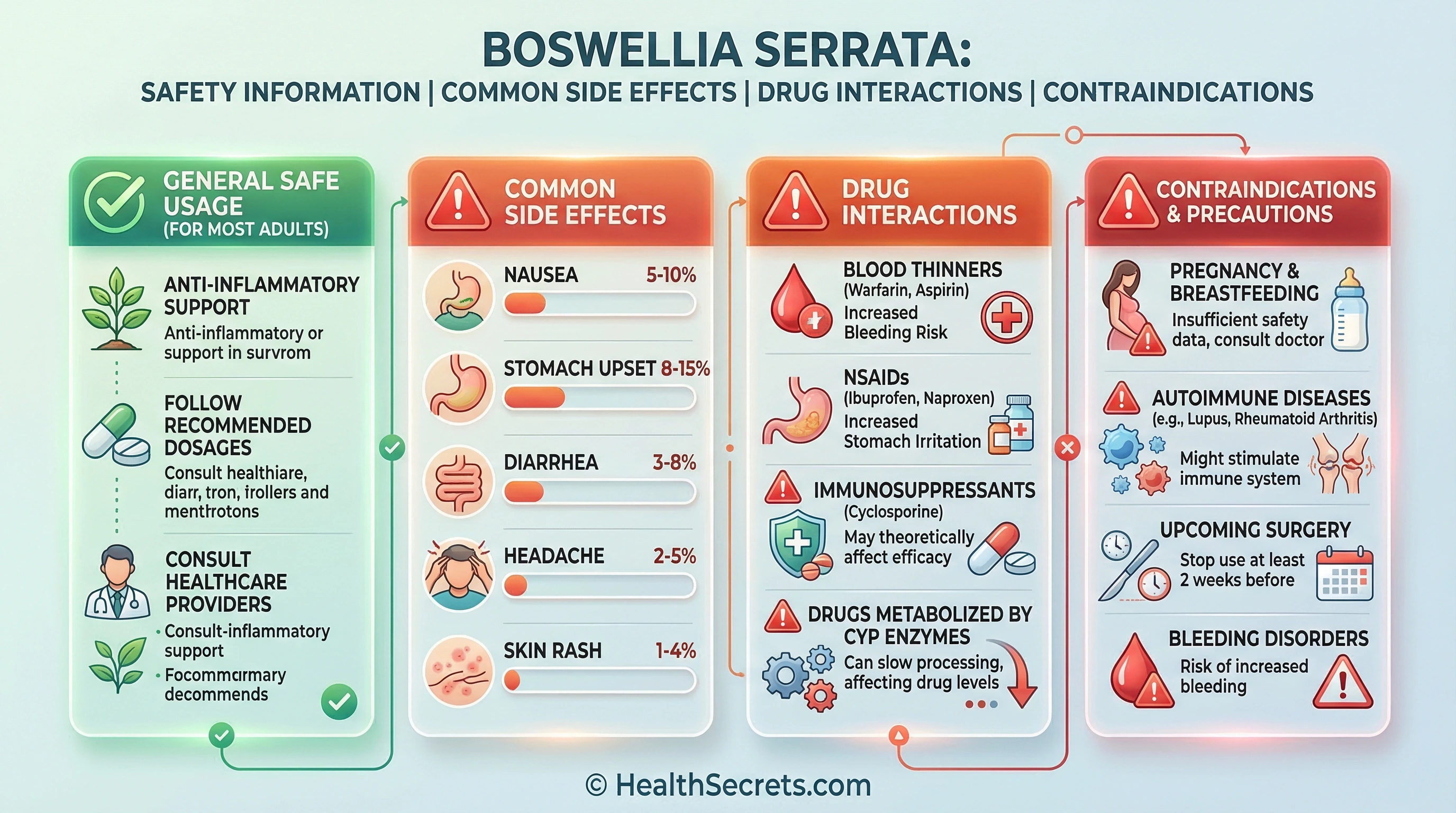
Boswellia is generally well-tolerated and considered safe for long-term use. Clinical trials and safety reviews report minimal side effects, with adverse events no more frequent than placebo in most controlled studies. The most common side effects are mild gastrointestinal symptoms, occurring in approximately 5–10% of users [9].
What Are the Most Common Side Effects of Boswellia?
- GI upset (5–10% of users): Nausea, diarrhea, or abdominal discomfort — take with food to minimize
- Acid reflux: Occasional heartburn, especially on an empty stomach
- Skin rash (rare): Allergic reactions; discontinue and consult your doctor if this occurs
A review of 47 clinical trials using boswellia reported no serious safety issues, with only minor digestive side effects in one study [10].
What Drug Interactions Should You Know About?
- Blood thinners (warfarin, aspirin): Boswellia may inhibit platelet aggregation and increase bleeding risk; monitor INR and consult your doctor [11]
- Immunosuppressants: Boswellia can modulate immune activity and may affect effectiveness of immunosuppressive drugs [12]
- NSAIDs: Boswellia may enhance NSAID effects, potentially allowing lower NSAID doses (monitor with your doctor)
- CYP450 substrates: Boswellia may affect liver enzyme metabolism of certain medications
Who Should Avoid Boswellia?
- Pregnant or breastfeeding women: Insufficient safety data; boswellia may stimulate uterine blood flow [13]
- Autoimmune diseases (lupus, MS): Boswellia modulates immune function and may worsen certain autoimmune conditions
- Pre-surgery: Stop 2 weeks before surgery due to potential bleeding risk
What Can Boswellia Actually Do for Your Inflammation?
Boswellia is a clinically validated anti-inflammatory herb with meaningful benefits for osteoarthritis, rheumatoid arthritis, IBD, and asthma — but it is not a miracle cure or instant pain reliever. Expect gradual improvement over 4–8 weeks of consistent use, with effects comparable to NSAIDs but with significantly fewer gastrointestinal side effects.
- Osteoarthritis is the best-studied application. A 2020 systematic review and meta-analysis of seven trials (545 patients) found that boswellia significantly reduced WOMAC pain scores (WMD -14.22), stiffness scores (WMD -10.04), and improved function (WMD -10.75) compared to controls [14]. A 2024 clinical trial showed a standardized extract (Boswellin Super, 30% AKBA) produced noticeable joint improvements within just 5 days [6]. A 2026 RCT of BOSMAX found significant WOMAC improvements at days 30, 60, and 90, along with reductions in TNF-α and hs-CRP [15].
- Rheumatoid arthritis studies show 30–40% reductions in joint pain, swelling, and morning stiffness at 300–500 mg three times daily over 12 weeks, with decreases in inflammatory markers CRP and ESR. Boswellia works as an adjunct to conventional DMARDs and biologics — not as a replacement. If you're exploring natural joint pain relief, boswellia is one of the most evidence-backed options.
- Inflammatory bowel disease research is promising. A clinical trial found 350 mg boswellia three times daily achieved remission in 82% of ulcerative colitis patients after 6 weeks, comparable to sulfasalazine [16]. For Crohn's disease, boswellia extract H15 showed non-inferiority to mesalazine with a better safety profile [17].
- Asthma studies show boswellia (300–400 mg three times daily) can improve lung function (FEV1) and reduce inhaled corticosteroid use after 6–8 weeks [18].
- What boswellia won't do: It won't provide immediate pain relief like NSAIDs, cure autoimmune diseases, or replace prescribed medications. Quality matters enormously — non-standardized extracts with variable AKBA content may not deliver therapeutic benefits.
What Should You Do First to Start Using Boswellia Safely?
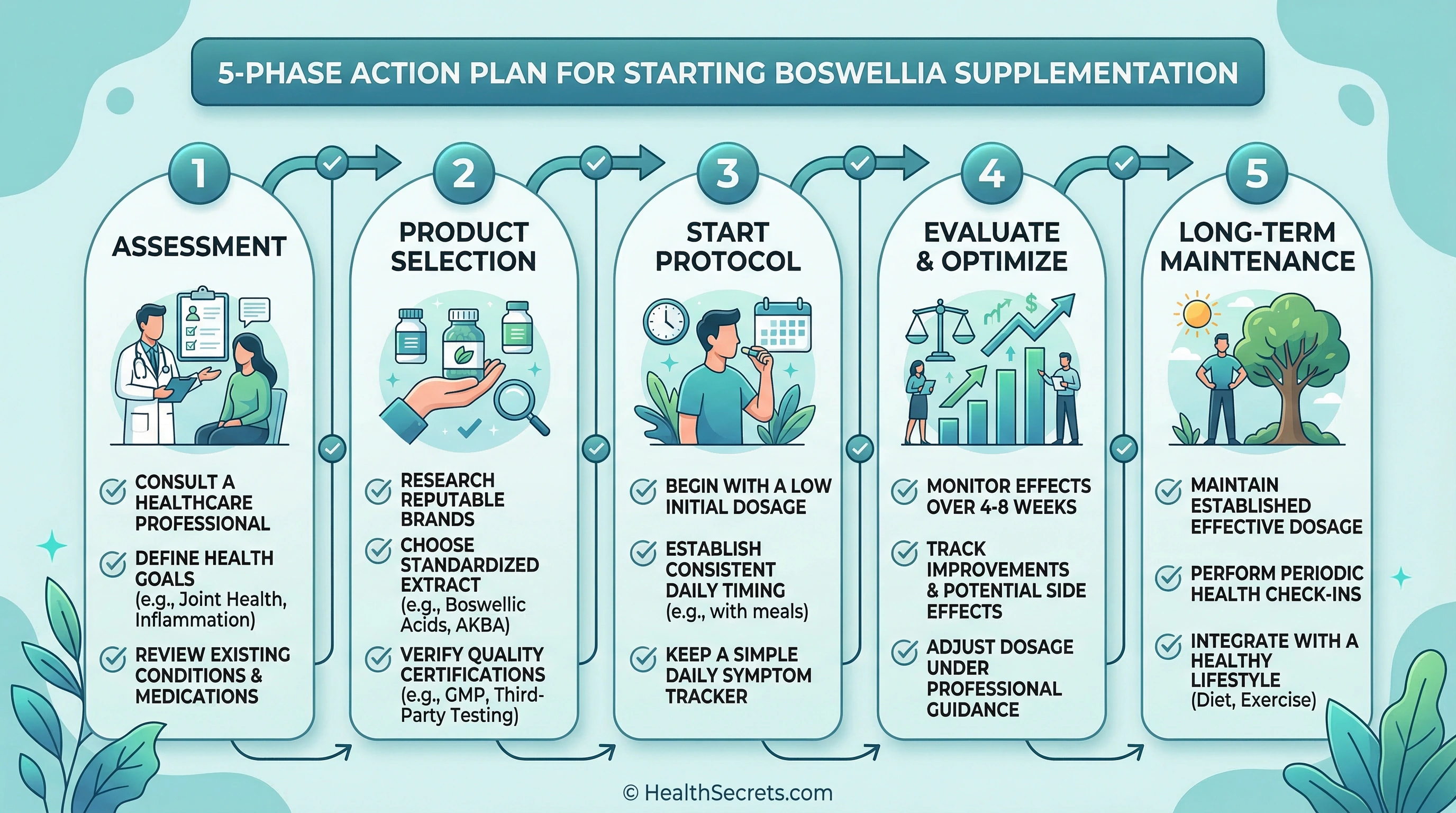
Start by assessing your specific inflammatory condition, choosing a quality standardized extract with verified AKBA content, and establishing a consistent dosing routine with realistic expectations. The following phased plan helps you implement boswellia supplementation systematically while monitoring for effectiveness and safety.
Phase 1: Assessment (Week 1)
- Identify your inflammatory condition (osteoarthritis, RA, IBD, asthma, general inflammation)
- Consult your doctor if you take blood thinners, immunosuppressants, or have autoimmune disease
- Document baseline symptoms: pain levels, stiffness, function, medication use
- Review your current supplements for potential interactions
Phase 2: Product Selection (Week 1–2)
- Choose a standardized extract: 30–65% boswellic acids, 10–30% AKBA
- Consider patented extracts: 5-Loxin (30% AKBA) or AprèsFlex (20% AKBA) for stronger evidence
- Verify third-party testing (USP, NSF, or equivalent) for purity and potency
- Select a reputable brand from our product recommendations below
Phase 3: Start Protocol (Weeks 2–4)
- Begin at the lower end of the dosing range with meals containing fats
- Take consistently three times daily (or as directed for patented extracts)
- Monitor for side effects (GI upset, skin reactions)
- Maintain a symptom journal to track changes
Phase 4: Evaluate and Optimize (Weeks 4–12)
- Assess symptom improvement at 4-week mark
- Increase dose if needed (within recommended range) if no response at 4 weeks
- Track NSAID reduction if applicable
- Consider adding complementary support: omega-3, anti-inflammatory diet
Phase 5: Long-Term Maintenance
- Continue effective dose if benefits are maintained
- Complement with low-impact exercise (swimming, cycling, yoga)
- Schedule periodic check-ins with your healthcare provider
- Reassess annually whether supplementation is still needed