
Here's something that used to genuinely confuse me—why does "cold and flu season" even exist? It's not like viruses take summers off. But when you actually dig into the research, it starts making a lot more sense. And honestly? It's not really about the cold itself.
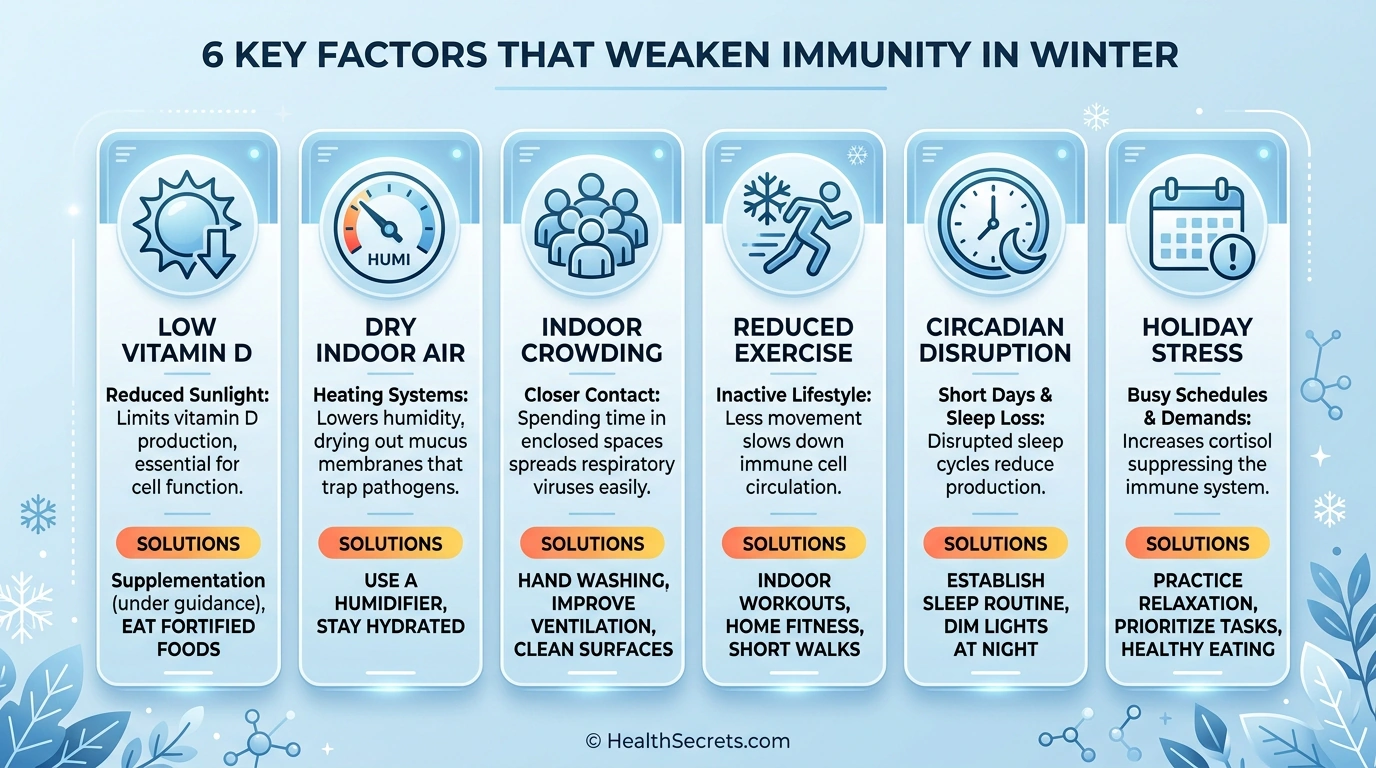
Winter creates what researchers call a "perfect storm" for your immune system. Your vitamin D levels—which play a massive role in immune defense—can drop by 20–50% between summer and winter. A 2024 Lancet meta-analysis of over 40 randomized controlled trials confirmed that vitamin D supplementation provides meaningful protection against acute respiratory infections. Meanwhile, indoor heating sucks moisture out of the air, drying out the mucous membranes that serve as your body's first line of defense. Yale researchers found that low humidity—not cold temperatures—may be the primary driver behind winter flu surges.
Then there's the indoor crowding factor. Cold weather pushes everyone inside, into poorly ventilated spaces where respiratory droplets spread easily. Add holiday stress, disrupted sleep schedules, and reduced physical activity... and suddenly your immune system winter vulnerability makes complete sense.
But here's the good news: every single one of these factors is addressable. That's exactly what this guide covers—a practical, step-by-step approach to strengthen your immune system through the cold months.
For a deeper dive into immune fundamentals, see our complete immune system guide. If you're specifically interested in vitamin D's role in immunity, we've got a dedicated guide for that too.
What Do You Need to Know Before Building Your Winter Immune Strategy?
Winter immune challenges aren't random—they're predictable and, more importantly, preventable. Understanding why your body becomes more vulnerable between October and April is the first step toward doing something about it.
The primary culprit is vitamin D deficiency. At latitudes above 37°N (roughly everything north of San Francisco or Athens), UVB rays become insufficient for vitamin D production from November through February. Research published in the University of Reading study found that severe vitamin D deficiency increased respiratory infection hospitalization risk by 33%. Your immune system literally depends on adequate vitamin D to activate T cells, produce antimicrobial peptides like cathelicidin, and modulate inflammatory responses.
But vitamin D is just one piece. Here's what else is working against you:
Dry indoor air — heating systems push humidity below 30%, impairing mucociliary clearance and keeping viral particles airborne longer
Indoor crowding — cold weather drives people into close-contact environments with poor ventilation
Reduced exercise — physical activity drops significantly in winter, removing a key immune-enhancing stimulus
Circadian disruption — shorter days and less sunlight exposure disrupt the body clock that regulates immune cell activity
Holiday stress — November through January brings financial, social, and travel-related stress that suppresses T cell and NK cell function
SAD and mood changes — seasonal affective disorder involves immune-inflammatory activation, with research showing elevated IL-6 and other inflammatory markers
Who this guide is for: Anyone looking to maintain strong immunity through the cold months.
Expected timeline: Begin in October, continue through April. Most supplement benefits build over 2–4 weeks.
Safety note: If you're immunocompromised, pregnant, or on medications, consult your doctor before starting any new supplement protocol.
How Do You Address the Winter Vitamin D Crisis?
Vitamin D is the single most important winter immune intervention, and it's the one most people still get wrong. Between November and February, your skin simply cannot produce enough vitamin D from sunlight at northern latitudes—supplementation isn't optional, it's necessary.
Dosing protocol:
- Maintenance (levels already 40–60 ng/mL): 2,000 IU vitamin D3 daily
- Mild deficiency (20–30 ng/mL): 5,000 IU daily for 8–12 weeks, then retest
- Severe deficiency (below 20 ng/mL): 10,000 IU daily under medical supervision for 8–12 weeks
Critical details:
- Choose vitamin D3 (cholecalciferol), not D2—it's significantly more effective at raising blood levels
- Pair with vitamin K2 (MK-7, 100 mcg) to direct calcium into bones rather than arteries
- Take with a meal containing fat—vitamin D is fat-soluble, and absorption increases 7–8x compared to an empty stomach
- Test your levels in late summer (baseline) and late winter (lowest point)—aim for 40–60 ng/mL
Research from athletes undergoing winter training showed that those with vitamin D levels below 30 nmol/L had significantly more upper respiratory infections, longer symptom duration, and higher severity scores compared to those with optimal levels. The mechanism is clear: vitamin D activates antimicrobial peptides, enhances T cell function, and modulates immune responses to prevent excessive inflammation.
How Do You Build an Effective Winter Supplement Stack?
Beyond vitamin D, several supplements have solid evidence for winter immune support. Here's the protocol, organized by priority.

A Cochrane review found regular vitamin C supplementation reduced cold duration by 8–14% and reduced severity. It supports neutrophil and lymphocyte function and enhances interferon production. Spread doses throughout the day for better absorption.
Zinc is your early intervention powerhouse. Research shows zinc gluconate lozenges reduced median cold duration from 7.6 days to 4.4 days—but only when started within 24 hours of symptoms. For prevention, 15–30 mg daily is sufficient. Don't exceed 40 mg long-term to avoid copper depletion.
Elderberry demonstrates antiviral properties, inhibiting viral entry and replication. Studies show it can reduce flu duration by up to 4 days. Use during flu season for prevention and increase dosing at first sign of illness. See our elderberry immune benefits guide for more.
With 70% of your immune system residing in the gut, probiotics are foundational. Research shows probiotics reduced respiratory infection incidence by 27%. Look for formulas containing Lactobacillus and Bifidobacterium strains.
NAC is a glutathione precursor—your body's master antioxidant—and also acts as a mucolytic that thins mucus. An Italian study found NAC reduced flu incidence by 25% in elderly subjects.
How Do You Optimize Your Indoor Environment for Immune Defense?
Your home environment can either support or sabotage your immune system in winter. Two factors matter most: humidity and ventilation.

Maintain indoor humidity at 40–60%:
- Use a cool mist humidifier in bedrooms and main living areas
- Monitor with a hygrometer (inexpensive and essential)
- Clean humidifiers weekly to prevent mold growth
- Houseplants add modest additional moisture
Why this matters: Yale researchers demonstrated that low humidity (below 40%) impairs barrier function, reduces innate resistance against influenza, and keeps viral particles suspended in air longer. Maintaining 40–60% humidity reduces viral transmission and keeps your mucosal defenses intact.
Ventilate regularly—even in winter:
- Open windows for 5–10 minutes, 2–3 times daily
- This dramatically reduces indoor viral load
- Brief ventilation causes minimal heat loss but significant air quality improvement
Additional environmental strategies:
- Use HEPA air purifiers in high-traffic rooms
- Avoid harsh chemical cleaners—opt for natural alternatives
- Keep indoor temperatures comfortable but not excessively warm (overheated rooms worsen air dryness)
How Do You Maintain Immune-Boosting Lifestyle Habits in Winter?
Lifestyle factors can make or break your winter immunity. Here's what the evidence says about the habits that matter most.
A landmark study found that sleeping less than 7 hours increased cold susceptibility by 3x compared to 8+ hours. Immune cells—particularly T cells and natural killer cells—are produced and activated during sleep. Winter sleep strategies: maintain a consistent schedule, keep your bedroom dark and cool, limit screens 2 hours before bed, and get morning light exposure to anchor your circadian rhythm.
Research shows moderate exercise reduces respiratory infection risk by 40–50%. Don't let cold weather derail your routine—indoor options include gym workouts, yoga, swimming, and home exercise. If exercising outdoors, dress in layers and protect extremities. One critical caveat: avoid overtraining, which actually suppresses immunity.
Chronic stress—including holiday-season stress—suppresses T cell and NK cell function. Build in daily stress buffers: 10–20 minutes of meditation or deep breathing, regular exercise (double benefit), social connection, and clear boundaries around commitments. Limit alcohol, which impairs both immunity and sleep quality.
Shorter winter days disrupt your circadian rhythm, which directly affects immune function. SAD research shows immune-inflammatory activation in winter depression. Get outdoor light exposure even on cloudy days—or use a 10,000-lux light therapy lamp for 20–30 minutes each morning. This improves mood, sleep, and immune regulation simultaneously.
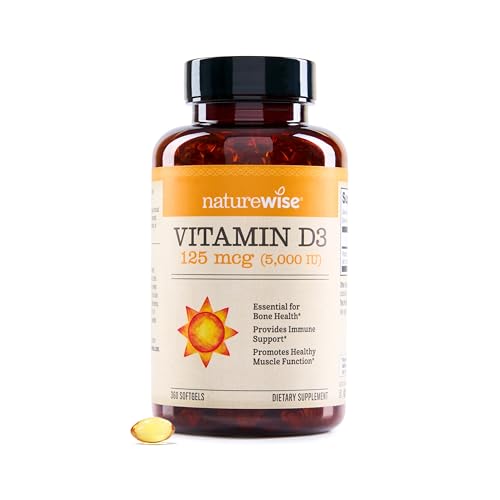
NatureWise Vitamin D3 5000 IU
Best Overall Winter SupplementNatureWise Vitamin · Correcting and preventing winter vitamin D deficiency
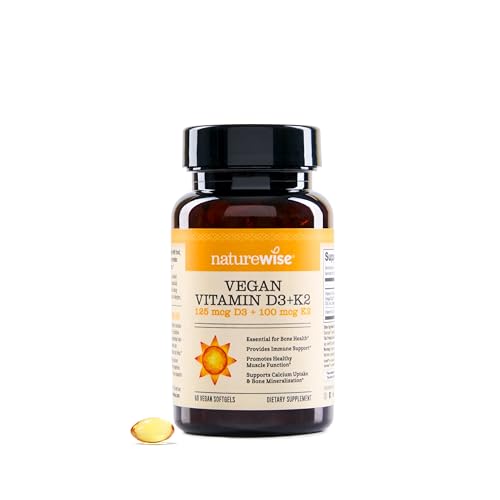
NatureWise Vegan Vitamin D3 + K2
Best D3 + K2 ComboNatureWise Vegan · Those wanting vitamin D and K2 in one capsule for immune and bone support
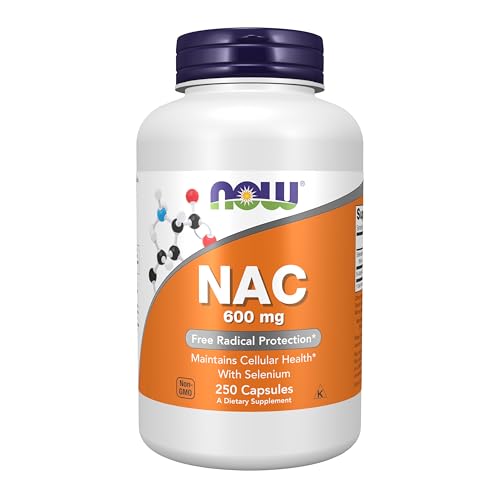
NOW Foods NAC 600 mg
Best Antioxidant SupportNOW Foods · Glutathione support and respiratory health during winter
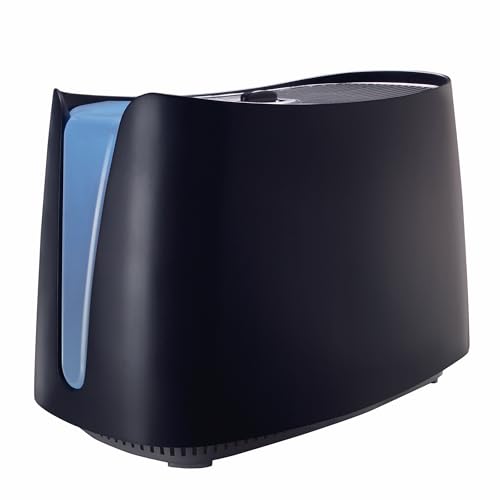
Honeywell Cool Moisture Humidifier HCM350
Best Winter HumidifierHoneywell Cool · Maintaining optimal bedroom humidity (40–60%) throughout winter

Verilux HappyLight Luxe 10,000 Lux Light Therapy Lamp
Best Light Therapy LampVerilux HappyLight · Morning light exposure, SAD support, and circadian rhythm regulation in winter
Zinc Lozenges for Cold Intervention
Best Early Intervention ToolZinc Lozenges · Reducing cold duration when taken within 24 hours of first symptoms
Read the detailed review cards below before opening any retailer link
Top Recommended Products
NatureWise Vitamin
NatureWise Vitamin D3 5000 IU
At 5,000 IU per softgel, this is the ideal dose for correcting winter deficiency. The olive oil base enhances fat-soluble absorption, and a 360-count bottle means one purchase covers the entire winter season and beyond. NatureWise is a reputable brand with cGMP manufacturing and third-party testing.
Pros
- + Exceptional value (360-count)
- + small easy-to-swallow softgels
- + olive oil base boosts absorption
- + trusted brand with third-party testing
- + one-year supply per bottle
Cons
- - Does not include vitamin K2 (purchase separately or choose D3+K2 version)
Why we included it: At 5,000 IU per softgel, this is the ideal dose for correcting winter deficiency. The olive oil base enhances fat-soluble absorption, and a 360-count bottle means one purchase covers the entire winter season and beyond. NatureWise is a reputable brand with cGMP manufacturing and third-party testing.
Retailer link opens on Amazon after the review details above
NatureWise Vegan
NatureWise Vegan Vitamin D3 + K2
The combination of D3 and K2 is the gold standard for winter supplementation. K2 ensures calcium goes to your bones rather than accumulating in arteries—an important consideration with long-term D3 use. The vegan formula makes this accessible to plant-based individuals.
Pros
- + Combines D3 and K2 in one capsule
- + vegan-friendly
- + K2 directs calcium to bones
- + olive oil base for absorption
- + soy-free K2 source
Cons
- - Smaller count (60 vs 360) means less value per capsule
- - higher per-unit cost than D3-only version
Why we included it: The combination of D3 and K2 is the gold standard for winter supplementation. K2 ensures calcium goes to your bones rather than accumulating in arteries—an important consideration with long-term D3 use. The vegan formula makes this accessible to plant-based individuals.
Retailer link opens on Amazon after the review details above
NOW Foods
NOW Foods NAC 600 mg
NAC is the direct precursor to glutathione, your body's master antioxidant. Research showed it reduced flu incidence by 25% in elderly subjects. The addition of selenium enhances antioxidant enzyme production. At 250 capsules, this bottle lasts through the entire winter season.
Pros
- + Excellent value (250 count)
- + includes selenium for synergistic antioxidant support
- + well-researched for respiratory health
- + mucolytic properties help thin mucus
- + supports glutathione production
Cons
- - May cause GI upset in some people
- - strong sulfur smell when bottle is opened
Why we included it: NAC is the direct precursor to glutathione, your body's master antioxidant. Research showed it reduced flu incidence by 25% in elderly subjects. The addition of selenium enhances antioxidant enzyme production. At 250 capsules, this bottle lasts through the entire winter season.
Retailer link opens on Amazon after the review details above
Honeywell Cool
Honeywell Cool Moisture Humidifier HCM350
Maintaining 40–60% indoor humidity is one of the most underrated winter immune strategies. This humidifier's UV technology ensures you're adding clean moisture to the air, and the evaporative design self-regulates to prevent over-humidification. The dishwasher-safe design makes the critical task of regular cleaning much easier.
Pros
- + UV technology kills up to 99.9% of bacteria in water
- + 24-hour run time
- + quiet operation ideal for bedrooms
- + all water-touching parts dishwasher safe
- + self-regulating evaporative design won't over-humidify
Cons
- - Replacement wicking filters required every 1–2 months
- - no built-in hygrometer (purchase separately)
Why we included it: Maintaining 40–60% indoor humidity is one of the most underrated winter immune strategies. This humidifier's UV technology ensures you're adding clean moisture to the air, and the evaporative design self-regulates to prevent over-humidification. The dishwasher-safe design makes the critical task of regular cleaning much easier.
Retailer link opens on Amazon after the review details above
Verilux HappyLight
Verilux HappyLight Luxe 10,000 Lux Light Therapy Lamp
Verilux invented the original HappyLight and has 65+ years in healthy lighting. Morning light exposure regulates circadian rhythm, which directly influences immune cell activity. The adjustable settings let you customize your experience, and the portable design means you can use it at your desk, kitchen table, or anywhere you spend morning time.
Pros
- + 10
- + 000 lux at recommended distance
- + UV-free safe LED technology
- + adjustable brightness and color
- + countdown timer for session tracking
- + ultra-thin portable design
- + 3-year warranty from industry leader
Cons
- - Requires consistent daily use (20–30 min) for benefits
- - higher price point than basic models
Why we included it: Verilux invented the original HappyLight and has 65+ years in healthy lighting. Morning light exposure regulates circadian rhythm, which directly influences immune cell activity. The adjustable settings let you customize your experience, and the portable design means you can use it at your desk, kitchen table, or anywhere you spend morning time.
Retailer link opens on Amazon after the review details above
Zinc Lozenges
Zinc Lozenges for Cold Intervention
Zinc lozenges are the single most effective early intervention for common colds, backed by randomized controlled trials. The key is starting immediately—within 24 hours of first symptoms—and taking one every 2–3 hours while awake. Keep these stocked in your medicine cabinet before you need them.
Pros
- + Research-backed cold duration reduction (median 4.4 vs 7.6 days)
- + easy to use
- + available in multiple flavors
- + affordable
- + no prescription needed
Cons
- - Taste can be unpleasant
- - may cause nausea if taken on empty stomach
- - only effective if started within 24 hours of symptoms
Why we included it: Zinc lozenges are the single most effective early intervention for common colds, backed by randomized controlled trials. The key is starting immediately—within 24 hours of first symptoms—and taking one every 2–3 hours while awake. Keep these stocked in your medicine cabinet before you need them.
Retailer link opens on Amazon after the review details above
What Should You Eat to Support Your Immune System Through Winter?
Winter nutrition should emphasize warming, nutrient-dense foods that deliver the vitamins and minerals your immune system needs most.

Prioritize these immune-supporting nutrients:
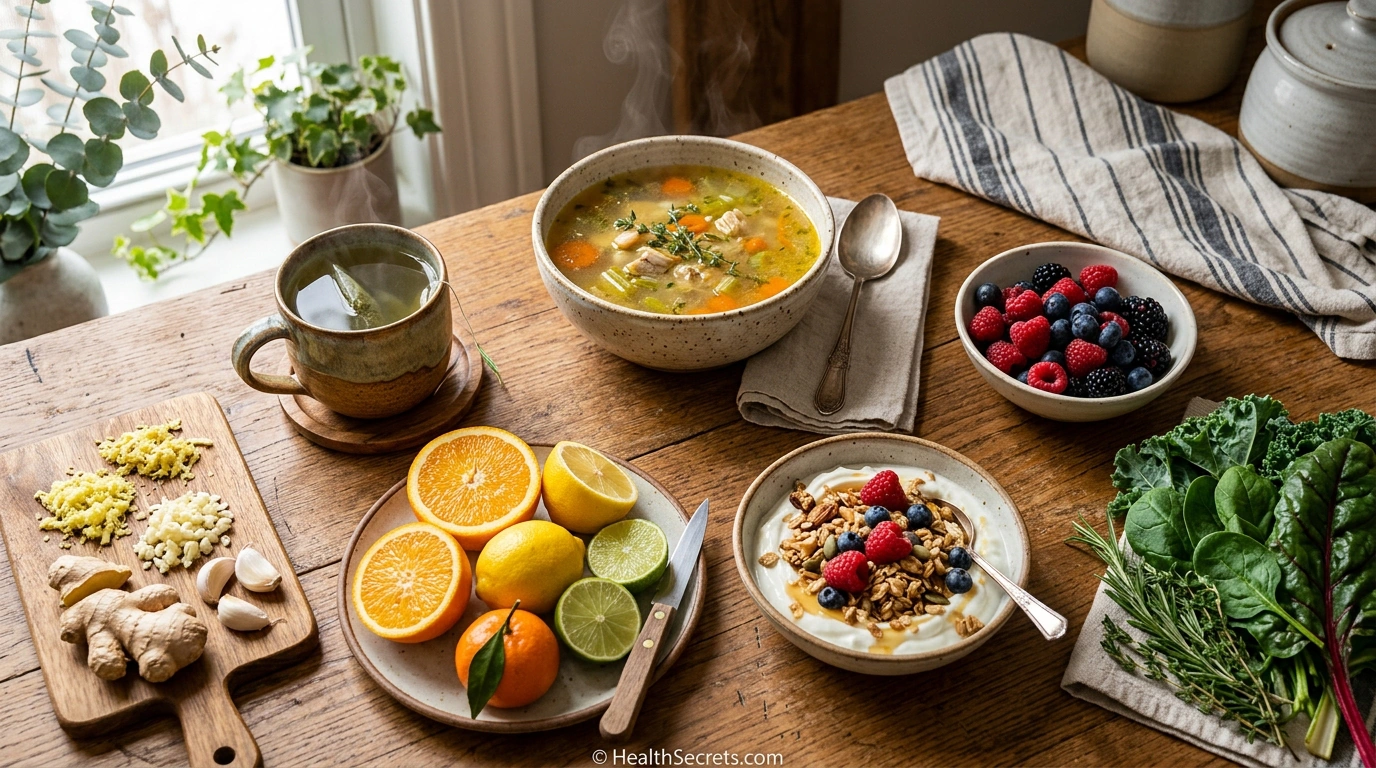
- Vitamin C sources: Citrus fruits, berries (frozen is fine), bell peppers, broccoli, Brussels sprouts
- Zinc sources: Oysters, beef, chicken, pumpkin seeds, chickpeas
- Antimicrobial foods: Garlic (allicin), ginger (anti-inflammatory), turmeric (curcumin), raw honey
- Probiotic foods: Yogurt, kefir, sauerkraut, kimchi
- Prebiotic foods: Onions, garlic, leeks, asparagus, bananas
Winter-specific meal strategies:
- Bone broth and soups: Chicken soup has validated anti-inflammatory and hydrating properties—grandma was right. Bone broth provides glycine and glutamine for gut healing and immune support
- Herbal teas: Ginger tea (warming, anti-inflammatory), green tea (EGCG antioxidants), elderberry tea (antiviral)
- Adequate protein: 1.0–1.2g per kg body weight daily—immune cells and antibodies are built from protein
What to limit:
- Sugar: Research shows 100g of sugar reduced neutrophil function by 50% for 5 hours. The holiday season is sugar-heavy—moderation matters
- Alcohol: Impairs immunity and disrupts sleep
- Processed foods: Low in immune-supporting nutrients
Stay hydrated: 8–10 cups of water, herbal teas, and broths daily. Dry winter air increases fluid requirements, and adequate hydration supports mucous membrane function and immune cell transport.
How Do You Respond in the First 24–48 Hours of Illness?
Early intervention is your most powerful tool once symptoms appear. Viral replication is exponential in the early hours—supporting your immune system immediately can dramatically shorten illness duration.
At the first sign of scratchy throat, fatigue, or sniffles:
- Zinc lozenges: 13–23 mg every 2–3 hours while awake—start immediately (research shows this only works if begun within 24 hours)
- Vitamin C: Increase to 1,000–2,000 mg every 4–6 hours (up to 4,000 mg daily)
- Elderberry: 1,000–2,000 mg, 2–3 times daily
- Rest: Cancel plans, prioritize sleep—your immune system does its heaviest lifting during rest
- Hydrate aggressively: 8–12 cups of water, herbal teas, and broths daily
- Garlic: Raw or aged garlic extract for antimicrobial support
Continue this protocol until 1–2 days after symptoms resolve. Don't rush back to full activity.
When to see a doctor—don't wait if you experience:
- Fever above 103°F or lasting 3+ days
- Difficulty breathing, chest pain, or wheezing
- Symptoms worsening after 3–4 days (should be improving by then)
- Symptoms persisting beyond 10 days
- Dehydration signs (dry mouth, decreased urination)
If you're in a high-risk group (elderly, immunocompromised, chronic health conditions), seek medical attention earlier rather than later.
What Are the Most Common Winter Immune Mistakes to Avoid?
Even well-intentioned winter wellness habits can backfire. Here are the mistakes that undermine your efforts—and what to do instead.

The most effective winter immune strategies are ones you can sustain consistently from October through April. Avoid the all-or-nothing approach: starting a complex protocol in January and abandoning it by February helps nobody.
- Starting too late: Begin supplementation in October–November, not January when you're already sick. Vitamin D takes 2–4 weeks to reach optimal levels
- Mega-dosing randomly: More isn't always better. Excessive zinc depletes copper; excessive vitamin A and D can cause toxicity. Stick to evidence-based doses
- Neglecting sleep for exercise: If you're choosing between a 6 AM gym session on 5 hours of sleep or sleeping in—choose sleep. Sleep deprivation does more immune damage than a skipped workout
- Overheating your home: Cranking the heat drops humidity even further. Keep thermostats moderate and use humidifiers
- Relying solely on supplements: No pill replaces whole foods, adequate sleep, regular exercise, and stress management. Supplements are supplemental
- Ignoring early symptoms: The 24–48 hour window for early intervention is real. Don't push through—rest and intervene immediately
Is a Winter Immune Protocol Safe? When Should You Be Cautious?
The strategies in this guide are generally safe for healthy adults, but certain situations require extra caution.
Most winter immune supplements are well-tolerated at recommended doses. However, interactions and contraindications exist that you should discuss with your healthcare provider.
Supplement interactions to watch:
- Vitamin D: Can interact with certain heart and kidney medications; high doses require monitoring of calcium levels
- Zinc: Long-term use above 40 mg daily depletes copper; can interfere with antibiotic absorption
- Elderberry: Theoretical concern with immunosuppressants (may counteract their effects); avoid with autoimmune conditions without medical guidance
- NAC: May interact with nitroglycerin and blood thinners; can cause GI upset at high doses
- Vitamin C: High doses (above 2,000 mg daily) may cause GI distress and increase kidney stone risk in susceptible individuals
Who should consult a doctor first:
- Anyone on prescription medications, particularly blood thinners, immunosuppressants, or diabetes medications
- Pregnant or breastfeeding individuals
- People with autoimmune conditions
- Those with kidney disease (vitamin D and vitamin C dosing require adjustment)
- Anyone scheduled for surgery (stop zinc and high-dose vitamin C 2 weeks prior)
Action Plan
What Should You Do First to Prepare for Winter Immune Season?
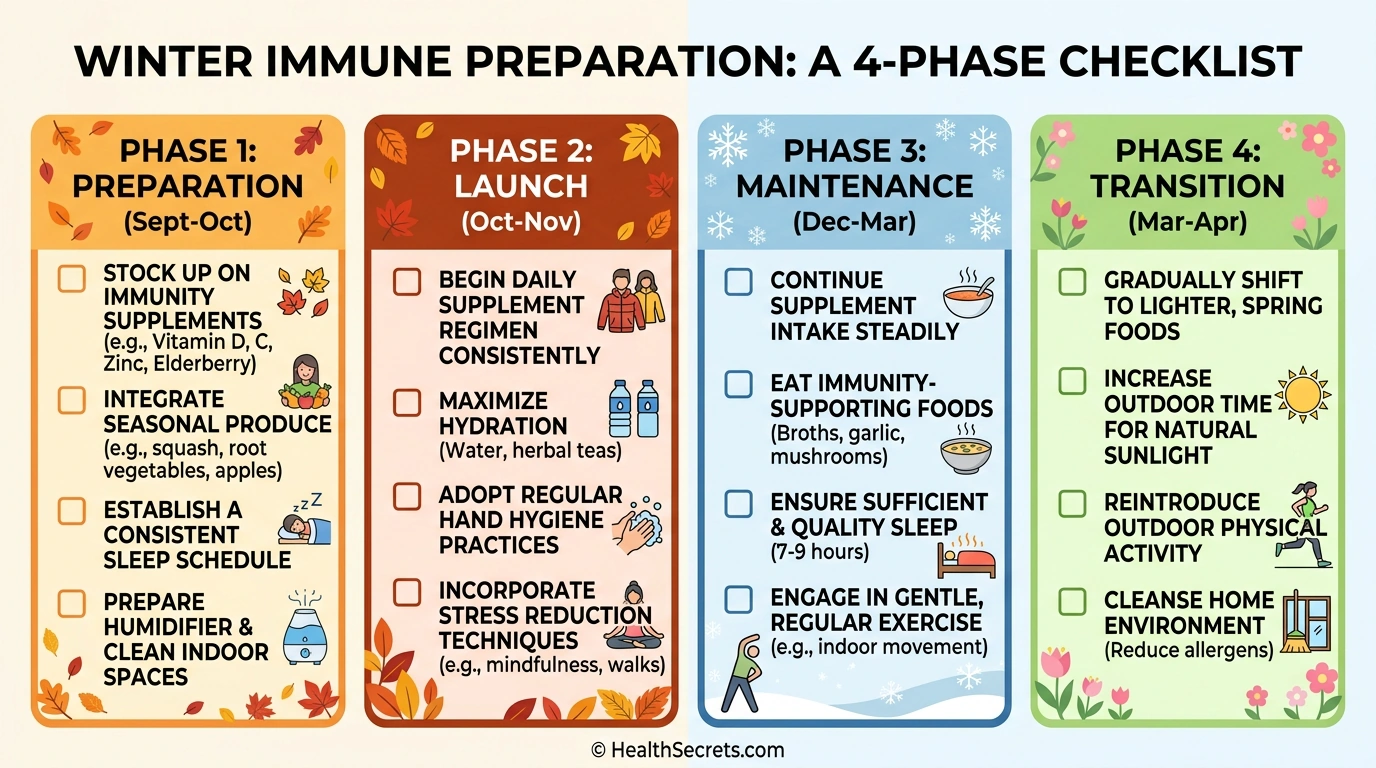
Follow the sequence below, work through each phase in order, and use the checklist as your practical implementation guide.
Start with the highest-impact, lowest-effort actions and build from there. This phased approach prevents overwhelm and creates sustainable habits.
Phase 1 — September–October (Preparation):
- Test vitamin D levels (25-hydroxyvitamin D blood test)
- Stock up on core supplements: vitamin D3 + K2, vitamin C, zinc, probiotics
- Purchase a humidifier and hygrometer for your bedroom
- Establish a consistent sleep schedule (7–9 hours nightly)
Phase 2 — October–November (Launch):
- Begin daily supplement stack: D3 (2,000–5,000 IU), C (1,000 mg), zinc (15–30 mg), probiotics
- Add elderberry (500–1,000 mg daily) as flu season approaches
- Start morning light exposure routine (10–30 minutes outdoor or light therapy lamp)
- Set humidifier to maintain 40–60% indoor humidity
Phase 3 — December–March (Maintenance):
- Continue daily protocol consistently
- Maintain exercise routine (30–60 min, 5x weekly)
- Practice stress management daily (meditation, breathing, social connection)
- Keep early intervention supplies on hand (zinc lozenges, elderberry, vitamin C)
Phase 4 — March–April (Transition):
- Retest vitamin D in late February/March
- Continue supplements until consistent sun exposure resumes (April–May)
- Maintain healthy habits year-round as baseline immunity support
