Here's something most people don't think about when cold season rolls around: how much water they're drinking. We obsess over vitamin C, load up on zinc, maybe even start a new supplement — but hydration? It barely registers. And honestly, that's a mistake.
Your body is roughly 60% water. Your immune cells? Even more — about 70%. The lymphatic system that shuttles those immune cells around your body is 95% water. The mucous membranes lining your nose, throat, and gut — the ones that physically block pathogens from getting in — depend on hydration to stay intact. When you're even slightly dehydrated, all of these systems slow down. Research suggests that losing just 2% of your body weight in water can suppress immune function and increase your vulnerability to infections ([1]).
The hydration immune system connection runs deeper than most people realize. And the good news? It's one of the simplest things you can fix.
In this guide, you'll learn exactly how water supports your immune defenses — from lymphatic circulation to cellular signaling — plus practical strategies for staying optimally hydrated every day. Whether you're fighting off a cold, training hard, or just trying to keep your immune system in top shape, this is the foundation everything else builds on.
For a comprehensive overview of how your immune system works, see our complete immune system guide. If you're interested in how gut health connects to immunity, check out our gut detox protocol.
What Is the Hydration-Immune Connection and Why Does It Matter?
The hydration-immune connection refers to the critical relationship between your body's water balance and its ability to mount effective immune responses. Adequate hydration supports every layer of immune defense — from the physical barriers that keep pathogens out to the cellular machinery that identifies and destroys invaders. When fluid levels drop, immune function declines measurably.
Water isn't just something you drink to quench thirst. It's the medium in which virtually every biological process takes place. Your blood — which delivers immune cells and oxygen to tissues — is about 90% water. The lymph fluid that circulates through your lymphatic system is approximately 95% water. The mucus lining your respiratory and digestive tracts is 90–95% water ([1]).
Three key mechanisms connect hydration to immunity:
- Lymphatic circulation — Your lymphatic system is a vast network of vessels and nodes that transports immune cells (lymphocytes, macrophages, dendritic cells) throughout your body. Without adequate water, lymph becomes sluggish, delaying immune cell delivery and waste removal.
- Mucous membrane integrity — The mucous membranes lining your nose, throat, lungs, and gut serve as physical barriers against pathogens. They produce mucus containing antimicrobial compounds like lysozyme, lactoferrin, and IgA antibodies. Dehydration dries these membranes and compromises their barrier function.
- Cellular immune function — Immune cells themselves are roughly 70% water. They rely on proper hydration for cell signaling, cytokine production, phagocytosis (engulfing pathogens), and antibody production.
A 2024 review in the Journal of the Association of Physicians of India highlighted that dehydration impairs immunity at both cellular and molecular levels — particularly through disruption of aquaporin water channels that are essential for immune cell communication and functions like chemotaxis and phagocytosis ([2]).
Understanding this connection matters because dehydration is surprisingly common. Many adults walk around mildly dehydrated without realizing it — and that low-level fluid deficit may be quietly undermining their immune defenses.
How Does Water Actually Support Your Immune System?
Water supports immune function through three primary mechanisms: maintaining lymphatic flow for immune cell transport, preserving mucous membrane barriers, and enabling cellular immune processes like cytokine signaling and phagocytosis. Each mechanism depends on adequate hydration to function optimally.
How Does Hydration Keep Your Lymphatic System Running?
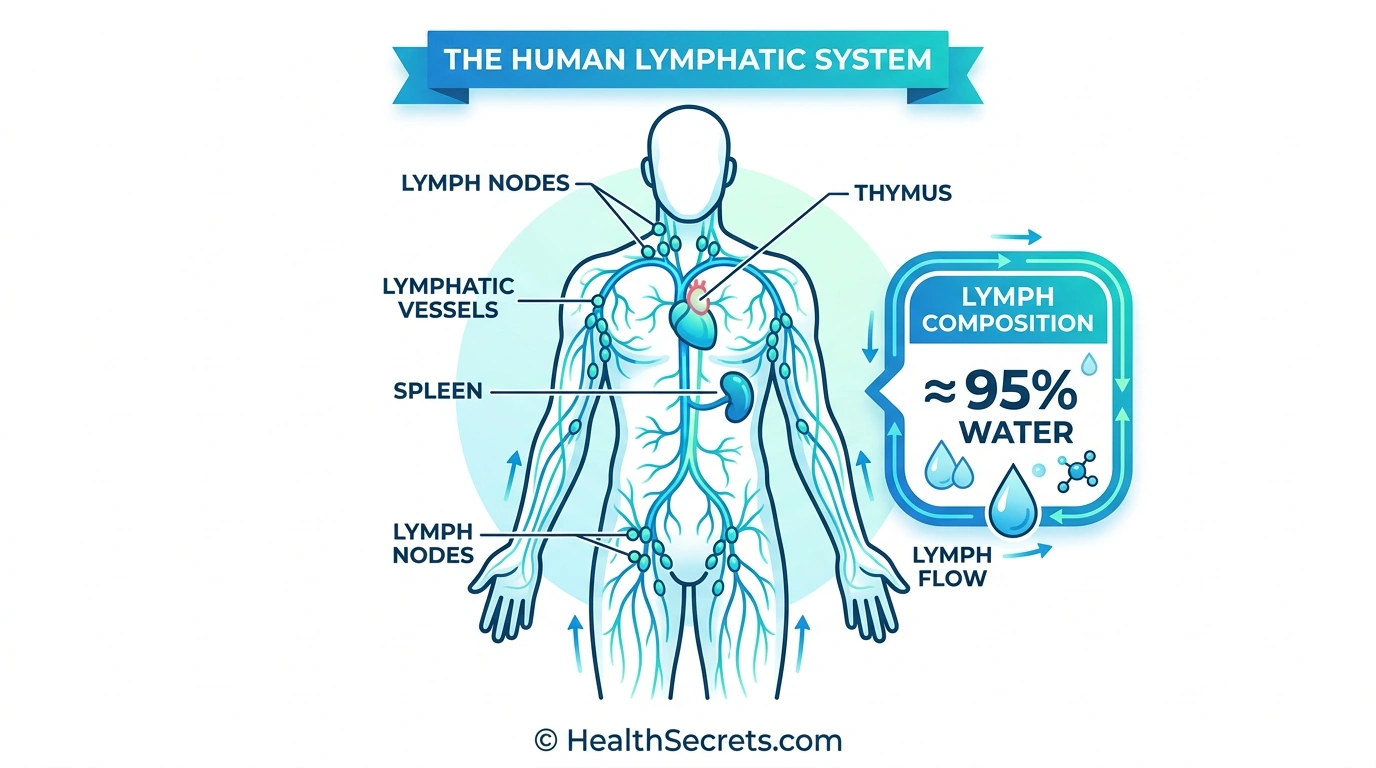
Your lymphatic system is essentially your immune system's highway. It's a network of vessels, nodes, and organs (including the spleen, thymus, and tonsils) that runs parallel to your circulatory system. Its job is to circulate immune cells, remove cellular waste and toxins, and deliver nutrients to tissues.
Lymph fluid is approximately 95–96% water. When you're well hydrated, lymph flows smoothly — immune cells reach infection sites quickly, waste gets cleared efficiently, and fluid balance stays healthy. When you're dehydrated, lymph thickens and slows. Immune cells take longer to arrive where they're needed. Waste products, toxins, and pathogens accumulate, creating an environment that promotes inflammation and infection ([6]).
Unlike your blood, which is pumped by your heart, the lymphatic system has no central pump. It relies on muscle contractions, breathing, and adequate hydration to keep moving. This makes it particularly vulnerable to dehydration.
How Do Mucous Membranes Protect You — and Why Does Dehydration Compromise Them?
Mucous membranes line every body cavity that's exposed to the outside world: your nasal passages, throat, lungs, digestive tract, and urinary tract. They're your body's first line of physical defense.
These membranes produce mucus — a sticky, gel-like substance that's 90–95% water. Mucus physically traps bacteria, viruses, and other pathogens before they can reach underlying tissues. It also contains antimicrobial compounds (lysozyme, lactoferrin, secretory IgA) that actively neutralize invaders. In your respiratory tract, tiny hair-like structures called cilia sweep mucus — along with trapped pathogens — out of your airways.
Dehydration disrupts all of this. Dry mucous membranes develop microcracks that allow pathogens to slip through. Mucus production drops, reducing the trapping capacity. The mucus that is produced becomes thick and sticky, impairing mucociliary clearance. The result is increased susceptibility to respiratory infections, GI infections, and urinary tract infections.
A 2022 study demonstrated that reduced hydration in skin barrier cells upregulated pro-inflammatory gene expression through the CD14/S100 signaling pathway — showing that dehydration directly triggers inflammatory responses at the barrier level ([8]).
How Does Dehydration Impair Immune Cell Function?
Your immune cells — neutrophils, lymphocytes (T cells, B cells), macrophages, natural killer cells — are approximately 70% water by composition. They depend on proper hydration for virtually every function.
When hydration is adequate, immune cells communicate effectively through cytokine signaling, rapidly divide to expand the immune response, and efficiently engulf pathogens through phagocytosis. Aquaporin water channels in immune cell membranes facilitate the water and ion movement that drives cell migration, cytoskeletal rearrangement, and chemotaxis — the process by which immune cells navigate toward infection sites ([4]).
A 2023 study found that dehydration (serum osmolality above 300 mOsm/kg) was associated with significantly lower LPS-stimulated cytokine production in community-dwelling middle-to-older aged adults — suggesting that even common, everyday levels of underhydration can suppress immune responses ([5]).
Perhaps most striking, a 2024 study published in iScience showed that water restriction disrupted gut immune homeostasis, decreasing numbers of Th17 cells — a critical immune cell type for fighting gut pathogens — and impaired the body's ability to eliminate the enteric pathogen Citrobacter rodentium. The researchers found that aquaporin 3 (AQP3) was required for Th17 cell function and differentiation ([3]).
What Are the Key Benefits of Staying Hydrated for Immune Health?
Proper hydration delivers measurable benefits across multiple immune functions: faster lymphatic drainage, stronger mucosal barriers, more effective immune cell responses, reduced chronic inflammation, and better resilience during illness. These benefits compound over time with consistent adequate water intake.

Does Hydration Reduce Your Risk of Respiratory Infections?
Yes — adequate hydration helps maintain the moist mucous membranes in your nose, throat, and lungs that physically block respiratory pathogens. When these membranes are well hydrated, mucociliary clearance works efficiently — cilia sweep mucus and trapped pathogens out of your airways. Dehydration impairs this clearance mechanism, which is one reason people tend to get sick more often when they're not drinking enough water.
Can Proper Hydration Improve Your Response to Vaccines?
Emerging evidence suggests that hydration status at the time of vaccination may affect antibody production. Dehydrated individuals show reduced immune cell function and lower cytokine production, both of which are necessary for a robust vaccine response. While large-scale clinical trials specifically testing this are limited, the immunological rationale is strong — ensuring adequate hydration before and after vaccination is a simple, low-risk strategy.
Does Staying Hydrated Help Reduce Chronic Inflammation?
Dehydration triggers oxidative stress and promotes chronic low-grade inflammation. When cells lack adequate water, waste products accumulate, free radical production increases, and inflammatory signaling pathways become activated. Maintaining proper hydration helps your body clear metabolic waste efficiently, reducing the burden on inflammatory pathways. This is particularly relevant for people dealing with chronic inflammation or autoimmune conditions.
How Does Hydration Support Wound Healing and Recovery?
Wound healing requires robust cellular activity — immune cells must migrate to the wound site, clear debris and pathogens, and signal tissue repair processes. All of these functions depend on adequate hydration. Dehydrated tissues heal more slowly, are more prone to infection, and may develop complications. Increasing water intake during recovery from injury or surgery supports faster, more effective healing.

Hydro Flask 32 oz Wide Mouth with Flex Cap
Editor's ChoiceHydro Flask · Daily hydration tracking and temperature maintenance

LMNT Zero-Sugar Electrolyte Drink Mix (Variety Pack)
Best Electrolyte SupplementLMNT Zero-Sugar · Replenishing electrolytes during exercise, illness, or hot weather
CamelBak Eddy+ BPA-Free Water Bottle (32 oz)
Best ValueCamelBak Eddy+ · On-the-go sipping with leak-proof convenience
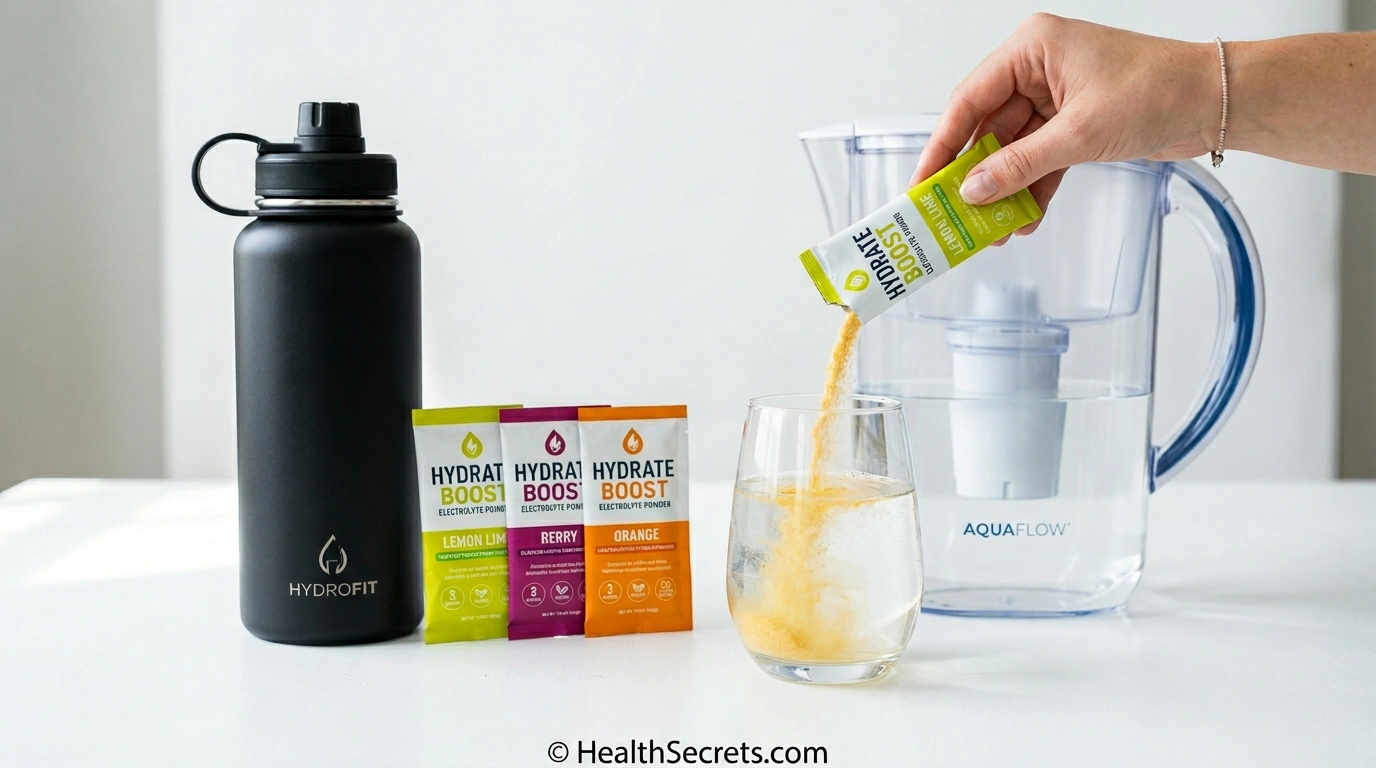
Liquid I.V. Hydration Multiplier Electrolyte Powder
Best For Rapid RehydrationLiquid I.V. · Quick rehydration during illness, travel, or hangovers
Brita Standard Everyday Water Filter Pitcher (10 Cup)
Best Water FilterBrita Standard · Improving home water taste and quality to encourage more drinking
Read the detailed review cards below before opening any retailer link
Top Recommended Products
Hydro Flask
Hydro Flask 32 oz Wide Mouth with Flex Cap
A high-quality insulated bottle is the single most effective hydration tool — keeping water cold and accessible makes you far more likely to hit your daily intake goals.
Pros
- + Keeps water cold all day encourages consistent drinking
- + durable stainless steel construction lasts for years
- + wide mouth fits ice cubes and is easy to clean
- + dishwasher safe for convenience
Cons
- - Heavier than plastic bottles at ~1 lb empty
Why we included it: A high-quality insulated bottle is the single most effective hydration tool — keeping water cold and accessible makes you far more likely to hit your daily intake goals.
Retailer link opens on Amazon after the review details above
LMNT Zero-Sugar
LMNT Zero-Sugar Electrolyte Drink Mix (Variety Pack)
LMNT provides clinically meaningful electrolyte doses — particularly sodium and potassium — that most sports drinks lack. Ideal for supporting hydration during exercise, illness recovery, or hot weather.
Pros
- + Meaningful electrolyte doses not just trace amounts
- + zero sugar unlike most sports drinks
- + variety pack lets you find your preferred flavor
- + convenient single-serve packets
Cons
- - Higher sodium content may not suit everyone especially those on sodium-restricted diets
Why we included it: LMNT provides clinically meaningful electrolyte doses — particularly sodium and potassium — that most sports drinks lack. Ideal for supporting hydration during exercise, illness recovery, or hot weather.
Retailer link opens on Amazon after the review details above
CamelBak Eddy+
CamelBak Eddy+ BPA-Free Water Bottle (32 oz)
At under $20, the CamelBak Eddy+ removes the cost barrier to consistent hydration. The bite valve design encourages frequent sipping throughout the day.
Pros
- + Lightweight and affordable entry point for hydration
- + bite valve makes sipping easy without unscrewing cap
- + dishwasher safe and easy to clean
- + durable Tritan plastic
Cons
- - No insulation so water reaches room temperature faster
Why we included it: At under $20, the CamelBak Eddy+ removes the cost barrier to consistent hydration. The bite valve design encourages frequent sipping throughout the day.
Retailer link opens on Amazon after the review details above
Liquid I.V.
Liquid I.V. Hydration Multiplier Electrolyte Powder
Liquid I.V. uses glucose-sodium co-transport to accelerate water absorption — making it especially useful when you need to rehydrate quickly during illness or after intense dehydration.
Pros
- + Uses osmotic science for faster absorption than water alone
- + includes B vitamins and vitamin C for immune support
- + widely available and well-known brand
- + pleasant taste
Cons
- - Contains 11g sugar per packet which may not suit low-sugar diets
Why we included it: Liquid I.V. uses glucose-sodium co-transport to accelerate water absorption — making it especially useful when you need to rehydrate quickly during illness or after intense dehydration.
Retailer link opens on Amazon after the review details above
Brita Standard
Brita Standard Everyday Water Filter Pitcher (10 Cup)
Many people don't drink enough water simply because they don't like the taste. A quality filter pitcher removes chlorine and contaminants, making water more palatable and encouraging higher daily intake.
Pros
- + Removes chlorine taste and odor making water more enjoyable
- + reduces lead copper and mercury
- + affordable long-term investment
- + easy to use and maintain
Cons
- - Filters need replacement every 2 months adding recurring cost
Why we included it: Many people don't drink enough water simply because they don't like the taste. A quality filter pitcher removes chlorine and contaminants, making water more palatable and encouraging higher daily intake.
Retailer link opens on Amazon after the review details above
Are There Any Risks to Increasing Water Intake?
For most healthy adults, increasing water intake within reasonable ranges (64–120 oz daily) carries minimal risk. However, overhydration (hyponatremia) is a real concern, and certain medical conditions require careful fluid management. The key is balanced, consistent intake rather than extreme consumption.
Hyponatremia (Water Intoxication):
- Drinking excessive water too quickly can dilute blood sodium levels below safe thresholds (below 135 mEq/L)
- Symptoms include nausea, headache, confusion, seizures — severe cases can be life-threatening
- Most common in endurance athletes who drink large volumes without electrolyte replacement
- Prevention: don't force excessive water intake; include electrolytes during prolonged exercise
Medical Conditions Requiring Fluid Restriction:
- Kidney disease — impaired kidneys may not excrete excess water effectively
- Congestive heart failure — excess fluid can worsen edema and cardiac strain
- SIADH (Syndrome of Inappropriate Antidiuretic Hormone) — body retains too much water
- Always consult your doctor if you have these conditions before increasing water intake
Medications That Affect Fluid Balance:
- Diuretics increase fluid loss (may need more water)
- Some blood pressure medications affect electrolyte balance
- Lithium and certain psychiatric medications require careful hydration monitoring
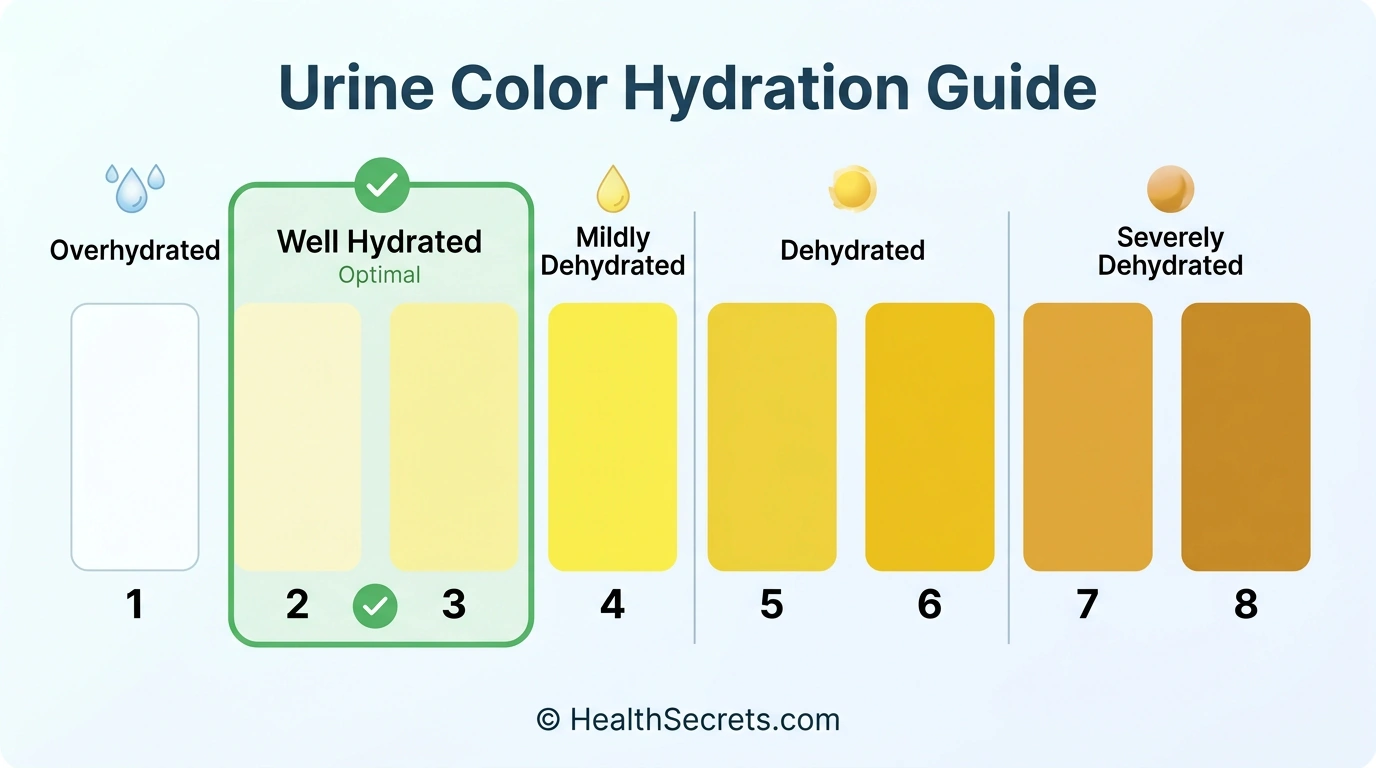
The practical takeaway: aim for pale yellow urine as your target. Clear urine may actually indicate overhydration. Dark yellow means you need more water. If you have any chronic health conditions, work with your healthcare provider to determine your optimal intake.
How Much Water Should You Drink for Optimal Immune Health?
For general immune support, aim for 8–10 cups (64–80 oz) of water daily, adjusting upward based on body weight, activity level, climate, and health status. The Institute of Medicine recommends 91 oz for women and 125 oz for men from all fluid sources — but individual needs vary significantly.
:::info[General Guidelines by Situation:]
| Situation | Daily Intake | Key Notes |
|---|---|---|
| Sedentary adult | 64–80 oz (8–10 cups) | Baseline for most people |
| Active adult (moderate exercise) | 80–100 oz (10–12 cups) | Add 1–2 cups per hour of exercise |
| Intense exercise / hot climate | 100–130+ oz (12–16 cups) | Include electrolytes if sweating heavily |
| Illness (fever, diarrhea, vomiting) | Increase by 16–32+ oz | Sip frequently; add electrolytes |
| Pregnancy | Add 16–24 oz to baseline | Supports blood volume and amniotic fluid |
| ::: |
Practical Hydration Strategies:
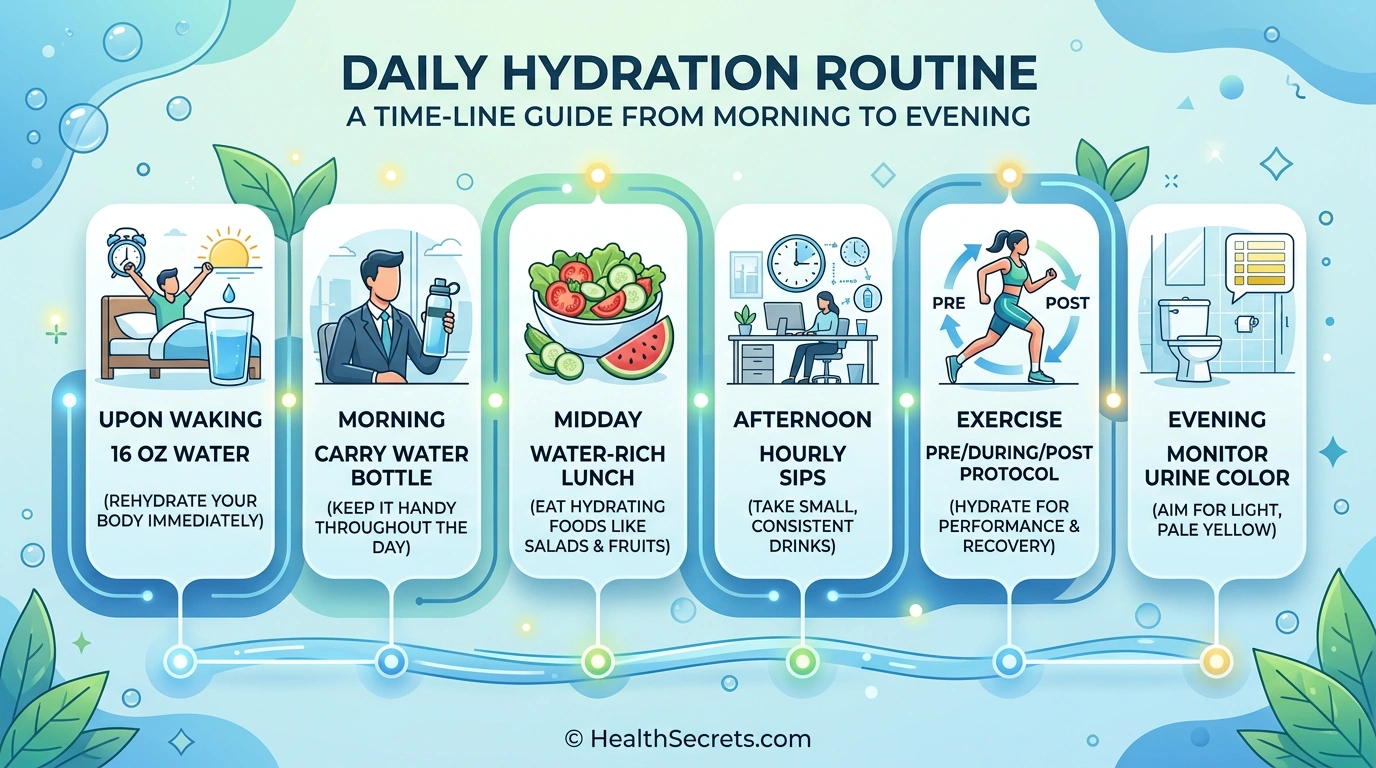
- Start your day with 16 oz of water — You wake up after 7–8 hours without fluids. Rehydrating first thing supports lymphatic flow and kickstarts cellular function.
- Drink consistently throughout the day — Don't wait until you're thirsty. Thirst is a late indicator — by the time you feel it, you're already mildly dehydrated.
- Carry a reusable water bottle — Visual cues work. Having water visible and accessible makes you more likely to drink consistently.
- Monitor your urine color — Pale yellow (like lemonade) means you're well hydrated. Dark yellow or amber means you need more. Clear may mean you're overhydrating.
- Set hourly reminders — Use your phone or a hydration tracking app to build the habit until it becomes automatic.
- Hydrate around exercise — Drink 16 oz two hours before, 8 oz every 15–20 minutes during, and 16–24 oz per pound lost after exercise.
- Flavor water naturally — If plain water doesn't appeal to you, add lemon, cucumber, mint, or berries. Herbal teas (caffeine-free) also count toward your daily intake.
For people recovering from illness — especially fever, diarrhea, or vomiting — hydration becomes even more critical. These conditions rapidly deplete both water and electrolytes. Sip small amounts frequently rather than drinking large volumes at once, and consider an oral rehydration solution or electrolyte supplement.

What Diet and Lifestyle Changes Support Optimal Hydration for Immunity?
Beyond drinking water, you can support hydration through water-rich foods, electrolyte-balanced meals, and lifestyle habits that minimize unnecessary fluid loss. A comprehensive approach to hydration delivers more consistent immune benefits than focusing on water intake alone.
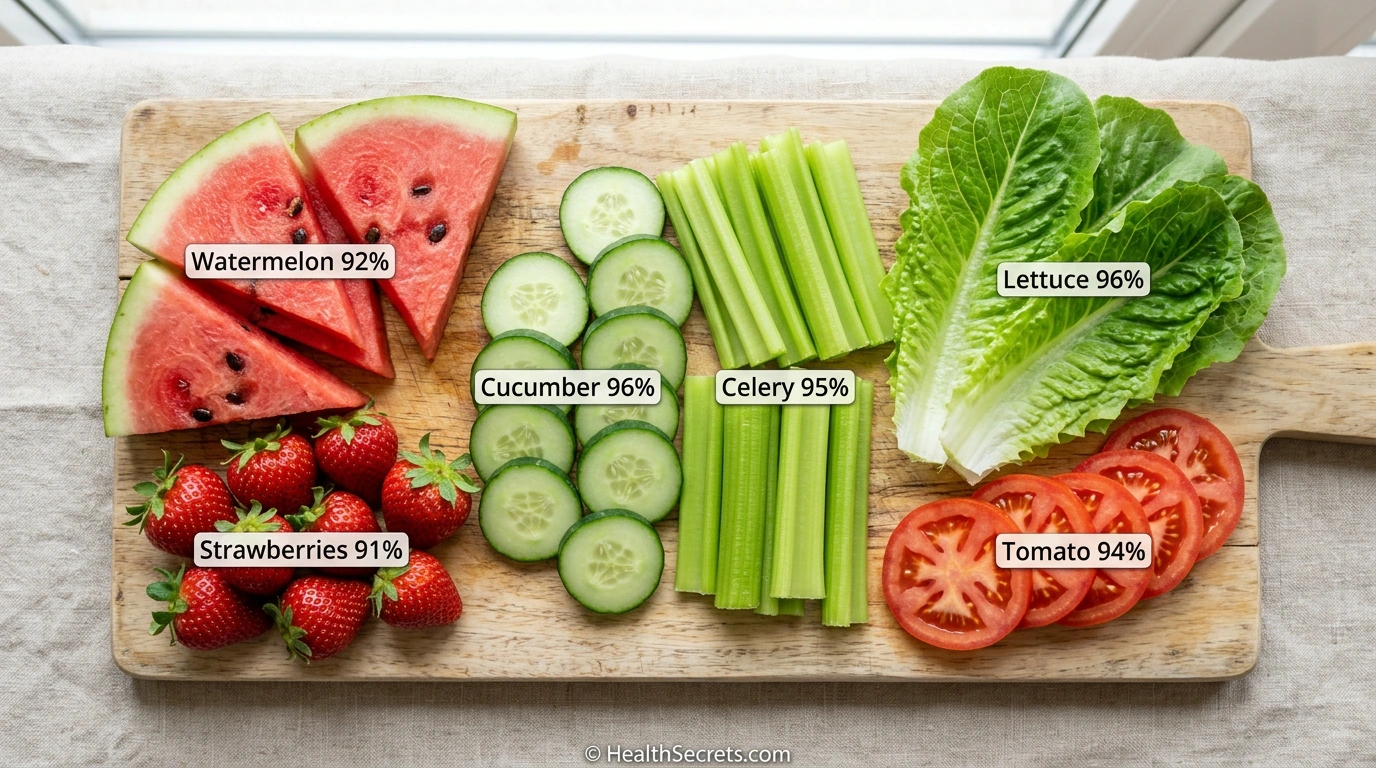
Water-Rich Foods (Contribute ~20% of Daily Intake):
- Cucumber — 96% water
- Lettuce — 96% water
- Celery — 95% water
- Tomatoes — 94% water
- Watermelon — 92% water
- Strawberries — 91% water
- Spinach — 91% water
- Broth-based soups — hydrating and nutrient-dense
:::info[Electrolyte Balance Through Diet:] Electrolytes (sodium, potassium, chloride, magnesium) maintain fluid balance across cell membranes and support nerve and muscle function. For immune health, they're essential because they regulate how water moves into and out of immune cells ([7]). :::
- Potassium (4,700 mg/day) — bananas, potatoes, spinach, avocado, beans
- Magnesium (310–420 mg/day) — nuts, seeds, whole grains, leafy greens, dark chocolate
- Sodium — most people get adequate sodium; athletes or those on restricted diets may need supplementation
- Calcium (1,000–1,200 mg/day) — dairy, leafy greens, fortified foods
What to Limit:
- Excessive caffeine (>400 mg/day or >4 cups coffee) — mild diuretic effect increases fluid loss
- Alcohol — inhibits antidiuretic hormone (ADH), causing kidneys to excrete more water. Alternate alcoholic drinks with water 1:1.
- Sugary drinks — soda and juice provide hydration but add excess sugar and calories. Water is always the better choice.
Lifestyle Factors:
- Sleep — even mild overnight dehydration is common. Keep water by your bedside.
- Stress — chronic stress increases cortisol, which can affect fluid balance. Pair stress management with consistent hydration.
- Dry environments — heated or air-conditioned spaces increase insensible water loss through skin and respiration. Increase intake in these environments.
- Exercise — support your detox and cleansing protocols by maintaining hydration during physical activity.
Special Populations:
- Elderly adults often have diminished thirst sensation — schedule water intake every 2 hours rather than relying on thirst cues
- Children have higher water needs relative to body weight — encourage 5–11 cups daily depending on age
- Athletes can lose 2–6 lbs of water per hour through sweat — weigh before and after exercise and replace 150% of losses
- Pregnant and breastfeeding individuals need 2–5 additional cups daily to support increased blood volume and milk production
What Should You Do First to Improve Hydration for Immune Health?
Start with the highest-impact habit: drink 16 oz of water immediately upon waking every morning. Then build a consistent daily routine using the phased plan below. Most people notice improved energy, clearer skin, and better overall well-being within the first week of optimizing hydration.
Phase 1: Foundation (Week 1)
- Drink 16 oz water upon waking every morning
- Get a reusable water bottle (32 oz) and carry it throughout the day
- Set hourly phone reminders to drink water
- Monitor urine color — aim for pale yellow
- Target 64 oz (8 cups) minimum daily
Phase 2: Optimization (Weeks 2–3)
- Increase to 80–100 oz daily based on body weight and activity
- Add 2–3 servings of water-rich fruits/vegetables daily (cucumber, watermelon, strawberries)
- Implement pre/during/post exercise hydration protocol
- Reduce excessive caffeine to ≤3 cups coffee daily
- Alternate any alcoholic drinks with water 1:1
Phase 3: Advanced (Week 4+)
- Fine-tune intake based on body weight (0.5–1 oz per pound)
- Add electrolyte supplementation for heavy exercise or illness
- Track hydration status daily (urine color, energy levels, skin turgor)
- Adjust for climate, travel, altitude, and seasonal changes
- Maintain consistent daily routine — hydration is a lifelong practice