
Prebiotics and probiotics — they sound almost identical, but they play very different roles in your gut. If you’ve ever stood in a supplement aisle wondering which one you actually need, you’re not alone. The confusion between these two is one of the most common questions in gut health, and getting it right matters more than most people realize.
Here’s the simplest way to think about it: probiotics are the beneficial bacteria that live in your gut, while prebiotics are the food that feeds them. Together, they form a partnership that keeps your digestive system, immune function, and even your mood running smoothly. This guide breaks down exactly what each one does, where to find them in food, how to supplement wisely, and how to decide which approach is right for you.
Related reading: Complete Guide to Gut Health · Best Probiotics for Gut Health · Fermented Foods for Gut Health · Natural IBS Relief Strategies
What Are Probiotics and How Do They Support Gut Health?
Probiotics are live microorganisms — primarily bacteria and some yeasts — that provide health benefits when consumed in adequate amounts. They work by adding beneficial species to your gut microbiome, competing with harmful bacteria for resources, strengthening the intestinal barrier, and communicating with your immune system. Research published in Gastroenterology (2023) confirms that targeted probiotic supplementation can improve digestive symptoms, reduce inflammation, and support immune function.
Common Probiotic Strains and Their Benefits
- Lactobacillus acidophilus — supports lactose digestion and vaginal health
- Lactobacillus rhamnosus GG — one of the most studied strains for diarrhea prevention and immune support
- Bifidobacterium longum — reduces inflammation and supports the gut-brain axis
- Bifidobacterium bifidum — strengthens intestinal barrier function
- Saccharomyces boulardii — a beneficial yeast that helps prevent antibiotic-associated diarrhea
Probiotic Food Sources
The richest natural sources of probiotics are fermented foods:
- Yogurt (with live active cultures) — the most accessible probiotic food
- Kefir — contains up to 61 different microbial strains, more diverse than yogurt
- Sauerkraut (raw, unpasteurized) — rich in Lactobacillus species
- Kimchi — provides probiotics plus anti-inflammatory compounds
- Kombucha — fermented tea with beneficial bacteria and organic acids
- Miso and tempeh — fermented soy products with diverse probiotic profiles
- Pickles (naturally fermented in salt brine, not vinegar) — a simple probiotic source
Important: Pasteurization kills probiotics. Look for labels that say “live and active cultures” and choose raw or unpasteurized versions of fermented foods when possible.
What Are Prebiotics and How Do They Feed Your Gut Bacteria?
Prebiotics are non-digestible fibers and compounds that pass through your upper digestive tract unchanged and are fermented by beneficial bacteria in your colon. This fermentation process produces short-chain fatty acids (SCFAs) — particularly butyrate, acetate, and propionate — which are critical for gut barrier integrity, inflammation control, and metabolic health. A 2024 review in Nutrients confirmed that prebiotic supplementation significantly increases beneficial Bifidobacterium populations and SCFA production.

Types of Prebiotic Fibers
- Inulin — found in chicory root, garlic, and onions; the most studied prebiotic
- Fructooligosaccharides (FOS) — shorter-chain fibers found in bananas, asparagus, and artichokes
- Galactooligosaccharides (GOS) — found in legumes and some dairy products
- Resistant starch — found in cooked and cooled potatoes, green bananas, and oats
- Pectin — found in apples, citrus fruits, and berries
- Beta-glucan — found in oats, barley, and mushrooms
Prebiotic Food Sources
The best dietary sources of prebiotics are everyday plant foods:
- Garlic — one of the richest inulin sources (11% fiber by weight)
- Onions — contain both inulin and FOS
- Leeks — related to garlic and onions, high in inulin
- Asparagus — excellent source of inulin and FOS
- Bananas (especially slightly green) — rich in resistant starch and FOS
- Oats — contain beta-glucan prebiotic fiber
- Apples — rich in pectin
- Chicory root — the most concentrated natural source of inulin
- Jerusalem artichoke — also called sunchoke, extremely high in inulin
- Legumes (chickpeas, lentils, beans) — contain GOS and resistant starch
- Flaxseeds — provide both prebiotic fiber and omega-3 fatty acids
How much do you need? Aim for 5–10 grams of prebiotic fiber daily. Unlike probiotics, prebiotics are heat-stable — cooking doesn’t destroy them.
What Are the Benefits of Taking Prebiotics and Probiotics Together?
While prebiotics and probiotics each offer significant benefits individually, combining them creates a synergistic effect that maximizes gut health. This combination is called a synbiotic — the prebiotic selectively feeds and supports the probiotic organism, helping it survive and thrive in your gut. Research in the British Journal of Nutrition (2023) shows that synbiotic supplementation produces greater improvements in gut microbiome diversity than either prebiotics or probiotics alone.

Key Benefits of the Prebiotic-Probiotic Partnership
- Enhanced probiotic survival — prebiotics give probiotics a food source, helping them colonize more effectively
- Increased SCFA production — more beneficial bacteria fermenting more fiber means more butyrate, which fuels colon cells and reduces inflammation
- Improved gut barrier function — the combination strengthens tight junctions between intestinal cells, supporting gut barrier integrity
- Better immune regulation — 70% of your immune system is in your gut; both prebiotics and probiotics modulate immune responses
- Enhanced mineral absorption — prebiotics improve calcium and magnesium uptake in the colon
- Gut-brain axis support — certain probiotic strains communicate with the brain via the vagus nerve, while prebiotics increase the production of mood-regulating neurotransmitters
Prebiotics vs Probiotics: Key Differences at a Glance
| Feature | Prebiotics | Probiotics |
|---|---|---|
| What they are | Non-digestible plant fibers | Live beneficial bacteria and yeasts |
| What they do | Feed existing good bacteria | Add new good bacteria to the gut |
| Best food sources | Garlic, onions, bananas, oats, legumes | Yogurt, kefir, sauerkraut, kimchi, kombucha |
| Supplement form | Fiber powders (inulin, FOS) | Capsules with live cultures (CFU count) |
| Heat sensitivity | Heat-stable (survives cooking) | Heat-sensitive (killed by pasteurization) |
| Storage | Room temperature | Often refrigerated |
| Common side effects | Gas and bloating initially | Digestive upset in some people |
| Who benefits most | Everyone seeking long-term gut maintenance | Those with dysbiosis or post-antibiotics |

Renew Life Ultimate Flora Extra Care 50 Billion
Best ProbioticRenew Life · Post-antibiotic gut restoration and digestive support
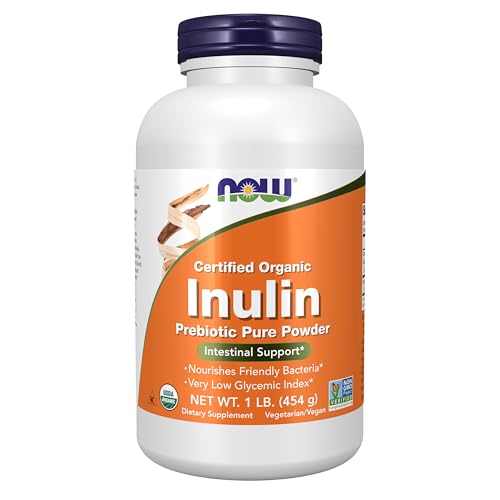
NOW Foods Organic Inulin Prebiotic Powder
Best Value PrebioticNOW Foods · Affordable daily prebiotic fiber supplementation

Seed DS-01 Daily Synbiotic
Premium PickSeed DS-01 · Comprehensive gut, skin, heart, and immune support

Ritual Synbiotic+ 3-in-1
Best ConvenienceRitual Synbiotic+ · Simple daily gut maintenance with probiotic, prebiotic, and postbiotic in one capsule

Micro Ingredients Organic Inulin FOS Powder
Best Bulk PrebioticMicro Ingredients · High-dose prebiotic supplementation at excellent value
Read the detailed review cards below before opening any retailer link
Top Recommended Products
Renew Life
Renew Life Ultimate Flora Extra Care 50 Billion
Renew Life is one of the most trusted probiotic brands, and the 50B Extra Care formula provides therapeutic-level CFU counts with 12 diverse strains. The delayed-release capsule technology ensures the probiotics reach your intestines alive, making it ideal for rebuilding gut bacteria after antibiotics or for addressing significant digestive issues.
Pros
- + High potency 50B CFU
- + 12 diverse *Lactobacillus* and *Bifidobacterium* strains
- + delayed-release technology
- + shelf-stable
- + well-researched brand
Cons
- - Higher CFU may cause initial bloating in sensitive individuals
Why we included it: Renew Life is one of the most trusted probiotic brands, and the 50B Extra Care formula provides therapeutic-level CFU counts with 12 diverse strains. The delayed-release capsule technology ensures the probiotics reach your intestines alive, making it ideal for rebuilding gut bacteria after antibiotics or for addressing significant digestive issues.
Retailer link opens on Amazon after the review details above
NOW Foods
NOW Foods Organic Inulin Prebiotic Powder
NOW Foods Organic Inulin is the most affordable and straightforward way to add prebiotic fiber to your daily routine. Derived from organic blue agave, it dissolves easily in coffee, smoothies, or water with a mildly sweet taste. At under $0.15 per serving, it’s an excellent long-term investment in gut health.
Pros
- + Certified organic
- + excellent value per serving
- + dissolves easily in any beverage
- + mildly sweet flavor
- + no additives
Cons
- - May cause gas if introduced too quickly
- - needs to be mixed into food or drink
Why we included it: NOW Foods Organic Inulin is the most affordable and straightforward way to add prebiotic fiber to your daily routine. Derived from organic blue agave, it dissolves easily in coffee, smoothies, or water with a mildly sweet taste. At under $0.15 per serving, it’s an excellent long-term investment in gut health.
Retailer link opens on Amazon after the review details above
Seed DS-01
Seed DS-01 Daily Synbiotic
Seed DS-01 represents the cutting edge of synbiotic supplementation. Its patented ViaCap® delivery system ensures exceptional probiotic survival, and the non-fermenting prebiotic means it’s safe even for those with FODMAP sensitivities. With 24 strains backed by clinical research across digestive, immune, dermatological, and cardiovascular endpoints, it’s the most comprehensive synbiotic available.
Pros
- + 24 clinically studied strains
- + unique capsule-in-capsule delivery system
- + includes prebiotic
- + low-FODMAP friendly
- + backed by clinical trials
- + sustainable packaging
Cons
- - Premium price point
- - subscription model preferred
Why we included it: Seed DS-01 represents the cutting edge of synbiotic supplementation. Its patented ViaCap® delivery system ensures exceptional probiotic survival, and the non-fermenting prebiotic means it’s safe even for those with FODMAP sensitivities. With 24 strains backed by clinical research across digestive, immune, dermatological, and cardiovascular endpoints, it’s the most comprehensive synbiotic available.
Retailer link opens on Amazon after the review details above
Ritual Synbiotic+
Ritual Synbiotic+ 3-in-1
Ritual Synbiotic+ is the most convenient option for daily gut maintenance. The 3-in-1 formula means you get probiotic, prebiotic, and postbiotic benefits in a single capsule. USP verification ensures what’s on the label is what’s in the capsule. The inclusion of tributyrin (a direct butyrate source) is a standout feature that most competitors lack.
Pros
- + All-in-one formula simplifies routine
- + USP verified for quality
- + includes postbiotic tributyrin for direct butyrate delivery
- + no refrigeration needed
- + transparent ingredient sourcing
Cons
- - Lower CFU count than some standalone probiotics
- - only 2 probiotic strains
Why we included it: Ritual Synbiotic+ is the most convenient option for daily gut maintenance. The 3-in-1 formula means you get probiotic, prebiotic, and postbiotic benefits in a single capsule. USP verification ensures what’s on the label is what’s in the capsule. The inclusion of tributyrin (a direct butyrate source) is a standout feature that most competitors lack.
Retailer link opens on Amazon after the review details above
Micro Ingredients
Micro Ingredients Organic Inulin FOS Powder
For those committed to daily prebiotic supplementation, Micro Ingredients offers the best value with over 200 servings per container. The inulin + FOS combination provides a broader prebiotic spectrum than inulin alone, feeding a wider range of beneficial bacteria. It dissolves clear and has minimal taste, making it easy to add to any beverage.
Pros
- + Exceptional value (200+ servings)
- + combines inulin and FOS for broader prebiotic effect
- + dissolves clear in water
- + certified organic
- + no additives or fillers
Cons
- - Large container may be too much for casual users
- - FOS can cause more gas than inulin alone in sensitive individuals
Why we included it: For those committed to daily prebiotic supplementation, Micro Ingredients offers the best value with over 200 servings per container. The inulin + FOS combination provides a broader prebiotic spectrum than inulin alone, feeding a wider range of beneficial bacteria. It dissolves clear and has minimal taste, making it easy to add to any beverage.
Retailer link opens on Amazon after the review details above
What Are the Side Effects and Risks of Prebiotics and Probiotics?
Both prebiotics and probiotics are generally safe for healthy adults, but they can cause temporary side effects and are not appropriate for everyone. Understanding the risks helps you use them safely and avoid common pitfalls that discourage people from continuing.
Prebiotic Side Effects
- Gas and bloating — the most common side effect, especially when starting. This occurs because gut bacteria ferment the new fiber, producing gas. It typically resolves within 1–2 weeks.
- Start low, go slow — begin with 3–5 grams daily and increase gradually over 2–3 weeks
- SIBO caution — prebiotics can worsen symptoms in people with small intestinal bacterial overgrowth (SIBO) by feeding bacteria in the wrong location
- FODMAP sensitivity — many prebiotics (inulin, FOS, GOS) are high-FODMAP and may trigger symptoms in people with IBS who follow a low-FODMAP diet
Probiotic Side Effects
- Temporary digestive upset — bloating, gas, or changes in bowel habits during the first few days
- Die-off symptoms — some people experience headaches or fatigue as harmful bacteria are displaced (Herxheimer reaction)
- Immunocompromised individuals — those with severely weakened immune systems should consult their doctor, as rare cases of probiotic-related infections have been reported
- Strain specificity — not all probiotic strains work for all conditions; choosing the wrong strain may be ineffective
Common Myths Debunked
- Myth: You only need probiotics, not prebiotics — False: without prebiotic fuel, probiotics struggle to thrive
- Myth: All fiber is prebiotic — False: only specific fibers (inulin, FOS, GOS, resistant starch) selectively feed beneficial bacteria
- Myth: More CFUs is always better — False: strain selection and viability matter more than raw numbers
- Myth: Probiotics permanently colonize your gut — False: most supplemental probiotics pass through; ongoing intake is needed for sustained benefits
How Should You Choose Between Prebiotics, Probiotics, or Both?
The right choice depends on your current gut health status, symptoms, and goals. This decision guide helps you determine the most effective approach for your situation.

Take Probiotics If You:
- Have recently completed an antibiotic course
- Experience digestive issues like diarrhea, constipation, or IBS symptoms
- Have low gut bacteria diversity (confirmed by testing)
- Want to support immune function during illness or stress
- Are looking to support mental health through the gut-brain axis
Take Prebiotics If You:
- Have a generally healthy gut and want to maintain it
- Want to increase beneficial bacteria populations naturally
- Are looking to boost SCFA production for colon health
- Need more fiber in your diet (most adults fall short of recommendations)
- Want long-term, sustainable gut support
Take Both (Synbiotics) If You:
- Want comprehensive gut health support
- Are recovering from antibiotics and want to rebuild and maintain
- Have significant gut issues requiring multiple approaches
- Want maximum benefit from supplementation
Choosing Quality Supplements
For probiotics:
- Look for multi-strain formulas with well-researched strains
- Check CFU count (10–50 billion CFU for general use)
- Choose delayed-release or enteric-coated capsules for better survival
- Verify third-party testing and quality certifications
- Check expiration dates — viability decreases over time
For prebiotics:
- Start with inulin or FOS powder (most studied forms)
- Begin with 3–5g daily, increase to 5–10g over 2–3 weeks
- Organic and non-GMO preferred
- Powder form mixes easily into smoothies, coffee, or water
How Can You Incorporate Both Prebiotics and Probiotics Into Your Daily Diet?
You don’t need expensive supplements to get both prebiotics and probiotics — strategic food choices can provide excellent amounts of each. The key is combining prebiotic-rich plant foods with probiotic-rich fermented foods at multiple meals throughout the day.

Sample Daily Meal Plan
| Meal | Prebiotic Foods | Probiotic Foods |
|---|---|---|
| Breakfast | Oats with banana and flaxseeds | Yogurt or kefir |
| Lunch | Chickpea salad with garlic dressing | Side of kimchi or sauerkraut |
| Snack | Apple slices with almond butter | Kombucha |
| Dinner | Roasted asparagus and onions | Miso soup |
Natural Synbiotic Combinations
These food pairings naturally combine prebiotics and probiotics:
- Yogurt + banana + oats — probiotic cultures fed by resistant starch and beta-glucan
- Kefir smoothie + flaxseeds + berries — diverse probiotic strains with prebiotic fiber and pectin
- Kimchi + garlic stir-fry — fermented probiotics paired with inulin-rich garlic
- Sauerkraut + roasted asparagus — Lactobacillus probiotics with FOS-rich asparagus
Supplement Timing Tips
- Probiotics: Take with or just before a meal for best survival through stomach acid. Morning is ideal for consistency.
- Prebiotics: Can be taken anytime, as they’re not affected by stomach acid. Mixing prebiotic powder into morning coffee or a smoothie is an easy daily habit.
- Synbiotics: Follow the probiotic timing guidelines (with food).
What Is the Best Plan to Start Using Prebiotics and Probiotics?
Building a gut-healthy routine with prebiotics and probiotics is simple when you take a phased approach. Start with food sources, add supplements if needed, and give your gut time to adjust. Most people notice improved digestion and regularity within 2–4 weeks.
Phase 1: Food First (Weeks 1–2)
- Add one fermented food daily (yogurt, kefir, or sauerkraut)
- Include two prebiotic-rich foods daily (garlic, onions, bananas, oats)
- Track digestive symptoms in a food journal
- Drink adequate water (fiber needs hydration to work properly)
Phase 2: Optimize and Supplement (Weeks 3–4)
- Increase fermented food variety (try kimchi, kombucha, or miso)
- Add a prebiotic supplement if dietary intake is insufficient (start with 3–5g inulin)
- Consider a multi-strain probiotic supplement (10–50 billion CFU)
- Monitor and note improvements in digestion, energy, and mood
Phase 3: Maintain and Diversify (Weeks 5+)
- Aim for 5–10g prebiotic fiber daily from food and/or supplements
- Rotate probiotic food sources for microbial diversity
- If desired, switch to a synbiotic supplement for convenience
- Continue food journaling to identify which foods work best for you

