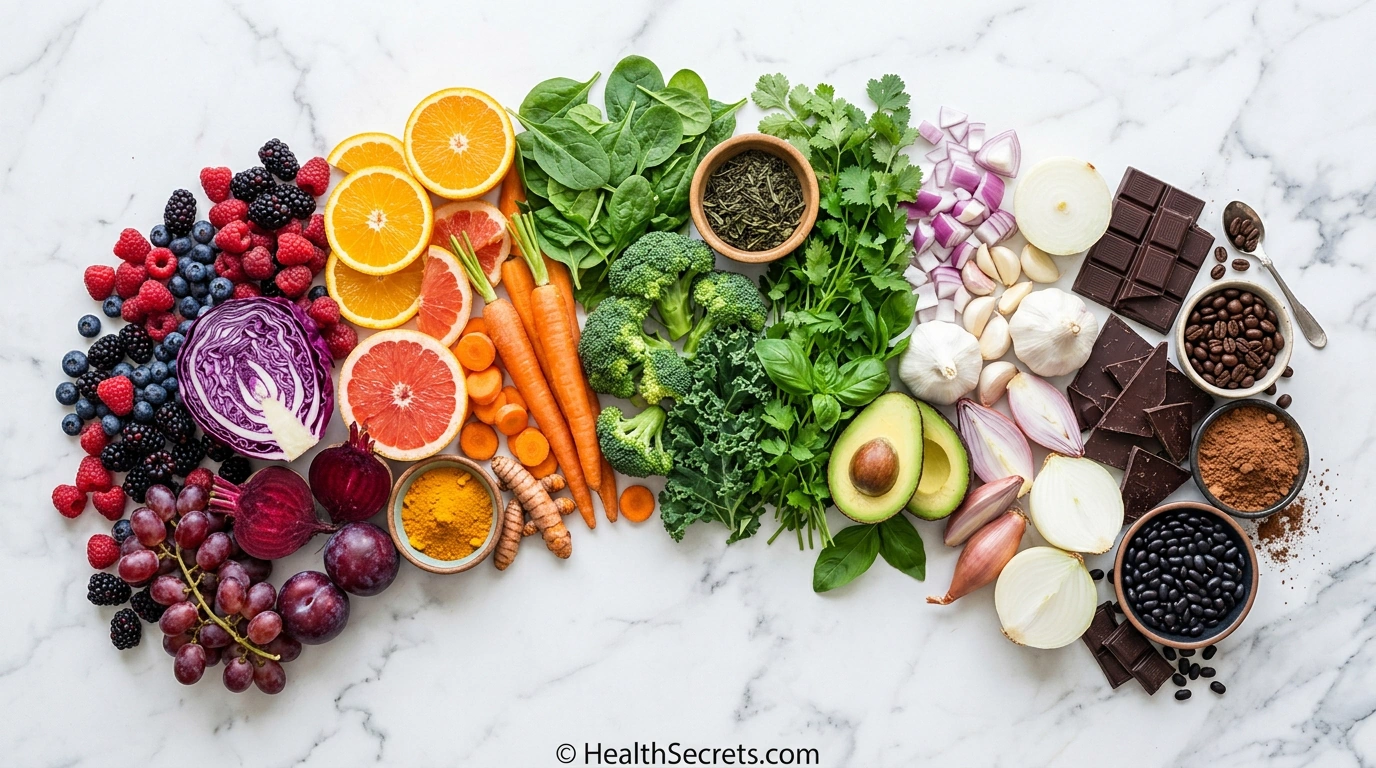
You probably know polyphenols as "antioxidants" — those colorful compounds in berries, green tea, and dark chocolate that protect cells from damage. But here's what most people miss: polyphenols do some of their most impressive work inside your gut, and the relationship runs deeper than you might expect.
Researchers now describe a fascinating two-way street between polyphenols and your gut microbiome. On one side, your gut bacteria break down polyphenols into smaller, highly bioactive metabolites your body can actually use. On the other, polyphenols selectively nourish beneficial bacteria while suppressing harmful ones — functioning as a new generation of prebiotics. It's a partnership that affects everything from inflammation and immune function to mood and metabolic health.
The catch? Only 5–10% of the polyphenols you eat get absorbed in the small intestine. The remaining 90–95% travel intact to your colon, where trillions of bacteria are waiting to transform them. That means your gut health directly determines how much benefit you actually get from these compounds.
If you're exploring the broader connections between diet and digestive wellness, you may also find our guides on gut-healing foods, prebiotic foods, and the gut-brain axis helpful.
What Are Polyphenols and Why Do They Matter for Gut Health?
Polyphenols are a vast family of naturally occurring plant compounds — over 8,000 identified so far — that give fruits, vegetables, and herbs their vibrant colors, distinctive flavors, and natural defenses against UV radiation and pathogens. When you eat these compounds, your gut microbiome transforms them into metabolites that support digestive health, reduce inflammation, and strengthen your intestinal barrier.
Plants produce polyphenols primarily for self-protection: shielding against ultraviolet light, defending against insects and microbial invaders, and attracting pollinators through vivid pigments. When we consume these protective compounds, we inherit many of those benefits — particularly in the gut, where polyphenols interact directly with trillions of microorganisms.
What are the four main classes of polyphenols?
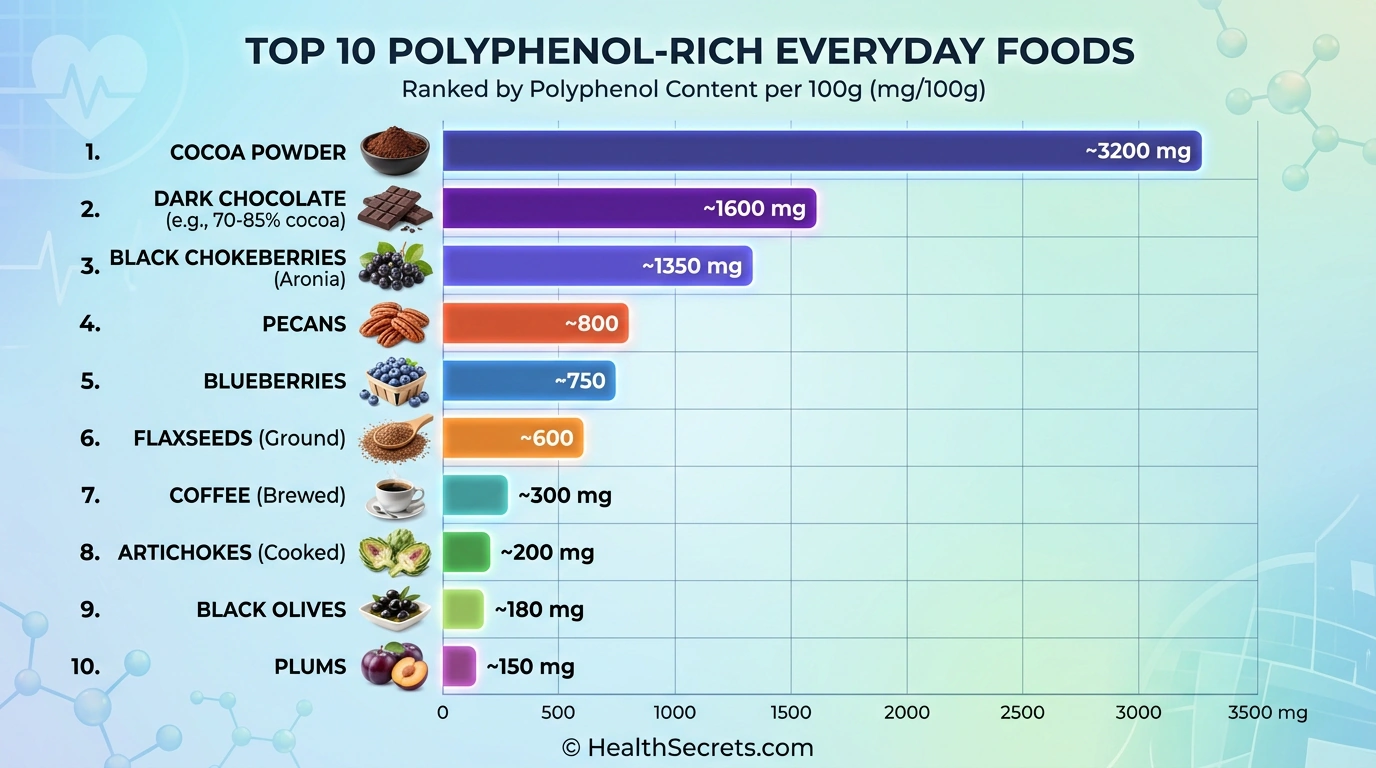
The four primary polyphenol classes are flavonoids (comprising about 60% of all dietary polyphenols), phenolic acids (about 30%), stilbenes (including resveratrol), and lignans (found mainly in flaxseeds and whole grains). Each class contains multiple subgroups with distinct food sources and biological activities.
| Polyphenol Class | Key Subtypes | Top Food Sources | Key Gut Benefits |
|---|---|---|---|
| Flavonoids | Quercetin, EGCG, Anthocyanins, Isoflavones | Berries, green tea, onions, soy, dark chocolate | Prebiotic effects, anti-inflammatory, barrier support |
| Phenolic Acids | Chlorogenic acid, Ellagic acid, Gallic acid | Coffee, pomegranate, berries, whole grains | Antioxidant protection, urolithin A production |
| Stilbenes | Resveratrol | Red wine, grapes, berries, peanuts | Promotes Lactobacillus and Bifidobacteria growth |
| Lignans | Secoisolariciresinol | Flaxseeds, sesame seeds, whole grains | Hormonal balance, microbiome diversity |
How Do Polyphenols Work Inside Your Gut?
Polyphenols work through a remarkable two-way relationship with your gut bacteria. Most polyphenols pass through your small intestine unabsorbed, arriving in the colon where resident microbes break them into smaller, more bioavailable metabolites — including urolithins, equol, and phenolic acids — that enter your bloodstream and exert systemic health benefits. Simultaneously, polyphenols feed and shape your microbial community.

How do gut bacteria transform polyphenols into active metabolites?
Your colon bacteria use specialized enzymes to cleave, reduce, and reshape polyphenol molecules into smaller compounds your body can absorb. For example, ellagic acid from pomegranates and berries is converted by specific gut bacteria into urolithin A — a potent metabolite shown to support mitochondrial health, reduce inflammation, and strengthen the intestinal barrier. However, only about 40% of people harbor the specific bacteria needed to produce urolithin A efficiently, which explains why polyphenol benefits vary between individuals.
Short-chain fatty acids (SCFAs) are another critical output. When gut bacteria ferment polyphenols alongside dietary fiber, they produce butyrate, acetate, and propionate — SCFAs that fuel intestinal cells, reduce inflammation, and stimulate further serotonin production in the gut. Research published in Food & Function (2026) confirmed that ellagic acid-rich fruit polyphenols significantly elevated SCFA production and increased Bifidobacterium abundance in fecal fermentation models.

Why are polyphenols considered the "new prebiotics"?
Polyphenols selectively promote the growth of beneficial bacterial species while simultaneously inhibiting pathogenic ones — a dual action researchers have termed a "duplibiotic" effect. A 2022 meta-analysis found that polyphenol supplementation consistently increased Lactobacillus and Bifidobacterium while decreasing Clostridium pathogenic species, with a suggested optimal dose under 540 mg per day.
Specifically, polyphenols have been shown to increase:
- Akkermansia muciniphila — strengthens the mucus layer and gut barrier
- Bifidobacterium — anti-inflammatory and immune-supportive
- Faecalibacterium prausnitzii — a major butyrate producer
- Lactobacillus — supports digestive health and immune function
And decrease:
- Clostridium perfringens and C. histolyticum — inflammatory pathogens
- Enterobacter — associated with metabolic dysfunction
- Pathogenic E. coli strains
This selective antimicrobial action occurs because polyphenols like tannic acid chelate iron needed by pathogenic bacteria, while beneficial species like Bifidobacterium infantis and Lactobacillus acidophilus don't require iron for growth.
What Are the Key Benefits of Polyphenols for Gut Health?
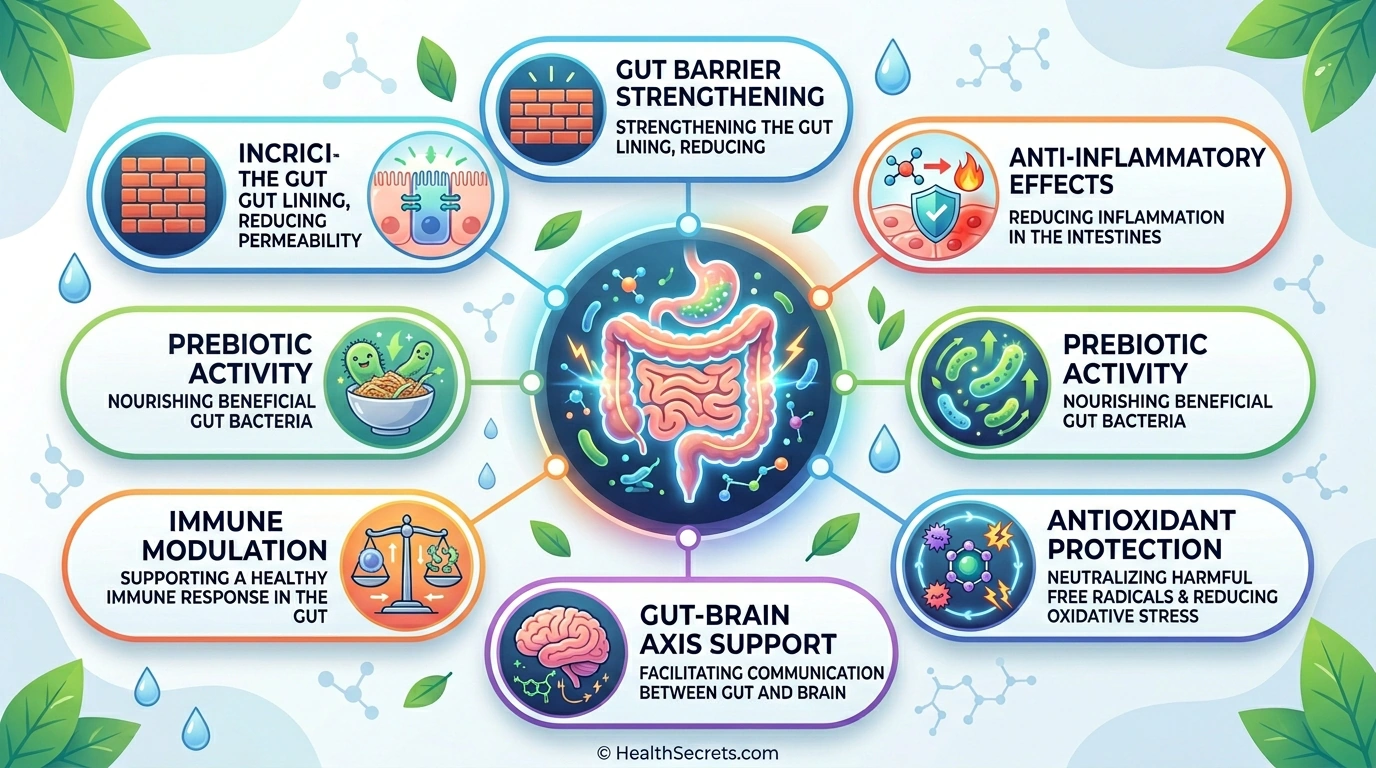
Polyphenols deliver at least six well-documented benefits for gut health: they strengthen the intestinal barrier, reduce gut inflammation, function as prebiotics, provide antioxidant protection, support immune modulation through gut-associated lymphoid tissue (GALT), and influence brain health via the gut-brain axis. These benefits compound over time with consistent dietary intake.
Can polyphenols help repair a leaky gut?
Yes — polyphenols have been shown to strengthen tight junction proteins (occludin and ZO-1) that seal gaps between intestinal cells. Urolithin A, a polyphenol metabolite from pomegranate and berries, directly enhanced intestinal mucus secretion through the AhR and Nrf2 signaling pathways in research published in PMC (2024). This increased mucus production creates a stronger physical barrier between gut bacteria and intestinal tissue, potentially helping to heal leaky gut syndrome.
Do polyphenols reduce gut inflammation?
Polyphenols lower inflammatory cytokines (TNF-alpha, IL-6) in gut tissue and may benefit people with inflammatory bowel conditions. A 2021 review in Advances in Nutrition found that the polyphenol-gut microbiota interaction plays a key role in alleviating colitis and preventing colitis-associated colorectal cancer. Curcumin, resveratrol, EGCG from green tea, and quercetin showed particularly strong anti-inflammatory effects in gut tissue. This is also why polyphenol-rich diets align well with an anti-inflammatory lifestyle.
How do polyphenols support gut-brain communication?
Polyphenol metabolites produced by gut bacteria can influence brain function through the vagus nerve, immune signaling, and direct transport across the blood-brain barrier. Anthocyanins from berries and EGCG from green tea show neuroprotective effects, while resveratrol supports memory and cognitive function. This gut-brain pathway is one reason why diet quality affects mood — your microbiome's ability to process polyphenols plays a role in how the gut-brain axis functions.
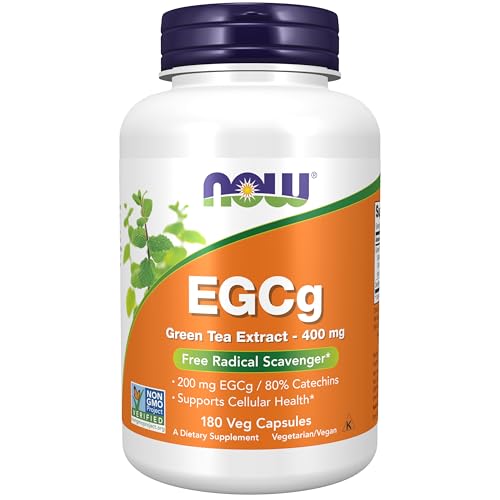
NOW Foods EGCg Green Tea Extract 400 mg
Editor's ChoiceNOW Foods · Overall polyphenol and gut antioxidant support
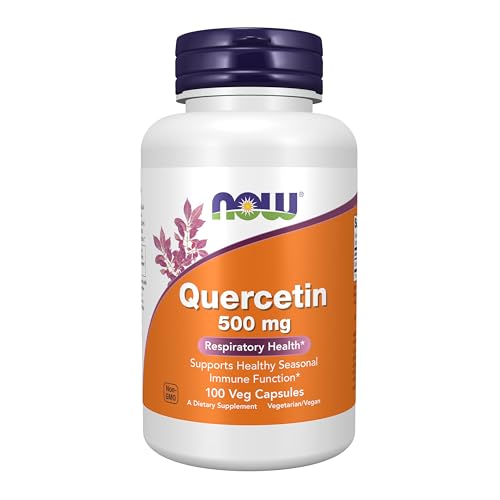
NOW Foods Quercetin 500 mg
Best ValueNOW Foods · Anti-inflammatory gut support and immune health

Life Extension Optimized Resveratrol
Best for LongevityLife Extension · Anti-aging support and cardiovascular-gut health
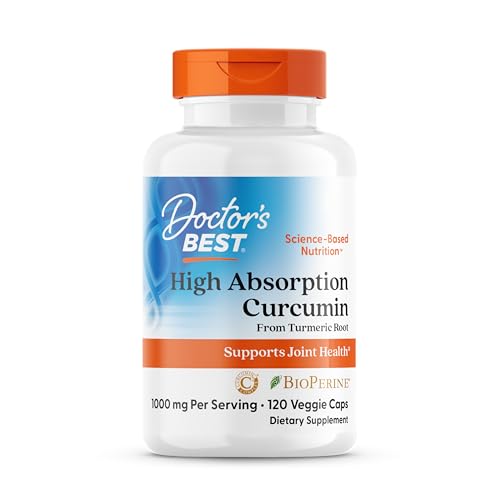
Doctor's Best High Absorption Curcumin with C3 Complex and BioPerine
Best for Gut InflammationDoctor's Best · Reducing gut inflammation and supporting digestive comfort
Read the detailed review cards below before opening any retailer link
Top Recommended Products
NOW Foods
NOW Foods EGCg Green Tea Extract 400 mg
Green tea catechins, particularly EGCG, are among the most extensively studied polyphenols for gut microbiome support, with research showing they promote Bifidobacterium growth while inhibiting Clostridium species.
Pros
- + High EGCG concentration per capsule
- + 180-count bottle provides excellent value
- + well-researched for gut microbiome modulation
Cons
- - May cause mild nausea if taken on empty stomach
Why we included it: Green tea catechins, particularly EGCG, are among the most extensively studied polyphenols for gut microbiome support, with research showing they promote Bifidobacterium growth while inhibiting Clostridium species.
Retailer link opens on Amazon after the review details above
NOW Foods
NOW Foods Quercetin 500 mg
Quercetin has been shown to reduce the Firmicutes/Bacteroidetes ratio associated with gut dysbiosis and metabolic disorders, making it a targeted choice for microbiome rebalancing.
Pros
- + Potent flavonol with strong anti-inflammatory research
- + affordable price per serving
- + supports gut barrier integrity
Cons
- - Large capsule size may be difficult for some to swallow
Why we included it: Quercetin has been shown to reduce the Firmicutes/Bacteroidetes ratio associated with gut dysbiosis and metabolic disorders, making it a targeted choice for microbiome rebalancing.
Retailer link opens on Amazon after the review details above
Life Extension
Life Extension Optimized Resveratrol
Resveratrol from Life Extension uses an optimized delivery system, and research confirms it promotes beneficial gut bacteria while inhibiting pathogenic strains like E. coli.
Pros
- + Contains trans-resveratrol (most bioactive form)
- + promotes *Lactobacillus* and *Bifidobacterium* growth
- + cardiovascular co-benefits
Cons
- - Higher price point than basic resveratrol supplements
Why we included it: Resveratrol from Life Extension uses an optimized delivery system, and research confirms it promotes beneficial gut bacteria while inhibiting pathogenic strains like E. coli.
Retailer link opens on Amazon after the review details above
Doctor's Best
Doctor's Best High Absorption Curcumin with C3 Complex and BioPerine
Curcumin is one of the most potent anti-inflammatory polyphenols for gut health, and the BioPerine inclusion solves curcumin's notoriously poor absorption problem.
Pros
- + Patented C3 Complex with clinical backing
- + BioPerine dramatically improves bioavailability
- + strong anti-inflammatory effects in gut tissue
Cons
- - Curcumin may stain clothing and surfaces if capsules are opened
Why we included it: Curcumin is one of the most potent anti-inflammatory polyphenols for gut health, and the BioPerine inclusion solves curcumin's notoriously poor absorption problem.
Retailer link opens on Amazon after the review details above
Are There Any Risks or Side Effects of Polyphenols?
Polyphenols from whole foods are extremely safe and nearly impossible to overconsume through diet alone. However, high-dose polyphenol supplements carry some risks: green tea extract at very high doses has been associated with rare liver injury, resveratrol may interact with blood-thinning medications, and tannin-rich supplements can inhibit iron absorption if taken with meals.
Specific concerns to be aware of:
- Green tea extract (EGCG): Doses exceeding 800 mg EGCG daily have been linked to rare hepatotoxicity in case reports. Choose standardized extracts and avoid fasted mega-doses.
- Oxalate content: Some polyphenol-rich foods (spinach, tea, chocolate) are also high in oxalates, which may be problematic for people prone to kidney stones.
- Tannin-iron interaction: Tea and coffee tannins can reduce non-heme iron absorption by up to 60%. If you're concerned about iron levels, drink tea between meals rather than with them.
- Drug interactions: Quercetin, resveratrol, and curcumin can interact with blood thinners (warfarin), certain chemotherapy drugs, and immunosuppressants. Always consult your healthcare provider before supplementing.
- Individual variation: Your gut microbiome composition ("metabotype") determines how well you metabolize polyphenols. Some people produce very little urolithin A or equol, meaning they may get fewer benefits from certain polyphenol-rich foods until their microbiome adapts.
How Do You Increase Your Daily Polyphenol Intake Effectively?
The most effective approach is eating a diverse rainbow of polyphenol-rich foods daily, aiming for 500–1,500 mg total polyphenols from multiple classes. Combine polyphenols with healthy fats for better absorption, pair curcumin with black pepper (piperine), include fermented foods to support the gut bacteria that metabolize polyphenols, and space tea consumption away from iron-rich meals.
How can you easily reach 1,000 mg of polyphenols per day?
Here's a practical example that exceeds 1,000 mg from everyday foods:
- 1 cup filtered coffee — 214 mg
- 1 cup blueberries — 560 mg
- 1 apple with skin — 136 mg
- 1 cup green tea — 89 mg
- 1 oz dark chocolate (70%+) — 470 mg
- Total: approximately 1,469 mg
What are the best tips for maximizing polyphenol absorption?
- Eat polyphenols with healthy fats — olive oil, avocado, and nuts improve absorption of fat-soluble polyphenols
- Add piperine (black pepper) — increases curcumin absorption by up to 2,000%
- Include vitamin C — enhances absorption of certain flavonoids
- Eat some foods raw — heat degrades certain polyphenols (berries, apples, onions are best fresh)
- Choose fermented options — tempeh, miso, and kombucha contain more bioavailable polyphenols
- Eat the skins — polyphenols concentrate in fruit and vegetable peels
- Diversify sources — different polyphenols feed different bacteria, so variety matters for your prebiotic intake
If you're interested in how prebiotics compare to probiotics for gut health, polyphenols add a third dimension to this conversation — they function as prebiotics with additional antimicrobial and anti-inflammatory benefits that traditional prebiotic fibers don't offer.
What Diet and Lifestyle Changes Best Support Polyphenol Benefits?
A Mediterranean-style diet naturally delivers 800–1,200 mg of polyphenols daily through its emphasis on colorful produce, olive oil, nuts, herbs, and moderate red wine. Combining this dietary pattern with regular exercise, adequate sleep, stress management, and consistent meal timing supports the gut bacteria responsible for converting polyphenols into their most beneficial metabolites.
What does a high-polyphenol meal plan look like?
Day 1:
- Breakfast: Oatmeal with blueberries, ground flaxseeds, cinnamon, and a cup of green tea
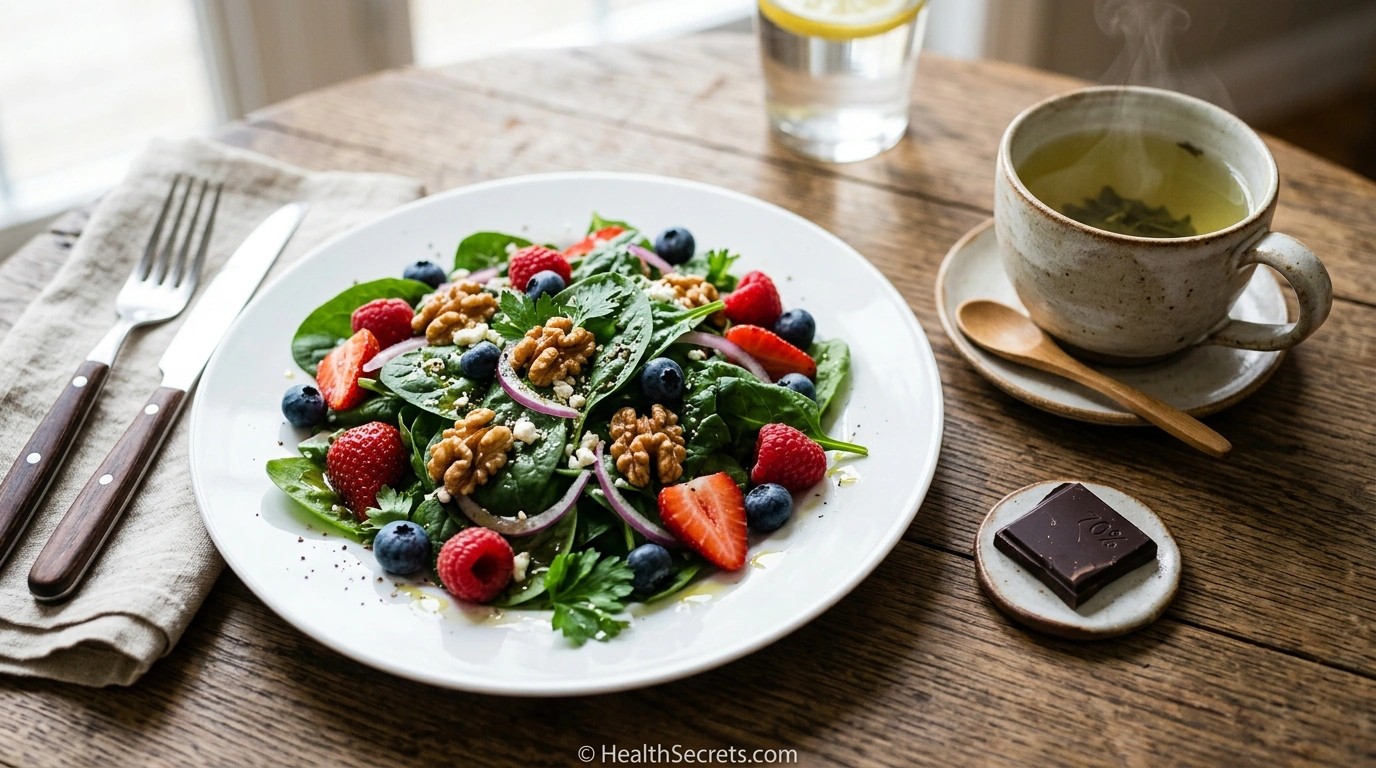
- Lunch: Spinach salad with strawberries, walnuts, red onion, and extra virgin olive oil dressing
- Snack: Apple slices with almond butter and a square of dark chocolate (70%+)
- Dinner: Grilled salmon with roasted broccoli, artichoke hearts, and herbs (rosemary, thyme)
Day 2:
- Breakfast: Berry smoothie (mixed berries, spinach, flaxseeds, cocoa powder) with coffee
- Lunch: Quinoa bowl with black beans, red cabbage, pomegranate seeds, and olive oil
- Snack: Pecans with a cup of green tea
- Dinner: Herb-roasted chicken with Brussels sprouts, sweet potato, and turmeric
Day 3:
- Breakfast: Whole grain toast with almond butter, sliced strawberries, and black tea
- Lunch: Lentil soup with onions, carrots, and celery, plus a side salad with olive oil
- Snack: Pomegranate juice and walnuts
- Dinner: Tofu stir-fry with colorful vegetables, brown rice, and ginger-turmeric sauce
Supporting your postbiotic production through polyphenol-rich eating creates a virtuous cycle: the metabolites your gut bacteria produce from polyphenols (SCFAs, urolithins) further support the growth of beneficial microbes.
Action Plan
What Should You Do First to Boost Your Polyphenol Intake?
Follow the sequence below, work through each phase in order, and use the checklist as your practical implementation guide.
Start with three simple changes this week: add a serving of berries to your breakfast, switch to green or black tea for at least one daily beverage, and drizzle extra virgin olive oil on salads and vegetables. These three habits alone can add 400–600 mg of polyphenols to your daily intake with minimal effort.
Week 1 — Foundation:
- Add berries to breakfast every morning
- Drink 1–2 cups of green or black tea daily
- Use extra virgin olive oil as your primary cooking and dressing oil
- Choose dark chocolate (70%+ cocoa) as your evening treat
Week 2 — Expand:
- Cook with herbs and spices liberally (rosemary, thyme, turmeric, oregano)
- Add ground flaxseeds to smoothies or oatmeal (1–2 tablespoons)
- Include one serving of nuts daily (pecans, almonds, walnuts)
- Eat fruit and vegetable skins whenever possible
Week 3 — Optimize:
- Aim for 30+ different plant foods per week for polyphenol diversity
- Pair polyphenol-rich foods with healthy fats at each meal
- Include fermented foods (yogurt, kefir, sauerkraut) to support metabolizing bacteria
- Consider targeted polyphenol supplements if dietary intake is insufficient