Understanding Chronic Inflammation
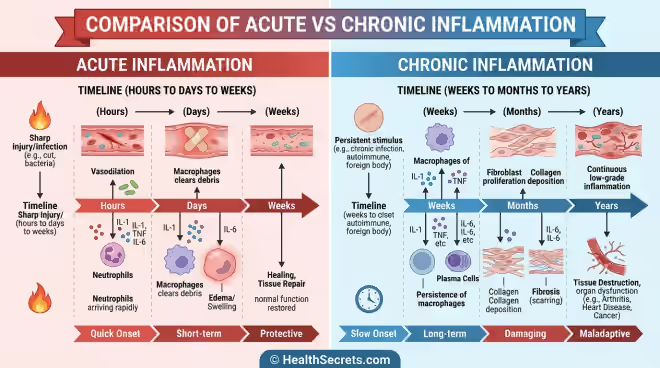
Chronic low-grade inflammation is now recognized as a root driver of virtually every major disease of aging — cardiovascular disease, type 2 diabetes, Alzheimer's, cancer, and autoimmune conditions. Unlike acute inflammation (which heals injuries), chronic inflammation smolders silently for years, driven by diet, stress, poor sleep, excess body fat, and environmental toxins. The good news: it is measurable (via CRP, IL-6, TNF-alpha) and highly responsive to lifestyle changes.
Key Facts
- C-reactive protein (CRP) above 3 mg/L indicates high cardiovascular and disease risk
- The Mediterranean diet can reduce CRP levels by 20-40% within 6 weeks
- Visceral fat is an active endocrine organ that produces inflammatory cytokines
- Omega-3 fatty acids (EPA/DHA) directly inhibit the NF-κB inflammatory pathway
- Just one night of poor sleep (<6 hours) increases inflammatory markers by 25-40%
- Regular moderate exercise reduces baseline inflammation by 20-60% over 3-6 months
The NF-κB Pathway: Master Switch of Inflammation
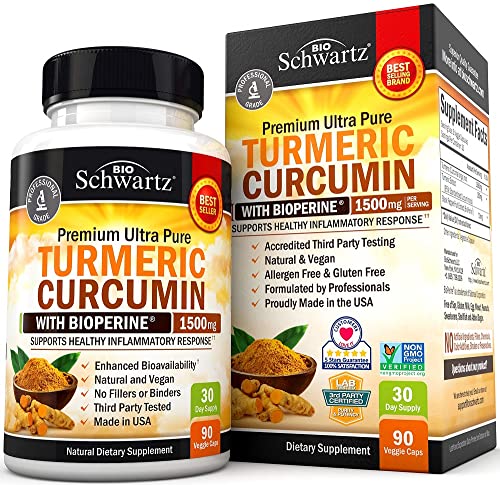
Nuclear Factor kappa-B (NF-κB) is a transcription factor that, when chronically activated, switches on genes for inflammatory cytokines (IL-6, TNF-alpha, IL-1β), adhesion molecules, and enzymes like COX-2. Triggers include oxidized LDL, excess glucose, saturated fats, stress hormones, and bacterial endotoxins (from a leaky gut). Anti-inflammatory compounds work by inhibiting this pathway: curcumin blocks IκB kinase, EPA/DHA activate PPARγ (which opposes NF-κB), and sulforaphane from broccoli activates Nrf2 (the body's antioxidant defense system). This is why diet and lifestyle changes can produce measurable reductions in inflammatory markers within weeks.