
If there's one supplement that deserves the label "detox powerhouse," it's NAC — N-acetyl cysteine. This modified amino acid doesn't just support detoxification in a vague, hand-wavy way. It's the real deal: an FDA-approved antidote for acetaminophen poisoning, a proven glutathione booster, and a compound with decades of clinical research behind it.
NAC works because it provides your body with cysteine — the rate-limiting amino acid your liver needs to produce glutathione, the master antioxidant responsible for neutralizing toxins, heavy metals, and free radicals. When glutathione runs low (from alcohol, medications, pollution, or chronic stress), your detox pathways stall. NAC restores them.
But NAC's benefits extend far beyond the liver. Research shows it supports respiratory health as a mucolytic, may reduce symptoms of OCD and addiction through glutamate modulation, protects the kidneys from contrast dye damage, and even supports cardiovascular health by lowering homocysteine.
In this guide, you'll learn exactly how NAC works as a detoxification tool, the optimal dosing for different goals, which forms absorb best, and how to choose a quality supplement. We'll cover the clinical evidence, safety profile, and realistic expectations — so you can decide if NAC belongs in your protocol.
What Is NAC and Why Is It Called the Ultimate Detox Supplement?
NAC (N-acetyl cysteine) is a modified form of the amino acid cysteine that serves as the body's most efficient precursor to glutathione — the master antioxidant that drives Phase II liver detoxification, neutralizes free radicals, and is essential for eliminating toxins, heavy metals, and drug metabolites from the body.
NAC has been used in clinical medicine for over 50 years. It was first introduced as a mucolytic agent to break down thick mucus in respiratory conditions, and later became the standard-of-care antidote for acetaminophen (Tylenol) overdose — a role it still holds today.
What makes NAC special:
- Modified amino acid: NAC is cysteine with an acetyl group attached, making it more stable and better absorbed than cysteine alone
- Glutathione precursor: Cysteine is the rate-limiting amino acid in glutathione synthesis — without enough cysteine, your body simply cannot produce adequate glutathione
- Rapid replenishment: NAC can increase intracellular glutathione levels significantly within hours of supplementation
- Dual action: NAC functions both as a direct antioxidant (its sulfhydryl group scavenges free radicals) and as an indirect antioxidant (by boosting glutathione production)
Many people try supplementing with glutathione directly, but oral glutathione is poorly absorbed — it gets broken down in the GI tract before reaching cells. NAC bypasses this problem entirely. It's well-absorbed orally, travels to the liver via the portal route, and is converted to cysteine, which cells then use to synthesize glutathione intracellularly — right where it's needed most.

How Does NAC Support Detoxification in the Body?
NAC supports detoxification through four interconnected mechanisms: replenishing glutathione for Phase II liver conjugation, directly scavenging free radicals, chelating heavy metals via sulfhydryl groups, and reducing pro-inflammatory cytokines by suppressing NF-κB — making it one of the most comprehensive detox supplements available.
How Does NAC Boost Glutathione for Liver Detoxification?
Your liver detoxifies harmful substances in two phases. Phase I (cytochrome P450 enzymes) oxidizes toxins into reactive intermediates. Phase II conjugation — where glutathione plays a starring role — binds those intermediates with glutathione, making them water-soluble so your kidneys can excrete them.
When glutathione becomes depleted (through alcohol use, medication overload, or chronic toxin exposure), Phase II stalls. Toxic intermediates accumulate. This is precisely what happens in acetaminophen overdose: the drug overwhelms normal Phase II pathways, producing a toxic metabolite called NAPQI that depletes glutathione and destroys liver cells.
NAC is the FDA-approved antidote because it rapidly replenishes glutathione, allowing the liver to neutralize NAPQI and prevent liver failure. This same mechanism supports everyday liver detoxification — NAC keeps glutathione levels optimized so your liver can process environmental toxins, medications, and metabolic waste efficiently.
How Does NAC Neutralize Heavy Metals and Environmental Toxins?
NAC's sulfhydryl (thiol) group binds directly to heavy metals including mercury, lead, and cadmium — acting as a chelator that facilitates their excretion through urine and bile. This makes NAC a valuable component of any heavy metal detox protocol.
Beyond chelation, NAC protects cells from oxidative damage caused by environmental toxins, pesticides, and air pollution. It reduces oxidative stress by neutralizing reactive oxygen species (ROS) and supporting the body's endogenous antioxidant enzyme systems — including superoxide dismutase (SOD) and catalase.
How Does NAC Reduce Inflammation During Detoxification?
NAC suppresses the NF-κB inflammatory pathway — a master regulator of inflammation — and reduces pro-inflammatory cytokines including IL-6, IL-1β, and TNF-α. This anti-inflammatory action is particularly important during detoxification, when the breakdown of toxins can trigger inflammatory responses.
A comprehensive 2021 review in Oxidative Medicine and Cellular Longevity confirmed that NAC's anti-inflammatory and antioxidant properties extend beyond acetaminophen toxicity to protect against drug-induced liver injury from multiple sources, including alcohol.
What Other Systems Does NAC Support Beyond the Liver?
- Respiratory health: NAC breaks disulfide bonds in mucus glycoproteins, thinning thick mucus and improving airway clearance — beneficial for COPD, bronchitis, and cystic fibrosis
- Mental health: NAC modulates glutamate (the brain's primary excitatory neurotransmitter) and has shown promise in clinical trials for OCD, trichotillomania, and addiction
- Kidney protection: NAC may reduce contrast-induced nephropathy risk through its antioxidant and vasodilatory effects
- Cardiovascular health: NAC helps lower homocysteine levels and supports endothelial function
- Fertility: Research suggests NAC improves sperm quality in men and supports ovulation in women with PCOS
How Well Is NAC Absorbed and What Affects Its Bioavailability?
Oral NAC has a bioavailability of approximately 6–10% due to extensive first-pass metabolism in the liver and gut — but this is actually by design, since the liver is where NAC is converted to cysteine and immediately used for glutathione synthesis, making oral supplementation effective despite the low systemic bioavailability numbers.

Key bioavailability facts:
- First-pass metabolism is the mechanism: NAC is absorbed in the stomach and gut, travels to the liver via the portal route, and is almost entirely converted to cysteine — which the liver incorporates into glutathione
- Empty stomach improves absorption: Taking NAC 30–60 minutes before meals allows faster gastric absorption
- With meals reduces GI upset: If you experience nausea, taking NAC with food trades slightly slower absorption for better tolerance
- Split doses maintain levels: Due to NAC's short half-life (approximately 2 hours), dividing your daily dose into 2–3 servings maintains more consistent cysteine availability
| Form | Best For | Notes |
|---|---|---|
| Capsules/Tablets (600 mg) | General supplementation | Most common; convenient dosing |
| Powder | Flexible dosing | Strong sulfur taste; mix in juice |
| Sustained-release | Steady blood levels | Less GI upset; fewer daily doses |
| IV (intravenous) | Acetaminophen overdose | Medical use only; hospital setting |
| Inhaled (nebulized) | Respiratory conditions | Direct lung delivery; clinical use |
How Much NAC Should You Take for Detox Support?
For general detox and antioxidant maintenance, take 600–1,200 mg of NAC daily in divided doses; for targeted liver support, respiratory health, or therapeutic purposes, doses of 1,200–1,800 mg daily are commonly used in clinical studies — always start at the lower end and increase gradually.
| Purpose | Daily Dose | Schedule | Duration |
|---|---|---|---|
| General detox/maintenance | 600–1,200 mg | 600 mg 1–2x daily | Ongoing |
| Liver support (alcohol, meds) | 600–1,800 mg | 600 mg 2–3x daily | Ongoing or cyclical |
| Respiratory (COPD, bronchitis) | 1,200–1,800 mg | 600 mg 2–3x daily | Ongoing |
| Mental health (OCD, addiction) | 1,200–2,400 mg | 600 mg 2–4x daily | 8–12 weeks minimum |
| Kidney protection (contrast) | 1,200–2,400 mg | 600–1,200 mg 2x daily | Day before + day of procedure |
- Empty stomach (30–60 min before meals) for better absorption
- With meals if you experience nausea or GI discomfort
- Split doses are better than one large dose — NAC has a short half-life (~2 hours)
- Consistency matters — daily use maintains glutathione levels; occasional use provides less benefit
- **Pair with **milk thistle for synergistic liver protection (silymarin + NAC is a well-studied combination)

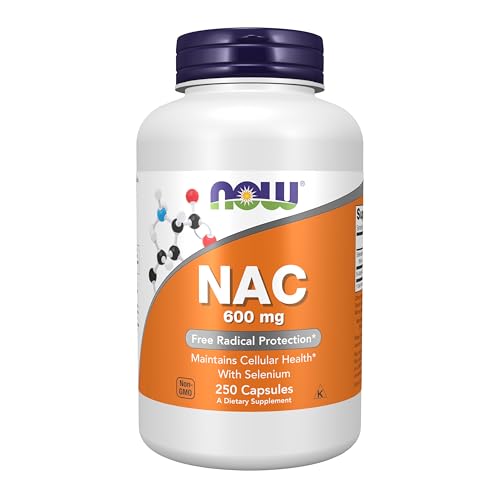
NOW Foods NAC 600mg Capsules
Best Overall NACNOW Foods · General detox support, glutathione replenishment, daily antioxidant maintenance
Jarrow Formulas NAC Sustain 600mg
Best Sustained-ReleaseJarrow Formulas · Maintaining steady NAC blood levels throughout the day with fewer doses
Thorne NAC 500mg
Best Premium QualityThorne NAC · Those wanting pharmaceutical-grade purity with no unnecessary additives
Life Extension NAC 600mg
Best Value Research-BackedLife Extension · Evidence-focused users wanting quality NAC at a competitive price
Pure Encapsulations NAC 600mg
Best HypoallergenicPure Encapsulations · Sensitive individuals who need allergen-free, additive-free NAC
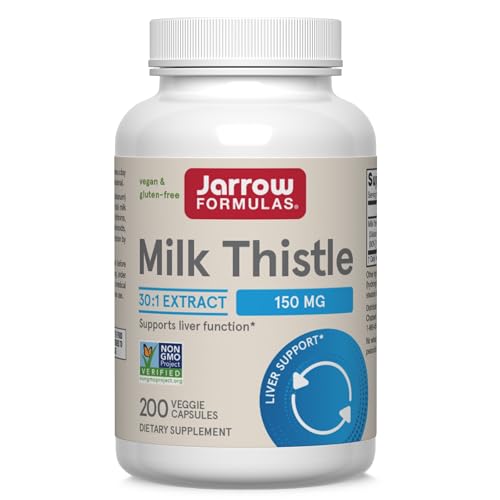
Jarrow Formulas Milk Thistle 150mg (Silymarin)
Best Liver Synergy PartnerJarrow Formulas · Pairing with NAC for enhanced liver protection and detoxification
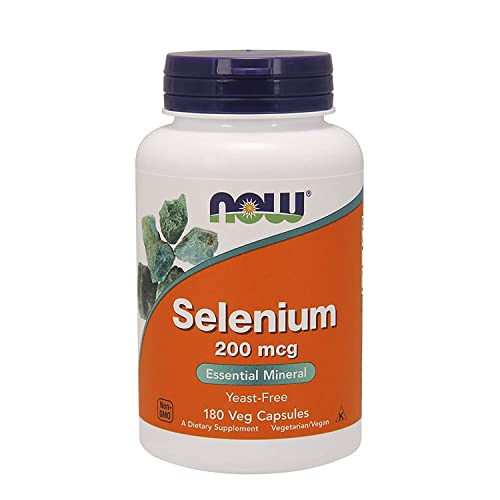
NOW Foods Selenium 200mcg
Best Antioxidant CompanionNOW Foods · Supporting glutathione peroxidase activity alongside NAC supplementation

Quicksilver Scientific Liposomal Glutathione
Best Direct GlutathioneQuicksilver Scientific · Those wanting both NAC and direct glutathione supplementation for maximum support
Read the detailed review cards below before opening any retailer link
Top Recommended Products
NOW Foods
NOW Foods NAC 600mg Capsules
NOW Foods is one of the most trusted supplement brands with rigorous quality testing. Their NAC 600mg provides the standard clinical dose at an unbeatable price point — ideal for daily detox support.
Ưu điểm
- + Proven quality
- + affordable
- + widely available
- + GMP-certified facility
- + flexible dosing
Nhược điểm
- - Standard release (not sustained)
- - some report mild sulfur taste
Tại sao chúng tôi đưa vào: NOW Foods is one of the most trusted supplement brands with rigorous quality testing. Their NAC 600mg provides the standard clinical dose at an unbeatable price point — ideal for daily detox support.
Liên kết nhà bán lẻ sẽ mở trên Amazon sau phần chi tiết đánh giá ở trên
Jarrow Formulas
Jarrow Formulas NAC Sustain 600mg
The sustained-release bilayer technology addresses NAC's short half-life by providing steady cysteine delivery over 8 hours — ideal for people who want fewer daily doses with consistent glutathione support.
Ưu điểm
- + Sustained-release provides 8-hour delivery
- + fewer daily doses needed
- + reduces GI side effects
- + well-formulated
Nhược điểm
- - Tablets larger than capsules
- - slightly more expensive than standard NAC
Tại sao chúng tôi đưa vào: The sustained-release bilayer technology addresses NAC's short half-life by providing steady cysteine delivery over 8 hours — ideal for people who want fewer daily doses with consistent glutathione support.
Liên kết nhà bán lẻ sẽ mở trên Amazon sau phần chi tiết đánh giá ở trên
Thorne NAC
Thorne NAC 500mg
Thorne sets the gold standard for supplement purity. Their NSF Certified for Sport designation means independent verification of every batch — the premium choice for those who prioritize quality above all else.
Ưu điểm
- + NSF Certified for Sport
- + pharmaceutical-grade purity
- + hypoallergenic
- + no unnecessary fillers or additives
- + trusted by healthcare practitioners
Nhược điểm
- - Higher price
- - 500 mg vs standard 600 mg dosing
- - smaller count
Tại sao chúng tôi đưa vào: Thorne sets the gold standard for supplement purity. Their NSF Certified for Sport designation means independent verification of every batch — the premium choice for those who prioritize quality above all else.
Liên kết nhà bán lẻ sẽ mở trên Amazon sau phần chi tiết đánh giá ở trên
Life Extension
Life Extension NAC 600mg
Life Extension is a research-focused brand with decades of clinical backing. Their NAC delivers the standard 600 mg dose at one of the lowest prices per capsule — great value for daily detox maintenance.
Ưu điểm
- + Affordable
- + research-driven brand
- + clean formulation
- + standard 600 mg clinical dose
Nhược điểm
- - Smaller bottle size
- - standard release only
Tại sao chúng tôi đưa vào: Life Extension is a research-focused brand with decades of clinical backing. Their NAC delivers the standard 600 mg dose at one of the lowest prices per capsule — great value for daily detox maintenance.
Liên kết nhà bán lẻ sẽ mở trên Amazon sau phần chi tiết đánh giá ở trên
Pure Encapsulations
Pure Encapsulations NAC 600mg
Pure Encapsulations is the go-to brand for people with sensitivities or allergies. Their NAC contains zero unnecessary ingredients — just NAC in a hypoallergenic capsule.
Ưu điểm
- + Hypoallergenic
- + no artificial additives
- + fillers
- + or common allergens
- + trusted by integrative practitioners
- + clean label
Nhược điểm
- - Premium price
- - standard release
- - smaller bottle
Tại sao chúng tôi đưa vào: Pure Encapsulations is the go-to brand for people with sensitivities or allergies. Their NAC contains zero unnecessary ingredients — just NAC in a hypoallergenic capsule.
Liên kết nhà bán lẻ sẽ mở trên Amazon sau phần chi tiết đánh giá ở trên
Jarrow Formulas
Jarrow Formulas Milk Thistle 150mg (Silymarin)
The combination of NAC + milk thistle is one of the most well-studied liver protection stacks. Silymarin protects hepatocytes while NAC replenishes glutathione — a synergistic approach to liver detox.
Ưu điểm
- + Excellent liver-protective evidence
- + standardized extract
- + affordable
- + pairs perfectly with NAC for synergistic liver support
Nhược điểm
- - Not NAC itself — a complementary supplement
- - effects are liver-specific
Tại sao chúng tôi đưa vào: The combination of NAC + milk thistle is one of the most well-studied liver protection stacks. Silymarin protects hepatocytes while NAC replenishes glutathione — a synergistic approach to liver detox.
Liên kết nhà bán lẻ sẽ mở trên Amazon sau phần chi tiết đánh giá ở trên
NOW Foods
NOW Foods Selenium 200mcg
Selenium is required for glutathione peroxidase, a key enzyme in the glutathione antioxidant system. Taking selenium alongside NAC ensures your glutathione is fully functional — not just abundant.
Ưu điểm
- + Essential cofactor for glutathione peroxidase
- + yeast-free selenomethionine form
- + excellent value
- + vegan
Nhược điểm
- - Not NAC itself — a complementary mineral
- - excessive selenium can be toxic above 400 mcg daily
Tại sao chúng tôi đưa vào: Selenium is required for glutathione peroxidase, a key enzyme in the glutathione antioxidant system. Taking selenium alongside NAC ensures your glutathione is fully functional — not just abundant.
Liên kết nhà bán lẻ sẽ mở trên Amazon sau phần chi tiết đánh giá ở trên
Quicksilver Scientific
Quicksilver Scientific Liposomal Glutathione
While NAC is the more cost-effective glutathione booster, adding liposomal glutathione provides a direct source alongside NAC's precursor approach — the most comprehensive glutathione support strategy available.
Ưu điểm
- + Liposomal technology bypasses oral glutathione absorption problem
- + liquid form
- + rapid delivery
- + pairs with NAC for comprehensive glutathione support
Nhược điểm
- - Expensive
- - requires refrigeration
- - strong taste
- - smaller servings than capsules
Tại sao chúng tôi đưa vào: While NAC is the more cost-effective glutathione booster, adding liposomal glutathione provides a direct source alongside NAC's precursor approach — the most comprehensive glutathione support strategy available.
Liên kết nhà bán lẻ sẽ mở trên Amazon sau phần chi tiết đánh giá ở trên
Can You Get Enough Cysteine from Food Instead of NAC Supplements?
You can obtain cysteine from protein-rich foods like poultry, eggs, garlic, onions, and cruciferous vegetables — but dietary cysteine alone rarely provides therapeutic levels needed for significant glutathione boosting, making NAC supplements the practical choice for targeted detox support.
Top dietary cysteine sources:
- Poultry (chicken, turkey) — highest food source of cysteine
- Eggs — cysteine-rich, especially egg yolks
- Garlic and onions — contain cysteine plus sulfur compounds that support detoxification
- Cruciferous vegetables (broccoli, Brussels sprouts, cauliflower) — provide cysteine precursors plus sulforaphane
- Whey protein — contains cysteine-rich peptides that support glutathione synthesis
- Legumes (lentils, chickpeas) — moderate cysteine content
The balanced approach:
- Eat cysteine-rich foods daily — supports baseline glutathione production
- Add sulfur-rich vegetables — garlic, onions, cruciferous vegetables boost detox pathways
- Supplement with NAC (600–1,200 mg) — provides therapeutic cysteine levels that food alone cannot match
- **Include a **detox-supportive diet — whole foods, adequate protein, antioxidant-rich produce
For most people pursuing active detox support, food sources complement but cannot replace NAC supplementation.

Is NAC Safe? What Side Effects and Drug Interactions Should You Know?
NAC is generally very safe and well-tolerated, with decades of clinical use supporting its safety profile. The most common side effects are mild GI upset (nausea, diarrhea) at doses above 1,800 mg daily, and a sulfur-like smell in breath or urine — which is harmless and temporary.

Common side effects (mild, dose-dependent):
- GI upset: Nausea, diarrhea, stomach discomfort — most common above 1,800 mg/day. Take with food and split doses to minimize.
- Sulfur smell: NAC contains sulfur; some people notice a rotten-egg smell in breath, urine, or sweat. Normal and harmless.
- Allergic reactions: Rare — rash, itching, hives. Discontinue if this occurs.
Drug interactions (important):
- Nitroglycerin: NAC enhances vasodilatory effects — may cause headache, low blood pressure. Consult your doctor.
- Activated charcoal: Reduces NAC absorption if taken together. Separate by 2–3 hours. This is relevant if you're using activated charcoal for detox.
- Blood thinners: NAC has mild antiplatelet effects. Use caution with warfarin, aspirin, or clopidogrel.
- Some antibiotics: Tetracyclines — take 2 hours apart.
Contraindications:
- Asthma: Inhaled NAC may worsen bronchospasm (rare); oral NAC is generally safe, but consult your doctor
- Bleeding disorders: Mild blood-thinning effect — caution with anticoagulants
- Pregnancy/breastfeeding: Insufficient human safety data — consult your doctor before use
- Kidney disease: May need dose adjustment — use under medical supervision

What Can NAC Actually Do for Your Detox Goals?
NAC is a well-researched supplement that genuinely supports detoxification by boosting glutathione, protecting the liver, and chelating heavy metals — but it works best as part of a comprehensive approach that includes a clean diet, hydration, and reduced toxin exposure, not as a magic pill that erases unhealthy habits.
What NAC can realistically do:
- ✅ Increase glutathione levels (measurable within days of consistent supplementation)
- ✅ Support liver function and Phase II detoxification (confirmed in clinical studies)
- ✅ Protect against acetaminophen and drug-induced liver injury (FDA-approved)
- ✅ Support respiratory health by thinning mucus
- ✅ Provide antioxidant and anti-inflammatory protection
- ✅ May reduce symptoms of OCD and addictive behaviors (emerging evidence, 8–12 weeks needed)
What NAC cannot do:
- ❌ Reverse severe liver disease without medical supervision
- ❌ Replace a healthy diet or eliminate the effects of ongoing heavy toxin exposure
- ❌ Provide immediate or dramatic detox results — glutathione replenishment is gradual
- ❌ Cure mental health conditions on its own — it's an adjunct, not a replacement for treatment
Realistic timeline:
- Week 1–2: Glutathione levels begin rising; minimal noticeable effects
- Week 3–4: Improved energy, digestion, and recovery in some individuals
- Week 5–8: Full antioxidant and anti-inflammatory benefits; respiratory improvements if applicable
- Week 9–12+: Mental health benefits (OCD, addiction) begin to emerge at therapeutic doses
Individual responses vary. Consistency matters more than dose — daily supplementation maintains glutathione reserves better than occasional high doses.

Action Plan
What Should You Do First to Start Using NAC for Detox?
Follow the sequence below, work through each phase in order, and use the checklist as your practical implementation guide.
Start with a low dose of 600 mg once daily, taken on an empty stomach, and build up over 2–4 weeks based on tolerance and your specific health goals.
Phase 1 (Week 1–2): Foundation
- Start NAC at 600 mg once daily (morning, 30 min before breakfast)
- Drink 8–10 glasses of water daily to support detox pathways
- Add cysteine-rich foods: eggs, poultry, garlic, cruciferous vegetables
- Note any GI effects — switch to taking with food if needed
Phase 2 (Week 3–4): Build
- Increase to 600 mg twice daily (morning + evening) if tolerated
- Add milk thistle (150 mg silymarin) for synergistic liver support
- Reduce alcohol, processed foods, unnecessary medications to lower toxin burden
- Track energy, digestion, and overall wellbeing
Phase 3 (Week 5–8): Optimize
- Maintain 1,200 mg daily (or increase to 1,800 mg for targeted liver/respiratory support)
- Consider adding selenium (200 mcg) — supports glutathione peroxidase activity
- Follow a comprehensive detox protocol for best results
- Exercise 30–60 minutes most days to support lymphatic drainage and sweating
Phase 4 (Week 9+): Maintain
- Continue 600–1,200 mg daily as a maintenance dose
- Reassess with your healthcare provider if using higher therapeutic doses
- Periodic liver function tests if you have existing liver concerns
- Combine with ongoing clean diet, hydration, and stress management

