Skip to content
Flat-lay of women's health supplements including multivitamins, prenatal vitamins, omega-3, and magnesium on marble surface Pin It
💊 Supplements Product Review
9 min

Supplements for Women's Health: Complete Guide

DP
Dr. Priya Sharma
| Dr. Sarah Chen | words | 20 citations
Updated this month Last reviewed: May 27, 2026 Medically reviewed by Dr. Sarah Chen

Who This Is For

Best for readers who want a grounded introduction to supplements.

Who Should Be Careful

Not for emergency decisions or personalized treatment planning.

Affiliate Disclaimer | This article may contain affiliate links to products we trust. If you choose to buy through them, we may earn a small commission at no extra cost to you. Full disclosure

Medical Disclaimer | For informational purposes only. Not a substitute for professional medical advice. Read full disclaimer

M

Key Takeaways

Women need different supplements at different life stages — a one-size-fits-all multivitamin rarely covers all the gaps, especially during pregnancy or menopause.
Iron is critical for menstruating women but should be avoided by most postmenopausal women unless blood work confirms a deficiency.
Folate (preferably as methylfolate) is essential before and during pregnancy to prevent neural tube defects — the CDC recommends 400 mcg daily for all women of reproductive age.
Vitamin D deficiency affects roughly one in four Americans, with women at higher risk — supplementing 1,000–2,000 IU daily supports bone health, immunity, and mood.
Omega-3 fatty acids (EPA and DHA) support fetal brain development during pregnancy and may ease joint pain and mood changes during menopause.
Calcium needs increase to 1,200 mg daily after age 50, and pairing it with vitamin D and magnesium improves absorption significantly.
Third-party testing (USP, NSF, or ConsumerLab) is the single most reliable indicator of supplement quality — always check for certification before buying.
Ferrous bisglycinate is the gentlest and most bioavailable form of iron, causing fewer GI side effects than ferrous sulfate according to a 2023 meta-analysis.

Top Recommended Products

Comparison shortlist to review before leaving the guide

10 Items
01

Ritual Essential for Women 18+ Multivitamin

Ritual Essential · Women ages 18–49 seeking a transparent, science-backed daily multivitamin

Compare
02

Thorne Women's Multi 50+

Thorne Women's · Postmenopausal women needing comprehensive support without iron

Compare
03

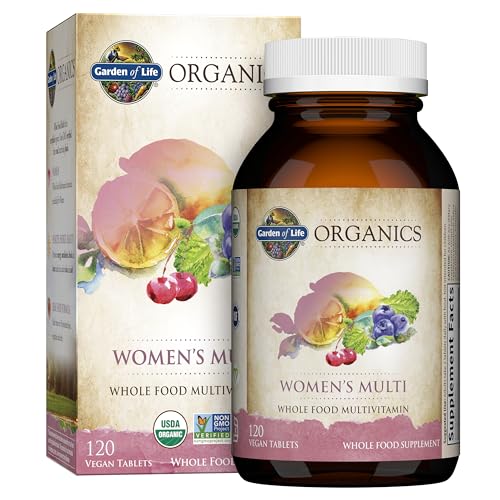
Garden of Life Organics Women's Multi

Garden of · Women who prefer whole-food, certified organic supplements

Compare
04

Nordic Naturals Prenatal DHA

Nordic Naturals · Pregnant and nursing women needing omega-3 and vitamin D3 support

Compare
05

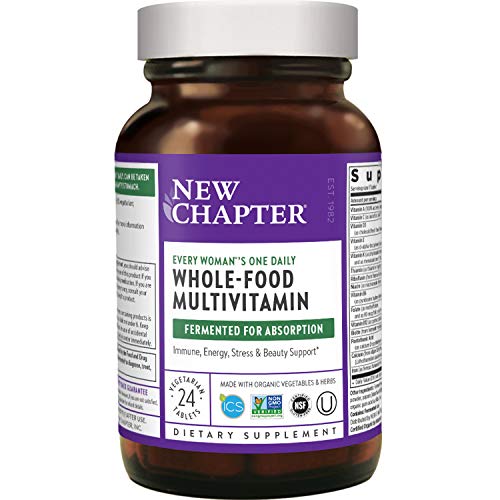
New Chapter Every Woman's One Daily Multivitamin

New Chapter · Women wanting a gentle, fermented one-daily multivitamin

Compare
06

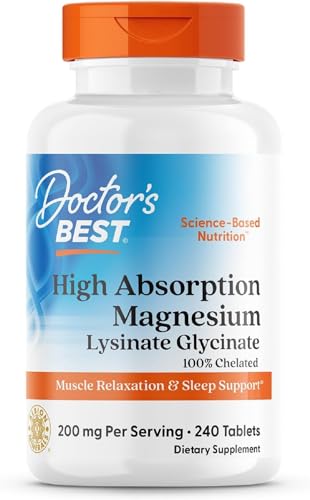
Doctor's Best High Absorption Magnesium Glycinate 200mg

Doctor's Best · Women experiencing muscle cramps, poor sleep, or PMS symptoms

Compare
07

Nature Made Multi for Her

Nature Made · Budget-conscious women wanting a reliable, pharmacist-recommended daily multi

Compare
08

MegaFood Women's One Daily

MegaFood Women's · Women who experience nausea or digestive upset from typical multivitamins

Compare
09

Thorne Basic Prenatal

Thorne Basic · Women planning pregnancy or currently pregnant who want methylated nutrients

Compare
10

Garden of Life Vitamin Code Raw Prenatal

Garden of · Women who prefer whole-food prenatal vitamins with probiotics

Compare

Read the detailed review cards below before opening any retailer link

If you've ever stood in the supplement aisle feeling completely overwhelmed by the sheer number of women's vitamins staring back at you, you're not alone. Between multivitamins, prenatals, bone support formulas, and hormone-balancing blends, it can feel impossible to know what you actually need — and what's just clever marketing.

Here's the thing: women's bodies have genuinely unique nutritional demands. Monthly menstruation depletes iron stores. Pregnancy skyrockets the need for folate, DHA, and choline. And menopause triggers rapid bone loss that calcium and vitamin D can help slow down. The right supplements, chosen for your specific life stage, can make a real difference in how you feel day to day.

We spent over 60 hours researching formulations, third-party testing certifications, bioavailability science, and real user experiences to identify the 10 best supplements for women's health. Whether you're in your twenties, planning a pregnancy, or navigating menopause, this guide has you covered.

For related guidance on specific nutrients, explore our complete guide to supplements and our gut health guide for digestive wellness support.

What Should You Look for When Choosing Women's Health Supplements?

The best women's health supplements combine bioavailable nutrient forms, appropriate dosing for your life stage, and independent third-party verification to ensure what's on the label matches what's in the bottle. Look for methylated B vitamins, chelated minerals, and certifications from USP, NSF, or ConsumerLab.

Which Nutrient Forms Offer the Best Absorption for Women?

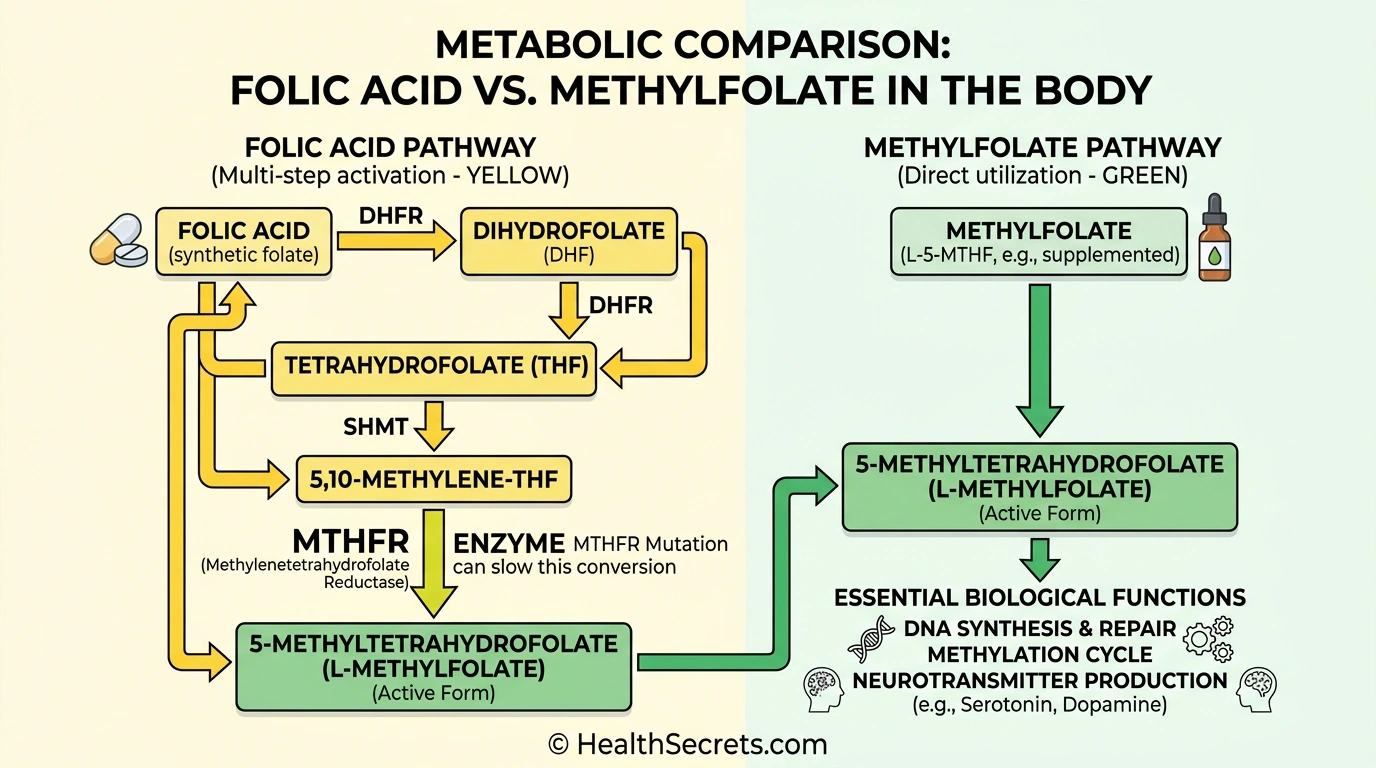
Not all vitamin and mineral forms are created equal. Methylfolate (5-MTHF) is significantly better absorbed than synthetic folic acid, which matters especially for the estimated 40% of women with MTHFR gene variants who have difficulty converting folic acid. Similarly, ferrous bisglycinate offers roughly twice the bioavailability of ferrous sulfate with far fewer gastrointestinal side effects, according to a 2022 randomized controlled trial published in Nutrients.

For minerals, look for chelated forms: magnesium glycinate over magnesium oxide, calcium citrate over calcium carbonate (especially if you take it without food), and zinc picolinate for superior absorption.

Why Does Third-Party Testing Matter So Much?

The supplement industry is largely self-regulated, which means quality varies enormously between brands. Third-party certifications like

USP Verified,

NSF Certified for Sport, and

ConsumerLab Approved independently verify that a product contains what it claims, is free from harmful contaminants (heavy metals, pesticides, microbes), and dissolves properly for absorption. A 2021 analysis found that nearly 25% of supplements tested did not match their label claims — making certification essential, not optional.
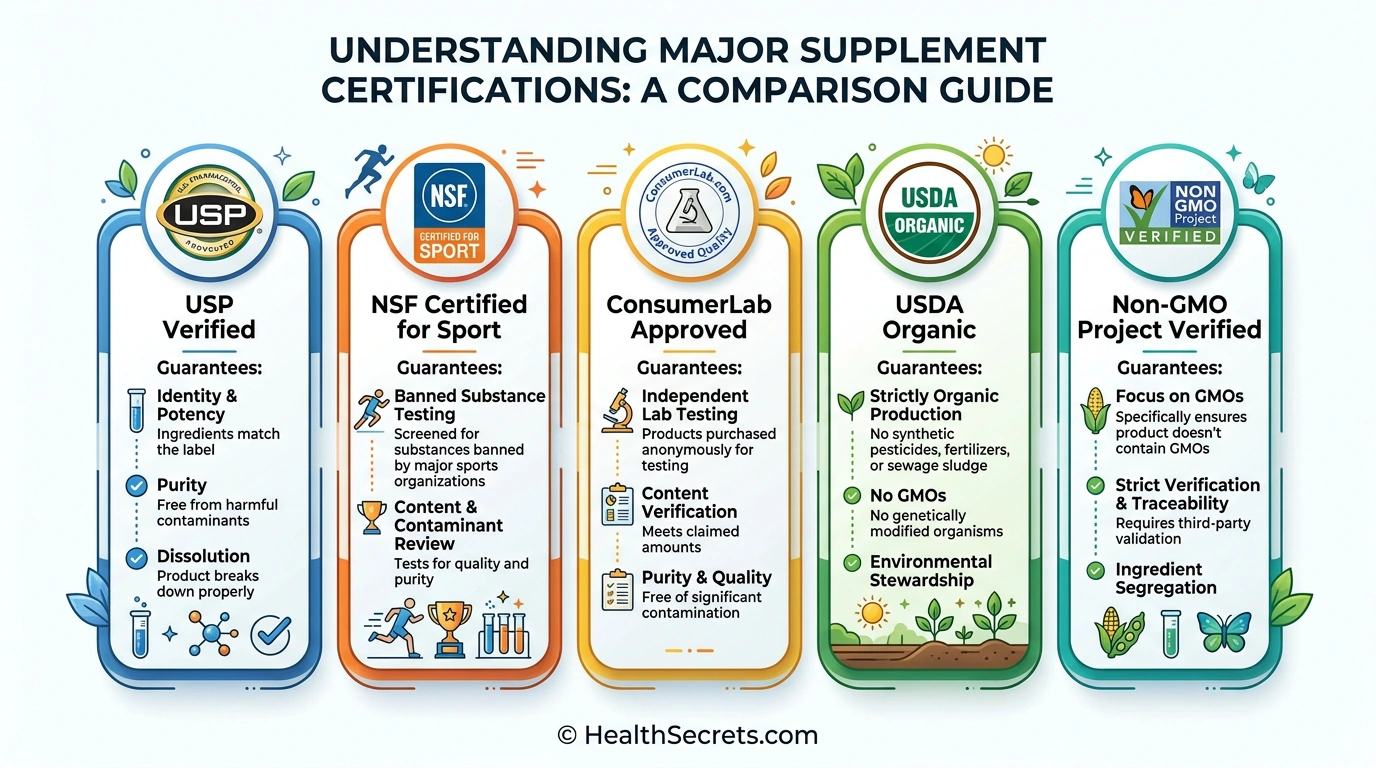
Comparison of supplement quality certifications including USP NSF ConsumerLab and USDA Organic

What Nutrients Do Women Need at Each Life Stage?

  • Reproductive years (18–40): Iron (18 mg), folate (400–800 mcg), vitamin D (1,000–2,000 IU), B12, omega-3s
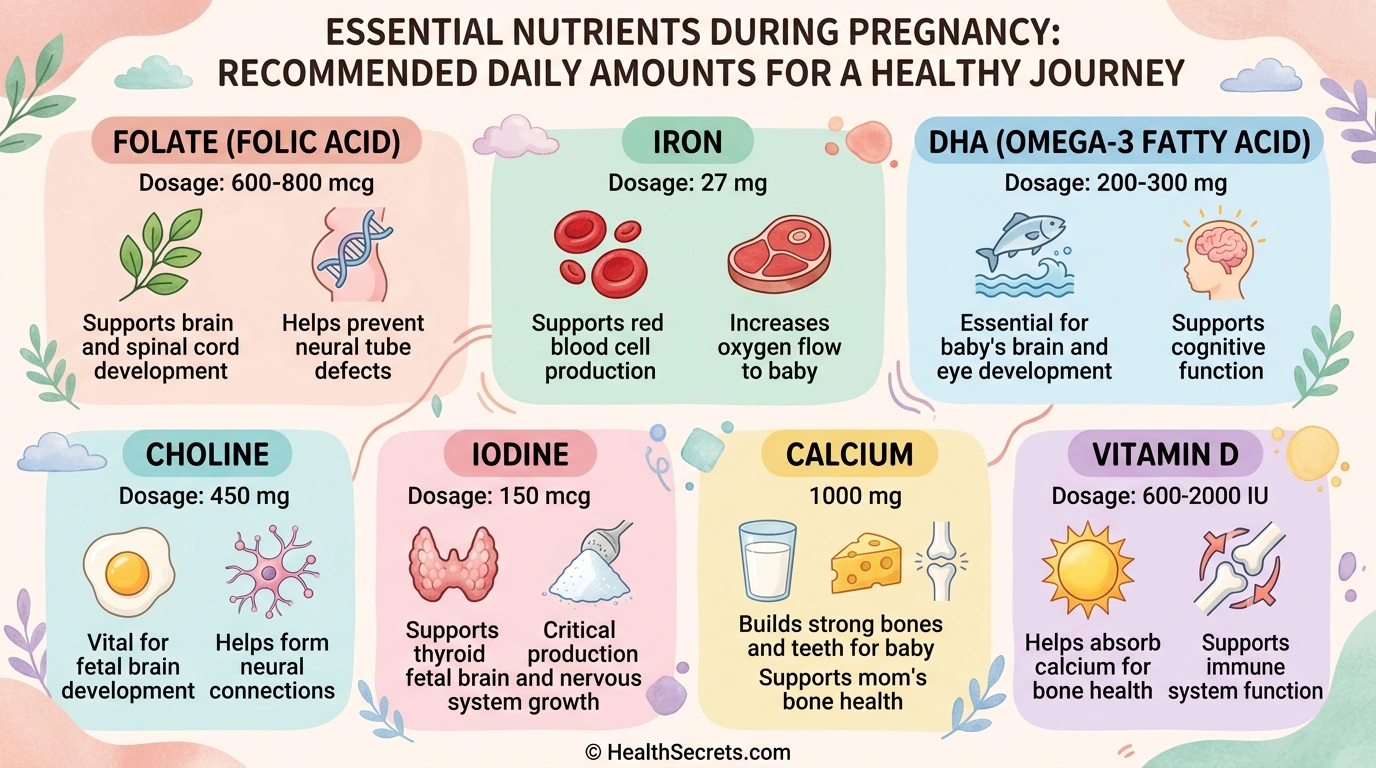
  • Pregnancy and lactation: Prenatal with folate (600–800 mcg), iron (27 mg), DHA (200–300 mg), choline (450 mg), iodine (150 mcg)
  • Perimenopause (40–55): B vitamins for energy, magnesium for sleep and mood, vitamin D, calcium
  • Menopause and beyond (55+): Calcium (1,200 mg), vitamin D (1,000–2,000 IU), magnesium, B12 (absorption declines with age), no iron unless prescribed
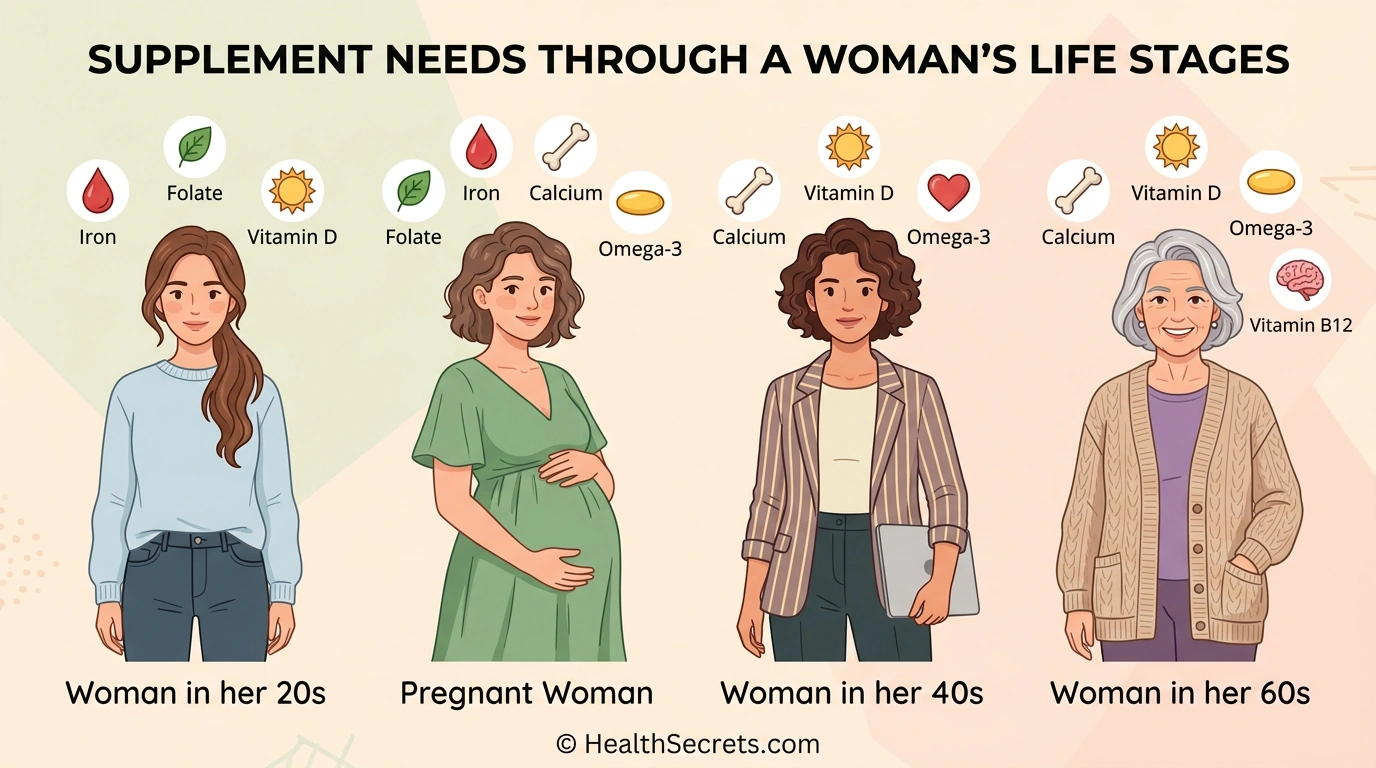
Illustration of women at four life stages with their essential supplement needs labeled
Diagram comparing folic acid and methylfolate metabolic pathways showing MTHFR enzyme step
Infographic of essential prenatal nutrients with recommended daily amounts during pregnancy

How Did We Evaluate These Women's Health Supplements?

We evaluated over 40 women's supplements across five weighted criteria: ingredient quality and bioavailability (30%), third-party testing and certifications (25%), life-stage appropriateness (20%), value per serving (15%), and real user experience including taste, pill size, and tolerability (10%).

What Was Our Research Methodology?

Our evaluation process included four key steps:

  1. Ingredient analysis — We reviewed every supplement facts panel, comparing nutrient forms (methylfolate vs. folic acid, chelated vs. oxide minerals), dosages against RDA and UL values, and the inclusion of emerging essential nutrients like choline and vitamin K2.
  2. Certification verification — We confirmed third-party testing claims directly through USP, NSF, and ConsumerLab databases. Products without any independent verification were deprioritized.
  3. Clinical evidence review — We cross-referenced ingredient dosages with published clinical trials and NIH Office of Dietary Supplements recommendations to verify therapeutic relevance.
  4. User experience assessment — We analyzed thousands of verified purchase reviews across Amazon, iHerb, and brand websites, focusing on tolerability, ease of use, and reported outcomes.

Products were disqualified if they contained proprietary blends hiding individual dosages, included unnecessary fillers or artificial colors, or made health claims unsupported by evidence.

How Do You Use Women's Health Supplements Effectively?

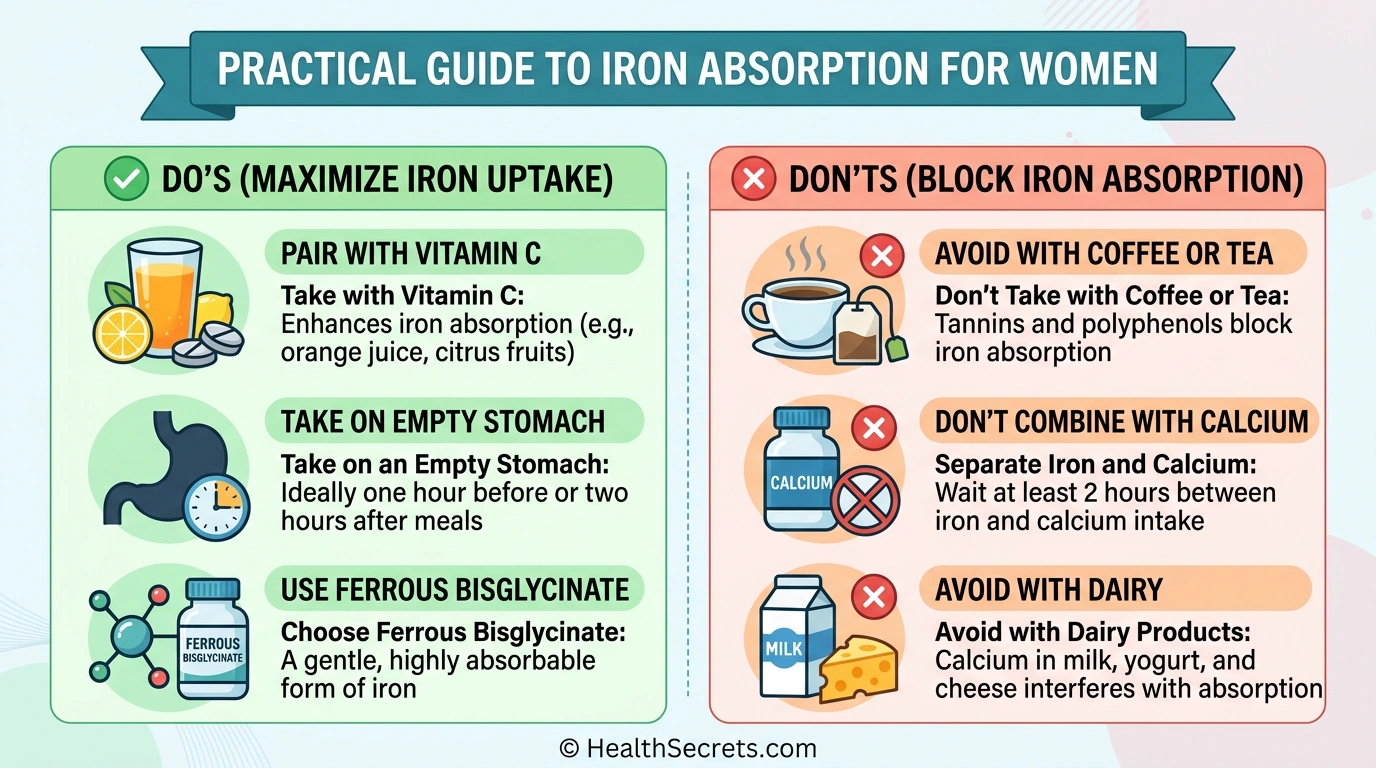
For best results, take fat-soluble vitamins (A, D, E, K) and omega-3s with a meal containing healthy fats, take iron on an empty stomach or with vitamin C for maximum absorption, and separate calcium and iron doses by at least two hours since they compete for absorption.

When Is the Best Time to Take Women's Supplements?

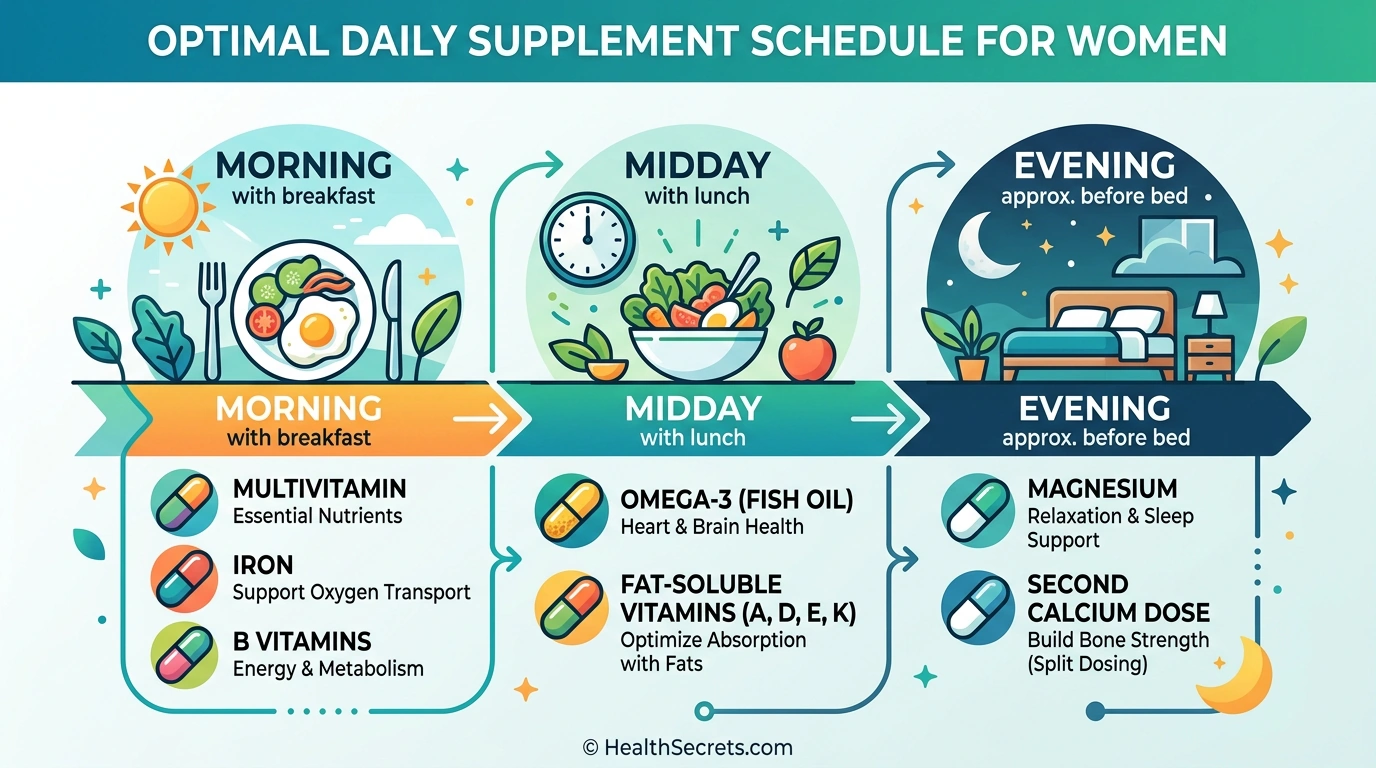
Timing matters more than most people realize. Here's a practical schedule:

  • Morning with breakfast: Multivitamin, B vitamins, iron (if your stomach tolerates it), vitamin D
  • With lunch or dinner: Omega-3s, calcium (if taking a separate supplement), fat-soluble vitamins
  • Evening: Magnesium glycinate (supports sleep), calcium second dose if splitting

If your multivitamin contains iron, avoid taking it with coffee, tea, or dairy — all of which significantly reduce iron absorption. Instead, pair it with a glass of orange juice or another vitamin C source.
Infographic showing optimal daily timing for women's supplement intake morning noon and evening
Iron absorption tips for women showing what helps and what blocks iron supplement absorption

How Long Before You Notice Results from Supplements?

Most women notice improvements in energy and mood within 2–4 weeks of correcting a nutrient deficiency. However, benefits like improved bone density, hair growth, or hormonal balance typically require 3–6 months of consistent supplementation. Iron deficiency anemia usually improves within 2–3 months, though your doctor may recommend continuing supplementation for 3–6 months to fully replenish ferritin stores.

Are There Any Safety Concerns with Women's Health Supplements?

Most women's supplements are safe when taken as directed, but certain nutrients carry real risks at high doses — including iron toxicity, vitamin A teratogenicity during pregnancy, and calcium's potential link to cardiovascular events when supplemented excessively. Always stay within recommended upper limits and consult your healthcare provider.

Which Supplements Can Interact with Medications?

Several common interactions deserve attention:

  • Iron can reduce the effectiveness of thyroid medications (levothyroxine), certain antibiotics (tetracyclines, fluoroquinolones), and levodopa. Separate doses by at least 2–4 hours.
  • Calcium interferes with thyroid medication absorption and some bisphosphonates for osteoporosis.
  • Vitamin K can counteract blood thinners like warfarin — if you take anticoagulants, keep vitamin K intake consistent and inform your doctor.
  • St. John's Wort (found in some women's mood formulas) can reduce the effectiveness of birth control pills, antidepressants, and many other medications.
  • High-dose vitamin E (above 400 IU) may increase bleeding risk, especially combined with blood thinners or aspirin.
Illustration showing how menopause affects bone density and which supplements support bone health

Who Should Avoid Certain Women's Supplements?

Postmenopausal women generally should not take iron supplements unless blood work confirms a deficiency — excess iron accumulates in the body and is associated with increased oxidative stress. Women with kidney disease should be cautious with calcium and magnesium doses. Pregnant women should avoid vitamin A as retinol (preformed) above 3,000 mcg due to teratogenic risk — beta-carotene forms are safer. Anyone with the MTHFR C677T variant should discuss methylfolate vs. folic acid with their provider.

What Should You Do First to Optimize Your Supplement Routine?

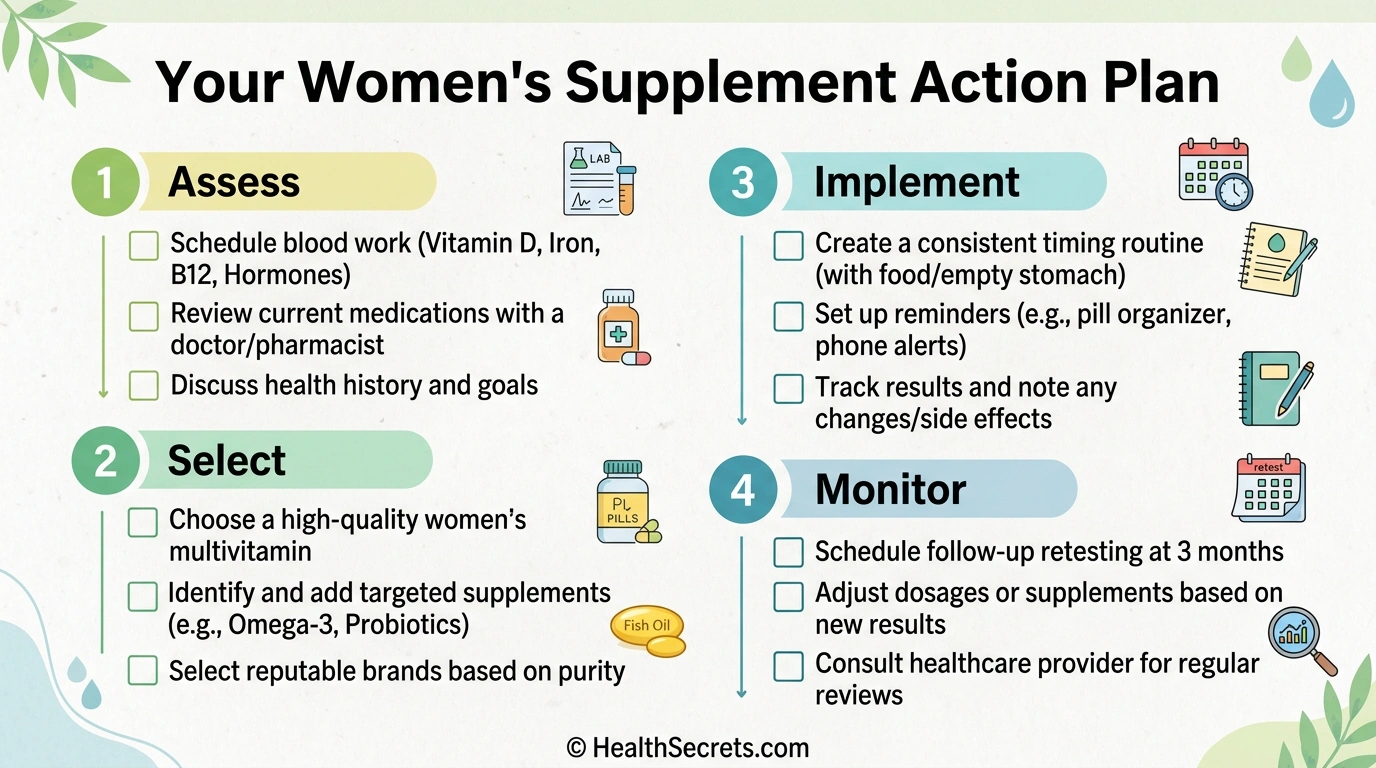
Start by identifying your life stage and getting baseline blood work for vitamin D, iron (ferritin), B12, and thyroid function. Then choose a high-quality, third-party tested multivitamin matched to your age group, and add targeted supplements only where testing reveals specific deficiencies.

Phase 1 — Assess (Week 1):

  • Schedule blood work: complete blood count, ferritin, vitamin D 25(OH)D, B12, thyroid panel
  • List all current medications to check for supplement interactions
  • Identify your life stage (reproductive, prenatal, perimenopausal, postmenopausal)

Phase 2 — Select (Week 2):

  • Choose a multivitamin from our recommendations matched to your life stage
  • If blood work shows deficiency, add targeted supplements (vitamin D, iron, or B12)
  • Verify third-party testing on all selected products

Phase 3 — Implement (Weeks 3–4):

  • Establish a daily timing routine (morning multivitamin, evening magnesium)
  • Separate conflicting supplements (iron and calcium by 2+ hours)
  • Track energy, mood, and any side effects in a simple journal

Phase 4 — Monitor (Months 2–6):

  • Retest vitamin D and ferritin at 3 months
  • Adjust dosages based on results and how you feel
  • Reassess needs at major life transitions (pregnancy, menopause)
Visual comparison of top five women's supplement products with price certification and key features
Four-phase action plan checklist for starting a women's supplement routine

Top Recommended Products

Editor's Choice

Ritual Essential

Ritual Essential for Women 18+ Multivitamin

4.5/5 $$
01

Ritual sets the gold standard for transparency — every ingredient is traceable to its source, and USP verification confirms the formula matches the label. The delayed-release technology delivers nutrients where they're best absorbed, and the inclusion of methylfolate, vegan omega-3 DHA, and chelated iron covers the top gaps for women under 50.

Pros

  • + USP verified for purity and potency
  • + transparent supply chain with traceable ingredients
  • + contains methylfolate
  • + chelated iron
  • + and vegan DHA
  • + mint-essenced for pleasant experience

Cons

  • - Subscription model may not appeal to everyone

Why we included it: Ritual sets the gold standard for transparency — every ingredient is traceable to its source, and USP verification confirms the formula matches the label. The delayed-release technology delivers nutrients where they're best absorbed, and the inclusion of methylfolate, vegan omega-3 DHA, and chelated iron covers the top gaps for women under 50.

Best for: Women ages 18–49 seeking a transparent, science-backed daily multivitamin Dosage: 2 capsules daily
View current price on Amazon

Retailer link opens on Amazon after the review details above

Best for Women Over 50

Thorne Women's

Thorne Women's Multi 50+

4.5/5 $$$
02

Thorne's reputation among healthcare professionals is well-earned. This formula wisely excludes iron for postmenopausal women while including 180 mcg of vitamin K2 (MK-7) — a nutrient most multivitamins skip that plays a critical role in directing calcium into bones rather than arteries.

Pros

  • + No iron (appropriate for postmenopausal women)
  • + includes vitamin K2 MK-7 for bone health
  • + comprehensive B-complex with methylated forms
  • + trusted by healthcare practitioners

Cons

  • - Six capsules per day is a high pill burden

Why we included it: Thorne's reputation among healthcare professionals is well-earned. This formula wisely excludes iron for postmenopausal women while including 180 mcg of vitamin K2 (MK-7) — a nutrient most multivitamins skip that plays a critical role in directing calcium into bones rather than arteries.

Best for: Postmenopausal women needing comprehensive support without iron Dosage: 6 capsules daily (can split into 2 doses)
View current price on Amazon

Retailer link opens on Amazon after the review details above

Best Organic

Garden of

Garden of Life Organics Women's Multi

4.5/5 $$
03

If eating organic matters to you, this is the multivitamin that walks the talk. Garden of Life sources nutrients from real organic foods rather than synthetic isolates, and every batch undergoes third-party testing. The inclusion of 9 mg iron and 500% DV of B12 addresses two of the most common deficiencies in premenopausal women.

Pros

  • + Made from 30+ organic fruits
  • + vegetables
  • + and herbs
  • + includes iron for menstruating women
  • + USDA Organic certified
  • + no synthetic fillers or artificial colors

Cons

  • - Four tablets daily
  • - tablets are large for some women

Why we included it: If eating organic matters to you, this is the multivitamin that walks the talk. Garden of Life sources nutrients from real organic foods rather than synthetic isolates, and every batch undergoes third-party testing. The inclusion of 9 mg iron and 500% DV of B12 addresses two of the most common deficiencies in premenopausal women.

Best for: Women who prefer whole-food, certified organic supplements Dosage: 4 tablets daily
View current price on Amazon

Retailer link opens on Amazon after the review details above

Best Prenatal DHA

Nordic Naturals

Nordic Naturals Prenatal DHA

4.5/5 $$
04

DHA is the building block of fetal brain and eye development, and most prenatal multivitamins don't include enough. Nordic Naturals delivers a clinically meaningful 480 mg DHA per serving in small, easy-to-swallow soft gels that won't trigger pregnancy nausea. The USP verification and Friend of the Sea certification add confidence in purity and sustainability.

Pros

  • + 830 mg omega-3 with 480 mg DHA per serving
  • + includes 400 IU vitamin D3
  • + no fishy aftertaste
  • + sustainably sourced

Cons

  • - Does not replace a full prenatal multivitamin — use alongside one

Why we included it: DHA is the building block of fetal brain and eye development, and most prenatal multivitamins don't include enough. Nordic Naturals delivers a clinically meaningful 480 mg DHA per serving in small, easy-to-swallow soft gels that won't trigger pregnancy nausea. The USP verification and Friend of the Sea certification add confidence in purity and sustainability.

Best for: Pregnant and nursing women needing omega-3 and vitamin D3 support Dosage: 2 soft gels daily
View current price on Amazon

Retailer link opens on Amazon after the review details above

Best Whole Food

New Chapter

New Chapter Every Woman's One Daily Multivitamin

4.5/5 $$
05

New Chapter's fermentation process mimics how nutrients exist in food, making this one of the gentlest multivitamins available — a real advantage for women with sensitive stomachs. The one-tablet convenience and inclusion of anti-inflammatory turmeric make it easy to stick with long-term.

Pros

  • + Only 1 tablet per day
  • + gentle on empty stomach due to fermentation
  • + includes organic turmeric and elderberry
  • + certified B Corporation

Cons

  • - Lower doses of some nutrients compared to multi-capsule competitors

Why we included it: New Chapter's fermentation process mimics how nutrients exist in food, making this one of the gentlest multivitamins available — a real advantage for women with sensitive stomachs. The one-tablet convenience and inclusion of anti-inflammatory turmeric make it easy to stick with long-term.

Best for: Women wanting a gentle, fermented one-daily multivitamin Dosage: 1 tablet daily
View current price on Amazon

Retailer link opens on Amazon after the review details above

Best Magnesium

Doctor's Best

Doctor's Best High Absorption Magnesium Glycinate 200mg

4.5/5 $
06

Magnesium is the unsung hero of women's health — involved in over 300 enzymatic reactions including hormone regulation, sleep quality, and muscle relaxation. The bisglycinate chelate form absorbs significantly better than cheap magnesium oxide and is far less likely to cause the digestive issues that keep many women from supplementing consistently.

Pros

  • + Highly absorbable glycinate form
  • + affordable at under $0.15 per serving
  • + well-tolerated with minimal GI effects
  • + supports sleep
  • + mood
  • + and muscle function

Cons

  • - Requires 4 tablets daily for full 200 mg elemental magnesium dose

Why we included it: Magnesium is the unsung hero of women's health — involved in over 300 enzymatic reactions including hormone regulation, sleep quality, and muscle relaxation. The bisglycinate chelate form absorbs significantly better than cheap magnesium oxide and is far less likely to cause the digestive issues that keep many women from supplementing consistently.

Best for: Women experiencing muscle cramps, poor sleep, or PMS symptoms Dosage: 2 tablets twice daily
View current price on Amazon

Retailer link opens on Amazon after the review details above

Best Budget

Nature Made

Nature Made Multi for Her

4.5/5 $
07

Not everyone can spend $30+ per month on supplements, and Nature Made proves you don't have to. USP verification means this affordable multi meets the same purity and potency standards as premium brands. It covers the essential bases for premenopausal women at a fraction of the cost.

Pros

  • + USP Verified for quality assurance
  • + excellent value under $0.17 per day
  • + widely available in pharmacies
  • + includes 18 mg iron and 400 mcg folic acid

Cons

  • - Uses folic acid instead of methylfolate
  • - contains calcium carbonate which has lower absorption

Why we included it: Not everyone can spend $30+ per month on supplements, and Nature Made proves you don't have to. USP verification means this affordable multi meets the same purity and potency standards as premium brands. It covers the essential bases for premenopausal women at a fraction of the cost.

Best for: Budget-conscious women wanting a reliable, pharmacist-recommended daily multi Dosage: 1 tablet daily
View current price on Amazon

Retailer link opens on Amazon after the review details above

Best for Sensitive Stomachs

MegaFood Women's

MegaFood Women's One Daily

4.5/5 $$
08

MegaFood's FoodState process blends nutrients with real food to create a supplement your body recognizes and absorbs more like whole food. If traditional multivitamins make you nauseous, this is the one most likely to agree with you — multiple clinical studies support the gentleness claim.

Pros

  • + Gentle enough to take on an empty stomach
  • + real food sourced nutrients
  • + includes organic orange and cranberry
  • + one tablet daily convenience

Cons

  • - Lower iron content than some competitors
  • - premium price for single-tablet format

Why we included it: MegaFood's FoodState process blends nutrients with real food to create a supplement your body recognizes and absorbs more like whole food. If traditional multivitamins make you nauseous, this is the one most likely to agree with you — multiple clinical studies support the gentleness claim.

Best for: Women who experience nausea or digestive upset from typical multivitamins Dosage: 1 tablet daily
View current price on Amazon

Retailer link opens on Amazon after the review details above

Best Prenatal Multivitamin

Thorne Basic

Thorne Basic Prenatal

4.5/5 $$
09

Thorne Basic Prenatal stands out by including 1,000 mcg of methylfolate (the active form of folate that bypasses MTHFR issues) and 55 mg of choline — a nutrient the American Medical Association calls essential for fetal brain development yet most prenatals skip entirely. The iron as bisglycinate chelate minimizes pregnancy-related constipation.

Pros

  • + Contains methylfolate instead of folic acid
  • + includes choline (often missing from prenatals)
  • + iron as bisglycinate for gentle absorption
  • + trusted by integrative OB-GYNs

Cons

  • - Does not include DHA — pair with a separate omega-3 supplement

Why we included it: Thorne Basic Prenatal stands out by including 1,000 mcg of methylfolate (the active form of folate that bypasses MTHFR issues) and 55 mg of choline — a nutrient the American Medical Association calls essential for fetal brain development yet most prenatals skip entirely. The iron as bisglycinate chelate minimizes pregnancy-related constipation.

Best for: Women planning pregnancy or currently pregnant who want methylated nutrients Dosage: 3 capsules daily
View current price on Amazon

Retailer link opens on Amazon after the review details above

Best Raw Prenatal

Garden of

Garden of Life Vitamin Code Raw Prenatal

4.5/5 $$
10

Garden of Life created one of the few prenatals that addresses pregnancy nausea head-on by including ginger root and probiotics alongside the essential prenatal nutrients. The raw, whole-food approach means nutrients come with the natural cofactors that support absorption — an approach rooted in how our bodies evolved to process nutrition.

Pros

  • + Includes probiotics and ginger for pregnancy nausea
  • + whole-food sourced nutrients
  • + includes iron and folate
  • + 60-day supply is good value

Cons

  • - Three capsules daily
  • - capsules are somewhat large

Why we included it: Garden of Life created one of the few prenatals that addresses pregnancy nausea head-on by including ginger root and probiotics alongside the essential prenatal nutrients. The raw, whole-food approach means nutrients come with the natural cofactors that support absorption — an approach rooted in how our bodies evolved to process nutrition.

Best for: Women who prefer whole-food prenatal vitamins with probiotics Dosage: 3 capsules daily
View current price on Amazon

Retailer link opens on Amazon after the review details above

Further Reading

Further Reading

"WomanCode: Perfect Your Cycle, Amplify Your Fertility, Supercharge Your Sex Drive, and Become a Power Source"

by Alisa Vitti

A food-based protocol for each phase of your menstrual cycle; practical supplement recommendations tied to hormonal patterns; actionable strategies for PMS, PCOS, and fertility support

Why it adds value here

Vitti's cycle-syncing approach provides the nutritional framework that helps women understand why certain supplements work better at different times of the month — context that makes supplement choices far more strategic.

Best for: Women wanting to understand the connection between nutrition, hormones, and their menstrual cycle

View book details

Further Reading

"The Hormone Cure: Reclaim Balance, Sleep and Sex Drive; Lose Weight; Feel Focused, Vital, and Energized Naturally"

by Sara Gottfried

Questionnaires to identify specific hormonal imbalances; evidence-based supplement protocols for cortisol, thyroid, estrogen, and progesterone issues; a step-by-step plan combining lifestyle changes with targeted supplementation

Why it adds value here

Dr. Gottfried bridges mainstream medicine and functional nutrition, offering supplement recommendations grounded in clinical evidence rather than trends — exactly the approach health-conscious women need.

Best for: Women experiencing hormonal imbalances, perimenopause symptoms, or unexplained fatigue

View book details

AEO FAQ

Frequently Asked Questions

12 common questions answered

The foundational supplements for most women include a quality multivitamin, vitamin D (1,000–2,000 IU), omega-3 fatty acids (EPA/DHA), and magnesium. Beyond these basics, individual needs vary based on life stage, diet, and blood work results. Menstruating women often need iron, pregnant women need folate and DHA, and postmenopausal women need calcium and vitamin K2 for bone health.

Not necessarily — it depends on your life stage and iron status. Menstruating women lose iron monthly and often need 18 mg daily, while pregnant women need 27 mg. However, postmenopausal women typically need only 8 mg and should not supplement unless blood work confirms a deficiency. Excess iron can accumulate and cause oxidative damage. Research from 2020 suggests alternate-day dosing may actually improve absorption due to hepcidin cycling.

For many women, yes. Methylfolate (5-MTHF) is the active form of folate that the body uses directly, while synthetic folic acid must be converted through a multi-step process. An estimated 40% of people carry MTHFR gene variants that impair this conversion. A 2022 systematic review in PMC found that methylfolate supplementation resulted in successful conception for 11 out of 12 infertility patients with MTHFR polymorphisms.

Most experts recommend 1,000–2,000 IU of vitamin D3 daily for women, though some may need more based on blood levels. The NIH RDA is 600 IU for adults up to 70, but a 2026 evidence review in PMC suggests that 2,000 IU daily is needed to achieve blood levels above 30 ng/mL — the threshold associated with significant disease risk reduction. Get your 25(OH)D level tested to determine your optimal dose.

Generally, no — taking both simultaneously can lead to excessive intake of certain nutrients, particularly vitamin A (retinol), iron, and folic acid. Switch to a dedicated prenatal at least one month before trying to conceive, and continue it through pregnancy and breastfeeding. If you have specific deficiencies, add targeted individual supplements rather than doubling up on multivitamins.

Several supplements show evidence for menopause symptom relief, though none work as effectively as hormone replacement therapy. Magnesium glycinate supports sleep and mood, omega-3 fatty acids help with joint pain and cognitive function, calcium and vitamin D protect bone density, and some women find relief with black cohosh for hot flashes. A 2022 systematic review found omega-3s may help relieve depressive symptoms during the menopausal transition.

Gummy vitamins can be effective but generally contain lower nutrient doses and often include added sugars. They typically lack iron (which tastes metallic in gummy form) and certain minerals like calcium and magnesium that are too bulky for gummies. If pill swallowing is genuinely difficult, gummies are better than skipping supplements entirely — but capsules and tablets generally deliver more comprehensive nutrition per serving.

Yes, women have several distinct nutritional needs. Women of reproductive age need more iron (18 mg vs. 8 mg for men) due to menstrual blood loss. Women also need more folate before and during pregnancy, more calcium after menopause, and different ratios of certain B vitamins. The hormonal fluctuations of menstruation, pregnancy, and menopause create nutrient demands that men simply don't face.

The most reliable way is follow-up blood work 3–6 months after starting supplementation. For vitamin D, test your 25(OH)D level; for iron, check ferritin and CBC; for B12, test serum B12 or methylmalonic acid. Subjectively, improved energy, better sleep, stronger nails, and reduced PMS symptoms are common indicators. If you notice no changes after 3 months of consistent use, discuss adjustments with your healthcare provider.

Certain supplements are not just safe but essential during pregnancy — prenatal vitamins with folate, iron, and DHA are universally recommended. However, some supplements should be avoided: high-dose vitamin A (retinol), certain herbal supplements (dong quai, black cohosh, goldenseal), and megadoses of any nutrient. Always use a supplement specifically formulated as a prenatal, and clear any additional supplements with your OB-GYN.

Calcium citrate is generally the best form for women over 50 because it is well absorbed with or without food and is gentler on the stomach. Calcium carbonate is cheaper but requires stomach acid for absorption, which declines with age. The National Osteoporosis Foundation recommends 1,200 mg of calcium daily for women over 50, ideally split into two 600 mg doses since the body can only absorb about 500–600 mg at a time. Always pair calcium with vitamin D and vitamin K2 for optimal bone benefit.

Certain supplements support hormonal balance, though they work best alongside diet and lifestyle changes. Magnesium supports progesterone production and cortisol regulation. Vitamin B6 aids in neurotransmitter production that influences hormones. Omega-3s reduce inflammation that disrupts hormonal signaling. Vitamin D functions as a hormone precursor itself. However, supplements cannot replace medical treatment for conditions like PCOS, thyroid disorders, or severe hormonal imbalances.

Was this article helpful?

Written & Reviewed By Experts

DP

Author

Dr. Priya Sharma

DS

Medical Reviewer

Dr. Sarah Chen

All content is evidence-based, peer-reviewed by qualified professionals, and updated regularly. Our editorial team follows strict guidelines for accuracy and transparency.

References & Citations

20 sources cited

1
NIH Office of Dietary Supplements. "Iron — Health Professional Fact Sheet." National Institutes of Health. Updated 2024. View
2
NIH Office of Dietary Supplements. "Vitamin D — Health Professional Fact Sheet." National Institutes of Health. Updated 2024. View
3
Bumrungpert A, et al. "Efficacy and Safety of Ferrous Bisglycinate and Folinic Acid in the Control of Iron Deficiency in Pregnant Women." Nutrients. 2022;14(3):452. View
4
Braga CBM, et al. "The effects of oral ferrous bisglycinate supplementation on hemoglobin and ferritin concentrations in adults and children: a systematic review and meta-analysis." PubMed. 2023. View
5
Stoffel NU, et al. "Iron absorption from supplements is greater with alternate day than with consecutive day dosing in iron-deficient anemic women." Haematologica. 2020;105(5):1232-1239. View

Medical Disclaimer

This article is for informational purposes only and does not constitute medical advice. Read the full medical disclaimer. Always consult with a qualified healthcare provider before starting any new supplement, treatment, or major dietary change.