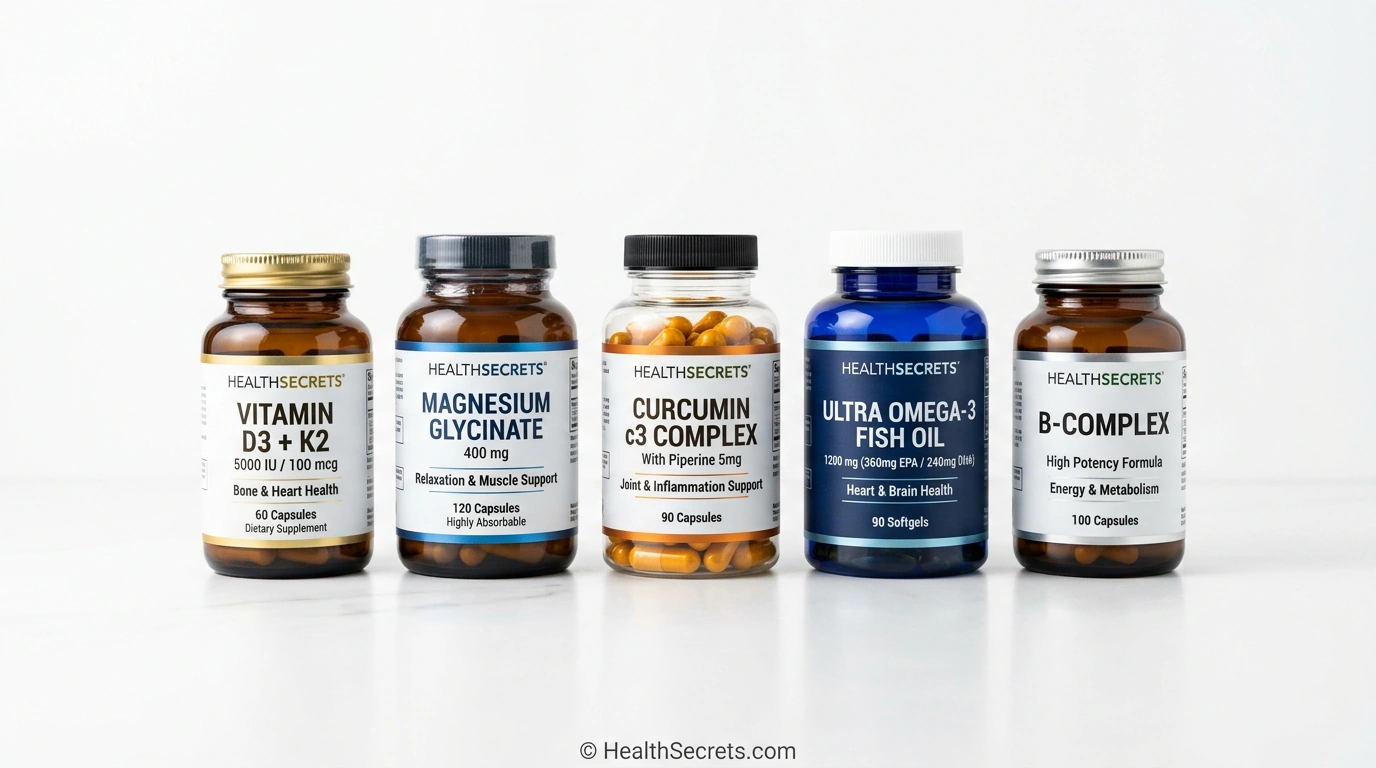
You're already spending money on supplements. But here's the uncomfortable truth: many of those capsules and powders are working against each other—or simply passing through your body unused. The difference between a medicine cabinet full of expensive urine and a genuinely effective supplement routine often comes down to one concept: supplement stacking.
Supplement stacking is the strategic practice of combining specific nutrients to enhance absorption, boost effectiveness, and create synergistic health benefits. It's not about taking more pills. It's about taking the right pills together. Vitamin D without K2? That calcium might end up in your arteries instead of your bones. Curcumin without piperine? You're absorbing less than 1% of what you swallow.
In this guide, you'll learn the proven science behind synergistic supplements, which combinations actually work (and which waste your money), goal-specific stacking protocols, and critical safety rules to avoid dangerous interactions. Whether you're optimizing for immune support, gut health, or inflammation reduction, smart stacking makes every dollar count.
What Is Supplement Stacking and Why Does It Matter?
Supplement stacking is the intentional practice of combining two or more dietary supplements to achieve synergistic effects—meaning the combined benefit exceeds what each supplement delivers individually. This approach leverages nutrient interactions, absorption enhancers, and complementary biological pathways to maximize health outcomes while minimizing waste.
The concept isn't new. Traditional medicine systems have combined herbs and nutrients for thousands of years—Ayurvedic practitioners paired turmeric with black pepper long before modern science explained why. What's changed is our understanding of the mechanisms. We now know that certain nutrients serve as co-factors, absorption enhancers, or metabolic partners that fundamentally alter how your body processes other compounds.
Three core principles drive effective supplement stacking:
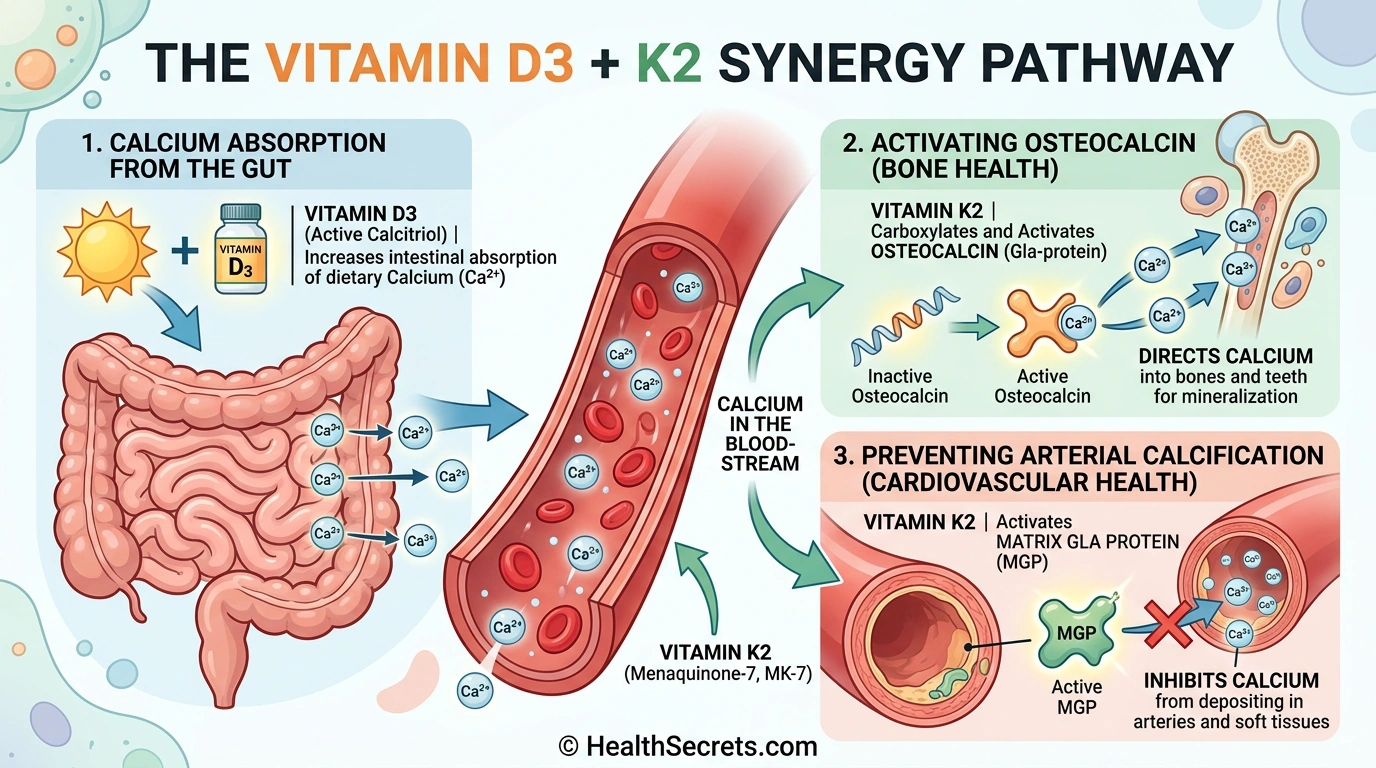
- 1. Synergy — Some nutrients amplify each other's effects. Vitamin D increases calcium absorption from the gut, while vitamin K2 ensures that calcium reaches your bones rather than depositing in soft tissues. Neither works optimally without the other.
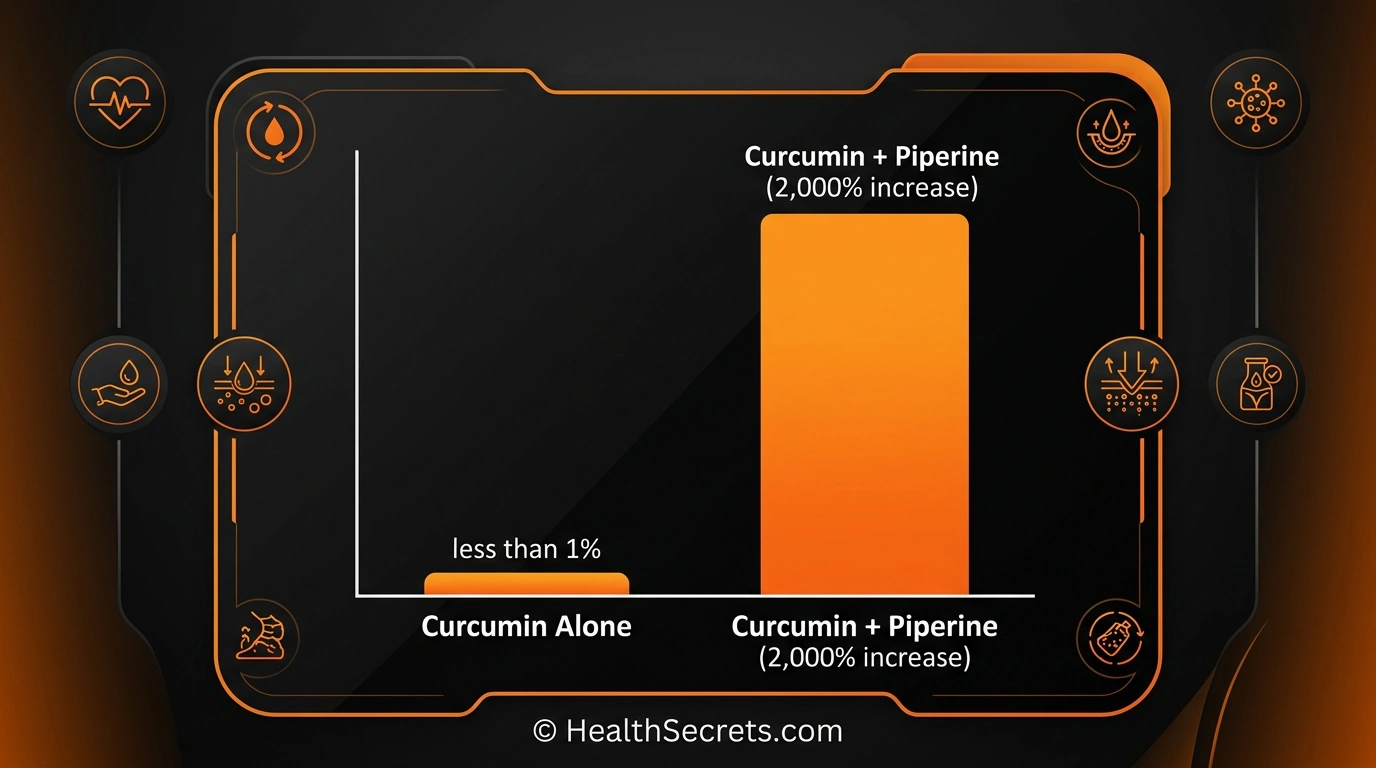
- 2. Bioavailability Enhancement — Certain compounds are poorly absorbed on their own. Curcumin, the active compound in turmeric, has less than 1% bioavailability when taken alone. Adding piperine from black pepper inhibits the liver enzymes that metabolize curcumin, increasing absorption by up to 2,000%.
- 3. Complementary Pathways — Different nutrients can target the same health goal through different mechanisms. Omega-3 fatty acids reduce inflammation through prostaglandin modulation, while vitamin E protects cells from oxidative damage—together they provide more comprehensive anti-inflammatory protection than either alone.
The growing popularity of supplement stacking reflects a shift from random supplementation toward evidence-based, personalized protocols. With Americans spending over $50 billion annually on dietary supplements, understanding how to combine them effectively isn't just smart—it's essential for getting real value from your investment.
How Does Supplement Synergy Work in the Body?
Supplement synergy operates through specific biochemical mechanisms where one nutrient enhances the absorption, activation, or biological activity of another. These interactions occur at the level of gut absorption, liver metabolism, cellular transport, and enzymatic activation—making the science behind stacking both predictable and reproducible.
How Do Absorption Enhancers Improve Supplement Effectiveness?
Absorption enhancers work by modifying how your digestive system and liver process specific compounds. Piperine, the active alkaloid in black pepper, inhibits CYP450 enzymes and UDP-glucuronosyltransferases in the liver and intestinal wall—the same enzymes responsible for rapidly metabolizing curcumin. This inhibition keeps curcumin in the bloodstream longer and at higher concentrations. A landmark human pharmacokinetic study demonstrated a 2,000% increase in curcumin bioavailability with just 20mg of piperine co-administration. Similarly, fat-soluble vitamins (A, D, E, K) require dietary fat for proper absorption through the intestinal wall. Taking these supplements with a meal containing healthy fats can increase absorption by 7–8 times compared to an empty stomach.
How Do Co-Factor Relationships Create Synergy?
Many nutrients function as enzymatic co-factors—they're required for another nutrient to complete its biological function. Vitamin D stimulates the production of osteocalcin and matrix Gla protein (MGP), but these proteins remain inactive until vitamin K2 performs a process called gamma-carboxylation. Without adequate K2, vitamin D-stimulated calcium absorption may lead to arterial calcification instead of bone mineralization. A 2020 meta-analysis of eight randomized controlled trials found that vitamin K combined with vitamin D significantly increased total bone mineral density compared to either nutrient alone. Magnesium serves as a co-factor for over 300 enzymatic reactions, including the conversion of vitamin D into its active form (calcitriol). Without sufficient magnesium, vitamin D supplementation may be less effective.
How Does Oxidative Protection Support Nutrient Stability?
Omega-3 fatty acids (EPA and DHA) are highly unsaturated, making them vulnerable to lipid peroxidation—a process where free radicals damage the fatty acid chains and create harmful oxidation byproducts. Vitamin E, a potent fat-soluble antioxidant, integrates into cell membranes alongside omega-3s and neutralizes free radicals before they can damage these beneficial fats. A systematic review and meta-analysis found that omega-3 plus vitamin E co-supplementation significantly increased total antioxidant capacity (TAC) and nitric oxide levels while decreasing malondialdehyde (MDA), a marker of oxidative stress—effects that neither nutrient achieved as effectively alone.
What Are the Key Benefits of Strategic Supplement Stacking?
Strategic supplement stacking delivers four major categories of benefits: enhanced nutrient absorption, amplified therapeutic effects, cost efficiency through reduced waste, and the ability to target multiple health pathways simultaneously. When done correctly, stacking transforms a collection of individual supplements into a coordinated system.
Does Vitamin D3 + K2 Actually Improve Bone and Heart Health?
The vitamin D3 + K2 combination is arguably the most well-supported supplement stack in nutritional science. Vitamin D3 increases intestinal calcium absorption by 30–40%, but without K2, that calcium lacks proper direction. K2 activates osteocalcin (which deposits calcium into bone matrix) and matrix Gla protein (which prevents calcium from accumulating in arterial walls). A 2026 prospective study found that combined vitamin K2 and D3 therapy achieved a 91.67% complete bone fusion rate versus 74.29% with vitamin D3 alone in osteoporotic patients. For cardiovascular health, the synergy ensures calcium goes to bones, not blood vessels—a critical distinction as arterial calcification is a significant cardiovascular risk factor. The recommended stack: 2,000–5,000 IU vitamin D3 with 100–200 mcg vitamin K2 (MK-7 form) daily, taken with a fat-containing meal.
Can Magnesium + B6 Reduce Stress More Than Either Alone?
A randomized clinical trial published in PLOS ONE found that while magnesium supplementation alone effectively reduced stress in adults with low magnesemia, the combination of magnesium + vitamin B6 showed superior benefits specifically in those with severe or extremely severe stress. The post-hoc analysis confirmed that both treatments significantly improved depression and anxiety scores on the DASS-42 scale, with the greatest improvement occurring during the first four weeks. B6 contributes by modulating neurotransmitters associated with mood regulation—including serotonin, GABA, and dopamine synthesis—while potentially facilitating cellular uptake of magnesium. The practical stack: 300–400mg magnesium glycinate or citrate with 25–50mg vitamin B6 (P-5-P form preferred), taken in the evening for sleep optimization benefits.
Does Curcumin + Piperine Deliver Real Anti-Inflammatory Results?
The curcumin-piperine combination transforms one of nature's most promising but frustratingly unavailable compounds into a genuinely useful supplement. Standard curcumin has a plasma half-life of just 1–2 hours and less than 1% oral bioavailability. Piperine addresses this by inhibiting intestinal and hepatic metabolism, keeping curcumin circulating longer at therapeutic concentrations. Beyond absorption, a 2022 study in Chinese Medicine found that curcumin and piperine in combination produced synergistic antinociceptive (pain-relieving) effects in mouse models—suggesting the interaction goes beyond simple bioavailability enhancement to genuine pharmacodynamic synergy. The recommended stack: 500–1,000mg curcumin (standardized to 95% curcuminoids) with 5–20mg piperine (BioPerine), taken with meals containing fat. This combination supports detox pathways and overall inflammatory balance.
How Do Omega-3s and Vitamin E Work Together?
Omega-3 fatty acids and vitamin E create a complementary antioxidant-anti-inflammatory partnership. Omega-3s (EPA and DHA) reduce pro-inflammatory cytokines and produce specialized pro-resolving mediators (SPMs), while vitamin E protects these highly unsaturated fats from oxidative degradation. A meta-analysis of co-supplementation studies found significant increases in total antioxidant capacity and nitric oxide production, with decreased oxidative stress markers. Vitamin E essentially serves as a bodyguard for omega-3s—preserving their structural integrity so they can perform their anti-inflammatory functions. The stack: 1–2g combined EPA/DHA with 200–400 IU natural vitamin E (d-alpha-tocopherol), taken with the fattiest meal of the day.
NatureMade Vitamin D3 + K2 Softgels
Best Bone Health StackNatureMade Vitamin · Combining D3 and K2 in one convenient softgel for bone and cardiovascular support
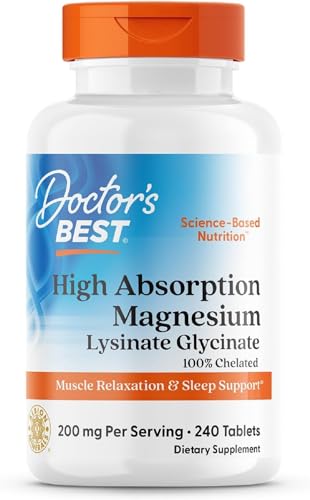
Doctor's Best High Absorption Magnesium Glycinate 200mg
Best Stress & Sleep Stack BaseDoctor's Best · Highly bioavailable magnesium for stress reduction, sleep support, and stacking with B6
Jarrow Formulas Curcumin 95 with Piperine
Best Anti-Inflammatory StackJarrow Formulas · Maximizing curcumin absorption with piperine for inflammation and joint support
Nordic Naturals Ultimate Omega 2x
Best Omega-3 for StackingNordic Naturals · High-concentration omega-3 in triglyceride form, ideal for pairing with vitamin E
Thorne Stress B-Complex
Best B-Vitamin Stack ComponentThorne Stress · Active methylated B vitamins for energy, mood, and neurotransmitter support in multi-supplement stacks

Thorne Zinc Picolinate 30mg
Best Immune Stack ComponentThorne Zinc · Highly bioavailable zinc for immune stacking with vitamin D3 and vitamin C
Read the detailed review cards below before opening any retailer link
Top Recommended Products
NatureMade Vitamin
NatureMade Vitamin D3 + K2 Softgels
Combines the two most synergistic bone-health nutrients in USP-verified quality at an accessible price point, making it the simplest entry into supplement stacking.
Pros
- + USP verified quality
- + convenient 2-in-1 formula
- + well-dosed D3 and K2 MK-7 form
- + affordable
Cons
- - May need additional K2 for high-dose D3 users
Why we included it: Combines the two most synergistic bone-health nutrients in USP-verified quality at an accessible price point, making it the simplest entry into supplement stacking.
Retailer link opens on Amazon after the review details above
Doctor's Best
Doctor's Best High Absorption Magnesium Glycinate 200mg
Magnesium glycinate is the gold standard for absorption and GI tolerance, making it the ideal foundation for magnesium-based stacks targeting stress, sleep, and muscle recovery.
Pros
- + Highly absorbable glycinate form
- + gentle on stomach
- + Albion chelated
- + pairs perfectly with B6
Cons
- - Requires 2 tablets per serving
- - tablets are large
Why we included it: Magnesium glycinate is the gold standard for absorption and GI tolerance, making it the ideal foundation for magnesium-based stacks targeting stress, sleep, and muscle recovery.
Retailer link opens on Amazon after the review details above
Jarrow Formulas
Jarrow Formulas Curcumin 95 with Piperine
Delivers the proven curcumin + piperine synergy in a well-standardized formulation from a trusted brand with decades of supplement manufacturing experience.
Pros
- + Standardized 95% curcuminoids
- + includes BioPerine
- + reputable brand
- + well-researched dosing
Cons
- - May need 2 capsules daily for therapeutic dose
Why we included it: Delivers the proven curcumin + piperine synergy in a well-standardized formulation from a trusted brand with decades of supplement manufacturing experience.
Retailer link opens on Amazon after the review details above
Nordic Naturals
Nordic Naturals Ultimate Omega 2x
The triglyceride form delivers superior absorption, IFOS certification ensures purity, and the high concentration means fewer pills—making it the ideal omega-3 base for anti-inflammatory stacks.
Pros
- + IFOS 5-star purity
- + triglyceride form for better absorption
- + high EPA/DHA concentration
- + lemon flavored
Cons
- - Premium price point
- - requires refrigeration after opening
Why we included it: The triglyceride form delivers superior absorption, IFOS certification ensures purity, and the high concentration means fewer pills—making it the ideal omega-3 base for anti-inflammatory stacks.
Retailer link opens on Amazon after the review details above
Thorne Stress
Thorne Stress B-Complex
Uses bioactive forms of all B vitamins, including P-5-P (the active form of B6 critical for magnesium stacks), ensuring maximum utilization and compatibility with advanced supplement protocols.
Pros
- + NSF certified
- + active methylated forms
- + includes P-5-P (active B6)
- + trusted by healthcare practitioners
Cons
- - Higher cost than basic B-complex
- - one capsule daily may not cover all therapeutic needs
Why we included it: Uses bioactive forms of all B vitamins, including P-5-P (the active form of B6 critical for magnesium stacks), ensuring maximum utilization and compatibility with advanced supplement protocols.
Retailer link opens on Amazon after the review details above
Thorne Zinc
Thorne Zinc Picolinate 30mg
Zinc picolinate offers excellent absorption and is perfectly dosed for immune stacking protocols with vitamin D3 and C without risking copper depletion at this dosage level.
Pros
- + NSF certified
- + picolinate form for superior absorption
- + well-dosed at 30mg
- + small capsule
Cons
- - Should be taken with food to avoid nausea
- - separate from calcium supplements
Why we included it: Zinc picolinate offers excellent absorption and is perfectly dosed for immune stacking protocols with vitamin D3 and C without risking copper depletion at this dosage level.
Retailer link opens on Amazon after the review details above
Are There Risks or Side Effects of Supplement Stacking?
Yes—poorly planned supplement stacking can cause nutrient competition, dangerous drug interactions, toxicity from fat-soluble vitamin accumulation, and reduced effectiveness of prescription medications. Understanding these risks is just as important as knowing which supplements work together.
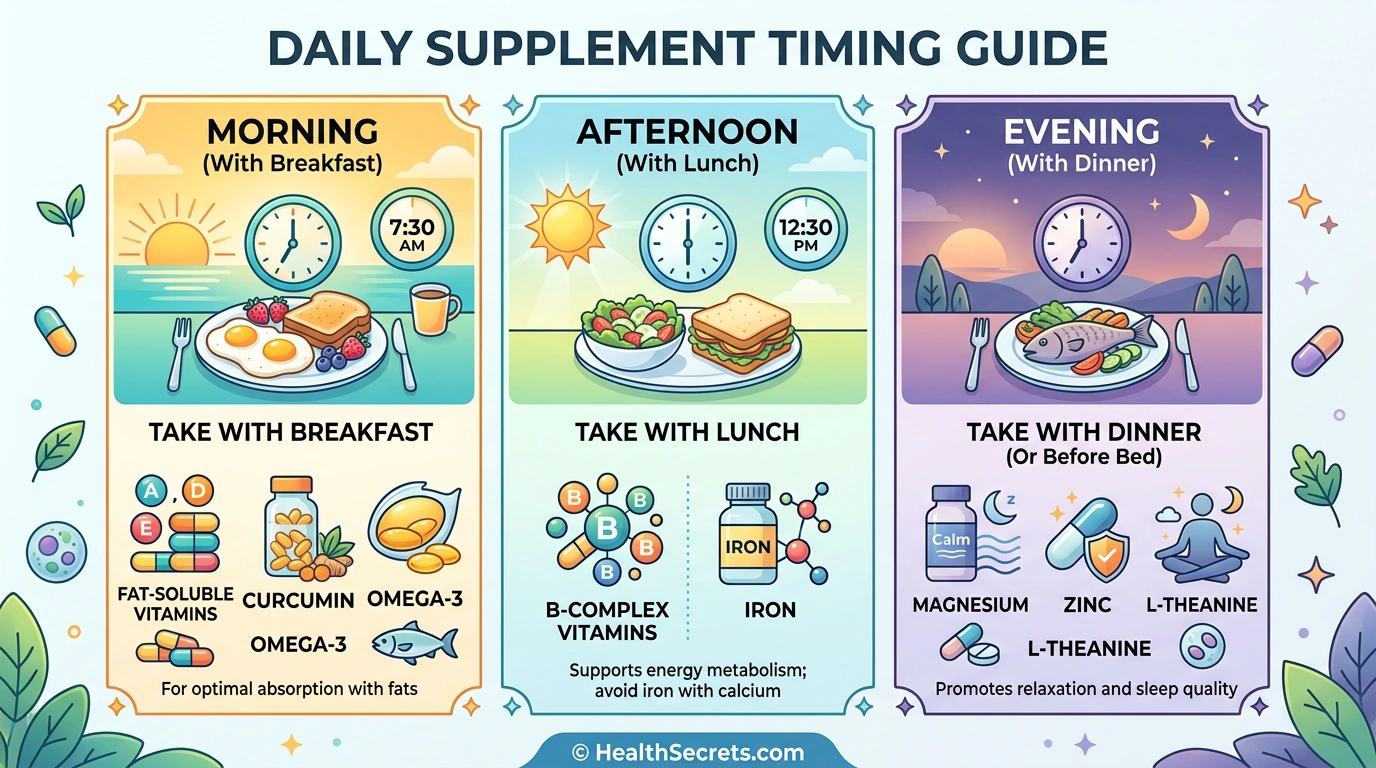
:::info[Nutrient Competition and Interference:] Some minerals compete for the same absorption pathways. Calcium and iron compete for divalent metal transporter 1 (DMT1), meaning taking them together significantly reduces iron absorption. Similarly, calcium and zinc compete for absorption, and high-dose zinc (over 50mg daily) can deplete copper levels over time. The solution: separate competing minerals by 2–4 hours. :::
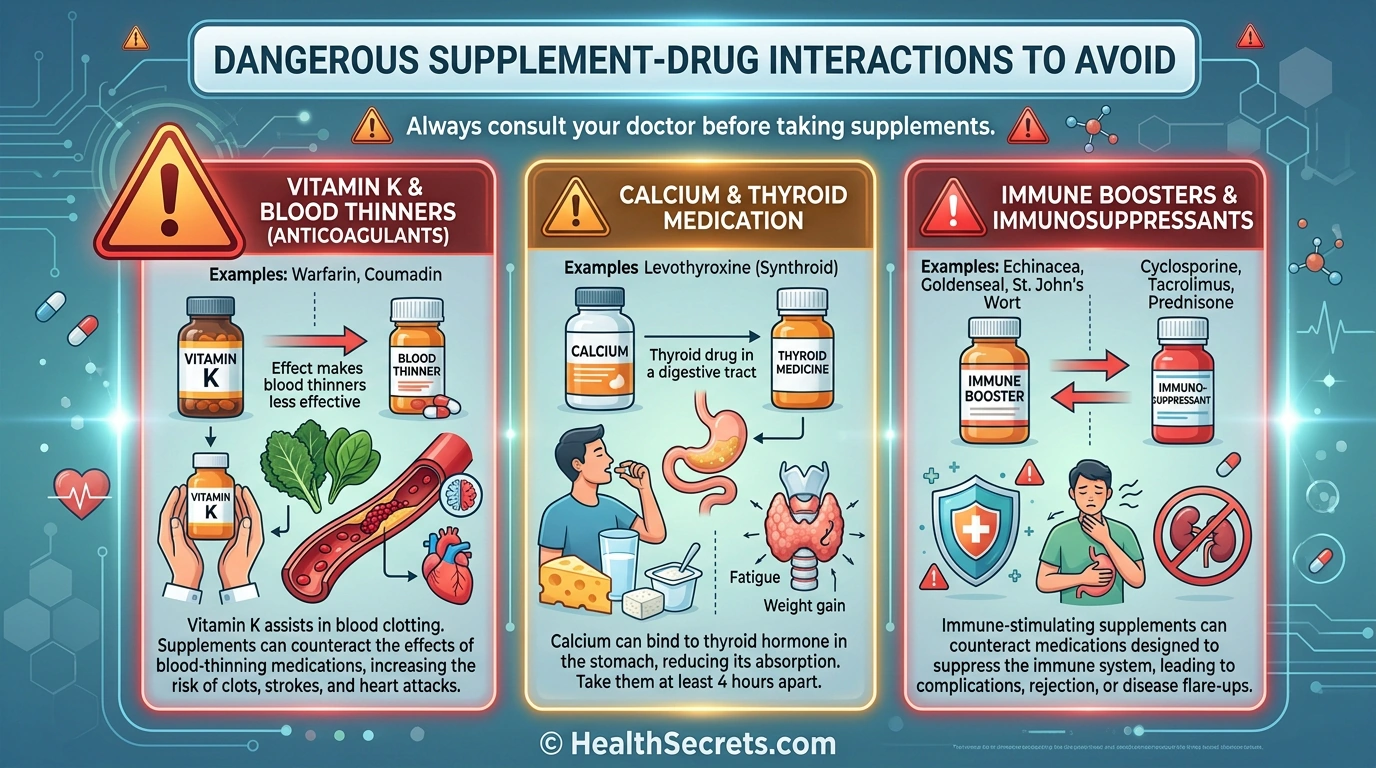
:::info[Drug-Supplement Interactions:] The FDA warns that mixing supplements with medications can alter drug absorption, metabolism, and excretion—changing effective drug concentrations in potentially dangerous ways. Critical interactions include: :::
- Blood thinners (warfarin): Vitamin K directly opposes warfarin's mechanism; omega-3s and vitamin E add antiplatelet effects, increasing bleeding risk
- Diabetes medications: Curcumin, magnesium, and chromium may lower blood sugar, risking hypoglycemia when combined with insulin or metformin
- Immunosuppressants: Immune-boosting supplements (vitamin D, zinc, echinacea) may counteract transplant rejection medications
- Thyroid medications: Calcium, iron, and magnesium can bind levothyroxine if taken within 4 hours
:::info[Fat-Soluble Vitamin Accumulation:] Vitamins A, D, E, and K are stored in body fat and the liver, creating potential for toxicity with chronic high-dose supplementation. Vitamin D toxicity (hypervitaminosis D) causes hypercalcemia—dangerously elevated blood calcium—though this typically requires doses exceeding 10,000 IU daily for extended periods. :::
:::warning[Quality and Contamination Risks:] Stacking multiple supplements from unreliable sources multiplies contamination risk. Third-party testing (USP, NSF, ConsumerLab) becomes even more important when combining multiple products. :::
How Do You Build an Effective Supplement Stack?
Building an effective supplement stack requires identifying your primary health goal, selecting evidence-based combinations, establishing proper timing and dosing, and monitoring your body's response over 4–8 weeks. Start with one foundational stack and add complexity only after confirming tolerance.
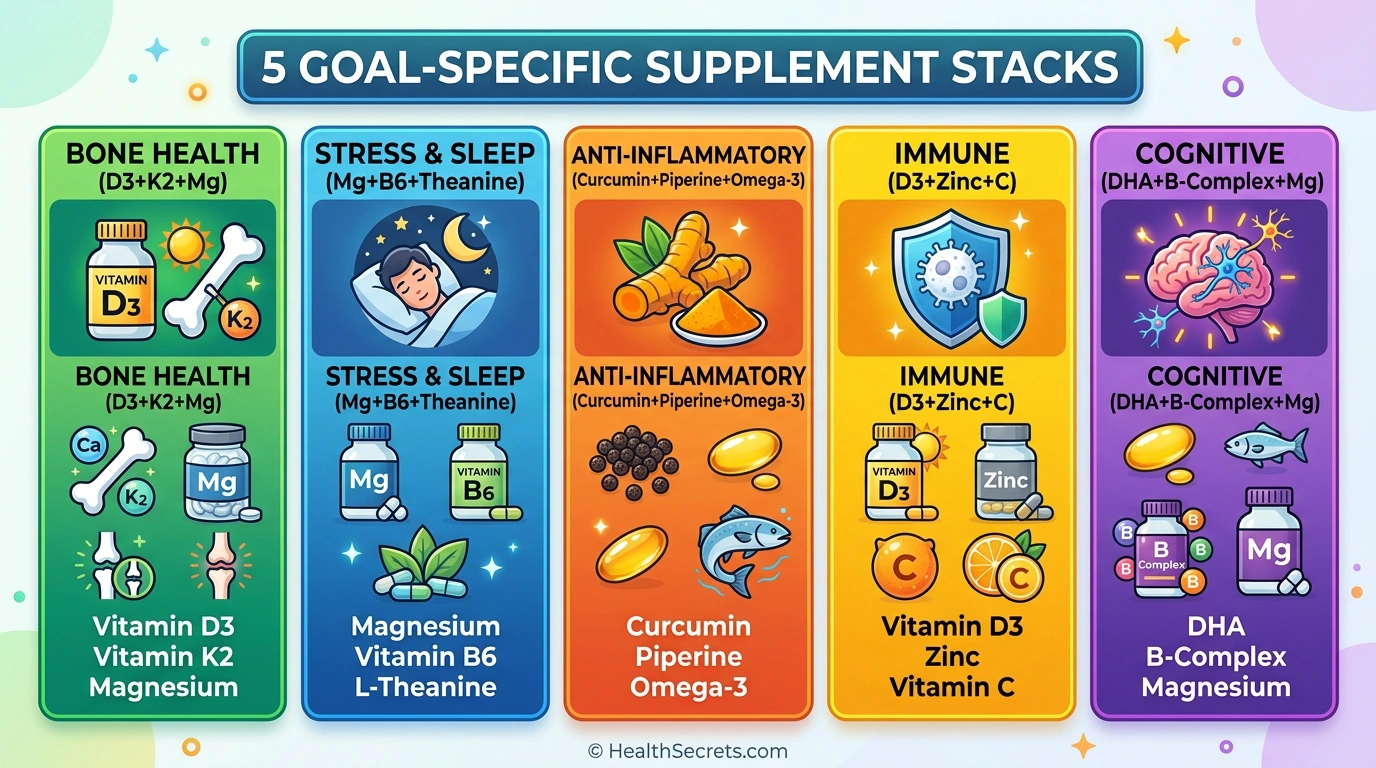
:::info[Step 1: Define Your Primary Goal] Choose one primary objective: bone health, stress reduction, inflammation management, cognitive performance, immune support, or gut health. Trying to address everything simultaneously leads to excessive pill counts and increased interaction risk. :::
:::info[Step 2: Select Your Foundation Stack] Goal-specific starter stacks: :::
| Goal | Foundation Stack | Daily Dose |
|---|---|---|
| Bone Health | Vitamin D3 + K2 + Magnesium | 2,000 IU D3 + 100mcg K2 + 300mg Mg |
| Stress & Sleep | Magnesium + B6 + L-Theanine | 400mg Mg + 50mg B6 + 200mg Theanine |
| Anti-Inflammatory | Curcumin + Piperine + Omega-3 | 1,000mg Curcumin + 10mg Piperine + 2g EPA/DHA |
| Immune Support | Vitamin D3 + Zinc + Vitamin C | 2,000 IU D3 + 15mg Zinc + 500mg C |
| Cognitive Focus | Omega-3 (DHA) + B-Complex + Magnesium | 1g DHA + B-Complex + 300mg Mg |
| Step 3: Establish Timing |
- Morning with breakfast (fat-containing): Fat-soluble vitamins (D3, K2, E), curcumin + piperine, omega-3s
- Afternoon with lunch: B-complex (energizing; avoid evening), iron (if needed, separate from calcium)
- Evening with dinner: Magnesium + B6 (calming), zinc (if not competing with calcium)
- Separate by 2–4 hours: Calcium from iron/zinc; thyroid medication from all minerals
Step 4: Start Low, Add Gradually
Begin with your foundation stack at minimum doses for 2 weeks. Increase to target doses over weeks 3–4. Add secondary supplements only after 4–6 weeks, one at a time, to identify any adverse reactions. Keep a simple journal noting energy, digestion, mood, and sleep quality.
Step 5: Verify Quality
Choose supplements with third-party certification (USP, NSF, IFOS for fish oil). Opt for bioavailable forms: magnesium glycinate over oxide, methylfolate over folic acid, P-5-P over standard B6, MK-7 over MK-4 for K2.
What Diet and Lifestyle Changes Support Supplement Stacking?
A nutrient-dense diet, consistent meal timing, adequate hydration, and healthy lifestyle habits form the foundation that makes supplement stacking more effective. Supplements are meant to fill gaps—not replace whole food nutrition or compensate for poor lifestyle choices.
Dietary Foundations:
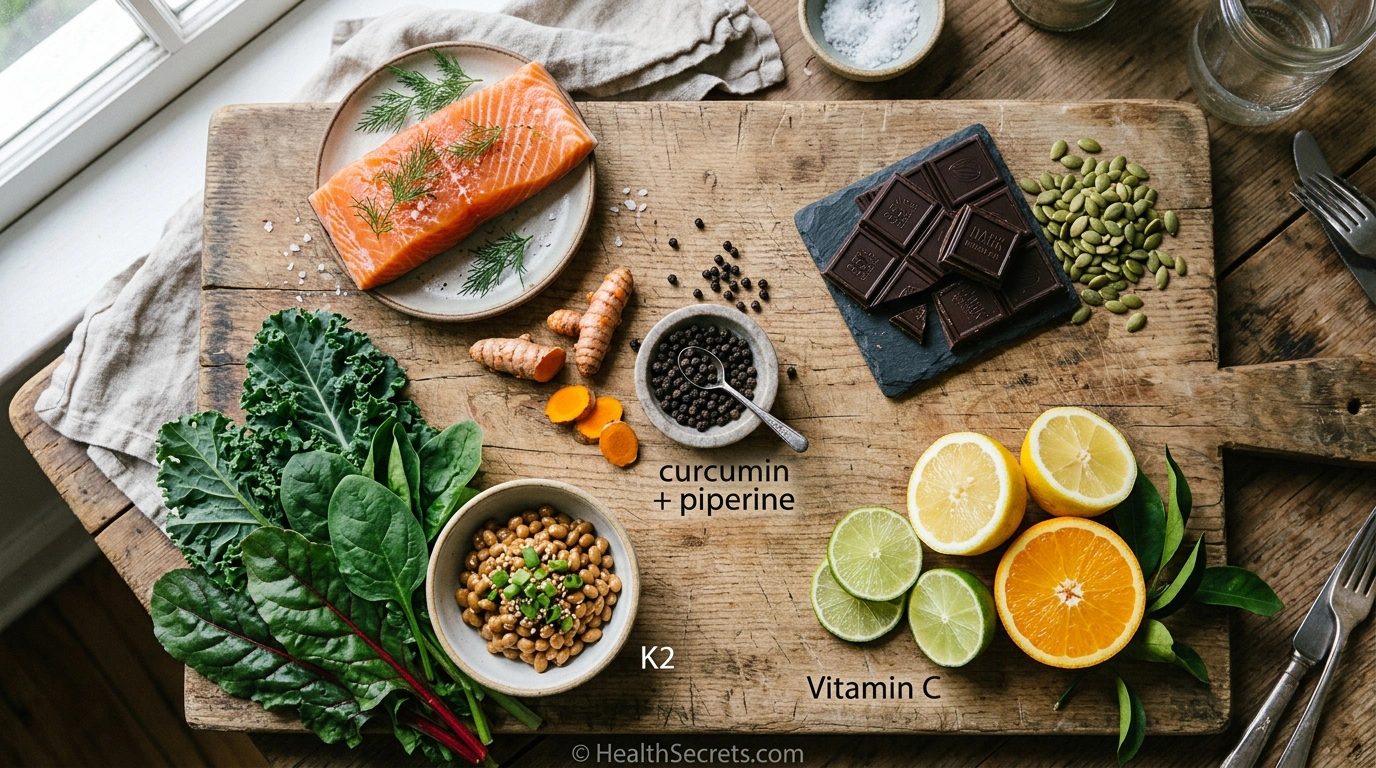
- Eat fat with fat-soluble supplements: Avocado, olive oil, nuts, fatty fish, and eggs provide the dietary fat needed for vitamins D, K, E, and curcumin absorption. A meal with 10–15g of fat is sufficient.
- Prioritize food-first nutrient sources: Wild-caught salmon delivers omega-3s alongside naturally occurring vitamin E and selenium. Dark leafy greens provide magnesium, K1, and folate together. Fermented foods (natto, sauerkraut) supply K2 naturally.
- Balance your omega-6 to omega-3 ratio: Reducing processed vegetable oils and increasing fatty fish, walnuts, and flaxseed improves the inflammatory environment, making anti-inflammatory stacks more effective.
- Include prebiotic and probiotic foods: A healthy gut microbiome improves nutrient absorption, directly supporting supplement effectiveness.
Lifestyle Factors:
- Consistent meal timing supports supplement scheduling and improves absorption predictability
- Adequate sleep (7–9 hours) enhances magnesium retention and vitamin D metabolism
- Regular exercise increases nutrient utilization and improves cellular sensitivity to supplements
- Stress management reduces cortisol-driven magnesium depletion, making magnesium stacks more effective
- Hydration supports kidney function for processing water-soluble supplements and prevents mineral concentration issues
Remember: even the most sophisticated supplement stack cannot compensate for a diet built on processed foods, chronic sleep deprivation, or sedentary behavior. Build the foundation first, then optimize with targeted supplementation.
What Should You Do First to Start Supplement Stacking Safely?
Start with a single foundation stack matched to your primary health goal, verify quality and dosing, establish consistent timing with meals, and monitor your response for 4–8 weeks before adding complexity. Here's your phased action plan.
Phase 1 — Assess and Prepare (Week 1):
- Identify your primary health goal (bone health, stress, inflammation, immune, cognitive)
- Review current medications with your healthcare provider for interaction risks
- Choose your foundation stack from the goal-specific recommendations above
- Select third-party tested brands (USP, NSF, or ConsumerLab verified)
Phase 2 — Start Foundation Stack (Weeks 2–5):
- Begin at minimum recommended doses
- Take fat-soluble supplements with fat-containing meals
- Separate competing minerals by 2–4 hours
- Keep a simple daily journal (energy, digestion, mood, sleep)
- Increase to target doses by week 4 if tolerated
Phase 3 — Optimize and Expand (Weeks 6–12):
- Evaluate journal for improvements or adverse effects
- Add one secondary supplement at a time (wait 2 weeks between additions)
- Consider blood work to verify nutrient levels (vitamin D, magnesium, B12, iron)
- Adjust timing or forms based on your body's response
Phase 4 — Maintain and Monitor (Ongoing):
- Recheck blood levels every 6–12 months
- Reassess goals seasonally (vitamin D needs change with sun exposure)
- Stay current on new research and product reformulations
- Communicate all supplements to every healthcare provider