Skip to content
Chlorella powder and tablets for detox supplementation with green smoothie on wooden surface Pin It
💊 Supplements Supplement Guide
12 min

Chlorella for Detox: Green Algae Detoxifier

DS
Dr. Steven Park
| Dr. Sarah Chen | words | 20 citations
Updated this month Last reviewed: May 27, 2026 Medically reviewed by Dr. Sarah Chen

Who This Is For

Best for readers comparing supplements options and trying to avoid hype.

Who Should Be Careful

Not for replacing clinician guidance when symptoms, medications, or lab issues are involved.

Affiliate Disclaimer | This article may contain affiliate links to products we trust. If you choose to buy through them, we may earn a small commission at no extra cost to you. Full disclosure

Medical Disclaimer | For informational purposes only. Not a substitute for professional medical advice. Read full disclaimer

M

Key Takeaways

Chlorella is a freshwater green algae with 50–60% protein, all essential amino acids, B vitamins, iron, magnesium, and 3–5% chlorophyll — the highest of any plant.
Cell wall polysaccharides (sporopollenin) bind heavy metals like mercury, lead, and cadmium through electrostatic attraction, with animal studies showing 20–40% reductions in body burden.
Broken cell wall chlorella is essential — intact cells have roughly 40% bioavailability vs. 80% for broken cell wall forms.
General health dosing is 3–6g daily; heavy metal detox protocols may use 6–10g daily under supervision — always start low at 1–2g and increase gradually.
Chlorella differs from spirulina: chlorella excels at heavy metal binding and chlorophyll content, while spirulina is higher in protein and easier to digest.
Key quality markers include organic certification, broken cell wall processing, third-party heavy metal testing, and sourcing from controlled environments (Japan or Taiwan).
Common side effects include mild GI upset and green stools (harmless); contraindications include autoimmune diseases, warfarin use, and iodine sensitivity.
Cardiovascular benefits are supported by meta-analyses showing improvements in total cholesterol, LDL, blood pressure, and fasting blood glucose.

Top Recommended Products

Comparison shortlist to review before leaving the guide

8 Items
01

Sun Chlorella 500mg Tablets

Sun Chlorella · Premium quality, maximum bioavailability

Compare
02

NOW Foods Chlorella 1000mg Tablets

NOW Foods · Budget-conscious daily supplementation

Compare
03

Micro Ingredients Organic Chlorella Powder

Micro Ingredients · Smoothies and versatile daily use

Compare
04

Sunfood Superfoods Broken Cell Wall Chlorella Tablets

Sunfood Superfoods · Organic certification with tablet convenience

Compare
05

Nested Naturals Chlorella Tablets

Nested Naturals · Clean-label cracked cell wall chlorella at a mid-range price

Compare
06

Vimergy Organic Chlorella Powder

Vimergy Organic · Health practitioners and quality-focused consumers

Compare
07

Chlorella Spirulina Combination Tablets

Chlorella Spirulina · Synergistic detox and energy support

Compare
08

Chlorella Capsules — Broken Cell Wall

Chlorella Capsules · Those who prefer capsule form with no taste

Compare

Read the detailed review cards below before opening any retailer link

If you've been researching natural ways to support your body's detoxification pathways, chlorella has probably come up more than once. This single-celled freshwater green algae has been used for decades in Japan and Taiwan as both a food and a supplement — and for good reason. Chlorella packs an impressive nutritional profile: roughly 50–60% protein by weight, all essential amino acids, B vitamins, iron, magnesium, and the highest chlorophyll concentration of any known plant (3–5%).

But what really sets chlorella apart in the detox world is its cell wall. The polysaccharides and sporopollenin in chlorella's cell wall carry a negative electrical charge that attracts positively charged heavy metals like mercury, lead, and cadmium. Research in animal models suggests this binding mechanism can reduce heavy metal body burden by 20–40% over time.

However — and this is important — you need broken cell wall chlorella for this to work. Intact chlorella cells pass through your digestive tract largely undigested, with bioavailability estimated at only 40% compared to roughly 80% for broken cell wall forms.

Related guides: Complete detox and cleansing guide · NAC for liver detox · Glutathione: master antioxidant · Heavy metal detox and chelation · Activated charcoal for detox · Gut detox protocol

What Is Chlorella and What Does It Do for Detoxification?

Chlorella is a single-celled freshwater green algae — primarily Chlorella vulgaris and Chlorella pyrenoidosa — that functions as both a nutrient-dense superfood and a natural heavy metal binder. Its unique cell wall structure attracts and traps toxins in the gastrointestinal tract, preventing their absorption and facilitating excretion through stool.

Measuring just 2–10 microns in diameter, chlorella is microscopic yet extraordinarily nutrient-dense. It contains roughly 50–60% protein with a complete amino acid profile, plus significant amounts of B vitamins (B1, B2, B6, B12, folate), iron, magnesium, beta-carotene, and nucleic acids (RNA/DNA). Most commercially available chlorella is cultivated in controlled freshwater ponds in Japan and Taiwan, then harvested, dried, and processed into powder or tablet form [1].

What makes chlorella particularly relevant for detoxification is its chlorophyll content — at 3–5% by dry weight, it's the most chlorophyll-dense organism known. Chlorophyll supports liver phase II detoxification pathways, binds certain toxins in the gut, and acts as a potent antioxidant WholisticMatters, Chlorella vulgaris.

What nutrients does chlorella contain?

Chlorella's nutrient profile is remarkably dense for a single-celled organism. Per 100g of dried chlorella, you'll typically find approximately 50–60g protein, 58mg iron (higher than beef), 315mg magnesium, 3–5g chlorophyll, plus significant B vitamins and beta-carotene. The protein is complete, meaning it contains all nine essential amino acids needed for human nutrition.

How Does Chlorella Work as a Detoxifier in the Body?

Chlorella detoxifies through three primary mechanisms: heavy metal chelation via cell wall polysaccharides, chlorophyll-mediated antioxidant activity, and immune system modulation. Its negatively charged cell wall attracts positively charged heavy metal ions, binding them in the gut and preventing reabsorption into the bloodstream.

Diagram showing intact vs broken cell wall chlorella and nutrient bioavailability difference

How does chlorella bind heavy metals?

The key mechanism is electrostatic attraction. Chlorella's cell wall contains polysaccharides and a compound called sporopollenin, both of which carry a strong negative charge. Heavy metals like mercury (Hg²⁺), lead (Pb²⁺), cadmium (Cd²⁺), and arsenic exist as positively charged ions. When chlorella encounters these metals in the gastrointestinal tract, the cell wall binds them through ion exchange, preventing intestinal absorption and promoting fecal excretion. Animal studies demonstrate that dietary chlorella supplementation can reduce cadmium accumulation in tissues and facilitate excretion [2]. A study on patients with dental amalgams found that long-term algae supplementation (including chlorella) reduced mercury and tin levels while modulating antioxidant enzyme activity [3].

How does chlorophyll support detoxification?

Chlorella's chlorophyll content (3–5%) — the highest of any plant — provides antioxidant, anti-inflammatory, and direct detoxification support. Chlorophyll neutralizes free radicals, reduces inflammation markers including CRP and IL-6, supports liver phase II detoxification through glutathione conjugation, and can bind certain environmental toxins (aflatoxins, dioxins, pesticides) in the gut, preventing their absorption.

Does chlorella support immune function?

Research suggests chlorella supplementation increases natural killer (NK) cell activity and enhances salivary IgA antibody production, strengthening mucosal immunity in the respiratory and GI tracts. Studies in healthy adults have shown measurable increases in NK cell activity and interferon-gamma levels after chlorella supplementation [1]. This immune-modulating effect is generally beneficial but is why those with autoimmune conditions should exercise caution.

Can chlorella improve cardiovascular health?

A meta-analysis of randomized controlled trials found that chlorella supplementation improved total cholesterol, LDL cholesterol, systolic blood pressure, diastolic blood pressure, and fasting blood glucose levels. Specifically, supplementation for 8 weeks or longer at doses above 4g/day produced significant reductions in total and LDL cholesterol, as well as blood pressure in hypertensive individuals [6]. A controlled study found participants taking 5g chlorella daily showed a 10% reduction in triglycerides and an 11% reduction in LDL cholesterol Healthline [17].

How Well Is Chlorella Absorbed — and Why Does Cell Wall Processing Matter?

Broken cell wall chlorella achieves roughly 80% bioavailability compared to only 40% for intact cell wall forms, making cell wall processing the single most important factor in chlorella supplement quality. Without breaking the tough cellulose cell wall, most nutrients remain trapped and pass through your body undigested.
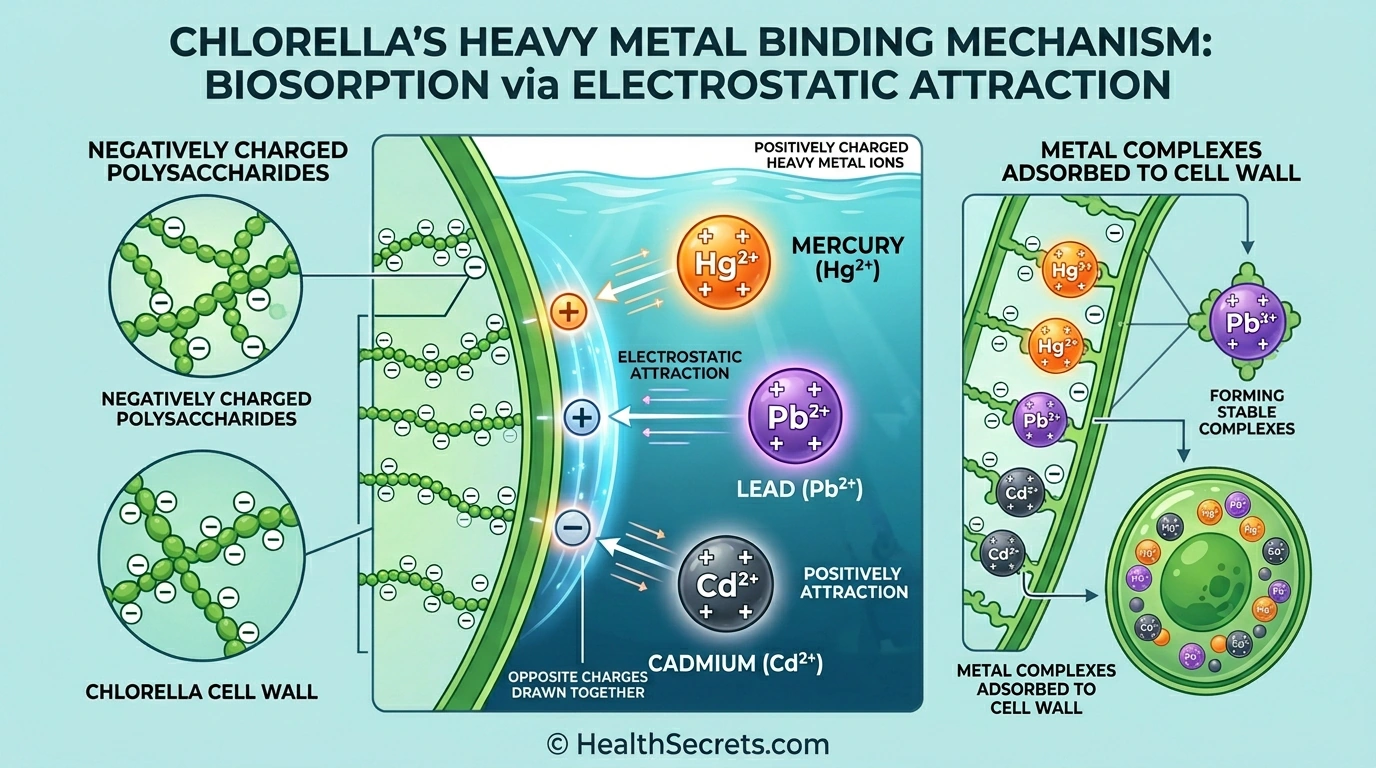
Infographic explaining how chlorella cell wall polysaccharides bind heavy metals through electrostatic attraction

Humans lack cellulase, the enzyme needed to break down cellulose. Chlorella's cell wall is made primarily of cellulose, making intact cells largely indigestible. Research confirms that more than 80% of chlorella proteins become digestible after mechanical cell wall disruption [1]. Cell wall disruption methods include mechanical milling, high-pressure processing, and enzymatic treatment [5].

When shopping for chlorella, look for labels that explicitly state "broken cell wall" or "cracked cell wall." Products without this designation likely contain intact cells with significantly reduced bioavailability — both for nutrient absorption and for heavy metal binding capacity.

How Much Chlorella Should You Take for Detox Support?

For general health maintenance, take 3–6g of broken cell wall chlorella daily in divided doses with meals. For targeted heavy metal detox protocols, doses of 6–10g daily may be used, though always start at 1–2g and increase gradually over 2–4 weeks to assess tolerance and minimize GI side effects.

Most clinical studies have used doses of 3–10g daily for periods of 2–3 months WebMD [15]. Doses up to 10–15g per day appear safe based on available evidence Examine.com [16]. Cardiovascular benefits have been observed with as little as 4g per day.

Dosing by form:

  • Powder: 1–2 teaspoons daily (1 tsp ≈ 3g) — add to smoothies, water, or juice
  • Tablets: 6–12 tablets daily (typically 500mg each) — convenient, no taste
  • Capsules: 6–12 capsules daily (typically 500mg each) — no taste, easy to swallow

Timing tips: Take with meals to improve absorption of fat-soluble nutrients and reduce nausea. Divide into 2–3 doses throughout the day rather than taking one large dose. If using for heavy metal support, consistency over months matters more than taking high single doses.

Can You Get Enough Chlorella From Food Alone?

Chlorella is not naturally found in common foods — it must be consumed as a supplement in powder, tablet, or capsule form. While chlorella is increasingly added to smoothie blends and green powders, supplementation is the only practical way to achieve therapeutic doses for detoxification support.

Visual comparison of chlorella versus spirulina showing key differences in form origin and health benefits

Some greens powders contain small amounts of chlorella, but typically at doses far below the 3–6g needed for health benefits. If you enjoy the taste (many describe it as earthy or slightly "fishy"), adding pure chlorella powder to smoothies is an effective approach. Otherwise, tablets or capsules provide the same benefits without the strong flavor.

You can also pair chlorella with chlorophyll-rich foods like spinach, parsley, wheatgrass, and spirulina for complementary benefits. In fact, combining chlorella (3g) with spirulina (3g) daily offers synergistic benefits — chlorella for detoxification and immune support, spirulina for protein and energy Healthline [17].
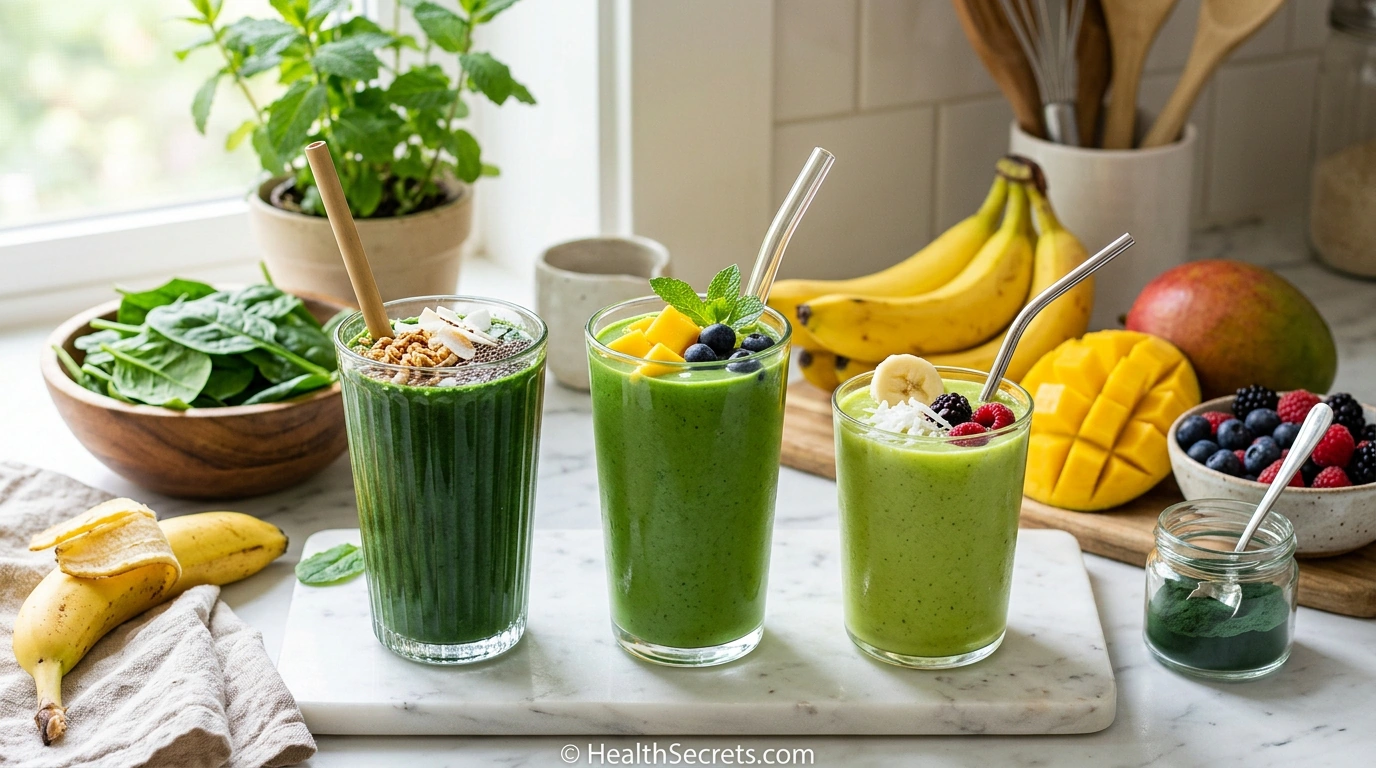
Three chlorella green smoothie recipes with fresh fruits and vegetables for masking the earthy taste

Is Chlorella Safe? What Are the Side Effects and Drug Interactions?

Chlorella is generally well-tolerated at recommended doses, with most side effects being mild and temporary — GI discomfort (nausea, diarrhea, cramping) in the first 1–2 weeks, green stools from chlorophyll (completely harmless), and occasional mild headache or fatigue as the body adjusts.

Chlorella dosing guide infographic showing recommended daily doses for beginners general health and detox protocols

A clinical trial in hepatitis C patients reported that the main side effects of chlorella supplementation were mild constipation and diarrhea, both of which resolved within the first two weeks. No patients reported abdominal pain, fever, or other serious complaints during the 12-week study [7].

Contraindications:

  • Autoimmune diseases: Chlorella stimulates immune activity (NK cells, cytokines), which may worsen symptoms of lupus, MS, or rheumatoid arthritis
  • Warfarin/blood thinners: Chlorella contains vitamin K, which can interfere with anticoagulation — monitor INR closely
  • Iodine sensitivity: Chlorella contains iodine and may affect thyroid function
  • Pregnancy/breastfeeding: Insufficient safety data — consult your doctor

Drug interactions: Chlorella may reduce the effectiveness of immunosuppressant medications. It may interfere with warfarin (vitamin K content) and thyroid medications (iodine content). Always maintain 2+ hours between chlorella and any prescription medication, and consult your healthcare provider before starting.

Quality safety note: Choose products that are third-party tested for heavy metals and microcystin contamination. Algae supplements from uncontrolled sources may paradoxically contain the very contaminants you're trying to avoid [8].

What Can Chlorella Actually Do for You — and What Are Its Limits?

Chlorella offers real, evidence-backed benefits for cardiovascular health, nutrient supplementation, and immune support, with promising but less conclusive evidence for heavy metal detoxification. Expect gradual improvements over 8–12 weeks of consistent supplementation — not overnight miracles.

Quality checklist for choosing chlorella supplements including broken cell wall organic certification and third-party testing

What the evidence strongly supports:

  • Improvements in cholesterol, blood pressure, and blood sugar markers (meta-analysis-level evidence)
  • Nutrient supplementation — protein, iron, B vitamins, chlorophyll, antioxidants
  • Immune modulation — increased NK cell activity, IgA production

What the evidence moderately supports:

  • Heavy metal binding in the GI tract (strong in animal studies, limited human data)
  • Anti-inflammatory and antioxidant effects from chlorophyll
  • Gut health support through prebiotic fiber content

What to be realistic about:

  • Most heavy metal detox evidence comes from animal studies — human clinical trials are limited
  • Chlorella supports your body's existing detox pathways but doesn't replace liver and kidney function
  • For confirmed heavy metal toxicity, medical chelation therapy (EDTA, DMSA) under physician supervision is the standard of care
  • Individual results vary based on health status, exposure levels, and supplement quality

The timeline for noticeable benefits is typically 4–8 weeks for cardiovascular markers and 2–4 weeks for digestive comfort. Heavy metal reduction, if measurable, requires consistent supplementation over 3–6 months.

What Should You Do First to Start Using Chlorella for Detox?

Start with a high-quality broken cell wall chlorella at 1–2g daily for the first week, gradually increasing to your target dose of 3–6g over 3–4 weeks. Focus on quality sourcing, consistent timing with meals, and adequate hydration to support your body's detoxification pathways.

Phase 1 — Weeks 1–2 (Start Low):

  • Choose quality chlorella: organic, broken cell wall, third-party tested
  • Start at 1–2g daily (½ tsp powder or 2–4 tablets)
  • Take with meals to improve absorption and reduce nausea
  • Drink 8–10 glasses of water daily to support detoxification
  • Monitor for GI discomfort — green stools are normal and harmless

Phase 2 — Weeks 3–4 (Increase Gradually):

  • Increase to 3–4g daily in divided doses (morning and evening)
  • Continue monitoring — symptoms should decrease as your body adjusts
  • Add liver-supportive habits: cruciferous vegetables, adequate sleep, reduced alcohol

Phase 3 — Weeks 5+ (Maintenance):

  • General health: maintain 3–6g daily
  • Heavy metal support: 6–10g daily if directed by a healthcare provider
  • Consider adding spirulina (3g) for synergistic benefits
  • Continue for 3+ months for cumulative detox support

Quality checklist before buying:

  • Label says "broken cell wall" or "cracked cell wall"
  • Organic certification (USDA or equivalent)
  • Third-party tested for heavy metals and microcystin
  • Sourced from controlled environments (Japan or Taiwan preferred)
Chlorella supplementation timeline showing gradual dose increase from weeks 1-2 through maintenance phase

Top Recommended Products

Editor's Choice

Sun Chlorella

Sun Chlorella 500mg Tablets

4.5/5 $$
01

Sun Chlorella pioneered broken cell wall processing with their DYNO-Mill technology, achieving one of the highest bioavailability rates available. Grown and processed in Japan with rigorous quality controls.

Pros

  • + Proprietary DYNO-Mill processing for superior bioavailability
  • + Japan-grown in controlled ponds
  • + decades of brand reputation
  • + extensively researched

Cons

  • - Higher price per serving than competitors

Why we included it: Sun Chlorella pioneered broken cell wall processing with their DYNO-Mill technology, achieving one of the highest bioavailability rates available. Grown and processed in Japan with rigorous quality controls.

Best for: Premium quality, maximum bioavailability Dosage: 500mg per tablet
View current price on Amazon

Retailer link opens on Amazon after the review details above

Best Value

NOW Foods

NOW Foods Chlorella 1000mg Tablets

4.5/5 $
02

NOW Foods offers reliable quality at an affordable price, with 1000mg per tablet meaning you need fewer tablets to reach therapeutic doses. Third-party tested and GMP certified.

Pros

  • + Excellent price per serving
  • + high dose per tablet means fewer tablets needed
  • + GMP certified facility
  • + widely available

Cons

  • - Less premium sourcing than Japan-grown brands

Why we included it: NOW Foods offers reliable quality at an affordable price, with 1000mg per tablet meaning you need fewer tablets to reach therapeutic doses. Third-party tested and GMP certified.

Best for: Budget-conscious daily supplementation Dosage: 1000mg per tablet
View current price on Amazon

Retailer link opens on Amazon after the review details above

Best Powder

Micro Ingredients

Micro Ingredients Organic Chlorella Powder

4.5/5 $
03

Best option for smoothie lovers who want a large supply of organic, broken cell wall chlorella at an excellent price per serving.

Pros

  • + USDA Organic certified
  • + excellent value per serving
  • + versatile for smoothies and recipes
  • + large container

Cons

  • - Strong earthy taste may require masking in smoothies
  • - less convenient than tablets for travel

Why we included it: Best option for smoothie lovers who want a large supply of organic, broken cell wall chlorella at an excellent price per serving.

Best for: Smoothies and versatile daily use Dosage: 3g per teaspoon
View current price on Amazon

Retailer link opens on Amazon after the review details above

Best Organic Tablets

Sunfood Superfoods

Sunfood Superfoods Broken Cell Wall Chlorella Tablets

4.5/5 $
04

For those who want organic certification in a convenient tablet form, Sunfood delivers quality broken cell wall chlorella with a clean ingredient list.

Pros

  • + USDA Organic certified
  • + raw and vegan
  • + reputable superfood brand
  • + high tablet count

Cons

  • - Lower dose per tablet (250mg) means more tablets needed daily

Why we included it: For those who want organic certification in a convenient tablet form, Sunfood delivers quality broken cell wall chlorella with a clean ingredient list.

Best for: Organic certification with tablet convenience Dosage: 250mg per tablet
View current price on Amazon

Retailer link opens on Amazon after the review details above

Best Cracked Cell Wall

Nested Naturals

Nested Naturals Chlorella Tablets

4.5/5 $
05

A solid mid-range option with cracked cell wall processing and a clean formula at a competitive price point.

Pros

  • + Clean label with no fillers or additives
  • + good dose per tablet
  • + affordable
  • + positive user reviews for digestion

Cons

  • - Not organic certified

Why we included it: A solid mid-range option with cracked cell wall processing and a clean formula at a competitive price point.

Best for: Clean-label cracked cell wall chlorella at a mid-range price Dosage: 500mg per tablet
View current price on Amazon

Retailer link opens on Amazon after the review details above

Best Premium Powder

Vimergy Organic

Vimergy Organic Chlorella Powder

4.5/5 $$
06

A premium-quality organic chlorella powder trusted by practitioners, with rigorous testing and clean sourcing.

Pros

  • + High purity
  • + USDA Organic
  • + popular among health practitioners
  • + Kosher certified
  • + no additives

Cons

  • - Premium pricing
  • - smaller container than some competitors

Why we included it: A premium-quality organic chlorella powder trusted by practitioners, with rigorous testing and clean sourcing.

Best for: Health practitioners and quality-focused consumers Dosage: 3g per teaspoon
View current price on Amazon

Retailer link opens on Amazon after the review details above

Best Combo

Chlorella Spirulina

Chlorella Spirulina Combination Tablets

4.5/5 $
07

Perfect for those who want both chlorella's detox benefits and spirulina's protein and energy support in a single convenient supplement.

Pros

  • + Combines both algae for synergistic benefits
  • + convenient single product
  • + good value

Cons

  • - Lower individual dose of each algae means more tablets needed
  • - not organic

Why we included it: Perfect for those who want both chlorella's detox benefits and spirulina's protein and energy support in a single convenient supplement.

Best for: Synergistic detox and energy support Dosage: 500mg per tablet (250mg chlorella + 250mg spirulina)
View current price on Amazon

Retailer link opens on Amazon after the review details above

Best Capsules

Chlorella Capsules

Chlorella Capsules — Broken Cell Wall

4.5/5 $
08

The best option for those who can't tolerate the taste of chlorella powder or tablets — capsules provide the same broken cell wall benefits with zero flavor.

Pros

  • + No taste or aftertaste
  • + broken cell wall
  • + easy to swallow
  • + vegan capsule shell

Cons

  • - Slightly higher cost per serving than tablets
  • - fewer options for dosing flexibility

Why we included it: The best option for those who can't tolerate the taste of chlorella powder or tablets — capsules provide the same broken cell wall benefits with zero flavor.

Best for: Those who prefer capsule form with no taste Dosage: 500mg per capsule
View current price on Amazon

Retailer link opens on Amazon after the review details above

Further Reading

Further Reading

"Chlorella: Natural Medicinal Algae"

by David Steenblock

Comprehensive review of chlorella studies; practical dosing protocols; understanding of cell wall processing; guidance on quality assessment

Why it adds value here

One of the most cited books on chlorella supplementation, covering the science of heavy metal binding, immune modulation, and nutrient density from a medical perspective.

Best for: Readers wanting a thorough overview of chlorella research, mechanisms, and clinical applications

View book details

Further Reading

"The Detox Strategy: Vibrant Health in 5 Easy Steps"

by Brenda Watson

Step-by-step detox protocols; understanding of toxin exposure sources; guidance on supplement integration including chlorella; dietary and lifestyle strategies

Why it adds value here

Provides the broader detox context in which chlorella supplementation is most effective, helping readers understand how chlorella fits into a comprehensive cleansing program.

Best for: Readers wanting a practical, whole-body detox framework that integrates chlorella with lifestyle changes

View book details

AEO FAQ

Frequently Asked Questions

15 common questions answered

Chlorella is a freshwater green algae with a tough cell wall that binds heavy metals, while spirulina is a saltwater blue-green algae (cyanobacteria) without a cell wall that's better for protein and energy. For detoxification specifically, chlorella is the stronger choice due to its cell wall polysaccharides that chelate mercury, lead, and cadmium. Spirulina is higher in protein (60–70% vs. 50–60%) and easier to digest. You can take both together (3g each daily) for synergistic benefits.

Broken cell wall chlorella has approximately 80% bioavailability compared to only 40% for intact cell wall forms. Humans lack cellulase, the enzyme needed to digest chlorella's cellulose cell wall. Without mechanical or enzymatic processing, most nutrients stay trapped inside the cell and pass through unabsorbed. Always look for "broken cell wall" or "cracked cell wall" on the label.

Most people notice digestive improvements within 2–4 weeks and cardiovascular marker improvements within 8–12 weeks. For heavy metal reduction, consistent supplementation over 3–6 months is typically needed. Start with 1–2g daily and gradually increase to your target dose over 2–4 weeks.

Chlorella binds heavy metals in the gastrointestinal tract through electrostatic attraction, preventing absorption and facilitating fecal excretion. Animal studies show reductions of 20–40% in body burden over time. However, most evidence comes from animal models and human clinical trials are limited. For confirmed heavy metal toxicity, medical chelation therapy under physician supervision remains the standard of care.

Yes, chlorella appears safe for daily long-term use at doses of 3–10g per day based on available research. Doses up to 15g per day appear safe. The most common side effects — mild GI discomfort and green stools — typically resolve within the first two weeks of starting.

Yes, chlorella can interact with several medications. Its vitamin K content may interfere with warfarin and other blood thinners. Its immune-stimulating properties may reduce the effectiveness of immunosuppressant drugs. Its iodine content may affect thyroid medications. Always take chlorella at least 2 hours away from medications and consult your healthcare provider.

Take chlorella with meals for best results. Food improves absorption of fat-soluble nutrients (beta-carotene, chlorophyll) and significantly reduces nausea and GI discomfort. Dividing your daily dose into 2–3 portions taken with meals is more effective than one large dose.

Green stools from chlorella are completely normal and harmless. They're caused by the high chlorophyll content (3–5%) passing through your digestive system. This is not a sign of a problem and the color will return to normal if you stop supplementation.

There is insufficient safety data for chlorella use during pregnancy and breastfeeding. While chlorella is nutritionally dense, the lack of well-controlled human studies means it's best to avoid supplementation or consult your OB-GYN before starting.

Look for five key quality markers: broken cell wall processing (essential for bioavailability), organic certification (USDA or equivalent), third-party testing for heavy metals and microcystin, sourcing from controlled environments (Japan or Taiwan preferred), and a reputable brand with transparent testing results.

People with autoimmune diseases should consult their doctor before taking chlorella. Chlorella stimulates immune function by increasing NK cell activity and cytokine production, which could potentially worsen autoimmune conditions like lupus, multiple sclerosis, or rheumatoid arthritis.

All forms are equally effective as long as they use broken cell wall processing. Powder is the most versatile and cost-effective for smoothies, tablets are convenient and pre-dosed, and capsules eliminate any taste. Choose based on your lifestyle and preferences.

Chlorella contains prebiotic fiber that feeds beneficial gut bacteria like Lactobacillus and Bifidobacterium, supporting microbiome diversity. It may also support gut barrier integrity and reduce intestinal inflammation. These gut health benefits are complementary to its detoxification properties.

Yes, chlorella and spirulina work synergistically when taken together. A common combination is 3g chlorella plus 3g spirulina daily. Chlorella contributes heavy metal binding and chlorophyll, while spirulina adds extra protein, phycocyanin antioxidants, and energy support.

Both bind toxins in the GI tract, but through different mechanisms. Chlorella uses electrostatic attraction from its cell wall polysaccharides and also provides significant nutrition (protein, vitamins, minerals). Activated charcoal binds via physical adsorption and provides zero nutritional value. Chlorella is suitable for daily long-term use, while activated charcoal is typically used short-term and can bind medications and nutrients indiscriminately.

Was this article helpful?

Written & Reviewed By Experts

DS

Author

Dr. Steven Park

DS

Medical Reviewer

Dr. Sarah Chen

All content is evidence-based, peer-reviewed by qualified professionals, and updated regularly. Our editorial team follows strict guidelines for accuracy and transparency.

References & Citations

20 sources cited

1
Bito T, et al. (2020). Potential of Chlorella as a Dietary Supplement to Promote Human Health. Nutrients. View
2
Kim M, et al. (2009). Effect of Chlorella vulgaris intake on cadmium detoxification in rats fed cadmium. Nutrition Research and Practice. View
3
Merino JJ, et al. (2019). Long-Term Algae Extract Supplementation Modulates SOD-1 Activity and Decreases Heavy Metals in Patients with Dental Amalgams. Antioxidants. View
4
Tenza NP, et al. (2025). Unlocking the potential of Chlorella sp. biomass for heavy metals removal from wastewater. Frontiers in Environmental Chemistry. View
5
Canelli G, et al. (2022). Insights into cell wall disintegration of Chlorella vulgaris. Biotechnology for Biofuels and Bioproducts. View

Medical Disclaimer

This article is for informational purposes only and does not constitute medical advice. Read the full medical disclaimer. Always consult with a qualified healthcare provider before starting any new supplement, treatment, or major dietary change.