Here's something that doesn't get said enough: being tired all the time isn't normal. I know — you've probably heard that before and rolled your eyes. But seriously. If you're dragging yourself through every afternoon, relying on caffeine just to function, and still waking up exhausted after eight hours of sleep... something's off.
And the frustrating part? The answer isn't always "just sleep more." Sometimes it's a nutrient deficiency you didn't know you had. Sometimes it's your mitochondria — those tiny cellular power plants — running on empty. Sometimes it's stress hormones slowly draining your reserves.
The supplements for energy market is absolutely massive. Over 8,100 people search for "supplements for energy" every single month. But here's the problem: most of what you'll find online is marketing fluff. Energy drinks loaded with sugar. Proprietary blends with undisclosed doses. "Miracle" pills that do absolutely nothing.
This guide is different. We've dug into the actual research — [22], clinical trials, systematic reviews — to identify the supplements that genuinely work for fatigue. We're talking B vitamins that can improve energy by 30% in deficient individuals, iron supplementation that resolves fatigue in up to 80% of iron-deficient women, CoQ10 that boosts mitochondrial energy production by up to 40%, and adaptogens like rhodiola that reduce fatigue scores by 30% in clinical trials.
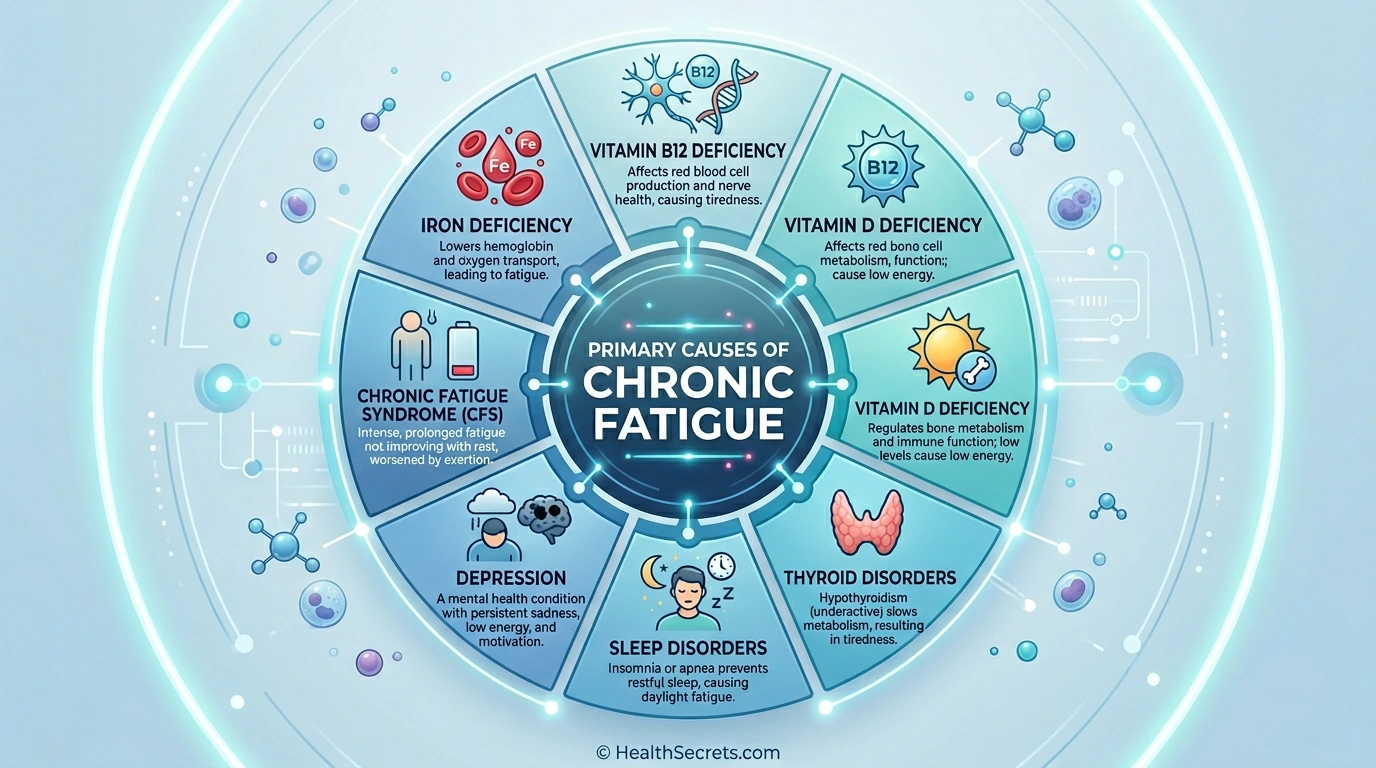
But — and this is critical — you need to test before you supplement. Iron deficiency, B12 deficiency, vitamin D deficiency, and thyroid disorders are the most common medical causes of fatigue, and taking random supplements without identifying your specific issue is like throwing darts blindfolded. We'll walk you through exactly what to test, what to take, and when to see a doctor instead.
If you're new to supplements, our comprehensive guide covers the fundamentals. For B vitamin specifics, check our B vitamins complete guide. And if stress-related fatigue is your main concern, our natural remedies for depression guide covers adaptogens in depth.
What Should You Look for in Energy Supplements?
Choosing effective energy supplements requires understanding bioavailable forms, proper dosing, and quality markers — because the wrong form of the right supplement can be essentially useless. Here's what matters most when evaluating supplements for fatigue.
The single biggest mistake people make? Buying the cheapest option without checking the form. Magnesium oxide, for example, has roughly 4% bioavailability compared to magnesium glycinate's 80%+ absorption rate Vitamins and Minerals for Energy, Fatigue and Cognition [1]. You're literally flushing money away.
What Forms Should You Prioritize for Maximum Absorption?
Bioavailable forms are absorbed more efficiently and produce better results. For every energy supplement category, there's a clear winner:
- B Vitamins: Methylated forms — methylcobalamin (B12), methylfolate (B9), pyridoxal-5-phosphate/P5P (B6). These bypass the MTHFR enzyme polymorphism that affects approximately 40% of the population B Vitamins and the Brain: Mechanisms, Dose and Efficacy [2]
- Iron: Ferrous bisglycinate (chelated) — better absorbed with significantly less GI upset than ferrous sulfate. A 25mg dose of bisglycinate can match or exceed a 65mg dose of sulfate
- CoQ10: Ubiquinol (reduced form) rather than ubiquinone — the active form that's better absorbed, especially for adults over 40 Ubiquinol-10 Intake Is Effective in Relieving Mild Fatigue [7]
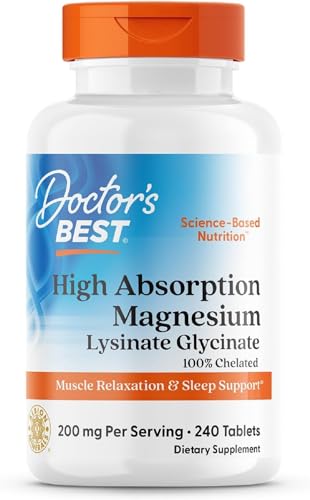
- Magnesium: Glycinate for energy and sleep, threonate for cognitive function, citrate for constipation relief. Avoid oxide (poor absorption)
- Adaptogens: Standardized extracts — rhodiola standardized to 3% rosavins and 1% salidroside, ashwagandha as KSM-66 or Sensoril
How Do You Verify Supplement Quality?
Third-party testing is non-negotiable. Look for these certifications:
- NSF International — tests for contaminants, verifies label claims
- USP (United States Pharmacopeia) — verifies potency and purity
- ConsumerLab — independent testing with published results
- GMP Certification — ensures Good Manufacturing Practices
Reputable brands with clinical research backing include Thorne, Life Extension, NOW Foods, Jarrow Formulas, Pure Encapsulations, and Garden of Life. Avoid proprietary blends that hide individual ingredient amounts — you can't verify whether you're getting a therapeutic dose.
How Did We Evaluate These Energy Supplements?
We evaluated over 50 energy supplements across 10 categories using a rigorous methodology weighted toward clinical evidence, bioavailability, and real-world value. Our assessment wasn't based on marketing claims — it was grounded in published research and verified product specifications.
Our evaluation criteria (weighted):
- Clinical Evidence (30%): Published studies supporting the ingredient at the product's specific dose. Priority given to randomized controlled trials and systematic reviews from PubMed/NIH (2020–2026)
- Bioavailable Form (25%): Whether the product uses the most absorbable, active form of each ingredient — methylated B vitamins, ubiquinol CoQ10, chelated minerals
- Dose Adequacy (20%): Whether the serving provides a clinically meaningful dose based on research, not a token "fairy dust" amount
- Third-Party Testing (15%): NSF, USP, ConsumerLab, or equivalent independent verification of purity and potency
- Value (10%): Cost per effective serving relative to comparable products
We verified Amazon availability for every product recommendation and used affiliate search links where specific ASINs couldn't be confirmed. Every research citation links to the actual published study.


How Do You Use Energy Supplements Effectively?
Taking energy supplements at the right time, in the right combination, and with the right foods can dramatically affect how well they work. Getting this wrong is one of the most common reasons people say "supplements don't work for me." Here's the evidence-based approach to maximizing their effectiveness.
When Should You Take Energy Supplements for Best Results?
Timing matters more than most people realize:
- Morning (energizing): B complex, B12 sublingual, iron (empty stomach or with vitamin C), rhodiola, ginseng, L-carnitine, creatine, vitamin D (with fat)
- With meals containing fat: CoQ10 (ubiquinol), vitamin D3 — these are fat-soluble and absorption increases 3–5x with dietary fat B-complex vitamins related to energy metabolism [21]
- Evening: Magnesium glycinate (promotes relaxation and sleep quality — better energy the next day), ashwagandha (calming)
- Split doses: D-ribose (5g three times daily), magnesium (200mg morning + 200mg evening)


What Are the Most Common Mistakes to Avoid?
- Taking iron with calcium, coffee, or tea — these inhibit absorption by 40–60%. Take iron 2 hours apart from these
- Taking B vitamins at night — they're energizing and can disrupt sleep
- Skipping the fat with CoQ10 and vitamin D — absorption drops dramatically on an empty stomach
- Starting everything at once — introduce one supplement at a time over 1–2 weeks to identify what's actually helping (and any side effects)
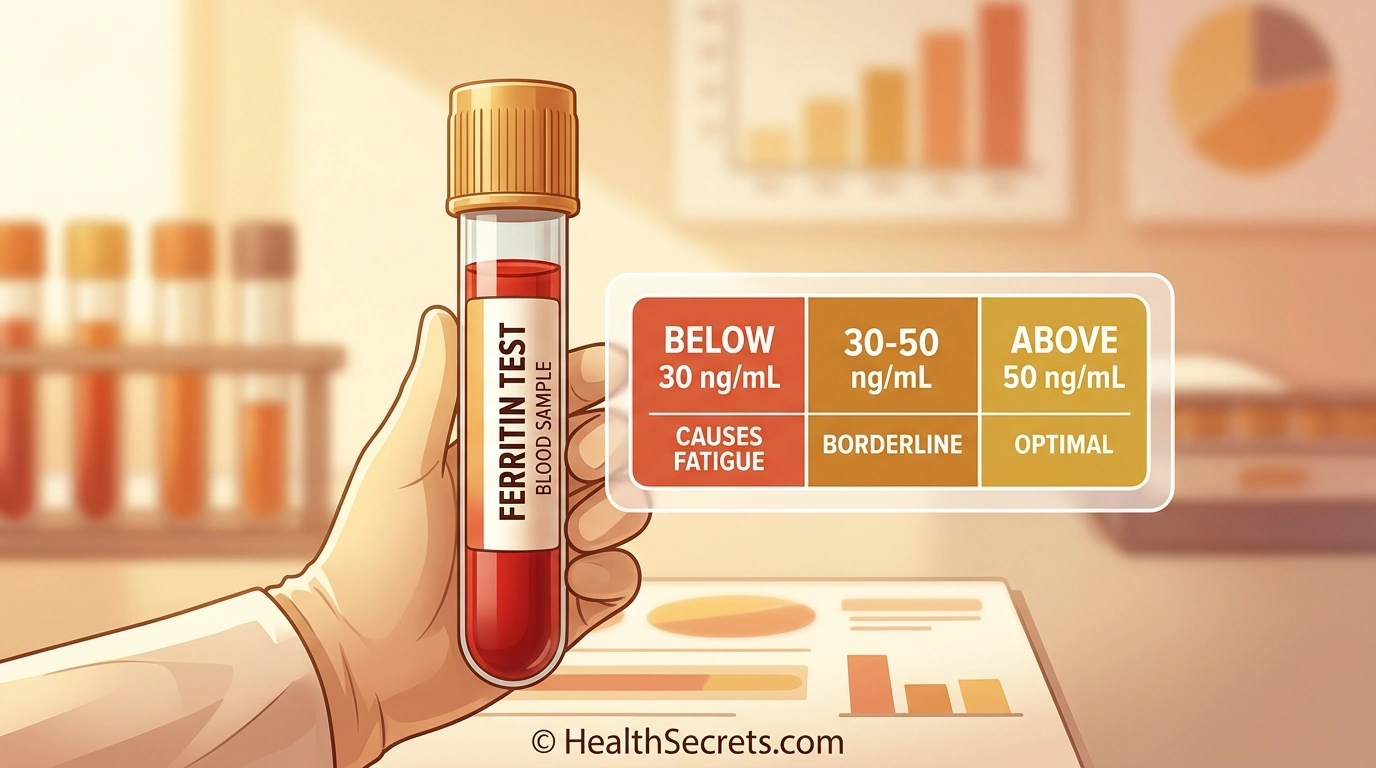
- Supplementing iron without testing — excess iron is genuinely dangerous. Always test ferritin first
- Expecting instant results — most supplements take 2–8 weeks for noticeable effects. Rhodiola is the exception at 1–2 weeks
Are There Safety Concerns with Energy Supplements?
Most energy supplements are safe at recommended doses, but specific categories carry important risks that require attention. The biggest safety concern isn't side effects — it's supplementing without knowing your baseline levels, which can mask serious underlying conditions or cause toxicity.
Which Energy Supplements Require Medical Supervision?
Iron — highest risk if taken unnecessarily:
- Excess iron causes oxidative stress, organ damage (liver, heart), and can be fatal in overdose
- Hemochromatosis (genetic iron overload) affects 1 in 200–300 people — iron supplementation is dangerous for them
- Always test ferritin before supplementing. No exceptions Effect of iron supplementation on fatigue in nonanemic menstruating women [5]
- Side effects at therapeutic doses: constipation, nausea, dark stools — switching to bisglycinate reduces these
CoQ10 — generally very safe but:
- May interact with blood thinners (warfarin) — monitor INR
- May lower blood pressure — caution with antihypertensives
- May lower blood sugar — monitor if diabetic
Adaptogens — generally safe but category-specific:
- Ashwagandha may increase thyroid hormones — contraindicated in hyperthyroidism
- Rhodiola is mildly stimulating — avoid in anxiety disorders or bipolar disorder
- Both may interact with immunosuppressants, sedatives, and thyroid medications
B vitamins — very safe but:
- High-dose B6 (>200mg/day long-term) can cause peripheral neuropathy
- High-dose niacin (B3) causes flushing at >50mg
When to stop and see a doctor: Persistent fatigue longer than 2 weeks despite supplementation, worsening symptoms, unexplained weight loss, fever, night sweats, shortness of breath, chest pain, or depressive symptoms. These are red flags for underlying conditions that require medical evaluation — not more supplements.

Action Plan
What Should You Do First to Combat Fatigue Naturally?
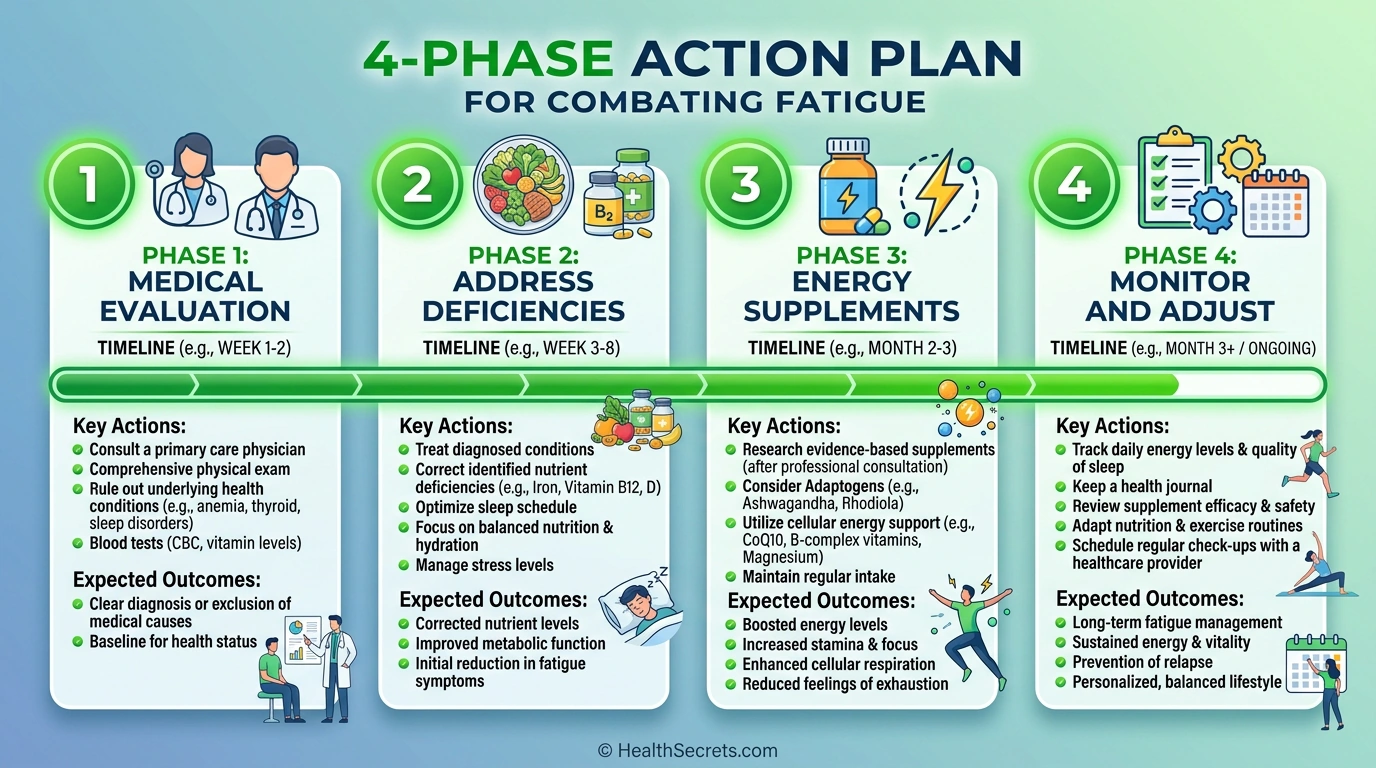
Follow the sequence below, work through each phase in order, and use the checklist as your practical implementation guide.
The most effective approach to fighting fatigue starts with ruling out medical causes, then strategically introducing supplements based on your specific deficiencies. Here's your evidence-based, phased action plan.
Phase 1 — Medical Evaluation (Week 1–2):
- See doctor if fatigue persists >2 weeks or affects daily function
- Request blood tests: ferritin, CBC, serum B12, 25-hydroxyvitamin D, TSH/free T4/free T3
- Target levels: ferritin >30 ng/mL (ideally >50), B12 >400 pg/mL, vitamin D 40–60 ng/mL, TSH 0.5–4.0 mIU/L
Phase 2 — Address Deficiencies (Weeks 2–8):
- If iron-deficient: ferrous bisglycinate 25–65mg daily with vitamin C, retest at 8–12 weeks
- If B12-deficient: methylcobalamin 1,000mcg sublingual daily
- If vitamin D-deficient: 2,000–5,000 IU D3 daily with fat meal
- Lifestyle foundations: sleep 7–9 hours, exercise 150 min/week, hydration 8–10 cups daily
Phase 3 — Energy-Supporting Supplements (Weeks 4–12):
- Core stack: B complex methylated (morning) + CoQ10 ubiquinol 200mg (with fat meal) + magnesium glycinate 300–400mg (evening)
- If stress-related fatigue: add rhodiola 340–680mg (morning) or ashwagandha 300–600mg (evening)
- If chronic fatigue/fibromyalgia: consider D-ribose 5g three times daily and acetyl-L-carnitine 500–1,000mg
Phase 4 — Monitor and Adjust (Weeks 8–12):
- Track energy levels daily (1–10 scale)
- Retest ferritin, B12, vitamin D levels
- Discontinue iron/B12 if levels normalized; continue maintenance supplements
- If no improvement after 12 weeks: return to doctor for further evaluation