
You wake up with a pounding headache, a stomach that won't settle, and a firm conviction that last night's "just one more" was a terrible idea. Sound familiar? Hangovers affect millions of people, and despite centuries of folk remedies, most of us still fumble through recovery with coffee and regret.
But here's what's actually happening inside your body: alcohol metabolism produces acetaldehyde — a compound 10 to 30 times more toxic than alcohol itself — while simultaneously dehydrating you, depleting your electrolytes, triggering inflammation, and crashing your blood sugar. That's a lot of damage from a few drinks.
The good news? Natural remedies for hangover recovery can target each of these mechanisms. NAC (N-acetylcysteine) supports glutathione production to help your liver process acetaldehyde. B vitamins replenish what alcohol drains from your system. Electrolytes restore hydration more effectively than water alone. Milk thistle protects liver cells from oxidative damage. And ginger — the oldest anti-nausea remedy in the book — actually has solid research behind it.
That said, no supplement erases the effects of excessive drinking. Prevention strategies like pacing your drinks, staying hydrated, and eating before drinking are still your best defense. And if you're dealing with severe symptoms — confusion, seizures, or vomiting blood — that's a medical emergency, not a hangover.
This guide walks you through a step-by-step hangover recovery protocol, backed by research and organized so you can start feeling better as quickly as possible.
Related reading: complete detox and cleanse guide | milk thistle and liver health | glutathione master antioxidant guide
What Do You Need to Know Before Treating a Hangover Naturally?
Understanding hangover pathophysiology helps you target the right remedies. Hangovers aren't caused by one thing — they result from at least seven simultaneous processes, and effective recovery addresses multiple mechanisms at once. Most people can begin this protocol immediately upon waking, though anyone with chronic health conditions or taking medications should consult a healthcare provider first.
Your liver converts alcohol into acetaldehyde through alcohol dehydrogenase (ADH), then into harmless acetate through aldehyde dehydrogenase (ALDH2). When you drink more than your liver can process — roughly one standard drink per hour — acetaldehyde accumulates. This toxic intermediate causes nausea, headache, and inflammation. Meanwhile, alcohol suppresses antidiuretic hormone (ADH/vasopressin), causing your kidneys to flush fluid and electrolytes. Add in inflammatory cytokines (IL-6, TNF-alpha), depleted glutathione, crashed blood sugar from impaired gluconeogenesis, disrupted REM sleep, and congeners from darker spirits — and you've got the full hangover picture.
The National Institute on Alcohol Abuse and Alcoholism (NIAAA) [10] notes that hangover symptoms include fatigue, weakness, thirst, headache, muscle aches, nausea, stomach pain, vertigo, sensitivity to light and sound, anxiety, irritability, sweating, and increased blood pressure.
Expected timeline: Most hangovers resolve within 24 hours. The remedies in this guide can help shorten that window and reduce symptom severity, but they are not cures.

How Do You Rehydrate Effectively with Electrolytes After Drinking?
Rehydration with electrolytes is the foundation of hangover recovery because alcohol acts as a diuretic that depletes both fluids and essential minerals. Drinking 16–32 oz of an electrolyte-containing beverage upon waking replaces lost sodium, potassium, and magnesium more effectively than water alone, directly addressing headache, fatigue, and dizziness.
Alcohol suppresses vasopressin (antidiuretic hormone), which tells your kidneys to retain water. Without it, your kidneys flush fluid at an accelerated rate — taking sodium, potassium, magnesium, and chloride with it. Plain water helps, but it doesn't replace the minerals you've lost. That's why you can drink glass after glass and still feel terrible.
What Are the Best Electrolyte Sources for Hangover Recovery?
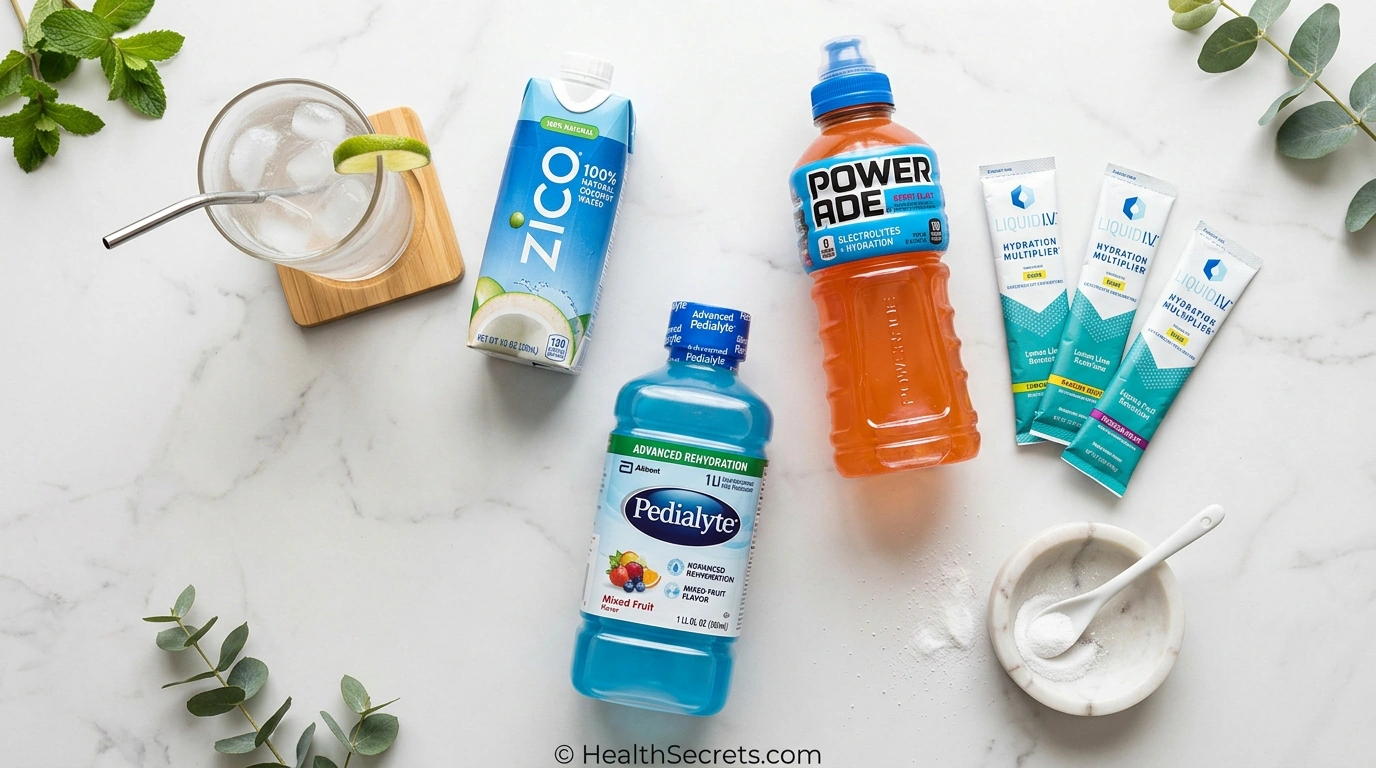
Oral rehydration solutions (like Pedialyte or WHO-formula ORS) provide the optimal sodium-to-glucose ratio for absorption. Coconut water offers a natural alternative with roughly 600 mg potassium per cup. Electrolyte powders (LMNT, Liquid IV, Nuun) dissolve in water for convenient dosing. Sports drinks work but contain more sugar than necessary.
Protocol:
- Upon waking: 16–32 oz electrolyte beverage (sip, don't chug)
- Throughout the day: Continue sipping electrolyte-enhanced water
- Avoid excessive caffeine initially — coffee is a mild diuretic and may worsen dehydration
- If you can't keep fluids down for more than 24 hours, seek medical attention for possible IV rehydration
How Does NAC Support Your Body's Alcohol Detoxification?
NAC (N-acetylcysteine) is a precursor to glutathione, your liver's master antioxidant that plays a central role in neutralizing acetaldehyde. Taking 600–1,200 mg of NAC either before drinking or the morning after helps replenish glutathione stores that alcohol rapidly depletes, potentially reducing oxidative stress on liver cells.
Here's the biochemistry: your liver uses glutathione to bind and neutralize acetaldehyde, the toxic intermediate of alcohol metabolism. Heavy drinking overwhelms this system, depleting glutathione reserves and allowing acetaldehyde to accumulate. NAC provides the rate-limiting amino acid (cysteine) for glutathione synthesis.
The clinical evidence is nuanced. A [2] (Coppersmith et al.) evaluated NAC 600–1,800 mg for hangover prevention and found no statistically significant overall benefit, though female participants showed significant reductions in nausea and weakness. A [3] (Podobnik et al.) found NAC did not significantly alleviate overall hangover symptoms from binge drinking, though it did influence oxidative stress biomarkers.
Despite mixed hangover-specific results, NAC's role in glutathione replenishment and liver protection is well-established in toxicology — it's the standard hospital treatment for acetaminophen overdose precisely because of its glutathione-restoring capacity.
Protocol:
- Preventive: 600 mg NAC 30–60 minutes before drinking
- Recovery: 600–1,200 mg upon waking
- Do not combine NAC with acetaminophen (Tylenol) and alcohol — this combination is dangerous

How Do B Vitamins Help Your Body Process Alcohol?
B vitamins — particularly thiamine (B1), pyridoxine (B6), and cobalamin (B12) — serve as essential cofactors for the enzymes that metabolize alcohol, and alcohol consumption actively depletes your B vitamin stores. Taking a B-complex supplement (50–100 mg) supports the metabolic pathways your body needs to clear alcohol byproducts and restore energy production.
Alcohol interferes with B vitamin absorption in the gut and increases urinary excretion. Thiamine (B1) is especially vulnerable — it's critical for the pyruvate dehydrogenase complex involved in energy metabolism, and severe depletion can lead to Wernicke encephalopathy, a serious neurological condition seen in chronic alcohol use. Research published in [4] confirms that alcohol abuse leads to significant vitamin deficiencies that develop rapidly and compound liver damage.
The direct evidence for B vitamins as a standalone hangover cure is limited. A [17] found that a multivitamin containing B vitamins did not show statistically significant hangover prevention. However, replenishing depleted B vitamins supports the enzymatic machinery your body relies on for alcohol metabolism and energy production, which is why many practitioners still recommend B-complex supplementation around alcohol consumption.
Protocol:
- B-complex 50–100 mg before drinking or upon waking
- Or individually: B1 (100 mg), B6 (50 mg), B12 (1,000 mcg)
- Take with food to improve absorption and reduce stomach irritation
See also: B vitamins complete guide
How Does Ginger Reduce Hangover Nausea and Stomach Upset?
Ginger (Zingiber officinale) contains gingerols and shogaols — bioactive compounds with well-documented anti-nausea and anti-inflammatory properties. Taking 1 g of ginger via tea, capsules, or fresh root can significantly reduce the nausea and stomach upset that accompany hangovers, making it one of the most practical morning-after remedies.
A [7] confirmed ginger's antiemetic effects across multiple conditions. While direct hangover-specific trials are limited, ginger's mechanisms — including serotonin receptor antagonism in the GI tract and anti-inflammatory activity that reduces gastric irritation — directly address hangover-related nausea and stomach inflammation caused by alcohol's effect on the gastric lining.
Research on ginger's effectiveness [8] for pregnancy and chemotherapy-induced nausea consistently shows it outperforms placebo, and it has also been used traditionally as a hangover remedy in Asian cultures, with emerging preclinical evidence supporting anti-withdrawal properties.
Protocol:
- Ginger tea: Steep 1-inch fresh ginger root (grated) in hot water for 5–10 minutes. Drink 2–3 cups as needed.
- Ginger capsules: 500–1,000 mg upon waking
- Fresh ginger: Chew a small piece or add to a smoothie
- Pairs well with honey and lemon for additional blood sugar and vitamin C support

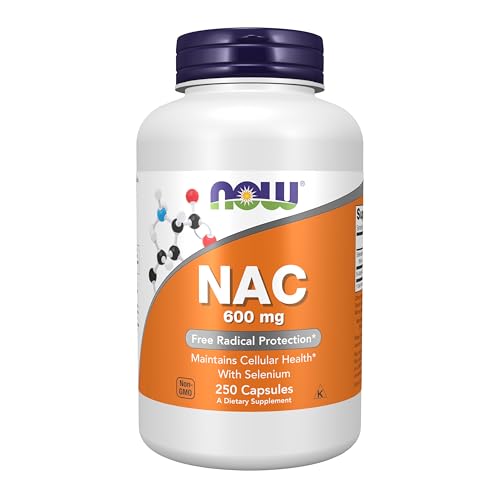
NOW Foods NAC 600mg
Best OverallNOW Foods · Glutathione replenishment and acetaldehyde detoxification support
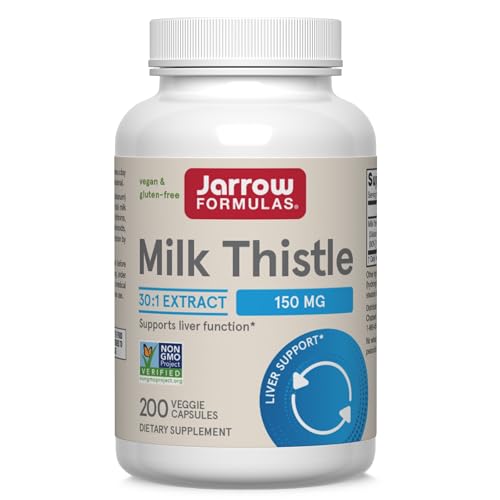
Jarrow Formulas Milk Thistle 150mg
Best for Liver SupportJarrow Formulas · Liver cell protection and alcohol-related oxidative stress
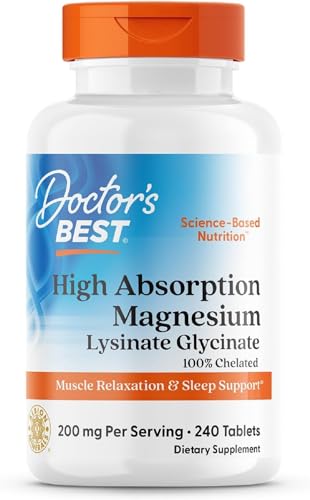
Doctor's Best High Absorption Magnesium Glycinate 200mg
Best for Headache ReliefDoctor's Best · Hangover headaches, muscle tension, and magnesium replenishment
LMNT Zero-Sugar Electrolyte Powder
Best for RehydrationLMNT Zero-Sugar · Rapid electrolyte replacement and hangover rehydration
Thorne B-Complex #6
Best B-ComplexThorne B-Complex · Replenishing alcohol-depleted B vitamins and supporting ethanol metabolism
Ginger Root Capsules 1,100mg (Nature's Way)
Best for NauseaGinger Root · Hangover-related nausea, stomach upset, and digestive discomfort
Read the detailed review cards below before opening any retailer link
Top Recommended Products
NOW Foods
NOW Foods NAC 600mg
NOW Foods NAC provides the exact 600 mg dose used in clinical research, at one of the lowest per-capsule costs on the market. It's the foundational supplement in any hangover recovery protocol for its glutathione-boosting capacity.
Pros
- + Excellent dosing for hangover protocol
- + well-researched glutathione precursor
- + highly affordable per serving
- + trusted brand with GMP certification
Cons
- - Large capsule size may be difficult to swallow on an upset stomach
Why we included it: NOW Foods NAC provides the exact 600 mg dose used in clinical research, at one of the lowest per-capsule costs on the market. It's the foundational supplement in any hangover recovery protocol for its glutathione-boosting capacity.
Retailer link opens on Amazon after the review details above
Jarrow Formulas
Jarrow Formulas Milk Thistle 150mg
Jarrow's milk thistle delivers pharmaceutical-grade silymarin standardization at a dose matching research protocols. For anyone who drinks regularly, daily milk thistle is one of the best liver-protective habits available.
Pros
- + Gold-standard silymarin standardization at 80%
- + excellent value with 200-count bottle
- + clinically relevant 150 mg dose
- + vegan-friendly
Cons
- - Best results require consistent daily use rather than occasional use
Why we included it: Jarrow's milk thistle delivers pharmaceutical-grade silymarin standardization at a dose matching research protocols. For anyone who drinks regularly, daily milk thistle is one of the best liver-protective habits available.
Retailer link opens on Amazon after the review details above
Doctor's Best
Doctor's Best High Absorption Magnesium Glycinate 200mg
Magnesium glycinate is the ideal form for hangover recovery because it's well-absorbed and doesn't cause the loose stools that magnesium citrate or oxide can — the last thing you need during a hangover.
Pros
- + Glycinate form is gentle on hangover-sensitive stomachs
- + chelated for superior absorption
- + affordable per serving
- + large 240-count bottle
Cons
- - Need 2 tablets for full 200 mg dose
Why we included it: Magnesium glycinate is the ideal form for hangover recovery because it's well-absorbed and doesn't cause the loose stools that magnesium citrate or oxide can — the last thing you need during a hangover.
Retailer link opens on Amazon after the review details above
LMNT Zero-Sugar
LMNT Zero-Sugar Electrolyte Powder
LMNT's high-sodium formulation directly addresses the primary electrolyte lost through alcohol's diuretic effect. The zero-sugar formula avoids the blood sugar roller coaster that sugary sports drinks can cause during hangover recovery.
Pros
- + High sodium content addresses alcohol-induced depletion effectively
- + zero sugar avoids blood sugar spikes
- + multiple flavor options
- + convenient single-serve packets
Cons
- - Premium price point compared to generic electrolyte powders
Why we included it: LMNT's high-sodium formulation directly addresses the primary electrolyte lost through alcohol's diuretic effect. The zero-sugar formula avoids the blood sugar roller coaster that sugary sports drinks can cause during hangover recovery.
Retailer link opens on Amazon after the review details above
Thorne B-Complex
Thorne B-Complex #6
Thorne uses bioactive forms of B vitamins (methylfolate instead of folic acid, methylcobalamin instead of cyanocobalamin), which means your body can use them immediately — especially important when alcohol has already impaired nutrient metabolism.
Pros
- + Uses active B vitamin forms (no synthetic folic acid)
- + NSF Certified for Sport purity testing
- + includes all essential B vitamins
- + trusted by practitioners
Cons
- - Higher price than generic B-complex supplements
Why we included it: Thorne uses bioactive forms of B vitamins (methylfolate instead of folic acid, methylcobalamin instead of cyanocobalamin), which means your body can use them immediately — especially important when alcohol has already impaired nutrient metabolism.
Retailer link opens on Amazon after the review details above
Ginger Root
Ginger Root Capsules 1,100mg (Nature's Way)
Nature's Way ginger provides a clinically relevant dose of 1,100 mg per serving, backed by systematic reviews confirming ginger's anti-nausea effects. The TRU-ID certification ensures you're getting authentic ginger root.
Pros
- + Effective dose matching clinical research recommendations
- + TRU-ID certification verifies botanical identity
- + affordable
- + 90-serving bottle
Cons
- - Contains ginger root powder rather than standardized extract
Why we included it: Nature's Way ginger provides a clinically relevant dose of 1,100 mg per serving, backed by systematic reviews confirming ginger's anti-nausea effects. The TRU-ID certification ensures you're getting authentic ginger root.
Retailer link opens on Amazon after the review details above
How Does Milk Thistle Protect Your Liver After Drinking?
Milk thistle (Silybum marianum) contains silymarin, a flavonolignan complex with antioxidant and anti-inflammatory properties that protect liver cells from alcohol-induced damage. Taking 150 mg of standardized silymarin (70–80% concentration) supports liver detoxification pathways and may help your liver recover more efficiently after alcohol exposure.
Silymarin works through multiple mechanisms: it stabilizes hepatocyte cell membranes to prevent toxin entry, scavenges free radicals generated during alcohol metabolism, and stimulates protein synthesis in liver cells to support regeneration. A study published in [5] demonstrated that silymarin attenuated acute ethanol-induced hepatotoxicity in animal models by reducing lipid peroxidation, restoring glutathione levels, and decreasing TNF-alpha production.
Cell-line research from ScienceDirect [12] confirmed that silibinin (a key component of silymarin) improved cell viability and reduced enzyme markers of liver damage in ethanol-treated liver cells. The [16] of milk thistle for liver disease noted that while evidence for mortality reduction in high-quality trials was not significant, milk thistle showed a good safety profile and some improvement in liver function markers.
Protocol:
- 150 mg silymarin (standardized 70–80%), 2–3 times daily
- Especially beneficial if taken regularly by those who drink frequently
- Morning after: Take with food for best absorption
- Milk thistle and liver health — comprehensive guide
How Can You Prevent Hangovers Before They Start?
Prevention is significantly more effective than treatment — the best hangover remedy is never getting one. Drinking water between alcoholic beverages (8 oz per drink), eating food before and during drinking, and pacing your consumption at one standard drink per hour allow your liver to keep up with alcohol metabolism and dramatically reduce next-morning misery.
- Hydration strategy: Alternate every alcoholic drink with 8 oz of water. Before bed, drink 16–32 oz of water or an electrolyte beverage. This doesn't prevent all hangover symptoms, but it addresses the dehydration component directly.
- Food matters: Eating before and during drinking slows alcohol absorption by keeping the pyloric sphincter partially closed. Focus on protein and healthy fats (eggs, avocado, nuts) for sustained absorption buffering. This also stabilizes blood sugar, preventing the hypoglycemia that contributes to next-day fatigue and shakiness.
- Pacing: Your liver processes roughly one standard drink per hour. Exceeding this rate means acetaldehyde accumulates faster than your body can convert it to harmless acetate. Binge drinking (4+ drinks for women, 5+ for men in two hours) overwhelms every protective mechanism.
- Choose wisely: Clear spirits like vodka and gin contain fewer congeners — fermentation byproducts that contribute to hangover severity. Darker spirits (whiskey, bourbon, red wine, brandy) contain significantly more congeners and are associated with worse hangovers.
Supplement pre-loading (optional):
- NAC 600 mg, 30–60 minutes before drinking
- B-complex 50–100 mg before drinking
- Vitamin C 500–1,000 mg before drinking

What Are the Most Common Hangover Recovery Mistakes to Avoid?
The biggest mistake people make is reaching for acetaminophen (Tylenol) for their headache — combining it with alcohol dramatically increases the risk of liver toxicity. Other common errors include relying on "hair of the dog" (more alcohol), excessive caffeine that worsens dehydration, and believing activated charcoal helps once alcohol is already absorbed.
Mistakes to avoid:
- Acetaminophen (Tylenol) + alcohol = liver damage risk. Both are metabolized by the liver through overlapping pathways. Use ibuprofen or aspirin instead (with food, to reduce GI irritation).
- "Hair of the dog" doesn't work. Drinking more alcohol temporarily masks symptoms by re-stimulating GABA receptors, but it simply delays and extends recovery while adding more toxicity.
- Activated charcoal is useless for hangovers. Charcoal only adsorbs substances in the GI tract before absorption. Once alcohol enters your bloodstream (within minutes), charcoal can't reach it. See: activated charcoal truth
- Don't skip eating. Your blood sugar is likely low from impaired gluconeogenesis. Eat a balanced meal with protein, complex carbs, and healthy fats — eggs, whole grain toast, avocado, and bananas are all solid choices.
- Don't over-caffeinate. One or two cups of coffee is fine, but excessive caffeine compounds dehydration and can worsen anxiety ("hangxiety").
- Don't ignore severe symptoms. Confusion, seizures, irregular heartbeat, difficulty breathing, or vomiting blood are medical emergencies — call 911.
Optimization tips:
- Rest when possible — your body needs sleep to recover, and alcohol disrupted your REM cycles
- Gentle movement (a short walk) can improve circulation without overtaxing your system
- Magnesium glycinate (300–400 mg) can help with headaches and muscle tension, as alcohol depletes magnesium
- Vitamin C (500–1,000 mg) provides additional antioxidant support
Is Hangover Recovery Safe, and When Should You Seek Medical Help?
The natural remedies in this guide are generally safe for healthy adults experiencing a typical hangover. However, excessive alcohol consumption can cause serious medical conditions that mimic or accompany hangovers, and certain supplement interactions warrant caution. Knowing when a hangover crosses the line into a medical emergency could save your life.
When to call 911 immediately:
- Confusion or disorientation (altered mental status)
- Seizures or convulsions
- Irregular heartbeat, chest pain
- Difficulty breathing or slow breathing (<8 breaths per minute)
- Vomiting blood (hematemesis)
- Severe abdominal pain
- Loss of consciousness that you can't rouse someone from
- Pale or blue-tinged skin, hypothermia
Alcohol poisoning is life-threatening. If someone is unconscious after drinking, cannot be awakened, has slow or irregular breathing, or has cold/clammy skin, call 911 immediately. Do NOT leave them alone. Place them on their side (recovery position) to prevent choking.
Supplement safety notes:
- NAC: Generally well-tolerated; rare GI upset at high doses (>1,200 mg). Do not combine with nitroglycerin.
- B vitamins: Water-soluble and safe at recommended doses. Excess is excreted in urine.
- Milk thistle: Well-tolerated; rare mild GI effects. May interact with certain medications metabolized by CYP enzymes.
- Ginger: Generally safe at 1 g; may increase bleeding risk if taking blood thinners.
- Magnesium: High doses may cause loose stools. Caution with kidney disease.
Chronic alcohol use warning: If you need hangover remedies frequently, that's a signal to evaluate your relationship with alcohol. The SAMHSA National Helpline (1-800-662-4357) provides free, confidential treatment referrals 24/7.
Action Plan
What Should You Do First When You Wake Up with a Hangover?
Follow the sequence below, work through each phase in order, and use the checklist as your practical implementation guide.
Start with rehydration, then layer in targeted supplements over the first hour. The phased approach below addresses the most impactful mechanisms first — dehydration and electrolyte depletion — before adding liver support and nutrient replenishment. Prevention steps apply to your next occasion.
Phase 1 — Immediate (First 15 Minutes After Waking):
- Drink 16–32 oz water or electrolyte beverage (Pedialyte, coconut water, electrolyte powder)
- Take NAC 600–1,200 mg (supports glutathione and acetaldehyde processing)
- Take ginger 500–1,000 mg or brew ginger tea if nausea is present
Phase 2 — Within First Hour:
- Take B-complex 50–100 mg with food
- Take milk thistle 150 mg silymarin (liver support)
- Take magnesium glycinate 300–400 mg (headache, muscle tension)
- Eat a balanced meal: eggs, avocado, whole grain toast, banana
Phase 3 — Throughout the Day:
- Continue sipping electrolyte-enhanced water (aim for 64+ oz total)
- Take vitamin C 500–1,000 mg (antioxidant support)
- Rest and allow adequate sleep for recovery
- Gentle movement if feeling up to it (short walk)
Phase 4 — Prevention (Next Time):
- Hydrate: 8 oz water per alcoholic drink
- Eat before and during drinking (protein + healthy fats)
- Pace: 1 standard drink per hour maximum
- Choose clear spirits (vodka, gin) over dark (whiskey, red wine)
- Optional: NAC 600 mg + B-complex before drinking
- 16–32 oz water or electrolytes before bed
Long-Term (If Drinking Regularly):
- Milk thistle 150 mg daily for ongoing liver protection
- NAC 600 mg daily for antioxidant liver support
- Evaluate alcohol consumption habits — moderate drinking is ≤1 drink/day women, ≤2/day men
- Never combine acetaminophen with alcohol
- Schedule regular check-ups including liver function tests if drinking frequently


