What would actually happen if you stopped eating sugar for 30 days? Not fruit — added sugar. The kind hiding in your cereal, sauces, bread, yogurt, and that afternoon latte. The average American consumes about 77 grams of added sugar daily — more than triple the American Heart Association's recommended limit. That's over 60 pounds of added sugar per year.
The effects of eliminating added sugar are both faster and more dramatic than most people expect. Within the first 48–72 hours, your body begins recalibrating. By week two, measurable metabolic improvements begin. By day 30, many people report feeling like a completely different person — with more energy, clearer skin, better sleep, reduced cravings, and noticeable weight loss.
This guide provides a day-by-day and week-by-week timeline of what to expect, how to handle withdrawal symptoms, and the science behind each change.
Related reading: Complete Detox and Cleansing Guide · Gut Detox Protocol
What Counts as "Added Sugar" and How Much Are You Really Eating?
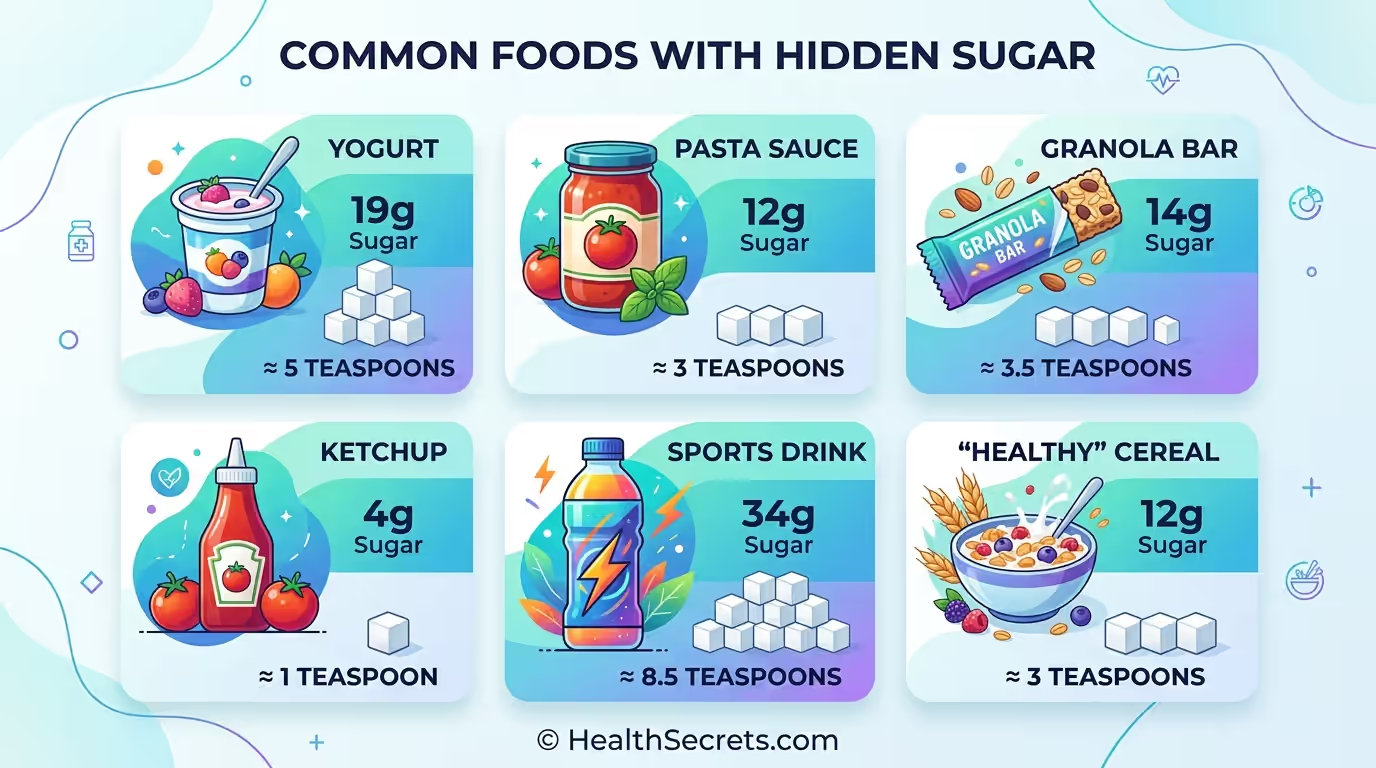
Added sugar is any sugar or sweetener added to food during processing, preparation, or at the table. It includes white sugar, brown sugar, high-fructose corn syrup, honey, agave, maple syrup, and the dozens of other names sugar hides under on ingredient labels. It does NOT include the natural sugars found in whole fruits, vegetables, and plain dairy — those come packaged with fiber, vitamins, and minerals that modulate their metabolic impact.
The average American consumes approximately 77 grams (about 19 teaspoons) of added sugar per day. The AHA recommends no more than 25 grams (6 teaspoons) for women and 36 grams (9 teaspoons) for men. That means most people are eating 2–3 times the recommended amount — often without realizing it, because the majority comes from processed foods, not from spooning sugar into coffee.
Where Is Hidden Sugar Lurking?
- Sauces and condiments (ketchup, BBQ sauce, pasta sauce, salad dressing)
- "Healthy" breakfast foods (granola, flavored yogurt, oatmeal packets, cereal)
- Beverages (soda, juice, sports drinks, sweetened coffee, flavored water)
- Bread and baked goods (even "whole wheat" bread often contains added sugar)
- Snack bars (protein bars, granola bars, energy bars)
- Dried fruit and fruit snacks (often coated in additional sugar)
How Does Sugar Affect Your Body, and What Happens When You Remove It?
Sugar triggers a rapid blood glucose spike, which causes your pancreas to release a surge of insulin. This insulin surge drives glucose into cells but also promotes fat storage, triggers inflammation, and causes a subsequent blood sugar crash that produces fatigue, brain fog, and cravings for more sugar — creating an addictive cycle. Removing sugar breaks this cycle, allowing your body to return to stable, fat-adapted energy production.
Why Does Sugar Cause Withdrawal Symptoms?
Sugar activates the brain's reward system by triggering dopamine release — the same neurotransmitter pathway activated by addictive substances. Regular sugar consumption downregulates dopamine receptors, meaning you need more sugar to feel the same reward. When you suddenly stop, dopamine levels drop, producing genuine withdrawal symptoms: headaches, irritability, fatigue, anxiety, and intense cravings. These are real neurochemical responses, not just "willpower" failures.
How Does Insulin Sensitivity Improve Without Sugar?
With steady sugar intake, your cells become progressively resistant to insulin's signal (insulin resistance). When you remove the constant glucose flood, insulin levels drop, cells become more sensitive to insulin again, and your body can more efficiently use both glucose and fat for fuel. This improvement in insulin sensitivity is measurable within 2 weeks and continues improving over 30 days.
What Happens to Your Body Each Week Without Sugar?
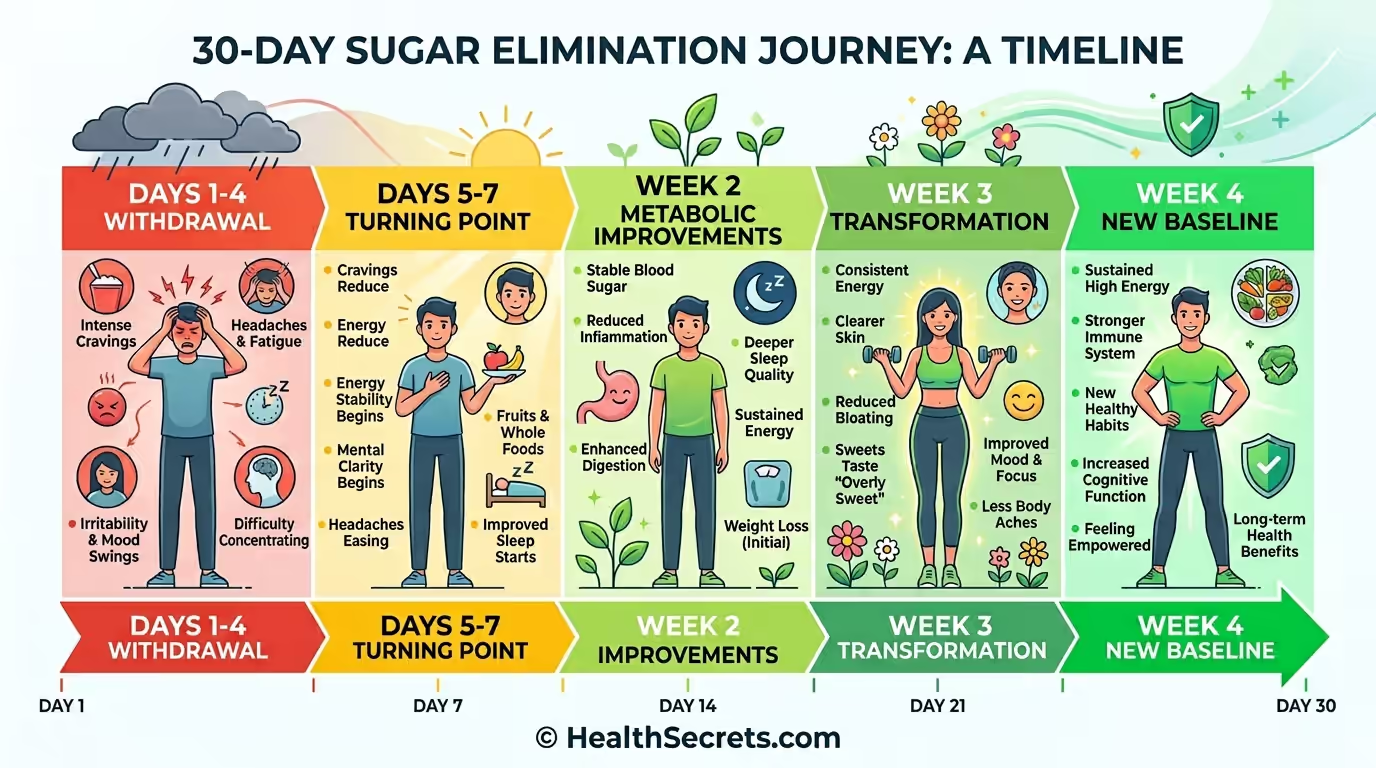
The 30-day sugar elimination produces changes that follow a predictable timeline. The first few days are the most challenging, but by the end of week one, most people are through the worst. Each subsequent week brings new improvements as your metabolism, gut microbiome, skin, and energy systems recalibrate.
Days 1–4: Withdrawal Phase
- Cravings: Intense sugar cravings, especially in the afternoon and evening
- Headaches: Common as blood sugar regulation adjusts
- Fatigue: Energy dips as your body transitions from sugar-burning to more stable fuel sources
- Irritability and mood swings: Dopamine withdrawal affects mood
- Brain fog: Temporary cognitive cloudiness
- What's happening: Your body is depleting its readily available glucose stores and beginning to upregulate fat-burning enzymes. Dopamine receptors are adjusting to lower stimulation.
Days 5–7: Turning Point
- Cravings diminish: Still present but noticeably less intense
- Energy stabilization: Fewer afternoon energy crashes
- Sleep improves: Blood sugar stability supports better sleep architecture
- Bloating decreases: Gut bacteria shift begins; sugar-feeding bacteria start declining
- What's happening: Blood sugar regulation is improving. Your gut microbiome is beginning to shift as sugar-feeding bacteria (like Candida) lose their fuel source.
Week 2: Metabolic Improvements
- Insulin sensitivity improves: Measurably better blood sugar regulation
- Inflammation decreases: CRP and other markers begin declining
- Skin begins clearing: Reduced inflammation and insulin lower acne-triggering androgen activity
- Weight loss begins: 2–5 pounds, primarily from reduced water retention and lower insulin
- Mental clarity improves: Stable blood sugar supports consistent cognitive function
- What's happening: Insulin levels are normalizing, inflammatory pathways are calming, and your liver is clearing stored fat more efficiently.

Week 3: Transformation
- Taste buds recalibrate: Natural foods taste sweeter; previously enjoyed sugary foods taste overwhelmingly sweet
- Cravings largely gone: The neurochemical addiction cycle has broken
- Energy is consistently high: No more post-meal crashes
- Skin looks noticeably better: Reduced puffiness, clearer complexion, more even tone
- Mood stabilizes: Reduced anxiety and irritability
- What's happening: Dopamine receptors have resensitized. Your gut microbiome has significantly shifted toward beneficial bacteria.
Week 4 (Day 30): New Baseline
- Weight loss: 4–10 pounds total (varies by starting weight and diet)
- Blood pressure may improve: Reduced insulin and inflammation support cardiovascular health
- Dental health improves: Cavity-causing bacteria decline without their primary fuel
- Hormonal balance improves: Lower insulin reduces androgen production (beneficial for PCOS, acne)
- Relationship with food changes: You make food choices based on how food makes you feel, not cravings
- What's happening: Your metabolic machinery has substantially recalibrated. Many of these changes will persist as long as sugar intake remains moderate.

Doctor's Best Magnesium Glycinate 200mg
Editor's ChoiceDoctor's Best · Reducing sugar cravings, improving sleep, and supporting the nervous system during sugar withdrawal

Renew Life Ultimate Flora Extra Care 50 Billion
Best for Gut Microbiome ResetRenew Life · Supporting the gut microbiome shift as sugar-feeding bacteria decline
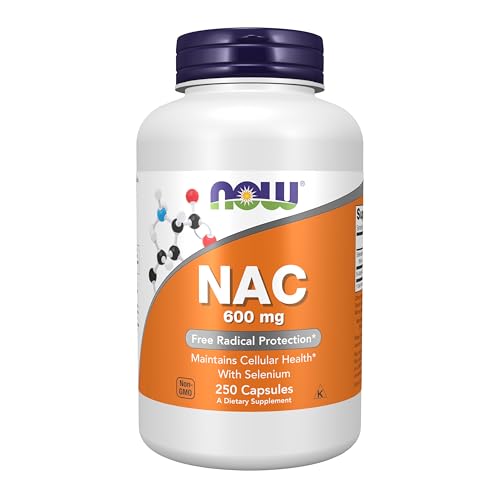
NOW Foods NAC 600mg
Best for Liver SupportNOW Foods · Supporting liver detoxification as metabolic pathways shift during sugar elimination

Thorne Zinc Picolinate 30mg
Best for Insulin SensitivityThorne Zinc · Supporting insulin signaling improvement during sugar elimination

Nordic Naturals Ultimate Omega
Best for Inflammation ReductionNordic Naturals · Accelerating the inflammation reduction that occurs when sugar is removed
Read the detailed review cards below before opening any retailer link
Top Recommended Products
Doctor's Best
Doctor's Best Magnesium Glycinate 200mg
Magnesium deficiency is one of the hidden drivers of sugar cravings. Correcting it reduces cravings, improves sleep, and calms the irritability common during sugar withdrawal.
Pros
- + Reduces sugar cravings (magnesium deficiency drives carb cravings)
- + improves sleep during withdrawal
- + calms irritability
Cons
- - Requires 2 tablets per serving
Why we included it: Magnesium deficiency is one of the hidden drivers of sugar cravings. Correcting it reduces cravings, improves sleep, and calms the irritability common during sugar withdrawal.
Retailer link opens on Amazon after the review details above
Renew Life
Renew Life Ultimate Flora Extra Care 50 Billion
Sugar feeds harmful gut bacteria (including Candida). As you eliminate sugar, a high-potency probiotic helps beneficial bacteria repopulate faster, reducing bloating and digestive symptoms.
Pros
- + Accelerates the microbiome shift away from sugar-feeding bacteria
- + reduces bloating
- + supports digestion during dietary transition
Cons
- - Requires refrigeration
Why we included it: Sugar feeds harmful gut bacteria (including Candida). As you eliminate sugar, a high-potency probiotic helps beneficial bacteria repopulate faster, reducing bloating and digestive symptoms.
Retailer link opens on Amazon after the review details above
NOW Foods
NOW Foods NAC 600mg
Your liver plays a central role in glucose and fat metabolism. NAC supports glutathione to help the liver efficiently transition from sugar-processing to healthier metabolic pathways.
Pros
- + Supports liver glutathione for metabolic transition
- + reduces oxidative stress
- + excellent value
Cons
- - Large capsule size
Why we included it: Your liver plays a central role in glucose and fat metabolism. NAC supports glutathione to help the liver efficiently transition from sugar-processing to healthier metabolic pathways.
Retailer link opens on Amazon after the review details above
Thorne Zinc
Thorne Zinc Picolinate 30mg
Zinc is required for insulin signaling, and deficiency impairs blood sugar regulation. Supporting zinc status enhances the insulin sensitivity improvements you gain from eliminating sugar.
Pros
- + Supports insulin receptor function
- + essential for blood sugar regulation
- + NSF certified
Cons
- - Must be taken with food
Why we included it: Zinc is required for insulin signaling, and deficiency impairs blood sugar regulation. Supporting zinc status enhances the insulin sensitivity improvements you gain from eliminating sugar.
Retailer link opens on Amazon after the review details above
Nordic Naturals
Nordic Naturals Ultimate Omega
Sugar is one of the most inflammatory dietary components. Omega-3 supplementation amplifies and accelerates the inflammation reduction that occurs when you eliminate sugar.
Pros
- + Accelerates CRP and IL-6 reduction
- + complements sugar elimination's anti-inflammatory effects
- + third-party tested
Cons
- - Requires 2 softgels
Why we included it: Sugar is one of the most inflammatory dietary components. Omega-3 supplementation amplifies and accelerates the inflammation reduction that occurs when you eliminate sugar.
Retailer link opens on Amazon after the review details above
Are There Any Risks to Quitting Sugar Cold Turkey?
For most healthy adults, quitting added sugar has no significant risks. The withdrawal symptoms (headaches, irritability, fatigue) are uncomfortable but temporary and not dangerous. However, people with diabetes who take insulin or sulfonylureas must consult their doctor first, as removing sugar can cause hypoglycemia if medications aren't adjusted. People with a history of eating disorders should approach any elimination diet with professional guidance.
What About Natural Sugar from Fruit?
Whole fruits are NOT the enemy. The sugar in whole fruit comes packaged with fiber (which slows absorption), vitamins, minerals, polyphenols, and water. Fruit does not produce the same insulin spikes, dopamine surges, or inflammatory effects as added sugar. Eating 2–3 servings of whole fruit daily is perfectly healthy during a sugar elimination. Fruit juice, however, is essentially liquid sugar without the fiber and should be eliminated.
How Do You Successfully Quit Sugar for 30 Days?
The most effective approach combines preparation (stocking whole foods, removing temptations), strategic eating (protein and fat at every meal to prevent blood sugar crashes), and having specific plans for cravings. People who prepare before starting are significantly more likely to complete the 30 days than those who quit impulsively.
What Should You Eat Instead of Sugar?
- Protein at every meal (eggs, meat, fish, legumes) — Stabilizes blood sugar and reduces cravings
- Healthy fats (avocado, nuts, olive oil, coconut) — Provide satiety and stable energy
- Complex carbohydrates (sweet potatoes, rice, oats) — Provide glucose without the spike-crash cycle
- Whole fruits (berries, apples, citrus) — Satisfy sweet cravings naturally with fiber
- Dark chocolate (85%+ cacao, 1–2 squares) — Satisfies chocolate cravings with minimal sugar
- Fermented foods (sauerkraut, kimchi, yogurt) — Support the gut microbiome shift
How Do You Handle Sugar Cravings?
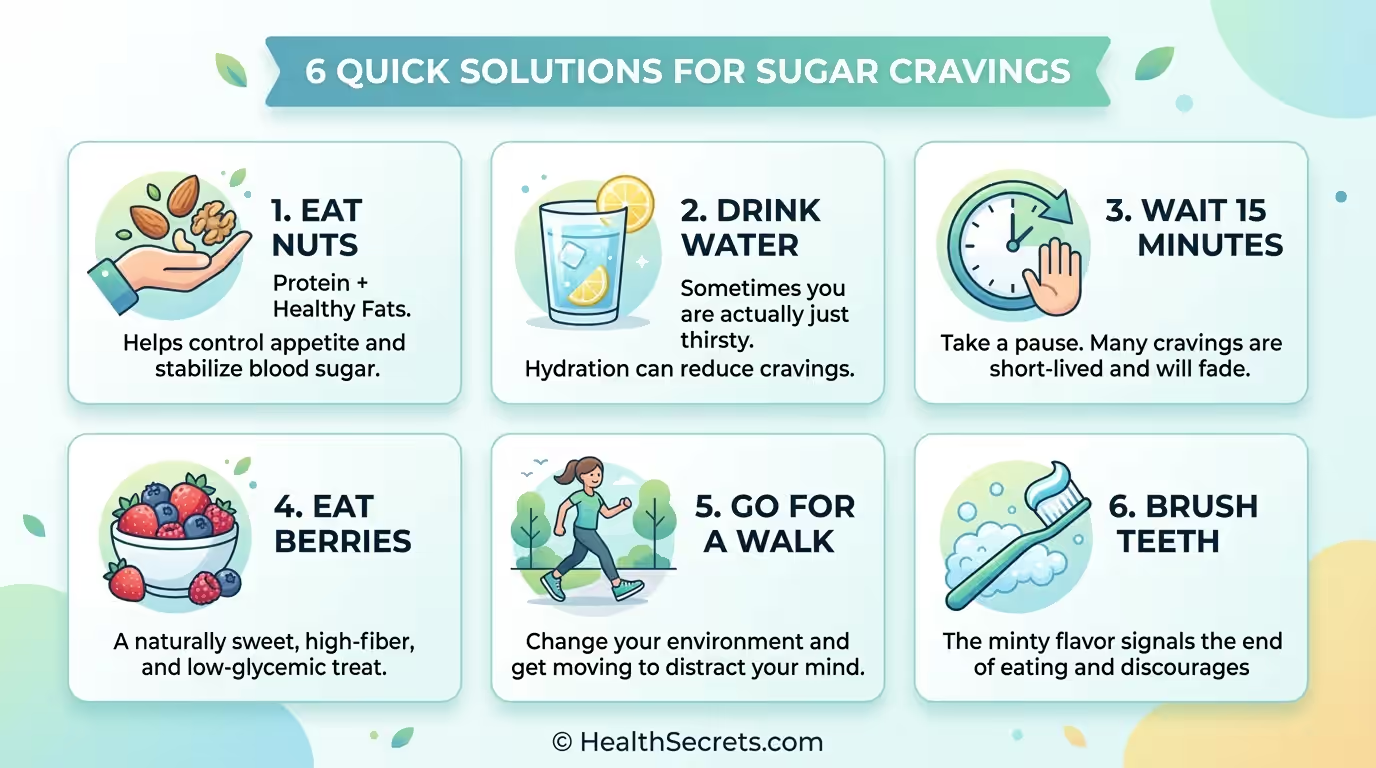
- Eat protein + fat — A handful of nuts or cheese kills cravings within 15 minutes
- Drink water — Dehydration mimics sugar cravings
- Wait 15 minutes — Most cravings pass within this window
- Eat berries — Natural sweetness satisfies without the addictive cycle
- Go for a walk — Movement shifts brain chemistry away from craving
- Brush your teeth — The mint flavor makes sweet foods unappealing
What Diet and Lifestyle Changes Support a Successful Sugar Elimination?
A successful 30-day sugar elimination is built on three pillars: removing hidden sugar sources from your kitchen and routine, replacing them with satisfying whole foods at every meal, and managing the stress and habits that drive sugar consumption in the first place.

What Foods Should You Eliminate?
- All sugary beverages (soda, juice, sweetened coffee/tea, sports drinks)
- Candy, cookies, cakes, pastries, ice cream
- Flavored yogurt (switch to plain + berries)
- Breakfast cereals and granola (most contain 10–20g sugar per serving)
- Condiments with sugar (ketchup, BBQ sauce, most salad dressings)
- Protein and snack bars (check labels — many have 15–25g sugar)
- White bread and processed baked goods
What Lifestyle Factors Help?
- Sleep 7–9 hours — Sleep deprivation increases sugar cravings by 30–45%
- Manage stress — Cortisol drives comfort eating and sugar cravings
- Exercise regularly — Improves insulin sensitivity and produces natural endorphins
- Eat regular meals — Skipping meals causes blood sugar drops that trigger cravings
- Read every label — Sugar hides under 60+ different names on ingredient lists
What Should You Do First to Start Your 30-Day Sugar Elimination?
Start by spending one day reading labels on everything in your kitchen and identifying all hidden sugar sources. Then remove or replace the top offenders (sugary beverages, breakfast cereals, condiments). Stock up on protein, healthy fats, and whole fruits. Set a start date within the next 3 days — preparation reduces failure rates dramatically.
Day Before You Start:
- Read labels on all foods in your kitchen; identify and remove sugary items
- Stock up: eggs, nuts, avocados, berries, vegetables, protein sources, dark chocolate 85%+
- Replace sugary condiments with sugar-free alternatives
- Take a "before" photo and note your energy, skin, mood, and weight
- Tell someone your plan (accountability increases success)
Week 1 Checklist:
- Eat protein + fat at every meal to prevent blood sugar crashes
- Drink 2–3 liters of water daily (dehydration worsens cravings)
- When cravings hit: eat a handful of nuts, wait 15 minutes, or walk
- Go to bed 30 minutes earlier (sleep reduces cravings)
- Track daily: energy, cravings, mood, sleep quality
Week 2–4 Checklist:
- Continue sugar-free eating; cravings should be much easier
- Notice and journal improvements: skin, energy, sleep, mood, weight
- Try new whole-food recipes to prevent boredom
- At day 30: compare photos, weight, energy, and mood to baseline
- Decide: reintroduce small amounts of sugar mindfully, or continue sugar-free