Skip to content
Person recovering from bronchitis at home with herbal tea, honey, and a humidifier for natural respiratory relief Pin It
11 min

Natural Remedies for Bronchitis: Respiratory Relief

DN
Dr. Nina Patel
| Dr. Sarah Chen | words | 16 citations
Updated this month Last reviewed: May 27, 2026 Medically reviewed by Dr. Sarah Chen

Who This Is For

Best for readers who want a practical natural remedies action plan.

Who Should Be Careful

Not for self-treating severe symptoms without medical review.

Affiliate Disclaimer | This article may contain affiliate links to products we trust. If you choose to buy through them, we may earn a small commission at no extra cost to you. Full disclosure

Medical Disclaimer | For informational purposes only. Not a substitute for professional medical advice. Read full disclaimer

M

Key Takeaways

Acute bronchitis is viral in 90โ€“95% of cases and typically resolves within one to three weeks without antibiotics
NAC (600 mg two to three times daily) acts as a mucolytic and mucoregulator, thinning mucus and reducing secretion according to a systematic review
Honey is superior to usual care for relieving upper respiratory tract symptoms, especially cough frequency and severity
A thyme-ivy combination reduced coughing fits by 68.7% versus 47.6% with placebo in a randomized controlled trial
Steam inhalation and adequate hydration (8โ€“10 cups daily) help loosen mucus and soothe irritated airways
See a doctor immediately if you have a fever above 102ยฐF, difficulty breathing, chest pain, blood in mucus, or symptoms lasting beyond three weeks
Natural remedies provide symptom relief but do not cure the underlying viral infection
Chronic bronchitis (part of COPD) requires medical management and is not addressed by these home remedies alone

Top Recommended Products

Comparison shortlist to review before leaving the guide

5 Items
01

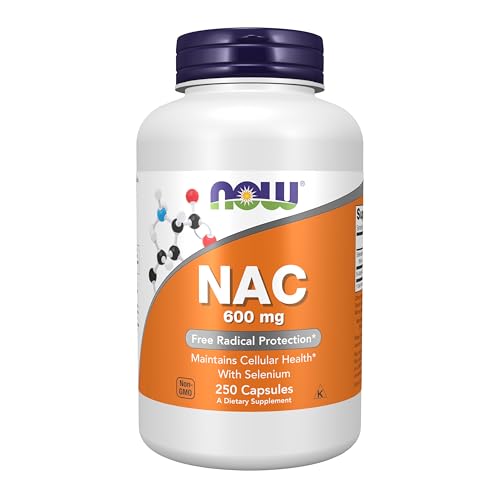
NOW Foods NAC 600mg with Selenium

NOW Foods ยท Thinning bronchitis mucus and supporting respiratory antioxidant defense

Compare
02

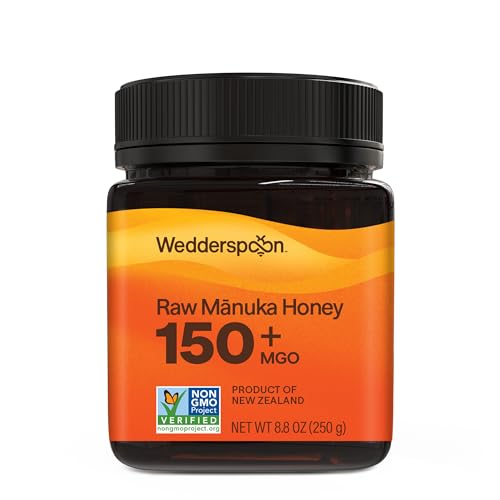
Wedderspoon Raw Premium Manuka Honey KFactor 16

Wedderspoon Raw ยท Soothing bronchitis cough and throat irritation naturally

Compare
03

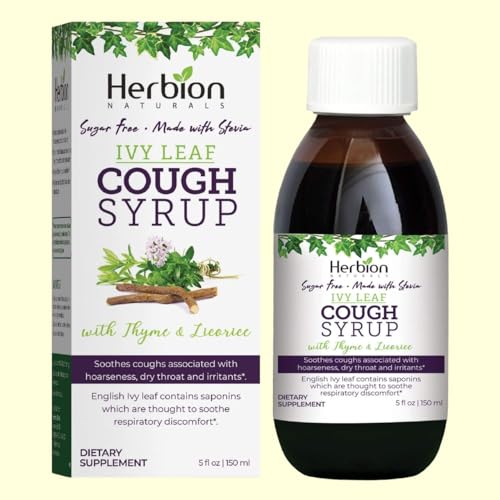
Herbion Naturals Ivy Leaf Cough Syrup with Thyme

Herbion Naturals ยท Reducing coughing fits and loosening chest congestion from acute bronchitis

Compare
04

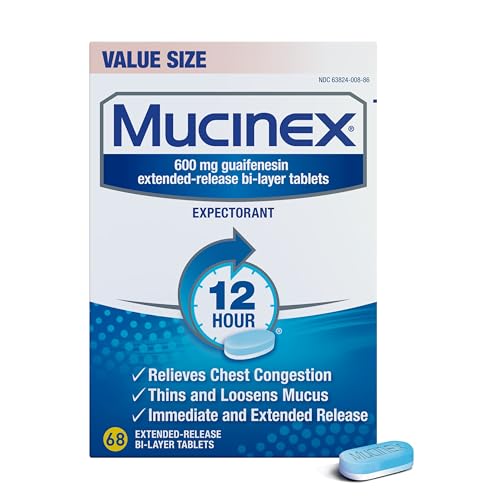
Mucinex 12 Hour 600mg Guaifenesin Extended-Release

Mucinex 12 ยท Extended mucus relief for thick, stubborn bronchitis congestion

Compare
05

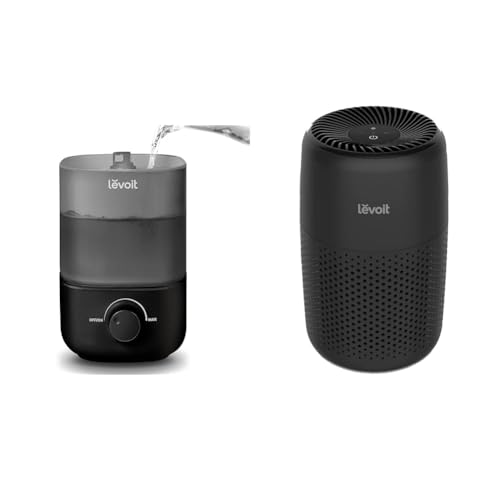
LEVOIT Classic 160 Cool Mist Humidifier

LEVOIT Classic ยท Maintaining airway moisture overnight during bronchitis recovery

Compare

Read the detailed review cards below before opening any retailer link

That hacking cough that just won't quit. The tightness in your chest every time you take a deep breath. If you've ever had bronchitis โ€” and statistically, there's a good chance you have โ€” you know how frustrating it can be to wait it out.

Here's the thing most people don't realize: acute bronchitis is viral roughly 90โ€“95% of the time, which means antibiotics won't help. Your body needs to fight it off on its own. But that doesn't mean you're stuck suffering through it with nothing but willpower and tissues.

Research shows that several natural remedies for bronchitis can genuinely reduce cough severity, thin stubborn mucus, and help you breathe easier while your immune system does its job. N-acetylcysteine (NAC) acts as a powerful mucolytic that breaks apart thick mucus. Honey has been shown to outperform usual care for upper respiratory symptoms in a [7]. And a thyme-ivy herbal combination reduced coughing fits by 68.7% compared to just 47.6% with placebo in a [10].

If you're looking to support your body's overall detoxification and immune pathways, our guides on immune system support and glutathione โ€” the master antioxidant provide deeper context on how nutrients like NAC fit into the bigger picture.

What Do You Need to Know Before Treating Bronchitis Naturally?

Before reaching for any natural remedy, you need to understand exactly what you're dealing with. Acute bronchitis is a short-term inflammation of the bronchial tubes caused almost exclusively by viruses, and it resolves on its own. Chronic bronchitis is a completely different condition โ€” part of COPD โ€” that requires ongoing medical care. Knowing the difference determines everything about your treatment approach.

Acute bronchitis typically follows a cold or flu infection. Viruses like rhinovirus, influenza, and RSV inflame the bronchial tubes, triggering a persistent cough that may produce mucus, along with chest congestion, mild wheezing, low-grade fever, and fatigue. The cough can linger for up to four weeks even after the infection clears, according to StatPearls [12].

Chronic bronchitis, by contrast, is defined as a productive cough lasting at least three months per year for two or more consecutive years. It's usually caused by long-term smoking or irritant exposure and requires medical management with bronchodilators and sometimes corticosteroids.

The natural remedies in this guide target acute bronchitis specifically. If you suspect chronic bronchitis, work directly with your healthcare provider.

Who Should Use These Remedies?

These approaches work best for otherwise healthy adults with uncomplicated acute bronchitis. They're not a substitute for medical care if you have underlying lung disease, a compromised immune system, or symptoms suggesting something more serious than a typical viral chest infection.

Infographic comparing acute bronchitis versus chronic bronchitis showing duration, causes, and treatment differences

Step 1: How Do You Use NAC to Break Up Bronchitis Mucus?

N-acetylcysteine (NAC) is one of the most well-studied natural mucolytics available. It works by breaking disulfide bonds in mucus glycoproteins, physically thinning the mucus so you can cough it up more easily. A [2] confirmed that NAC acts as both a mucolytic and a mucoregulator, directly inhibiting mucus secretion and goblet cell hyperplasia.

A [1] found that NAC-treated patients with chronic bronchitis and pre-COPD showed a significant reduction in exacerbation incidence (IRR = 0.81) and were 3.47 times more likely to experience symptom improvement compared to placebo.

How to Take NAC for Bronchitis

  • Dose: 600 mg two to three times daily (1,200โ€“1,800 mg total)
  • Timing: Take with food to reduce the chance of nausea
  • Duration: Continue for the duration of symptoms, typically one to three weeks
  • Onset: Expect noticeable mucus thinning within one to three days

NAC is also a precursor to glutathione, your body's master antioxidant, which supports the immune response during infection. Side effects are minimal โ€” a [3] of doses up to 3,000 mg daily found the adverse effect profile comparable to placebo. However, use caution if you have active peptic ulcers or asthma, as NAC may trigger bronchospasm in some individuals.
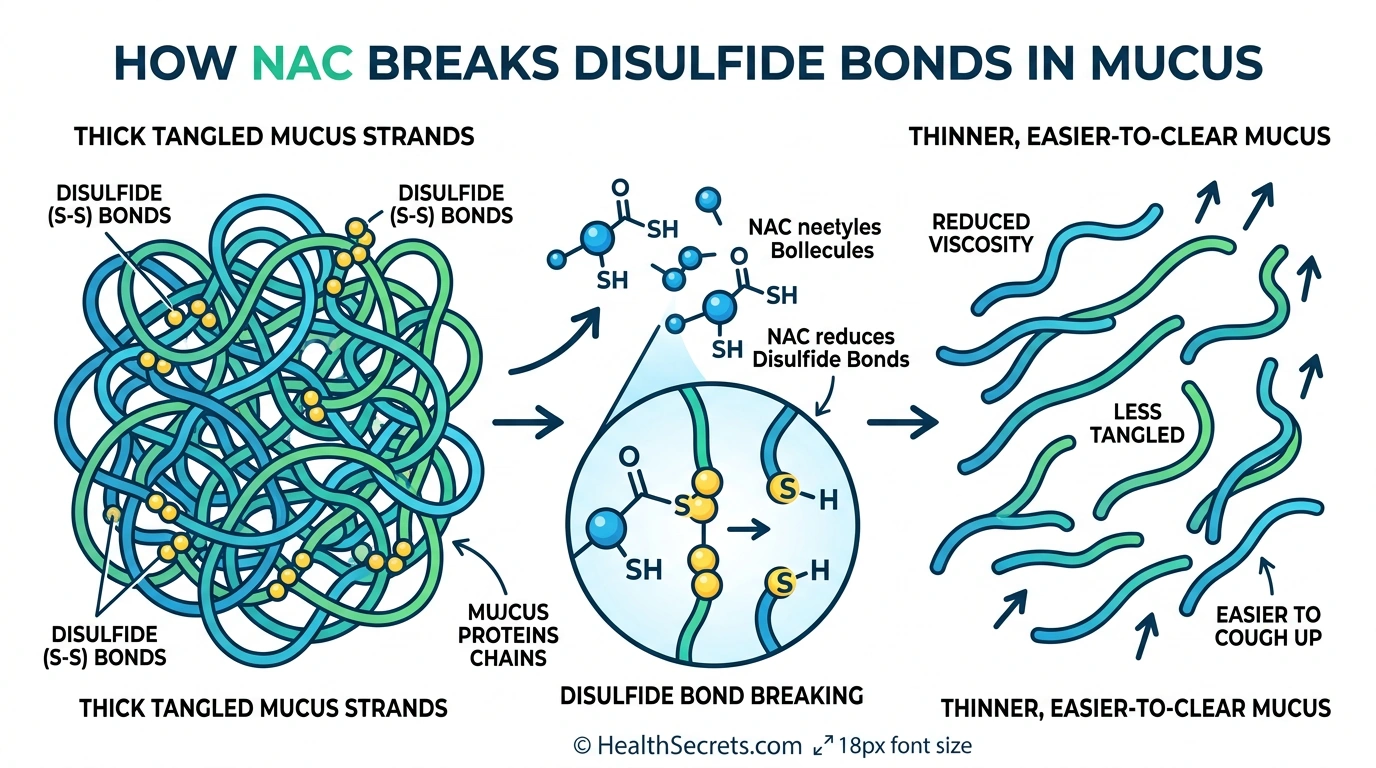
Illustration of how NAC breaks down thick bronchitis mucus by breaking disulfide bonds in mucus proteins

Step 2: How Does Honey Relieve Bronchitis Cough?

Honey is arguably the most accessible and well-supported natural cough remedy available. A [7] of 14 studies published in BMJ Evidence-Based Medicine found that honey was superior to usual care for improving combined symptom scores, cough frequency, and cough severity in upper respiratory tract infections.

The University of Oxford researchers behind the review noted that honey provides a widely available and cheap alternative that could also help slow the spread of antimicrobial resistance.

How to Use Honey for Bronchitis

  • Adults: One to two tablespoons of raw honey as needed, up to four times daily
  • Children (ages 1โ€“5): Half a teaspoon
  • Children (ages 6โ€“11): One teaspoon
  • Children (12 and older): Two teaspoons
  • Best method: Dissolve in warm (not hot) water or herbal tea, or take straight from the spoon

Darker honeys like buckwheat and manuka contain higher concentrations of antioxidants and antimicrobial compounds. The [9] that honey appeared to work as well as diphenhydramine in several studies for cough suppression.

Critical safety note: Never give honey to infants under one year of age due to the risk of botulism.

Raw manuka honey being added to warm herbal tea as a natural bronchitis cough remedy

Step 3: How Does a Thyme-Ivy Combination Reduce Coughing Fits?

The combination of thyme and ivy leaf extract is one of the most impressive natural options for acute bronchitis, though it's lesser known in the United States. A [10] demonstrated that thyme-ivy combination reduced coughing fits by 68.7% compared to 47.6% under placebo โ€” and the 50% reduction milestone was reached two full days earlier in the treatment group.

Thyme acts as an expectorant and antispasmodic, relaxing the airways while loosening mucus. Ivy leaf contains saponins that further loosen mucus and act as a mild bronchodilator. A [11] confirmed that ivy extract EA 575 was non-inferior to both comparator herbal combinations for acute bronchitis treatment.

How to Use Thyme-Ivy Remedies

  • Commercial syrups: Follow product dosing instructions (typically 5โ€“7.5 mL three times daily for adults)
  • Thyme tea (DIY): Steep one to two teaspoons of dried thyme in one cup of boiling water for 10 minutes. Drink two to three cups daily.
  • Ivy leaf extract: 35โ€“70 mg extract daily in divided doses
  • Onset: Improvement typically begins within two to seven days

Thyme-ivy preparations are generally well tolerated. Avoid ivy leaf if you're pregnant, breastfeeding, or have a known ivy allergy.

Botanical illustration of thyme and ivy leaf herbs used in natural bronchitis cough syrup treatment

Step 4: How Do Steam Inhalation and Hydration Help Clear Bronchitis Congestion?

Steam inhalation and aggressive hydration are foundational strategies that complement every other natural remedy on this list. Warm moisture loosens stuck mucus, soothes inflamed airways, and makes coughing more productive โ€” meaning you're actually clearing congestion rather than just irritating your throat.

Warning signs infographic showing when to see a doctor during bronchitis including fever, breathing difficulty, and chest pain

The [13] and [14] both recommend steam inhalation and adequate hydration as core self-care strategies for bronchitis.

Steam Inhalation Method

  1. Boil water and pour into a large bowl
  2. Optionally add two to three drops of eucalyptus or peppermint essential oil
  3. Lean over the bowl with a towel draped over your head to trap steam
  4. Breathe deeply for five to ten minutes
  5. Repeat two to three times daily

:::warning[Safety Warning] Keep your face at least 12 inches from the water to prevent burns. Supervise children closely. A hot shower is a safer alternative. :::

Hydration Guidelines

  • Drink eight to ten cups of water daily (more if you have a fever)
  • Warm fluids are best: herbal tea, warm water with lemon and honey, bone broth
  • Avoid alcohol (dehydrating) and excess caffeine
Step-by-step guide showing safe steam inhalation technique for bronchitis congestion relief

Step 5: What Lifestyle Changes Speed Up Bronchitis Recovery?

Beyond supplements and remedies, several lifestyle adjustments can meaningfully reduce symptom severity and shorten your recovery timeline. The CDC [15] emphasizes rest, hydration, and irritant avoidance as the cornerstone of acute bronchitis management.

Key Lifestyle Modifications

  • Rest: Adequate sleep and reduced activity allow your immune system to focus on fighting the infection
  • Humidifier: Run a cool-mist humidifier in your bedroom to keep airways moist overnight. Clean it daily to prevent mold growth.
  • Avoid irritants: Stay away from cigarette smoke, strong chemical fumes, and very cold air. Wear a scarf over your mouth and nose in cold weather.
  • Elevate your head: Sleep with an extra pillow to reduce postnasal drip and ease nighttime coughing
  • Warm compress: Apply a warm compress to your chest to soothe discomfort
  • Gentle movement: Light walking can improve mucus clearance, but avoid strenuous exercise until you've recovered
  • Breathing exercises: Pursed-lip breathing and diaphragmatic breathing can help manage shortness of breath

What Are the Most Common Mistakes People Make When Treating Bronchitis Naturally?

The biggest mistake is requesting antibiotics for acute bronchitis. Since the infection is viral in 90โ€“95% of cases, antibiotics provide zero benefit while causing side effects and contributing to antimicrobial resistance. The CDC explicitly states [15] that antibiotics won't help you get better if you have acute bronchitis.

Other common errors include:

  • Taking cough suppressants during the day: Coughing is how your body clears mucus. Use suppressants only at night if the cough prevents sleep.
  • Not drinking enough fluids: Dehydration thickens mucus and makes congestion worse.
  • Returning to full activity too soon: Pushing through a bronchitis infection can delay recovery and risk complications.
  • Using extremely hot steam: Burns are a real risk. Keep a safe distance and use warm โ€” not scalding โ€” water.
  • Ignoring worsening symptoms: Bronchitis that gets worse after initial improvement may signal a secondary bacterial infection requiring medical attention.

Is It Safe to Treat Bronchitis at Home? When Should You See a Doctor?

For most healthy adults, acute bronchitis can be safely managed at home with supportive care and the natural remedies described above. However, several red flags require immediate medical evaluation, as they may indicate pneumonia, whooping cough, or other serious conditions.

See a Doctor Immediately If You Experience:

  • High fever above 100.4ยฐF (38ยฐC) lasting more than three days, or above 102ยฐF (39ยฐC) at any time
  • Difficulty breathing or shortness of breath at rest
  • Severe or persistent chest pain
  • Coughing up blood (even small amounts)
  • Symptoms lasting longer than three weeks
  • Severe fatigue, confusion, or bluish lips and fingernails
  • A "whoop" sound when inhaling after coughing fits (possible pertussis)

Higher-Risk Groups

Seek medical care at a lower symptom threshold if you have COPD, asthma, heart disease, or a weakened immune system. Infants and elderly individuals are also more vulnerable to complications and should be evaluated sooner.

What Should You Do First to Relieve Bronchitis Naturally?

Start with the most accessible interventions immediately and layer in supplements over the first few days. This phased approach ensures you're getting relief from day one while building a comprehensive natural bronchitis protocol.

Phase 1: Days 1โ€“2 (Immediate Relief)

  • Increase fluid intake to eight to ten cups daily, emphasizing warm liquids
  • Start honey: one to two tablespoons in warm tea, up to four times daily
  • Set up a humidifier in your bedroom
  • Begin steam inhalation sessions two to three times daily
  • Rest as much as possible

Phase 2: Days 2โ€“4 (Add Supplements)

  • Start NAC: 600 mg two to three times daily with food
  • Begin thyme tea or thyme-ivy cough syrup per product directions
  • Consider guaifenesin (OTC expectorant) during the day if mucus is very thick

Phase 3: Days 5โ€“14 (Sustain and Monitor)

  • Continue all remedies until symptoms resolve
  • Gradually increase light activity as you feel better
  • Monitor for any red-flag symptoms requiring medical evaluation
  • Continue humidifier use until cough fully resolves
Three-phase bronchitis recovery action plan showing immediate relief, supplement addition, and sustained recovery steps

Top Recommended Products

Editor's Choice

NOW Foods

NOW Foods NAC 600mg with Selenium

4.5/5 $
01

NAC is the most evidence-backed natural mucolytic for bronchitis, and NOW Foods delivers the exact 600mg clinical dose with added selenium for immune support in a trusted, GMP-certified formula.

Pros

  • + Clinically studied mucolytic dose
  • + includes selenium and molybdenum for antioxidant support
  • + excellent value per serving
  • + Same clinical-dose formula at lower upfront cost
  • + ideal for one-time bronchitis use
  • + includes selenium

Cons

  • - Large capsule size may be difficult for some to swallow
  • - Fewer capsules means less long-term value per serving than the 250-count

Why we included it: NAC is the most evidence-backed natural mucolytic for bronchitis, and NOW Foods delivers the exact 600mg clinical dose with added selenium for immune support in a trusted, GMP-certified formula.

Best for: Thinning bronchitis mucus and supporting respiratory antioxidant defense Dosage: 600mg per capsule, take 2โ€“3 capsules daily
View current price on Amazon

Retailer link opens on Amazon after the review details above

Best Natural Cough Soother

Wedderspoon Raw

Wedderspoon Raw Premium Manuka Honey KFactor 16

4.5/5 $
02

Manuka honey offers stronger antimicrobial and antioxidant properties than regular honey, and systematic reviews confirm honey outperforms usual care for respiratory symptoms.

Pros

  • + Raw and unpasteurized preserving beneficial enzymes
  • + higher antimicrobial activity than regular honey
  • + traceable from hive to home

Cons

  • - Premium price compared to regular honey

Why we included it: Manuka honey offers stronger antimicrobial and antioxidant properties than regular honey, and systematic reviews confirm honey outperforms usual care for respiratory symptoms.

Best for: Soothing bronchitis cough and throat irritation naturally Dosage: 1โ€“2 tablespoons as needed, up to 4 times daily
View current price on Amazon

Retailer link opens on Amazon after the review details above

Best Herbal Cough Syrup

Herbion Naturals

Herbion Naturals Ivy Leaf Cough Syrup with Thyme

4.5/5 $
03

Clinical trials show thyme-ivy combinations reduce coughing fits by nearly 69% versus placebo, and this formula delivers both herbs in a convenient, family-friendly syrup.

Pros

  • + Combines clinically studied ivy leaf and thyme
  • + sugar-free with stevia
  • + suitable for children 13 months and above

Cons

  • - Herbal taste may not appeal to everyone

Why we included it: Clinical trials show thyme-ivy combinations reduce coughing fits by nearly 69% versus placebo, and this formula delivers both herbs in a convenient, family-friendly syrup.

Best for: Reducing coughing fits and loosening chest congestion from acute bronchitis Dosage: Follow label directions (typically 5โ€“7.5mL three times daily for adults)
View current price on Amazon

Retailer link opens on Amazon after the review details above

Best OTC Expectorant

Mucinex 12

Mucinex 12 Hour 600mg Guaifenesin Extended-Release

4.5/5 $
04

When natural mucolytics need reinforcement, guaifenesin is the gold-standard OTC expectorant recommended by the Cleveland Clinic and Mayo Clinic for bronchitis mucus relief.

Pros

  • + 12-hour extended relief
  • + thins and loosens mucus effectively
  • + widely available and trusted brand

Cons

  • - Not a natural supplement (OTC medication)
  • - should not be crushed or chewed

Why we included it: When natural mucolytics need reinforcement, guaifenesin is the gold-standard OTC expectorant recommended by the Cleveland Clinic and Mayo Clinic for bronchitis mucus relief.

Best for: Extended mucus relief for thick, stubborn bronchitis congestion Dosage: 1 tablet every 12 hours (do not exceed 2 tablets in 24 hours)
View current price on Amazon

Retailer link opens on Amazon after the review details above

Best Humidifier for Recovery

LEVOIT Classic

LEVOIT Classic 160 Cool Mist Humidifier

4.5/5 $$
05

Both the Mayo Clinic and Cleveland Clinic recommend humidifiers for bronchitis recovery, and this top-rated LEVOIT model runs whisper-quiet all night with easy daily maintenance.

Pros

  • + Ultra-quiet for sleep
  • + top-fill design easy to clean
  • + runs up to 25 hours on low
  • + essential oil compatible

Cons

  • - Requires daily cleaning to prevent bacterial growth

Why we included it: Both the Mayo Clinic and Cleveland Clinic recommend humidifiers for bronchitis recovery, and this top-rated LEVOIT model runs whisper-quiet all night with easy daily maintenance.

Best for: Maintaining airway moisture overnight during bronchitis recovery Dosage: Run nightly in bedroom during illness
View current price on Amazon

Retailer link opens on Amazon after the review details above

Further Reading

Further Reading

"Herbal Antivirals: Natural Remedies for Emerging & Resistant Viral Infections"

by Stephen Harrod Buhner

Detailed profiles of antiviral herbs including thyme and elderberry; evidence-based protocols for respiratory infections; practical preparation instructions

Why it adds value here

Buhner's work bridges traditional herbalism and modern research, providing actionable protocols for viral respiratory conditions like bronchitis.

Best for: Readers seeking a comprehensive reference on herbal approaches to respiratory viral infections

View book details

Further Reading

"The Immunity Fix: Strengthen Your Immune System, Fight Off Infections, Reverse Chronic Disease"

by James DiNicolantonio, PharmD and Siim Land

Science-backed immune optimization strategies; supplement protocols including NAC and vitamin C; practical daily routines for illness prevention

Why it adds value here

Understanding immune function helps readers both recover from bronchitis faster and reduce the frequency of future respiratory infections.

Best for: Anyone wanting to understand how nutrition and lifestyle support immune defense against respiratory infections

View book details

AEO FAQ

Frequently Asked Questions

8 common questions answered

Acute bronchitis typically lasts one to three weeks, though the cough can linger for up to four weeks or longer. The infection itself is usually self-limiting, meaning your body will fight it off without specific antiviral medication. If symptoms persist beyond three weeks, see your doctor to rule out pneumonia or other conditions.

No, antibiotics are not needed for acute bronchitis in the vast majority of cases. Since 90โ€“95% of acute bronchitis cases are viral, antibiotics provide no benefit and may cause side effects like diarrhea and disruption of gut bacteria. The CDC explicitly recommends against antibiotics for acute bronchitis unless a bacterial infection is confirmed.

Yes, NAC and honey can be safely used together. They work through different mechanisms โ€” NAC thins mucus chemically while honey soothes throat irritation and has antimicrobial properties. Using both simultaneously can provide broader symptom relief than either alone.

Honey is safe for children over one year of age and has been shown to help calm coughs in pediatric studies. However, never give honey to infants under 12 months due to the risk of infant botulism. For children ages one to five, use half a teaspoon; ages six to eleven, one teaspoon; ages twelve and older, two teaspoons.

Aim for eight to ten cups of water daily, and more if you have a fever or are sweating. Adequate hydration thins mucus and makes it easier to cough up. Warm fluids like herbal tea and broth are particularly beneficial because the warmth helps soothe airways.

Yes, acute bronchitis can occasionally lead to pneumonia, especially in people with weakened immune systems, chronic lung disease, or advanced age. Warning signs include high fever, worsening shortness of breath, chest pain when breathing, and symptoms that improve then suddenly worsen. Seek medical attention promptly if you notice these red flags.

NAC is generally well tolerated at standard doses of 600 mg two to three times daily. A safety review found adverse effects comparable to placebo. Occasional side effects include mild nausea and gastrointestinal discomfort, which can be minimized by taking NAC with food. People with peptic ulcers or asthma should consult a doctor first.

Expectorants like guaifenesin thin mucus so you can cough it up more productively, while suppressants reduce the cough reflex. For daytime bronchitis management, expectorants are generally preferred because productive coughing clears infection. Suppressants are best reserved for nighttime when coughing disrupts sleep.

Was this article helpful?

Written & Reviewed By Experts

DN

Author

Dr. Nina Patel

DS

Medical Reviewer

Dr. Sarah Chen

All content is evidence-based, peer-reviewed by qualified professionals, and updated regularly. Our editorial team follows strict guidelines for accuracy and transparency.

References & Citations

16 sources cited

1
Cazzola, M., et al. (2024). N-acetylcysteine Treatment in Chronic Obstructive Pulmonary Disease (COPD) and Chronic Bronchitis/Pre-COPD: Distinct Meta-analyses. ScienceDirect. View
2
D'Anna, S.E., et al. (2024). Impact of N-Acetylcysteine on Mucus Hypersecretion in the Airways: A Systematic Review. PMC. View
3
Cazzola, M., et al. (2021). Safety of N-Acetylcysteine at High Doses in Chronic Respiratory Diseases: A Review. PMC. View
4
Zheng, J.P., et al. (2024). Effect of high-dose N-acetylcysteine on exacerbations and lung function in patients with mild-to-moderate COPD. Nature Communications. View
5
Sadowska, A.M., et al. (2006). N-Acetylcysteine (NAC): Impacts on Human Health. PMC. View

Medical Disclaimer

This article is for informational purposes only and does not constitute medical advice. Read the full medical disclaimer. Always consult with a qualified healthcare provider before starting any new supplement, treatment, or major dietary change.