
Here's the thing nobody tells you about acne: it's not just a teenage problem. Around 85% of teenagers and 40–50% of adults deal with breakouts at some point, and the emotional toll — anxiety, low confidence, avoiding mirrors — is just as real as the physical symptoms. If you've tried every drugstore product on the shelf and still feel stuck, you're not alone.
The good news? Research keeps confirming that natural remedies for acne can genuinely work. Tea tree oil at 5% concentration reduces acne lesions by 40–50%. Zinc supplementation at 30mg daily cuts inflammatory acne by roughly 50%. Probiotics improve breakouts by 30–40% through the gut-skin axis. And switching to a low-glycemic diet can reduce acne severity by half. These aren't fringe claims — they're backed by clinical trials and systematic reviews.
This guide gives you a step-by-step protocol for clearing your skin naturally, covering everything from topical treatments and supplements to gut health strategies and hormonal acne approaches. You'll learn exactly what to do, how much to take, and when to expect results.
If you're dealing with inflammation or want to support your body's natural detox pathways, addressing acne from the inside out makes a real difference.
What Do You Need to Know Before Treating Acne Naturally?
Acne develops when four things happen simultaneously: excess sebum production, clogged pores from dead skin cells, proliferation of Cutibacterium acnes bacteria, and an inflammatory immune response. Understanding this helps you target the right mechanisms with the right remedies, rather than guessing.
Acne comes in several forms.
- Comedonal acne includes blackheads (open comedones) and whiteheads (closed comedones) — these are non-inflammatory.
- Inflammatory acne ranges from papules and pustules to deeper nodules and cysts that can cause scarring.
- Hormonal acne typically appears along the jawline and chin, flaring before menstrual periods.
Most natural remedies for acne work best on mild to moderate breakouts. If you have severe cystic acne, nodules, or active scarring, see a dermatologist first — you can still use natural approaches alongside prescription treatments. Expect to commit at least 8–12 weeks to see meaningful results with any natural protocol. Skin cell turnover takes time, and patience genuinely matters here.
Before starting, take stock of your acne type, potential triggers (stress, diet, hormones), and current products. A complete guide to gut health can also help you assess whether gut issues might be driving your breakouts.

How Do You Use Tea Tree Oil to Fight Acne-Causing Bacteria?
Tea tree oil is one of the most well-studied natural acne treatments available. A 2023 review in Antioxidants confirmed that 5% tea tree oil gel has antibacterial, anti-inflammatory, and antioxidant properties that reduce inflammatory lesions including papules and pustules. A comparative clinical trial found it performed similarly to 5% benzoyl peroxide, though with a slower onset of action — roughly 12 weeks versus 8.
The active compound, terpinen-4-ol, kills C. acnes bacteria and penetrates pores to reduce inflammation at the source. Here's how to use it:
- Dilute properly: Mix tea tree oil to a 5–15% concentration in a carrier oil like jojoba or almond oil. Never apply undiluted — it causes irritation and burns.
- Pre-made products: A 5% tea tree oil gel offers consistent concentration and is easier to use.
- Application: Apply to affected areas 1–2 times daily after cleansing.
- Patch test first: Apply a small amount to your inner wrist, wait 24 hours, and check for reactions.
Side effects are uncommon but include mild dryness, peeling, and redness. If irritation occurs, reduce the concentration. Tea tree oil should never be taken orally.

How Does Zinc Supplementation Reduce Inflammatory Acne?
Zinc is a mineral that most acne sufferers are quietly deficient in. A 2020 systematic review and meta-analysis published in Dermatologic Therapy found that acne patients have significantly lower serum zinc levels than controls, and that zinc supplementation significantly improved inflammatory papule counts.
Zinc works through multiple mechanisms: it reduces inflammatory cytokines, inhibits C. acnes growth, decreases sebum production, and accelerates wound healing to minimize scarring.
How to supplement:
- Take 30mg elemental zinc daily as zinc picolinate, zinc gluconate, or zinc citrate
- Always take with food — nausea on an empty stomach is the most common side effect
- Monitor copper levels if supplementing long-term, as zinc above 50mg daily can deplete copper
- Take zinc at least 2 hours apart from antibiotics if you're on any
Zinc is especially effective for inflammatory acne (papules, pustules, nodules) and works as an excellent internal complement to topical treatments like tea tree oil.

How Do Probiotics Improve Acne Through the Gut-Skin Axis?
About 70% of your immune system resides in your gut, and emerging research confirms a powerful connection between gut health and skin clarity. A 2026 meta-analysis of randomized controlled trials published in Cureus confirmed that probiotics can reduce acne through mechanisms including antimicrobial peptide production, enhanced skin barrier function, and modulation of systemic inflammation via the gut-skin axis.
Gut dysbiosis — an imbalanced microbiome — drives systemic inflammation that manifests on your skin. Leaky gut allows allergens and toxins into the bloodstream, triggering immune responses that worsen breakouts.
Effective probiotic strains for acne:
- Lactobacillus acidophilus — reduces inflammation
- Lactobacillus rhamnosus — supports skin health
- Bifidobacterium bifidum — strengthens gut barrier and modulates immunity
How to use: Take 10–50 billion CFU daily of a multi-strain probiotic. Allow at least 3 months for visible skin improvements. Some initial bloating is normal and usually resolves. Support your probiotics with prebiotic fiber (25–35g daily from vegetables, fruits, and legumes) and fermented foods like yogurt, kefir, and kimchi.
For a deeper dive into healing your gut, check out our gut detox protocol.

How Does an Anti-Acne Diet Reduce Breakouts by 50%?
Diet is one of the most underrated acne treatments. A landmark randomized controlled trial published in the American Journal of Clinical Nutrition demonstrated that a low-glycemic-load diet significantly reduced acne lesion counts and improved insulin sensitivity compared to a high-glycemic diet.
High-glycemic foods spike insulin, which increases androgen hormones and stimulates sebum production. Dairy is another common trigger — milk contains IGF-1 (insulin-like growth factor) that directly promotes acne.
What to cut (trial for 3–4 weeks):
- Sugar, white bread, white rice, processed foods, sugary drinks
- Dairy products (milk, cheese, ice cream) — try eliminating for 3–4 weeks to gauge impact
What to eat more of:
- Omega-3 rich foods: salmon, sardines, walnuts, flaxseed
- Zinc-rich foods: pumpkin seeds, beef, oysters
- Colorful vegetables: 5–9 servings daily for antioxidants and fiber
- Green tea: 2–3 cups daily for EGCG
- Probiotic foods: yogurt, kefir, sauerkraut, kimchi
A Mediterranean-style diet — heavy on vegetables, olive oil, fatty fish, and nuts — provides the anti-inflammatory foundation your skin needs. Consider supporting your diet with omega-3 supplementation (2–4g EPA+DHA daily), which a 2024 prospective study in the Journal of Cosmetic Dermatology found significantly improved acne severity over 16 weeks.

How Do You Address Hormonal Acne Naturally?
Hormonal acne is driven by androgens — testosterone and DHT — that ramp up sebum production. It typically appears along the jawline, chin, and neck, and flares around menstrual periods. Women with PCOS are especially susceptible.
Natural anti-androgen approaches:
- Spearmint tea (2 cups daily): A randomized controlled trial published in Phytotherapy Research found that spearmint tea significantly reduced free and total testosterone levels in women after 30 days. Steep for 5–10 minutes and drink twice daily.
- Saw palmetto (160mg twice daily): Blocks the enzyme (5-alpha reductase) that converts testosterone to DHT. Standardized extract works best.
- DIM (100–200mg daily): Diindolylmethane, found in cruciferous vegetables, supports healthy estrogen metabolism and reduces "bad" estrogens that contribute to acne.
- Vitex/Chasteberry (400mg daily): Supports progesterone production and hormonal balance. Expect 3–6 months for full effects.
Important cautions: These approaches may interact with hormonal contraceptives. Avoid during pregnancy and breastfeeding. Always discuss hormonal supplements with your healthcare provider.


Fiora Naturals 100% Pure Tea Tree Oil
Best Topical TreatmentFiora Naturals · Mild to moderate inflammatory acne, antibacterial support

Thorne Zinc Picolinate 30mg
Editor's ChoiceThorne Zinc · Inflammatory acne with potential zinc deficiency

Renew Life Ultimate Flora Extra Care 50 Billion
Best ProbioticRenew Life · Gut-skin axis support, inflammatory acne

Viva Naturals Triple Strength Omega-3 Fish Oil
Best Omega-3Viva Naturals · Systemic anti-inflammatory support for inflammatory acne
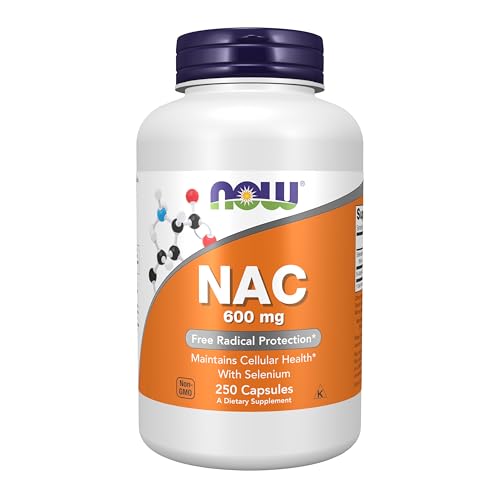
NOW Foods NAC 600mg
Best Value AntioxidantNOW Foods · Antioxidant support, liver detox, gut health alongside acne treatment
Niacinamide Serum 4–5%
Best Topical SerumNiacinamide Serum · All acne types, sensitive skin, post-inflammatory hyperpigmentation
Pure Organic Aloe Vera Gel
Best Soothing TreatmentPure Organic · Inflammatory acne, irritated skin from other treatments
Manuka Honey UMF 10+
Best Face Mask TreatmentManuka Honey · Antimicrobial support, weekly face mask ritual, dry irritated skin
Read the detailed review cards below before opening any retailer link
Top Recommended Products
Fiora Naturals
Fiora Naturals 100% Pure Tea Tree Oil
Clinical research supports 5% tea tree oil for reducing acne lesions by 40–50%, and this pure formulation lets you control the concentration while ensuring quality.
Pros
- + 100% pure and undiluted for custom dilution
- + organic and therapeutic grade
- + versatile for acne
- + scalp
- + and nails
Cons
- - Must be diluted before skin application — not ready-to-use
Why we included it: Clinical research supports 5% tea tree oil for reducing acne lesions by 40–50%, and this pure formulation lets you control the concentration while ensuring quality.
Retailer link opens on Amazon after the review details above
Thorne Zinc
Thorne Zinc Picolinate 30mg
Thorne's zinc picolinate delivers the clinically studied 30mg dose in a highly bioavailable form, backed by third-party certification for purity and potency.
Pros
- + Third-party tested and NSF certified
- + highly absorbable picolinate form
- + trusted by 100+ professional sports teams
Cons
- - Only 60 capsules per bottle (2-month supply)
Why we included it: Thorne's zinc picolinate delivers the clinically studied 30mg dose in a highly bioavailable form, backed by third-party certification for purity and potency.
Retailer link opens on Amazon after the review details above
Renew Life
Renew Life Ultimate Flora Extra Care 50 Billion
This multi-strain formula includes the key Lactobacillus and Bifidobacterium strains shown in meta-analyses to improve acne through gut-skin axis modulation.
Pros
- + High CFU count with multiple Lactobacillus and Bifidobacterium strains
- + delayed-release delivery
- + shelf-stable
Cons
- - Premium price point for a 30-day supply
Why we included it: This multi-strain formula includes the key Lactobacillus and Bifidobacterium strains shown in meta-analyses to improve acne through gut-skin axis modulation.
Retailer link opens on Amazon after the review details above
Viva Naturals
Viva Naturals Triple Strength Omega-3 Fish Oil
The high EPA+DHA concentration provides the 2–4g range shown in clinical research to reduce inflammatory acne by 42%, and the triglyceride form maximizes absorption.
Pros
- + 90% omega-3 concentration in superior triglyceride form
- + sustainably sourced wild-caught fish
- + high EPA for anti-inflammatory effects
Cons
- - Two softgels per serving may be large for some
Why we included it: The high EPA+DHA concentration provides the 2–4g range shown in clinical research to reduce inflammatory acne by 42%, and the triglyceride form maximizes absorption.
Retailer link opens on Amazon after the review details above
NOW Foods
NOW Foods NAC 600mg
NAC supports the body's master antioxidant glutathione, helping combat oxidative stress that contributes to acne inflammation and supporting overall detox pathways.
Pros
- + Supports glutathione production for antioxidant defense
- + well-researched for liver and immune support
- + affordable
Cons
- - Sulfur taste and odor may be off-putting to some
Why we included it: NAC supports the body's master antioxidant glutathione, helping combat oxidative stress that contributes to acne inflammation and supporting overall detox pathways.
Retailer link opens on Amazon after the review details above
Niacinamide Serum
Niacinamide Serum 4–5%
Clinical evidence supports 4% niacinamide for reducing inflammatory acne while improving skin barrier function — it's one of the most versatile and well-tolerated topicals available.
Pros
- + Reduces inflammatory lesions by 50% in clinical studies
- + non-irritating for sensitive skin
- + reduces sebum and hyperpigmentation
Cons
- - Results vary by formulation and brand
Why we included it: Clinical evidence supports 4% niacinamide for reducing inflammatory acne while improving skin barrier function — it's one of the most versatile and well-tolerated topicals available.
Retailer link opens on Amazon after the review details above
Pure Organic
Pure Organic Aloe Vera Gel
Research shows aloe vera gel enhances the effectiveness of other acne treatments while reducing irritation, making it an ideal addition to any natural acne protocol.
Pros
- + Anti-inflammatory and wound healing properties
- + soothes irritation from other acne treatments
- + moisturizing without clogging pores
Cons
- - Some commercial gels contain added fragrances or alcohol — choose 99%+ pure
Why we included it: Research shows aloe vera gel enhances the effectiveness of other acne treatments while reducing irritation, making it an ideal addition to any natural acne protocol.
Retailer link opens on Amazon after the review details above
Manuka Honey
Manuka Honey UMF 10+
Manuka honey's unique MGO compound provides antimicrobial action that regular honey can't match, and research supports its use as a topical treatment for inflammatory skin conditions.
Pros
- + Powerful antimicrobial activity against C. acnes
- + anti-inflammatory and wound healing
- + moisturizing humectant that won't clog pores
Cons
- - Messy application
- - premium price compared to regular honey
Why we included it: Manuka honey's unique MGO compound provides antimicrobial action that regular honey can't match, and research supports its use as a topical treatment for inflammatory skin conditions.
Retailer link opens on Amazon after the review details above
How Do You Build a Skincare Routine That Doesn't Worsen Acne?
Your skincare routine can either help or sabotage your natural acne protocol. The key principle: gentle, consistent, and non-comedogenic.
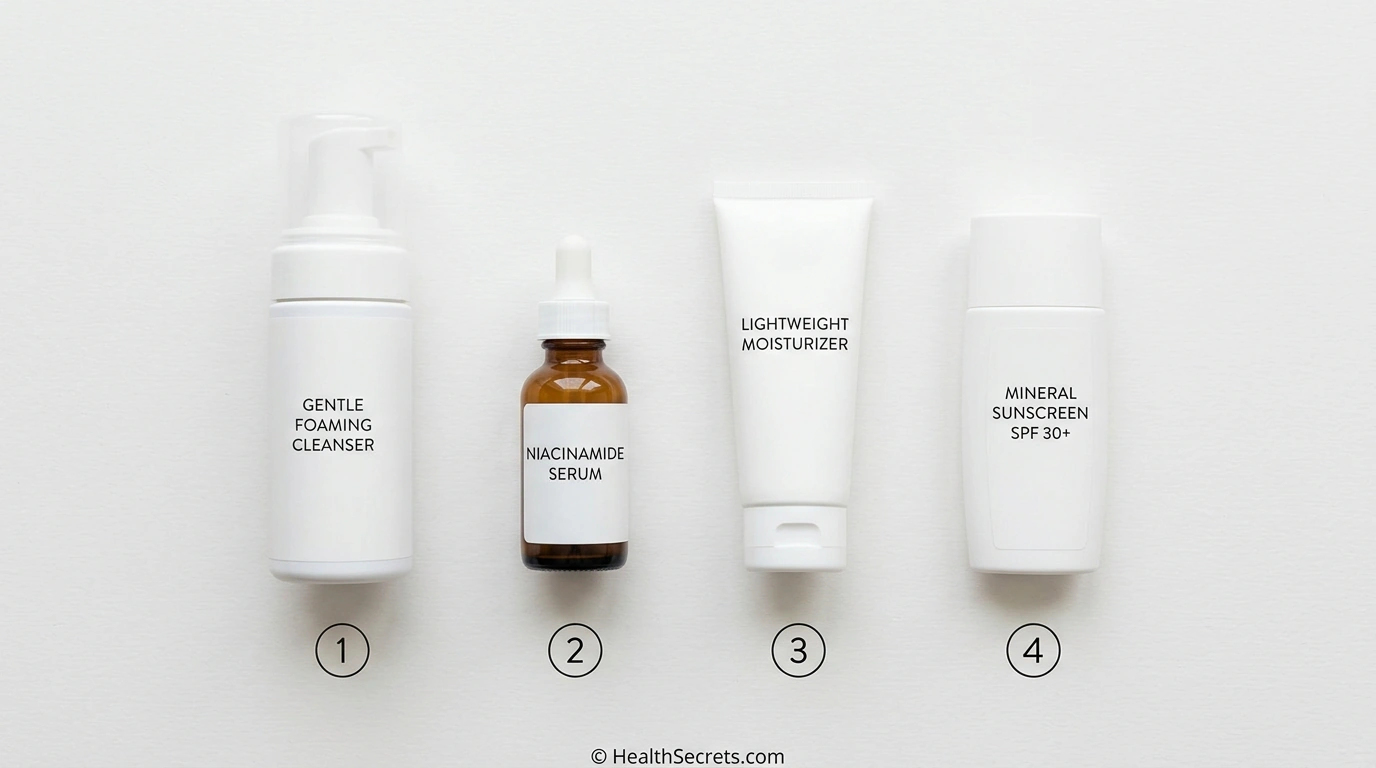
A good routine for acne-prone skin follows this structure. Cleanse twice daily with a gentle foaming cleanser or one containing 0.5–2% salicylic acid — avoid harsh scrubs and over-washing, which strip oils and trigger rebound sebum production. Apply topical treatments (tea tree oil, niacinamide 4–5% serum, or azelaic acid 10%) after cleansing. Niacinamide at 4% reduces inflammatory lesions by 50% and is exceptionally well-tolerated, even on sensitive skin.
Moisturize even if your skin is oily — dehydrated skin overcompensates by producing more oil. Choose lightweight, oil-free formulas with hyaluronic acid. Finish with SPF 30+ mineral sunscreen daily to prevent post-inflammatory hyperpigmentation.
Other essentials: avoid touching your face, change pillowcases weekly, and never pick or pop breakouts. For a complete detox diet approach that supports skin health from the inside, combine your skincare routine with dietary changes.
How Do Lifestyle Changes Support Clearer Skin?
Stress, sleep, and exercise directly affect your skin.
Cortisol — the stress hormone — increases sebum production and worsens inflammation, creating a vicious cycle.
Manage stress with 20 minutes of daily meditation (shown to reduce cortisol by up to 25%), yoga 3–5 times weekly, or regular exercise. Aim for 150 minutes of moderate exercise per week — it reduces stress, improves circulation, and promotes sweating that helps clear pores. Just shower immediately after to prevent sweat from clogging pores.
Sleep 7–9 hours nightly. Skin repair, cell turnover, and hormone regulation all happen during sleep. Chronic sleep deprivation increases cortisol and disrupts the hormonal balance your skin depends on.
Avoid smoking entirely — it reduces blood flow to skin, impairs healing, and increases oxidative stress that damages skin tissue.
What Are the Most Common Mistakes When Treating Acne Naturally?
The biggest mistake is expecting overnight results. Natural remedies work, but they require 8–12 weeks of consistent use. Many people give up at week 3 or 4, right before improvements would have appeared.
Other common errors include applying undiluted tea tree oil (always dilute to 5–15%), taking zinc on an empty stomach (causes nausea — always take with food), starting too many supplements at once (add one at a time every 2 weeks so you can identify what works), and over-cleansing (twice daily is enough — more strips oils and worsens acne).
Don't neglect internal approaches. Topical treatments alone address symptoms, not root causes. Combining supplements, diet changes, and topical care creates a comprehensive protocol that addresses acne from every angle. Track your progress with weekly photos — gradual improvements are hard to notice in the mirror.
Is It Safe to Use Natural Acne Remedies? When Should You See a Doctor?
Most natural acne remedies are safe and well-tolerated when used correctly. Tea tree oil, zinc, probiotics, and omega-3s all have strong safety profiles at recommended doses. However, you should see a dermatologist if your acne includes severe nodules or cysts, if scarring is occurring, if breakouts haven't improved after 3 months of consistent natural treatment, or if acne is significantly affecting your mental health.
Prescription options — topical retinoids like tretinoin, short-term oral antibiotics, isotretinoin for severe cystic acne, or spironolactone for hormonal acne in women — can work alongside natural approaches. Natural remedies complement rather than replace professional care when needed.
Watch for supplement interactions: zinc can interfere with antibiotics (space 2 hours apart), omega-3s have mild blood-thinning effects, and hormonal supplements like saw palmetto and vitex may interact with birth control.
Action Plan
What Should You Do First to Start Clearing Your Acne Naturally?
Follow the sequence below, work through each phase in order, and use the checklist as your practical implementation guide.
Start with the highest-impact changes first and build your protocol gradually over 12 weeks. A phased approach prevents overwhelm and helps you identify which interventions work best for your skin specifically.
Phase 1 — Weeks 1–2 (Foundation):
- Start a gentle skincare routine: cleanser, moisturizer, SPF 30+
- Begin zinc supplementation: 30mg daily with food
- Cut high-glycemic foods and start a dairy elimination trial
- Order tea tree oil and dilute to 5% in carrier oil
Phase 2 — Weeks 3–4 (Build):
- Add tea tree oil 5% topical application 1–2x daily
- Start probiotics: 10–50 billion CFU multi-strain daily
- Add 2–3 cups of green tea daily
- Begin food diary to track triggers
Phase 3 — Weeks 5–8 (Optimize):
- Add omega-3 supplementation: 2–4g EPA+DHA daily
- Add niacinamide 4% serum to skincare routine
- For hormonal acne: start spearmint tea 2 cups daily
- Implement stress management: meditation, exercise, sleep optimization
Phase 4 — Weeks 9–12 (Assess and Adjust):
- Evaluate progress with photos comparison
- Adjust protocol based on results
- Consult dermatologist if insufficient improvement
- Reintroduce eliminated foods one at a time to identify triggers


