
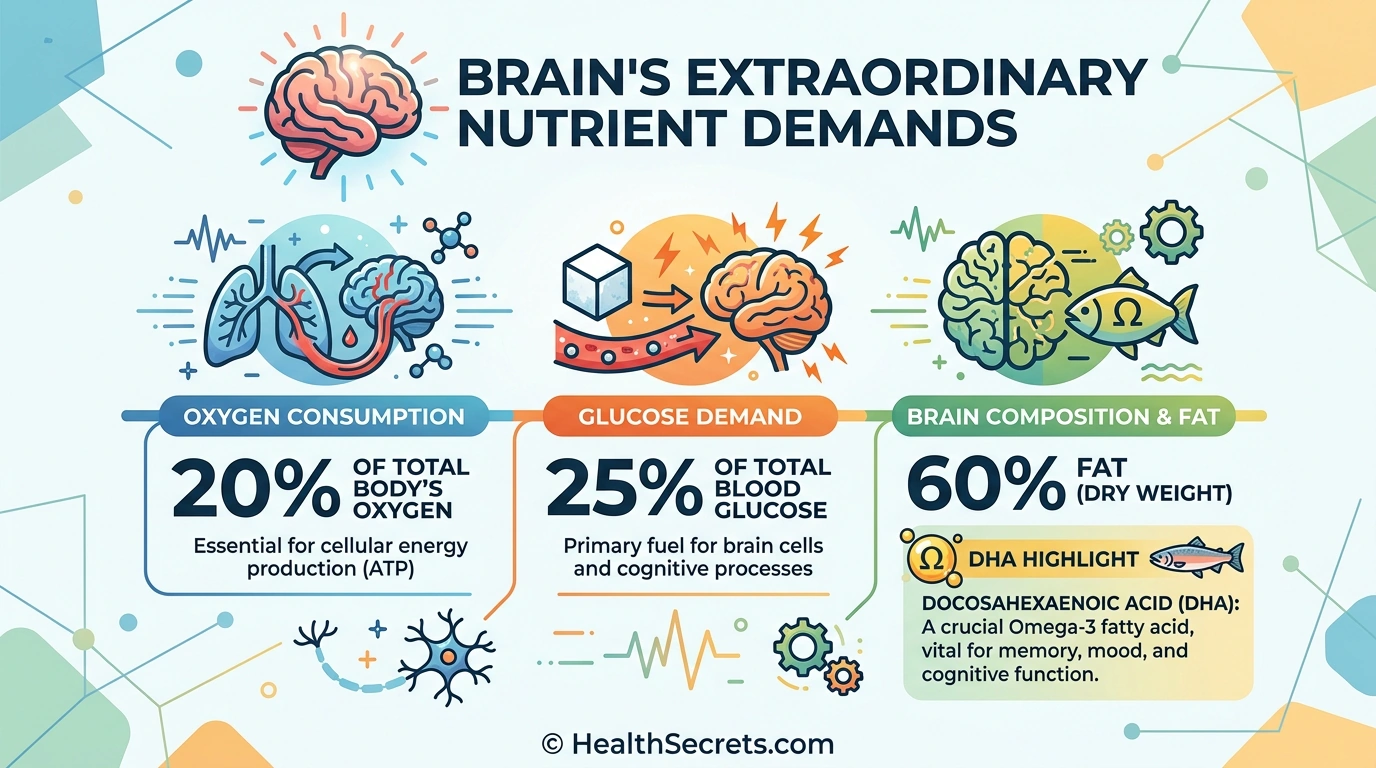
Your brain demands more energy than any other organ — consuming 20% of your oxygen and 25% of your glucose despite representing just 2% of your body weight. That extraordinary metabolic demand makes it uniquely vulnerable to nutrient deficiencies, oxidative stress, and age-related decline. With Alzheimer's disease affecting over 6 million Americans and cognitive decline becoming one of the most feared aspects of aging, the search for effective brain support has never been more urgent.
The good news? Research from the past decade has identified several supplements with genuine evidence for cognitive benefits. Omega-3 DHA supports brain structure and may reduce Alzheimer's risk. B vitamins have been shown to slow brain atrophy by 30% in patients with mild cognitive impairment. Lion's mane mushroom stimulates nerve growth factor — something no other natural food can do. And bacopa monnieri has enhanced memory in clinical trials after just 12 weeks of consistent use.
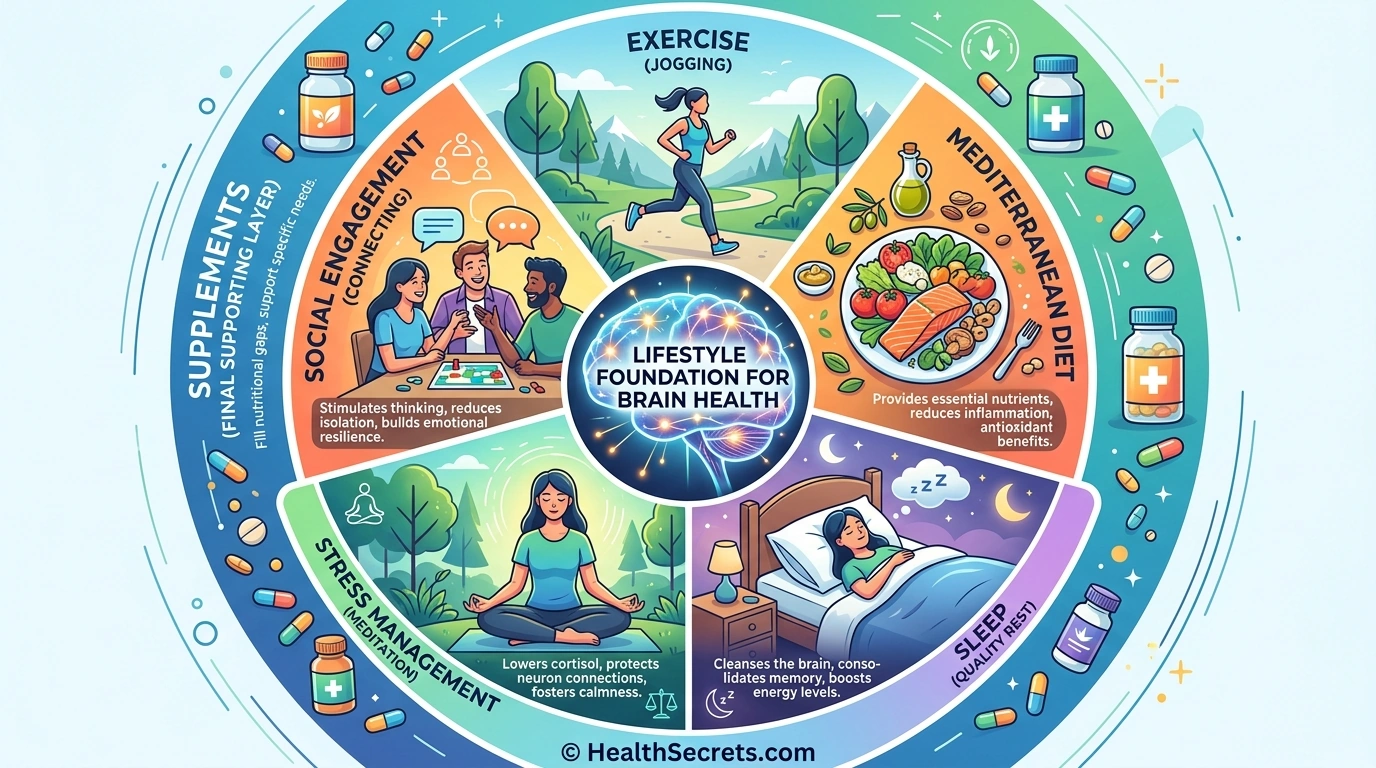
But supplements are not magic pills. They work best as part of a comprehensive approach that includes regular exercise, quality sleep, a Mediterranean-style diet, and stress management. Think of them as targeted nutritional support that fills gaps your diet may leave behind.
For more on natural cognitive support, explore our mental wellness guide, nootropics guide, and memory improvement strategies.
What Should You Look for in Brain Health Supplements?
Choosing effective brain supplements requires understanding which forms, doses, and quality markers actually matter. Not all supplements are created equal — the difference between a well-formulated product and a cheap alternative can determine whether you see real cognitive benefits or waste your money.
How Do You Identify High-Quality Brain Supplements?
Third-party testing is non-negotiable. Look for certifications from USP, NSF International, or ConsumerLab, which verify that products contain what they claim and are free from contaminants. For omega-3 supplements specifically, IFOS (International Fish Oil Standards) certification tests for mercury, PCBs, and oxidation levels Omega-3 quality standards, ConsumerLab [23].
Bioavailable forms make a significant difference in absorption and effectiveness:
- Omega-3: Triglyceride form absorbs better than ethyl ester
- B12: Methylcobalamin is the active form (not cyanocobalamin)
- Folate: Methylfolate is superior to synthetic folic acid
- CoQ10: Ubiquinol is the active, better-absorbed form (especially for those over 40)
- Magnesium: L-threonate crosses the blood-brain barrier; glycinate is well-absorbed and calming
Avoid proprietary blends that hide individual ingredient doses, unknown brands without third-party testing, and products making outrageous claims like "cure dementia" or "boost IQ by 50 points."
Which Supplements Have the Strongest Evidence for Brain Health?
The supplements with the most robust clinical evidence fall into three tiers based on research quality and consistency.
Tier 1 — Strong Evidence (multiple human RCTs):
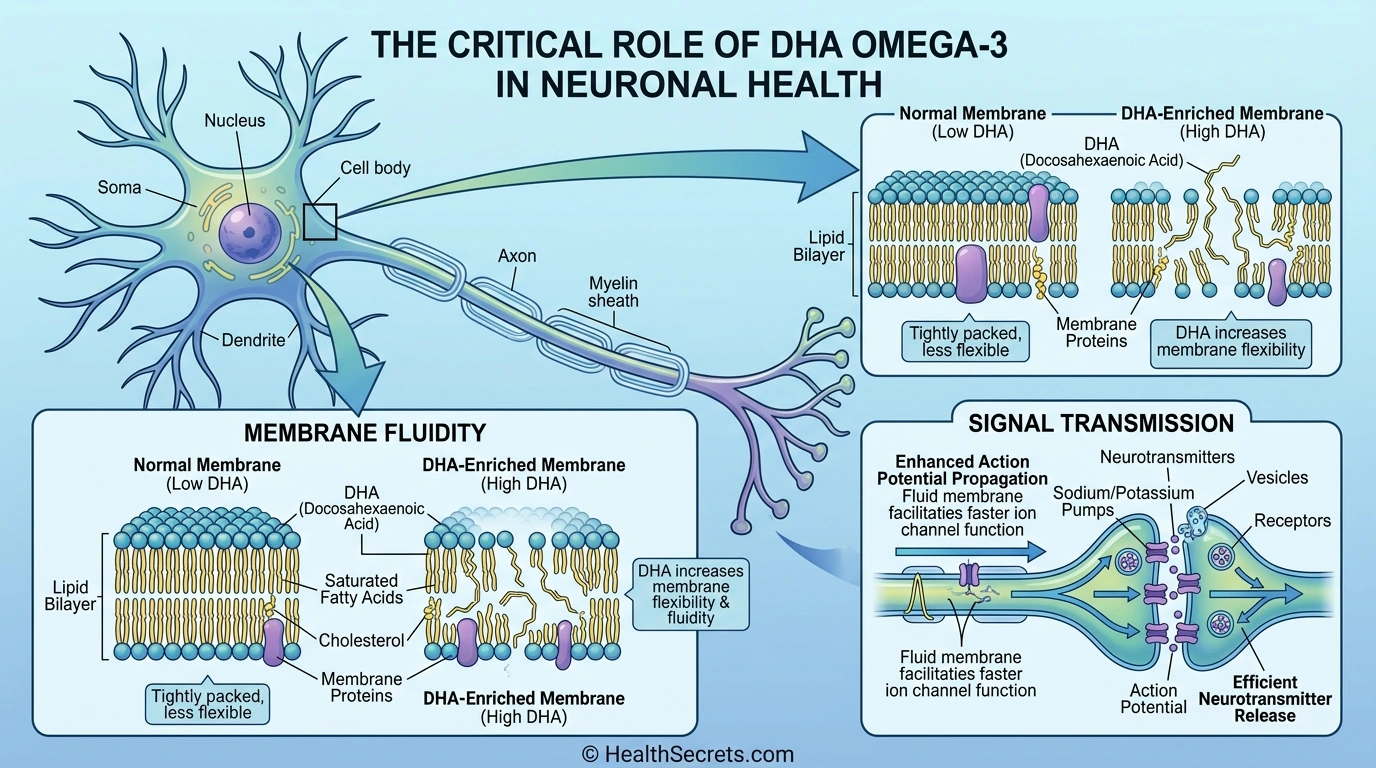
- Omega-3 DHA — brain structure, cognitive function, neuroinflammation
- B vitamins (B6/B12/folate) — homocysteine reduction, brain atrophy prevention
- Vitamin D — neuroprotection, dementia risk reduction
Tier 2 — Promising Evidence (human trials with positive results):
- Lion's mane mushroom — NGF stimulation, cognitive improvement in MCI
- Bacopa monnieri — memory enhancement, dendrite growth
- Magnesium L-threonate — working memory, cognitive performance
- Phosphatidylserine — memory in elderly, cortisol reduction
Tier 3 — Supportive Evidence (mixed or preliminary results):
- Ginkgo biloba — cerebral blood flow, modest cognitive benefits
- Acetyl-L-carnitine — mitochondrial energy, mental fatigue
- CoQ10 — antioxidant neuroprotection, energy production

How Did We Evaluate These Brain Health Supplements?
We evaluated over 50 brain health supplements across 10 categories using a rigorous methodology that prioritizes clinical evidence over marketing claims. Our assessment considered research quality, ingredient form and dosage, third-party testing, brand reputation, and real-world value.
What Criteria Did We Use to Rank Brain Supplements?
Each product was scored across five weighted criteria:
- Research Support (30%): Number and quality of human clinical trials supporting the ingredient at the product's dose
- Ingredient Quality (25%): Bioavailable forms, proper dosing, no unnecessary fillers or proprietary blends
- Third-Party Testing (20%): USP, NSF, IFOS, ConsumerLab, or equivalent independent verification
- Brand Reputation (15%): Manufacturing standards (GMP), transparency, track record, customer satisfaction
- Value (10%): Cost per effective dose relative to quality and competition
We cross-referenced PubMed and NIH databases for clinical evidence on each ingredient, verified Amazon ASINs for product availability, and consulted published systematic reviews and meta-analyses from 2020–2026. Products with unverified health claims, proprietary blends hiding individual doses, or lack of third-party testing were excluded.

Nordic Naturals DHA Xtra
Editor's ChoiceNordic Naturals · Brain structure, memory, foundational omega-3 support

Thorne Basic B-Complex
Best Methylated B-ComplexThorne Basic · Neurotransmitter support, homocysteine reduction, vegetarians and elderly

Thorne Vitamin D-5,000
Best Vitamin D3Thorne Vitamin · Neuroprotection, deficiency correction, cognitive decline prevention
Life Extension Neuro-Mag Magnesium L-Threonate
Best for Working MemoryLife Extension · Cognitive performance, working memory, brain-specific magnesium support
Real Mushrooms Lion's Mane Extract Capsules
Best for NeuroplasticityReal Mushrooms · NGF stimulation, cognitive function in MCI, neuroprotection
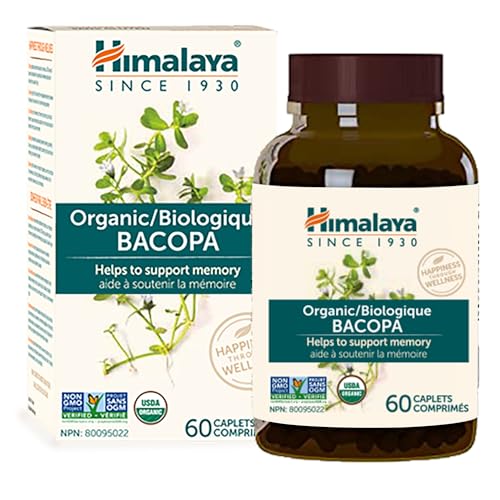
Himalaya Organic Bacopa
Best for Memory EnhancementHimalaya Organic · Memory consolidation, information processing, long-term cognitive health
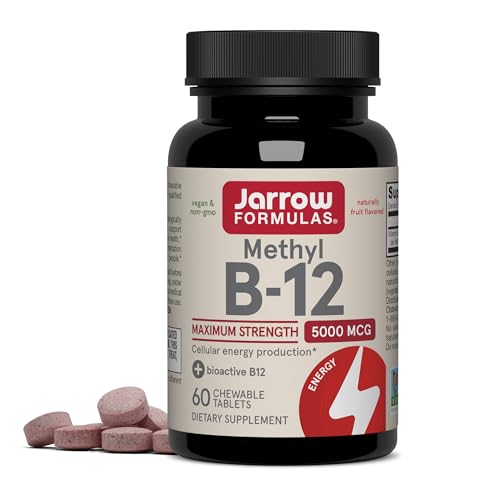
Jarrow Formulas PS 100 Phosphatidylserine
Best for Age-Related DeclineJarrow Formulas · Elderly memory support, cortisol reduction, neurotransmitter release
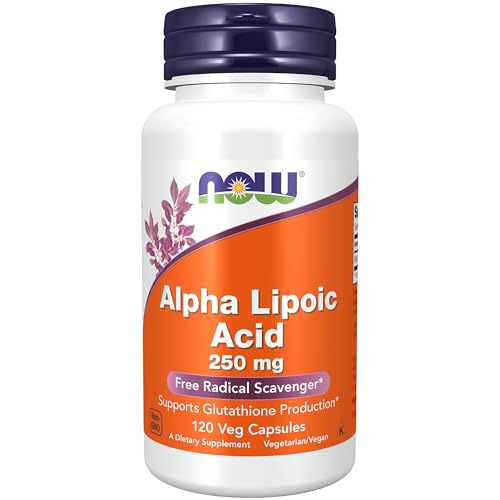
NOW Foods Acetyl-L-Carnitine 500mg
Best for Mental FatigueNOW Foods · Brain energy, mental fatigue, mitochondrial support, focus
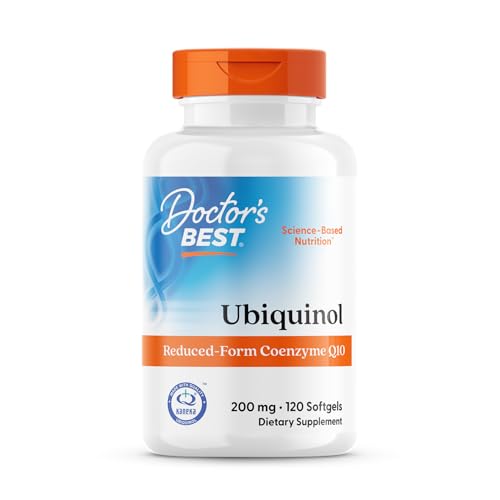
Doctor's Best Ubiquinol with Kaneka
Best CoQ10 for Brain EnergyDoctor's Best · Mitochondrial support, neuroprotection, anti-aging, statin users

Nature's Way Ginkgold
Best for Cerebral Blood FlowNature's Way · Vascular cognitive support, antioxidant protection, cerebral circulation
Read the detailed review cards below before opening any retailer link
Top Recommended Products
Nordic Naturals
Nordic Naturals DHA Xtra
Nordic Naturals DHA Xtra delivers the highest DHA concentration we found in a triglyceride-form omega-3, backed by IFOS 5-star certification for purity. DHA is the primary structural omega-3 in the brain, and this formula provides near-therapeutic doses in just two softgels.
Voordelen
- + Industry-leading DHA content per serving
- + IFOS-certified purity and potency
- + triglyceride form absorbs better than ethyl ester
- + no fishy aftertaste
Nadelen
- - Premium pricing
- - requires 2 softgels per serving
Waarom we dit hebben opgenomen: Nordic Naturals DHA Xtra delivers the highest DHA concentration we found in a triglyceride-form omega-3, backed by IFOS 5-star certification for purity. DHA is the primary structural omega-3 in the brain, and this formula provides near-therapeutic doses in just two softgels.
Retailer-link opent op Amazon na de bovenstaande beoordelingsdetails
Thorne Basic
Thorne Basic B-Complex
Thorne uses methylcobalamin and methylfolate — the active forms your body can use immediately without conversion. B vitamin supplementation with these forms has been shown to slow brain atrophy by 30% in MCI patients, and Thorne's NSF certification provides exceptional quality assurance.
Voordelen
- + Active methylated forms for superior bioavailability
- + includes choline for additional brain support
- + NSF certified
- + trusted brand used by healthcare practitioners
Nadelen
- - Does not include high-dose individual B12 for severe deficiency
Waarom we dit hebben opgenomen: Thorne uses methylcobalamin and methylfolate — the active forms your body can use immediately without conversion. B vitamin supplementation with these forms has been shown to slow brain atrophy by 30% in MCI patients, and Thorne's NSF certification provides exceptional quality assurance.
Retailer-link opent op Amazon na de bovenstaande beoordelingsdetails
Thorne Vitamin
Thorne Vitamin D-5,000
Vitamin D deficiency affects 50% of Americans and is strongly linked to cognitive decline and increased dementia risk. Thorne's 5,000 IU dose is ideal for correcting deficiency and reaching the optimal 40–60 ng/mL range. NSF certification ensures what's on the label is in the capsule.
Voordelen
- + Therapeutic dose for deficiency correction
- + NSF certified quality
- + trusted practitioner brand
- + excellent value per dose
Nadelen
- - May need to reduce dose once optimal levels reached
- - no K2 included (consider separate K2 supplement)
Waarom we dit hebben opgenomen: Vitamin D deficiency affects 50% of Americans and is strongly linked to cognitive decline and increased dementia risk. Thorne's 5,000 IU dose is ideal for correcting deficiency and reaching the optimal 40–60 ng/mL range. NSF certification ensures what's on the label is in the capsule.
Retailer-link opent op Amazon na de bovenstaande beoordelingsdetails
Life Extension
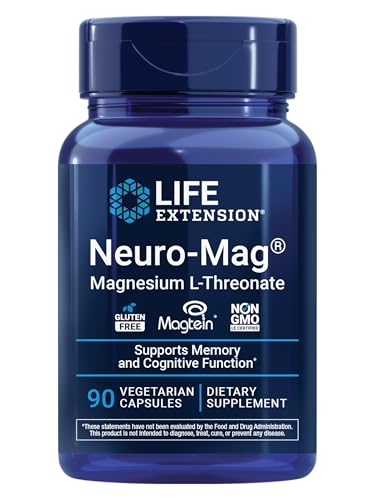
Life Extension Neuro-Mag Magnesium L-Threonate
Life Extension's Neuro-Mag uses the patented Magtein form of magnesium L-threonate — the same form used in clinical trials showing improved working memory, reaction time, and a 7.5-year reduction in cognitive age. It is the only magnesium form proven to effectively cross the blood-brain barrier.
Voordelen
- + Only magnesium form clinically shown to increase brain magnesium levels
- + patented Magtein used in clinical trials
- + improved cognitive age by 7.5 years in recent study
- + well-tolerated
Nadelen
- - Lower elemental magnesium than other forms
- - requires 3 capsules per serving
Waarom we dit hebben opgenomen: Life Extension's Neuro-Mag uses the patented Magtein form of magnesium L-threonate — the same form used in clinical trials showing improved working memory, reaction time, and a 7.5-year reduction in cognitive age. It is the only magnesium form proven to effectively cross the blood-brain barrier.
Retailer-link opent op Amazon na de bovenstaande beoordelingsdetails
Real Mushrooms
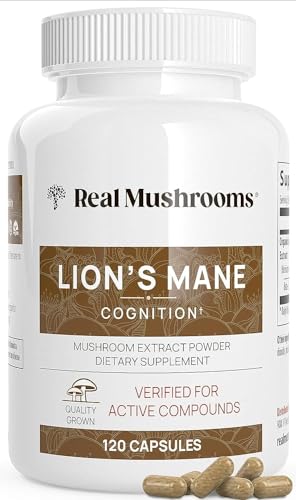
Real Mushrooms Lion's Mane Extract Capsules
Real Mushrooms uses exclusively organic fruiting body — where the highest concentrations of hericenones are found — with verified beta-glucan content. Lion's mane is the only natural compound known to stimulate nerve growth factor (NGF), and clinical trials have shown cognitive improvement in MCI patients after 16 weeks.
Voordelen
- + 100% organic fruiting body extract with verified beta-glucans
- + no grain fillers or mycelium
- + third-party tested for purity
- + transparent labeling
Nadelen
- - Takes 4–16 weeks for noticeable effects
- - not standardized to specific hericenone content
Waarom we dit hebben opgenomen: Real Mushrooms uses exclusively organic fruiting body — where the highest concentrations of hericenones are found — with verified beta-glucan content. Lion's mane is the only natural compound known to stimulate nerve growth factor (NGF), and clinical trials have shown cognitive improvement in MCI patients after 16 weeks.
Retailer-link opent op Amazon na de bovenstaande beoordelingsdetails
Himalaya Organic
Himalaya Organic Bacopa
Bacopa monnieri has demonstrated memory enhancement of approximately 25% in clinical trials after 12 weeks of consistent supplementation. Himalaya uses organic bacopa with a full-spectrum extraction that preserves the active bacosides responsible for dendrite growth and synaptic connection formation.
Voordelen
- + Organic and sustainably sourced
- + clinically studied herb
- + affordable pricing
- + established Ayurvedic brand with decades of experience
Nadelen
- - Takes 8–12 weeks for full memory effects
- - some users report mild GI discomfort initially
Waarom we dit hebben opgenomen: Bacopa monnieri has demonstrated memory enhancement of approximately 25% in clinical trials after 12 weeks of consistent supplementation. Himalaya uses organic bacopa with a full-spectrum extraction that preserves the active bacosides responsible for dendrite growth and synaptic connection formation.
Retailer-link opent op Amazon na de bovenstaande beoordelingsdetails
Jarrow Formulas
Jarrow Formulas PS 100 Phosphatidylserine
Phosphatidylserine is a key component of neuronal cell membranes that declines with age. Jarrow's PS 100 provides the clinically studied 100mg dose, allowing flexible dosing from 100–300mg daily. Research shows it improves memory in elderly individuals with age-related cognitive decline and reduces cortisol levels.
Voordelen
- + Clinical dose per capsule
- + flexible dosing (100–300mg)
- + supports cell membrane integrity
- + reduces stress hormone cortisol
Nadelen
- - Soy-derived (not suitable for soy allergies)
- - benefits most pronounced in elderly populations
Waarom we dit hebben opgenomen: Phosphatidylserine is a key component of neuronal cell membranes that declines with age. Jarrow's PS 100 provides the clinically studied 100mg dose, allowing flexible dosing from 100–300mg daily. Research shows it improves memory in elderly individuals with age-related cognitive decline and reduces cortisol levels.
Retailer-link opent op Amazon na de bovenstaande beoordelingsdetails
NOW Foods
NOW Foods Acetyl-L-Carnitine 500mg
Acetyl-L-carnitine uniquely crosses the blood-brain barrier to deliver both mitochondrial energy support and acetyl groups for acetylcholine production — the neurotransmitter essential for learning and memory. NOW Foods provides pharmaceutical-grade ALCAR at an accessible price point.
Voordelen
- + Affordable per-serving cost
- + acetylated form provides acetyl groups for acetylcholine production
- + supports mitochondrial energy
- + well-established brand
Nadelen
- - May be stimulating if taken late in the day
- - best taken on empty stomach
Waarom we dit hebben opgenomen: Acetyl-L-carnitine uniquely crosses the blood-brain barrier to deliver both mitochondrial energy support and acetyl groups for acetylcholine production — the neurotransmitter essential for learning and memory. NOW Foods provides pharmaceutical-grade ALCAR at an accessible price point.
Retailer-link opent op Amazon na de bovenstaande beoordelingsdetails
Doctor's Best
Doctor's Best Ubiquinol with Kaneka
CoQ10 levels decline by 50% by age 40, and the brain's enormous energy demands make it especially vulnerable. Doctor's Best uses Kaneka's patented ubiquinol — the active, reduced form that absorbs significantly better than standard ubiquinone, particularly in older adults.
Voordelen
- + Premium Kaneka ubiquinol — the gold standard
- + active form requires no conversion
- + 200mg therapeutic dose
- + essential for those over 40 when natural CoQ10 production declines
Nadelen
- - Higher price per serving
- - smaller count per bottle
Waarom we dit hebben opgenomen: CoQ10 levels decline by 50% by age 40, and the brain's enormous energy demands make it especially vulnerable. Doctor's Best uses Kaneka's patented ubiquinol — the active, reduced form that absorbs significantly better than standard ubiquinone, particularly in older adults.
Retailer-link opent op Amazon na de bovenstaande beoordelingsdetails
Nature's Way
Nature's Way Ginkgold
While ginkgo biloba evidence is more mixed than other supplements on this list, Nature's Way Ginkgold provides the standardized extract (24% flavonoids, 6% terpenoids) used in clinical research. It may benefit individuals with vascular-related cognitive concerns by improving cerebral blood flow and providing antioxidant protection.
Voordelen
- + Standardized to clinical trial ratios (24%/6%)
- + long-established ginkgo brand
- + affordable
- + good serving count
Nadelen
- - Evidence for cognitive benefits is mixed and modest
- - must avoid with blood thinners
- - requires divided dosing
Waarom we dit hebben opgenomen: While ginkgo biloba evidence is more mixed than other supplements on this list, Nature's Way Ginkgold provides the standardized extract (24% flavonoids, 6% terpenoids) used in clinical research. It may benefit individuals with vascular-related cognitive concerns by improving cerebral blood flow and providing antioxidant protection.
Retailer-link opent op Amazon na de bovenstaande beoordelingsdetails
How Do You Use Brain Health Supplements Effectively?
Taking the right supplements matters less than taking them correctly. Timing, combinations, and consistency all influence whether you experience meaningful cognitive benefits or simply expensive urine.

What Is the Best Way to Stack Brain Supplements?
Start with a foundational stack and add targeted supplements based on your specific goals. Introducing everything at once makes it impossible to identify what works for you individually.
Foundational Stack (Weeks 1–4):
- Omega-3 DHA: 1–2g daily with meals (fat-soluble)
- B-Complex: Morning with food (may be energizing)
- Vitamin D3: 2,000–4,000 IU with meals (fat-soluble, test levels)
Memory and Neuroplasticity Stack (Add Weeks 5–8):
- Lion's mane: 500–1,000mg extract with meals
- Bacopa monnieri: 300mg (50% bacosides) with fat-containing meal
Neuroprotection Stack (Add Weeks 9–12):
- Magnesium L-threonate: 2,000mg evening (calming, supports sleep)
- CoQ10 ubiquinol: 100–200mg with meals (fat-soluble)
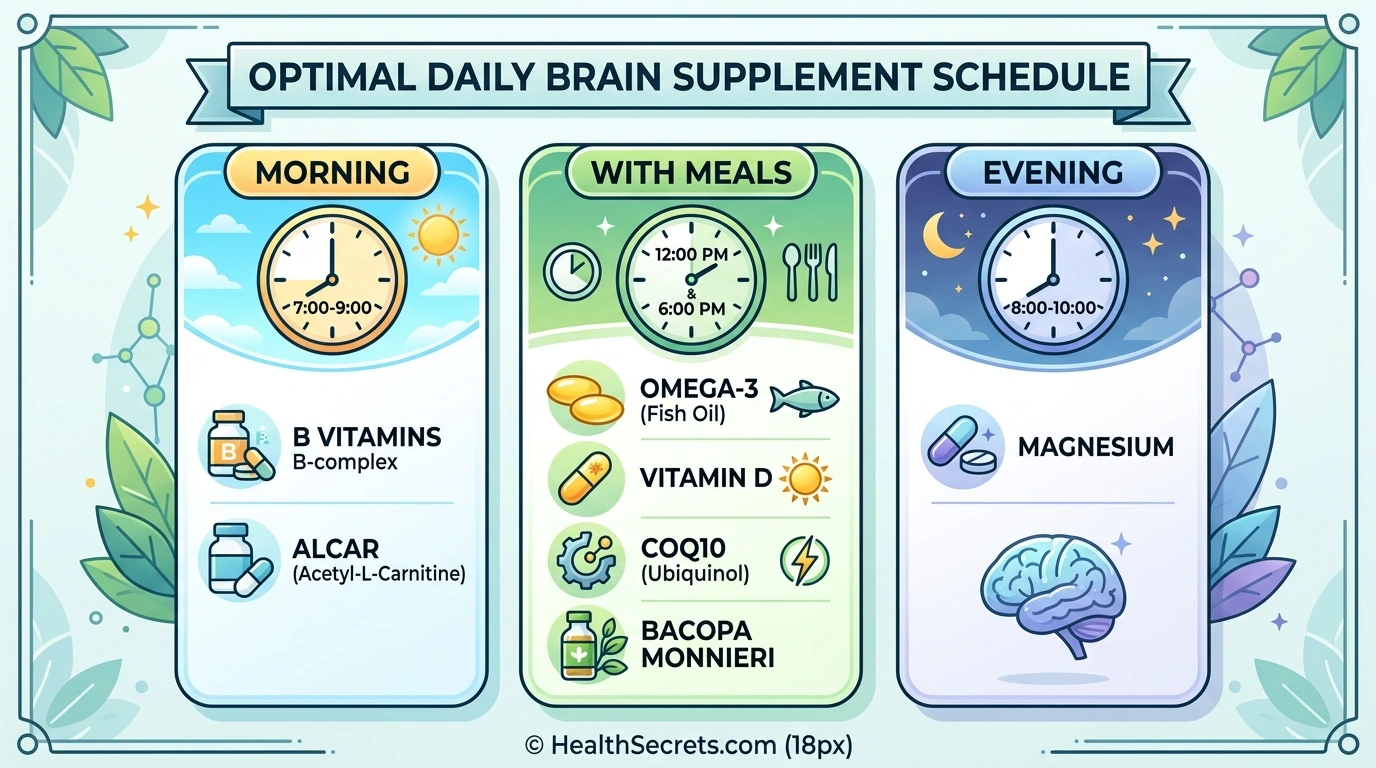
Timing matters:
- Morning: B vitamins, acetyl-L-carnitine (energizing)
- With meals: Omega-3, vitamin D, CoQ10, bacopa (fat-soluble)
- Evening: Magnesium (calming, supports sleep)
- Avoid evening: Acetyl-L-carnitine (may be stimulating)
Be patient. Most brain supplements require 4–16 weeks for measurable effects. Omega-3 takes 4–12 weeks to influence brain membrane composition. Lion's mane needs 4–16 weeks for NGF stimulation. Bacopa requires 8–12 weeks for dendrite growth and memory enhancement. Consistency matters far more than dose size.

Are There Any Safety Concerns with Brain Health Supplements?
Most brain health supplements have excellent safety profiles at recommended doses, but drug interactions, contraindications, and quality concerns require attention. Always consult your healthcare provider before starting any supplement, particularly if you take prescription medications.
Which Brain Supplements Can Interact with Medications?
- Ginkgo biloba is the most interaction-prone brain supplement. It inhibits platelet aggregation and should be avoided with anticoagulants (warfarin, heparin), antiplatelet drugs (aspirin, clopidogrel), and before surgery. It may also interact with antidepressants and anti-seizure medications StatPearls, Ginkgo biloba interactions [22].
- Omega-3 fatty acids at high doses (above 3g daily) may increase bleeding risk, particularly when combined with blood-thinning medications. Standard supplemental doses (1–2g) are generally safe.
- Bacopa monnieri may increase the effects of thyroid medications and cholinergic drugs. Some users report mild gastrointestinal symptoms (nausea, cramping), which typically resolve by taking it with food StatPearls, Bacopa monnieri [21].
- Phosphatidylserine and acetyl-L-carnitine have minimal drug interactions at standard doses.
- Magnesium supplements may reduce absorption of certain antibiotics and bisphosphonates — separate by 2 hours.
- Who should exercise extra caution: Pregnant or breastfeeding women, individuals on blood thinners, people with bleeding disorders, those scheduled for surgery (stop ginkgo and high-dose omega-3 two weeks before), and anyone with bipolar disorder (some nootropics may trigger mania).
Action Plan
What Should You Do First to Support Your Brain Health?
Follow the sequence below, work through each phase in order, and use the checklist as your practical implementation guide.
Start with lifestyle foundations, then layer in targeted supplementation. This phased approach ensures you build the strongest possible base for cognitive health while identifying which supplements provide you with the most noticeable benefits.
Phase 1: Foundation (Weeks 1–4)
- Begin foundational stack: omega-3 DHA 1–2g + B-complex + vitamin D3 2,000–4,000 IU
- Get vitamin D blood test (target 40–60 ng/mL)
- Start daily exercise routine (work toward 150 min/week aerobic)
- Prioritize 7–9 hours sleep nightly
- Adopt Mediterranean-style eating pattern (fatty fish 2–3x/week, colorful produce, olive oil)
Phase 2: Targeted Support (Weeks 5–8)
- Add lion's mane 500–1,000mg extract daily if memory and neuroplasticity are goals
- Add bacopa monnieri 300mg daily with fat-containing meal
- Track cognitive changes (journaling, apps, or simple self-assessment)
- Continue lifestyle habits consistently
Phase 3: Optimization (Weeks 9–12+)
- Add magnesium L-threonate 2,000mg evening for neuroprotection and sleep
- Consider CoQ10 ubiquinol 100–200mg if over 40 or experiencing mental fatigue
- Consider phosphatidylserine 100–300mg if elderly or experiencing age-related decline
- Reassess what's working and adjust stack accordingly
- Consult healthcare provider if concerns about cognitive decline persist
Expected timeline: Subtle improvements in 2–4 weeks (energy, clarity), noticeable memory and focus benefits in 8–12 weeks, significant cumulative effects with 3–6 months of consistent use.


