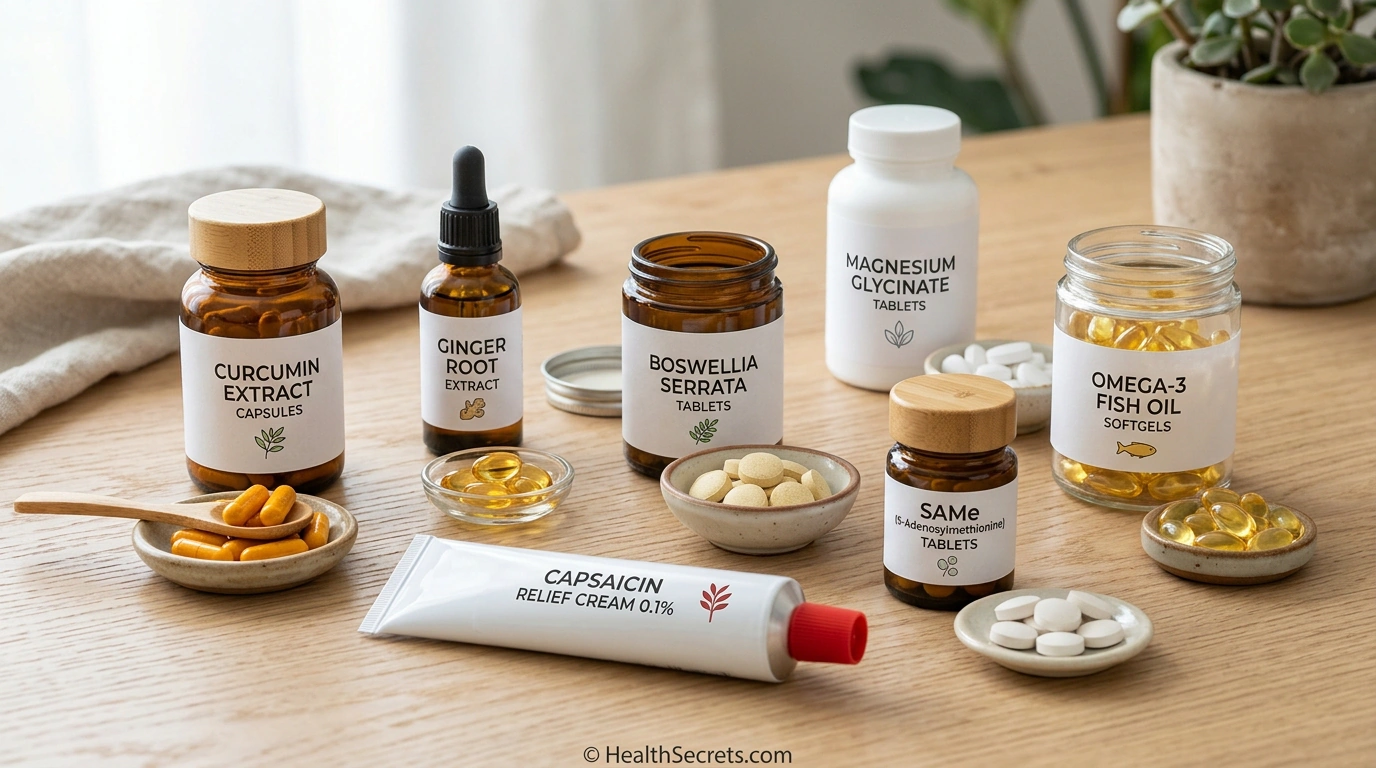
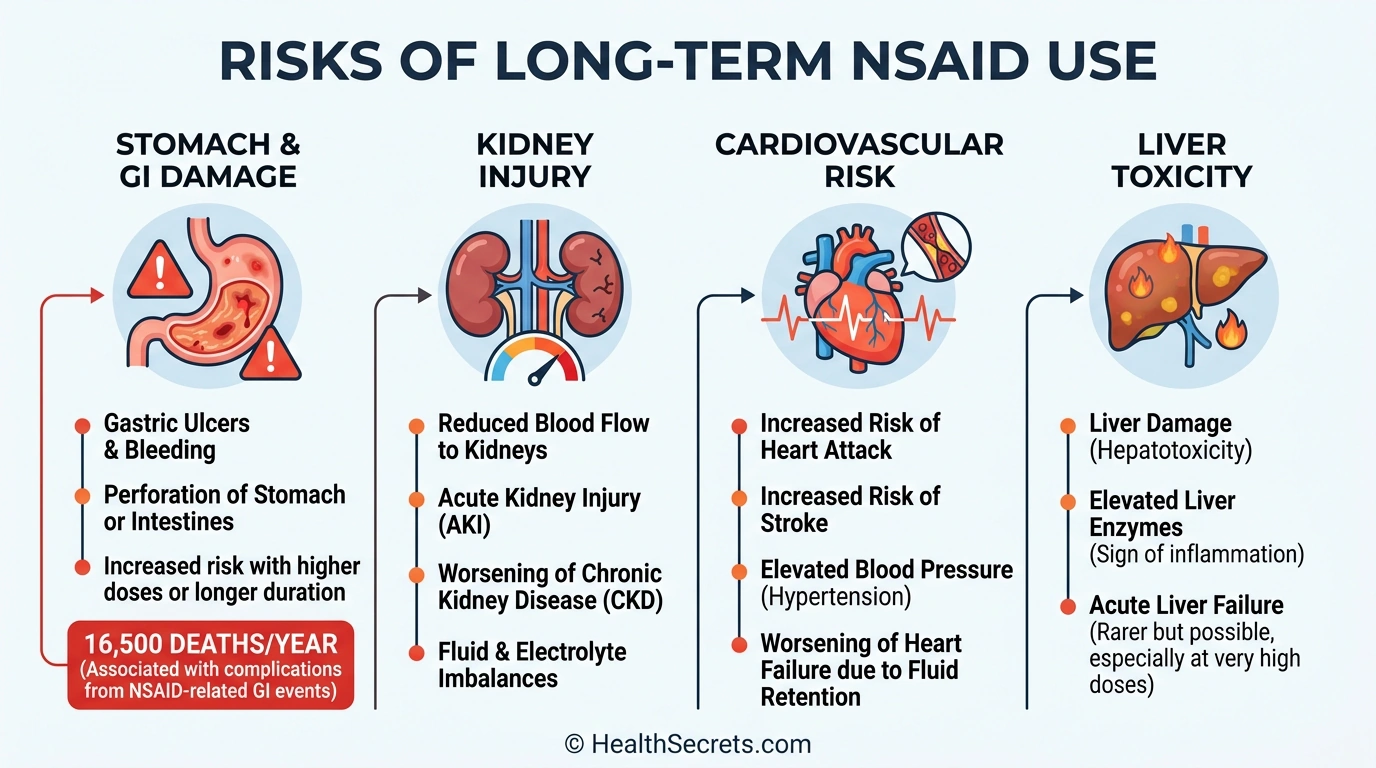
Pain is one of the most universal human experiences—and for millions of people, the first instinct is to reach for ibuprofen, naproxen, or aspirin. These nonsteroidal anti-inflammatory drugs (NSAIDs) work quickly and reliably. But there's a cost most people don't fully appreciate: approximately 16,500 NSAID-related deaths occur each year in the United States from gastrointestinal complications alone, and that figure only accounts for arthritis patients [1]. Add in kidney damage, cardiovascular events, and liver toxicity, and the picture gets even more concerning.
The good news? Nature offers a surprisingly deep bench of alternatives. Compounds like curcumin, boswellic acids, gingerols, and omega-3 fatty acids target inflammation through diverse pathways—often matching NSAID efficacy for chronic pain while carrying significantly fewer long-term risks. A multicenter study found that Curcuma domestica extracts were as effective as ibuprofen for knee osteoarthritis, with fewer gastrointestinal side effects [2].
In this guide, you'll learn exactly how to identify your pain type, choose the right natural remedy, combine approaches for maximum relief, and safely transition away from daily NSAID use. Whether you're dealing with chronic inflammation, arthritis, muscle pain, or neuropathic discomfort, there's an evidence-based natural approach worth exploring.
What Do You Need to Know Before Choosing Natural Pain Relief?
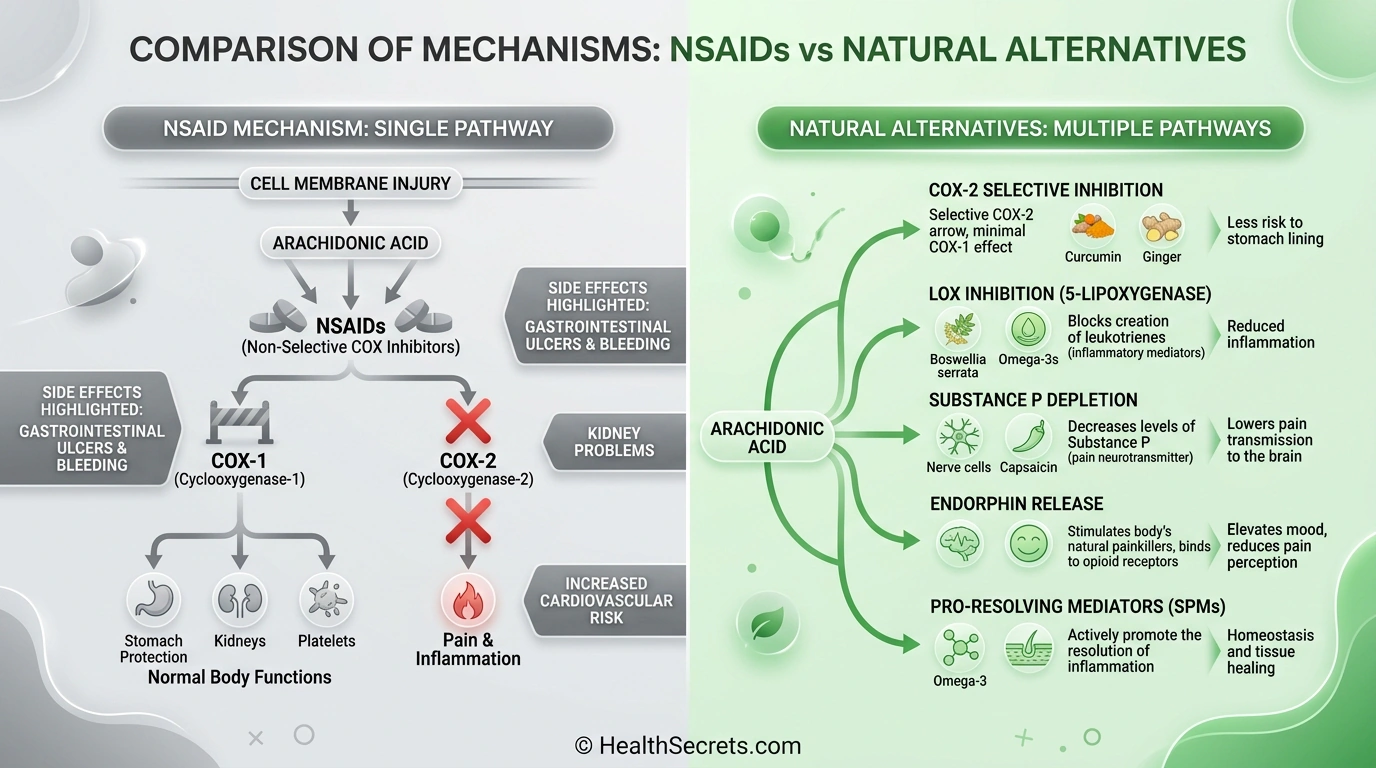
Before switching to natural pain management, you need to understand why NSAIDs are problematic long-term, how natural alternatives work differently, and what realistic expectations look like. NSAIDs inhibit both COX-1 and COX-2 enzymes non-selectively, which reduces pain and inflammation but also strips away protective prostaglandins in the stomach lining, kidneys, and cardiovascular system.
Why Are NSAIDs Dangerous for Long-Term Use?
NSAIDs—including ibuprofen (Advil, Motrin), naproxen (Aleve), and aspirin—block cyclooxygenase enzymes that produce prostaglandins. While COX-2 inhibition reduces inflammatory pain, COX-1 inhibition removes the protective mucus layer in your stomach, impairs kidney blood flow, and disrupts cardiovascular balance.
The consequences are well-documented:
- Gastrointestinal damage: 15–30% of chronic NSAID users develop peptic ulcers, and approximately 107,000 patients are hospitalized annually for NSAID-related GI complications in the US [1]
- Kidney injury: 1–5% of NSAID users develop acute renal complications, with risk increasing alongside dose and duration [14]
- Cardiovascular risk: The FDA warns that heart attack and stroke risk increases even with short-term NSAID use [12]
- Liver toxicity: Less common but serious, particularly with diclofenac StatPearls, NCBI Bookshelf [13]
How Do Natural Alternatives Work Differently?
Unlike NSAIDs' blunt COX-1/COX-2 inhibition, natural pain relievers use diverse mechanisms:
| Mechanism | Natural Remedies | How It Works |
|---|---|---|
| Selective COX-2 inhibition | Turmeric, ginger | Blocks inflammatory prostaglandins without damaging stomach lining |
| LOX (5-lipoxygenase) inhibition | Boswellia, ginger | Reduces leukotrienes—a separate inflammatory pathway NSAIDs miss |
| Substance P depletion | Capsaicin (topical) | Desensitizes pain nerve endings with repeated application |
| Endorphin release | Acupuncture, exercise | Stimulates the body's own natural painkillers |
| Pro-resolving mediators | Omega-3 (EPA/DHA) | Produces resolvins and protectins that actively resolve inflammation |
| This diversity means you can combine multiple natural approaches for synergistic effects—something not safely done with multiple NSAIDs. |
Who should try natural alternatives: Anyone with chronic pain (arthritis, fibromyalgia, back pain), people who cannot tolerate NSAIDs (GI issues, kidney disease, cardiovascular disease), and anyone seeking to reduce long-term medication dependence.
Expected timeline: Most natural remedies require 2–4 weeks of consistent use before reaching full effectiveness. This is fundamentally different from NSAIDs, which provide immediate relief.
Step 1: How Do You Identify Your Pain Type and Match the Right Remedy?
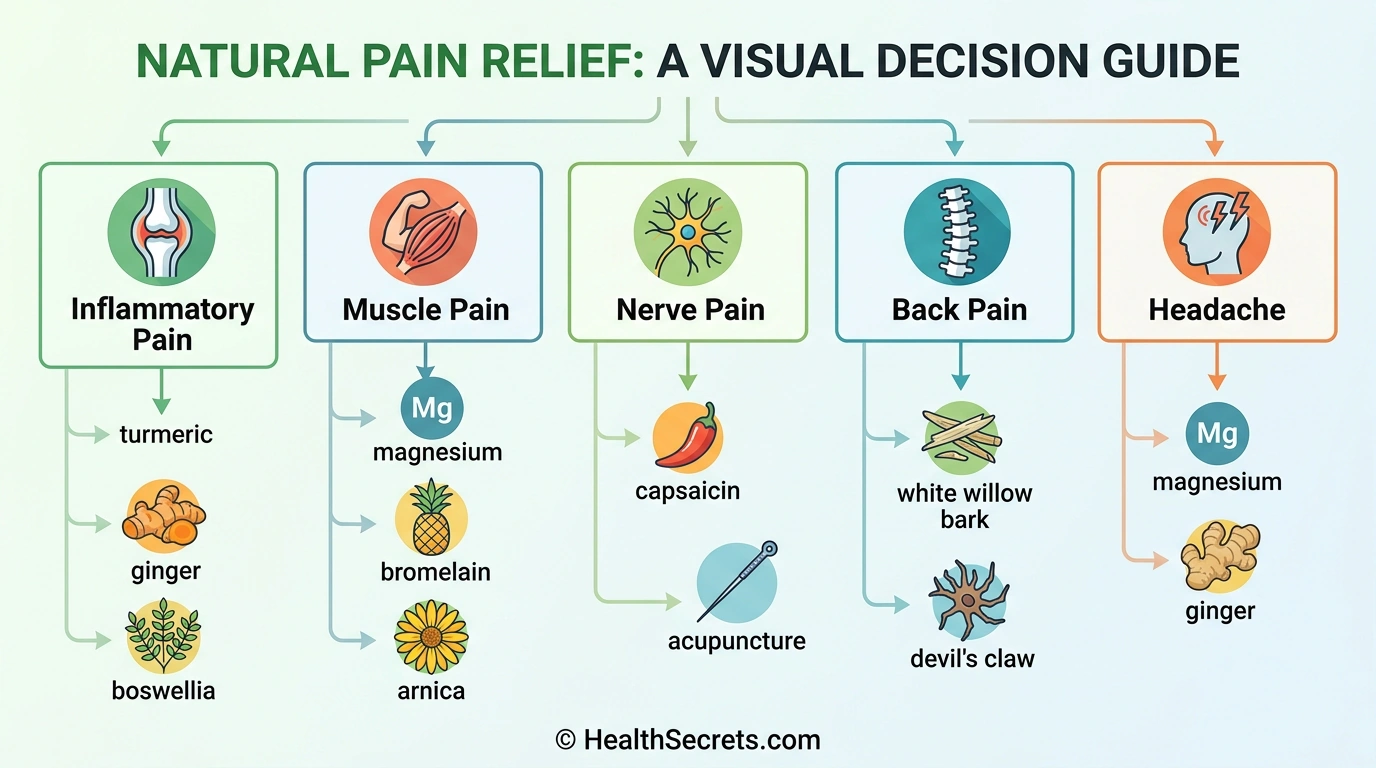
The most effective natural pain strategy starts with understanding your specific pain type, because different remedies excel for different conditions. Matching your pain to the right natural approach dramatically improves your chances of success and prevents wasting time and money on remedies that don't target your issue.
Inflammatory Pain (Arthritis, Autoimmune)
Characterized by swelling, redness, warmth, and stiffness—especially morning stiffness. Osteoarthritis, rheumatoid arthritis, and inflammatory bowel disease fall here.
Best natural remedies: Turmeric/curcumin (1,000–1,500mg daily), ginger (500–1,000mg daily), boswellia (300–500mg daily), omega-3 fatty acids (2–4g EPA+DHA daily)
Muscle and Soft Tissue Pain
Soreness, tension, cramps, and spasms from overuse, injury, or chronic conditions like fibromyalgia.
Best natural remedies: Magnesium (400–600mg glycinate daily), bromelain (500–1,000mg daily), arnica (topical), capsaicin cream
Neuropathic Pain (Nerve Pain)
Burning, tingling, shooting, or electric-shock sensations from nerve damage, shingles, or diabetic neuropathy.
Best natural remedies: Capsaicin (topical, 0.025–0.075%), acupuncture, magnesium, omega-3 fatty acids
Back and Joint Pain
Dull, aching, or sharp pain from structural issues, disc problems, or degenerative joint disease.
Best natural remedies: White willow bark (120–240mg salicin daily), devil's claw (50–100mg harpagosides daily), turmeric, acupuncture
Headaches and Migraines
Recurrent head pain with or without aura, nausea, or light sensitivity.
Best natural remedies: Magnesium (400–600mg daily for prevention), ginger (500–1,000mg at onset), acupuncture (preventive sessions)
Step 2: Which Herbal Anti-Inflammatories Replace NSAIDs Most Effectively?
Five herbal remedies have the strongest clinical evidence for pain relief comparable to NSAIDs: turmeric, ginger, boswellia, white willow bark, and devil's claw. Each targets inflammation through different mechanisms, and several have been directly compared to ibuprofen and diclofenac in randomized controlled trials.
1. Turmeric (Curcumin)
- Mechanism: Inhibits COX-2 and NF-κB selectively—blocking inflammatory prostaglandins without damaging the stomach lining the way NSAIDs do. Also reduces inflammatory cytokines IL-6 and TNF-alpha.
- Evidence: A multicenter study of 367 knee osteoarthritis patients found curcumin extracts were non-inferior to ibuprofen, with ibuprofen showing significantly more gastrointestinal adverse events [2]. A 2021 systematic review confirmed turmeric therapy has similar efficacy to NSAID therapy for pain and function in knee OA [4].
- Dosing: 1,000–1,500mg curcumin daily (standardized to 95% curcuminoids) with piperine (BioPerine®) for 2,000% increased absorption. Divide into 2–3 doses with fat-containing meals.
- Best for: Arthritis, chronic inflammatory pain, post-exercise soreness
- Safety: Generally safe. Caution with blood thinners and diabetes medications. See our full turmeric for inflammation guide for details.
2.
Ginger
- Mechanism: Dual inhibitor of both COX-2 and LOX enzymes, reducing prostaglandins and leukotrienes simultaneously—a broader anti-inflammatory action than most NSAIDs.
- Evidence: Clinical trials show ginger extract (500–1,000mg daily) reduces osteoarthritis pain comparably to ibuprofen. A narrative review of clinical trials confirmed ginger's pain-lowering effects across multiple conditions [6].
- Dosing: 500–1,000mg standardized ginger extract daily, or 1–2g fresh ginger in food/tea. Divide into 2–3 doses.
- Best for: Arthritis, muscle pain, menstrual cramps, nausea-associated pain
- Safety: Generally safe. May increase bleeding risk at high doses (>4g daily).
3. Boswellia (Frankincense)
- Mechanism: Specifically inhibits 5-lipoxygenase (LOX), reducing leukotrienes—an entirely different inflammatory pathway than what NSAIDs target. This makes boswellia an excellent complement to COX-2 inhibitors like turmeric.
- Evidence: Multiple studies show boswellia extract (300–500mg daily standardized to 60–65% boswellic acids) reduces osteoarthritis pain and improves physical function [7]. AprèsFlex®, a proprietary boswellia extract, showed benefits at doses as low as 100mg daily.
- Dosing: 300–500mg boswellia extract daily (standardized to 60–65% boswellic acids), divided into 2–3 doses.
- Best for: Arthritis, inflammatory bowel disease, asthma-related pain
- Safety: Generally safe with rare mild GI upset.
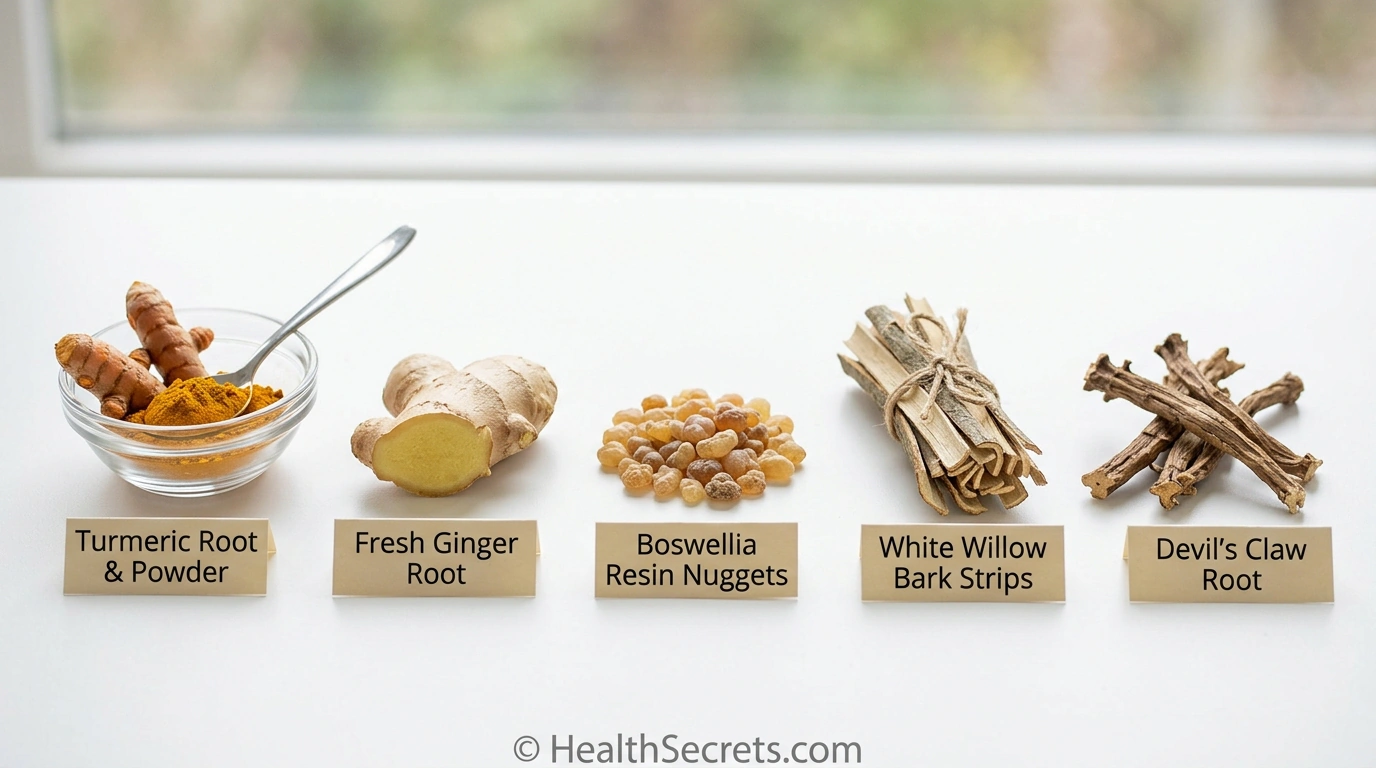
4.
White Willow Bark
- Mechanism: Contains salicin, which converts to salicylic acid in the body—the natural precursor to aspirin. Provides COX inhibition similar to aspirin but with a gentler effect on the stomach due to slower conversion.
- Evidence: A meta-analysis of randomized controlled trials found willow bark effective for arthritis pain management, though results were modest compared to pharmaceutical NSAIDs [8]. White willow bark extract (120–240mg salicin daily) has shown particular benefit for low back pain NCCIH [9].
- Dosing: 120–240mg salicin daily from standardized willow bark extract (15% salicin).
- Best for: Back pain, arthritis, headaches
- Safety: Avoid if aspirin-allergic. Do not combine with blood thinners. Not for children under 18 (Reye's syndrome risk).
5.
Devil's Claw
- Mechanism: The active compound harpagoside reduces inflammatory cytokines and may inhibit COX-2. The mechanism is not fully understood but clinical results are strong for certain pain types.
- Evidence: Devil's claw (50–100mg harpagosides daily) demonstrated comparable efficacy to NSAIDs for low back pain in clinical studies [5].
- Dosing: 50–100mg harpagosides daily from standardized extract (1.5–3% harpagosides).
- Best for: Back pain, arthritis, muscle pain
- Safety: Avoid if you have stomach ulcers or gallstones. May interact with blood thinners and heart medications.
Step 3: Which Topical and Alternative Therapies Provide Targeted Pain Relief?
Topical remedies and non-supplement therapies offer some of the safest natural pain relief options because they work locally with minimal systemic absorption. Capsaicin, arnica, and acupuncture all have solid evidence behind them.
6. Capsaicin (Topical)
- Mechanism: Depletes substance P—a neurotransmitter that transmits pain signals—from nerve endings. Initial application causes a burning sensation, but repeated use desensitizes pain receptors [10].
- Dosing: Apply 0.025–0.075% capsaicin cream to the painful area 3–4 times daily. Effects build over 1–2 weeks of consistent use.
- Best for: Arthritis, neuropathic pain (shingles, diabetic neuropathy), muscle pain
- Safety: Burning sensation is expected and subsides with continued use. Avoid contact with eyes and mucous membranes. Wash hands thoroughly after application.
7. Arnica (Topical)
- Mechanism: Reduces swelling and bruising through anti-inflammatory compounds (sesquiterpene lactones). The exact mechanism is not fully elucidated but clinical evidence supports its use for localized pain and swelling.
- Dosing: Apply arnica gel or cream to the affected area 2–3 times daily. Do not apply to broken skin.
- Best for: Bruises, sprains, post-surgical pain, arthritis (topical)
- Safety: Generally safe for topical use. Oral arnica in non-homeopathic doses can be toxic—use only topical preparations or homeopathic dilutions.
8.
Acupuncture
- Mechanism: Stimulates endorphin release (the body's natural painkillers), modulates pain signaling pathways through gate control mechanisms, and reduces both local and systemic inflammation.
- Evidence: Large meta-analyses confirm acupuncture is effective for chronic pain including back pain, neck pain, osteoarthritis, and headaches, with effects significantly greater than sham acupuncture [15].
- Dosing: 6–12 sessions for initial treatment course (weekly or biweekly), then maintenance as needed.
- Best for: Chronic pain, headaches/migraines, arthritis, back and neck pain
- Safety: Generally safe with a trained, licensed practitioner. Rare adverse events include bruising and, very rarely, infection or pneumothorax from improper technique.
Step 4: Which Nutritional Supplements Support Natural Pain Management?
Beyond herbal anti-inflammatories, several nutritional compounds address pain through distinct biochemical pathways—muscle relaxation, enzyme-based inflammation reduction, and cartilage support.
9. Omega-3 Fatty Acids (EPA + DHA)
- Mechanism: Produces specialized pro-resolving mediators (resolvins, protectins, maresins) that actively resolve inflammation rather than just suppressing it. Competes with pro-inflammatory omega-6 fatty acids for COX and LOX enzymes, reducing inflammatory prostaglandins and leukotrienes.
- Evidence: Omega-3 supplementation (2–4g EPA+DHA daily) reduced joint pain and stiffness in rheumatoid arthritis patients by 30–50% and decreased NSAID use. A meta-analysis of 17 RCTs confirmed omega-3 benefits for joint pain from RA and inflammatory bowel disease [11].
- Dosing: 2–4g EPA+DHA daily (combined), with higher EPA ratio for inflammation. Take with meals containing fat. Start at 1g and increase gradually.
- Best for: Arthritis (RA and OA), inflammatory pain, cardiovascular health
- Safety: Generally safe. May increase bleeding risk at very high doses (>3g). Choose third-party tested products (IFOS, USP, NSF) for purity.
10.
Magnesium
- Mechanism: Blocks NMDA receptors involved in pain signaling, relaxes muscles, reduces muscle tension and spasms, and serves as a cofactor for pain-modulating enzymes.
- Evidence: Magnesium supplementation reduced migraine frequency and intensity in clinical trials and improved fibromyalgia pain and tender point scores.
- Dosing: 400–600mg magnesium daily (glycinate or citrate forms for best absorption). Topical options include magnesium oil and Epsom salt baths.
- Best for: Muscle pain, cramps, migraines, fibromyalgia, tension headaches
- Safety: GI upset (diarrhea) at high doses, particularly with magnesium oxide or citrate. Caution if you have kidney disease.
11.
Bromelain
- Mechanism: A proteolytic enzyme from pineapple that breaks down proteins involved in inflammation, reduces inflammatory mediators, and decreases swelling by improving circulation.
- Evidence: Bromelain (500–1,000mg daily on an empty stomach) reduced pain and swelling after surgery and injuries, and showed benefits for osteoarthritis [5].
- Dosing: 500–1,000mg daily, standardized to 2,400–3,000 GDU per gram. Take on an empty stomach for systemic anti-inflammatory effects.
- Best for: Post-injury swelling, arthritis, sinusitis, post-surgical recovery
- Safety: Generally safe. May increase bleeding risk. Avoid if allergic to pineapple.
12.
Quercetin
- Mechanism: A flavonoid antioxidant that inhibits both COX and LOX enzymes, stabilizes mast cells to reduce histamine release, and provides broad anti-inflammatory effects.
- Evidence: Quercetin reduced pain and inflammation in preclinical studies and improved exercise-induced inflammation. Human clinical data is growing but still limited compared to turmeric or boswellia.
- Dosing: 500–1,000mg quercetin daily. Take with vitamin C or bromelain to enhance absorption.
- Best for: Inflammatory pain, allergies, post-exercise soreness
- Safety: Generally safe. Very high doses may cause kidney issues.
13. MSM (Methylsulfonylmethane)
- Mechanism: An organic sulfur compound that supports connective tissue health, reduces inflammatory cytokines, and provides antioxidant protection.
- Evidence: MSM (1,500–3,000mg daily) reduced osteoarthritis pain and improved physical function in clinical trials, and decreased exercise-induced muscle damage.
- Dosing: 1,500–3,000mg MSM daily, divided into 2–3 doses.
- Best for: Arthritis, muscle pain, joint health, exercise recovery
- Safety: Generally safe with rare mild GI upset.
14. SAMe (S-Adenosylmethionine)
- Mechanism: A methyl donor that supports cartilage synthesis, provides anti-inflammatory and analgesic effects through multiple mechanisms, and increases neurotransmitters—offering mood support alongside pain relief.
- Evidence: SAMe (400–1,200mg daily) was as effective as NSAIDs for osteoarthritis pain in clinical trials, though with slower onset (2–4 weeks to reach full effect) and a better safety profile.
- Dosing: 400–1,200mg SAMe daily (enteric-coated for better absorption). Start at 400mg and increase gradually.
- Best for: Arthritis, fibromyalgia, depression with chronic pain
- Safety: Generally safe. May cause GI upset or insomnia. Use caution if you have bipolar disorder (may trigger mania).
Step 5: How Do You Combine Natural Pain Relievers for Maximum Relief?
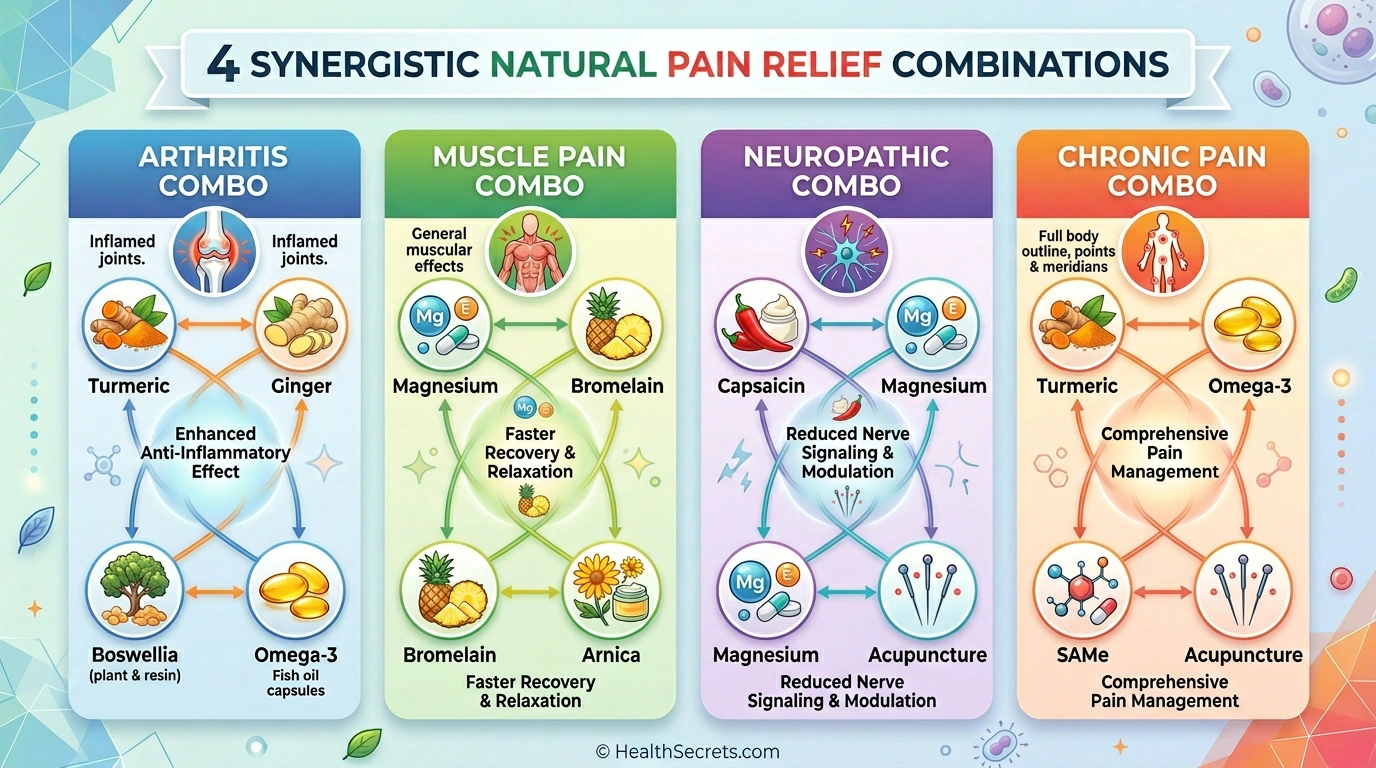
One of the greatest advantages of natural pain management over NSAIDs is the ability to combine remedies that target different pathways simultaneously. Because turmeric, boswellia, omega-3, and magnesium each work through distinct mechanisms, combining them creates synergistic effects without compounding a single side-effect pathway.
Best Combinations by Pain Type
For Arthritis (Osteoarthritis or Rheumatoid):
- Turmeric 1,000mg + Ginger 500mg + Boswellia 300mg + Omega-3 2g EPA+DHA daily
- Rationale: Covers COX-2, LOX, NF-κB, and pro-resolving mediator pathways simultaneously
For Muscle Pain and Cramps:
- Magnesium 400mg + Bromelain 500mg + Arnica topical
- Rationale: Muscle relaxation + enzymatic inflammation reduction + localized pain relief
For Neuropathic Pain:
- Capsaicin topical + Magnesium 400mg + Acupuncture sessions
- Rationale: Substance P depletion + NMDA receptor blockade + endorphin release
For Chronic Back Pain:
- White willow bark 240mg salicin + Devil's claw 100mg harpagosides + Omega-3 2g + Acupuncture
- Rationale: Natural COX inhibition + cytokine reduction + inflammation resolution + pain modulation
For Headaches and Migraines:
- Magnesium 400–600mg (preventive) + Ginger 1,000mg (at onset) + Acupuncture (regular sessions)
- Rationale: NMDA blockade + COX-2/LOX inhibition + endorphin release
Important Rules for Combining
- Start one remedy at a time (every 1–2 weeks) so you can identify what works and assess tolerability
- Watch cumulative blood-thinning effects — white willow bark + ginger + omega-3 at high doses can increase bleeding risk
- More is not always better — stick to evidence-based doses
- Consult your healthcare provider if you take prescription medications
Thorne Meriva-SF (Curcumin Phytosome)
Best OverallThorne Meriva-SF · Arthritis and chronic inflammatory pain
Life Extension Super Bio-Curcumin
Best Value CurcuminLife Extension · Daily anti-inflammatory support on a budget
New Chapter Ginger Force
Best Ginger SupplementNew Chapter · Muscle pain, menstrual cramps, and digestive discomfort
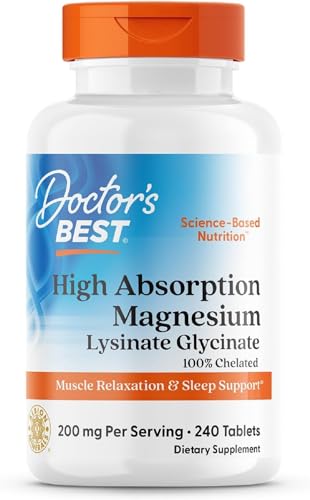
Doctor's Best Magnesium Glycinate 200mg
Best for Muscle PainDoctor's Best · Muscle cramps, tension headaches, migraines, fibromyalgia
Nordic Naturals Ultimate Omega
Best Omega-3 for PainNordic Naturals · Inflammatory joint pain and arthritis
Nature's Way Boswellia Standardized
Best BoswelliaNature's Way · Arthritis and inflammatory conditions unresponsive to COX-2 inhibitors alone
Solaray Capsaicin Cream
Best Topical Pain ReliefSolaray Capsaicin · Localized arthritis pain, neuropathic pain, muscle soreness
Doctor's Best SAMe 400mg
Best for Arthritis + MoodDoctor's Best · Osteoarthritis with depression or mood issues
Read the detailed review cards below before opening any retailer link
Top Recommended Products
Thorne Meriva-SF
Thorne Meriva-SF (Curcumin Phytosome)
Meriva® is the most clinically studied enhanced curcumin form, with 29x better absorption than standard curcumin. Thorne's NSF certification ensures purity and potency verification.
Pros
- + 29x better absorption than standard curcumin
- + no piperine needed (avoids drug interaction risk)
- + NSF certified
- + well-studied Meriva® form
Cons
- - More expensive than standard curcumin
- - lower total curcumin per capsule than some competitors
Why we included it: Meriva® is the most clinically studied enhanced curcumin form, with 29x better absorption than standard curcumin. Thorne's NSF certification ensures purity and potency verification.
Retailer link opens on Amazon after the review details above
Life Extension
Life Extension Super Bio-Curcumin
BCM-95® delivers excellent bioavailability at a lower price point than phytosomal forms. Ideal for those wanting enhanced curcumin without the higher cost of Meriva®.
Pros
- + 7x better absorption than standard curcumin
- + no piperine needed
- + affordable
- + reputable brand with decades of supplement expertise
Cons
- - Only 60 capsules per bottle (1-month supply)
- - lower dose than some competitors
Why we included it: BCM-95® delivers excellent bioavailability at a lower price point than phytosomal forms. Ideal for those wanting enhanced curcumin without the higher cost of Meriva®.
Retailer link opens on Amazon after the review details above
New Chapter
New Chapter Ginger Force
Supercritical extraction captures the broadest range of ginger's pain-relieving compounds—gingerols and shogaols—which inhibit both COX-2 and LOX pathways.
Pros
- + Full-spectrum extraction preserves gingerols and shogaols
- + liquid capsule for fast absorption
- + sustainably sourced
- + dual COX-2 and LOX inhibition
Cons
- - Strong ginger taste if capsule is bitten
- - fewer capsules per bottle than some competitors
Why we included it: Supercritical extraction captures the broadest range of ginger's pain-relieving compounds—gingerols and shogaols—which inhibit both COX-2 and LOX pathways.
Retailer link opens on Amazon after the review details above
Doctor's Best
Doctor's Best Magnesium Glycinate 200mg
Magnesium glycinate is the gold standard form for pain management—highly bioavailable with minimal laxative effect. The NMDA receptor-blocking action makes it particularly effective for muscle pain and migraines.
Pros
- + Glycinate form is gentlest on stomach
- + high absorption rate
- + affordable
- + 180 tablets per bottle (excellent value)
- + NMDA receptor blocking for pain modulation
Cons
- - Requires 2 tablets per serving
- - lower dose per tablet than some magnesium products
Why we included it: Magnesium glycinate is the gold standard form for pain management—highly bioavailable with minimal laxative effect. The NMDA receptor-blocking action makes it particularly effective for muscle pain and migraines.
Retailer link opens on Amazon after the review details above
Nordic Naturals
Nordic Naturals Ultimate Omega
IFOS 5-star certification guarantees purity from heavy metals and PCBs, while the natural triglyceride form delivers 70–80% absorption—critical for reaching the 2–4g therapeutic dose for inflammation.
Pros
- + IFOS certified for purity
- + triglyceride form for superior absorption
- + high EPA+DHA concentration
- + lemon flavored (minimal fishy taste)
- + sustainable sourcing
Cons
- - Requires 2 soft gels per serving
- - may need 4+ daily for therapeutic anti-inflammatory doses
Why we included it: IFOS 5-star certification guarantees purity from heavy metals and PCBs, while the natural triglyceride form delivers 70–80% absorption—critical for reaching the 2–4g therapeutic dose for inflammation.
Retailer link opens on Amazon after the review details above
Nature's Way
Nature's Way Boswellia Standardized
Boswellia's unique LOX-inhibiting mechanism makes it the ideal complement to COX-2 inhibitors like turmeric. Together they cover two major inflammatory pathways for comprehensive pain relief.
Pros
- + Targets LOX pathway (different from turmeric's COX-2 focus)
- + well-standardized
- + affordable
- + TRU-ID authenticated
- + excellent complement to curcumin
Cons
- - May need 2 tablets daily for therapeutic dose
- - limited to LOX pathway
Why we included it: Boswellia's unique LOX-inhibiting mechanism makes it the ideal complement to COX-2 inhibitors like turmeric. Together they cover two major inflammatory pathways for comprehensive pain relief.
Retailer link opens on Amazon after the review details above
Solaray Capsaicin
Solaray Capsaicin Cream
Capsaicin is one of the safest and most targeted natural pain relievers available. The initial burning subsides with consistent use as substance P becomes depleted from nerve endings.
Pros
- + Minimal systemic absorption (safest option)
- + targets pain directly at source
- + no drug interactions
- + evidence-based 0.075% concentration
Cons
- - Burning sensation for first 1–2 weeks of use
- - must apply 3–4 times daily for best results
- - stains skin temporarily
Why we included it: Capsaicin is one of the safest and most targeted natural pain relievers available. The initial burning subsides with consistent use as substance P becomes depleted from nerve endings.
Retailer link opens on Amazon after the review details above
Doctor's Best
Doctor's Best SAMe 400mg
SAMe is uniquely positioned for chronic pain patients who also experience depression—common in long-term pain conditions. Clinical evidence shows NSAID-comparable efficacy for osteoarthritis with a better safety profile.
Pros
- + Dual action—pain relief and mood support
- + comparable to NSAIDs for OA pain in clinical trials
- + supports cartilage synthesis
- + enteric-coated for stability
Cons
- - Expensive compared to other options
- - slow onset (2–4 weeks)
- - avoid if bipolar disorder
Why we included it: SAMe is uniquely positioned for chronic pain patients who also experience depression—common in long-term pain conditions. Clinical evidence shows NSAID-comparable efficacy for osteoarthritis with a better safety profile.
Retailer link opens on Amazon after the review details above
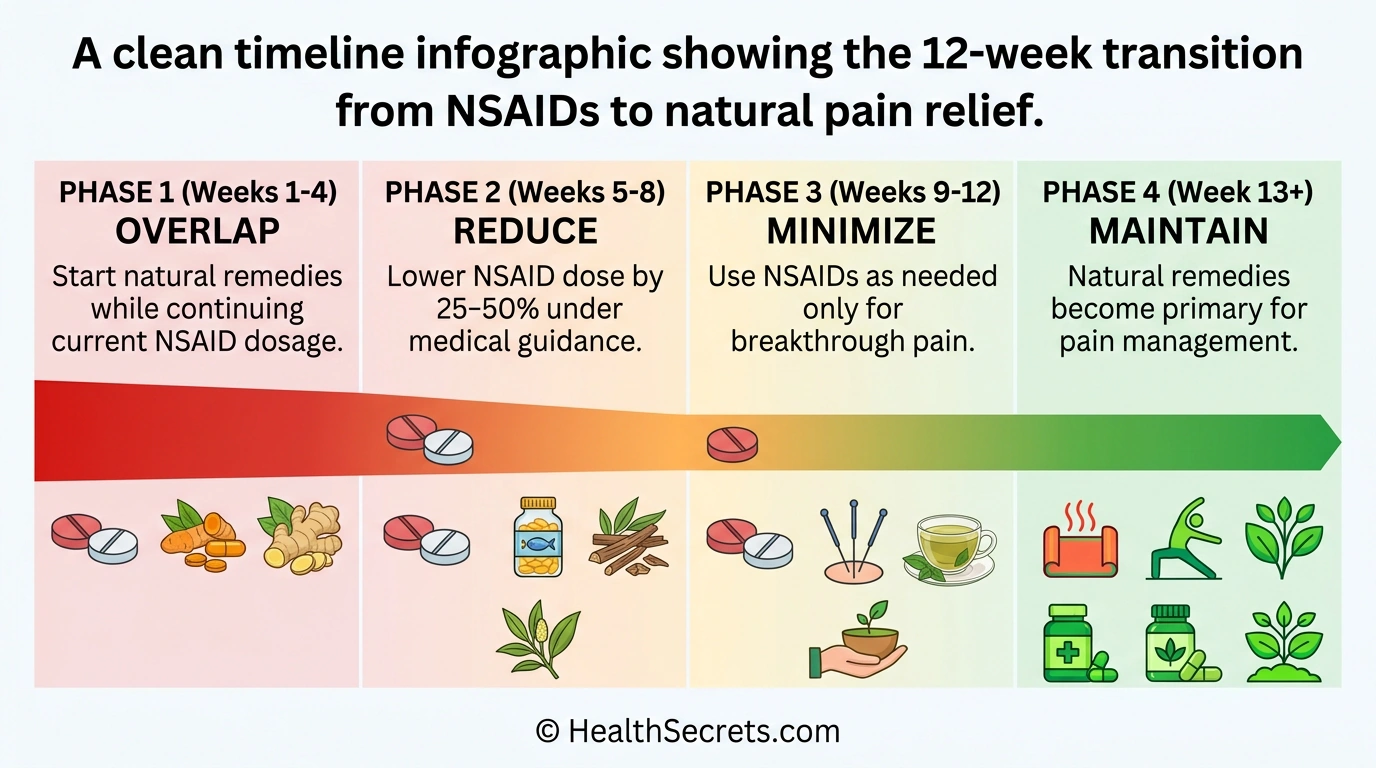
Step 6: How Do You Transition Safely from NSAIDs to Natural Alternatives?
Transitioning from NSAIDs requires patience and a systematic approach. Natural alternatives need time to build up in your system, so an abrupt switch can leave you in a pain management gap. Here is a safe, phased protocol.
Phase 1 — Overlap Period (Weeks 1–4):
- Start your chosen natural remedies at full doses while continuing your current NSAID regimen
- This allows natural compounds to reach effective tissue levels
- Begin tracking pain levels daily (1–10 scale)
Phase 2 — Gradual NSAID Reduction (Weeks 5–8):
- Reduce NSAID dose by 25–50% as natural remedies take effect
- Monitor pain levels closely
- If pain increases, slow the reduction or hold at current dose for another 1–2 weeks
Phase 3 — Minimal NSAID Use (Weeks 9–12):
- Use NSAIDs only as needed for flares (acute bad days) rather than daily
- Natural remedies should be providing baseline pain management
- Continue optimizing lifestyle factors (diet, exercise, sleep, stress)
Phase 4 — Maintenance (Week 13+):
- Maintain natural remedy regimen daily for ongoing pain management
- Keep NSAIDs available for occasional acute flares
- Re-evaluate every 3 months with your healthcare provider
When to pause the transition: If pain becomes unmanageable at any point, return to your previous effective NSAID dose and consult your doctor. Never push through severe pain.
Step 7: What Lifestyle Changes Enhance Natural Pain Relief?
Supplements alone rarely provide complete pain relief. Lifestyle modifications amplify the effects of every natural remedy and address root causes that perpetuate chronic pain.
Anti-Inflammatory Diet
Increase: Vegetables, fruits, fatty fish (salmon, sardines), nuts, olive oil, spices (turmeric, ginger), berries, leafy greens. See our anti-inflammatory foods guide for a complete food list.
Reduce: Processed foods, refined sugar, trans fats, excess omega-6 oils (corn, soybean, sunflower), alcohol, refined carbohydrates.
Exercise
Moderate exercise releases endorphins, reduces inflammation, and strengthens structures that support painful joints. Low-impact options like swimming, yoga, tai chi, and walking are ideal for arthritis. Strength training supports long-term joint stability.
Research: A landmark study found that 10% body weight loss reduced knee osteoarthritis pain by approximately 50% in obese patients.
Stress Management
Chronic stress elevates inflammatory cytokines and lowers your pain threshold. Mindfulness meditation, deep breathing exercises, yoga, and progressive muscle relaxation have all been shown to reduce chronic pain. Mindfulness-based stress reduction (MBSR) programs demonstrate particular effectiveness for chronic pain management.
Sleep Optimization
Poor sleep directly worsens pain by lowering pain thresholds and increasing inflammation. Aim for 7–9 hours nightly with consistent sleep and wake times, a dark sleeping environment, and limited screen exposure before bed.
What Are the Most Common Mistakes When Using Natural Pain Relievers?
Avoiding these common pitfalls dramatically improves your success rate with natural pain management. Most failures stem from unrealistic expectations, poor product quality, or inconsistent use rather than the remedies themselves being ineffective.
- Expecting immediate results: Natural remedies typically require 2–4 weeks of consistent daily use. Many people quit after just a few days thinking they don't work.
- Buying low-quality supplements: Unstandardized extracts, missing absorption enhancers (like piperine with curcumin), and unverified potency waste money. Always choose third-party tested, standardized products.
- Skipping the absorption step: Curcumin without piperine or fat has only about 1% bioavailability. Always take curcumin with BioPerine® and a fat-containing meal.
- Taking too many supplements at once: Start one remedy at a time so you know what's helping. Adding everything simultaneously makes it impossible to identify effective components.
- Ignoring drug interactions: White willow bark, ginger, omega-3, and turmeric all have mild blood-thinning effects. Combining several alongside prescription anticoagulants requires medical supervision.
- Neglecting lifestyle factors: Supplements cannot fully compensate for a pro-inflammatory diet, sedentary lifestyle, poor sleep, or chronic stress.
- Stopping too soon: The cumulative anti-inflammatory effects of turmeric, omega-3, and boswellia build over 8–12 weeks. Stopping at week 3 means you never experienced the full benefit.
Are Natural Pain Relievers Safe? When Should You See a Doctor?
Natural pain relievers are generally safer than NSAIDs for long-term use, but they are not risk-free. Understanding contraindications, drug interactions, and red flags ensures you use these remedies responsibly.
Drug Interactions to Watch
- Blood thinners (warfarin, aspirin, clopidogrel): Turmeric, ginger, white willow bark, omega-3, and bromelain all have mild antiplatelet or anticoagulant effects. Combining multiple supplements with prescription blood thinners increases bleeding risk significantly. Monitor INR if on warfarin.
- Diabetes medications: Turmeric and omega-3 may lower blood sugar, potentially causing hypoglycemia when combined with diabetes drugs.
- Immunosuppressants: Turmeric and omega-3 modulate immune function. Consult your doctor if you take cyclosporine, tacrolimus, or similar medications.
- Piperine (BioPerine®): Increases absorption of many medications, potentially raising drug levels. Discuss with your pharmacist.
Who Should Avoid Specific Remedies
- White willow bark: Anyone with aspirin allergy, children under 18 (Reye's syndrome risk), people with bleeding disorders
- Devil's claw: People with stomach ulcers or gallstones
- Turmeric (high doses): People with gallstones or bile duct obstruction
- Oral arnica (non-homeopathic): Toxic—use only topical preparations
When to See a Doctor Immediately
- Severe pain not controlled by natural remedies after 8–12 weeks
- Pain worsening progressively despite treatment
- Signs of serious conditions: unexplained weight loss, fever with pain, neurological symptoms (numbness, weakness)
- Unusual bleeding or bruising (especially if combining multiple natural blood thinners)
- Before any surgery—stop white willow bark, omega-3, ginger, and turmeric at least 1–2 weeks prior
What Should You Do First to Start Natural Pain Relief?
Follow this phased action plan to systematically transition to natural pain management with evidence-based remedies. Each phase builds on the last, and the entire process takes approximately 12 weeks for full optimization.
Phase 1 — Assessment and First Remedy (Weeks 1–2):
- Identify your primary pain type (inflammatory, muscle, neuropathic, back/joint, headache)
- Choose ONE primary natural remedy matched to your pain type
- Purchase a quality, standardized product from a reputable brand
- Start at the recommended dose and track daily pain levels (1–10 scale)
Phase 2 — Add Synergistic Support (Weeks 3–4):
- Add a second complementary remedy (e.g., if started turmeric, add omega-3 or boswellia)
- Add a topical option if applicable (capsaicin or arnica)
- Begin anti-inflammatory dietary changes (reduce processed foods, increase vegetables and omega-3 rich fish)
Phase 3 — Lifestyle Integration (Weeks 5–8):
- Add 30 minutes of low-impact exercise 5 days per week
- Start a daily stress management practice (10–20 minutes meditation, deep breathing, or yoga)
- Optimize sleep hygiene (consistent schedule, 7–9 hours nightly)
- If on NSAIDs, begin gradual dose reduction (25–50%)
Phase 4 — Optimization (Weeks 9–12):
- Evaluate results and adjust supplement selections
- Consider adding a third remedy if needed
- Continue NSAID reduction toward as-needed only use
- Schedule a check-in with your healthcare provider to review progress