
Look, as a parent, there's nothing more gut-wrenching than watching your child battle yet another cold. Especially when it feels like — wait, didn't they just recover from the last one? If you're sitting there wondering why your kid seems to catch every single bug floating around daycare or school, you're definitely not alone. It can honestly feel like they're sick more often than they're healthy.
Here's the thing, though. And this might actually surprise you. Kids getting sick frequently? That's... kind of normal. Children can get 6 to 12 colds per year, and that number climbs even higher for toddlers in daycare. Their immune systems are essentially in training mode — learning, adapting, building defenses one sniffle at a time. So if you want to boost your child's immune system naturally, you're in the right place.
This guide walks you through everything: what to feed your kids (even the picky ones), which supplements are actually safe, lifestyle habits that make a real difference, and what to do when they inevitably catch something. All backed by pediatric research, not internet myths.
For a broader look at immune health, check out our complete guide to boosting your immune system naturally and our best immune supplements overview.
What Do You Need to Know Before Supporting Your Child's Immunity?
Before diving into specific strategies, it helps to understand how your child's immune system actually develops — because it explains a lot about why they seem to catch everything. Children's immune systems don't reach full maturity until late adolescence. That means your toddler is essentially running on a developing defense network that's still figuring things out.
Here's what "normal" illness frequency looks like by age, according to pediatric research:
| Age Group | Colds Per Year | Notes |
|---|---|---|
| Infants (0–12 months) | 6–8 | Immunity from mom fades around 6 months |
| Toddlers (1–3 years) | 8–12 | Higher if in daycare or group settings |
| School-age (4–12 years) | 6–8 | Gradual improvement as immunity builds |
| Teens (13+) | 4–6 | Approaching adult-level immune function |
| Daycare and school exposure is a major factor — and honestly, that's expected. Each infection teaches their immune system to recognize and fight new pathogens. It's frustrating to live through, but it's actually how immunity gets built. |
- Who this guide is for: Parents of children from infancy through teens who want practical, evidence-based strategies. You don't need to be a health expert — just a parent who wants simple, actionable steps.
- What you'll need: A conversation with your pediatrician (especially before supplements), a willingness to make gradual changes, and some patience. Building stronger immunity is a marathon, not a sprint.
- ⚠️ When to worry instead of following this guide: If your child has 15 or more infections per year, recovers unusually slowly (2+ weeks per illness), has recurrent pneumonia or severe infections, or isn't gaining weight, talk to your pediatrician about possible underlying conditions. These red flags warrant professional evaluation, not home remedies.
How Do You Build an Immune-Boosting Diet for Your Child?
Nutrition is the foundation of your child's immune health — about 70 percent of the immune system lives in the gut. The good news? You don't need exotic superfoods. You need consistent, nutrient-dense meals made from foods your kids will actually eat.
Key immune-supporting nutrients your child needs:
- Vitamin C: Citrus fruits, berries, bell peppers, broccoli — supports immune cell function and acts as an antioxidant
- Vitamin D: Fortified milk, fatty fish, egg yolks, sunlight — critical for T cell activation (and 40 to 60 percent of kids are deficient)
- Zinc: Lean meats, beans, nuts, whole grains — essential for immune cell development
- Protein: Eggs, chicken, dairy, legumes — immune cells are literally built from protein
- Probiotics: Yogurt, kefir, fermented foods — support gut barrier and immune function
What Are the Best Immune-Boosting Foods Kids Actually Eat?
Forget the Instagram-perfect plates. Here's what works in real life:
- Berries — toss them in smoothies, serve as snacks (most kids genuinely love these)
- Oranges and clementines — easy to peel, fun to eat, packed with vitamin C
- Yogurt — probiotics plus calcium; add honey (for kids 1+), berries, or granola
- Eggs — scrambled, hard-boiled, whatever they'll eat; great source of protein and vitamin D
- Sweet potatoes — rich in vitamin A; make fries, tots, or mash
- Chicken soup — grandma was right; research supports its anti-inflammatory and hydrating benefits

How Do You Handle Picky Eaters?
- Smoothies — hide spinach or kale under berries, banana, and yogurt
- Dips — hummus and yogurt dips make veggies fun
- Fun shapes — cookie cutters turn fruits and sandwiches into something exciting
- Involve kids in cooking — they're more likely to eat what they help make
- Don't force it — offer repeatedly without pressure; it can take 10 to 15 exposures before acceptance
- Model healthy eating — kids copy parents, so eat your veggies too
Foods to limit: Excess sugar (research shows it suppresses immune function), heavily processed foods (low in nutrients), and sugary drinks (offer water and milk instead).
How Do You Establish Immune-Supporting Sleep Habits?
Sleep isn't optional for immunity — it's when your child's body produces immune cells and repairs itself. Sleep deprivation genuinely impairs immune function, even in kids. Here's what your child actually needs:
| Age | Recommended Sleep | Includes Naps? |
|---|---|---|
| Infants (4–12 months) | 12–16 hours | Yes |
| Toddlers (1–2 years) | 11–14 hours | Yes |
| Preschool (3–5 years) | 10–13 hours | Maybe |
| School-age (6–12 years) | 9–12 hours | No |
| Teens (13–18 years) | 8–10 hours | No |
| Sleep hygiene tips for kids: |
- Consistent bedtime — same time every night, even weekends (circadian rhythm matters)
- Screen-free zone — no screens at least 1 hour before bed; blue light disrupts melatonin
- Dark, cool room — blackout curtains help; aim for 65 to 70°F
- Calming routine — bath, books, quiet conversation; predictability signals "time to wind down"

How Do You Keep Your Child Active and Stress-Free?
Physical activity and stress management both play significant roles in children's immune health. Moderate exercise enhances immune cell circulation and reduces infection risk.
Getting kids moving:
- 60 minutes daily for kids 6 and older (cumulative — doesn't have to be all at once)
- Outdoor play is ideal — vitamin D from sunlight, fresh air, natural stress reduction
- Age-appropriate activities — playground time, family walks, sports, dancing, swimming
- Don't over-schedule — too many structured activities create stress, which actually weakens immunity
School pressure, social challenges, and family changes all affect children. Watch for behavior changes, sleep problems, or unexplained stomachaches and headaches.
Teach hand-washing (20 seconds, soap and water, sing a song) in a matter-of-fact way — not scary. Cover coughs into elbows. Don't share drinks during cold season. But also... let them play in the dirt occasionally. Some microbial exposure actually helps build immunity. Balance is key.


Which Supplements Are Safe for Your Child's Immune System?
⚠️ ALWAYS consult your child's pediatrician before starting ANY supplement. Supplements are not a replacement for healthy food — they fill gaps, not replace meals. Age-appropriate dosing is absolutely critical.
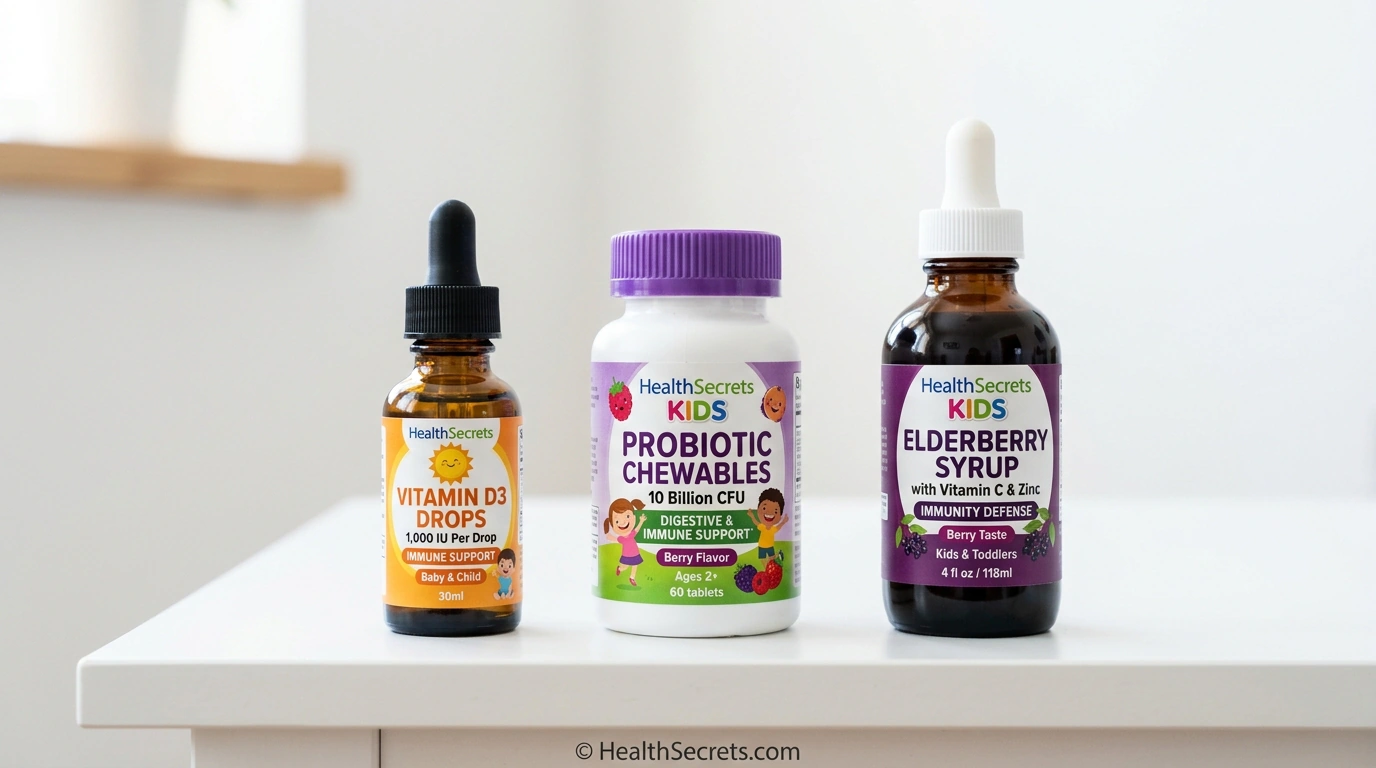
Is Vitamin D the Most Important Supplement for Children?
Yes, and it's not close. Between 40 and 60 percent of children are vitamin D deficient, and vitamin D is essential for activating T cells — the immune system's front-line soldiers.
- Infants (0–12 months): 400 IU daily (AAP recommendation)
- Children (1–18 years): 600 to 1,000 IU daily (some pediatricians recommend higher — ask yours)
- Form: Liquid drops for infants and toddlers; chewables for older kids
- When: Year-round, especially in winter or with limited sun exposure
Should Your Child Take a Probiotic?
Probiotics support the gut barrier, which houses about 70 percent of the immune system. Research shows certain strains reduce respiratory infection risk in children.
- Best strains for kids: Lactobacillus rhamnosus GG, Bifidobacterium lactis
- Dosing: 5 to 10 billion CFU daily (not the 50 to 100 billion adult doses)
- Form: Powder (mix in food or drink) or chewables for older kids
- Especially important: During and after antibiotic courses
Is Elderberry Safe for Children?
Elderberry has antiviral properties and may reduce cold and flu duration. Generally safe for children 2 and older.
- Ages 2–5: Small doses as directed on product label
- Ages 6–12: Moderate doses per label
- Form: Syrup is most popular with kids (naturally sweet)
- When: During cold and flu season or at first sign of illness
What About Zinc and Vitamin C?
- Zinc: 5 to 10mg short-term during illness only (not daily long-term for kids); lozenges for older kids, liquid for younger
- Vitamin C: Food sources preferred (citrus, berries, bell peppers); supplement only if diet is inadequate
What to AVOID giving children:
- Echinacea (limited evidence in children, allergy risk)
- High-dose vitamins (fat-soluble vitamins can accumulate and become toxic)
- Any herbal supplement without pediatrician approval
- Adult formulations (dosing is too high — dangerous for children)
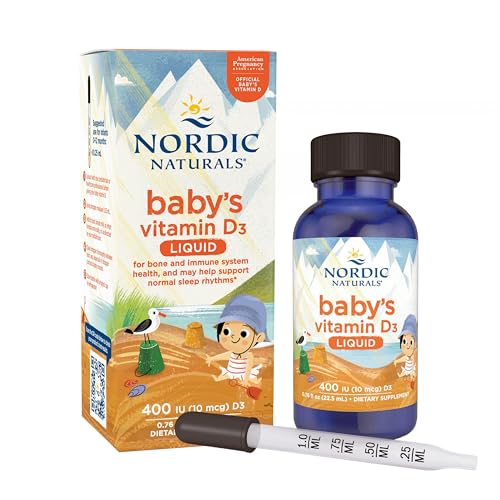
Nordic Naturals Baby's Vitamin D3 Liquid Drops
Editor's ChoiceNordic Naturals · Infants and toddlers needing daily vitamin D supplementation
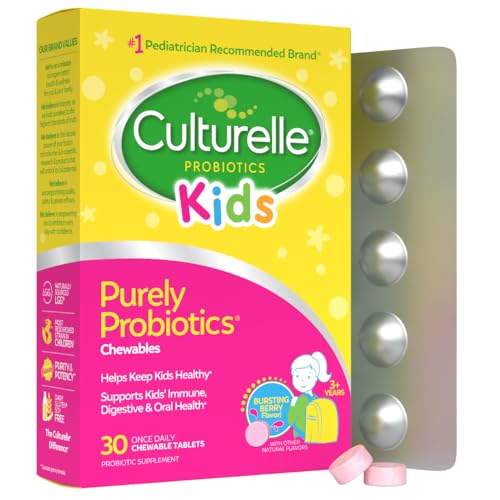
Culturelle Kids Chewable Daily Probiotic
Best Probiotic for KidsCulturelle Kids · Children ages 3+ needing daily gut and immune support
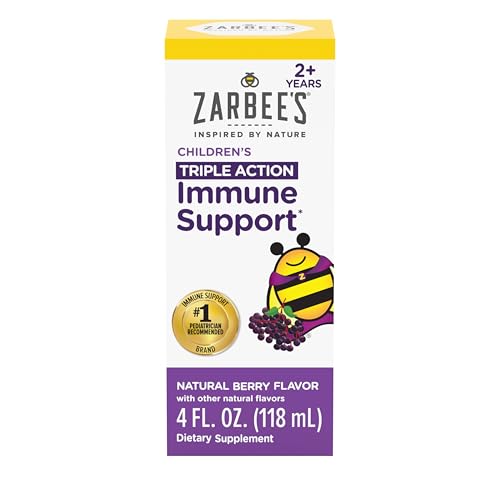
Zarbee's Children's Elderberry Immune Support Syrup
Best Elderberry for KidsZarbee's Children's · Children ages 2+ during cold and flu season
Cool Mist Humidifier for Children's Bedroom
Best Tool for Sick DaysCool Mist · Families needing congestion and cough relief during illness
Digital Thermometer for Children
Essential Sick-Day ToolDigital Thermometer · Parents who need fast, accurate fever readings
Read the detailed review cards below before opening any retailer link
Top Recommended Products
Nordic Naturals
Nordic Naturals Baby's Vitamin D3 Liquid Drops
This is the gold standard for infant vitamin D supplementation. The unflavored liquid drops make it incredibly easy to give to babies, and the 400 IU dose matches exactly what the American Academy of Pediatrics recommends.
Pros
- + AAP-recommended 400 IU dose
- + unflavored and easy to mix into breast milk or formula
- + single-ingredient simplicity
- + highly absorbable liquid form
Cons
- - Only 400 IU per drop — older children may need multiple drops or a different product
Why we included it: This is the gold standard for infant vitamin D supplementation. The unflavored liquid drops make it incredibly easy to give to babies, and the 400 IU dose matches exactly what the American Academy of Pediatrics recommends.
Retailer link opens on Amazon after the review details above
Culturelle Kids
Culturelle Kids Chewable Daily Probiotic
Culturelle Kids uses Lactobacillus rhamnosus GG, the most extensively studied probiotic strain in pediatric research. It supports both digestive and immune health, which is exactly what growing immune systems need.
Pros
- + Most researched pediatric probiotic strain
- + natural berry flavor kids enjoy
- + dairy and gluten free
- + recommended by pediatricians
Cons
- - Only 30-day supply per box
- - limited to ages 3 and up
Why we included it: Culturelle Kids uses Lactobacillus rhamnosus GG, the most extensively studied probiotic strain in pediatric research. It supports both digestive and immune health, which is exactly what growing immune systems need.
Retailer link opens on Amazon after the review details above
Zarbee's Children's
Zarbee's Children's Elderberry Immune Support Syrup
Zarbee's is a trusted name in children's wellness. This syrup combines elderberry's antiviral properties with vitamin C and zinc in a formula kids actually enjoy taking — which matters a lot when you're trying to get a toddler to take anything.
Pros
- + Natural berry flavor kids love
- + combines elderberry with vitamin C and zinc
- + no artificial ingredients
- + trusted pediatrician-recommended brand
Cons
- - Smaller bottle may not last long with daily use
- - only for ages 2 and up
Why we included it: Zarbee's is a trusted name in children's wellness. This syrup combines elderberry's antiviral properties with vitamin C and zinc in a formula kids actually enjoy taking — which matters a lot when you're trying to get a toddler to take anything.
Retailer link opens on Amazon after the review details above
Cool Mist
Cool Mist Humidifier for Children's Bedroom
A cool-mist humidifier is one of the most practical tools for supporting a sick child. It keeps airways moist, reduces cough severity, and maintains the 40 to 60 percent humidity range that makes it harder for viruses to survive.
Pros
- + Helps with congestion and cough
- + maintains healthy indoor humidity 40 to 60 percent
- + quiet operation for nurseries
- + no burn risk unlike warm mist
Cons
- - Requires regular cleaning to prevent mold
- - needs filter replacement depending on model
Why we included it: A cool-mist humidifier is one of the most practical tools for supporting a sick child. It keeps airways moist, reduces cough severity, and maintains the 40 to 60 percent humidity range that makes it harder for viruses to survive.
Retailer link opens on Amazon after the review details above
Digital Thermometer
Digital Thermometer for Children
Knowing when to call the doctor starts with accurate temperature readings. A digital thermometer gives you fast, reliable data so you can distinguish a mild fever from something that needs medical attention — like 104°F or fever lasting 3 or more days.
Pros
- + Fast 1 to 3 second readings
- + non-invasive for squirmy kids
- + accurate within 0.2°F
- + essential for monitoring fever
Cons
- - May need recalibration over time
- - ear models less accurate in infants under 6 months
Why we included it: Knowing when to call the doctor starts with accurate temperature readings. A digital thermometer gives you fast, reliable data so you can distinguish a mild fever from something that needs medical attention — like 104°F or fever lasting 3 or more days.
Retailer link opens on Amazon after the review details above
What Natural Remedies Actually Work When Your Child Gets Sick?
These are supportive measures, NOT replacements for medical care. See your pediatrician if symptoms worsen or don't improve within 3 to 5 days.
Give 1/2 to 1 teaspoon before bed for cough relief. Multiple studies show honey is as effective as cough syrup for reducing nighttime cough in children. It coats the throat and has antimicrobial properties.
Chicken soup (research validates grandma's remedy), chamomile or ginger tea (cooled to warm), warm water with lemon and honey (kids 1+). Hydration is critical during illness — it soothes the throat and thins mucus.
Place in your child's room to help with congestion, cough, and dry air. Use cool mist, not hot (burn risk). Clean regularly to prevent mold buildup.
Safe for all ages, including infants. Clears congestion naturally without medication. Use before feedings for infants or before bedtime.
Let your child sleep as much as they need. Skip school and activities. The immune system does its heaviest work during sleep.
Keep giving daily probiotics during illness to support immune response — especially important during or after antibiotics.
- Aspirin — Reye's syndrome risk in children; potentially fatal
- Cough and cold medications — FDA warns against use under age 4; limited benefit in older kids
- Essential oils — many are unsafe for young children; can cause seizures or respiratory issues
- Forcing food — offer fluids and light foods; appetite returns when they feel better

What Are the Most Common Mistakes Parents Make with Children's Immunity?
After covering all the steps, here are the pitfalls to watch for — because knowing what not to do is just as important.
- Giving adult supplements to children — This is genuinely dangerous. Children metabolize nutrients differently, and adult doses can cause toxicity, especially with fat-soluble vitamins like A and D
- Relying on supplements instead of food — Supplements fill gaps; they don't build foundations. A balanced diet always comes first
- Being overly sterile — Some germ exposure helps build immunity. Let kids play outside, get dirty, and interact with other children. Constant sanitizing can actually hinder immune development
- Ignoring sleep for activities — Over-scheduled kids are stressed and sleep-deprived kids. Both suppress immunity. Protect bedtime like it's sacred
- Panicking over every cold — Remember: 6 to 12 colds per year is normal. Save the worry for actual red flags (high fever lasting 3+ days, difficulty breathing, dehydration signs)
- Starting everything at once — Pick one or two changes, establish them, then add more. Gradual change sticks; complete overhauls don't
- Not consulting the pediatrician — Before any supplement, always ask. Your pediatrician knows your child's specific health history and can guide dosing
When Should You Call the Doctor Instead of Treating at Home?
Most childhood illnesses resolve on their own with supportive care. But certain symptoms demand immediate medical attention. Don't hesitate if you see any of these red flags — trust your parental instincts.
Call your pediatrician if:
- Fever above 104°F or any fever lasting more than 3 days
- Difficulty breathing, rapid breathing, or wheezing
- Signs of dehydration: dry mouth, no tears when crying, decreased urination
- Unusual lethargy or irritability (can't wake them, inconsolable crying)
- Symptoms worsening after 3 to 5 days instead of improving
- Ear pain suggesting possible infection
See a specialist (immunologist) if:
- Your child has 15 or more infections per year
- Recovery from illness consistently takes longer than 2 weeks
- Recurrent pneumonia (2+ episodes)
- Failure to gain weight or grow appropriately
- Recurrent ear infections (6+ per year)
These patterns may indicate an underlying immune deficiency, allergies, or asthma that needs professional evaluation. They're uncommon, but better to rule them out early.
⚠️ Remember: This guide provides supportive strategies. It does not replace your pediatrician's guidance. When in doubt, call your doctor.
Action Plan
What Should You Do First to Boost Your Child's Immune System?
Follow the sequence below, work through each phase in order, and use the checklist as your practical implementation guide.
Start with the simplest, highest-impact changes and build from there. Trying to overhaul everything at once leads to burnout — for you and your kids. Here's a phased approach that actually works.
Phase 1 — This Week (Foundation):
- Talk to your pediatrician about vitamin D supplementation
- Add one immune-boosting food to each meal (berries at breakfast, yogurt at snack time)
- Establish a consistent bedtime routine with screens off 1 hour before bed
- Teach or reinforce 20-second hand-washing
Phase 2 — Weeks 2–3 (Build):
- Introduce a probiotic if pediatrician approves
- Increase outdoor play time to 30+ minutes daily
- Try one picky eater strategy (smoothies, cooking together, fun shapes)
- Stock up on sick-day supplies: honey, saline spray, cool-mist humidifier
Phase 3 — Month 2+ (Sustain):
- Evaluate what's working and adjust
- Add more variety to immune-supporting foods
- Practice stress-reduction activities as a family
- Schedule vitamin D level testing with pediatrician

