
Your lymphatic system is one of the most critical — and most overlooked — systems in your body. It's a vast network of vessels, nodes, and organs that quietly removes cellular waste, filters pathogens, maintains fluid balance, and supports your immune defense every single day.
But here's the catch: unlike your cardiovascular system, which has the heart pumping blood around the clock, your lymphatic system has no central pump. It depends entirely on muscle movement, breathing, and external stimulation to keep lymph fluid flowing. When you sit too long, skip exercise, or get dehydrated, lymph can become sluggish — leading to swelling, fatigue, brain fog, frequent colds, and that frustrating morning puffiness.
The good news? You can actively support lymphatic drainage with simple, daily techniques that take just minutes. In this guide, you'll learn exactly how to perform dry brushing, self-lymphatic massage, rebounding, deep breathing exercises, and contrast hydrotherapy — plus which foods and lifestyle habits keep your lymph system running smoothly.
Whether you're dealing with persistent puffiness, low energy, or just want to support your body's natural detoxification pathways, these techniques can make a real difference.
What Is the Lymphatic System and Why Does Lymphatic Drainage Matter?
The lymphatic system is a complex network of vessels, nodes, and organs — including the spleen, thymus, and tonsils — that runs throughout your entire body. It collects excess fluid from tissues, filters it through roughly 600–700 lymph nodes, and returns it to the bloodstream. Along the way, lymph nodes trap bacteria, viruses, and cellular waste while white blood cells mount immune responses against threats.
Lymph fluid is a clear, protein-rich liquid containing white blood cells, metabolic waste, and toxins. Every day, approximately 3 liters of fluid that leaks from blood capillaries gets collected by lymphatic vessels and recycled back into circulation. Without this process, tissues would swell, immune function would collapse, and waste products would accumulate throughout the body.
Key functions of the lymphatic system include:
- Waste removal: Collects cellular debris, metabolic byproducts, and environmental toxins
- Fluid balance: Returns excess interstitial fluid to the bloodstream (about 3 liters daily)
- Immune defense: Transports immune cells, filters pathogens through lymph nodes
- Fat absorption: Absorbs dietary fats from the small intestine via lacteals
- Protein transport: Returns escaped proteins to the bloodstream
Because the lymphatic system has no heart-like pump, lymph movement depends on muscle contractions during exercise, diaphragm movement during breathing, arterial pulsation from nearby blood vessels, and external compression from massage or dry brushing. One-way valves inside lymph vessels prevent backflow, but without regular stimulation, flow slows dramatically.
| Category | Symptoms | Common Causes |
|---|---|---|
| Swelling & fluid | Puffy face, swollen ankles/hands, bloating | Sedentary lifestyle, excess sodium, dehydration |
| Energy & cognition | Persistent fatigue, brain fog, morning stiffness | Poor sleep, chronic stress, shallow breathing |
| Immune & skin | Frequent colds, sinus infections, acne, dry skin | Processed diet, environmental toxins, tight clothing |
| Digestive | Constipation, abdominal bloating, weight gain | Low fiber diet, inadequate hydration, inactivity |
How Do You Perform Dry Brushing for Lymphatic Drainage?
Dry brushing is a simple Ayurvedic technique — known as gharshana — where you brush your skin with a natural-bristle brush before showering. The light, sweeping strokes stimulate superficial lymph vessels just beneath the skin, exfoliate dead cells, and increase blood circulation. A Japanese study on a similar technique (Kanpumasatsu) found it increased immune system function through its lymphatic-stimulating effects.
Step-by-step dry brushing technique:
- Use a dry, natural-bristle brush on completely dry skin — do this before your shower, ideally in the morning
- Start at your feet and brush with long, firm (but gentle) upward strokes toward your heart — this follows the direction of lymph flow
- Legs: Brush from ankles up to knees (front, back, sides), then knees to groin — 5–7 strokes per area
- Hands and arms: Brush from fingertips up toward armpits — 5–7 strokes per area
- Torso (front and back): Brush upward toward the heart and armpits
- Abdomen: Use gentle clockwise circular motions (following the direction of the colon)
- Back: Brush upward toward the shoulders (use a long-handled brush or ask someone to help)
- Chest: Brush gently toward the armpits (lymph node clusters)
- Duration: 5–10 minutes total
- Shower immediately afterward to rinse away dead skin cells
Best practices:
- Use light to medium pressure — it should feel stimulating, never painful
- Avoid sensitive areas: face, genitals, broken skin, sunburned areas, varicose veins
- Clean your brush weekly with soap and water; air dry bristles-down
- Frequency: Daily or 3–5 times per week for best results
- Replace your brush every 6–12 months
How Do You Perform Self-Lymphatic Massage at Home?
Self-lymphatic massage (also called manual lymph drainage or MLD) uses very light, rhythmic strokes to move lymph fluid toward the nearest lymph node clusters. Unlike deep-tissue massage, lymphatic massage barely moves the skin — the lymph vessels sit just beneath the surface. Research shows MLD can reduce edema, support immune function, and improve recovery from injury.


Key principles before you begin:
- Extremely light pressure — just enough to gently stretch the skin (think the weight of a nickel)
- Slow, rhythmic movements — 1–2 seconds per stroke
- Always move toward lymph nodes — neck (cervical), armpits (axillary), groin (inguinal)
- Start centrally, work outward — always open the "drainage pathways" at the neck first
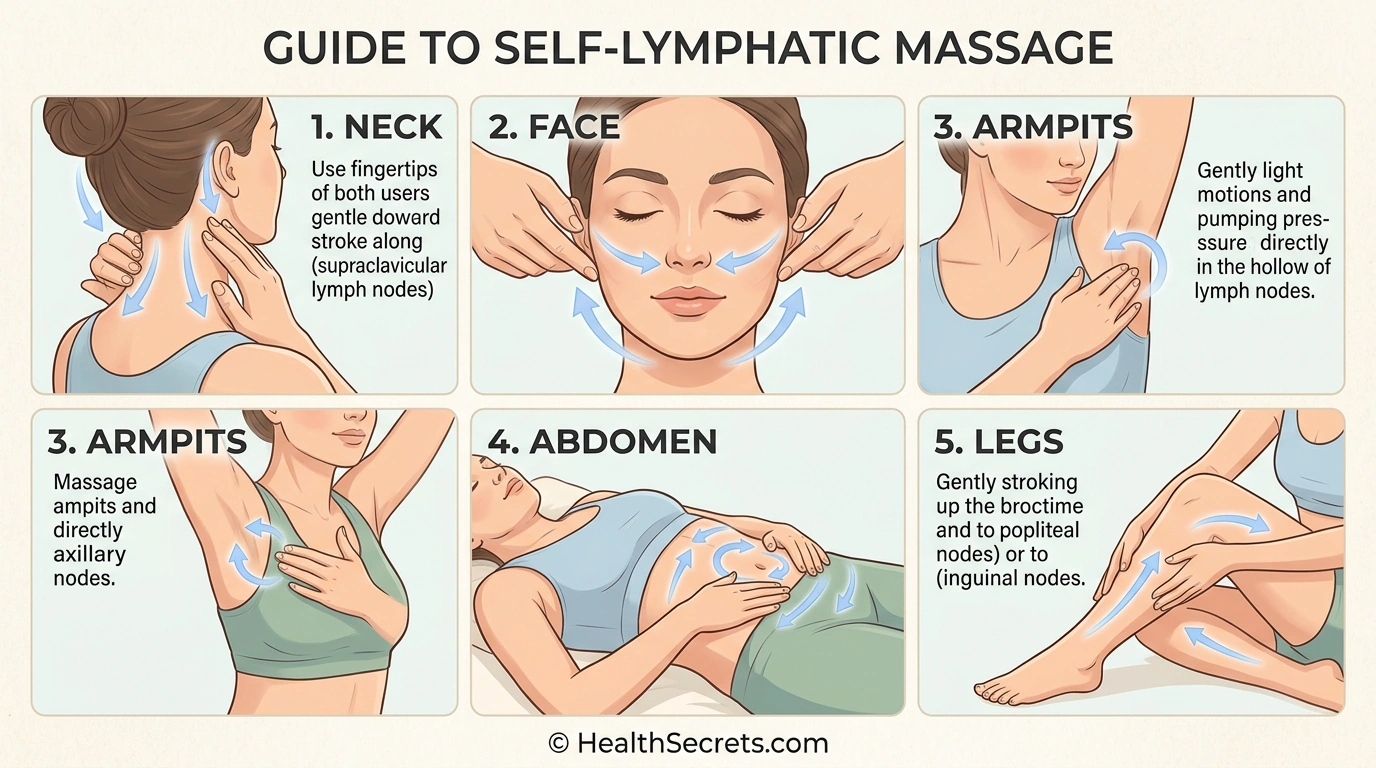
Self-massage sequence (15–20 minutes):
1. Neck (start here — opens the main drainage point):
- Place fingertips on both sides of your neck, just below the ears
- Gently stroke downward toward the collarbones (10 repetitions)
- This opens the terminus where lymph re-enters the bloodstream
2. Face (reduces morning puffiness):
- Forehead: Gentle strokes from center outward toward temples
- Under eyes: Light strokes from inner corner to outer corner
- Cheeks: Stroke from nose toward ears
- Jawline: Stroke from chin toward ears
- Finish all strokes by guiding fluid down the neck toward collarbones
3. Armpits (major lymph node cluster):
- Raise one arm; use opposite hand to make gentle circular motions in the armpit hollow
- 10–15 slow circles per side
4. Abdomen (supports gut lymph and digestion):
- Gentle clockwise circular motions following the path of the colon
- Light pressure for 5–10 minutes
5. Legs (addresses lower-body fluid retention):
- Start at feet, gently stroke upward toward the groin
- Pay extra attention behind the knees (popliteal lymph nodes)
- Thighs: Stroke upward toward the groin
Frequency: 10–20 minutes, 3–5 times per week. For chronic issues, consider seeing a certified lymphatic drainage therapist for professional MLD sessions.
How Does Rebounding Stimulate Lymphatic Flow?
Rebounding — gentle bouncing on a mini trampoline — is one of the most effective exercises for lymphatic drainage. The vertical acceleration and deceleration creates rhythmic compression and expansion of tissues, which opens and closes lymphatic valves and propels lymph fluid through the vessels. Research suggests lymph circulation can increase by 15–30 times during rebounding compared to rest.

How to rebound for lymphatic drainage:
- Start with a gentle "health bounce" — feet barely leave the mat, just a gentle up-and-down motion
- Progress gradually: Light jogging in place → twisting motions → arm movements
- Duration: Start with 2–3 minutes if you're new; build up to 10–20 minutes per session
- Frequency: Daily or at least 5 times per week
- Optional: Hold the stability bar if you have balance concerns
Benefits of rebounding:
- Stimulates lymph flow throughout the entire body simultaneously
- Low-impact — significantly easier on joints than running
- Provides cardiovascular exercise alongside lymphatic benefits
- Improves balance and coordination
- Energizing — many people use it as a morning routine
Safety considerations:
- Avoid if pregnant, have severe osteoporosis, recent surgery, or vertigo
- Always use a rebounder with a stability bar when starting out
- Choose a quality rebounder with proper spring or bungee tension
How Does Deep Breathing Support Lymphatic Drainage?
Deep diaphragmatic breathing is a powerful — and completely free — way to stimulate lymphatic flow. The thoracic duct, the body's largest lymphatic vessel, runs through the chest cavity. When you breathe deeply, the diaphragm moves up and down, creating pressure changes that act as a natural pump for lymph fluid in the chest and abdomen. Shallow chest breathing, which is common during stress, dramatically reduces this pumping action.

Diaphragmatic breathing exercise for lymphatic drainage:
- Sit comfortably or lie on your back with one hand on your chest, one on your belly
- Inhale deeply through your nose for 4 counts — your belly should rise (chest stays relatively still)
- Hold for 2 counts
- Exhale slowly through your mouth for 6 counts — belly falls
- Repeat for 5–10 minutes, 2–3 times daily
Why it works:
- Diaphragm movement creates a vacuum effect that pulls lymph through the thoracic duct
- Deep breaths oxygenate tissues and improve cellular waste removal
- Activates the parasympathetic nervous system, reducing stress (chronic stress impairs lymphatic function)
- Can be done anywhere — at your desk, in bed, during commutes
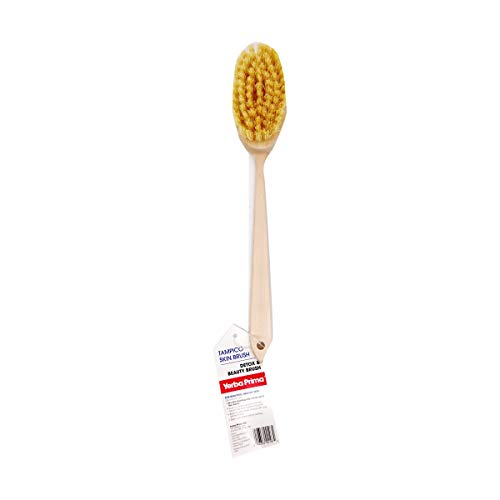
Yerba Prima Tampico Skin Brush
Best Overall Dry BrushYerba Prima · Daily dry brushing for lymphatic stimulation and skin exfoliation
Bellicon Classic 39" Rebounder
Best Premium RebounderBellicon Classic · Low-impact lymphatic drainage exercise and rebounding
RENPHO Gua Sha & Lymphatic Massage Tool Set
Best Massage ToolRENPHO Gua · Self-lymphatic massage for face and body
SB SOX Compression Socks (20–30 mmHg)
Best for Leg Lymph SupportSB SOX · Reducing leg swelling and supporting lower-body lymphatic return
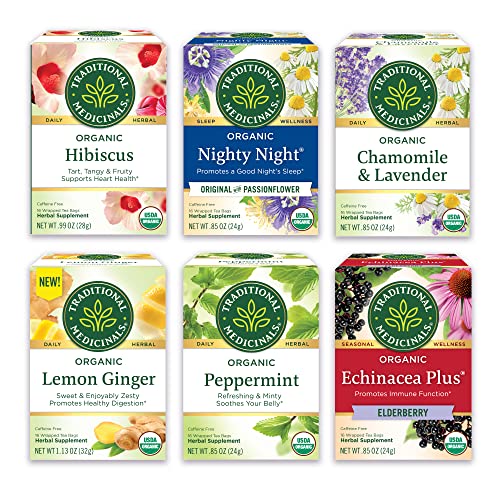
Traditional Medicinals Herbal Tea Variety Pack
Best Herbal HydrationTraditional Medicinals · Hydration support with lymph-friendly herbs
Aqua-Pure Alkaline Water Filter Pitcher
Best Water FiltrationAqua-Pure Alkaline · Clean, filtered water for optimal lymphatic hydration
Read the detailed review cards below before opening any retailer link
Top Recommended Products
Yerba Prima
Yerba Prima Tampico Skin Brush
The Yerba Prima Tampico brush is the gold standard for dry brushing — natural fibers provide the ideal firmness for stimulating superficial lymph vessels without irritating skin. The long handle ensures full-body coverage.
Pros
- + Natural fibers ideal for lymph stimulation
- + extra-long handle reaches entire back
- + gentle on skin yet effective
- + used by lymphatic therapists
Cons
- - May be too firm for very sensitive skin
- - bristles soften over time requiring replacement every 6–12 months
Why we included it: The Yerba Prima Tampico brush is the gold standard for dry brushing — natural fibers provide the ideal firmness for stimulating superficial lymph vessels without irritating skin. The long handle ensures full-body coverage.
Retailer link opens on Amazon after the review details above
Bellicon Classic
Bellicon Classic 39" Rebounder
Bellicon is widely regarded as the highest-quality rebounder available. The bungee cord system provides a smooth, deep bounce that maximizes the vertical acceleration-deceleration cycle essential for lymphatic stimulation.
Pros
- + Smooth deep bounce maximizes lymphatic stimulation
- + low-impact on joints
- + foldable legs for storage
- + supports up to 300 lbs
Cons
- - Higher price point than spring-based rebounders
- - optional stability bar sold separately
Why we included it: Bellicon is widely regarded as the highest-quality rebounder available. The bungee cord system provides a smooth, deep bounce that maximizes the vertical acceleration-deceleration cycle essential for lymphatic stimulation.
Retailer link opens on Amazon after the review details above
RENPHO Gua
RENPHO Gua Sha & Lymphatic Massage Tool Set
Gua sha tools provide excellent control and coverage for self-lymphatic massage, especially on the face and neck where manual pressure alone can be imprecise. Stainless steel retains cold temperature for enhanced de-puffing.
Pros
- + Precise control for face and neck massage
- + can be chilled for enhanced de-puffing
- + portable and travel-friendly
- + includes instructional guide
Cons
- - Requires learning proper technique for optimal results
- - stainless steel may feel cold initially without warming
Why we included it: Gua sha tools provide excellent control and coverage for self-lymphatic massage, especially on the face and neck where manual pressure alone can be imprecise. Stainless steel retains cold temperature for enhanced de-puffing.
Retailer link opens on Amazon after the review details above
SB SOX
SB SOX Compression Socks (20–30 mmHg)
Graduated compression provides consistent external pressure that mimics the pumping effect muscles provide, making these ideal for anyone who sits or stands for long periods and experiences leg swelling.
Pros
- + Moderate compression requires no prescription
- + helps push lymph fluid upward
- + ideal for travel and long sitting
- + moisture-wicking and machine washable
Cons
- - May feel tight initially during break-in period
- - sizing must be precise for proper compression
Why we included it: Graduated compression provides consistent external pressure that mimics the pumping effect muscles provide, making these ideal for anyone who sits or stands for long periods and experiences leg swelling.
Retailer link opens on Amazon after the review details above
Traditional Medicinals
Traditional Medicinals Herbal Tea Variety Pack
Herbal teas serve double duty — they contribute to your daily hydration while delivering anti-inflammatory and immune-supportive compounds. Traditional Medicinals uses high-quality, pharmacopoeial-grade herbs for consistent potency.
Pros
- + Includes ginger
- + turmeric
- + and echinacea for lymph support
- + caffeine-free options count toward hydration
- + anti-inflammatory compounds support vessel health
Cons
- - Some herbal flavors may be an acquired taste
- - limited quantity per box
Why we included it: Herbal teas serve double duty — they contribute to your daily hydration while delivering anti-inflammatory and immune-supportive compounds. Traditional Medicinals uses high-quality, pharmacopoeial-grade herbs for consistent potency.
Retailer link opens on Amazon after the review details above
Aqua-Pure Alkaline
Aqua-Pure Alkaline Water Filter Pitcher
Since lymph fluid is approximately 95% water, the quality of your water directly impacts lymphatic health. A good filter pitcher removes contaminants that can burden your detoxification pathways.
Pros
- + Provides clean water essential for lymph fluid production
- + filter lasts approximately 2 months (150 gallons)
- + removes sediment
- + odor
- + and taste impurities
- + affordable long-term solution
Cons
- - Filters require regular replacement every 2 months
- - limited to 10-cup capacity
Why we included it: Since lymph fluid is approximately 95% water, the quality of your water directly impacts lymphatic health. A good filter pitcher removes contaminants that can burden your detoxification pathways.
Retailer link opens on Amazon after the review details above
How Do Hydration and Contrast Hydrotherapy Improve Lymph Flow?
Two of the most underrated lymphatic support strategies are proper hydration and contrast hydrotherapy (alternating hot and cold water). Since lymph fluid is approximately 95% water, even mild dehydration can make it thick, sluggish, and less effective at carrying waste.
Hydration protocol for lymphatic health:
- Daily target: Approximately half your body weight in ounces (e.g., 150 lbs = 75 oz)
- Quality: Filtered water is preferred
- Timing: Sip consistently throughout the day — don't gulp large amounts at once
- Start your morning with 16–20 oz of warm lemon water (supports both liver and lymph)
- Herbal teas count toward hydration — green tea and ginger tea are particularly supportive
- Limit: Excess caffeine, alcohol, and sugary drinks (dehydrating and inflammatory)
Contrast hydrotherapy technique:
- Hot water: 3 minutes (comfortably warm shower or bath)
- Cold water: 30 seconds to 1 minute (as cold as you can tolerate)
- Repeat: 3–5 cycles
- Always end on cold (constricts vessels, pushes fluid through lymphatics)
- Frequency: 3–5 times per week
The alternating vasodilation (heat) and vasoconstriction (cold) creates a pumping action that stimulates both blood and lymph circulation, boosts immune response, and is deeply energizing.
What Foods and Lifestyle Habits Best Support Lymphatic Health?
Beyond the five core techniques, what you eat and how you live daily has a significant impact on lymphatic function. Anti-inflammatory, nutrient-dense foods help reduce lymphatic congestion, while certain lifestyle habits can either support or hinder lymph flow.

| Food Category | Examples | Key Nutrients | How They Help |
|---|---|---|---|
| Hydrating vegetables | Cucumber, celery, lettuce | Water, electrolytes, fiber | Support lymph fluid production and flow |
| Citrus fruits | Lemon, lime, orange, grapefruit | Vitamin C, enzymes, flavonoids | Maintain lymphatic vessel integrity, support liver |
| Berries | Blueberries, raspberries, cranberries | Antioxidants, flavonoids | Reduce inflammation and oxidative stress |
| Leafy greens | Spinach, kale, arugula, Swiss chard | Chlorophyll, magnesium, minerals | Support detoxification and lymph production |
| Omega-3 rich foods | Wild salmon, sardines, walnuts, flax | EPA, DHA, ALA | Anti-inflammatory, support vessel health |
Foods to limit: Processed foods, excess sodium (causes fluid retention), refined sugar (inflammatory), trans fats, and alcohol (dehydrating and burdens the lymph system)
Lifestyle habits for lymphatic health:
- Avoid tight clothing — especially tight bras, waistbands, and socks that restrict lymph flow in armpits, groin, and ankles
- Move every hour — even a 5-minute walk breaks up sitting and activates lymph flow
- Manage stress — chronic stress impairs lymphatic function; practice meditation, yoga, or deep breathing daily
- Sleep 7–9 hours — lymphatic drainage peaks during sleep (the brain's glymphatic system is most active during deep sleep)
- Try yoga inversions — legs-up-the-wall, downward dog, and shoulder stands use gravity to assist lymph return
- Reduce toxin exposure — choose clean personal care products, filter your water, eat organic when possible
When Should You See a Doctor About Lymphatic Problems?
While the techniques in this guide support general lymphatic wellness, certain symptoms require medical evaluation. Self-care techniques are not a substitute for treatment of medical lymphatic conditions.
Seek medical attention if you experience:
- Severe or one-sided swelling — especially in one arm or leg (may indicate lymphedema or deep vein thrombosis)
- Painful, red, warm swelling — may indicate infection (cellulitis or lymphangitis)
- Sudden-onset swelling — rapid swelling requires urgent evaluation
- Swelling after surgery or cancer treatment — may be secondary lymphedema requiring specialized Complete Decongestive Therapy (CDT)
- Persistent symptoms despite self-care — if puffiness, fatigue, or frequent infections don't improve after 4–6 weeks
- Hard, fixed, painless lymph nodes — could indicate a serious underlying condition; see your doctor promptly
- Unexplained weight gain with swelling — may indicate lipedema (a fat disorder often confused with lymphedema)
Medical conditions affecting the lymphatic system:
- Lymphedema — chronic swelling from damaged or missing lymph nodes/vessels (requires medical management with CDT, compression garments, and specialized MLD)
- Lymphatic filariasis — parasitic infection affecting lymph vessels
- Lymphoma — cancer of the lymphatic system
- Lipedema — painful fat disorder that can impair lymphatic function
What Is the Best Daily Routine for Lymphatic Drainage Support?
The most effective approach combines multiple techniques into a consistent daily routine. Start with one or two techniques and gradually add more as they become habitual. Consistency matters far more than intensity.

Phase 1 — Foundation (Weeks 1–2):
- Start daily dry brushing before your shower (5–10 minutes)
- Drink half your body weight in ounces of water daily
- Begin morning with 16–20 oz warm lemon water
- Practice deep diaphragmatic breathing 5 minutes, 2x daily
- Walk at least 30 minutes daily (brisk pace preferred)
Phase 2 — Build (Weeks 3–4):
- Add self-lymphatic massage 3–5 evenings per week (10–15 minutes)
- Begin contrast hydrotherapy at end of shower (3 hot/cold cycles)
- Increase lymph-supporting foods (leafy greens, berries, citrus, garlic)
- Reduce processed foods, excess sodium, and sugar
- Add gentle yoga or stretching 3x per week (15–20 minutes)
Phase 3 — Optimize (Weeks 5+):
- Add rebounding 3–5x per week (10–20 minutes)
- Build a full daily routine: dry brushing (morning) → deep breathing → movement → self-massage (evening)
- Practice legs-up-the-wall for 10 minutes before bed
- Consider monthly professional lymphatic drainage massage
- Track improvements: reduced puffiness, increased energy, fewer infections
Sample daily routine:
- Morning: Dry brushing (5–10 min) → contrast shower → deep breathing (5 min) → lemon water (16–20 oz) → rebounding or walk (15–20 min)
- Throughout the day: Hydrate consistently → movement breaks every hour → lymph-supporting meals → deep breathing (5 min, 2–3x)
- Evening: Gentle yoga or stretching (15–20 min) → self-lymphatic massage (10–15 min) → legs-up-the-wall (10 min) → herbal tea
