Ashwagandha has earned its place as the most popular adaptogen in the Western supplement market — and unlike most trending supplements, it has the clinical evidence to back the hype. Multiple randomized, double-blind, placebo-controlled trials demonstrate meaningful benefits for stress, anxiety, cortisol, testosterone, sleep, exercise performance, and cognitive function.
This comprehensive Supplements pillar guide covers everything: how ashwagandha works, the complete KSM-66 vs Sensoril comparison, dosing protocols for every use case, cycling strategies, contraindications, and which products deliver what the research actually tested.
Related reading: Ashwagandha for Anxiety · Natural Anxiety Relief · Best Natural Sleep Aid
What Is Ashwagandha and How Does It Differ from Other Supplements?
Ashwagandha (Withania somnifera) is a nightshade family herb used in Ayurvedic medicine for 3,000+ years. Its name means "smell of the horse" in Sanskrit, referring both to its distinct smell and the traditional belief it imparts the strength of a horse. The active compounds are withanolides — steroidal lactones that modulate multiple stress-related pathways.
What makes ashwagandha unique among supplements is its adaptogenic classification: it normalizes physiological responses to stress rather than pushing them in one direction. If cortisol is too high, it helps lower it. If energy is too low, it helps raise it. This bidirectional activity is why it benefits both anxiety (calming) and performance (energizing).
How Does Ashwagandha Work in the Body?
Ashwagandha modulates four key pathways: HPA axis (cortisol reduction of 23–32%), GABA-A receptor activation (direct calming), serotonin receptor modulation (mood stability), and NF-κB inhibition (neuroinflammation reduction). This multi-target approach explains its broad clinical benefits across anxiety, sleep, performance, and cognition.

KSM-66 vs Sensoril: The Definitive Extract Comparison
KSM-66 — ⭐ Most Studied, Broadest Evidence
- Root-only extract, 5% withanolides
- 300–600 mg daily
- Best for: Anxiety, cortisol, testosterone, sleep, cognition, exercise
- 24+ clinical trials
Sensoril — Strong for Stress + Energy
- Root + leaf extract, 10% withanolides
- 125–250 mg daily (higher concentration = lower dose)
- Best for: Stress resilience, energy, cardiovascular markers
- 10+ clinical trials
Both are legitimate, well-researched extracts. KSM-66 has more total studies and broader applications. Sensoril requires a lower dose due to higher withanolide concentration.

How to Dose Ashwagandha for Every Use Case
- For anxiety/stress: KSM-66 300 mg 2x/day (600 mg total) or Sensoril 250 mg 1x/day
- For sleep: KSM-66 300–600 mg 1–2 hours before bed
- For testosterone (men): KSM-66 600 mg daily for 8–12 weeks
- For exercise performance: KSM-66 300–600 mg daily, taken consistently (not acutely)
- For cortisol reduction: KSM-66 300 mg 2x/day or Sensoril 250 mg daily
- For cognition: KSM-66 300 mg 2x/day
- Cycling: 8–12 weeks on, 2–4 weeks off. This prevents potential thyroid overstimulation and allows you to assess ongoing need.
- Timeline: Subtle effects in 1–2 weeks. Significant improvement at 4–8 weeks. Full benefit at 8–12 weeks.

Can You Get Ashwagandha from Food?
Ashwagandha root powder can be consumed in traditional preparations ("moon milk": warm milk + ashwagandha + honey + spices), but raw powder is not standardized for withanolide content. For reliable clinical effects, standardized extracts (KSM-66 or Sensoril) in capsule form are necessary.
Ashwagandha Safety: Contraindications and Drug Interactions
Who should NOT take ashwagandha:
- People on thyroid medication (may increase T3/T4 levels)
- Pregnant or breastfeeding women
- People with autoimmune conditions (may stimulate immune activity)
- People with liver disease (rare hepatotoxicity reports)
- People scheduled for surgery (stop 2 weeks before)
Drug interactions: Thyroid hormones, benzodiazepines/sedatives, immunosuppressants, diabetes medications, blood pressure medications.
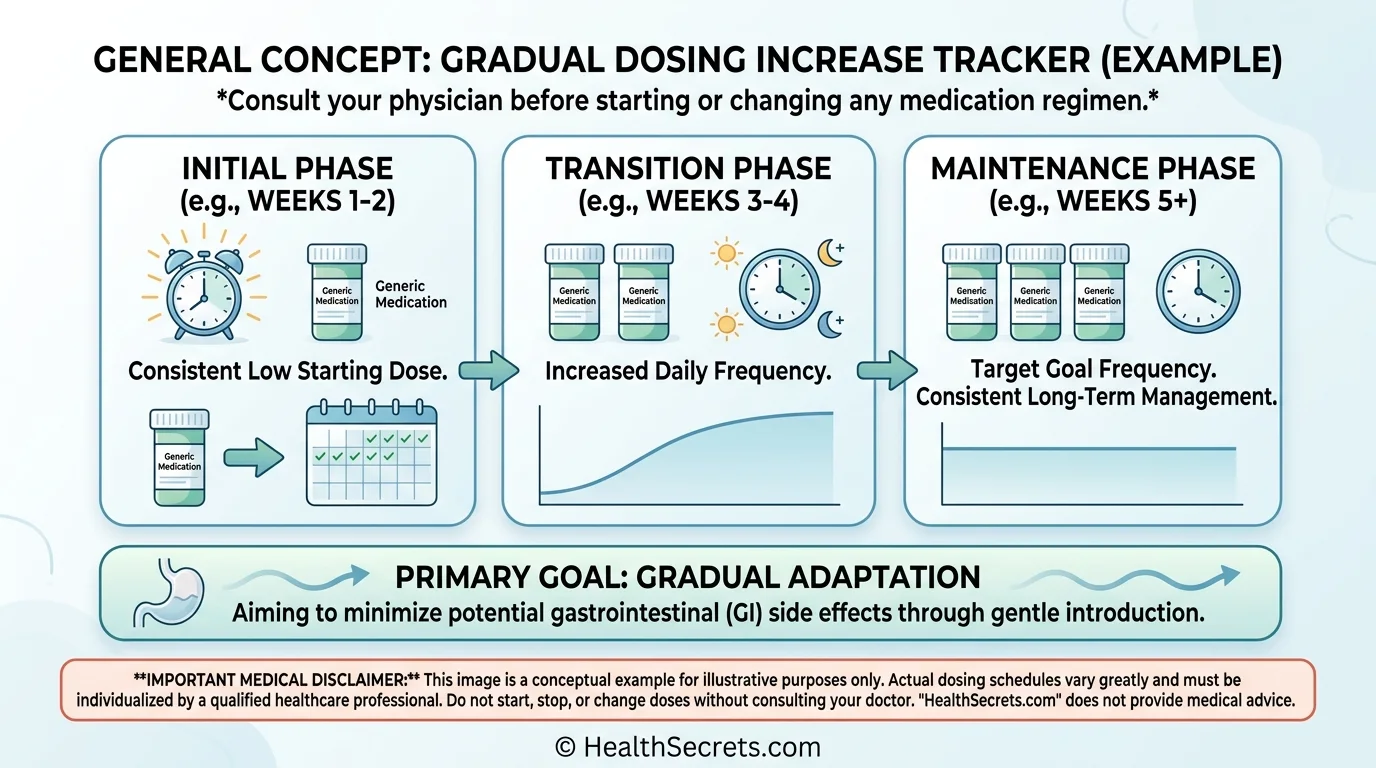
Common side effects (mild, dose-dependent): GI discomfort, drowsiness, headache. Start at 300 mg and increase gradually.

What Can Ashwagandha Actually Do?
- Effective for: Chronic stress-driven anxiety, elevated cortisol, stress-related insomnia, mild-moderate generalized anxiety, exercise performance and recovery, testosterone support in men, cognitive function under stress.
- NOT effective for: Acute panic attacks (too slow-acting), severe anxiety disorders (complement, not replace therapy), PTSD or OCD as standalone treatment.
- vs Magnesium: Ashwagandha targets cortisol; magnesium targets GABA. Complementary, not competitive.
- vs L-theanine: L-theanine works faster (30–60 min); ashwagandha is more potent but takes weeks.
Action Plan
What Should You Do First?
Follow the sequence below, work through each phase in order, and use the checklist as your practical implementation guide.
This Week:
- Purchase KSM-66 ashwagandha (300 mg capsules)
- Start 300 mg in the evening with dinner
- Track anxiety, sleep, and energy daily as baseline
Month 1–2:
- Increase to 600 mg daily (300 mg 2x/day) at week 2
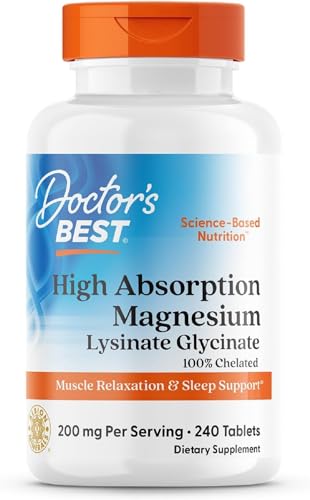
- Add magnesium glycinate (200–400 mg before bed) for complementary GABA support
- Assess improvement at 4 and 8 weeks
Month 3+:
- Cycle: 2–4 weeks off after 8–12 weeks on
- Monitor thyroid if sensitive