Here's something that still catches me off guard — roughly half the world's population is walking around with suboptimal vitamin D levels. Half. And most of them have no idea. You'd think in 2026, with everything we know about nutrition, we'd have this figured out. But we don't. Not even close.
Vitamin D isn't really a vitamin at all, actually. It functions more like a hormone — your body produces it when sunlight hits your skin, and it influences over 1,000 genes across virtually every tissue. We're talking bones, immune cells, brain, heart, muscles... the list goes on. The problem? Modern life has made deficiency almost inevitable for a huge chunk of the population. Indoor jobs, northern latitudes, sunscreen use, darker skin tones — all of these slash your body's ability to make enough on its own.
This guide covers everything you need to know about vitamin D: what it actually does in your body, why deficiency is so rampant, how to test your levels, the real difference between D3 and D2, evidence-based dosing, the cofactors most people forget about, and how to choose the right supplement. Whether you're trying to strengthen your immune system or just figure out how much you actually need — you're in the right place.
What Is Vitamin D and Why Does Your Body Treat It Like a Hormone?
Vitamin D is a fat-soluble secosteroid that your body converts into calcitriol — an active hormone that binds to vitamin D receptors (VDRs) present in virtually every cell. Unlike most vitamins, your skin can manufacture it directly from UVB sunlight exposure, which is why calling it a "vitamin" is technically misleading.
There are two primary forms.
Vitamin D2 (ergocalciferol) comes from plants and fungi — mushrooms exposed to UV light are a common source.
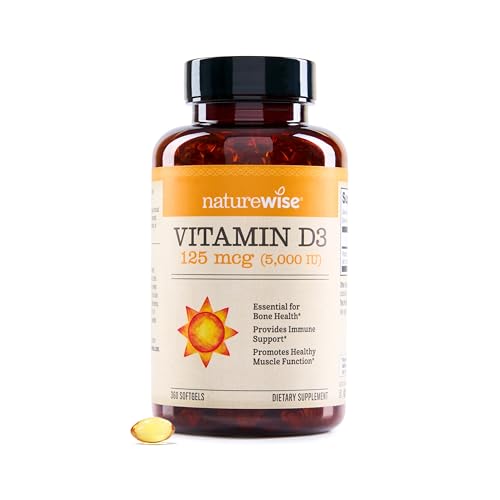
Vitamin D3 (cholecalciferol) is produced in your skin and found in animal-based foods and most supplements. Here's the critical thing most people miss: D3 is significantly more effective at raising and maintaining blood levels than D2. A 2024 meta-analysis found D3 raised total 25(OH)D levels approximately 40% more than equivalent doses of D2 [2].
The conversion pathway goes like this: your skin produces D3 from cholesterol when UVB radiation hits it. Your liver then converts D3 into 25-hydroxyvitamin D [25(OH)D] — the storage form and what blood tests measure. Finally, your kidneys convert it into 1,25-dihydroxyvitamin D [calcitriol] — the biologically active hormone. Calcitriol then binds to VDRs throughout your body, influencing gene expression, calcium metabolism, immune function, and much more.
The math that matters for food sources: turmeric... wait, wrong article. For vitamin D — one cup of fortified milk provides about 120 IU. A 3-ounce serving of wild salmon gives you roughly 600–1,000 IU. But therapeutic doses often require 2,000–5,000 IU daily. You can see the gap.

How Does Vitamin D Support Your Immune System, Bones, and Brain?
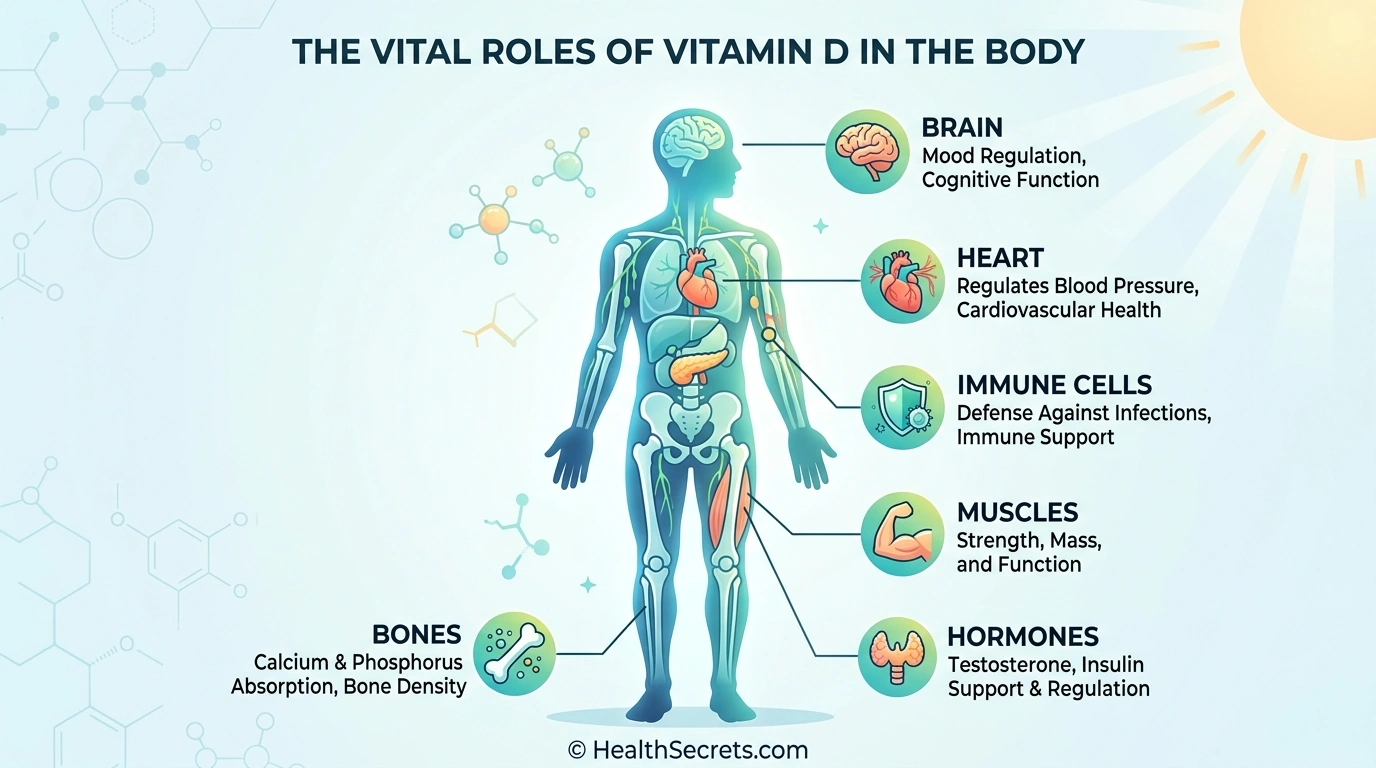
Vitamin D orchestrates a remarkable range of biological functions — from calcium absorption and bone mineralization to immune modulation, mood regulation, and cardiovascular protection. Its influence extends far beyond the skeletal system, touching nearly every organ.
How Does Vitamin D Build and Protect Your Bones?
Vitamin D increases intestinal calcium absorption by 30–40% and enhances phosphorus uptake — without adequate vitamin D, your body absorbs only 10–15% of dietary calcium [7]. When levels drop, parathyroid hormone (PTH) rises, pulling calcium directly from your bones — accelerating bone loss over time.
Severe deficiency causes rickets in children and osteomalacia in adults. Even moderate insufficiency contributes to osteoporosis and fracture risk. A comprehensive review found that vitamin D supplementation (especially at doses ≥800 IU daily combined with calcium) reduces fracture risk by 15–20% in older adults [5].
Does Vitamin D Actually Strengthen Your Immune System?
Yes — and through multiple pathways. Vitamin D enhances innate immunity by increasing production of antimicrobial peptides like cathelicidin and defensins, which help your body fight bacterial and viral infections. It also modulates adaptive immunity by regulating T-cell and B-cell function and preventing excessive inflammatory responses [6].
A landmark meta-analysis of 43 randomized controlled trials found that vitamin D supplementation reduced the risk of acute respiratory infections, with the strongest protective effect in individuals with baseline levels below 25 ng/mL [3]. The effect was most pronounced with daily dosing rather than large bolus doses.
Vitamin D deficiency is also linked to increased autoimmune disease risk — including multiple sclerosis, type 1 diabetes, rheumatoid arthritis, and inflammatory bowel disease. Higher levels appear to help reduce chronic inflammation by modulating immune balance.
Can Vitamin D Improve Your Mood and Mental Health?
Vitamin D receptors are present in brain regions that regulate mood, including the prefrontal cortex and hippocampus. A 2026 meta-analysis of 20 RCTs found that vitamin D supplementation significantly reduced depressive symptoms (SMD = –0.36, 95% CI –0.52 to –0.20, P < 0.00001), particularly in individuals with baseline deficiency [4].
The mechanism likely involves vitamin D's role in serotonin synthesis and regulation of neuroinflammation. Seasonal Affective Disorder (SAD) — winter depression linked to reduced sun exposure — may partly reflect declining vitamin D levels, though light therapy remains the primary treatment.
Low vitamin D is also associated with cognitive decline and increased dementia risk. While intervention trials are still ongoing, the observational evidence is consistent: maintaining adequate levels supports brain health and mental wellness across the lifespan.
What About Heart Health, Hormones, and Cancer Prevention?
Vitamin D influences cardiovascular function by suppressing the renin-angiotensin system (which regulates blood pressure) and reducing vascular inflammation [8]. Deficiency is consistently associated with higher cardiovascular disease risk.
For hormones, vitamin D supports testosterone production in men (deficiency correlates with low testosterone), thyroid function, and insulin sensitivity — with supplementation showing modest improvements in glycemic control for those with prediabetes [9].
Regarding cancer prevention, observational data shows higher vitamin D levels correlate with 20–50% lower colorectal cancer risk. However, large RCTs like VITAL showed more modest results, suggesting the relationship is complex and may depend on baseline levels and duration of supplementation.
Why Are So Many People Deficient in Vitamin D (And Are You at Risk)?
Vitamin D deficiency is genuinely epidemic. A pooled analysis of 7.9 million participants found that the global prevalence of serum 25(OH)D below 30 nmol/L (12 ng/mL) — severe deficiency — was 15.7%, while insufficiency (<50 nmol/L or 20 ng/mL) affected approximately 40–50% of the global population [1]. Among the elderly, the picture is grimmer — a 2024 meta-analysis found 59.7% prevalence of deficiency [12].

Who's at highest risk? The list is longer than most people expect:
- Limited sun exposure: Indoor workers, northern latitudes (above 37°N in winter), consistent sunscreen use, covering clothing
- Darker skin: Melanin reduces UVB penetration — African Americans have 70–80% deficiency rates and need 3–5x more sun exposure than fair-skinned individuals
- Obesity (BMI >30): Vitamin D gets sequestered in fat tissue, requiring 2–3x higher doses
- Older adults: Skin synthesis drops by 75% by age 70, kidney conversion declines
- Malabsorption conditions: Celiac disease, Crohn's, ulcerative colitis, gastric bypass surgery
- Certain medications: Corticosteroids, anticonvulsants, cholestyramine, orlistat
Symptoms of deficiency include fatigue, bone pain, muscle weakness, frequent infections, depression, slow wound healing, and hair loss — though many people with deficiency are completely asymptomatic. Long-term consequences include osteoporosis, increased infection risk, autoimmune disease, cardiovascular disease, and type 2 diabetes.
The only way to know your status? Testing.
The right test is serum 25-hydroxyvitamin D [25(OH)D] — it reflects total vitamin D from sun, food, and supplements with a half-life of 2–3 weeks. Do NOT order 1,25(OH)2D (the active form) — it's tightly regulated and doesn't reflect your actual vitamin D status.
| Organization | Deficient | Insufficient | Sufficient | Optimal |
|---|---|---|---|---|
| Institute of Medicine | <20 ng/mL | 20–30 ng/mL | ≥30 ng/mL | Not specified |
| Endocrine Society | <20 ng/mL | 21–29 ng/mL | 30–100 ng/mL | 40–60 ng/mL |
| Functional Medicine | <20 ng/mL | 20–30 ng/mL | 30–40 ng/mL | 40–60 ng/mL |
How Much Vitamin D Should You Take? (Dosing by Blood Level)
The right dose of vitamin D depends entirely on your current blood level, body weight, skin tone, and individual absorption — which is exactly why testing matters so much. One-size-fits-all dosing leaves many people still deficient.

| Current Level | Correction Dose | Duration | Maintenance |
|---|---|---|---|
| <20 ng/mL (deficient) | 5,000–10,000 IU/day | 8–12 weeks | 2,000–4,000 IU/day |
| 20–30 ng/mL (insufficient) | 4,000–5,000 IU/day | 8–12 weeks | 2,000–3,000 IU/day |
| 30–40 ng/mL | 2,000–4,000 IU/day | Ongoing | 2,000–3,000 IU/day |
| 40–60 ng/mL (optimal) | N/A | N/A | 2,000–3,000 IU/day |
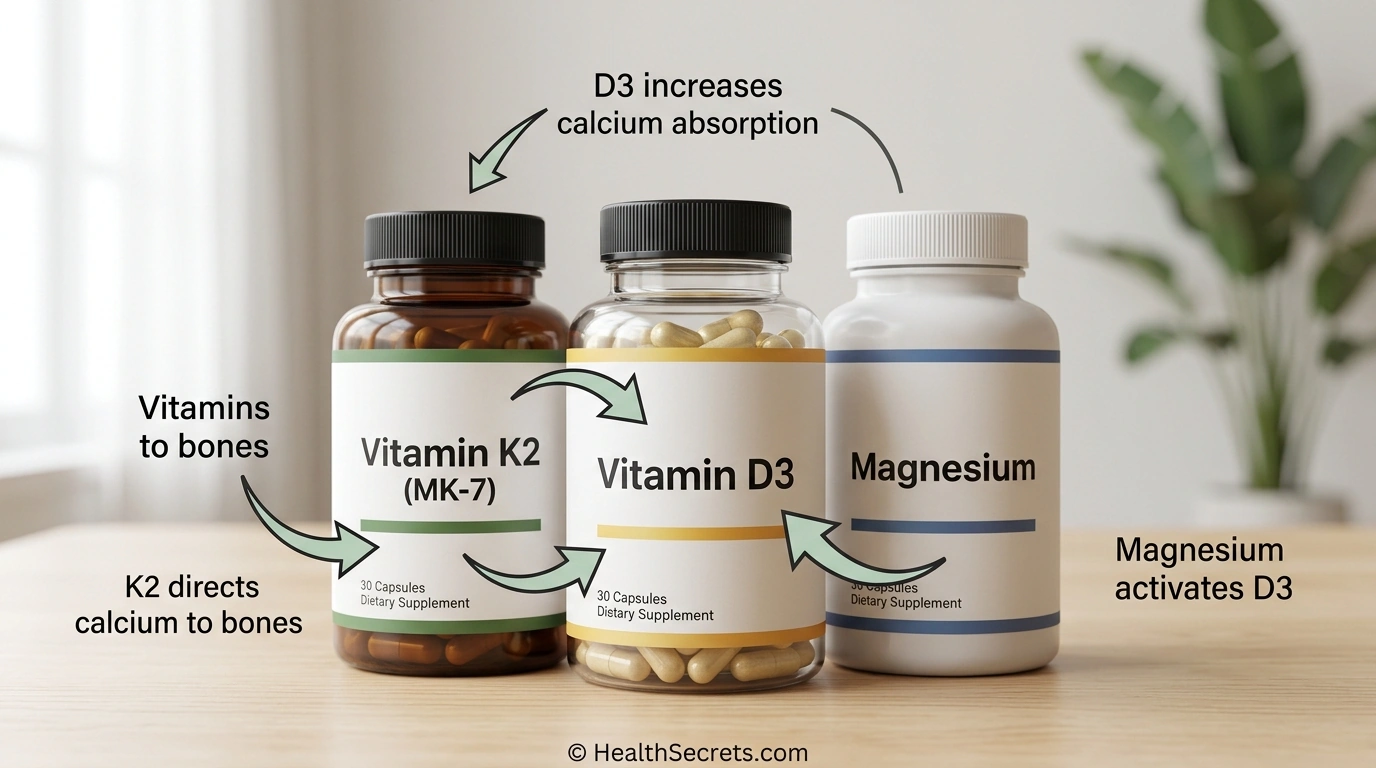
- Vitamin K2 (MK-7): Vitamin D increases calcium absorption, but K2 directs that calcium into bones rather than soft tissues. Without K2, excess calcium can deposit in arteries — contributing to cardiovascular calcification. Take 100–200 mcg MK-7 daily alongside vitamin D [10]. K2 activates osteocalcin (sends calcium to bones) and matrix Gla protein (removes calcium from arteries).
- Magnesium: Required for vitamin D metabolism — it's a cofactor for the enzymes that convert vitamin D to its active form. Vitamin D supplementation actually increases magnesium requirements. Take 300–400 mg elemental magnesium daily (glycinate, threonate, or citrate — avoid oxide) [11].
- The optimal trio: Vitamin D3 (2,000–4,000 IU) + Vitamin K2 MK-7 (100–200 mcg) + Magnesium (300–400 mg). Many supplements now combine all three.
- Absorption tips: Always take vitamin D with a meal containing fat — it's fat-soluble, and absorption increases 7–8x compared to taking it on an empty stomach. Consistency matters more than timing.
Can You Get Enough Vitamin D From Food and Sunlight Alone?
For most people, the honest answer is no — not reliably. Food sources of vitamin D are limited, and sun exposure depends on too many variables to be consistently adequate.
Sun exposure: Fair-skinned individuals produce roughly 10,000–25,000 IU from 10–15 minutes of midday sun with arms and legs exposed. Darker skin requires 30–60 minutes for equivalent production. But latitude (above 37°N in winter, virtually no UVB reaches the surface from October–March), time of day, season, age, and sunscreen use all drastically reduce synthesis. Glass blocks UVB entirely — so working by a window doesn't count.
Food sources: Wild salmon provides 600–1,000 IU per 3-ounce serving. Sardines give about 300 IU. Fortified milk and cereals offer 100–120 IU per serving. Egg yolks contain roughly 40 IU each. To hit even 2,000 IU from food alone, you'd need 2–3 servings of fatty fish daily — every single day.
The realistic approach:
- Get sensible sun exposure when possible (10–20 minutes, 2–3x/week in summer)
- Eat vitamin D-rich foods regularly (fatty fish, eggs, fortified foods)
- Supplement with D3 to ensure consistent, adequate levels year-round
- Test and adjust — the only way to know you're getting enough
For most people — especially those living at northern latitudes, working indoors, or with darker skin — supplementation isn't optional. It's necessary.

Is Vitamin D Safe? Side Effects, Toxicity, and Drug Interactions You Should Know
Vitamin D is one of the safest supplements available when dosed appropriately. Toxicity is rare and typically requires prolonged intake exceeding 10,000 IU daily for months, resulting in blood levels above 100 ng/mL and dangerous hypercalcemia (elevated blood calcium).
At recommended doses (2,000–4,000 IU daily), side effects are uncommon. Mild digestive upset can occur occasionally. Yellow stool or urine at higher doses is harmless — it's just the vitamin's color.
Toxicity symptoms (at levels >100 ng/mL): nausea, vomiting, weakness, frequent urination, excessive thirst, kidney stones, confusion, and in severe cases, heart arrhythmias and kidney damage.
Drug interactions to watch:
- Corticosteroids (prednisone): reduce vitamin D levels
- Anticonvulsants (phenytoin): accelerate vitamin D metabolism
- Thiazide diuretics: combined with high vitamin D could cause hypercalcemia
- Digoxin: hypercalcemia from vitamin D toxicity could trigger arrhythmias
Conditions requiring medical supervision:
- Hypercalcemia or hyperparathyroidism
- Sarcoidosis (can cause excess vitamin D activation)
- Calcium kidney stones
- Chronic kidney disease
Safety rules: Don't exceed 10,000 IU daily without medical supervision. Test levels if taking >4,000 IU daily. Keep blood levels below 100 ng/mL. Be aware of all vitamin D sources including fortified foods and other supplements.
What Can Vitamin D Actually Do for You? (Realistic Timeline and Expectations)
Vitamin D supplementation delivers real, measurable benefits — but it's not an overnight transformation. Setting realistic expectations helps you stay consistent long enough to see results.
What vitamin D CAN do:
- Increase calcium absorption by 30–40% (supports bone density)
- Reduce respiratory infection risk (especially if previously deficient)
- Improve mood and reduce depressive symptoms (moderate effect, strongest in deficient individuals)
- Support immune balance and reduce autoimmune risk
- Maintain muscle strength and reduce fall risk in older adults
- Modestly improve blood pressure and cardiovascular markers
What vitamin D CANNOT do:
- Cure existing diseases or infections
- Replace medications for serious conditions
- Provide benefits if you're already at optimal levels (supplementing the replete shows minimal additional benefit)
- Work effectively without cofactors (K2 and magnesium)
Realistic timeline:
- Week 1–4: Blood levels begin rising. Minimal noticeable effects.
- Week 4–8: Levels approaching target range. Some people notice improved energy, mood, and fewer colds.
- Week 8–12: Full optimization. Retest blood levels to confirm dosing is correct.
- Month 3+: Sustained benefits with consistent daily supplementation.
Individual variation is significant. Genetics, body weight, gut health, and baseline levels all influence your response. Testing is the only way to confirm your dose is working.
Action Plan
What Should You Do First to Optimize Your Vitamin D Levels?
Follow the sequence below, work through each phase in order, and use the checklist as your practical implementation guide.
Start by testing your current 25(OH)D level to establish a baseline — then follow this phased action plan to reach and maintain optimal status of 40–60 ng/mL.
Phase 1: Test and Assess (Week 1)
- Order a serum 25(OH)D blood test (through your doctor or an at-home test kit)
- Identify your risk factors: skin tone, latitude, sun exposure, weight, age, medications
- Review current vitamin D intake from food and any existing supplements
Phase 2: Start Supplementation (Week 1–2)
- Choose a quality vitamin D3 supplement (third-party tested, with or without K2)
- Begin dosing based on your baseline level (see dosing table above)
- Add cofactors: K2 (100–200 mcg MK-7) and magnesium (300–400 mg glycinate or citrate)
- Take with your fattiest meal of the day for maximum absorption
Phase 3: Optimize and Monitor (Week 2–12)
- Supplement consistently — daily dosing is more effective than weekly bolus doses
- Get sensible sun exposure when possible (10–20 min, 2–3x/week)
- Include vitamin D-rich foods: fatty fish 2–3x/week, eggs, fortified foods
- Track energy, mood, and illness frequency for subjective feedback
Phase 4: Retest and Maintain (Month 3+)
- Retest 25(OH)D at 3 months to verify you've reached 40–60 ng/mL
- Adjust dose up or down based on results
- Transition to maintenance dosing (2,000–3,000 IU daily) once optimal
- Test annually to maintain optimal levels, especially if changing seasons or weight