
A strawberry compound that kills zombie cells. That's the elevator pitch for fisetin, and honestly, it sounds too good to be true.
But the science behind it is real—and increasingly compelling. In 2018, Mayo Clinic researchers screened ten flavonoids for their ability to selectively kill senescent cells, and fisetin came out on top. When they gave it to old mice—the equivalent of 75-year-old humans—those mice lived longer and healthier than untreated controls. Both median and maximum lifespan increased.
Fisetin is a flavonoid, a type of plant polyphenol found naturally in strawberries, apples, persimmons, and onions. It's been studied for decades as an antioxidant and anti-inflammatory compound. But its identification as a potent senolytic—a substance that clears the damaged, non-dividing "zombie cells" that accumulate with age and drive chronic disease—changed everything.
Now multiple human clinical trials are underway testing fisetin for frailty, osteoarthritis, cognitive decline, and vascular aging. It's available over the counter as a dietary supplement, unlike prescription senolytics such as dasatinib. That accessibility is part of what makes it so interesting.
This guide covers everything you need to know about fisetin—from its senolytic mechanisms to practical dosing protocols, bioavailability challenges, and how it compares to other zombie cell-clearing compounds. Whether you're exploring the broader longevity and anti-aging landscape or specifically interested in targeting cellular inflammation, this is your comprehensive resource.
What Is Fisetin and Why Has It Become the Most Talked-About Senolytic Supplement?
Fisetin (3,3′,4′,7-tetrahydroxyflavone) is a naturally occurring flavonoid found in fruits and vegetables—most abundantly in strawberries—that gained prominence after 2018 research identified it as the most potent senolytic compound among ten flavonoids tested, capable of selectively killing senescent "zombie" cells while leaving healthy cells unharmed.
Flavonoids are a class of plant polyphenols with antioxidant and anti-inflammatory properties. Fisetin belongs to the flavonol subclass, alongside quercetin and kaempferol. It's been studied since the 1990s for neuroprotective, anticancer, and anti-inflammatory effects.
But it wasn't until Yousefzadeh and colleagues at the Mayo Clinic published their landmark 2018 study in EBioMedicine that fisetin entered the longevity conversation in a serious way ([1]). They screened ten flavonoids—including quercetin, curcumin, and luteolin—for senolytic activity. Fisetin was the clear winner.
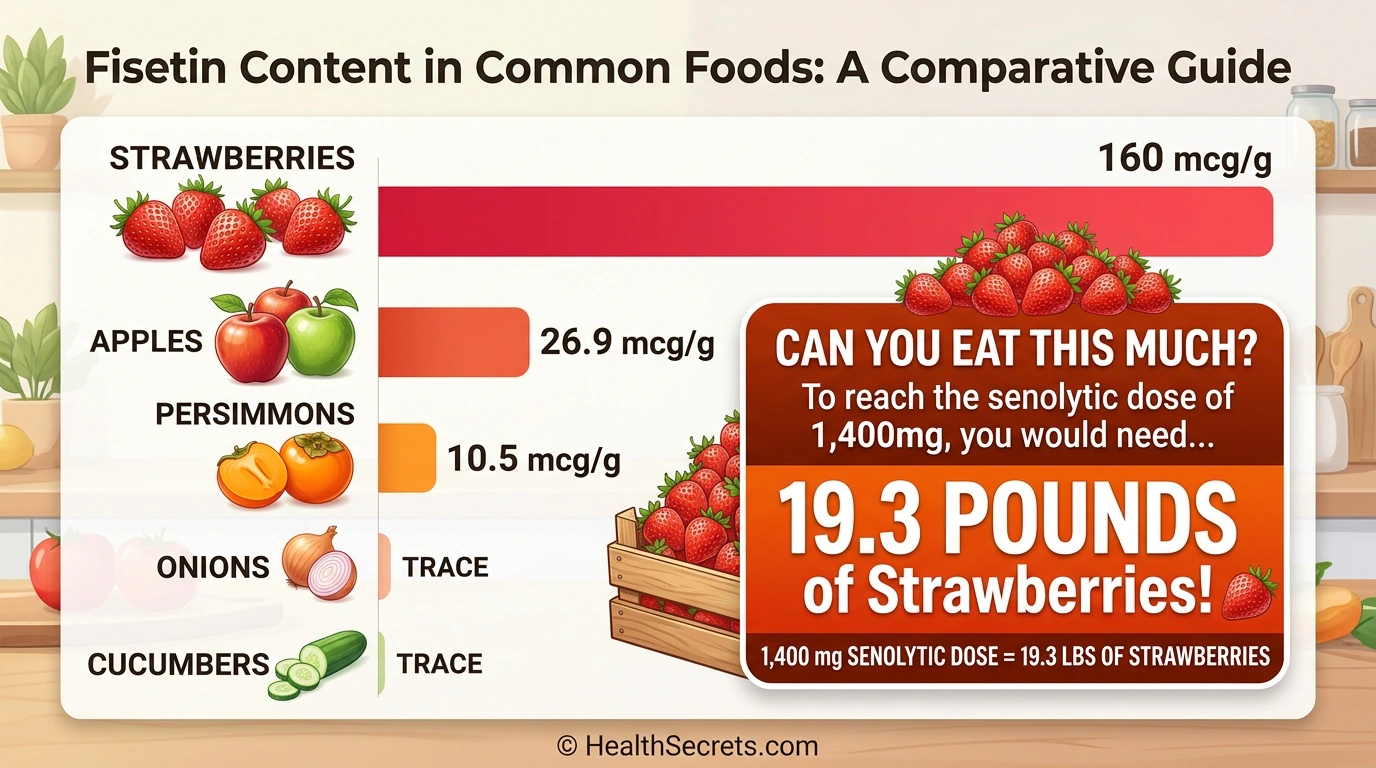
Strawberries contain the highest concentration at approximately 160 micrograms per gram of fruit. Apples follow at roughly 27 mcg/g, then persimmons at 10.5 mcg/g. Smaller amounts appear in onions, cucumbers, and grapes.
As a supplement, fisetin is available over the counter—no prescription required. This distinguishes it from the dasatinib+quercetin combination, where dasatinib is a prescription cancer drug. For people interested in senolytic supplementation without physician involvement, fisetin is the most accessible research-backed option.
How Does Fisetin Actually Kill Senescent Cells in Your Body?
Fisetin selectively eliminates senescent cells by inhibiting the anti-apoptotic survival pathways (particularly BCL-2 family proteins and PI3K-AKT signaling) that zombie cells depend on to resist programmed cell death, while simultaneously reducing the inflammatory SASP factors these cells secrete—all without significantly harming normal, healthy cells.

Senescent cells survive by upregulating survival signals. They're damaged cells clinging to life through molecular pathways that block apoptosis. Fisetin disrupts these pathways.
Specifically, fisetin inhibits BCL-2 family proteins—the same anti-death signals that some cancer drugs target. It also blocks PI3K-AKT signaling, another survival pathway senescent cells exploit. When these defenses are disabled, the senescent cell tips over into programmed cell death.
Normal cells don't depend as heavily on these pathways for survival. That selectivity is what makes fisetin a senolytic rather than a general cytotoxin.
Beyond direct killing, fisetin reduces the SASP—the toxic cocktail of inflammatory factors that senescent cells secrete. Studies confirm fisetin lowers IL-6, IL-8, TNF-alpha, and matrix metalloproteinases in treated tissues ([7]). Less SASP means less chronic inflammation, less tissue damage, and fewer new senescent cells being created by the inflammatory cascade.
The 2018 mouse study demonstrated tissue-wide effects. Old mice treated with fisetin showed reduced senescent cell markers across multiple organs—brain, heart, kidneys, fat tissue, joints. That broad activity suggests fisetin doesn't just target one tissue type but has systemic senolytic effects.
Researchers have also noted that fisetin activates SIRT1, supports glutathione levels, and maintains mitochondrial function under oxidative stress. These secondary mechanisms contribute to its anti-aging profile beyond pure senolytic activity.
How Well Does Your Body Actually Absorb Fisetin Supplements?
Oral fisetin has limited bioavailability—estimated at roughly 44% in pharmacokinetic studies—due to poor water solubility, rapid phase II metabolism into sulfate and glucuronide conjugates, and high lipophilicity, though newer delivery technologies like liposomal encapsulation and hydrogel formulations can improve absorption by 5–25 fold.
This is fisetin's Achilles heel. You can swallow a capsule, but how much active fisetin actually reaches your tissues?
Standard fisetin powder has poor water solubility (approximately 10.45 µg/mL) and is rapidly metabolized in the gut and liver before reaching systemic circulation ([6]). After oral administration, fisetin is quickly converted into sulfated and glucuronidated metabolites. The parent compound—the form that's actually senolytic—has a short plasma half-life.
Several formulation approaches attempt to solve this:
- Liposomal fisetin encapsulates the compound in phospholipid vesicles that protect it through digestion and improve cellular uptake. Some manufacturers claim 10–25x improved absorption, though independent verification varies.
- Hydrogel scaffolds using fenugreek-derived galactomannan showed 9.83-fold improved bioavailability in a crossover study, with significantly better neuroprotective effects compared to unformulated fisetin ([8]).
- Taking fisetin with dietary fat is the simplest absorption hack. Fisetin is lipophilic—it dissolves in fat. Consuming it alongside olive oil, avocado, nuts, or a fatty meal meaningfully improves absorption without requiring special formulations.
- Piperine (black pepper extract) inhibits some of the enzymes responsible for fisetin's rapid metabolism, potentially keeping more parent compound in circulation longer.
The bioavailability problem is real, but it hasn't stopped fisetin from showing effects in both animal studies and early human trials. The clinical trial doses (20 mg/kg) may partially compensate by flooding the system with enough fisetin that even limited absorption delivers therapeutic concentrations.
What Is the Correct Fisetin Dosing Protocol for Senolytic Effects?
The research-backed senolytic protocol uses high-dose intermittent dosing: 20 mg/kg body weight per day (approximately 1,400mg for a 70kg person) for 2 consecutive days, followed by 4–12 weeks off before repeating—mimicking the pulsed "hit-and-run" approach used in clinical trials rather than daily supplementation.
This is fundamentally different from how most supplements are taken. You don't take fisetin every day for senolytic purposes.
How Does the High-Dose Intermittent Protocol Work?
- The math: 20 mg/kg × your body weight in kg = daily dose. For a 70 kg (154 lb) person, that's 1,400 mg per day. For a 90 kg (198 lb) person, it's 1,800 mg.
- Duration: 2 consecutive days of high-dose treatment.
- Frequency: Repeat every 1–3 months. Most self-experimenters use quarterly cycles. Clinical trials typically use monthly or bi-monthly intervals.
- Timing: Take with a fatty meal for improved absorption. Some people report mild stimulant effects, so morning or afternoon dosing may be preferable.
The rationale is straightforward. Senescent cells don't regenerate quickly after clearance. Hit them hard for two days, then let your body recover and rebuild. By the time senescent cells accumulate again, you repeat the cycle.
What About Low-Dose Daily Fisetin?
Some people take 100–500 mg daily for general antioxidant, anti-inflammatory, and neuroprotective benefits. This likely won't achieve senolytic concentrations but may provide other health benefits.
Choose the high-dose intermittent protocol if you're specifically targeting senescent cells. Choose low-dose daily if you want ongoing antioxidant support without the intensity of pulsed dosing.
Cost perspective: A quarterly high-dose cycle uses roughly 2,800 mg total (2 days × 1,400 mg). At typical supplement pricing, that's $10–20 per cycle—remarkably affordable for a longevity intervention.
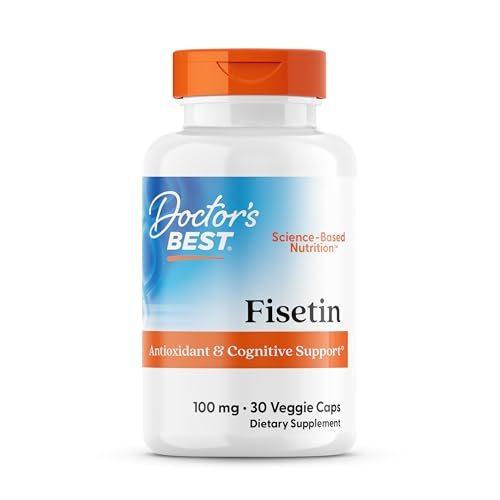
Doctor's Best Fisetin with Novusetin 100mg
Best Research-Grade FisetinDoctor's Best · Precise dosing control for both daily low-dose and high-dose intermittent protocols

Sharoaid Liposomal Fisetin 1500mg
Best Liposomal FisetinSharoaid Liposomal · Maximum absorption for aggressive high-dose senolytic protocols

Wellness Resources Novusetin Fisetin 100mg (90 Capsules)
Best Value FisetinWellness Resources · Long-term daily use or multiple high-dose cycles at the best per-capsule price
Life Extension Bio-Fisetin
Best Enhanced BioavailabilityLife Extension · Improved fisetin absorption through patented bioavailability technology
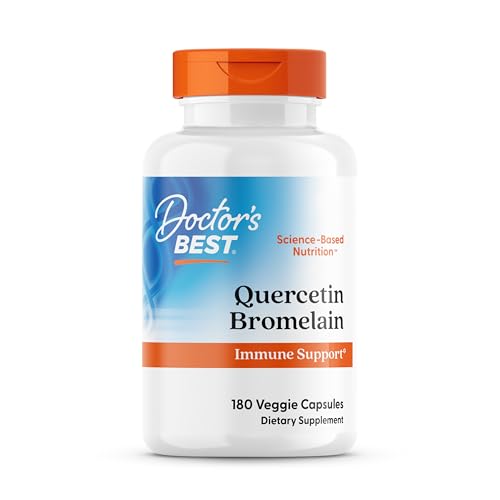
Doctor's Best Quercetin Bromelain
Best Companion SenolyticDoctor's Best · Pairing with fisetin for multi-pathway senolytic support
Fisetin and Quercetin Liposomal Combination 1200mg
Best Senolytic CombinationFisetin and · Dual-pathway senolytic protocol in a single supplement
NOW Supplements EGCg Green Tea Extract 400mg
Best Daily Antioxidant SupportNOW Supplements · Ongoing cellular protection between fisetin senolytic cycles
Strawberry Extract Supplement 500mg
Best Whole-Food Fisetin SourceStrawberry Extract · Whole-food approach to fisetin alongside other strawberry polyphenols
Read the detailed review cards below before opening any retailer link
Top Recommended Products
Doctor's Best
Doctor's Best Fisetin with Novusetin 100mg
Doctor's Best uses Novusetin, the branded fisetin extract that matches the purity profile used in published senolytic research. The 100mg per capsule dose allows you to precisely control intake—take one daily for general antioxidant support, or stack 14 capsules across a 2-day senolytic cycle for a 70kg person.
Pros
- + Uses patented Novusetin ingredient matching research purity
- + trusted manufacturer with third-party testing
- + flexible dosing at 100mg increments
- + well-established brand
Cons
- - Small bottle (30 caps) requires multiple bottles for high-dose protocols
Why we included it: Doctor's Best uses Novusetin, the branded fisetin extract that matches the purity profile used in published senolytic research. The 100mg per capsule dose allows you to precisely control intake—take one daily for general antioxidant support, or stack 14 capsules across a 2-day senolytic cycle for a 70kg person.
Retailer link opens on Amazon after the review details above
Sharoaid Liposomal
Sharoaid Liposomal Fisetin 1500mg
Standard fisetin has notoriously poor bioavailability. Liposomal encapsulation wraps fisetin in phospholipid vesicles that survive digestion and improve cellular uptake—potentially increasing effective absorption by 10–25x. The 1,500mg dose means a single softgel delivers full senolytic-range concentration for most adults.
Pros
- + Liposomal technology dramatically improves absorption
- + high 1
- + 500mg dose covers full senolytic protocol in single serving
- + convenient softgel format
- + no need for multiple capsules
Cons
- - Premium price
- - newer brand with less track record than established supplement companies
Why we included it: Standard fisetin has notoriously poor bioavailability. Liposomal encapsulation wraps fisetin in phospholipid vesicles that survive digestion and improve cellular uptake—potentially increasing effective absorption by 10–25x. The 1,500mg dose means a single softgel delivers full senolytic-range concentration for most adults.
Retailer link opens on Amazon after the review details above
Wellness Resources
Wellness Resources Novusetin Fisetin 100mg (90 Capsules)
If you plan to use fisetin long-term—whether daily low-dose or quarterly high-dose cycles—the 90-capsule bottle from Wellness Resources offers the best per-unit value with the same Novusetin-grade purity. At 100mg per capsule, one bottle covers 6+ quarterly senolytic cycles.
Pros
- + Largest capsule count available with Novusetin
- + excellent per-capsule value
- + 90-day supply at daily dose
- + patented ingredient for purity assurance
Cons
- - Standard absorption (no liposomal or enhanced delivery)
Why we included it: If you plan to use fisetin long-term—whether daily low-dose or quarterly high-dose cycles—the 90-capsule bottle from Wellness Resources offers the best per-unit value with the same Novusetin-grade purity. At 100mg per capsule, one bottle covers 6+ quarterly senolytic cycles.
Retailer link opens on Amazon after the review details above
Life Extension
Life Extension Bio-Fisetin
Life Extension's Bio-Fisetin uses a galactomannan fiber matrix that research shows can improve fisetin bioavailability up to 25-fold compared to standard formulations. This means a 150mg capsule may deliver effective tissue concentrations comparable to much higher doses of unformulated fisetin—a practical solution to the bioavailability challenge.
Pros
- + Significantly enhanced bioavailability over standard fisetin
- + reputable brand with decades of supplement experience
- + published absorption data
- + lower dose needed due to improved delivery
Cons
- - Smaller capsule count
- - premium pricing per capsule
Why we included it: Life Extension's Bio-Fisetin uses a galactomannan fiber matrix that research shows can improve fisetin bioavailability up to 25-fold compared to standard formulations. This means a 150mg capsule may deliver effective tissue concentrations comparable to much higher doses of unformulated fisetin—a practical solution to the bioavailability challenge.
Retailer link opens on Amazon after the review details above
Doctor's Best
Doctor's Best Quercetin Bromelain
Combining fisetin with quercetin targets multiple anti-apoptotic pathways in senescent cells simultaneously. Quercetin is the most-studied flavonoid senolytic (part of the D+Q protocol), and adding it to a fisetin cycle may enhance overall senolytic coverage. Doctor's Best bromelain formulation addresses quercetin's own absorption challenges.
Pros
- + Quercetin is a proven senolytic with complementary mechanisms to fisetin
- + bromelain improves absorption
- + affordable for long-term use
- + well-researched combination
Cons
- - Not a fisetin product (companion supplement)
Why we included it: Combining fisetin with quercetin targets multiple anti-apoptotic pathways in senescent cells simultaneously. Quercetin is the most-studied flavonoid senolytic (part of the D+Q protocol), and adding it to a fisetin cycle may enhance overall senolytic coverage. Doctor's Best bromelain formulation addresses quercetin's own absorption challenges.
Retailer link opens on Amazon after the review details above
Fisetin and
Fisetin and Quercetin Liposomal Combination 1200mg
For those who want both fisetin and quercetin in their senolytic protocol without managing multiple supplements, this liposomal combination delivers therapeutic doses of both flavonoids with enhanced absorption. The 1000mg fisetin + 200mg quercetin formulation targets complementary anti-apoptotic pathways.
Pros
- + Combines two proven senolytics in one supplement
- + liposomal delivery for both compounds
- + convenient single-product protocol
- + high combined dose
Cons
- - Fixed fisetin-to-quercetin ratio may not suit all protocols
- - premium pricing
Why we included it: For those who want both fisetin and quercetin in their senolytic protocol without managing multiple supplements, this liposomal combination delivers therapeutic doses of both flavonoids with enhanced absorption. The 1000mg fisetin + 200mg quercetin formulation targets complementary anti-apoptotic pathways.
Retailer link opens on Amazon after the review details above
NOW Supplements
NOW Supplements EGCg Green Tea Extract 400mg
EGCG provides ongoing antioxidant protection and mild senolytic activity between your quarterly fisetin cycles. Think of it as daily maintenance while fisetin handles periodic deep cleaning. NOW's standardized extract delivers consistent 400mg EGCg per capsule within the research-suggested 400–800mg daily range.
Pros
- + Mild senolytic activity complements fisetin
- + broad antioxidant benefits
- + affordable six-month supply
- + well-studied compound
- + daily-use compatible
Cons
- - Much weaker senolytic than fisetin or quercetin
Why we included it: EGCG provides ongoing antioxidant protection and mild senolytic activity between your quarterly fisetin cycles. Think of it as daily maintenance while fisetin handles periodic deep cleaning. NOW's standardized extract delivers consistent 400mg EGCg per capsule within the research-suggested 400–800mg daily range.
Retailer link opens on Amazon after the review details above
Strawberry Extract
Strawberry Extract Supplement 500mg
For those who prefer whole-food supplements over isolated compounds, strawberry extract delivers fisetin within its natural polyphenol matrix alongside anthocyanins and ellagic acid. It won't achieve senolytic doses, but provides a gentle daily approach to fisetin intake alongside broader antioxidant benefits.
Pros
- + Whole-food matrix provides fisetin plus complementary polyphenols
- + gentler on stomach
- + good for daily antioxidant support
- + affordable
Cons
- - Much lower fisetin concentration than isolated fisetin supplements
- - not suitable for high-dose senolytic protocols
Why we included it: For those who prefer whole-food supplements over isolated compounds, strawberry extract delivers fisetin within its natural polyphenol matrix alongside anthocyanins and ellagic acid. It won't achieve senolytic doses, but provides a gentle daily approach to fisetin intake alongside broader antioxidant benefits.
Retailer link opens on Amazon after the review details above
Can You Get Enough Fisetin From Strawberries and Other Foods?
No—reaching senolytic fisetin doses from food alone is physically impossible, as the richest source (strawberries at 160 mcg/g) would require eating approximately 19 pounds in a single day to match the 1,400mg clinical trial dose for an average adult, though regular dietary intake still provides meaningful antioxidant and anti-inflammatory benefits.

Let's run the numbers. Senolytic dose for a 70 kg person: 1,400 mg (1,400,000 mcg). Strawberry fisetin content: 160 mcg per gram. Required strawberries: 8,750 grams, or 19.3 pounds.
Nobody is eating 19 pounds of strawberries. You'd be dealing with massive sugar intake and severe GI distress long before reaching senolytic levels.
Other food sources are even less practical:
- Apples: 26.9 mcg/g → would need 115 pounds
- Persimmons: 10.5 mcg/g → would need 294 pounds
- Onions: trace amounts → not remotely feasible
- Cucumbers: trace amounts → same story
That said, dietary fisetin has real value at sub-senolytic levels. Regular consumption of strawberries, apples, and other fisetin-rich foods provides antioxidant protection, mild anti-inflammatory effects, and neuroprotective support. These aren't senolytic benefits, but they're genuinely health-promoting.
The takeaway: eat your strawberries for general health. Supplement for senolytic effects. They're complementary strategies, not substitutes for each other.
What Are the Safety Risks and Side Effects of Fisetin Supplementation?
Fisetin appears generally well-tolerated in short-term clinical studies, with mild gastrointestinal discomfort (nausea, stomach upset, diarrhea) as the most commonly reported side effect. However, long-term safety data in humans is limited, and theoretical concerns include mild anticoagulant effects, potential CYP enzyme interactions, and unknown consequences of chronic high-dose use.

The safety profile is reassuring for short-term use. No serious adverse events have been reported in published clinical trials using the 20 mg/kg intermittent protocol. That's important context—but it's not the same as decades of safety data.
Known side effects (mild):
- GI discomfort (nausea, diarrhea, stomach cramping)—most common
- Headache (occasionally reported)
- Mild stimulant effect (some people notice increased alertness)
Theoretical concerns:
- Anticoagulant effects: Like many flavonoids, fisetin may have mild blood-thinning properties. Avoid combining with warfarin, aspirin, or other anticoagulants without medical guidance
- CYP enzyme interactions: Fisetin may affect cytochrome P450 enzyme activity, potentially altering how your body metabolizes certain medications
- Pro-oxidant effects at very high doses: Antioxidants can paradoxically become pro-oxidants when concentrations exceed physiological ranges
Who should avoid fisetin:
- Pregnant or breastfeeding women (no safety data)
- People on anticoagulant medications (bleeding risk)
- Those with bleeding disorders
- Anyone facing surgery within 2 weeks (stop supplementation)
- Children (no pediatric data)
The intermittent dosing protocol may inherently be safer than chronic daily high-dose use—your body gets extended recovery periods between treatment cycles.
What Can Fisetin Realistically Do for Your Longevity?
Fisetin can likely reduce senescent cell burden and inflammatory markers based on animal data and early human signals, but it has not been proven to extend human healthspan or lifespan—effects are subtle and accumulate over months to years, lifestyle optimization remains more impactful than any supplement, and individual results will vary significantly.

I want to be straightforward about the evidence gap here.
What fisetin might do:
- Reduce senescent cell markers (demonstrated in animals, likely in humans)
- Lower systemic inflammatory markers (early human data supports this)
- Improve tissue function in joints, kidneys, brain (animal evidence)
- Support healthy aging trajectories (theoretical, based on mechanisms)
What fisetin will not do:
- Reverse aging or make you feel dramatically younger overnight
- Replace exercise, nutrition, sleep, and stress management
- Guarantee longevity extension (no supplement does)
- Provide immediately noticeable effects (changes are gradual)
- Work identically for everyone (biological variation is real)
The osteoarthritis clinical trial results published in 2026 provided a reality check—while fisetin showed no significant safety concerns, the specific dose and treatment strategy used did not produce significant clinical benefit for knee osteoarthritis symptoms. That's a reminder that dramatic animal results don't always translate directly.
If you try fisetin, approach it as an informed experiment. Track subjective wellbeing, consider biomarker monitoring if accessible, and give it 6–12 months before evaluating. The lifestyle foundation—exercise, diet, sleep, stress management—still delivers more proven benefit than any senolytic supplement.
What Is the Best Step-by-Step Plan for Starting Fisetin Supplementation?
Start by optimizing lifestyle foundations, then introduce fisetin using the research-based intermittent protocol at a conservative dose to assess tolerance, gradually progressing to full clinical trial dosing over 2–3 cycles while monitoring for side effects and tracking relevant health markers.
Phase 1 — Foundation First (Before Supplementation):
- Confirm regular exercise habit (150+ minutes weekly aerobic activity)
- Establish anti-inflammatory dietary pattern (Mediterranean-style, rich in fruits and vegetables)
- Optimize sleep quality (7–9 hours consistent schedule)
- Implement intermittent fasting protocol (activates autophagy for natural senescent cell clearance)
- Consult healthcare provider about fisetin supplementation, especially if you take medications
Phase 2 — First Fisetin Cycle (Conservative Start):
- Select a high-quality fisetin supplement (98%+ purity, third-party tested)
- Start with half the target dose for your first cycle (e.g., 700mg/day for 2 days)
- Take with a fatty meal (olive oil, avocado, nuts) for improved absorption
- Monitor for GI side effects during and after the 2-day protocol
- Wait 4–8 weeks before next cycle
Phase 3 — Full Protocol (If Tolerated):
- Progress to full 20 mg/kg dose (approximately 1,400mg/day for 70kg person)
- Maintain 2-day on, 4–12 weeks off cycle
- Consider quarterly cycles for long-term maintenance
- Track subjective wellbeing, energy, joint comfort, and any relevant biomarkers
- Reassess annually as new clinical trial data becomes available

