
That hacking cough that just won't quit. The tightness in your chest every time you take a deep breath. If you've ever had bronchitis — and statistically, there's a good chance you have — you know how frustrating it can be to wait it out.
Here's the thing most people don't realize: acute bronchitis is viral roughly 90–95% of the time, which means antibiotics won't help. Your body needs to fight it off on its own. But that doesn't mean you're stuck suffering through it with nothing but willpower and tissues.
Research shows that several natural remedies for bronchitis can genuinely reduce cough severity, thin stubborn mucus, and help you breathe easier while your immune system does its job. N-acetylcysteine (NAC) acts as a powerful mucolytic that breaks apart thick mucus. Honey has been shown to outperform usual care for upper respiratory symptoms in a [7]. And a thyme-ivy herbal combination reduced coughing fits by 68.7% compared to just 47.6% with placebo in a [10].
If you're looking to support your body's overall detoxification and immune pathways, our guides on immune system support and glutathione — the master antioxidant provide deeper context on how nutrients like NAC fit into the bigger picture.
What Do You Need to Know Before Treating Bronchitis Naturally?
Before reaching for any natural remedy, you need to understand exactly what you're dealing with. Acute bronchitis is a short-term inflammation of the bronchial tubes caused almost exclusively by viruses, and it resolves on its own. Chronic bronchitis is a completely different condition — part of COPD — that requires ongoing medical care. Knowing the difference determines everything about your treatment approach.
Acute bronchitis typically follows a cold or flu infection. Viruses like rhinovirus, influenza, and RSV inflame the bronchial tubes, triggering a persistent cough that may produce mucus, along with chest congestion, mild wheezing, low-grade fever, and fatigue. The cough can linger for up to four weeks even after the infection clears, according to StatPearls [12].
Chronic bronchitis, by contrast, is defined as a productive cough lasting at least three months per year for two or more consecutive years. It's usually caused by long-term smoking or irritant exposure and requires medical management with bronchodilators and sometimes corticosteroids.
The natural remedies in this guide target acute bronchitis specifically. If you suspect chronic bronchitis, work directly with your healthcare provider.
Who Should Use These Remedies?
These approaches work best for otherwise healthy adults with uncomplicated acute bronchitis. They're not a substitute for medical care if you have underlying lung disease, a compromised immune system, or symptoms suggesting something more serious than a typical viral chest infection.

How Do You Use NAC to Break Up Bronchitis Mucus?
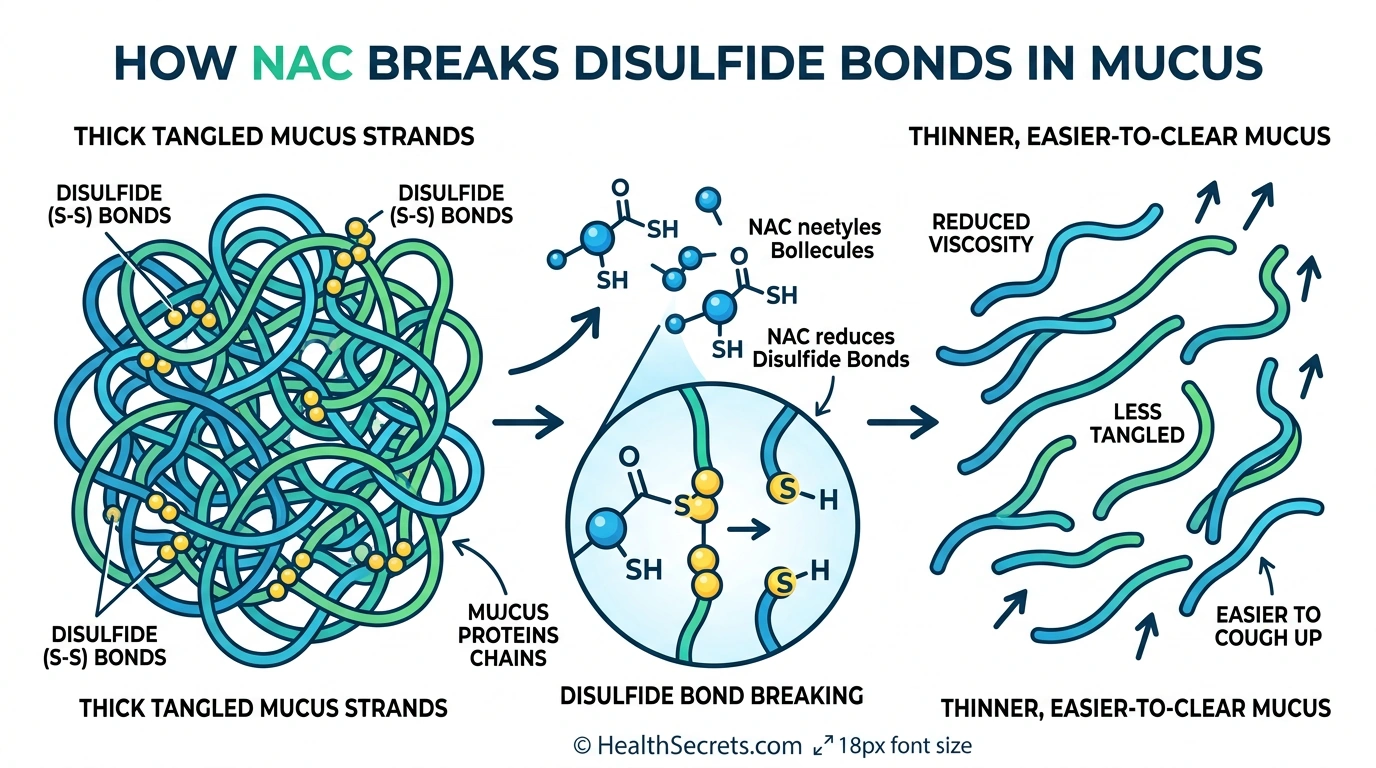
N-acetylcysteine (NAC) is one of the most well-studied natural mucolytics available. It works by breaking disulfide bonds in mucus glycoproteins, physically thinning the mucus so you can cough it up more easily. A [2] confirmed that NAC acts as both a mucolytic and a mucoregulator, directly inhibiting mucus secretion and goblet cell hyperplasia.
A [1] found that NAC-treated patients with chronic bronchitis and pre-COPD showed a significant reduction in exacerbation incidence (IRR = 0.81) and were 3.47 times more likely to experience symptom improvement compared to placebo.
How to Take NAC for Bronchitis
- Dose: 600 mg two to three times daily (1,200–1,800 mg total)
- Timing: Take with food to reduce the chance of nausea
- Duration: Continue for the duration of symptoms, typically one to three weeks
- Onset: Expect noticeable mucus thinning within one to three days
NAC is also a precursor to glutathione, your body's master antioxidant, which supports the immune response during infection. Side effects are minimal — a [3] of doses up to 3,000 mg daily found the adverse effect profile comparable to placebo. However, use caution if you have active peptic ulcers or asthma, as NAC may trigger bronchospasm in some individuals.
How Does Honey Relieve Bronchitis Cough?
Honey is arguably the most accessible and well-supported natural cough remedy available. A [7] of 14 studies published in BMJ Evidence-Based Medicine found that honey was superior to usual care for improving combined symptom scores, cough frequency, and cough severity in upper respiratory tract infections.
The University of Oxford researchers behind the review noted that honey provides a widely available and cheap alternative that could also help slow the spread of antimicrobial resistance.
How to Use Honey for Bronchitis
- Adults: One to two tablespoons of raw honey as needed, up to four times daily
- Children (ages 1–5): Half a teaspoon
- Children (ages 6–11): One teaspoon
- Children (12 and older): Two teaspoons
- Best method: Dissolve in warm (not hot) water or herbal tea, or take straight from the spoon
Darker honeys like buckwheat and manuka contain higher concentrations of antioxidants and antimicrobial compounds. The [9] that honey appeared to work as well as diphenhydramine in several studies for cough suppression.
Critical safety note: Never give honey to infants under one year of age due to the risk of botulism.

How Does a Thyme-Ivy Combination Reduce Coughing Fits?
The combination of thyme and ivy leaf extract is one of the most impressive natural options for acute bronchitis, though it's lesser known in the United States. A [10] demonstrated that thyme-ivy combination reduced coughing fits by 68.7% compared to 47.6% under placebo — and the 50% reduction milestone was reached two full days earlier in the treatment group.
Thyme acts as an expectorant and antispasmodic, relaxing the airways while loosening mucus. Ivy leaf contains saponins that further loosen mucus and act as a mild bronchodilator. A [11] confirmed that ivy extract EA 575 was non-inferior to both comparator herbal combinations for acute bronchitis treatment.
How to Use Thyme-Ivy Remedies
- Commercial syrups: Follow product dosing instructions (typically 5–7.5 mL three times daily for adults)
- Thyme tea (DIY): Steep one to two teaspoons of dried thyme in one cup of boiling water for 10 minutes. Drink two to three cups daily.
- Ivy leaf extract: 35–70 mg extract daily in divided doses
- Onset: Improvement typically begins within two to seven days
Thyme-ivy preparations are generally well tolerated. Avoid ivy leaf if you're pregnant, breastfeeding, or have a known ivy allergy.

How Do Steam Inhalation and Hydration Help Clear Bronchitis Congestion?
Steam inhalation and aggressive hydration are foundational strategies that complement every other natural remedy on this list. Warm moisture loosens stuck mucus, soothes inflamed airways, and makes coughing more productive — meaning you're actually clearing congestion rather than just irritating your throat.

The [13] and [14] both recommend steam inhalation and adequate hydration as core self-care strategies for bronchitis.
Steam Inhalation Method
- Boil water and pour into a large bowl
- Optionally add two to three drops of eucalyptus or peppermint essential oil
- Lean over the bowl with a towel draped over your head to trap steam
- Breathe deeply for five to ten minutes
- Repeat two to three times daily
Keep your face at least 12 inches from the water to prevent burns. Supervise children closely. A hot shower is a safer alternative.
- Drink eight to ten cups of water daily (more if you have a fever)
- Warm fluids are best: herbal tea, warm water with lemon and honey, bone broth
- Avoid alcohol (dehydrating) and excess caffeine

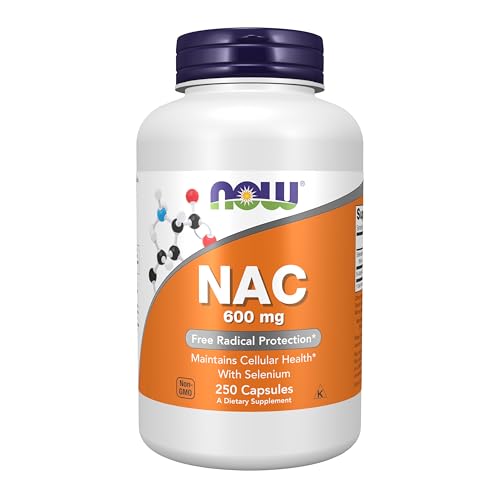
NOW Foods NAC 600mg with Selenium
Editor's ChoiceNOW Foods · Thinning bronchitis mucus and supporting respiratory antioxidant defense
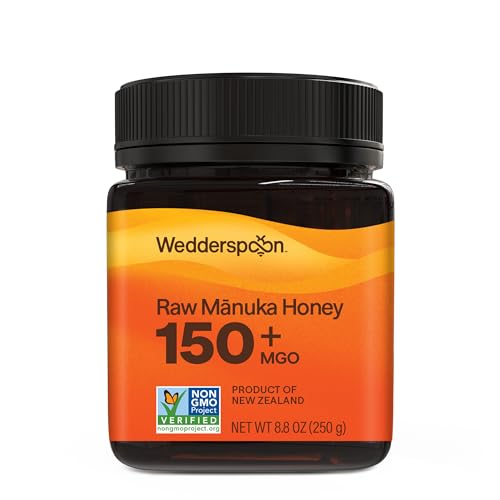
Wedderspoon Raw Premium Manuka Honey KFactor 16
Best Natural Cough SootherWedderspoon Raw · Soothing bronchitis cough and throat irritation naturally
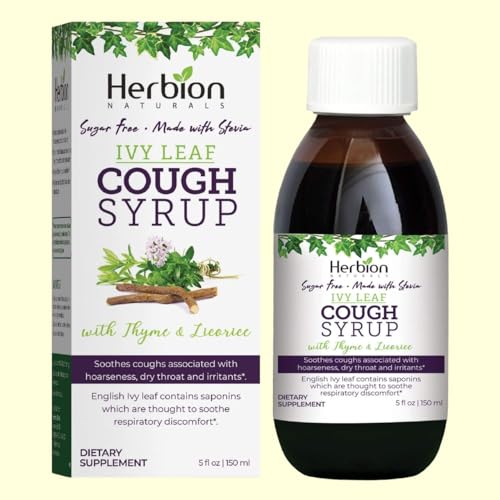
Herbion Naturals Ivy Leaf Cough Syrup with Thyme
Best Herbal Cough SyrupHerbion Naturals · Reducing coughing fits and loosening chest congestion from acute bronchitis
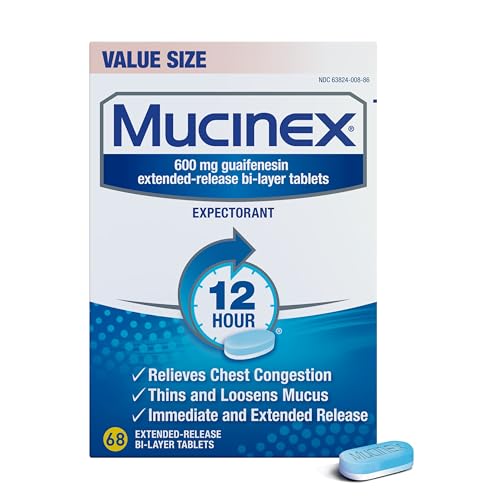
Mucinex 12 Hour 600mg Guaifenesin Extended-Release
Best OTC ExpectorantMucinex 12 · Extended mucus relief for thick, stubborn bronchitis congestion
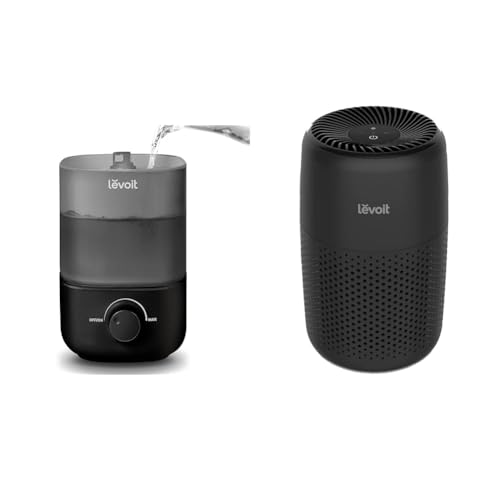
LEVOIT Classic 160 Cool Mist Humidifier
Best Humidifier for RecoveryLEVOIT Classic · Maintaining airway moisture overnight during bronchitis recovery
Read the detailed review cards below before opening any retailer link
Top Recommended Products
NOW Foods
NOW Foods NAC 600mg with Selenium
NAC is the most evidence-backed natural mucolytic for bronchitis, and NOW Foods delivers the exact 600mg clinical dose with added selenium for immune support in a trusted, GMP-certified formula.
Плюсы
- + Clinically studied mucolytic dose
- + includes selenium and molybdenum for antioxidant support
- + excellent value per serving
- + Same clinical-dose formula at lower upfront cost
- + ideal for one-time bronchitis use
- + includes selenium
Минусы
- - Large capsule size may be difficult for some to swallow
- - Fewer capsules means less long-term value per serving than the 250-count
Почему мы включили это: NAC is the most evidence-backed natural mucolytic for bronchitis, and NOW Foods delivers the exact 600mg clinical dose with added selenium for immune support in a trusted, GMP-certified formula.
Ссылка на ритейлера откроется на Amazon после ознакомления с деталями обзора выше
Wedderspoon Raw
Wedderspoon Raw Premium Manuka Honey KFactor 16
Manuka honey offers stronger antimicrobial and antioxidant properties than regular honey, and systematic reviews confirm honey outperforms usual care for respiratory symptoms.
Плюсы
- + Raw and unpasteurized preserving beneficial enzymes
- + higher antimicrobial activity than regular honey
- + traceable from hive to home
Минусы
- - Premium price compared to regular honey
Почему мы включили это: Manuka honey offers stronger antimicrobial and antioxidant properties than regular honey, and systematic reviews confirm honey outperforms usual care for respiratory symptoms.
Ссылка на ритейлера откроется на Amazon после ознакомления с деталями обзора выше
Herbion Naturals
Herbion Naturals Ivy Leaf Cough Syrup with Thyme
Clinical trials show thyme-ivy combinations reduce coughing fits by nearly 69% versus placebo, and this formula delivers both herbs in a convenient, family-friendly syrup.
Плюсы
- + Combines clinically studied ivy leaf and thyme
- + sugar-free with stevia
- + suitable for children 13 months and above
Минусы
- - Herbal taste may not appeal to everyone
Почему мы включили это: Clinical trials show thyme-ivy combinations reduce coughing fits by nearly 69% versus placebo, and this formula delivers both herbs in a convenient, family-friendly syrup.
Ссылка на ритейлера откроется на Amazon после ознакомления с деталями обзора выше
Mucinex 12
Mucinex 12 Hour 600mg Guaifenesin Extended-Release
When natural mucolytics need reinforcement, guaifenesin is the gold-standard OTC expectorant recommended by the Cleveland Clinic and Mayo Clinic for bronchitis mucus relief.
Плюсы
- + 12-hour extended relief
- + thins and loosens mucus effectively
- + widely available and trusted brand
Минусы
- - Not a natural supplement (OTC medication)
- - should not be crushed or chewed
Почему мы включили это: When natural mucolytics need reinforcement, guaifenesin is the gold-standard OTC expectorant recommended by the Cleveland Clinic and Mayo Clinic for bronchitis mucus relief.
Ссылка на ритейлера откроется на Amazon после ознакомления с деталями обзора выше
LEVOIT Classic
LEVOIT Classic 160 Cool Mist Humidifier
Both the Mayo Clinic and Cleveland Clinic recommend humidifiers for bronchitis recovery, and this top-rated LEVOIT model runs whisper-quiet all night with easy daily maintenance.
Плюсы
- + Ultra-quiet for sleep
- + top-fill design easy to clean
- + runs up to 25 hours on low
- + essential oil compatible
Минусы
- - Requires daily cleaning to prevent bacterial growth
Почему мы включили это: Both the Mayo Clinic and Cleveland Clinic recommend humidifiers for bronchitis recovery, and this top-rated LEVOIT model runs whisper-quiet all night with easy daily maintenance.
Ссылка на ритейлера откроется на Amazon после ознакомления с деталями обзора выше
What Lifestyle Changes Speed Up Bronchitis Recovery?
Beyond supplements and remedies, several lifestyle adjustments can meaningfully reduce symptom severity and shorten your recovery timeline. The CDC [15] emphasizes rest, hydration, and irritant avoidance as the cornerstone of acute bronchitis management.
Key Lifestyle Modifications
- Rest: Adequate sleep and reduced activity allow your immune system to focus on fighting the infection
- Humidifier: Run a cool-mist humidifier in your bedroom to keep airways moist overnight. Clean it daily to prevent mold growth.
- Avoid irritants: Stay away from cigarette smoke, strong chemical fumes, and very cold air. Wear a scarf over your mouth and nose in cold weather.
- Elevate your head: Sleep with an extra pillow to reduce postnasal drip and ease nighttime coughing
- Warm compress: Apply a warm compress to your chest to soothe discomfort
- Gentle movement: Light walking can improve mucus clearance, but avoid strenuous exercise until you've recovered
- Breathing exercises: Pursed-lip breathing and diaphragmatic breathing can help manage shortness of breath
What Are the Most Common Mistakes People Make When Treating Bronchitis Naturally?
The biggest mistake is requesting antibiotics for acute bronchitis. Since the infection is viral in 90–95% of cases, antibiotics provide zero benefit while causing side effects and contributing to antimicrobial resistance. The CDC explicitly states [15] that antibiotics won't help you get better if you have acute bronchitis.
Other common errors include:
- Taking cough suppressants during the day: Coughing is how your body clears mucus. Use suppressants only at night if the cough prevents sleep.
- Not drinking enough fluids: Dehydration thickens mucus and makes congestion worse.
- Returning to full activity too soon: Pushing through a bronchitis infection can delay recovery and risk complications.
- Using extremely hot steam: Burns are a real risk. Keep a safe distance and use warm — not scalding — water.
- Ignoring worsening symptoms: Bronchitis that gets worse after initial improvement may signal a secondary bacterial infection requiring medical attention.
Is It Safe to Treat Bronchitis at Home? When Should You See a Doctor?
For most healthy adults, acute bronchitis can be safely managed at home with supportive care and the natural remedies described above. However, several red flags require immediate medical evaluation, as they may indicate pneumonia, whooping cough, or other serious conditions.
See a Doctor Immediately If You Experience:
- High fever above 100.4°F (38°C) lasting more than three days, or above 102°F (39°C) at any time
- Difficulty breathing or shortness of breath at rest
- Severe or persistent chest pain
- Coughing up blood (even small amounts)
- Symptoms lasting longer than three weeks
- Severe fatigue, confusion, or bluish lips and fingernails
- A "whoop" sound when inhaling after coughing fits (possible pertussis)
Higher-Risk Groups
Seek medical care at a lower symptom threshold if you have COPD, asthma, heart disease, or a weakened immune system. Infants and elderly individuals are also more vulnerable to complications and should be evaluated sooner.
Action Plan
What Should You Do First to Relieve Bronchitis Naturally?
Follow the sequence below, work through each phase in order, and use the checklist as your practical implementation guide.
Start with the most accessible interventions immediately and layer in supplements over the first few days. This phased approach ensures you're getting relief from day one while building a comprehensive natural bronchitis protocol.
Phase 1: Days 1–2 (Immediate Relief)
- Increase fluid intake to eight to ten cups daily, emphasizing warm liquids
- Start honey: one to two tablespoons in warm tea, up to four times daily
- Set up a humidifier in your bedroom
- Begin steam inhalation sessions two to three times daily
- Rest as much as possible
Phase 2: Days 2–4 (Add Supplements)
- Start NAC: 600 mg two to three times daily with food
- Begin thyme tea or thyme-ivy cough syrup per product directions
- Consider guaifenesin (OTC expectorant) during the day if mucus is very thick
Phase 3: Days 5–14 (Sustain and Monitor)
- Continue all remedies until symptoms resolve
- Gradually increase light activity as you feel better
- Monitor for any red-flag symptoms requiring medical evaluation
- Continue humidifier use until cough fully resolves


