
That persistent flush across your cheeks—the one that shows up uninvited during a stressful meeting or after a glass of wine—might not just be sensitive skin. Rosacea affects roughly 10% of the population, and if you're reading this, you probably already suspect it's behind the redness, bumps, and stinging that won't quit no matter how gentle your routine is.
Here's what caught my attention while digging through the research on natural remedies for rosacea: a moisturizer containing just 2% niacinamide significantly reduced erythema, skin tightness, and dryness in rosacea patients after only 4 weeks ([1]). Azelaic acid outperformed metronidazole—a standard prescription treatment—in head-to-head clinical trials ([2]). And EGCG from green tea has been identified as an autophagy inducer that directly targets rosacea-like inflammation in keratinocytes ([5]). These aren't fringe claims. They're published, peer-reviewed findings.
This guide walks you through a step-by-step protocol for calming rosacea naturally—from building a gentle skincare foundation to adding targeted actives, supporting your gut-skin axis, and avoiding the triggers that keep your skin in a constant state of reactivity.
For related reading, explore our guides on anti-inflammatory diet strategies and the gut health complete guide for a deeper understanding of the inflammation-skin connection.
What Do You Need to Know Before Starting a Natural Rosacea Protocol?
Rosacea is a chronic inflammatory skin condition affecting the face, characterized by persistent redness, flushing, visible blood vessels, and sometimes acne-like bumps. Before starting any natural protocol, you need a proper diagnosis from a dermatologist—rosacea mimics acne, seborrheic dermatitis, lupus, and contact dermatitis, and treating the wrong condition wastes time and can make things worse.
Rosacea has four recognized subtypes: erythematotelangiectatic (persistent redness and visible blood vessels), papulopustular (redness with acne-like bumps and pustules), phymatous (skin thickening, especially the nose), and ocular (eye involvement with dryness and irritation). Most natural remedies work best for subtypes 1 and 2. The exact cause remains unclear, but research points to a combination of genetic predisposition, immune system dysfunction, neurovascular dysregulation, Demodex mite overgrowth, and gut dysbiosis.
Expect a realistic timeline of 4–12 weeks before seeing meaningful improvement. Rosacea management is a marathon, not a sprint—consistency matters far more than intensity. The protocol below is designed to be layered gradually, adding one new element every 1–2 weeks so you can identify what helps and what might irritate your particular skin.
This protocol is best suited for people with mild to moderate rosacea (subtypes 1 and 2) who want to complement or explore alternatives to prescription treatments. If you have ocular rosacea, phymatous changes, or moderate-severe symptoms, prescription treatments may be necessary alongside these natural approaches.

How Do You Identify and Avoid Your Rosacea Triggers?
Identifying personal triggers is the foundation of rosacea management because even the best treatments fail if you keep activating the inflammatory cascade. Common triggers include sun exposure (the number one culprit), temperature extremes, hot beverages, spicy foods, alcohol (especially red wine), stress, strenuous exercise, and harsh skincare products.
Start a trigger diary. For 2–4 weeks, note what you ate, drank, did, and applied to your skin—along with your skin's response. Patterns emerge faster than you'd expect. Many people discover that 2–3 specific triggers cause most of their flare-ups.
- Sun protection is non-negotiable. Wear broad-spectrum SPF 30+ mineral sunscreen (zinc oxide or titanium dioxide) every single day, rain or shine. Mineral formulas sit on top of the skin and are less likely to irritate than chemical sunscreens. Add a wide-brimmed hat when outdoors.
- Temperature management: Use lukewarm water (never hot) for washing your face. Avoid saunas, steam rooms, and hot baths. In cold weather, protect your face with a scarf. During exercise, work out in a cool environment, use a fan, and splash cool water on your face to prevent overheating.
- Dietary triggers: Let hot beverages cool before drinking. Limit or avoid alcohol—red wine ranks as the highest-risk drink. Minimize spicy foods containing capsaicin. These adjustments alone can reduce flare frequency by 30–50% for many people.

How Do You Build a Gentle Skincare Routine for Rosacea?
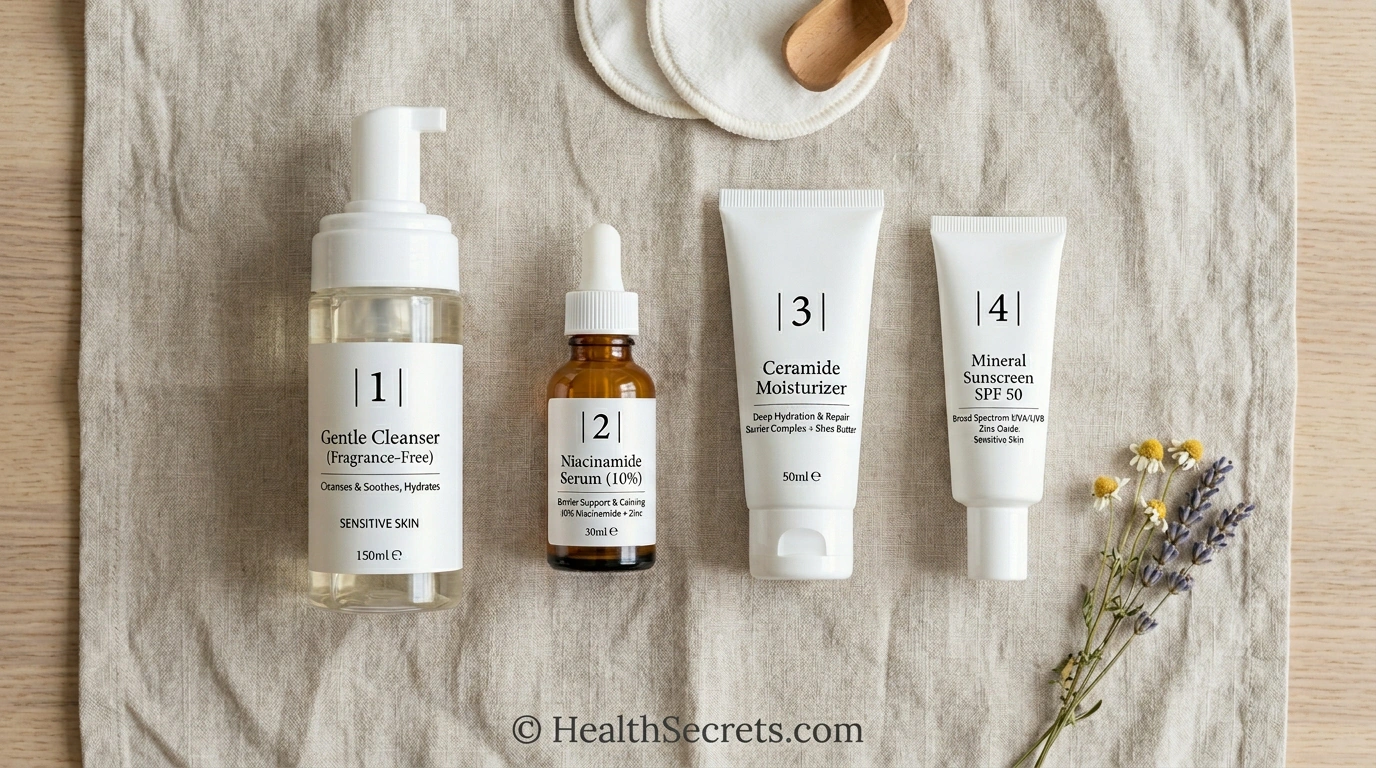
A gentle, minimalist skincare routine prevents the barrier disruption that keeps rosacea in a constant reactive state. The principle is simple: fewer products, gentler ingredients, consistent application. Research shows that applying a rosacea-friendly moisturizer improves treatment outcomes even when used alongside prescription medications.
- Cleansing: Use a gentle, fragrance-free cleanser (cream or micellar formula) with lukewarm water, morning and evening. Pat dry with a clean cotton towel—never rub. Avoid foaming cleansers, scrubs, and anything containing alcohol, witch hazel, menthol, peppermint, or eucalyptus oil.
- Treating: Apply active treatments (niacinamide, azelaic acid—covered in the next steps) to completely dry skin. Wet skin absorbs products faster, which can increase irritation. Wait 1–2 minutes after cleansing before applying treatments.
- Moisturizing: Apply a fragrance-free, non-comedogenic moisturizer containing ceramides, hyaluronic acid, or niacinamide. This step is essential whether your rosacea makes your skin dry or oily—moisturizer traps water, restores lipids, and reduces irritation.
- Protecting: Apply mineral sunscreen SPF 30+ as the final step every morning.
- The golden rule: Patch test every new product on your jawline for 3–5 days before applying to your full face. Less is genuinely more with rosacea—resist the temptation to add multiple products at once.
How Does Niacinamide Reduce Rosacea Redness and Strengthen the Skin Barrier?
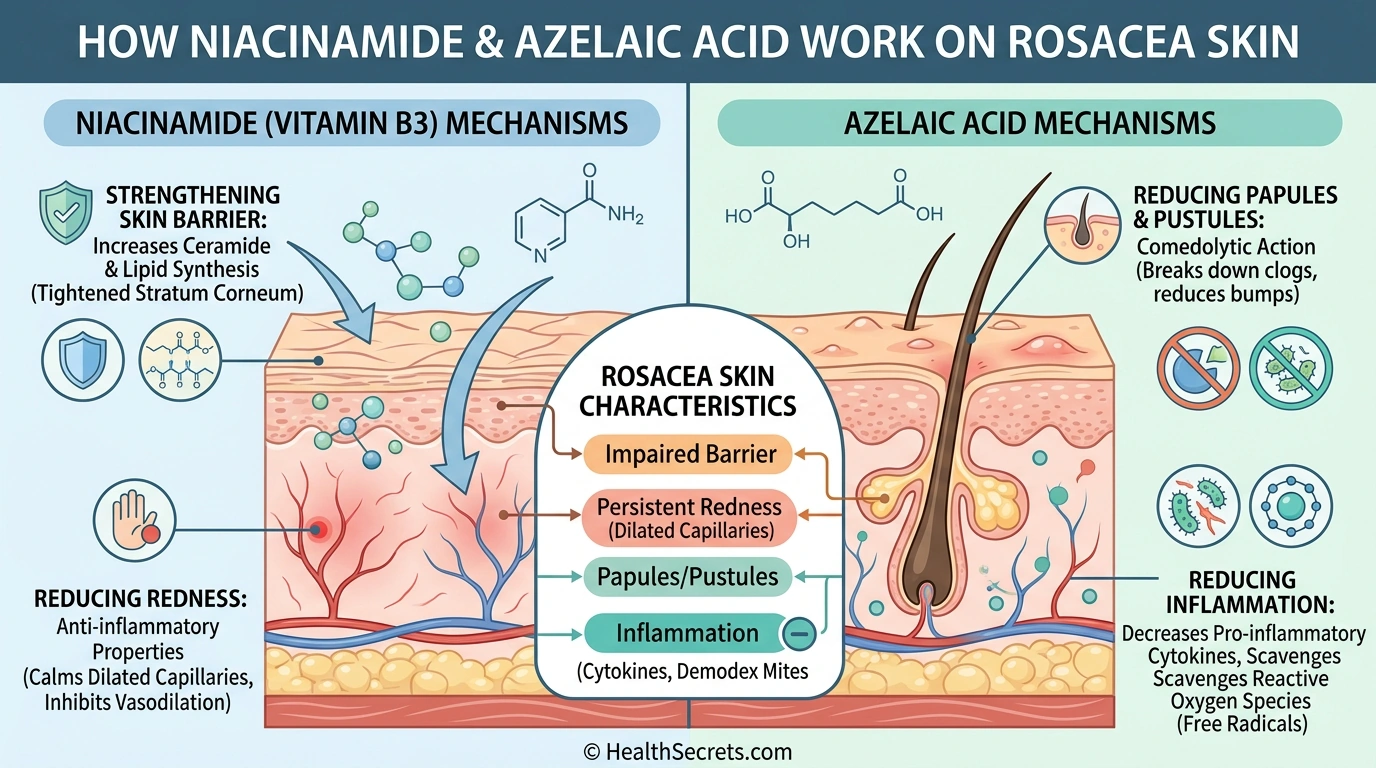
Niacinamide (vitamin B3) is one of the most well-supported natural ingredients for rosacea, significantly reducing erythema, improving skin hydration, and strengthening the compromised skin barrier that characterizes this condition. A randomized controlled study found that a niacinamide-containing moisturizer improved stratum corneum barrier function and provided clinical benefit to rosacea patients within 4 weeks ([1]).
A separate study using 2% niacinamide demonstrated decreased blotchiness, flakiness, and bumps in rosacea patients after 4 weeks of twice-daily application ([11]). The mechanisms are multifaceted: niacinamide is anti-inflammatory (reduces cytokine production), increases ceramide synthesis (strengthens the barrier), reduces transepidermal water loss (keeps skin hydrated), and provides antioxidant protection against oxidative stress that triggers flare-ups.
How to use niacinamide for rosacea:
- Start with 2% concentration, applied once daily in the evening
- After 2 weeks with no irritation, increase to twice daily
- After 4 weeks, consider moving to 4–5% concentration if tolerated
- Apply to dry skin after cleansing, before moisturizer
- Can be combined with azelaic acid (use at different times of day initially)
Expect mild tingling initially that typically resolves within the first week. Full effects develop over 4–8 weeks of consistent use. Niacinamide is suitable for all rosacea subtypes and is generally very well tolerated even by highly reactive skin.
Can Azelaic Acid Treat Rosacea Papules and Pustules Naturally?
Azelaic acid is a powerhouse for papulopustular rosacea, with clinical evidence showing it outperforms metronidazole—a commonly prescribed topical treatment. A systematic review confirmed that azelaic acid is more effective than vehicle (placebo) for rosacea, acne, and melasma ([3]). In a randomized trial, azelaic acid 15% gel was superior to metronidazole 0.75% gel, achieving a 72.7% decrease in inflammatory lesions versus 55.8% for metronidazole ([2]).
What makes azelaic acid particularly valuable: it's anti-inflammatory, antimicrobial (reduces Demodex mites and bacteria), normalizes keratinization, and provides antioxidant protection. At 10% concentration, it's available over-the-counter. Prescription strengths (15–20%) are available through dermatologists for more stubborn cases.
How to introduce azelaic acid:
- Start with 10% OTC formula, every other night only
- After 1–2 weeks, increase to every night
- After 3–4 weeks, add morning application if tolerated
- Apply a pea-sized amount to dry skin
- Expect mild tingling, burning, or itching initially—this typically resolves within 2–4 weeks
- Takes 4–6 weeks for visible improvement, with progressive results through 12–15 weeks
A split-face comparison trial confirmed that azelaic acid 20% cream provides an effective and safe alternative to metronidazole with the added benefit of increased patient satisfaction ([4]). The effectiveness of azelaic acid continues improving through week 15, while metronidazole tends to plateau after week 8.
How Does Green Tea EGCG Calm Rosacea Inflammation?
Green tea's star compound—epigallocatechin gallate (EGCG)—has been identified as a therapeutic agent for rosacea that works by inducing autophagy in keratinocytes, essentially helping skin cells clear out the inflammatory debris that drives rosacea flares ([19]). Topical green tea also reduces skin inflammation and neutralizes the free radicals that contribute to rosacea progression.
A clinical study found that twice-daily application of 2% EGCG cream significantly reduced inflammatory lesion counts in patients with papulopustular rosacea compared to placebo. The polyphenols in green tea calm inflammation, reduce redness, and help strengthen the skin barrier—hitting multiple rosacea mechanisms simultaneously.
Three ways to use green tea for rosacea:
- Topical serums or creams: Look for products containing green tea extract with high EGCG content. Apply 1–2 times daily after cleansing.
- DIY compress: Steep 2–3 green tea bags in hot water, cool completely, soak a clean cloth, and apply to your face for 10–15 minutes. Repeat 1–2 times daily during flare-ups.
- Oral supplementation: Drink 2–3 cups of green tea daily or take 300–500mg EGCG supplement for systemic anti-inflammatory support.
Choose decaffeinated green tea if caffeine triggers your flushing. Results typically appear after 4–8 weeks of consistent use. Green tea is well-tolerated both topically and orally for most people.
The Ordinary Azelaic Acid Suspension 10%
Editor's ChoiceThe Ordinary · Reducing papules, pustules, and redness in papulopustular rosacea
CeraVe Facial Moisturizing Lotion with Niacinamide
Best ValueCeraVe Facial · Daily barrier repair and hydration for rosacea-prone skin
Paula's Choice 10% Niacinamide Booster
Best NiacinamidePaula's Choice · Targeted niacinamide treatment for redness and enlarged pores
EltaMD UV Clear Broad-Spectrum SPF 46
Best SunscreenEltaMD UV · Daily mineral sun protection for rosacea-prone and sensitive skin
Vanicream Gentle Facial Cleanser
Best CleanserVanicream Gentle · Gentle daily cleansing without irritating rosacea-sensitive skin

Renew Life Ultimate Flora Extra Care Probiotic 50 Billion
Best ProbioticRenew Life · Gut-skin axis support with high-potency multi-strain formula

Good Molecules 10% Azelaic Acid Treatment
Best Budget Azelaic AcidGood Molecules · Affordable OTC azelaic acid for rosacea redness and blemishes
Nordic Naturals Ultimate Omega
Best Omega-3Nordic Naturals · Systemic anti-inflammatory support through omega-3 supplementation
Read the detailed review cards below before opening any retailer link
Top Recommended Products
The Ordinary
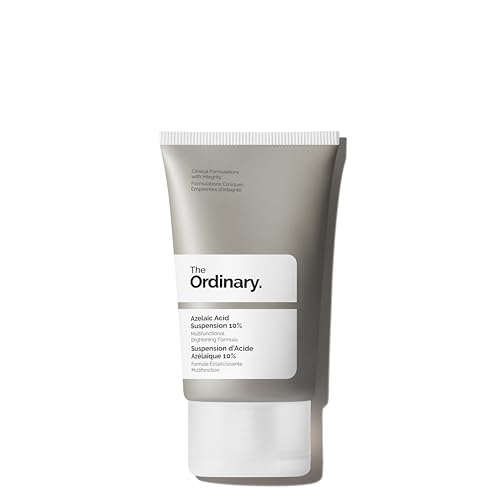
The Ordinary Azelaic Acid Suspension 10%
Azelaic acid 10% is backed by systematic reviews showing superior efficacy to metronidazole for rosacea, and The Ordinary delivers this at a fraction of the price of prescription formulas.
Pros
- + Clinically effective concentration
- + extremely affordable
- + targets dullness and uneven tone
- + suitable for rosacea-prone skin
- + lightweight formula
Cons
- - Slight pilling under some moisturizers
- - initial tingling common
Why we included it: Azelaic acid 10% is backed by systematic reviews showing superior efficacy to metronidazole for rosacea, and The Ordinary delivers this at a fraction of the price of prescription formulas.
Retailer link opens on Amazon after the review details above
CeraVe Facial
CeraVe Facial Moisturizing Lotion with Niacinamide
Combines two rosacea-friendly ingredients—niacinamide for redness reduction and ceramides for barrier repair—in a formula specifically designed for sensitive skin.
Pros
- + Contains niacinamide and ceramides
- + fragrance-free
- + non-comedogenic
- + dermatologist-developed
- + restores skin barrier
Cons
- - May feel slightly heavy for very oily skin types
Why we included it: Combines two rosacea-friendly ingredients—niacinamide for redness reduction and ceramides for barrier repair—in a formula specifically designed for sensitive skin.
Retailer link opens on Amazon after the review details above
Paula's Choice
Paula's Choice 10% Niacinamide Booster
The booster format lets you control exactly how much niacinamide you're applying—start with 1 drop mixed into moisturizer and increase gradually, ideal for reactive rosacea skin.
Pros
- + High concentration niacinamide
- + customizable—add to any product
- + fragrance-free
- + lightweight
- + proven brand for sensitive skin
Cons
- - Higher price per ounce
- - small bottle
Why we included it: The booster format lets you control exactly how much niacinamide you're applying—start with 1 drop mixed into moisturizer and increase gradually, ideal for reactive rosacea skin.
Retailer link opens on Amazon after the review details above
EltaMD UV
EltaMD UV Clear Broad-Spectrum SPF 46
Combines rosacea-friendly mineral sun protection with niacinamide—addressing the number one rosacea trigger (UV exposure) while actively calming inflammation.
Pros
- + Contains niacinamide (calms while protecting)
- + zinc oxide mineral filter
- + lightweight and non-greasy
- + oil-free
- + dermatologist-recommended for rosacea
Cons
- - Premium price point
- - may leave slight white cast on darker skin tones
Why we included it: Combines rosacea-friendly mineral sun protection with niacinamide—addressing the number one rosacea trigger (UV exposure) while actively calming inflammation.
Retailer link opens on Amazon after the review details above
Vanicream Gentle
Vanicream Gentle Facial Cleanser
The cleanser is the product most likely to irritate rosacea skin if chosen poorly—Vanicream eliminates virtually every potential irritant while effectively cleansing.
Pros
- + Extremely gentle formula
- + free of all common irritants
- + pH-balanced
- + affordable
- + large bottle
Cons
- - No active treatment ingredients
- - basic formula without added benefits
Why we included it: The cleanser is the product most likely to irritate rosacea skin if chosen poorly—Vanicream eliminates virtually every potential irritant while effectively cleansing.
Retailer link opens on Amazon after the review details above
Renew Life
Renew Life Ultimate Flora Extra Care Probiotic 50 Billion
Clinical research shows combined probiotics and standard rosacea treatment improves outcomes via gut-skin axis modulation—this multi-strain formula covers the key Lactobacillus and Bifidobacterium species studied.
Pros
- + 50 billion CFU potency
- + 12 diverse Lactobacillus and Bifidobacterium strains
- + delayed-release technology
- + shelf-stable
- + gluten and dairy free
Cons
- - Requires 8–12 weeks for skin-related benefits
- - refrigeration recommended after opening
Why we included it: Clinical research shows combined probiotics and standard rosacea treatment improves outcomes via gut-skin axis modulation—this multi-strain formula covers the key Lactobacillus and Bifidobacterium species studied.
Retailer link opens on Amazon after the review details above
Good Molecules
Good Molecules 10% Azelaic Acid Treatment
A clean, affordable azelaic acid option from a transparent brand—great for those who prefer gel textures over The Ordinary's thicker suspension formula.
Pros
- + Clean ingredient list
- + gel formula absorbs well
- + vegan and fragrance-free
- + affordable
- + targets redness and uneven tone
Cons
- - May cause initial tingling
- - relatively new product with fewer reviews
Why we included it: A clean, affordable azelaic acid option from a transparent brand—great for those who prefer gel textures over The Ordinary's thicker suspension formula.
Retailer link opens on Amazon after the review details above
Nordic Naturals
Nordic Naturals Ultimate Omega
Omega-3 fatty acids reduce systemic inflammation that drives rosacea—Nordic Naturals provides pharmaceutical-grade purity in the most bioavailable triglyceride form.
Pros
- + High-concentration EPA+DHA
- + triglyceride form
- + third-party tested for purity
- + no fishy aftertaste
- + IFOS 5-star certified
Cons
- - Premium price
- - requires 4–12 weeks for anti-inflammatory effects
Why we included it: Omega-3 fatty acids reduce systemic inflammation that drives rosacea—Nordic Naturals provides pharmaceutical-grade purity in the most bioavailable triglyceride form.
Retailer link opens on Amazon after the review details above
How Do Probiotics and the Gut-Skin Axis Affect Rosacea?
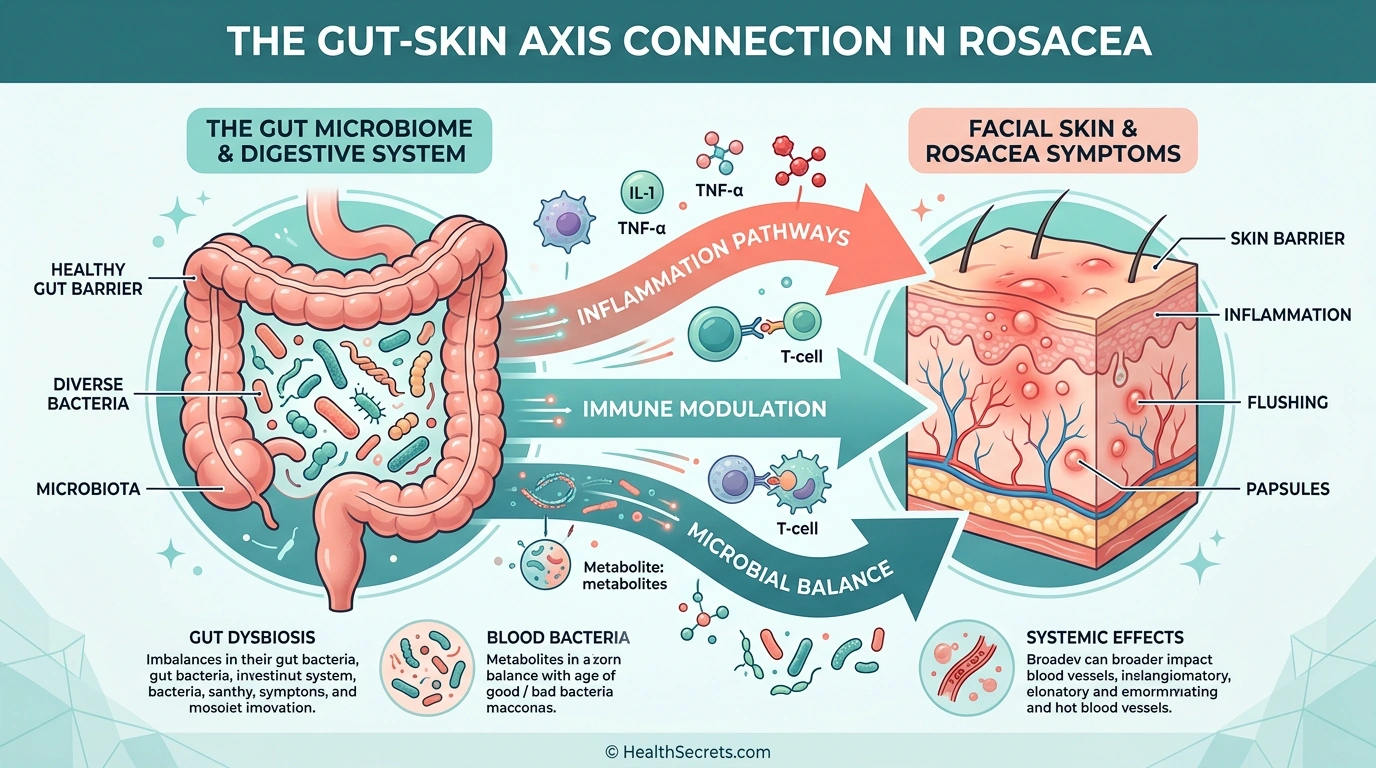
The gut-skin axis—a bidirectional communication pathway between your gut microbiota and skin—plays a significant role in inflammatory skin diseases including rosacea ([8]). Rosacea patients show higher rates of gut dysbiosis, small intestinal bacterial overgrowth (SIBO), and H. pylori infection compared to the general population.
A 2024 randomized controlled trial evaluated combined probiotics and doxycycline treatment for rosacea and found that probiotics provided dual benefits: symptom relief and inflammation reduction, while also modulating the gut-skin axis to reduce antibiotic resistance ([9]). The study showed that probiotic-induced shifts in gut and skin microbiota correlated with measurable skin health improvements.
How to support your gut-skin axis:
- Take a multi-strain probiotic: 10–50 billion CFU daily containing Lactobacillus and Bifidobacterium species (Lactobacillus acidophilus, Bifidobacterium longum,
Lactobacillus rhamnosus are well-studied strains)
- Eat probiotic-rich foods: yogurt, kefir, sauerkraut, kimchi
- Include prebiotic foods to feed beneficial bacteria: garlic, onions, asparagus, bananas
- Consider testing for SIBO or H. pylori if you have persistent gut symptoms alongside rosacea
Gut healing takes time—expect 8–12 weeks of consistent probiotic use before noticing skin changes. This is one of the slower-acting interventions, but addressing the root gut-skin connection can produce lasting improvements that topical treatments alone cannot.
What Anti-Inflammatory Diet Changes Help Manage Rosacea?
An anti-inflammatory diet reduces the systemic inflammation that fuels rosacea flares while supporting gut health and skin barrier function. While individual trigger foods vary, research-backed dietary principles apply broadly to rosacea management.
Foods to emphasize:
- Omega-3 fatty acids: Fatty fish (salmon, sardines, mackerel) 2–3 times weekly, or 1,000–2,000mg EPA/DHA supplement daily—these directly counter inflammation
- Colorful vegetables: Leafy greens, broccoli, bell peppers, carrots for antioxidants and anti-inflammatory compounds
- Berries: Blueberries, strawberries, raspberries packed with polyphenols
- Green tea: 2–3 cups daily for EGCG benefits
- Turmeric: 500–1,000mg curcumin daily with black pepper for enhanced absorption
- Probiotic foods: Yogurt, kefir, sauerkraut, kimchi for gut-skin axis support
Foods to limit or avoid:
- Spicy foods: Hot peppers, cayenne, hot sauce—capsaicin triggers flushing
- Hot beverages: Let coffee and tea cool before drinking
- Alcohol: Especially red wine (highest trigger potential), beer, and spirits
- High-glycemic foods: Refined carbs, sugary foods increase systemic inflammation
- Histamine-rich foods: Aged cheese, cured meats, fermented foods (may trigger flushing in some individuals)
Keep a food diary for 4–6 weeks alongside your trigger diary. Consider a trial elimination of dairy and gluten for 4–6 weeks if your rosacea remains stubborn—some people see dramatic improvement when they identify these less obvious triggers.

What Are the Most Common Mistakes People Make When Treating Rosacea Naturally?
The biggest mistakes in natural rosacea management involve doing too much too fast and expecting overnight results. Avoid these pitfalls to get the best outcomes from your protocol.
- Mistake 1: Adding multiple products simultaneously. Introduce one new product every 1–2 weeks. If a flare occurs, you need to identify the culprit—impossible when you've changed three things at once.
- Mistake 2: Using products at too-high concentrations. Start with the lowest effective concentration. A 10% niacinamide serum might work great for acne-prone skin but can irritate rosacea skin. Begin with 2% and work up.
- Mistake 3: Skipping sunscreen. No amount of niacinamide or azelaic acid can overcome daily UV damage. Mineral sunscreen is the single most impactful step you can take.
- Mistake 4: Over-exfoliating. Physical scrubs and strong chemical exfoliants (high-concentration glycolic acid, retinol) destroy the already-compromised rosacea barrier. If you want gentle exfoliation, azelaic acid provides it without the aggression.
- Mistake 5: Giving up too early. Most natural remedies need 4–12 weeks of consistent use. If you abandon a product after 10 days, you'll never know if it works.
- Mistake 6: Ignoring gut health. Topical treatments address symptoms. If gut dysbiosis is driving your inflammation, you'll keep fighting the same battle without probiotics and dietary changes.
- Mistake 7: Using hot water on your face. Even lukewarm-to-cool water makes a noticeable difference for many rosacea sufferers. Hot water dilates blood vessels and triggers flushing.
Is a Natural Rosacea Protocol Safe, and When Should You See a Dermatologist?
The natural approaches outlined in this guide are generally safe and well-tolerated for most people with mild to moderate rosacea. However, certain situations require professional medical evaluation rather than self-treatment.
See a dermatologist if:
- You haven't received a formal rosacea diagnosis (other conditions mimic rosacea)
- Your symptoms are moderate to severe with frequent, intense flare-ups
- You have eye involvement—ocular rosacea can lead to vision problems if untreated
- You notice skin thickening, especially on the nose (phymatous changes)
- Natural remedies haven't improved your symptoms after 8–12 weeks of consistent use
- Your symptoms are worsening despite trigger avoidance and treatment
Prescription treatments your dermatologist may recommend:
- Metronidazole 0.75–1% (topical anti-inflammatory and antimicrobial)
- Ivermectin 1% cream (reduces Demodex mites and inflammation)
- Prescription-strength azelaic acid 15–20%
- Low-dose doxycycline 40mg (anti-inflammatory, not antibiotic dose)
- Brimonidine gel (temporary redness reduction)
- Laser or IPL therapy for persistent redness and visible blood vessels
Natural remedies can complement prescription treatments effectively—discuss this combination approach with your dermatologist. The protocols in this guide are not intended to replace professional medical care for moderate-severe rosacea.
Action Plan
What Should You Do First to Start Calming Your Rosacea Naturally?
Follow the sequence below, work through each phase in order, and use the checklist as your practical implementation guide.
Start with trigger identification and a gentle skincare foundation before adding active treatments. This phased approach prevents overwhelm and helps you track what actually works for your skin.
Phase 1 (Weeks 1–2): Foundation
- Start a trigger diary tracking food, drink, activities, weather, and skin response
- Switch to a gentle, fragrance-free cleanser and lukewarm water
- Apply a ceramide-based, fragrance-free moisturizer twice daily
- Begin daily mineral sunscreen SPF 30+ (zinc oxide or titanium dioxide)
- Remove harsh skincare products (anything with alcohol, fragrance, menthol)
Phase 2 (Weeks 3–4): First Active
- Introduce 2% niacinamide moisturizer or serum, once daily in the evening
- Continue trigger diary—note any skin response to niacinamide
- Begin daily probiotic supplement (10–50 billion CFU multi-strain)
Phase 3 (Weeks 5–8): Layer Actives
- Add azelaic acid 10% every other night (if tolerated, increase to nightly)
- Increase niacinamide to twice daily if Phase 2 went well
- Start green tea—2–3 cups daily or topical EGCG product
- Begin anti-inflammatory diet adjustments (add omega-3s, reduce triggers)
Phase 4 (Weeks 9–12): Optimize
- Review trigger diary for patterns and eliminate confirmed triggers
- Assess results—continue what's working, discontinue what isn't
- Consider increasing azelaic acid to twice daily if needed
- If insufficient improvement after 12 weeks, consult a dermatologist


