Skip to content
Blood glucose monitor with natural supplements and healthy foods for blood sugar management Pin It
14 min

Natural Remedies for High Blood Sugar: Glucose Management

DR
Dr. Robert Walsh
| Dr. Sarah Chen | words | 19 citations
Updated this month Last reviewed: May 27, 2026 Medically reviewed by Dr. Sarah Chen

Who This Is For

Best for readers who want a practical natural remedies action plan.

Who Should Be Careful

Not for self-treating severe symptoms without medical review.

Affiliate Disclaimer | This article may contain affiliate links to products we trust. If you choose to buy through them, we may earn a small commission at no extra cost to you. Full disclosure

Medical Disclaimer | For informational purposes only. Not a substitute for professional medical advice. Read full disclaimer

M

Key Takeaways

Berberine (500mg 2–3× daily) has shown blood sugar-lowering effects comparable to metformin in multiple clinical trials, reducing HbA1c by 0.5–1% over 2–3 months.
Cinnamon (1–6g daily or 120–500mg extract) may lower fasting glucose by 10–29 mg/dL — use Ceylon cinnamon for long-term safety.
Chromium picolinate (200–1,000mcg daily) can improve insulin sensitivity, though evidence remains mixed and benefits are clearer in those with deficiency.
Alpha-lipoic acid (300–600mg daily) modestly reduces HbA1c and has strong evidence for relieving diabetic neuropathy symptoms.
Natural remedies are strictly complementary — never replace prescribed diabetes medications without physician approval.
Dietary changes (low-glycemic foods, 25–35g fiber daily, Mediterranean-style eating) form the foundation of any blood sugar management plan.
Exercise (150 minutes weekly + resistance training) lowers blood sugar both immediately and long-term through improved insulin sensitivity.
Always monitor blood sugar closely when adding supplements to existing medications — the combination can cause hypoglycemia.

Top Recommended Products

Comparison shortlist to review before leaving the guide

8 Items
01

Sunergetic Premium Berberine Supplement 1200mg

Sunergetic Premium · Primary blood sugar support with research-backed dosing

Compare
02

Ceylon Cinnamon Supplement 1200mg

Ceylon Cinnamon · Daily cinnamon supplementation without coumarin risk

Compare
03

NOW Supplements Chromium Picolinate 200mcg

NOW Supplements · Affordable insulin sensitivity support

Compare
04

Doctor's Best Alpha-Lipoic Acid 600mg

Doctor's Best · Antioxidant protection and diabetic neuropathy relief

Compare
05

Contour Next EZ Blood Glucose Monitor

Contour Next · Accurate, easy-to-use daily blood sugar tracking

Compare
06

Nutricost Fenugreek Seed 1300mg

Nutricost Fenugreek · Additional glucose support via fiber and absorption slowing

Compare
07

Gymnema Sylvestre 600mg

Gymnema Sylvestre · Reducing sugar cravings and supporting glucose metabolism

Compare
08

NOW Foods Magnesium Glycinate 200mg

NOW Foods · Correcting common magnesium deficiency that worsens blood sugar

Compare

Read the detailed review cards below before opening any retailer link

So your blood sugar numbers came back higher than expected. Maybe your doctor mentioned "prediabetes" for the first time, or perhaps you've been managing type 2 diabetes and want to explore what else you can do beyond medication. You're not alone — roughly 37 million Americans have diabetes, and another 96 million are living with prediabetes, often without realizing it.

Here's the thing most articles won't tell you straight up: natural remedies for high blood sugar are not replacements for your prescribed medications. Full stop. But the research on several supplements — berberine, cinnamon, chromium, alpha-lipoic acid — alongside dietary and lifestyle changes is genuinely compelling. A pilot study found berberine decreased HbA1c levels comparably to metformin ([1]). Meanwhile, a dose-response meta-analysis of 16 trials showed that each 500mg/day increase in alpha-lipoic acid supplementation significantly reduced HbA1c and fasting glucose ([11]).

What natural remedies can do is give your body additional support — think of them as teammates working alongside your medical treatment, not substitutes for it.

If you're interested in broader natural health strategies, check out our complete detox and cleansing guide and our guide on glutathione, the master antioxidant — both connect to metabolic health in ways you might not expect.

What Do You Need to Know Before Trying Natural Remedies for High Blood Sugar?

Before starting any natural blood sugar protocol, you need a clear understanding of your current glucose levels, an active relationship with your physician, and realistic expectations about what supplements can and cannot do. Natural remedies work best as part of a comprehensive plan that includes medical treatment, dietary changes, and regular monitoring.

What counts as high blood sugar?

Normal fasting glucose sits between 70–99 mg/dL. Once you hit 100–125 mg/dL, that's prediabetes territory. At 126 mg/dL or above, you're looking at diabetes.

HbA1c — which reflects your average blood sugar over 2–3 months — tells a similar story: below 5.7% is normal, 5.7–6.4% is prediabetes, and 6.5% or higher indicates diabetes.

The complications of poorly managed blood sugar aren't abstract. We're talking cardiovascular disease, kidney damage, nerve damage (neuropathy), vision loss, and cognitive decline. This is precisely why medical management matters — and why supplements should complement that management, never replace it.

Who is this guide for?

This protocol is designed for adults with prediabetes or type 2 diabetes who want evidence-based natural approaches to support their existing treatment plan. If you have type 1 diabetes, gestational diabetes, or any acute blood sugar crisis, this guide is not a substitute for specialized medical care.

Critical safety rule: Never stop diabetes medications without your doctor's explicit approval. Adding supplements to existing medications can cause blood sugar to drop dangerously low. Monitor your levels closely and report changes to your healthcare provider.

Step 1: How Do You Use Berberine to Help Lower Blood Sugar Naturally?

Berberine is the most evidence-backed natural supplement for blood sugar management, with multiple clinical trials showing glucose-lowering effects comparable to metformin. Take 500mg two to three times daily with meals (1,000–1,500mg total), and expect to see results within two to three months of consistent use.

Berberine supplement capsules for natural blood sugar support

The research on berberine is honestly pretty striking. A landmark study published in Metabolism found that berberine significantly decreased HbA1c in diabetic patients — and the effect was comparable to metformin, one of the most widely prescribed diabetes drugs ([1]). A comprehensive review confirmed that berberine's hypoglycemic effect is comparable to metformin for HbA1c, fasting glucose, and postprandial glucose levels ([2]). More recently, a 2024 phase II trial of a berberine-based compound showed significant HbA1c reduction compared to placebo ([19]).

How does berberine actually work?

Berberine activates AMPK (AMP-activated protein kinase), often called your cells' "energy sensor." When AMPK switches on, it improves insulin sensitivity, reduces glucose production in the liver, and slows carbohydrate breakdown in the gut. Think of it as hitting multiple metabolic targets simultaneously.

Practical dosing

  • Start low: 500mg once daily with a meal for the first week
  • Build up: Increase to 500mg twice daily, then three times daily
  • Always with meals: This reduces digestive side effects and improves absorption
  • Timeline: Allow 8–12 weeks for full effects

Side effects: Digestive upset (diarrhea, constipation, gas) is common, particularly at higher doses. Taking berberine with food significantly reduces these issues.

Critical warning: Berberine may enhance the effects of diabetes medications, creating a real risk of hypoglycemia. Work with your doctor to monitor blood sugar closely and potentially adjust medication doses.

Step 2: How Can Cinnamon Support Healthy Blood Sugar Levels?

Cinnamon may help lower fasting blood sugar by 10–29 mg/dL and modestly reduce HbA1c in people with type 2 diabetes, though evidence is mixed across studies. Use 1–6 grams daily (or 120–500mg standardized extract), and choose Ceylon cinnamon over Cassia for long-term safety.
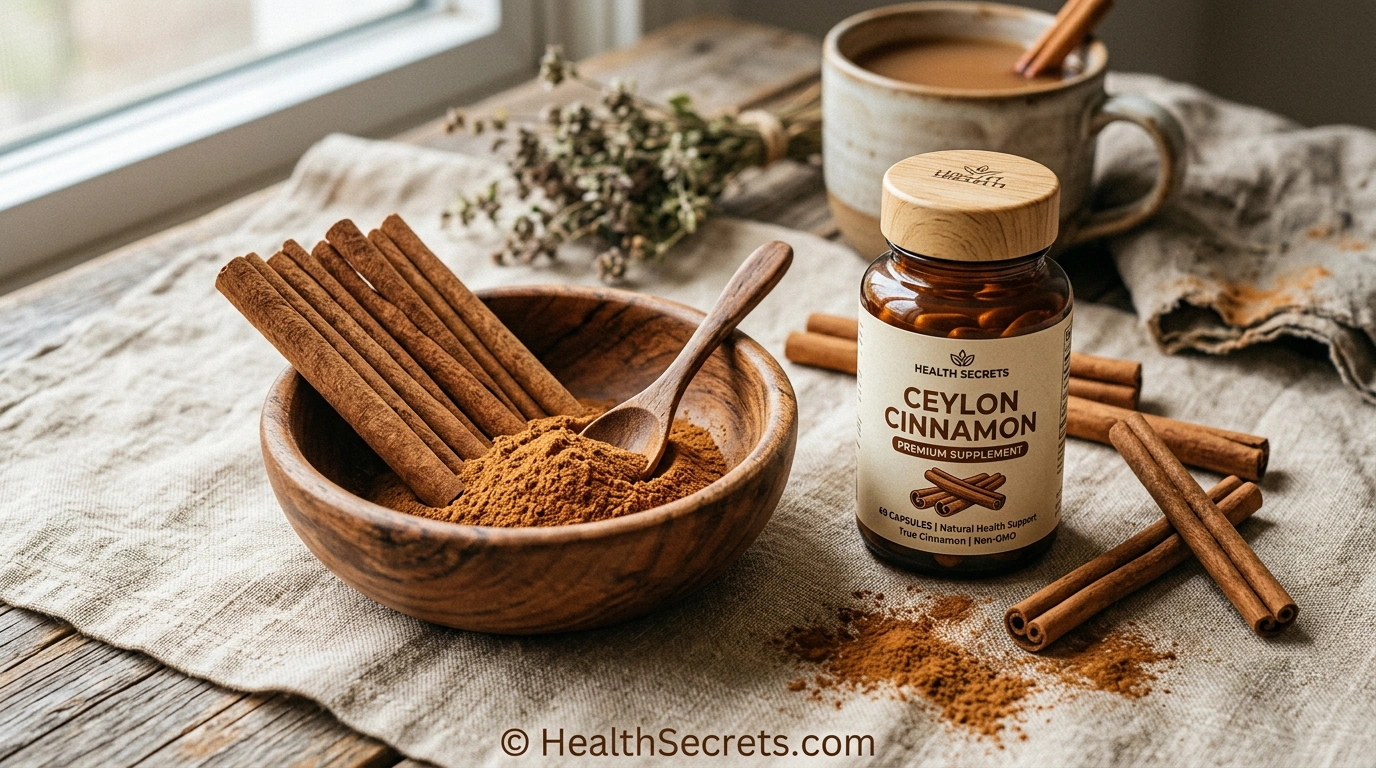
Ceylon cinnamon sticks and powder for blood sugar management

The cinnamon story is genuinely complicated. A widely cited study in Diabetes Care found that 1–6 grams of cinnamon daily reduced fasting glucose by 18–29%, triglycerides by 23–30%, and LDL cholesterol by 7–27% ([4]). A meta-analysis of eight clinical trials confirmed that cinnamon intake significantly lowers fasting blood glucose ([5]).

But — and this is important — other studies have found no significant effect, and a 2019 meta-analysis showed significant FBG reduction but no significant change in HbA1c ([6]).

Ceylon vs. Cassia: this distinction matters

Cassia cinnamon — the cheap stuff at most grocery stores — contains high levels of coumarin, which can damage your liver with prolonged use. Ceylon cinnamon ("true cinnamon") has negligible coumarin content and is the safer choice for daily supplementation. If you're going to use cinnamon long-term, spend the extra money on Ceylon.

Cinnamon improves insulin sensitivity, slows carbohydrate breakdown in the gut, and offers antioxidant and anti-inflammatory benefits. It's gentler than berberine and easier to integrate into daily life — stir it into coffee, oatmeal, or smoothies.

Step 3: How Do Chromium and Alpha-Lipoic Acid Help With Glucose Control?

Chromium picolinate (200–1,000mcg daily) enhances insulin signaling and may improve glucose uptake, while alpha-lipoic acid (300–600mg daily) acts as a powerful antioxidant that modestly reduces HbA1c and has strong evidence for relieving diabetic neuropathy. Both are generally safe but should be used under medical guidance.

Chromium picolinate

Chromium's role in blood sugar management is the most debated of the supplements covered here. Elevated intakes of supplemental chromium have been shown to improve glucose and insulin variables in individuals with type 2 diabetes ([9]). However, a 2014 review noted conflicting reports on efficacy (PMC4169208 [10]). The honest assessment: chromium may help if you're deficient (which is more common than you'd think), but it's not a game-changer for everyone.

Dosing: 200–1,000mcg daily as chromium picolinate (the most studied form). Start at 200mcg and increase gradually.

Alpha-lipoic acid (ALA)

ALA is where things get more interesting, especially if you're dealing with diabetic neuropathy. A systematic review and dose-response meta-analysis of 16 trials (1,035 patients) found that each 500mg/day increase in oral ALA significantly reduced HbA1c, body weight, CRP, fasting glucose, and triglycerides ([11]). A separate study confirmed ALA's protective effect against diabetic peripheral neuropathy through antioxidant and anti-inflammatory mechanisms ([13]).

ALA works as a potent antioxidant, improves insulin sensitivity, reduces oxidative stress, and regenerates other antioxidants like vitamin E and glutathione.

Dosing: 300–600mg daily for blood sugar support; up to 1,200mg daily for neuropathy under medical supervision.

Step 4: What Dietary Changes Lower Blood Sugar Most Effectively?

A low-glycemic, fiber-rich diet is the single most impactful lifestyle change you can make for blood sugar management. Focus on whole grains, legumes, non-starchy vegetables, lean proteins, and healthy fats — while limiting refined carbohydrates and added sugars. Aim for 25–35 grams of fiber daily.
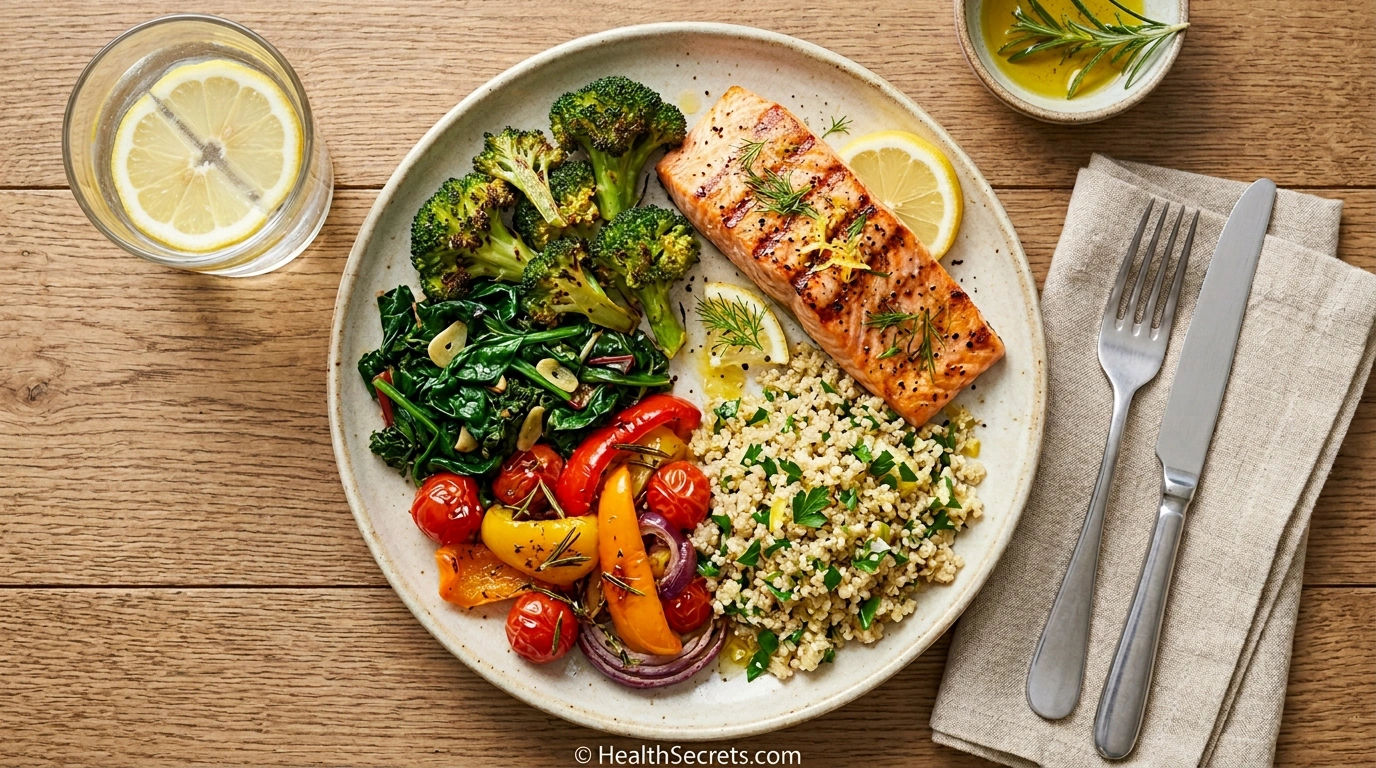
Blood sugar friendly meal plate showing ideal portion ratios of vegetables protein and whole grains

Supplements are nice. But if your diet is working against you, no amount of berberine is going to fix the problem. Here's what the evidence says actually works:

  • Prioritize low-glycemic foods: Whole grains (oats, quinoa, barley), legumes (lentils, chickpeas, black beans), and non-starchy vegetables (broccoli, spinach, peppers) release glucose slowly, preventing the spikes that drive insulin resistance.
  • Fiber is your secret weapon: Soluble fiber slows glucose absorption in the gut. Aim for 25–35g daily from vegetables, fruits, whole grains, legumes, nuts, and seeds. Most Americans get around 15g — doubling that makes a measurable difference.
  • Pair carbs with protein and fat: Eating protein and healthy fats (olive oil, avocados, nuts, fatty fish) alongside carbohydrates dramatically slows glucose absorption and stabilizes blood sugar after meals.
  • The Mediterranean diet has strong evidence for blood sugar control and cardiovascular protection. Its emphasis on olive oil, fish, whole grains, vegetables, and moderate portions aligns perfectly with glucose management goals.
  • Portion control matters even with healthy foods — whole grain bread still raises blood sugar if you eat half a loaf. Use a plate method: half non-starchy vegetables, quarter protein, quarter complex carbs.

Step 5: How Does Exercise Help You Manage High Blood Sugar?

Exercise is one of the most powerful tools for blood sugar management because your muscles use glucose without needing insulin during physical activity, and the insulin-sensitizing effects last 24–72 hours afterward. Aim for at least 150 minutes of moderate aerobic activity per week plus two days of resistance training.

Person walking for exercise to help lower blood sugar naturally

The mechanism is elegant: when muscles contract during exercise, they pull glucose from the blood through insulin-independent pathways. This means immediate blood sugar reduction during and after your workout. Long-term, regular exercise improves HbA1c, insulin sensitivity, and weight management.

What works best:

  • Aerobic exercise (walking, cycling, swimming): 30 minutes, 5 days per week
  • Resistance training (weights, resistance bands, bodyweight exercises): 2–3 days per week
  • The combination is most effective — better than either alone

Timing tip: A 15-minute walk after meals can significantly blunt post-meal blood sugar spikes. It's simple, free, and remarkably effective.

Safety with medications: If you take insulin or sulfonylureas, check blood sugar before exercising. Carry 15–20g of fast-acting carbs (glucose tablets, juice) in case of hypoglycemia. Don't exercise if your fasting blood sugar is above 250 mg/dL with ketones present.

Step 6: What Lifestyle Modifications Support Long-Term Glucose Control?

Beyond supplements, diet, and exercise, weight management, stress reduction, quality sleep, and consistent blood sugar monitoring form the backbone of sustainable glucose control. Losing just 5–10% of body weight can significantly improve insulin sensitivity and HbA1c levels.

  • Weight management: The Diabetes Prevention Program showed that losing 5–7% of body weight reduced type 2 diabetes risk by 58%. Even modest weight loss improves insulin sensitivity measurably.
  • Stress management: Cortisol and adrenaline directly raise blood sugar. Chronic stress keeps glucose elevated around the clock. Meditation, yoga, deep breathing exercises, and therapy all help — pick what you'll actually stick with.
  • Sleep: Aim for 7–9 hours nightly. Poor sleep worsens insulin resistance, increases appetite, and makes blood sugar harder to control. If you snore heavily or wake feeling unrefreshed, ask about sleep apnea screening.
  • Blood sugar monitoring: Track your levels with a glucometer (fasting, pre-meal, and 2 hours post-meal). Consider a continuous glucose monitor (CGM) for real-time data. Get HbA1c tested every 3–6 months. Keep a log of blood sugar, food, exercise, and medications to identify patterns.
  • Quit smoking and limit alcohol. Smoking worsens insulin resistance and accelerates complications. Alcohol causes unpredictable blood sugar swings and interferes with medications.

What Are the Most Common Mistakes When Using Natural Blood Sugar Remedies?

The biggest mistakes people make are treating supplements as medication replacements, starting too many supplements at once, ignoring medication interactions, and neglecting the foundational dietary and lifestyle changes that matter most. Avoid these pitfalls to get the best results safely.
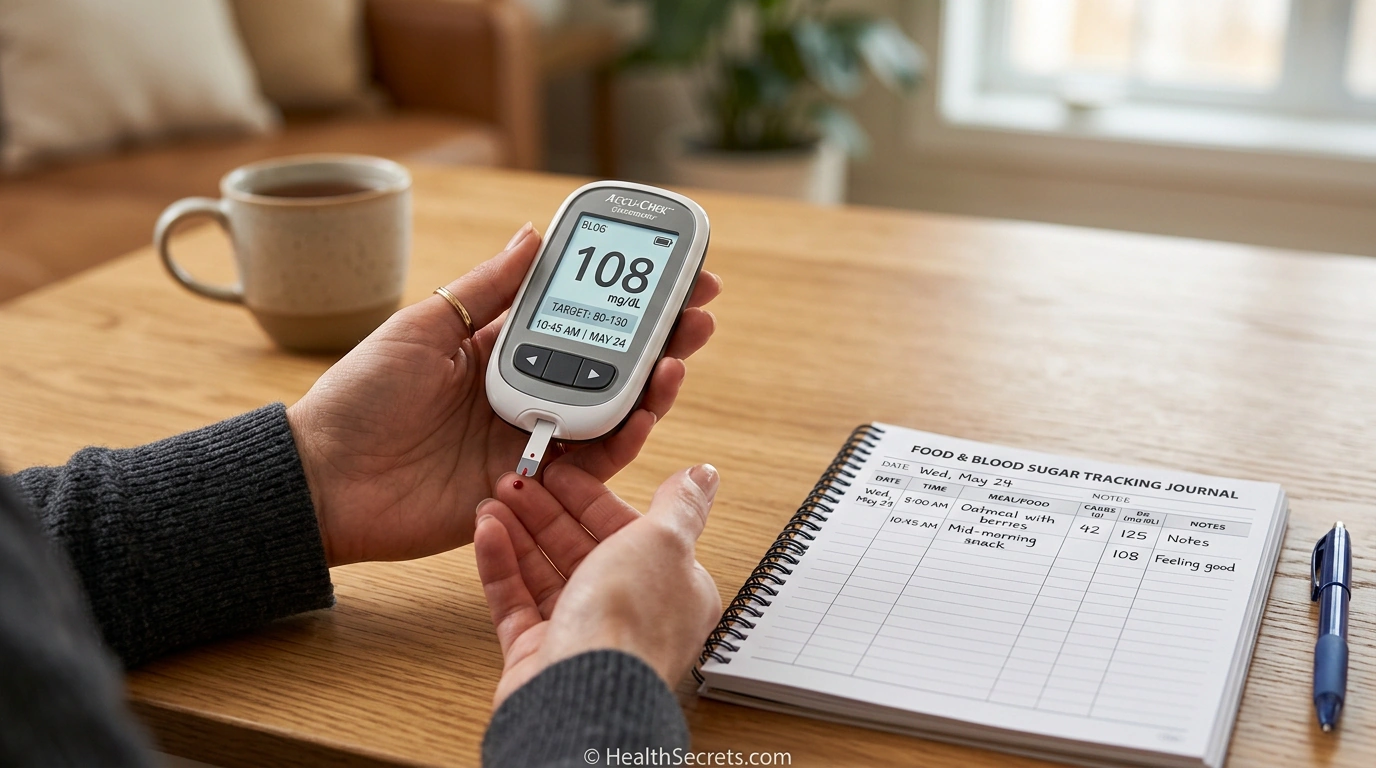
Person monitoring blood glucose with a glucometer and tracking journal
  • Stopping medications without doctor approval. This is potentially life-threatening. Supplements complement — they don't replace.
  • Starting everything at once. Add one supplement at a time, waiting 2–4 weeks between additions, so you can identify what's actually helping (and what's causing side effects).
  • Ignoring the hypoglycemia risk. Berberine + metformin can drop blood sugar too low. Monitor closely, especially when first combining supplements with medications.
  • Choosing cheap Cassia cinnamon. Long-term Cassia cinnamon use can damage your liver. Invest in Ceylon.
  • Expecting overnight results. Most supplements take 4–12 weeks to show full effects. Be patient and consistent.
  • Skipping the dietary basics. No supplement can overcome a diet heavy in refined carbohydrates and sugar. Fix the foundation first.
  • Not tracking blood sugar. You can't manage what you don't measure. Regular monitoring reveals what's working and what isn't.

Are Natural Blood Sugar Remedies Safe, and When Should You See a Doctor?

Most natural blood sugar remedies are generally safe when used at recommended doses, but they carry real risks when combined with diabetes medications — particularly hypoglycemia. Always consult your physician before starting supplements, and seek immediate care for symptoms of dangerously low or high blood sugar.

Patient consulting with doctor about natural blood sugar supplements

Hypoglycemia: the real danger

When natural remedies enhance the effect of diabetes medications, blood sugar can drop dangerously low. Symptoms include shakiness, sweating, confusion, dizziness, rapid heartbeat, and extreme hunger. Treatment: consume 15–20g of fast-acting carbs (glucose tablets, 4 oz juice, or regular soda), wait 15 minutes, and recheck. If symptoms persist, repeat and seek medical attention.

See your doctor if:

  • Fasting blood sugar consistently exceeds 100 mg/dL
  • You experience symptoms of high blood sugar: excessive thirst, frequent urination, blurred vision, fatigue, slow-healing wounds
  • You notice symptoms of low blood sugar (described above)
  • Before starting any supplement when you're on diabetes medications
  • You're not reaching blood sugar targets despite lifestyle changes
  • You develop numbness or tingling in your feet, vision changes, or kidney problems

What Should You Do First to Manage High Blood Sugar Naturally?

Start with the foundational lifestyle changes — diet and exercise — before adding supplements, since these deliver the largest and most sustainable blood sugar improvements. Then introduce one supplement at a time under your doctor's guidance, monitoring blood sugar closely throughout.

Phase 1 — Foundation (Weeks 1–4):

  • Schedule a medical consultation to discuss your plan
  • Start blood sugar monitoring (fasting + 2-hour post-meal)
  • Shift to a low-glycemic, fiber-rich diet (25–35g fiber daily)
  • Begin walking 15–20 minutes after meals
  • Eliminate sugary beverages

Phase 2 — Supplements (Weeks 5–12):

  • Start berberine at 500mg once daily with meals, increasing to 500mg 2–3× daily
  • Add Ceylon cinnamon (1–3g daily) to food or as extract
  • Consider chromium picolinate (200mcg daily) if blood work shows deficiency
  • Monitor blood sugar more frequently when adding each supplement

Phase 3 — Optimization (Months 3–6):

  • Add alpha-lipoic acid (300–600mg daily) if needed for additional support or neuropathy
  • Increase exercise to 150 minutes aerobic + 2 days resistance weekly
  • Get HbA1c tested at 3 months to assess progress
  • Work with doctor to adjust medications if blood sugar improves significantly
Three-phase action plan infographic for natural blood sugar management

Top Recommended Products

Editor's Choice

Sunergetic Premium

Sunergetic Premium Berberine Supplement 1200mg

4.5/5 $
01

Provides the 1,200mg daily dose used in clinical trials showing effects comparable to metformin, with good manufacturing standards and consistent quality reports.

Pros

  • + Clinical-strength dose
  • + affordable
  • + well-reviewed
  • + easy 2-capsule serving

Cons

  • - May cause digestive upset at full dose initially

Why we included it: Provides the 1,200mg daily dose used in clinical trials showing effects comparable to metformin, with good manufacturing standards and consistent quality reports.

Best for: Primary blood sugar support with research-backed dosing Dosage: 1,200mg per serving (2 capsules)
View current price on Amazon

Retailer link opens on Amazon after the review details above

Best for Long-Term Safety

Ceylon Cinnamon

Ceylon Cinnamon Supplement 1200mg

4.5/5 $
02

Ceylon cinnamon avoids the liver toxicity risk of cheaper Cassia cinnamon, making it safe for the long-term daily use needed to see blood sugar benefits.

Pros

  • + True Ceylon cinnamon (low coumarin)
  • + convenient capsule form
  • + affordable

Cons

  • - Effects on blood sugar are modest and vary between individuals

Why we included it: Ceylon cinnamon avoids the liver toxicity risk of cheaper Cassia cinnamon, making it safe for the long-term daily use needed to see blood sugar benefits.

Best for: Daily cinnamon supplementation without coumarin risk Dosage: 1,200mg per serving
View current price on Amazon

Retailer link opens on Amazon after the review details above

Best Value

NOW Supplements

NOW Supplements Chromium Picolinate 200mcg

4.5/5 $
03

NOW Foods provides reliable quality at an unbeatable price point, and chromium picolinate is the most-studied form for glucose metabolism support.

Pros

  • + Trusted brand
  • + very affordable
  • + large count lasts months
  • + most-studied chromium form

Cons

  • - Evidence for blood sugar effects is mixed
  • - may not help if not deficient

Why we included it: NOW Foods provides reliable quality at an unbeatable price point, and chromium picolinate is the most-studied form for glucose metabolism support.

Best for: Affordable insulin sensitivity support Dosage: 200mcg per capsule
View current price on Amazon

Retailer link opens on Amazon after the review details above

Best for Neuropathy Support

Doctor's Best

Doctor's Best Alpha-Lipoic Acid 600mg

4.5/5 $
04

Provides the 600mg dose shown in meta-analyses to significantly reduce HbA1c and support nerve health in diabetic patients.

Pros

  • + Clinical-strength 600mg dose
  • + dual antioxidant action
  • + strong evidence for neuropathy
  • + trusted brand

Cons

  • - May cause mild nausea at full dose
  • - take with food

Why we included it: Provides the 600mg dose shown in meta-analyses to significantly reduce HbA1c and support nerve health in diabetic patients.

Best for: Antioxidant protection and diabetic neuropathy relief Dosage: 600mg per capsule
View current price on Amazon

Retailer link opens on Amazon after the review details above

Best Glucose Monitor

Contour Next

Contour Next EZ Blood Glucose Monitor

4.5/5 $
05

Consistent accuracy is critical for monitoring blood sugar when combining supplements with medications — the Contour Next line is regularly rated among the most accurate consumer monitors.

Pros

  • + Highly accurate
  • + simple to use
  • + no coding required
  • + affordable test strips

Cons

  • - Test strips are an ongoing expense
  • - no Bluetooth connectivity on base model

Why we included it: Consistent accuracy is critical for monitoring blood sugar when combining supplements with medications — the Contour Next line is regularly rated among the most accurate consumer monitors.

Best for: Accurate, easy-to-use daily blood sugar tracking Dosage: N/A
View current price on Amazon

Retailer link opens on Amazon after the review details above

Best Supporting Supplement

Nutricost Fenugreek

Nutricost Fenugreek Seed 1300mg

4.5/5 $
06

Fenugreek seeds contain soluble fiber that may slow carbohydrate absorption and support post-meal blood sugar control as part of a comprehensive protocol.

Pros

  • + Traditional remedy with clinical support
  • + contains soluble fiber
  • + very affordable

Cons

  • - May cause maple syrup odor in urine
  • - mild GI upset possible

Why we included it: Fenugreek seeds contain soluble fiber that may slow carbohydrate absorption and support post-meal blood sugar control as part of a comprehensive protocol.

Best for: Additional glucose support via fiber and absorption slowing Dosage: 1,300mg per serving (2 capsules)
View current price on Amazon

Retailer link opens on Amazon after the review details above

Best for Sugar Cravings

Gymnema Sylvestre

Gymnema Sylvestre 600mg

4.5/5 $
07

Gymnema sylvestre offers unique value by potentially reducing both sugar absorption in the gut and sugar cravings, supporting dietary compliance alongside blood sugar management.

Pros

  • + Traditional "sugar destroyer" herb
  • + may reduce sugar absorption and cravings
  • + well-tolerated

Cons

  • - Limited clinical evidence compared to berberine
  • - effects may be subtle

Why we included it: Gymnema sylvestre offers unique value by potentially reducing both sugar absorption in the gut and sugar cravings, supporting dietary compliance alongside blood sugar management.

Best for: Reducing sugar cravings and supporting glucose metabolism Dosage: 600mg per serving
View current price on Amazon

Retailer link opens on Amazon after the review details above

Best for Insulin Sensitivity

NOW Foods

NOW Foods Magnesium Glycinate 200mg

4.5/5 $
08

Magnesium deficiency is remarkably common in people with diabetes, and correcting it measurably improves insulin sensitivity — glycinate form is well-absorbed without the digestive upset of cheaper forms.

Pros

  • + Addresses deficiency common in 60% of adults
  • + improves insulin sensitivity
  • + gentle on stomach
  • + chelated for absorption

Cons

  • - May need 2 tablets daily for optimal 400mg dose

Why we included it: Magnesium deficiency is remarkably common in people with diabetes, and correcting it measurably improves insulin sensitivity — glycinate form is well-absorbed without the digestive upset of cheaper forms.

Best for: Correcting common magnesium deficiency that worsens blood sugar Dosage: 200mg per serving
View current price on Amazon

Retailer link opens on Amazon after the review details above

Further Reading

Further Reading

"The Blood Sugar Solution: The UltraHealthy Program for Losing Weight, Preventing Disease, and Feeling Great Now!"

by Mark Hyman

Practical dietary protocols for blood sugar control; explanation of insulin resistance mechanisms; supplement recommendations with dosing; meal plans and recipes for glucose management

Why it adds value here

Dr. Hyman bridges conventional and functional medicine, providing an actionable plan that complements the supplement and lifestyle strategies in this article with detailed dietary guidance.

Best for: People wanting a comprehensive functional medicine approach to blood sugar management

View book details

Further Reading

"Bright Spots & Landmines: The Diabetes Guide I Wish Someone Had Handed Me"

by Adam Brown

Actionable strategies for food choices that stabilize blood sugar; exercise tips for glucose management; mindset and sleep approaches; technology and monitoring guidance

Why it adds value here

Written by someone who has lived with diabetes, this book translates research into the practical, daily decision-making that determines whether blood sugar stays in range.

Best for: People with diabetes looking for practical, real-world blood sugar management tips

View book details

AEO FAQ

Frequently Asked Questions

10 common questions answered

No — berberine should not replace metformin or any prescribed diabetes medication without your doctor's explicit approval. While clinical trials show comparable blood sugar-lowering effects, berberine is a supplement with less regulatory oversight, variable quality between brands, and less long-term safety data than metformin. It works best as a complementary addition to your existing treatment plan.

Most natural blood sugar supplements take 4–12 weeks to show measurable effects. Berberine typically shows results within 8–12 weeks, cinnamon within 8–12 weeks, and alpha-lipoic acid within 4–8 weeks. Dietary and exercise changes can produce noticeable blood sugar improvements within 1–2 weeks, making them the fastest-acting interventions.

Yes, berberine and cinnamon can generally be taken together safely, as they work through different mechanisms. However, combining multiple blood sugar-lowering supplements with diabetes medications increases the risk of hypoglycemia. Start with one supplement at a time, and always inform your doctor about everything you're taking.

Ceylon cinnamon ("true cinnamon") contains negligible coumarin, making it safe for daily long-term use. Cassia cinnamon — the common variety — contains high coumarin levels that can cause liver damage with prolonged use. For blood sugar supplementation, always choose Ceylon cinnamon, especially if taking it for more than a few weeks.

No natural remedy can cure type 1 or type 2 diabetes. Natural remedies can help manage blood sugar levels and improve insulin sensitivity as part of a comprehensive treatment plan. Type 2 diabetes may enter remission through significant weight loss and lifestyle changes, but this is not a "cure" and requires ongoing management.

Non-starchy vegetables, lean proteins, and healthy fats have the least impact on blood sugar. For actively lowering elevated blood sugar, physical activity (even a 15-minute walk) is more effective than any food. Apple cider vinegar (1–2 tablespoons diluted before meals) may modestly improve post-meal glucose, though evidence is limited.

Yes, exercise lowers blood sugar during and immediately after physical activity because working muscles pull glucose from the bloodstream through insulin-independent pathways. A single session can reduce blood sugar for 24–72 hours. Even a short 15-minute walk after meals significantly reduces post-meal glucose spikes.

Warning signs of dangerously high blood sugar include extreme thirst, frequent urination, blurred vision, fatigue, nausea, fruity-smelling breath, confusion, and difficulty breathing. These may indicate diabetic ketoacidosis (DKA) or hyperosmolar syndrome — both are medical emergencies requiring immediate care. Call 911 or go to the ER immediately.

Losing just 5–10% of body weight can significantly improve blood sugar control and insulin sensitivity. The Diabetes Prevention Program found that modest weight loss (approximately 15 pounds) combined with 150 minutes of weekly exercise reduced the risk of developing type 2 diabetes by 58% in people with prediabetes.

Alpha-lipoic acid is generally considered safe to take with metformin, and the combination may provide additive blood sugar benefits. However, because both can lower blood sugar, monitor your levels more frequently when combining them and inform your doctor to watch for hypoglycemia, especially during the first few weeks.

Was this article helpful?

Written & Reviewed By Experts

DR

Author

Dr. Robert Walsh

DS

Medical Reviewer

Dr. Sarah Chen

All content is evidence-based, peer-reviewed by qualified professionals, and updated regularly. Our editorial team follows strict guidelines for accuracy and transparency.

References & Citations

19 sources cited

1
Yin, J., Xing, H., & Ye, J. (2008). Efficacy of berberine in patients with type 2 diabetes mellitus. Metabolism, 57(5), 712–717. View
2
Li, Z., Geng, Y., Jiang, J., & Kong, W. (2014). Metformin and berberine, two versatile drugs in treatment of common metabolic diseases. Oncotarget, 9(11), 10135–10146. View
3
Rondanelli, M., et al. (2024). Berberine: A Rising Star in the Management of Type 2 Diabetes. Pharmaceuticals, 18(12), 1890. View
4
Khan, A., Safdar, M., Ali Khan, M.M., Khattak, K.N., & Anderson, R.A. (2003). Cinnamon improves glucose and lipids of people with type 2 diabetes. Diabetes Care, 26(12), 3215–3218. View
5
Davis, P.A. & Yokoyama, W. (2011). Cinnamon intake lowers fasting blood glucose: meta-analysis. Journal of Medicinal Food, 14(9), 884–889. View

Medical Disclaimer

This article is for informational purposes only and does not constitute medical advice. Read the full medical disclaimer. Always consult with a qualified healthcare provider before starting any new supplement, treatment, or major dietary change.