
If you have ever dealt with the maddening itch-scratch cycle of eczema, you know that it is far more than a cosmetic concern. Atopic dermatitis — the most common form of eczema — affects roughly 10–20 percent of children and 1–3 percent of adults worldwide, with prevalence rising in industrialized nations [1]. The condition involves a compromised skin barrier that allows moisture to escape and irritants to penetrate, triggering inflammatory immune responses that cause redness, swelling, intense itching, and cracked skin.
The good news?
Natural remedies for eczema are supported by a growing body of clinical research. Colloidal oatmeal reduces eczema severity comparable to prescription barrier creams, virgin coconut oil improves skin hydration and reduces Staphylococcus aureus colonization by 68 percent, probiotics significantly decrease SCORAD severity scores, and vitamin D supplementation reduces atopic dermatitis severity by a standardized mean difference of -0.41 [3] [5] [7] [10].
In this guide, you will learn a step-by-step approach to managing eczema naturally: identifying triggers, repairing your skin barrier, using evidence-based topical remedies, supporting skin health from the inside with targeted supplements, optimizing the gut-skin connection, managing the stress-itch cycle, and knowing when professional care is essential.
Related reading: Gut Health Complete Guide · Inflammation and Pain Relief Guide · Mental Wellness Natural Strategies · Detox and Cleansing Guide · Sleep Optimization Guide
What Do You Need to Know Before Starting Natural Eczema Remedies?
Before trying natural remedies for eczema, you need to understand that atopic dermatitis involves a defective skin barrier (reduced ceramides and filaggrin), an overactive Th2 immune response, and often a genetic predisposition. Natural approaches work best for mild to moderate eczema and as complementary strategies alongside conventional care for more severe cases.
What Is Eczema and Why Does It Happen?
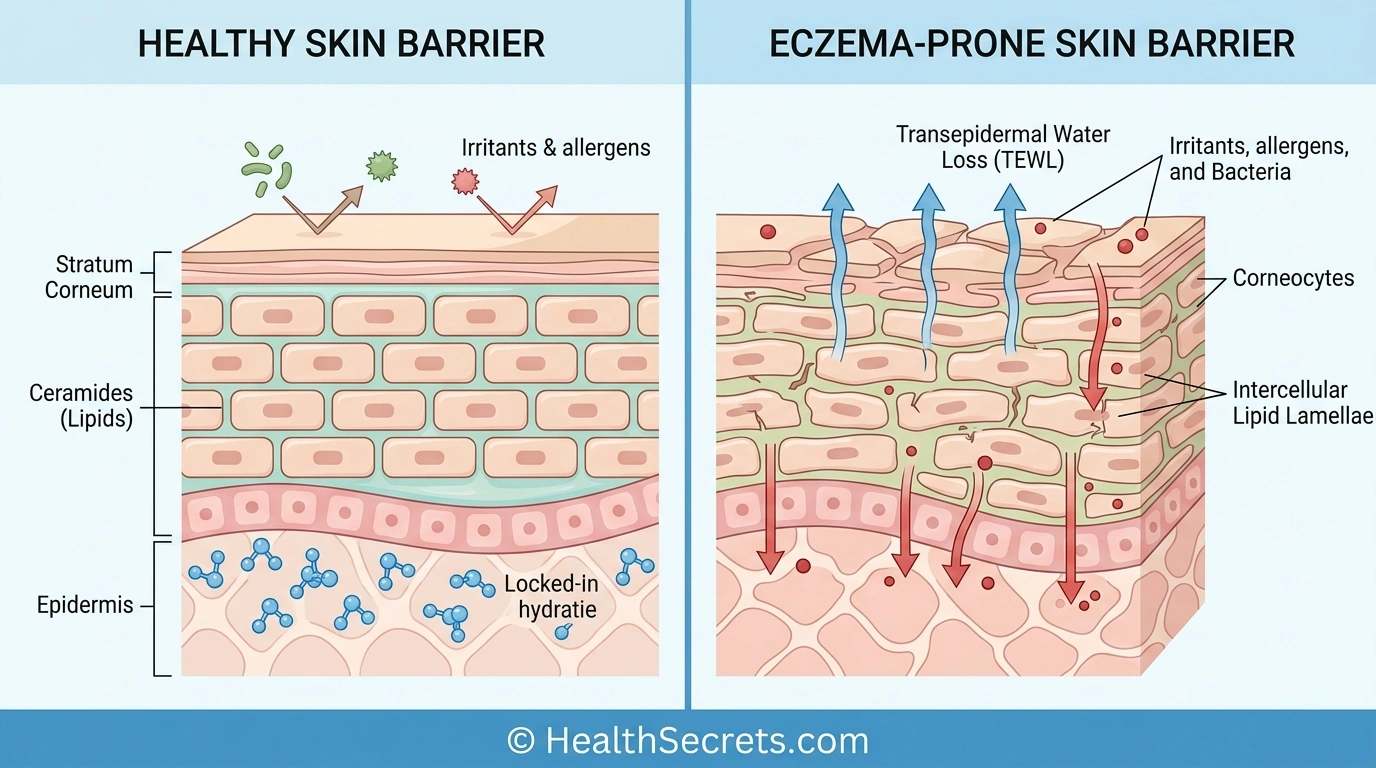
Eczema (atopic dermatitis) is a chronic inflammatory skin condition characterized by dry, itchy, red, and sometimes weeping or crusted patches. The underlying cause involves three interconnected factors:
- Impaired skin barrier: People with eczema produce fewer ceramides and may have filaggrin gene mutations, leaving gaps in the skin's protective layer that allow moisture to escape and irritants to enter [2]
- Immune dysregulation: An overactive Th2 immune response produces excessive IgE antibodies and inflammatory cytokines (IL-4, IL-13) that drive inflammation and itching
- Microbial imbalance: Up to 90 percent of eczema patients are colonized by Staphylococcus aureus, which worsens inflammation and triggers flares
Who Is This Guide For?
This guide is designed for people with mild to moderate eczema seeking evidence-based natural approaches, parents managing childhood eczema, and anyone wanting to complement conventional treatment with natural strategies. For severe eczema, these methods should supplement — not replace — dermatologist-prescribed care.
How Do You Identify and Eliminate Your Eczema Triggers?
Identifying and eliminating personal triggers can prevent up to half of eczema flare-ups. Common triggers include environmental irritants, allergens, dietary factors, stress, and climate changes. Keeping a detailed flare diary for 4–6 weeks is the most effective way to identify your unique trigger pattern and take targeted action.
What Are the Most Common Eczema Triggers?
- Irritants: Fragranced soaps, detergents, wool, synthetic fabrics, hot water, low humidity, cigarette smoke
- Allergens: Dust mites, pet dander, pollen, mold — and in some cases, food allergens (dairy, eggs, wheat, soy, tree nuts)
- Climate factors: Extreme cold, dry winter air, excessive heat, sudden temperature changes, low humidity below 30 percent
- Stress: Psychological stress elevates cortisol and inflammatory cytokines, directly triggering or worsening flares
- Skin microbiome disruption: Overgrowth of S. aureus from over-washing, harsh cleansers, or antibiotic use
- Hormonal changes: Menstrual cycle fluctuations, pregnancy, and menopause can trigger flares
How Do You Track Triggers Effectively?
Keep a daily flare diary recording: what you ate, products you applied, clothing materials, stress levels, weather conditions, sleep quality, and eczema severity on a 1–10 scale. After 4–6 weeks, patterns typically emerge. For suspected food triggers, work with an allergist on a structured elimination diet rather than self-restricting, as unnecessary dietary restrictions can lead to nutritional deficiencies.
How Do You Repair and Strengthen Your Skin Barrier?
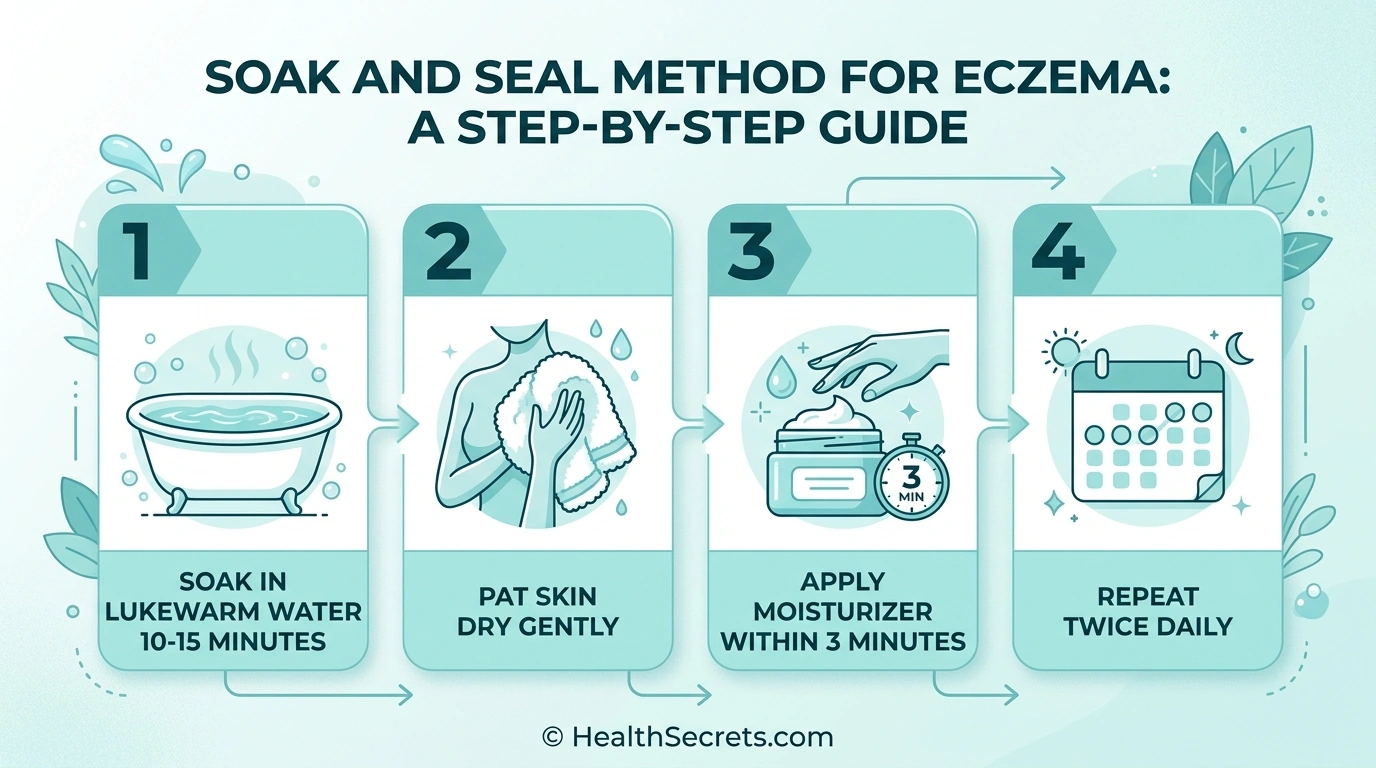
Repairing the skin barrier is the single most important step in eczema management. Applying a ceramide-rich moisturizer within 3 minutes of bathing (the "soak and seal" method) locks in hydration, reduces transepidermal water loss (TEWL), and decreases flare frequency. A 2023 meta-analysis found that ceramide-containing moisturizers significantly improved SCORAD scores compared to standard moisturizers [12].
What Is the "Soak and Seal" Method?
- Soak: Take a lukewarm bath or shower (not hot) for 10–15 minutes using a fragrance-free, soap-free cleanser
- Pat: Gently pat skin partially dry with a soft towel — do not rub
- Seal: Within 3 minutes, apply a thick ceramide-rich moisturizer or ointment to damp skin to trap moisture
- Repeat: Moisturize at least twice daily and after every hand wash
Which Moisturizer Ingredients Work Best?
- Ceramides: Replace the lipids missing in eczema skin (ceramides account for roughly 50 percent of the healthy skin barrier)
- Hyaluronic acid: Draws and holds moisture in the epidermis
- Colloidal oatmeal: Anti-inflammatory, skin-protective, and itch-relieving
- Petrolatum (petroleum jelly): Creates an occlusive seal that reduces TEWL by up to 99 percent
- Avoid: Fragrances, dyes, parabens, essential oils in high concentrations, and products with long ingredient lists
A randomized trial found that a ceramide-dominant moisturizing cream safely restored skin permeability and improved eczema signs and symptoms in adults [13].
Which Topical Natural Remedies Have the Strongest Evidence for Eczema?
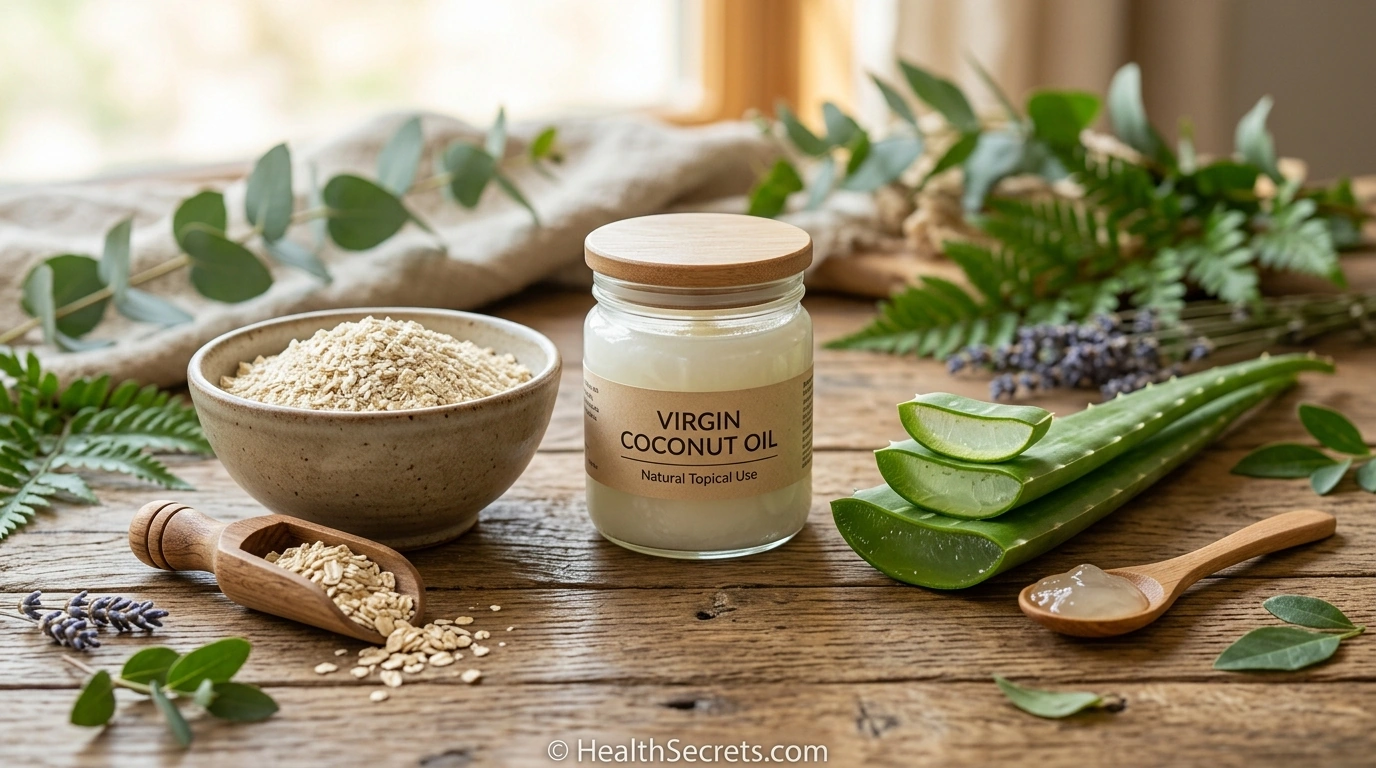
Colloidal oatmeal, virgin coconut oil, and aloe vera are the three topical natural remedies with the most clinical evidence for eczema. Colloidal oatmeal reduces eczema severity comparable to prescription creams, coconut oil improves hydration and fights S. aureus, and aloe vera provides anti-inflammatory moisturization. All three are well-tolerated and safe for sensitive skin.
How Does Colloidal Oatmeal Reduce Eczema?
Colloidal oatmeal (Avena sativa) is FDA-recognized as a skin protectant that reduces inflammation, relieves itching, and strengthens the skin barrier. Its active compounds include avenanthramides (potent anti-inflammatories), beta-glucan (moisturizer), and saponins (gentle cleansers). A 2023 randomized controlled trial found that 1% colloidal oatmeal cream was clinically effective for mild to moderate atopic dermatitis, performing comparably to prescription barrier cream [3]. An earlier double-blind trial confirmed that colloidal oatmeal as an adjunct therapy significantly improved eczema severity, pruritus, and quality of life [4].
How to use: Apply colloidal oatmeal cream or lotion to affected areas 2–3 times daily. For bath soaks, add 1 cup of colloidal oatmeal to a lukewarm bath and soak for 15–20 minutes.
Does Virgin Coconut Oil Help Eczema?
Virgin coconut oil contains lauric acid (antimicrobial), which reduces S. aureus colonization, and medium-chain fatty acids that strengthen the skin barrier. A landmark randomized trial in pediatric patients found that topical virgin coconut oil decreased SCORAD scores by 68 percent compared to 38 percent with mineral oil, while also significantly improving transepidermal water loss and skin capacitance [5]. A 2024 JAAD review confirmed that coconut oil consistently showed positive results for skin barrier repair among all topical oils studied [6].
How to use: Apply a thin layer of organic, unrefined virgin coconut oil to damp skin after bathing. Perform a patch test first, as a small percentage of individuals may react to coconut oil.
Can Aloe Vera Soothe Eczema Flares?
Aloe vera gel contains acemannan and other polysaccharides with anti-inflammatory, antimicrobial, and wound-healing properties. While large-scale eczema-specific trials are limited, clinical studies have demonstrated its ability to reduce skin inflammation, promote healing, and improve hydration. A study using an aloe vera-based emollient cream showed significant improvement in dryness, itching, and overall dermatitis severity in atopic dermatitis patients [17].
How to use: Apply pure aloe vera gel (99% or higher, no added fragrances or alcohol) to irritated areas 2–3 times daily. Refrigerating the gel before application provides additional itch relief through cooling.
Which Supplements Support Eczema from the Inside?
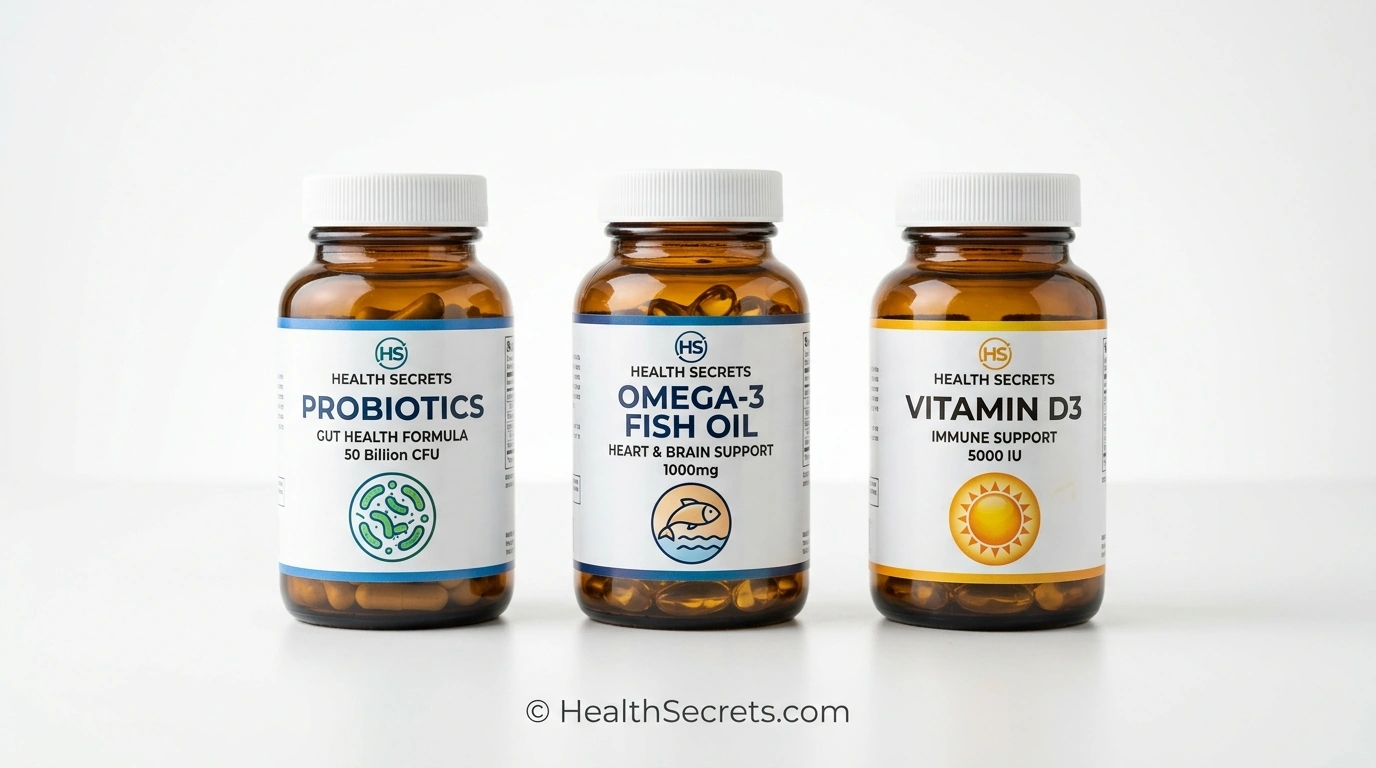
Probiotics, omega-3 fatty acids, and vitamin D are three supplements with clinical evidence for improving atopic dermatitis when taken orally. Probiotics modulate the gut-skin immune axis, omega-3s reduce inflammatory mediators, and vitamin D supports immune regulation and skin barrier gene expression. These supplements address internal drivers of eczema that topical remedies cannot reach.

How Do Probiotics Improve Eczema?
Probiotics modulate the gut microbiome, which directly influences systemic inflammation and immune responses in the skin through the gut-skin axis. A 2022 meta-analysis of randomized controlled trials found that probiotics significantly decreased SCORAD scores and improved quality of life in adult atopic dermatitis patients, with a mixture of L. salivarius (LS01) and Bifidobacterium (BR03) appearing optimal [7]. A 2026 systematic review confirmed moderate to large clinical improvements in pediatric AD with probiotic therapy. A 2026 meta-analysis of topical probiotics also showed benefits in reducing AD severity [8].
Dosing: Multi-strain probiotics containing Lactobacillus rhamnosus GG, L. salivarius, and Bifidobacterium strains, minimum 10 billion CFU daily, for at least 8–12 weeks.
Can Omega-3 Fatty Acids Reduce Eczema Inflammation?
Omega-3 fatty acids (EPA and DHA) reduce pro-inflammatory prostaglandins and leukotrienes that drive eczema inflammation. A 2024 randomized, triple-blind, placebo-controlled trial found that omega-3 supplementation in children with AD significantly decreased SCORAD scores (from 42 to 25), reduced topical corticosteroid use (from 30 to 10 mg per month), and improved itch, sleep quality, and quality of life [9].
Dosing: 1,000–2,000 mg EPA+DHA daily from fish oil for adults, adjusted for children by weight. Choose products tested for heavy metals and oxidation.
Does Vitamin D Supplementation Help Eczema?
Vitamin D modulates innate and adaptive immunity, supports antimicrobial peptide production (cathelicidin, which fights S. aureus), and influences skin barrier gene expression. A 2024 systematic review and meta-analysis of 11 RCTs with 686 participants found that vitamin D supplementation significantly reduced AD severity (SMD = -0.41, 95% CI: -0.67 to -0.16) [10]. A meta-analysis by Park et al. found that doses above 2,000 IU per day were necessary for meaningful benefit [11].
Dosing: 2,000–4,000 IU vitamin D3 daily for adults (test your levels first; aim for 40–60 ng/mL). Take with a fat-containing meal for optimal absorption.
How Does the Gut-Skin Connection Affect Your Eczema?
The gut-skin axis is a bidirectional communication pathway where gut microbiome composition directly influences skin inflammation and immune responses. People with eczema consistently show reduced gut microbial diversity and lower levels of beneficial Bifidobacterium species, which impairs immune tolerance and increases systemic inflammation that manifests as skin flares.

Research has demonstrated that infants with less gut microbial diversity are more susceptible to developing atopic dermatitis [14]. The gut microbiome influences eczema through several mechanisms: short-chain fatty acid production (supports immune regulation), intestinal barrier integrity (prevents "leaky gut" and systemic inflammation), and T-regulatory cell development (promotes immune tolerance) [15].
How Do You Support Your Gut-Skin Axis?
- Probiotic-rich foods: Yogurt, kefir, sauerkraut, kimchi, miso, kombucha (introduce gradually)
- Prebiotic fiber: Onions, garlic, leeks, asparagus, bananas, oats (feeds beneficial bacteria)
- Diverse plant foods: Aim for 30 different plant foods per week to maximize microbial diversity
- Avoid gut disruptors: Excessive sugar, processed foods, unnecessary antibiotics, NSAIDs
- Probiotic supplementation: As discussed in Step 4, multi-strain probiotics for 8–12 weeks minimum
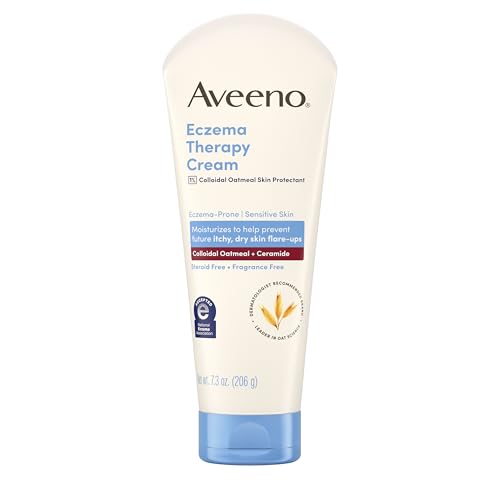
Aveeno Eczema Therapy Moisturizing Cream
Best Colloidal Oatmeal TreatmentAveeno Eczema · Daily itch relief and skin protection for mild to moderate eczema
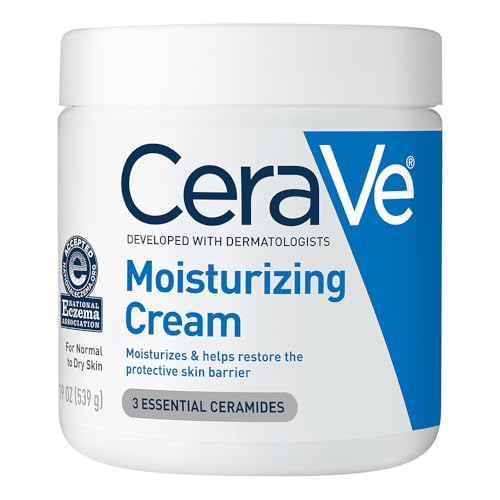
CeraVe Moisturizing Cream
Best Ceramide-Based Barrier RepairCeraVe Moisturizing · Rebuilding the skin barrier with essential ceramides for eczema-prone skin
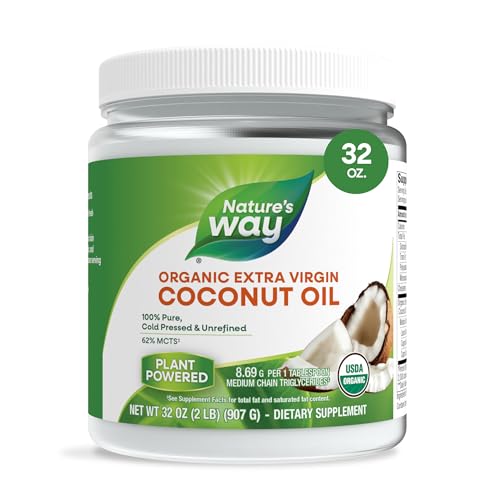
Nutiva Organic Cold-Pressed Virgin Coconut Oil
Best Natural Antimicrobial MoisturizerNutiva Organic · Mild eczema requiring antimicrobial barrier support and natural hydration

Culturelle Digestive Daily Probiotic
Best Probiotic for Gut-Skin AxisCulturelle Digestive · Supporting gut microbiome health to reduce systemic inflammation driving eczema
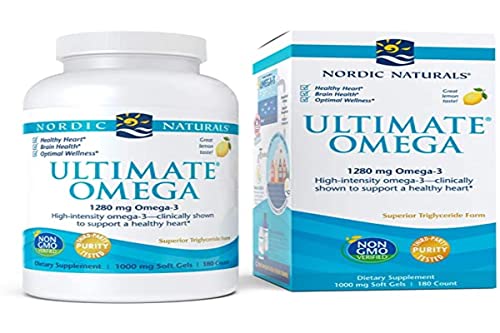
Nordic Naturals Ultimate Omega
Best Omega-3 for Skin InflammationNordic Naturals · Reducing systemic inflammation and supporting anti-inflammatory pathways in eczema
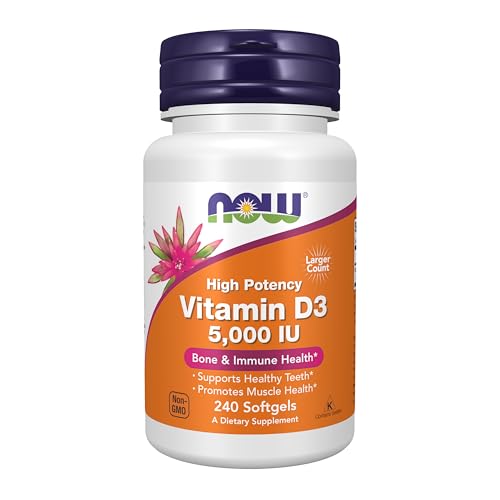
NOW Foods Vitamin D3 5000 IU
Best Vitamin D for Eczema SupportNOW Foods · Correcting vitamin D deficiency to support immune regulation and skin barrier function

Eucerin Eczema Relief Cream
Best Ceramide + Oatmeal CombinationEucerin Eczema · People who want both ceramide barrier repair and colloidal oatmeal itch relief in one product

Vanicream Moisturizing Ointment
Best Ultra-Sensitive Occlusive MoisturizerVanicream Moisturizing · People with extreme sensitivity who react to most products, including those with ceramide creams
Read the detailed review cards below before opening any retailer link
Top Recommended Products
Aveeno Eczema
Aveeno Eczema Therapy Moisturizing Cream
Aveeno's Eczema Therapy cream delivers the colloidal oatmeal that clinical trials have shown performs comparably to prescription barrier creams. The NEA Seal of Acceptance confirms it meets strict standards for eczema-safe formulation, and the fragrance-free, steroid-free formula is suitable for daily long-term use.
Pros
- + NEA Accepted
- + clinically proven colloidal oatmeal
- + fragrance-free and steroid-free
- + gentle enough for daily use on sensitive skin
Cons
- - May not be moisturizing enough for very severe dryness (ointment may be needed)
Why we included it: Aveeno's Eczema Therapy cream delivers the colloidal oatmeal that clinical trials have shown performs comparably to prescription barrier creams. The NEA Seal of Acceptance confirms it meets strict standards for eczema-safe formulation, and the fragrance-free, steroid-free formula is suitable for daily long-term use.
Retailer link opens on Amazon after the review details above
CeraVe Moisturizing
CeraVe Moisturizing Cream
CeraVe contains the three essential ceramides that eczema skin lacks, delivered through patented MVE technology for sustained 24-hour release. Meta-analyses confirm that ceramide-containing moisturizers significantly outperform standard moisturizers in improving SCORAD scores, making this the gold standard for daily barrier repair.
Pros
- + Contains three essential ceramides (1
- + 3
- + 6-II)
- + MVE technology provides 24-hour hydration
- + NEA Accepted
- + fragrance-free
- + non-comedogenic
- + large 19 oz size
Cons
- - Cream texture may feel heavy in humid climates
Why we included it: CeraVe contains the three essential ceramides that eczema skin lacks, delivered through patented MVE technology for sustained 24-hour release. Meta-analyses confirm that ceramide-containing moisturizers significantly outperform standard moisturizers in improving SCORAD scores, making this the gold standard for daily barrier repair.
Retailer link opens on Amazon after the review details above
Nutiva Organic
Nutiva Organic Cold-Pressed Virgin Coconut Oil
Randomized trials demonstrate virgin coconut oil's dual benefit: it strengthens the skin barrier while its lauric acid content combats the S. aureus colonization present in up to 90% of eczema patients. Nutiva's cold-pressed extraction preserves these therapeutic compounds, and the large jar provides exceptional value.
Pros
- + Clinically proven to reduce SCORAD by 68%
- + antimicrobial lauric acid fights S. aureus
- + USDA Organic
- + large value size
- + multi-use (cooking + skincare)
Cons
- - Some individuals may react to coconut oil (patch test essential)
- - solid texture requires warming
Why we included it: Randomized trials demonstrate virgin coconut oil's dual benefit: it strengthens the skin barrier while its lauric acid content combats the S. aureus colonization present in up to 90% of eczema patients. Nutiva's cold-pressed extraction preserves these therapeutic compounds, and the large jar provides exceptional value.
Retailer link opens on Amazon after the review details above
Culturelle Digestive
Culturelle Digestive Daily Probiotic
Lactobacillus rhamnosus GG is the single most studied probiotic strain for atopic conditions, with meta-analyses showing significant SCORAD improvements. Culturelle guarantees 10 billion CFU at expiration and uses a single, well-characterized strain with decades of safety data.
Pros
- + Contains LGG
- + the most studied probiotic strain for atopic conditions
- + 10 billion CFU guaranteed
- + established brand with decades of clinical research
- + well-tolerated
Cons
- - Single strain (consider multi-strain for broader benefits)
- - 30-day supply requires monthly purchase
Why we included it: Lactobacillus rhamnosus GG is the single most studied probiotic strain for atopic conditions, with meta-analyses showing significant SCORAD improvements. Culturelle guarantees 10 billion CFU at expiration and uses a single, well-characterized strain with decades of safety data.
Retailer link opens on Amazon after the review details above
Nordic Naturals
Nordic Naturals Ultimate Omega
The 2024 clinical trial showing omega-3 reduced SCORAD from 42 to 25 used therapeutic-dose fish oil. Nordic Naturals delivers 1,280 mg EPA+DHA in highly absorbable triglyceride form with IFOS 5-Star purity certification, ensuring you receive the anti-inflammatory doses used in clinical research.
Pros
- + High potency 1
- + 280 mg EPA+DHA per serving
- + triglyceride form for superior absorption
- + IFOS 5-Star certified for purity
- + no fishy aftertaste
- + sustainably sourced
Cons
- - Premium price point
- - requires 2 soft gels per serving
Why we included it: The 2024 clinical trial showing omega-3 reduced SCORAD from 42 to 25 used therapeutic-dose fish oil. Nordic Naturals delivers 1,280 mg EPA+DHA in highly absorbable triglyceride form with IFOS 5-Star purity certification, ensuring you receive the anti-inflammatory doses used in clinical research.
Retailer link opens on Amazon after the review details above
NOW Foods
NOW Foods Vitamin D3 5000 IU
Meta-analyses show vitamin D supplementation above 2,000 IU daily significantly reduces AD severity. NOW's 5,000 IU softgels in an olive oil base provide the therapeutic dose needed while delivering outstanding value with 240 softgels per bottle. Always test your vitamin D levels before and during supplementation.
Pros
- + Therapeutic dose above the 2
- + 000 IU threshold for eczema benefit
- + 240-count provides 8-month supply
- + olive oil base enhances fat-soluble vitamin absorption
- + excellent value
Cons
- - Requires blood level monitoring to avoid over-supplementation
- - may need dose adjustment based on baseline levels
Why we included it: Meta-analyses show vitamin D supplementation above 2,000 IU daily significantly reduces AD severity. NOW's 5,000 IU softgels in an olive oil base provide the therapeutic dose needed while delivering outstanding value with 240 softgels per bottle. Always test your vitamin D levels before and during supplementation.
Retailer link opens on Amazon after the review details above
Eucerin Eczema
Eucerin Eczema Relief Cream
Eucerin uniquely combines ceramide-3 for barrier repair with colloidal oatmeal for itch relief and anti-inflammation in a single NEA-accepted formula. This dual-action approach addresses the two most critical needs in eczema management simultaneously.
Pros
- + Combines two clinically proven ingredients (ceramides + colloidal oatmeal)
- + NEA Accepted
- + fragrance-free
- + steroid-free
- + dye-free
- + gentle enough for children
Cons
- - Smaller 8 oz size compared to CeraVe
Why we included it: Eucerin uniquely combines ceramide-3 for barrier repair with colloidal oatmeal for itch relief and anti-inflammation in a single NEA-accepted formula. This dual-action approach addresses the two most critical needs in eczema management simultaneously.
Retailer link opens on Amazon after the review details above
Vanicream Moisturizing
Vanicream Moisturizing Ointment
For ultra-sensitive eczema patients who react to even gentle moisturizers, Vanicream's minimal-ingredient ointment provides maximum barrier protection with virtually zero irritation risk. Its petrolatum base reduces transepidermal water loss by up to 99%, making it the gold standard for severe dryness and barrier dysfunction.
Pros
- + Extremely minimal ingredient list
- + free of virtually all common irritants
- + petrolatum reduces TEWL by up to 99%
- + recommended by dermatologists for ultra-sensitive skin
- + affordable
Cons
- - Greasy ointment texture not preferred by all users
Why we included it: For ultra-sensitive eczema patients who react to even gentle moisturizers, Vanicream's minimal-ingredient ointment provides maximum barrier protection with virtually zero irritation risk. Its petrolatum base reduces transepidermal water loss by up to 99%, making it the gold standard for severe dryness and barrier dysfunction.
Retailer link opens on Amazon after the review details above
How Do You Break the Itch-Scratch Cycle and Manage Stress?
Stress is both a trigger and a consequence of eczema, creating a vicious cycle: stress elevates cortisol and inflammatory cytokines, which trigger flares; the visible skin changes and relentless itching cause more stress and anxiety. A 2024 meta-analysis found that behavioral interventions significantly relieved eczema severity and scratching.
What Techniques Help Break the Itch-Scratch Cycle?
- Habit reversal training: When you feel the urge to scratch, clench your fists for 30 seconds, then gently press or pat the itchy area instead
- Cold compress: Apply a cold, damp cloth to the itchy area for 5–10 minutes (reduces nerve signal transmission)
- Distraction techniques: Squeeze a stress ball, count backwards, or engage your hands in another activity
- Keep nails short: Reduces skin damage from unconscious scratching, especially during sleep
- Wet wrap therapy: Apply moisturizer, cover with a damp layer of cotton, then a dry layer on top (locks in moisture and provides a physical barrier against scratching)
How Does CBT Help Eczema?
A 2024 study in JAMA Dermatology found that internet-based CBT — including self-guided programs — significantly reduced itch intensity, stress, depression, and sleep disturbance in adults with eczema [16]. CBT for eczema focuses on identifying scratch triggers, developing alternative responses, challenging catastrophic thoughts about flares, and building stress resilience.
What Other Stress Management Techniques Help?
- Meditation and mindfulness: 10–20 minutes daily reduces cortisol and inflammatory markers
- Regular exercise: Moderate exercise (avoiding overheating) improves stress resilience and sleep
- Adequate sleep: Poor sleep worsens both stress and eczema — prioritize sleep hygiene
See: Mental Wellness Natural Strategies · Sleep Optimization Guide
When Should You See a Dermatologist Instead of Self-Treating?
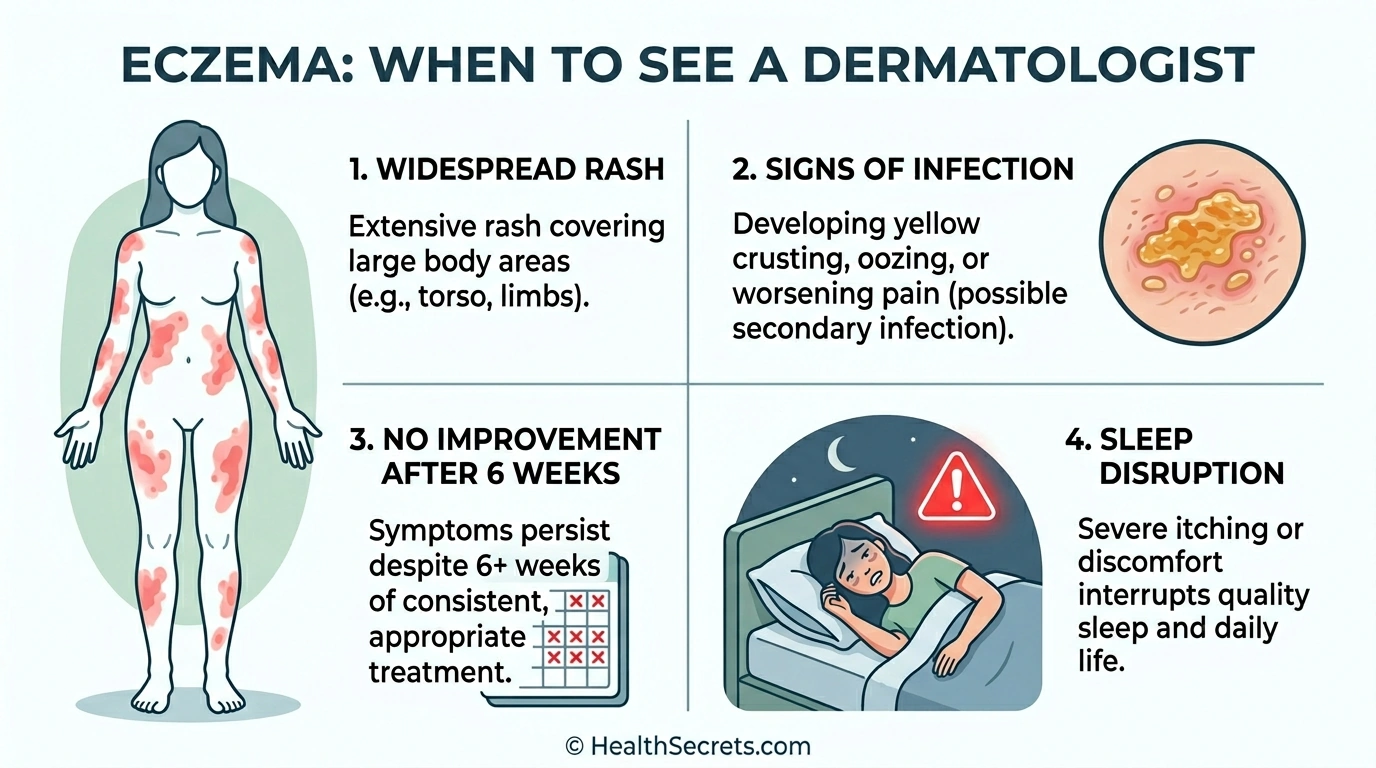
You should see a dermatologist if your eczema covers large body areas, shows signs of infection (oozing, crusting, fever, yellow discharge), fails to improve after 4–6 weeks of consistent natural management, significantly impacts your sleep or daily functioning, or if you suspect contact dermatitis from a specific allergen. Professional care ensures you receive the most appropriate treatment and rules out conditions that mimic eczema.

What Are Signs of Eczema Infection?
- Yellow or green crusting, oozing, or pus
- Increased redness, warmth, or swelling beyond normal flare patterns
- Fever or feeling generally unwell
- Painful (rather than just itchy) skin
- Rapidly worsening despite treatment
Infected eczema typically requires antibiotics and should be treated promptly to prevent complications.
What Professional Treatments Are Available?
- Topical corticosteroids: First-line anti-inflammatory treatment for moderate flares
- Topical calcineurin inhibitors: Steroid-sparing options for sensitive areas (face, eyelids)
- Dupilumab (Dupixent): Biologic therapy for moderate to severe AD that blocks IL-4 and IL-13
- JAK inhibitors: Newer oral and topical options for moderate to severe cases
- Phototherapy: Narrowband UVB therapy for widespread eczema unresponsive to topicals
- Patch testing: Identifies specific contact allergens driving your eczema
What Are the Most Common Mistakes People Make When Treating Eczema Naturally?
The biggest mistakes include using products with hidden fragrances or irritants, inconsistent moisturizing (barrier repair requires multiple daily applications), eliminating entire food groups without medical guidance, and expecting supplements alone to control eczema without addressing skin barrier repair and trigger avoidance.

- Using "natural" products with irritants: Many products labeled "natural" contain essential oils, fragrances, or botanical extracts that irritate eczema-prone skin. Always check ingredient lists.
- Inconsistent moisturizing: Barrier repair requires applying ceramide-rich moisturizer at least twice daily and within 3 minutes of bathing — every single day, not just during flares.
- Hot baths and showers: Hot water strips natural oils and worsens barrier dysfunction. Keep water lukewarm (98–100°F).
- Over-cleansing: Washing too frequently or using harsh soaps destroys the skin microbiome. Use fragrance-free, soap-free cleansers and limit full-body washing.
- Unnecessary food elimination: Restricting diet without confirmed food allergies leads to nutritional deficiencies without eczema improvement. Work with an allergist.
- Ignoring the gut connection: Focusing only on topical treatments while neglecting gut health misses a major driver of systemic inflammation.
- Stopping treatment when skin clears: Eczema management is ongoing — continue daily moisturizing and trigger avoidance even during remission to prevent flares.
Are Natural Eczema Remedies Safe, and What Should You Watch For?
Most natural eczema remedies discussed in this guide are safe for adults and children when used correctly. However, patch testing is essential before applying any new topical product to eczema-prone skin, and supplements should be discussed with a healthcare provider, especially for children, pregnant or nursing individuals, and those on immunosuppressive medications.
Patch Testing Protocol
Before applying any new product to eczema-affected skin, apply a small amount to the inner forearm and wait 48 hours. If no redness, itching, or irritation develops, the product is likely safe for broader use. This applies to coconut oil, aloe vera, and all new moisturizers.
Supplement Safety Considerations
- Probiotics: Generally safe; start with lower doses and increase gradually to minimize initial GI discomfort
- Omega-3: May increase bleeding risk at very high doses; coordinate with your provider if on blood thinners
- Vitamin D: Excessive supplementation can cause hypercalcemia; test levels before and during supplementation
- Children: All supplement dosing should be supervised by a pediatrician
Action Plan
What Should You Do First to Start Soothing Your Eczema?
Follow the sequence below, work through each phase in order, and use the checklist as your practical implementation guide.
Start with skin barrier repair and trigger identification in Weeks 1–2, add evidence-based topical remedies in Weeks 3–4, introduce internal supplements in Weeks 5–8, and optimize lifestyle and stress management over Weeks 9–12. This phased approach prevents overwhelm and lets you identify which interventions make the biggest difference for your skin.
Phase 1: Barrier Repair and Trigger ID (Weeks 1–2)
- Switch to fragrance-free, soap-free cleanser and ceramide-rich moisturizer
- Practice "soak and seal" after every bath or shower (within 3 minutes)
- Start a daily flare diary tracking foods, products, stress, weather, and severity
- Remove obvious irritants: fragranced laundry detergent, fabric softener, harsh soaps
- Set bedroom humidity to 40–60 percent and temperature to 65–68°F
Phase 2: Topical Natural Remedies (Weeks 3–4)
- Add colloidal oatmeal cream or bath soaks for itch relief and anti-inflammation
- Try virgin coconut oil on damp skin after bathing (patch test first)
- Apply aloe vera gel to active flare areas for cooling relief
- Continue consistent daily moisturizing (minimum twice daily)
Phase 3: Internal Support (Weeks 5–8)
- Start a multi-strain probiotic (minimum 10 billion CFU daily)
- Add omega-3 fish oil (1,000–2,000 mg EPA+DHA daily)
- Test vitamin D levels; supplement 2,000–4,000 IU D3 daily if deficient
- Increase probiotic and prebiotic foods in your diet
Phase 4: Lifestyle Optimization (Weeks 9–12+)
- Review flare diary for patterns and eliminate confirmed triggers
- Implement stress management: meditation, CBT techniques, regular exercise
- Practice habit reversal training for the itch-scratch cycle
- Evaluate progress — see a dermatologist if significant improvement has not occurred
- Maintain barrier repair and trigger avoidance as permanent daily practices

